
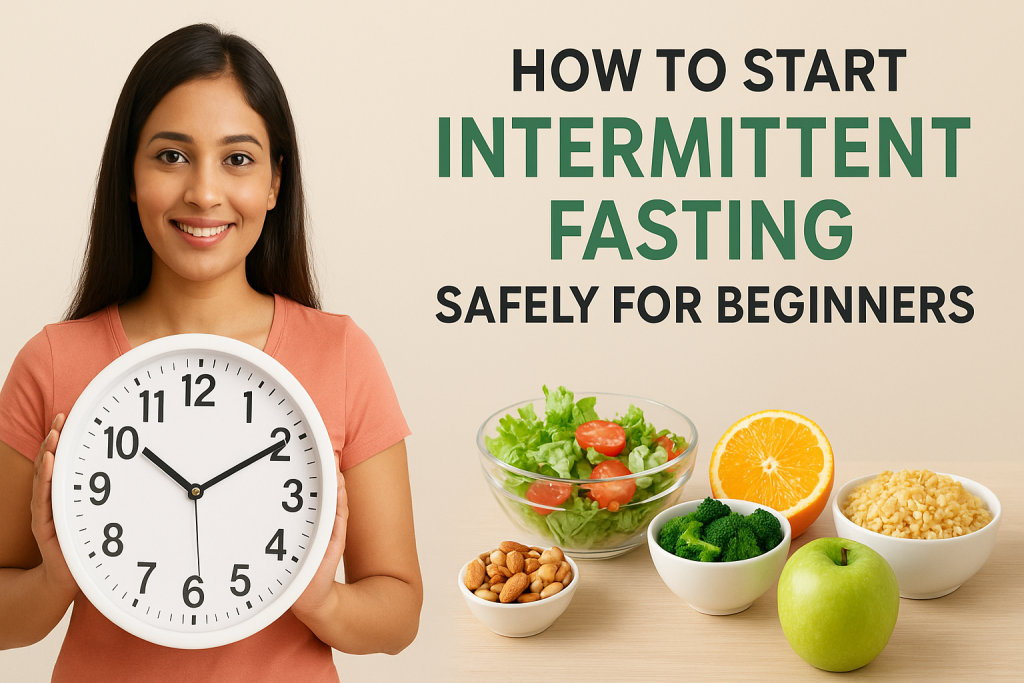
Are you struggling to find a sustainable approach to improving your health and managing your weight? You’re not alone. Millions of people worldwide are discovering intermittent fasting as a flexible, science-backed eating pattern that fits modern lifestyles.
Intermittent fasting isn’t just another diet trend. It’s an eating schedule that alternates between periods of eating and voluntary fasting, and research suggests it may support metabolic health, cellular repair, and overall wellness when done correctly.
But here’s the challenge: starting intermittent fasting without proper guidance can lead to hunger pangs, energy crashes, and frustration that makes you quit before seeing results.
This comprehensive guide will walk you through everything you need to know about starting intermittent fasting safely as a beginner. You’ll learn proven methods, practical meal plans, common pitfalls to avoid, and actionable tips to make your fasting journey successful and sustainable.
What Is Intermittent Fasting and How Does It Work?
Intermittent fasting is an eating pattern that cycles between periods of eating and fasting. Unlike traditional diets that focus on what you eat, intermittent fasting focuses on when you eat.
The Science Behind Intermittent Fasting
When you fast, several things happen in your body at the cellular and molecular level:
- Your insulin levels drop significantly, which facilitates fat burning
- Your body initiates cellular repair processes, including autophagy
- Gene expression changes occur that may promote longevity and disease protection
- Human growth hormone levels may increase, supporting fat loss and muscle gain
During the fasting window, your body exhausts its sugar stores and begins burning fat for energy. This metabolic switch typically occurs after 12 to 16 hours of fasting, which is why many intermittent fasting protocols target this timeframe.
Key Differences: Intermittent Fasting vs Traditional Dieting
| Aspect | Intermittent Fasting | Traditional Dieting |
|---|---|---|
| Focus | When you eat | What you eat |
| Calorie counting | Optional | Usually required |
| Meal frequency | Fewer, larger meals | Multiple small meals |
| Metabolic state | Alternates between fed and fasted | Constantly fed state |
| Flexibility | Highly adaptable | Often rigid rules |
| Sustainability | Generally easier long-term | Often difficult to maintain |
Popular Intermittent Fasting Methods for Beginners
Choosing the right intermittent fasting method is crucial for your success. Here are the most popular and beginner-friendly approaches:
The 16/8 Method (Time-Restricted Eating)
The 16/8 method involves fasting for 16 hours and eating during an 8-hour window. This is the most popular intermittent fasting schedule for beginners.
How it works:
- Fast for 16 consecutive hours daily
- Eat all your meals within an 8-hour window
- Example: Eat between 12 PM and 8 PM, fast from 8 PM to 12 PM the next day
Why beginners love it:
- You’re sleeping for most of the fasting period
- You can skip breakfast or dinner based on preference
- Provides structure while maintaining social flexibility
The 14/10 Method (Gentle Approach)
Perfect for absolute beginners, the 14/10 method offers a gentler introduction to time-restricted eating.
How it works:
- Fast for 14 hours
- Eat during a 10-hour window
- Example: Eat from 9 AM to 7 PM, fast from 7 PM to 9 AM
Best for:
- First-time fasters
- People with demanding work schedules
- Those transitioning from frequent snacking habits
The 5:2 Diet (Periodic Fasting)
This method involves eating normally five days a week and significantly reducing calorie intake on two non-consecutive days.
How it works:
- Eat normally for five days
- Consume 500-600 calories on two fasting days
- Fasting days should not be consecutive
Considerations:
- Requires more planning for low-calorie days
- May be challenging for beginners unused to significant calorie reduction
- Offers flexibility in choosing fasting days
Eat-Stop-Eat Method
This approach involves complete 24-hour fasts once or twice per week.
How it works:
- Fast for 24 hours once or twice weekly
- Example: Finish dinner at 7 PM, don’t eat until 7 PM the next day
- Continue eating normally on non-fasting days
Important notes:
- More advanced approach
- Start with one 24-hour fast per week
- Stay hydrated throughout the fasting period
Health Benefits of Intermittent Fasting
Understanding the potential benefits of intermittent fasting can help motivate you through the adjustment period.
Weight Management and Fat Loss
Intermittent fasting may support weight management through multiple mechanisms:
- Creates a natural calorie deficit by limiting eating windows
- Lowers insulin levels, promoting fat burning
- May increase metabolic rate by 3.6 to 14 percent in some studies
- Helps preserve muscle mass better than continuous calorie restriction
Metabolic Health Improvements
Research suggests intermittent fasting may positively impact various metabolic markers:
- May improve insulin sensitivity and blood sugar regulation
- Could support healthy cholesterol levels
- May reduce inflammation markers in the body
- Supports cellular repair through autophagy
Brain Health and Mental Clarity
Many practitioners report enhanced cognitive function during fasting:
- May increase production of brain-derived neurotrophic factor
- Could support neuroprotection and brain health
- Many users report improved focus and concentration
- May enhance mental clarity after the adaptation period
Cellular Health and Longevity
Fasting triggers important cellular maintenance processes:
- Activates autophagy, the body’s cellular cleanup process
- May support healthy aging at the cellular level
- Could promote cellular stress resistance
- May influence genes related to longevity
Important note: While research shows promising results, intermittent fasting is not a medical treatment. Always consult healthcare professionals before starting any new eating pattern, especially if you have existing health conditions.
Step-by-Step Guide: How to Start Intermittent Fasting Safely
Follow these practical steps to begin your intermittent fasting journey with confidence and safety.
Step 1: Assess Your Current Health Status
Before starting intermittent fasting, evaluate your readiness:
- Consider scheduling a check-up with your healthcare provider
- Discuss your plans if you have any health conditions
- Ensure you’re not pregnant, breastfeeding, or have a history of eating disorders
- Review any medications that require food intake
Who should avoid intermittent fasting:
- Individuals with a history of eating disorders
- Pregnant or breastfeeding women
- Children and teenagers still growing
- People with type 1 diabetes
- Those taking certain medications requiring food
Step 2: Choose Your Starting Method
Select a beginner-friendly fasting protocol:
For absolute beginners:
- Start with 12/12: Fast for 12 hours, eat for 12 hours
- Progress to 14/10 after one to two weeks
- Eventually advance to 16/8 if desired
Gradual progression example:
- Week 1-2: 12-hour fasting window
- Week 3-4: 14-hour fasting window
- Week 5+: 16-hour fasting window
Step 3: Plan Your Eating Window
Strategic timing makes fasting easier:
Morning eating window (Early Time-Restricted Feeding):
- Eating window: 8 AM to 4 PM
- Fasting window: 4 PM to 8 AM
- Benefits: Aligns with circadian rhythm, supports evening family time
- Challenge: Social dinners may be difficult
Afternoon eating window (Most Popular):
- Eating window: 12 PM to 8 PM
- Fasting window: 8 PM to 12 PM
- Benefits: Skip breakfast, maintain social dinner plans
- Challenge: May feel hungry in late morning initially
Flexible approach:
- Adjust your window based on work schedule
- Maintain consistency for best results
- Allow flexibility for special occasions
Step 4: Prepare Your Environment
Set yourself up for success:
Kitchen preparation:
- Remove tempting snacks from easy access
- Stock nutrient-dense foods for eating windows
- Prepare easy-to-grab healthy options
- Keep water bottles readily available
Create accountability:
- Tell friends and family about your plan
- Join online intermittent fasting communities
- Track your progress with a journal or app
- Find a fasting buddy for mutual support
Step 5: Start Gradually and Listen to Your Body
Begin your fasting practice mindfully:
First week focus:
- Start with shorter fasting windows
- Pay attention to hunger signals
- Stay hydrated throughout the day
- Don’t stress about perfection
Adaptation period expectations:
- Initial hunger is normal and typically subsides
- Energy levels may fluctuate during the first two weeks
- Sleep patterns might temporarily change
- Mood swings can occur as your body adapts
When to adjust your approach:
- Persistent extreme hunger beyond three weeks
- Significant energy crashes affecting daily function
- Sleep disturbances that don’t improve
- Negative mood changes that persist
Some Trending Health Product Reviews
KneNest Knee Pillow Reviews
Lumen Review
SnoreStop Review
Instant Hydration Review
ZivoLife Review
Great Gums Reviews
Seaonic Review
Mighties Protein Drink for Kids Reviews
What to Eat During Your Eating Window
The quality of food you consume during eating periods significantly impacts your results.
Nutrient-Dense Foods to Prioritize
Focus on whole, unprocessed foods that provide sustained energy:
Protein sources:
- Lean meats, poultry, and fish
- Eggs and egg whites
- Greek yogurt and cottage cheese
- Legumes and beans
- Tofu and tempeh
Healthy fats:
- Avocados and olive oil
- Nuts and seeds
- Fatty fish like salmon
- Nut butters
- Coconut products
Complex carbohydrates:
- Whole grains like quinoa and brown rice
- Sweet potatoes and root vegetables
- Oats and whole grain bread
- Fruits with fiber
Vegetables:
- Leafy greens like spinach and kale
- Cruciferous vegetables
- Colorful peppers and tomatoes
- Fiber-rich vegetables
Sample Meal Plans for Different Fasting Windows
16/8 Method Sample Day (12 PM – 8 PM eating window):
First meal (12 PM):
- Grilled chicken salad with mixed greens
- Olive oil and lemon dressing
- Quinoa or brown rice
- Fresh berries
Snack (3 PM – optional):
- Greek yogurt with nuts
- Apple with almond butter
- Hummus with vegetable sticks
Dinner (7 PM):
- Baked salmon or lean protein
- Roasted vegetables
- Sweet potato
- Side salad
Evening treat (before 8 PM – optional):
- Small portion of dark chocolate
- Herbal tea
Foods to Limit or Avoid
Certain foods can undermine your fasting success:
Highly processed foods:
- Sugary snacks and desserts
- Fast food and fried items
- Processed meats with additives
- Packaged snacks high in sodium
Simple sugars:
- Candy and sweets
- Sugar-sweetened beverages
- White bread and pastries
- Excessive fruit juices
Why quality matters:
- Processed foods spike insulin levels
- Sugar causes energy crashes
- Empty calories don’t satisfy hunger
- Nutrient-poor foods leave you depleted
What You Can Consume During Fasting Hours
Understanding what breaks a fast versus what doesn’t is crucial for success.
Zero-Calorie Beverages
These drinks won’t break your fast:
- Water: Your best friend during fasting
- Black coffee: No cream, milk, or sugar
- Plain tea: Green, black, herbal, oolong
- Sparkling water: Unsweetened varieties
- Apple cider vinegar water: Diluted in water
What Breaks Your Fast
Avoid these during fasting windows:
- Any food, even in small amounts
- Beverages with calories (milk, juice, smoothies)
- Coffee or tea with cream, milk, or sugar
- Diet sodas (debated, but may trigger insulin response)
- Sugar-free gum (may contain calories)
- Bone broth (contains calories and protein)
- Supplements with fillers or calories
The Gray Area: Minimal-Calorie Additions
Some practitioners use these without concern:
Acceptable for some fasting approaches:
- Small splash of cream in coffee (less than 1 tablespoon)
- Stevia or monk fruit sweetener
- Electrolyte supplements without sugar
- Psyllium husk for fiber
Consider your goals:
- Strict fasters avoid all calories
- Flexible fasters allow minimal additions
- Choose based on your results and comfort
Some Great Health Product Reviews
MyoGlow Reviews
Derila Ergo Pillow Reviews
Renewa EyeLift Reviews
Capnos LEGURA Review
Moonbuddy Review
Akusoli Magnetic Insoles Review
RejuvaCare FootRenew Review
Rejuvaknee Triple Method Massager Review
Common Mistakes Beginners Make and How to Avoid Them
Learn from these frequent pitfalls to ensure your fasting success.
Mistake 1: Starting Too Aggressively
The problem: Jumping into a 16-hour fast or longer on day one can overwhelm your body and lead to quick burnout.
The solution:
- Begin with 12-hour fasts
- Gradually increase by 30 minutes to 1 hour weekly
- Listen to your body’s signals
- Remember that slower progress is sustainable progress
Mistake 2: Overeating During Eating Windows
The problem: Consuming excessive calories during eating periods negates the benefits of fasting.
The solution:
- Eat until satisfied, not stuffed
- Focus on nutrient-dense, filling foods
- Practice mindful eating habits
- Track portions initially if needed
Mistake 3: Not Drinking Enough Water
The problem: Dehydration during fasting can cause headaches, fatigue, and false hunger signals.
The solution:
- Aim for 8-10 glasses of water daily
- Drink water when you feel hungry
- Add electrolytes if needed
- Keep water accessible throughout the day
Mistake 4: Ignoring Nutritional Quality
The problem: Eating junk food during eating windows undermines health goals and leaves you unsatisfied.
The solution:
- Prioritize whole, unprocessed foods
- Include protein, healthy fats, and fiber
- Plan meals in advance
- Prepare healthy options ahead of time
Mistake 5: Expecting Immediate Results
The problem: Getting discouraged when dramatic changes don’t happen within the first week.
The solution:
- Understand the body needs 2-4 weeks to adapt
- Focus on non-scale victories (energy, mental clarity, sleep)
- Take progress photos and measurements
- Celebrate small wins along the way
Mistake 6: Fasting While Sleep Deprived
The problem: Poor sleep increases hunger hormones and makes fasting unnecessarily difficult.
The solution:
- Prioritize 7-9 hours of quality sleep
- Establish consistent sleep schedules
- Create a relaxing bedtime routine
- Address sleep issues before starting intensive fasting
Managing Side Effects and Challenges
Understanding potential challenges helps you prepare and persist through the adaptation period.
Dealing with Hunger Pangs
Hunger during fasting is normal, especially initially:
Strategies to manage hunger:
- Drink water or herbal tea when hunger strikes
- Stay busy with activities that engage your mind
- Remember that hunger comes in waves and passes
- Try light exercise to distract from hunger
- Remind yourself why you started
When hunger signals adjustment needs:
- Persistent, intense hunger beyond three weeks
- Hunger affecting your ability to function
- Feeling lightheaded or weak regularly
Handling Headaches and Fatigue
Common during the first week as your body adapts:
Relief strategies:
- Stay well-hydrated throughout the day
- Add a pinch of sea salt to water for electrolytes
- Ensure adequate sleep during adaptation
- Consider magnesium supplementation
- Reduce caffeine if consuming excessive amounts
When to seek help:
- Severe headaches that don’t respond to hydration
- Persistent fatigue beyond two weeks
- Dizziness or fainting spells
Social Situations and Dining Out
Navigating social events while fasting:
Practical approaches:
- Schedule eating windows around social plans
- Choose fasting-friendly beverages at events
- Be honest with friends about your eating schedule
- Plan ahead for special occasions
- Allow flexibility for important events
Communication tips:
- “I’m not hungry right now, but I’ll join you for coffee”
- “I prefer eating later in the day”
- “I’m trying a new eating schedule that works for me”
Dealing with Irritability or Mood Changes
Mood fluctuations can occur during adaptation:
Supporting emotional balance:
- Acknowledge that adjustment periods are temporary
- Practice stress-reduction techniques
- Maintain regular exercise routines
- Get adequate sleep
- Consider shorter fasting windows initially
Tips for Long-Term Intermittent Fasting Success
Sustainability is key to making intermittent fasting a lasting lifestyle change.
Building Consistency Without Rigidity
Create sustainable habits:
- Establish a regular eating schedule most days
- Allow flexibility for special occasions
- Don’t stress over occasional deviations
- Focus on weekly patterns rather than daily perfection
The 80/20 approach:
- Follow your fasting schedule 80% of the time
- Allow 20% flexibility for life events
- Return to routine after special occasions
- Avoid all-or-nothing thinking
Combining Intermittent Fasting with Exercise
Strategic exercise timing can enhance results:
During fasting periods:
- Light cardio like walking
- Yoga or stretching
- Low-intensity activities
During eating windows:
- Strength training sessions
- High-intensity interval training
- Demanding workouts requiring fuel
Hydration during exercise:
- Drink extra water before, during, and after
- Consider electrolyte supplements for longer sessions
- Listen to your body’s energy levels
Tracking Progress Beyond the Scale
Monitor multiple indicators of success:
Measurements to track:
- Body measurements (waist, hips, chest)
- Energy levels throughout the day
- Sleep quality and duration
- Mental clarity and focus
- Mood and emotional wellbeing
- Clothing fit
- Progress photos
Recommended tracking frequency:
- Weigh weekly, same day and time
- Take measurements bi-weekly
- Photos monthly
- Daily journaling of energy and mood
Adjusting Your Approach Over Time
Your fasting protocol should evolve with your needs:
When to modify your schedule:
- Life circumstances change significantly
- Initial method becomes too easy or too difficult
- Goals shift or you reach milestones
- Seasonal changes affect appetite
Listening to your body:
- Hunger patterns become more predictable
- Energy levels stabilize
- Sleep improves
- Mental clarity enhances
Intermittent Fasting for Different Goals
Tailor your approach based on what you want to achieve.
Intermittent Fasting for Weight Management
Optimizing for fat loss:
- Choose 16/8 or 18/6 protocols
- Focus on protein and fiber during eating windows
- Create a moderate calorie deficit
- Combine with resistance training
- Track your food intake initially
Expected timeline:
- Weeks 1-2: Body adaptation, possible water weight changes
- Weeks 3-4: Consistent energy, fat burning begins
- Month 2+: Steady, sustainable progress
Intermittent Fasting for Energy and Focus
Optimizing for mental performance:
- Try morning fasting with afternoon eating window
- Stay hydrated with water and black coffee
- Include healthy fats in your meals
- Avoid sugar crashes by limiting simple carbs
- Get quality sleep consistently
Benefits timeline:
- Week 1: May experience energy fluctuations
- Week 2-3: Mental clarity begins improving
- Week 4+: Sustained focus during fasting periods
Intermittent Fasting for Metabolic Health
Supporting overall wellness:
- Consistent daily eating window
- Emphasis on whole, unprocessed foods
- Regular meal timing
- Adequate sleep and stress management
- Consult healthcare provider for monitoring
Can I drink coffee during fasting hours?
Yes, black coffee is perfectly acceptable during fasting windows. Coffee contains virtually no calories and won’t break your fast. However, avoid adding cream, milk, sugar, or flavored syrups, as these contain calories that will break your fast. Some people add a small amount of cinnamon or a zero-calorie sweetener like stevia without issues. Black coffee may even enhance fasting benefits by suppressing appetite and potentially supporting fat burning.
Will intermittent fasting slow down my metabolism?
No, intermittent fasting does not slow down metabolism when practiced correctly. Research indicates that short-term fasting may actually increase metabolic rate by 3.6 to 14 percent due to increased norepinephrine levels. Metabolic slowdown typically occurs with prolonged calorie restriction, not with intermittent fasting patterns that maintain adequate calorie intake during eating windows. The key is consuming enough nutrients during your eating periods and not restricting calories excessively.
How long does it take to see results from intermittent fasting?
Most people begin noticing changes within two to four weeks of consistent intermittent fasting. Initial weight changes in the first week may be water weight. True metabolic adaptation and fat burning typically begins after two to three weeks. Mental clarity and energy improvements often appear within one to two weeks. Significant physical changes usually become apparent after four to eight weeks of consistent practice. Remember that results vary based on individual factors like starting point, adherence, food choices, and activity level.
Can I take supplements during my fasting window?
It depends on the supplement. Fat-soluble vitamins like A, D, E, and K are best taken with food during your eating window for optimal absorption. Water-soluble vitamins like B and C can be taken during fasting but may cause stomach discomfort on an empty stomach. Electrolyte supplements without calories or sweeteners are generally fine during fasting. Protein powders and multivitamins with calories will break your fast. Always check supplement labels for hidden calories, fillers, or sugars that could interrupt your fasting state.
Is it normal to feel cold while intermittent fasting?
Feeling slightly colder during fasting is relatively common and usually harmless. This occurs because your body isn’t generating heat through digestion, and your metabolic processes shift. To manage this, dress in layers, stay active during the day, drink warm beverages like herbal tea or black coffee, and ensure you’re eating enough calories during your eating windows. However, if you experience severe cold sensitivity, persistent shivering, or other concerning symptoms, consult your healthcare provider as this could indicate an underlying issue.
Conclusion: Your Journey to Successful Intermittent Fasting
Starting intermittent fasting as a beginner doesn’t have to be overwhelming. With the right approach, preparation, and mindset, you can successfully incorporate this flexible eating pattern into your lifestyle.
Remember these key takeaways:
Start gradually with shorter fasting windows and build up as your body adapts. Choose a fasting method that fits your lifestyle and preferences. Focus on nutrient-dense whole foods during eating periods. Stay hydrated throughout your fasting windows. Listen to your body and adjust your approach as needed. Be patient with the adaptation process and celebrate small victories.
Intermittent fasting isn’t a quick fix or magic solution. It’s a tool that, when combined with quality nutrition, adequate sleep, stress management, and regular activity, can support your health and wellness goals. The most successful approach is one you can maintain consistently over time.
Ready to begin your intermittent fasting journey? Start today by choosing your fasting method and setting up your eating window. Track your progress, stay consistent, and remember that every expert was once a beginner who didn’t give up.
Your transformation starts with a single fasting window. Take that first step today, and discover what intermittent fasting can do for you.
Frequently Asked Questions About How to Start Intermittent Fasting
1. Can I switch between different intermittent fasting methods, or should I stick with one?
Yes, you can absolutely switch between different intermittent fasting methods based on your needs and lifestyle changes. Many successful fasters alternate between protocols depending on their schedule. For example, you might practice 16/8 during workdays and 14/10 on weekends when you have family brunches. The key is maintaining some form of consistent eating pattern rather than randomly eating at all hours. However, give each method at least two to three weeks before switching to allow proper adaptation. Frequent changes within days may prevent your body from adjusting optimally.
2. What should I do if I accidentally break my fast earlier than planned?
Don’t stress about occasionally breaking your fast early. Simply acknowledge it, finish your meal without guilt, and resume your normal fasting schedule with your next planned eating window. One early break won’t derail your progress. Avoid the trap of thinking the entire day is ruined and overeating as a result. Instead, treat it as a learning opportunity to identify what triggered the early break (stress, inadequate hydration, poor sleep, insufficient food quality the day before) and adjust accordingly. Consistency over weeks matters far more than perfection every single day.
3. Can intermittent fasting affect my menstrual cycle or hormones?
Intermittent fasting can potentially affect hormones and menstrual cycles, particularly with aggressive fasting protocols or when combined with excessive calorie restriction. Some women experience cycle changes, while others notice no impact at all. If you experience irregular periods, worsening PMS symptoms, or cycle disruptions, consider shortening your fasting window to 12-14 hours, ensuring adequate calorie intake during eating periods, or trying a gentler approach like the 5:2 method. Women often respond better to less aggressive fasting protocols. Always consult with your healthcare provider if you experience significant menstrual changes.
4. How do I handle intermittent fasting during holidays, vacations, or special events?
The beauty of intermittent fasting is its flexibility. During special occasions, you have several options: adjust your fasting window earlier or later to accommodate events, take a planned break from fasting for a day or two, or practice a shortened fasting window. Many successful fasters maintain their protocol 80-90% of the time and allow flexibility for life’s special moments. What matters most is returning to your regular schedule afterward without guilt. Intermittent fasting should enhance your life, not restrict you from enjoying important experiences with loved ones.
5. Will intermittent fasting cause muscle loss if I’m trying to build or maintain muscle mass?
When done correctly, intermittent fasting should not cause muscle loss and can actually be compatible with muscle building. The keys to preserving and building muscle while fasting include consuming adequate protein during eating windows (around 0.7-1 gram per pound of body weight), maintaining a sufficient calorie intake overall, timing resistance training sessions during or near eating windows, and not combining intermittent fasting with severe calorie restriction. Many athletes and bodybuilders successfully practice intermittent fasting while building muscle. Some research even suggests that the increased growth hormone levels during fasting may support muscle preservation.