
If you have been noticing more ads, headlines, and social media conversations about gut health lately, you are not imagining it. Digestive discomfort – bloating, gas, constipation, irregularity – has moved from a topic people whispered about to one discussed openly in health communities. And for good reason.
Gut microbiome research has expanded considerably over the past decade. Scientists now understand that the trillions of microorganisms living in the human digestive tract play a role that extends well beyond simple digestion – influencing immunity, mood, metabolism, and overall wellness. That growing awareness has created an enormous market for digestive supplements.
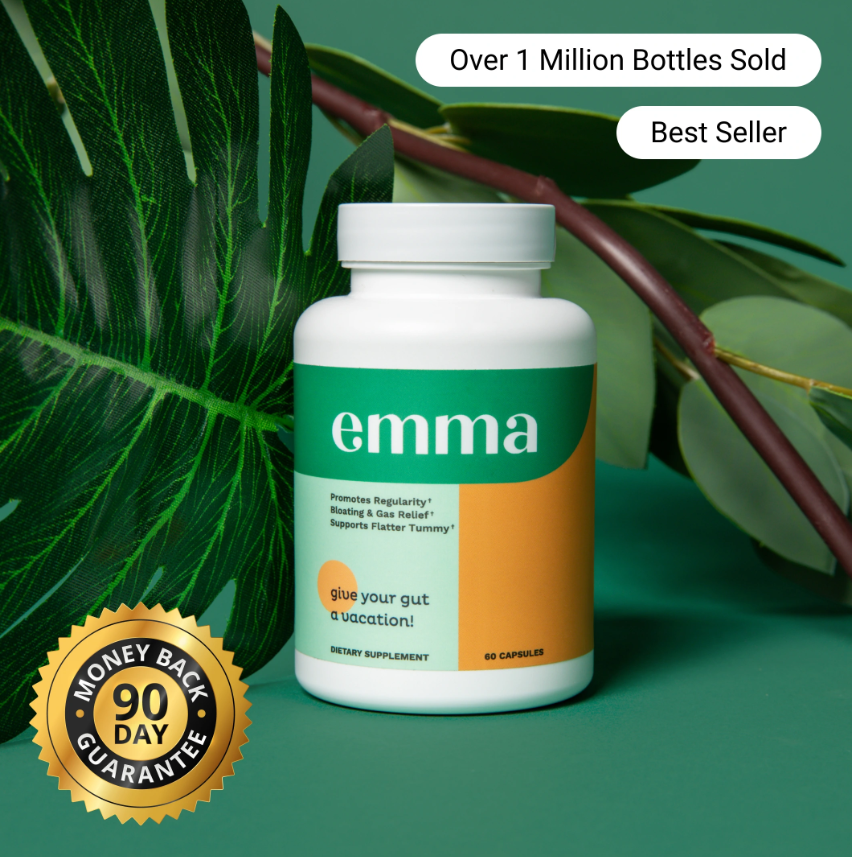
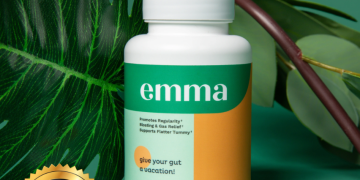
Emma Relief, manufactured by Enclave BioActives under Konscious LLC, has become one of the more visible products in this space. Consumer search interest in terms like “Emma Relief review,” “Emma gut health supplement,” and “Emma Relief does it work” has grown steadily throughout 2025 and into 2026. That visibility makes it worth taking a close, honest look at what the product contains, what the science says, what real customers are reporting, and whether it may or may not be worth your consideration.
This review is not affiliated with Enclave BioActives or any of its brands. It does not claim personal use of the product. It does not make medical or treatment claims. It separates what the manufacturer says from what independent evidence actually supports.
What Is Emma Relief?
Emma Relief is a daily dietary supplement designed to support digestive comfort, regularity, and a balanced gut environment. It is formulated by Enclave BioActives, a brand operating under Konscious LLC, a Los Angeles–based supplement company.
What makes Emma Relief stand out in a crowded gut health market is its approach. Most popular digestive supplements fall into one of two categories: probiotics (live bacterial strains) or digestive enzymes. Emma Relief takes neither approach. Instead, it relies on a blend of botanical compounds, plant alkaloids, polyphenols, and prebiotic fibers — ingredients that the manufacturer claims work together to modulate the gut environment rather than simply adding bacteria to it.
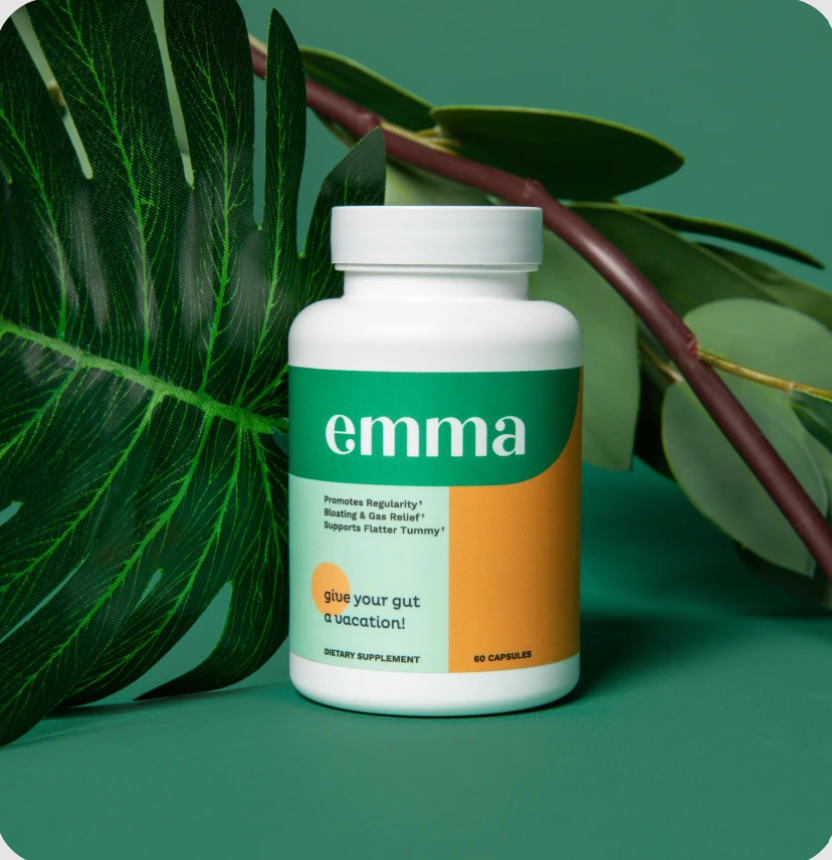
The brand’s core marketing message is that for many people suffering from bloating and constipation, the underlying issue is not a lack of probiotics — it is an imbalance driven by methane-producing microorganisms and a disrupted gut environment. By using botanicals that may reduce harmful microbial activity and prebiotics that may nourish beneficial bacteria, the formula claims to address that root imbalance.
Emma Relief is associated with Dr. Gina Sam, a New York City gastroenterologist, who is featured in the brand’s marketing as an endorser of the formula. According to brand materials, she developed the product out of frustration with the limited results traditional probiotics were delivering to her patients.

What Does the Manufacturer Claim?
According to the official product pages and marketing materials from Enclave BioActives, Emma Relief is designed to:
- Reduce bloating and gas by targeting the gut environment rather than masking symptoms
- Improve bowel regularity and relieve occasional constipation
- Support a balanced gut microbiome, particularly by reducing the prevalence of methane-producing archaea that the brand links to digestive sluggishness
- Strengthen the gut lining and support intestinal barrier integrity
- Provide antioxidant support through polyphenol compounds including quercetin and resveratrol
- Support healthy gut bacteria through prebiotic fibers like chicory root inulin
The manufacturer also recommends taking the supplement for at least three to six months to allow adequate time for gut microbiome modulation – which is why multi-bottle packages are offered at progressively lower per-bottle pricing.
It is also worth noting that the official website has at various points referenced potential benefits beyond digestion – including AMPK pathway activation and anti-aging properties from berberine, resveratrol, and quercetin. These are highly speculative claims at this stage, and are not the focus of this review.
What this review does: It fairly presents these manufacturer claims, then evaluates them against the available independent evidence on each ingredient and on the finished product as a whole.
Emma Relief Ingredients: A Detailed Breakdown
Emma Relief reportedly contains approximately 20 botanical and plant-based compounds. The most prominent ingredients — those for which dosage information has been publicly disclosed – are examined here in detail.
1. Berberine HCl – 200 mg
Berberine is a plant-derived isoquinoline alkaloid found in plants such as goldenseal, barberry, and phellodendron root. It is one of the most well-researched botanical compounds in contemporary nutrition science and is arguably the strongest ingredient in Emma Relief’s formula.
What the science says: Research on berberine and gut health has expanded significantly. A 2025 comprehensive review published in Frontiers in Pharmacology confirmed that berberine can enhance the expression of intestinal tight junction proteins – including ZO-1, ZEB1, and occludin – which are structural proteins responsible for maintaining the integrity of the gut barrier. The same review noted berberine’s capacity to reduce oxidative stress in gastric tissue.
A December 2025 review in the International Journal of Molecular Sciences found that berberine demonstrates immunomodulatory properties relevant to gut homeostasis, including reshaping gut microbiota in ways that may reduce intestinal inflammation. Earlier systematic reviews have confirmed that berberine can increase the abundance of beneficial bacteria (including Akkermansia, Lactobacillus, and Parabacteroides species) while reducing certain opportunistic pathogens. It has also been studied for effects on the Firmicutes-to-Bacteroidetes ratio – a microbiome marker linked to metabolic health.
Clinical caveat: Much of the most compelling berberine research has been conducted in animal models or in small human trials focused on metabolic conditions like diabetes, high cholesterol, and non-alcoholic fatty liver disease – not specifically on healthy adults experiencing general bloating. Its effects on berberine-naive populations with common digestive complaints have not been as rigorously studied.
Drug interaction alert: Berberine may interact with blood sugar–lowering medications (including metformin) by amplifying their effects. It may also affect blood pressure medications and has mild interactions with anticoagulants. This is one of the most important safety considerations for Emma Relief.
2. Quercetin – 125 mg
Quercetin is a flavonoid polyphenol found naturally in onions, apples, berries, and leafy greens. It is one of the most studied plant compounds for anti-inflammatory and antioxidant activity.
What the science says: Several peer-reviewed studies indicate that quercetin can help protect the intestinal epithelial layer – the single-cell lining that forms the gut’s first line of defense. Research published in clinical and preclinical settings supports quercetin’s role in strengthening tight junction proteins and reducing gut permeability, a condition commonly described as “leaky gut” in popular health media. Quercetin has also been studied for its potential to reduce systemic inflammation through inhibition of inflammatory cytokines.
Dose context: A meaningful consideration here is dosage. The 125 mg in Emma Relief sits at the lower end of amounts commonly used in clinical research, where quercetin is typically administered at doses of 500 mg to 1,000 mg or more per day to observe measurable gut effects. Whether 125 mg produces a clinically significant outcome in otherwise healthy adults dealing with general bloating is not established by current evidence. That said, synergistic effects with other ingredients in the formula may play a role that cannot be isolated from dosage alone.
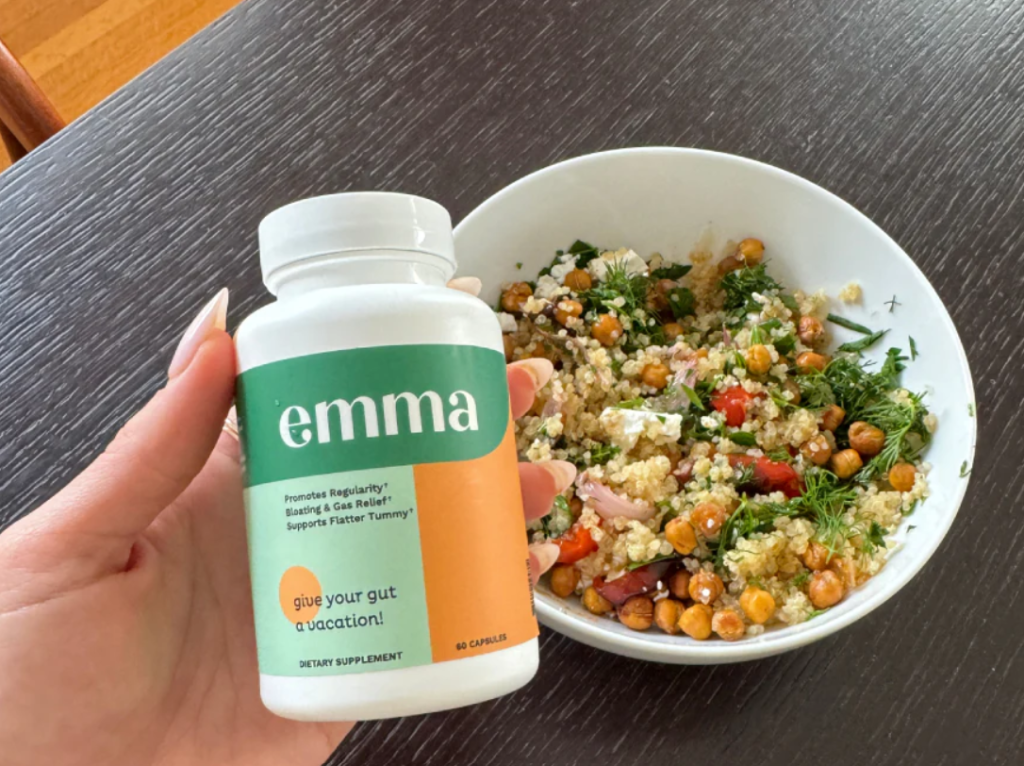
3. Resveratrol – 125 mg
Resveratrol is a polyphenol compound found in grape skins, red wine, blueberries, and Japanese knotweed. It attracted enormous attention from researchers interested in longevity and antioxidant activity.
What the science says: In vitro and animal studies have shown resveratrol may interact favorably with gut microbiota – modulating microbial composition and reducing certain inflammatory markers in the gut environment. Some research suggests it may increase Bifidobacterium and reduce Bacteroidetes in ways that could be beneficial.
Limitations: Human bioavailability of resveratrol is famously inconsistent. When consumed orally, resveratrol is rapidly metabolized and absorbed inconsistently, which means the dose that reaches target tissues may be substantially lower than the amount consumed. Many supplement researchers argue that without specialized delivery systems, standard resveratrol capsules may not replicate the benefits observed in higher-dose or IV studies. Evidence specifically for resveratrol’s role in human digestive comfort – bloating, regularity – is limited.
4. Deglycyrrhizinated Licorice (DGL) – 50 mg
DGL is a modified form of licorice root from which glycyrrhizin – a compound linked to elevated blood pressure and fluid retention with prolonged exposure – has been removed, making it considered safer for ongoing use than standard licorice root extract.
What the science says: DGL has a reasonably established track record in traditional and integrative medicine for gastric and esophageal comfort. It is believed to stimulate mucus production in the stomach lining, support mucosa integrity, and help buffer occasional acid discomfort and mild heartburn. Some clinical studies have explored DGL in the context of ulcer management and GERD support, where it has shown modest benefit.
Dose note: Clinical applications of DGL typically involve doses of 380 mg to 760 mg per day, often taken as chewable tablets between meals. The 50 mg in Emma Relief is considerably below these amounts. Whether it provides meaningful benefit at this level is uncertain, though it may contribute synergistically to the overall formula’s digestive support profile.
5. Star Anise – 100 mg
Star anise (Illicium verum) is a spice native to southern China with a long history in East Asian culinary and traditional medicine use. It contains flavonoids, polyphenols, and the compound anethole.
What the science says: Laboratory research has demonstrated antibacterial, antifungal, and anti-inflammatory properties attributed to star anise’s bioactive constituents. It is traditionally classified as a carminative – a substance that helps relieve gas and bloating by reducing gut spasm and promoting motility. Some in vitro studies support antimicrobial activity against certain gut pathogens.
Human evidence: Large-scale human clinical trials examining star anise specifically as a digestive supplement are limited. Most supporting evidence comes from preclinical settings and traditional use data. The inclusion of star anise at 100 mg is consistent with its role as a supportive botanical rather than a primary therapeutic compound.
6. Garlic Bulb – 100 mg
Garlic (Allium sativum) is one of the most extensively studied botanicals in the world. Its digestive and antimicrobial properties have been recognized in traditional medicine across many cultures for centuries.
What the science says: Garlic contains allicin and related organosulfur compounds with established antimicrobial properties. Research suggests garlic may help reduce the abundance of certain pathogenic bacteria in the gut while showing less pronounced effects on beneficial strains. Some research also supports mild prebiotic activity from garlic’s fructooligosaccharide content.
Drug interaction note: Garlic has mild blood-thinning (antiplatelet) properties that are well-documented in pharmacological literature. For individuals on prescription anticoagulants like warfarin, aspirin therapy, or other blood-thinning medications, this is a meaningful consideration that warrants discussion with a prescribing physician.
7. Chicory Root Inulin – 50 mg
Chicory root is one of the richest natural sources of inulin, a soluble prebiotic fiber. Inulin is not digested in the upper GI tract – instead, it passes through to the colon where it is fermented by resident gut bacteria, selectively feeding beneficial species.
What the science says: Among all the ingredients in Emma Relief, chicory root inulin arguably has the most consistent and robust scientific backing for gut health. Prebiotic fibers from chicory are classified as well-established by European regulatory bodies and have been studied in numerous human trials for their effects on stool consistency, bowel frequency, bloating (notably, inulin can initially increase gas as gut bacteria ferment it), and the promotion of beneficial bacteria populations including Bifidobacterium.
Dose concern: The most important caveat here is the dose. Prebiotic research typically uses 5,000 mg to 10,000 mg (5–10 grams) of inulin or fructooligosaccharides per day. The 50 mg in Emma Relief is approximately 100 to 200 times lower than research doses. While some prebiotic activity may occur at lower doses, the clinical meaningfulness of 50 mg of chicory inulin as a primary digestive driver is questionable.
8. Larch Arabinogalactan – 50 mg
Larch arabinogalactan is a soluble polysaccharide fiber derived from the Western larch tree. It is found in small amounts in various foods and is increasingly studied as a prebiotic and immune-supportive fiber.
What the science says: Emerging research suggests larch arabinogalactan may selectively stimulate beneficial gut bacteria, including Lactobacillus and Bifidobacterium species, while also having potential immune-modulating properties. It has been studied in the context of respiratory health and gut immune function.
Evidence base: The evidence base for larch arabinogalactan is smaller than for more established prebiotic fibers, and most studies have used higher doses (up to 30 grams per day in some protocols). At 50 mg, its contribution to Emma Relief’s formula is likely supportive rather than primary.
9. B-Complex, Vitamin D, Magnesium, and Zinc
Emma Relief rounds out its formula with a suite of micronutrients: thiamin, riboflavin, niacin, vitamin B6, folate, vitamin B12, biotin, pantothenic acid, vitamin D, magnesium, and zinc.
These are foundational nutrients involved in energy metabolism, immune function, and nervous system health. Magnesium, notably, has well-established laxative effects at supplemental doses and may contribute to bowel regularity – though at the levels present in a capsule supplement, the dose is unlikely to be the driving factor for most users.
Their presence adds general nutritional completeness to the formula but is unlikely to be the primary driver of any digestive effects.
Ingredient Summary Table
| Ingredient | Disclosed Dose | Research Category | Digestive Relevance | Notable Interaction |
|---|---|---|---|---|
| Berberine HCl | 200 mg | Moderate–Strong | Microbiome modulation, barrier support | Blood sugar and blood pressure meds |
| Quercetin | 125 mg | Moderate | Gut lining protection, antioxidant | Low dose vs. clinical studies |
| Resveratrol | 125 mg | Limited–Moderate (in humans) | Microbiota modulation | Low human bioavailability |
| DGL | 50 mg | Moderate (traditional + some clinical) | Stomach lining, acid comfort | Very low dose |
| Star Anise | 100 mg | Limited (preclinical/traditional) | Gas and bloating (carminative) | Limited human trials |
| Garlic Bulb | 100 mg | Moderate | Antimicrobial, mild prebiotic | Interacts with blood thinners |
| Chicory Root Inulin | 50 mg | Strong (as a class) | Prebiotic, bowel regularity | Very low dose (50 mg vs. 5–10 g in studies) |
| Larch Arabinogalactan | 50 mg | Emerging | Prebiotic, immune modulation | Limited large-scale trials |
| B-Complex, Vit D, Mg, Zn | Various | Strong (general nutrition) | General health; Mg aids motility | Generally low dose in capsule form |
Doses represent publicly disclosed information. Always consult the actual product label before use.
What Does the Science Say About Emma Relief as a Product?
It is essential to draw a clear distinction between ingredient-level research and product-level evidence.
Emma Relief as a finished, complete product has not been the subject of independent peer-reviewed clinical trials. This is the norm across the dietary supplement industry — it does not automatically mean the product is ineffective, but it does mean that claims about what Emma Relief itself achieves as a combined formula rest primarily on:
- Ingredient-level research (which we have reviewed above)
- Manufacturer claims
- Consumer testimonials
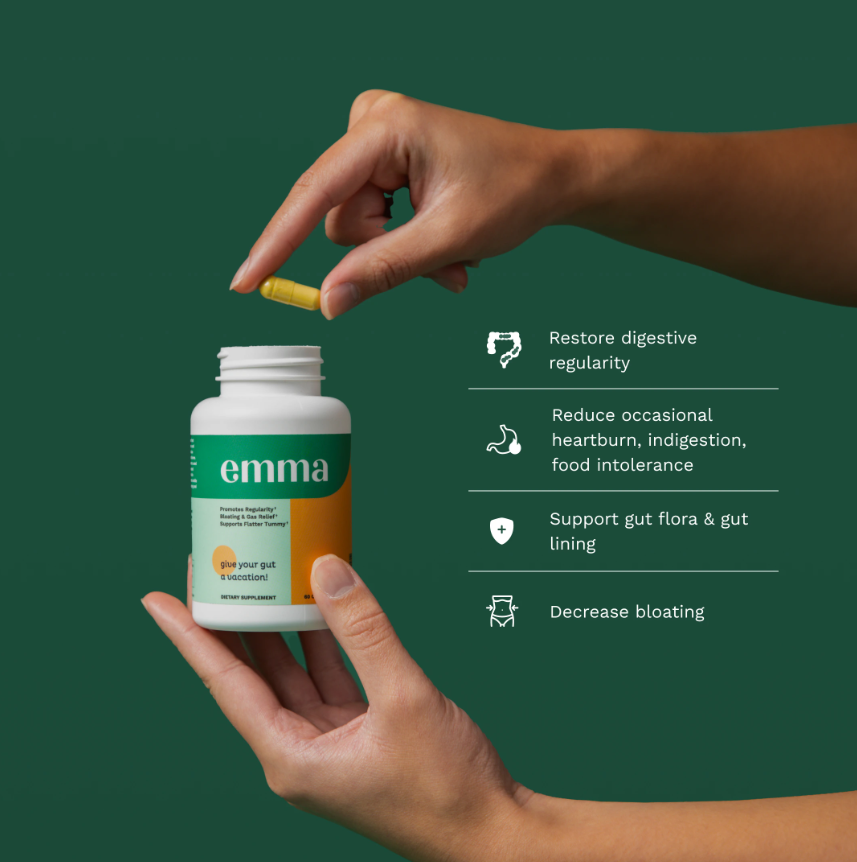
The methane hypothesis: Emma Relief’s marketing highlights a specific mechanism – that many cases of stubborn bloating and constipation are caused by methane-producing archaea (technically Methanobrevibacter smithii and related organisms) in the gut rather than by a simple bacterial imbalance. This is a legitimate area of scientific inquiry. Methane-producing organisms in the gut are associated with slower gut motility and constipation in some research populations. However, whether the specific combination of ingredients in Emma Relief – at the disclosed doses – meaningfully reduces methanogen populations in humans has not been validated by independent study.
What is reasonably supported: The idea that botanical and prebiotic ingredients can support a gut environment where beneficial microbes thrive is not without scientific basis. Berberine, quercetin, and chicory inulin, in particular, have reasonable mechanistic support for contributions to gut health. The challenge is that the doses in Emma Relief for several key ingredients appear to be below the thresholds used in controlled research settings.
Read Also:- How to Improve Your Heart Health with Simple Lifestyle Tweaks: A Complete Guide for 2026
Emma Relief Pricing in 2026
Emma Relief is sold exclusively through the official website operated by Enclave BioActives and Konscious LLC. It is not available in retail stores or on third-party e-commerce platforms such as Amazon or Walmart (the brand explicitly warns against purchasing from such sources as counterfeit products have been reported).
As of mid-2026, the publicly reported pricing structure is:
| Package | Bottles | Price Per Bottle | Total Price | Shipping |
|---|---|---|---|---|
| Starter (1 bottle) | 1 | ~$59 | ~$59 | Paid separately |
| Doctor’s Choice (3 bottles) | 3 | ~$49 | ~$147 | Paid separately |
| Gut Superhero (6 bottles) | 6 | ~$39 | ~$234 | Free (continental US) |
Prices are subject to change at any time. Always verify current pricing directly on the official website before completing a purchase.
How to think about the cost:
At $39 per bottle (6-bottle package), Emma Relief works out to roughly $1.30 per day for a two-capsule serving. At the single-bottle price of $59, it is approximately $2 per day.
The brand recommends the 6-bottle package to ensure you have enough supply to complete the full three-to-six-month protocol they recommend. Before committing to that level of investment in a product you have not tried, it may be worth starting with a single bottle to assess personal tolerance and initial response – keeping the 90-day refund policy window in mind.
Subscription options: The brand has offered subscription pricing at approximately 10% off the regular price. Subscriptions can typically be cancelled, but verify the cancellation terms directly before enrolling.
Emma Relief Refund Policy: What You Need to Know
According to the published refund and shipping policy on Enclave BioActives’ official website, the key terms are:
- Customers have 90 days from the purchase date to request a refund
- For single-bottle purchases, the used bottle does not need to be returned – a claim form is required
- For multi-bottle orders, the full policy terms apply, which may include returning unused bottles
- Shipping and handling charges are non-refundable
- International shipping charges are always non-refundable
- Refunds are processed after the return is received and verified
What consumers should know: Some independent review platforms and consumer complaint aggregators contain accounts of customers experiencing friction during the refund process, particularly on larger multi-bottle orders. Reported issues have included delays in responses from customer service, disputes over return receipt, and confusion around what qualifies for a full refund versus partial refund.
Before purchasing – especially a multi-bottle package – it is advisable to:
- Screenshot your order confirmation before closing the page
- Read the full refund terms on the official website (not just the marketing summary)
- Keep all shipping documentation if initiating a return
- Contact customer support via email and retain records of correspondence
Customer Feedback: What Real People Are Saying
Customer sentiment toward Emma Relief is genuinely mixed, and it is worth presenting both sides fairly.
Positive Reviews
A portion of customers report meaningful digestive improvements after using Emma Relief consistently for several weeks. Common positive themes include:
- Noticeable reduction in post-meal bloating within two to four weeks
- Improved bowel regularity, particularly among users who had experienced constipation
- Better digestive comfort when eating foods that previously caused discomfort
- Appreciation for the convenient capsule format and the lack of refrigeration requirements
- Reports of improved energy and a general sense of feeling “lighter”
Aggregate ratings on brand-associated platforms place Emma Relief in the range of 4.6 to 4.9 out of 5 stars, often based on several thousand reviews.
Critical and Negative Reviews
On independent review platforms, consumer forums, Reddit threads, and complaint aggregators, a different pattern emerges for a meaningful minority of buyers:
- No effect: Some users report no change in their digestive symptoms after one or more months of consistent use
- Billing issues: Multiple complaints describe being charged for products beyond what they intended to order – particularly during an upsell sequence in the checkout process. Some customers describe receiving 15 bottles when they intended to purchase 6
- Customer service responsiveness: Several independent reviews describe difficulty reaching customer service in a timely manner, particularly when attempting to initiate a return
- Refund friction: Some customers who attempted to return products report extended wait times for refund processing, or disputes about whether the return qualified under the policy terms
How to Interpret Mixed Reviews
Mixed feedback on supplement products is extremely common. Individual responses to gut health supplements vary enormously based on the underlying cause of symptoms, diet, lifestyle, microbiome composition, and consistency of use. The proportion of very positive vs. very negative reviews you encounter also depends heavily on which platform you consult, as brands have more control over reviews on their own websites than on independent third-party platforms.
The billing and customer service complaints are distinct from questions about product effectiveness and deserve separate consideration. They point to potential concerns about the purchase experience rather than the formula itself.
Who May Benefit from Emma Relief?
Based on the ingredient profile and the type of product Emma Relief is, the following groups of adults may find it worth exploring:
- People experiencing mild to moderate general digestive discomfort – bloating after meals, occasional gas, or irregular bowel habits not linked to a diagnosed condition
- Individuals who have already tried conventional probiotic supplements without success and want to explore a botanical-first approach to gut support
- People who prefer plant-based formulas over synthetic pharmaceutical digestive aids
- Those interested in the combined prebiotic and botanical approach, where modulating the gut environment is the goal rather than flooding it with bacterial strains
- Healthy adults with no current prescription drug interactions – specifically not on blood thinners, diabetes medications, or blood pressure medications
- People committed to a longer-term protocol – three to six months – to give the formula an adequate opportunity to exert effects
Who Should Avoid Emma Relief?
The following groups should either avoid Emma Relief or consult a healthcare provider before use:
- Individuals taking anticoagulant or blood-thinning medications (e.g., warfarin, heparin, clopidogrel, or even high-dose aspirin therapy) – garlic has mild antiplatelet properties and berberine may add to this effect
- Anyone managing diabetes with medication – berberine has been studied for blood glucose effects and may amplify the action of diabetes medications, potentially leading to hypoglycemia
- Those on blood pressure medications – berberine’s cardiovascular activity warrants caution in this group
- Pregnant or breastfeeding individuals – the formula has not been evaluated in these populations, and berberine specifically is advised against during pregnancy in many clinical references
- People with diagnosed GI conditions such as IBS, SIBO, IBD, Crohn’s disease, ulcerative colitis, or celiac disease – these conditions require evidence-based, clinician-supervised management, not supplement-based approaches alone
- Children and adolescents – Emma Relief is formulated for adults and has not been studied in younger populations
- Anyone expecting results in one to two weeks – the manufacturer’s own timeline is three to six months, and expecting shorter-term resolution may lead to disappointment and premature abandonment
Emma Relief Pros and Cons
Pros
- Several key ingredients (berberine, quercetin, chicory root inulin, DGL) have peer-reviewed research supporting potential gut health benefits
- Plant-based and free from stimulants, artificial additives, laxatives, and synthetic fillers
- Shelf-stable formula – no refrigeration needed, making it convenient for daily use and travel
- Two-capsule daily dosage is simple and low-effort
- 90-day refund policy provides some consumer protection
- Manufactured in an FDA-registered, GMP-certified facility in the United States (per manufacturer disclosure)
- Takes a genuinely differentiated approach – botanical and prebiotic rather than probiotic – which may work for people who have not responded to conventional gut health supplements
Cons
- No independent peer-reviewed clinical trials on Emma Relief as a finished product
- Several critical ingredients appear at doses substantially below those used in relevant clinical studies (especially chicory inulin at 50 mg vs. 5–10 g in research)
- Resveratrol has limited robust human bioavailability evidence at standard oral doses
- Single-bottle price (~$59) is relatively high compared to many clinically studied alternatives
- Only available through the official website – no pharmacy or retail availability for easy purchase or straightforward returns
- Some consumer complaints about checkout upsells adding unintended products to orders
- Customer service responsiveness concerns reported on independent platforms
- Results – if they occur – may take months to become apparent
- Full ingredient dosages for all 20+ compounds in the formula are not uniformly disclosed in all marketing materials
Emma Relief vs. Other Digestive Supplements
Understanding Emma Relief is easier when placed in context against other popular approaches to gut health support.
| Product | Mechanism | Est. Monthly Cost | Evidence Base | Refund |
|---|---|---|---|---|
| Emma Relief | Botanicals + prebiotics (no live bacteria) | $39–$59 | Ingredient-level research; no product RCTs | 90 days |
| Seed DS-01 Synbiotic | 24-strain probiotic + prebiotic | ~$50–$60 | Strain-level human research; transparent sourcing | 30 days |
| Culturelle Daily Probiotic | L. rhamnosus GG single-strain probiotic | ~$18–$22 | 1,000+ peer-reviewed studies on LGG strain; NIH-recommended CFU disclosure | Retail dependent |
| Align Probiotic | B. infantis 35624 | ~$25–$35 | Multiple RCTs including IBS populations | Retail dependent |
| Pure Encapsulations Probiotic G.I. | Multi-strain probiotic | ~$35–$45 | Strain-level support; practitioner-brand transparency | Varies |
| Dietary fiber increase + fermented foods | Whole-diet microbiome support | Low or zero | Extensive long-term clinical evidence | N/A |
Key takeaways from this comparison:
Emma Relief’s botanical approach is genuinely distinct. That is a legitimate differentiator for people who have tried probiotic-based supplements without success. However, the trade-off is that the supporting evidence for the specific finished product formula is weaker than for products like Culturelle, which benefits from decades of published strain-level research.
If you are new to gut health supplementation, a lower-cost, well-studied probiotic such as Culturelle may be a sensible starting point. If you have already tried conventional probiotics and are looking for a different mechanism, Emma Relief’s botanical and prebiotic approach may be worth exploring – particularly given the 90-day return window.
Neither Emma Relief nor any other supplement replaces a proper dietary evaluation or medical diagnosis for persistent or worsening digestive symptoms.
Things to Be Aware Of Before Buying
A transparent review should flag concerns that are worth knowing before you commit to a purchase:
1. Upsell Complaints at Checkout
Multiple independent consumer accounts describe an aggressive upsell sequence during the Emma Relief checkout process. Some customers reported that clicking on an offer during this sequence added products to their order without a clear final confirmation step, resulting in receiving and being charged for more bottles than intended. If you choose to purchase, proceed slowly through each checkout page and verify your cart contents before submitting payment. Screenshot your final order summary.
2. The “Root Cause” Marketing Language
Emma Relief’s marketing emphasizes addressing the “root causes” of digestive discomfort, including targeting methane-producing archaea. While this framing has some scientific basis in the research on gut microbiome imbalances, it is important to understand that the specific claim that Emma Relief’s ingredient combination achieves this in humans at the disclosed doses has not been independently validated. Language like “root cause” in supplement marketing often implies a depth of clinical evidence that may not yet exist for the finished product.
3. Medical Endorsement vs. Independent Evidence
Dr. Gina Sam’s involvement with Emma Relief adds a layer of perceived credibility, and her credentials as a board-certified gastroenterologist are real. However, brand endorsements – even from qualified physicians – are not the same as independent clinical validation. Many reputable practitioners endorse supplement products based on their knowledge of ingredient science rather than controlled trials on the specific product. Weighing endorsements appropriately means valuing them without overinterpreting them.
4. Third-Party Products Claiming to Be Emma Relief
The manufacturer explicitly warns that Emma Relief is not sold on Amazon, eBay, or through third-party retailers. Products found on those platforms should be approached with caution – they may be counterfeit, mislabeled, or past their use-by date. Purchase only through the official website if you choose to try the product.
5. Not for Managing Diagnosed Conditions
If your digestive symptoms are significant, persistent, or worsening, they deserve professional evaluation – not supplement management. Conditions including IBS, SIBO, IBD, Crohn’s disease, celiac disease, and others require accurate diagnosis and treatment from a qualified gastroenterologist. Emma Relief is not designed to diagnose, treat, or cure any medical condition.
Frequently Asked Questions About Emma Relief
What is Emma Relief?
Emma Relief is a daily dietary supplement manufactured by Enclave BioActives (Konscious LLC) that uses a botanical and prebiotic blend – rather than live probiotic bacteria – to support digestive comfort, reduce bloating, and promote gut regularity.
Is Emma Relief a probiotic?
No. Emma Relief does not contain live bacterial strains. It is a botanical and prebiotic formula, which differentiates it from most gut health supplements on the market. This is intentional – the brand positions this approach as more effective for gut environment modulation than simply adding bacteria.
What are the main ingredients in Emma Relief?
The primary disclosed ingredients include Berberine HCl (200 mg), Quercetin (125 mg), Resveratrol (125 mg), Star Anise (100 mg), Garlic Bulb (100 mg), DGL/Deglycyrrhizinated Licorice (50 mg), Chicory Root Inulin (50 mg), and Larch Arabinogalactan (50 mg), along with B-vitamins, vitamin D, magnesium, and zinc.
Is Emma Relief FDA-approved?
No. Like all dietary supplements sold in the United States, Emma Relief is not FDA-approved. Dietary supplements do not require FDA approval before reaching the market. The manufacturer states that Emma Relief is produced in an FDA-registered, GMP-certified facility, which refers to manufacturing quality standards rather than product approval.
How long does it take for Emma Relief to work?
The manufacturer recommends at least three to six months of consistent use to evaluate results, based on the premise that gut microbiome changes occur gradually. Some consumers report initial changes in digestion within one to four weeks, while others notice no effect even after extended use. Results are highly individual and depend on diet, lifestyle, the specific nature of digestive symptoms, and consistency of use.
How do you take Emma Relief?
The recommended dose is two capsules per day, taken with a meal. The manufacturer suggests taking them with food to support absorption and minimize any initial digestive adjustment.
Does Emma Relief have side effects?
Most users appear to tolerate Emma Relief without significant adverse effects. A minority of users report mild, temporary digestive adjustment during the first few days, including softer stools or minor gas, as the prebiotic fibers and botanical compounds begin interacting with the gut environment. More significant concerns involve potential drug interactions – particularly berberine (blood sugar and blood pressure medications) and garlic (blood thinners). Anyone on prescription medications should consult their physician before use.
What is Emma Relief’s refund policy?
The manufacturer offers a 90-day money-back guarantee. For single-bottle purchases, the empty bottle does not need to be returned. For multi-bottle orders, returning unused bottles may be required. Shipping and handling fees are non-refundable. Always verify the current refund terms directly on the official website before purchasing.
How much does Emma Relief cost in 2026?
Approximately $59 for a single bottle, $49 per bottle for a 3-bottle package ($147 total), and $39 per bottle for a 6-bottle package ($234 total). Prices are subject to change – verify current pricing at the time of purchase.
Can I buy Emma Relief on Amazon or in stores?
No. According to the manufacturer, Emma Relief is sold exclusively through its official website. Products claiming to be Emma Relief on Amazon, eBay, or third-party retailers are not authorized and may not be authentic.
Who should not take Emma Relief?
People taking blood-thinning medications, diabetes medications, or blood pressure medications should consult a physician before use. Emma Relief is also not recommended for pregnant or breastfeeding individuals, or for people with diagnosed gastrointestinal conditions who should be under professional medical care.
Is Emma Relief a scam?
Emma Relief is a real product from a verifiable company (Enclave BioActives / Konscious LLC) with disclosed contact information and a published refund policy. It is not a scam in the conventional sense. However, some consumer complaints about billing practices and customer service responsiveness are a legitimate consideration. The product’s ingredient science has a basis in real botanical research, even if independent clinical trials on the finished product are absent. Approaching it with realistic expectations, taking advantage of the refund guarantee, and avoiding large bulk purchases before trying a single bottle is a reasonable approach.
Can I take Emma Relief with other supplements?
Many users take Emma Relief alongside other daily supplements without reported issues. However, the specific combination you take matters – particularly if other supplements include blood-thinning botanicals (fish oil, vitamin E at high doses, ginkgo) or blood-sugar-modifying compounds, which could compound berberine’s effects. Disclose all supplements to your healthcare provider, especially if you take prescription medications.
Does Emma Relief really work for bloating?
Emma Relief contains botanical ingredients like berberine and star anise that have some research support for digestive comfort. Results vary by individual, and the manufacturer recommends three to six months of use to evaluate effectiveness fully.
What is the difference between Emma Relief and a probiotic?
Emma Relief does not contain live bacteria. Instead, it uses botanicals and prebiotics to support the gut environment. Traditional probiotics add live bacterial strains to the gut.
Is Emma Relief safe?
Generally considered safe for healthy adults not on interacting medications. Berberine and garlic in the formula may interact with blood thinners, diabetes medications, and blood pressure drugs. Consult a physician if you take prescription medications.
How much does Emma Relief cost per month?
At the 6-bottle package price (~$39/bottle), Emma Relief costs approximately $39 per month. Single-bottle pricing is ~$59 per month.
Final Verdict: Is Emma Relief Worth Trying?
Let’s bring this together with a balanced, honest assessment.
Emma Relief is a real product with a real formula. Enclave BioActives is a verifiable company. The supplement contains ingredients that have genuine scientific literature behind them at the ingredient level – berberine, quercetin, and chicory root inulin, in particular, are not fringe compounds. The botanical-first approach to gut modulation is a legitimate scientific concept, not a fabricated one.
At the same time, there are real gaps. Emma Relief as a complete finished product has not been independently studied in clinical trials. Some ingredient doses in the formula appear to fall below thresholds used in relevant research. Resveratrol’s human bioavailability limitations are a valid concern. And a non-trivial number of consumer complaints on independent platforms — not about the product’s effectiveness, but about the purchase experience – suggest some friction in how the brand conducts business.
Who it might genuinely suit:
Adults dealing with mild, general digestive discomfort – bloating after meals, occasional irregularity, or general sluggishness – who have not found satisfactory results with conventional probiotic supplements. People looking for a plant-based, stimulant-free approach to digestive support. Those who are not on interacting medications and are committed to a multi-month protocol.
Who should think carefully:
People on blood thinners, diabetes medications, or blood pressure medications. Those expecting a quick fix. Anyone with a diagnosed GI condition. And people considering the 6-bottle commitment without having tried a single bottle first.
The practical recommendation: If you are curious, start with the single-bottle option. It costs more per bottle, but it lets you assess your personal response within the 90-day refund window without a large upfront commitment. Read the full refund terms before purchasing. Screenshot your order at checkout.
And if your digestive symptoms are persistent, significant, or getting worse – see a doctor. A supplement, however well-formulated, is not a substitute for a proper diagnosis.