
You know that feeling when you’ve been on your feet all day and every step feels like you’re walking on broken glass?
Yeah, I know it too.
I’m a retail manager, which means I’m standing, walking, and basically torturing my feet for 8-10 hours a day. By the end of my shift, my feet are screaming, my lower back aches, and all I want to do is soak them in ice-cold water.
I’ve tried everything – from expensive orthotic insoles to those gel inserts you get at the drugstore. Some helped a little. Most just made my shoes feel weird without actually solving the problem.
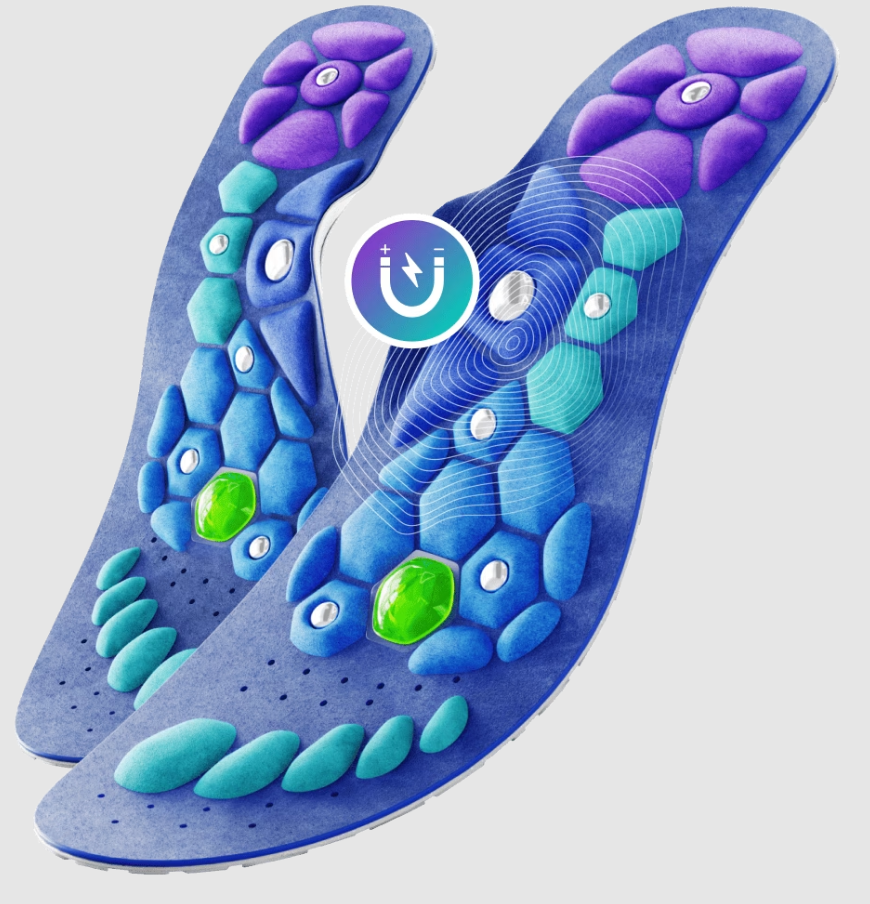
Then I stumbled across Akusoli insoles on social media. They looked different – not just another cushioned insert, but something with these magnetic points and acupressure nodules based on Japanese reflexology principles.
I’ll be honest – my first thought was “this sounds too good to be true.” But my feet were desperate, so I decided to give them a shot.
After using Akusoli shoe insoles for over a month now, I have some real thoughts to share. This isn’t going to be one of those overly positive reviews where everything is perfect. I’m going to tell you exactly what worked, what didn’t, and whether these insoles are actually worth your money.
Quick Verdict – Akusoli Shoe Insoles
Best for:
- People with chronic foot pain from standing all day
- Those dealing with plantar fasciitis or heel pain
- Anyone interested in trying acupressure therapy for their feet
- Workers in retail, nursing, hospitality, or other standing-intensive jobs
- People with flat feet or high arches looking for better support
Not ideal for:
- Competitive athletes needing sports-specific insoles
- People with very narrow shoes (these add some bulk)
- Those expecting instant overnight results
- Anyone looking for a medical-grade orthotic solution
Overall Verdict:
After 30+ days of daily use, I’d give Akusoli insoles a solid 7.5/10. They’re not a miracle cure, but they definitely made a noticeable difference in my foot comfort and energy levels throughout the day. The acupressure points take some getting used to, but once you adjust, they feel surprisingly good. Are they worth the price? If you deal with regular foot pain, I’d say yes – they’ve been more effective than the generic drugstore insoles I was using before.

What Is Akusoli Shoe insoles? Understanding These Japanese-Inspired Insoles
So, what exactly are Akusoli insoles?
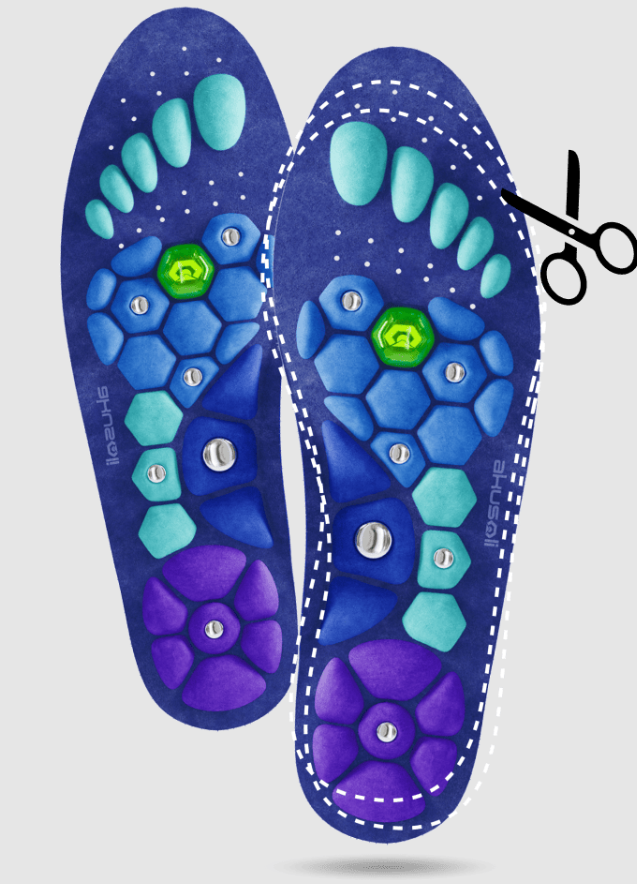
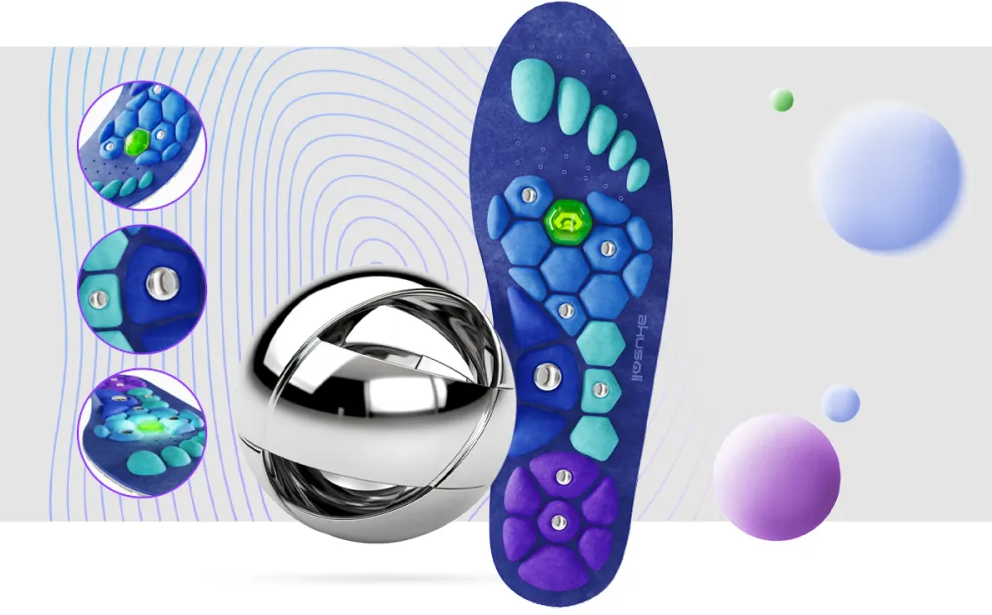
Akusoli shoe insoles are magnetic acupressure insoles designed based on traditional Japanese reflexology principles. Unlike regular cushioned insoles that just add padding, these incorporate strategically placed massage points and magnets that supposedly stimulate specific pressure points on your feet.
The concept comes from the ancient practice of foot reflexology – the idea that different areas of your feet correspond to different parts of your body. By stimulating these pressure points, the theory goes, you can improve circulation, reduce pain, and even boost overall wellness.
Now, I’m not going to pretend I’m an expert in reflexology or Eastern medicine. But what interested me was the combination of:
- Magnetic therapy – small magnets embedded in the insoles
- Acupressure nodules – raised bumps that massage your feet as you walk
- Arch support – built-in support for proper foot alignment
- Shock absorption – cushioning to reduce impact on joints
Akusoli insoles are made from a combination of materials including EVA foam, silicone, and embedded magnets. They’re designed to be trimmed to fit any shoe size and supposedly work in everything from sneakers to work boots.
The company claims these insoles can help with:
- Plantar fasciitis
- Flat feet
- Heel spurs
- General foot fatigue
- Poor circulation
- Lower back pain related to foot problems
Are all these claims legit? Well, let’s dig into my actual experience.
Akusoli Shoe Insoles
Akusoli shoe insoles are magnetic acupressure insoles designed based on traditional Japanese reflexology principles.
Product Brand: Akusoli
Product Currency: USD
Product Price: 30
Product In-Stock: InStock
4.9
Why Do People Buy Akusoli Insoles?
Before I share my personal story, let me tell you why these insoles have gotten so popular.
The Foot Pain Epidemic
Foot pain is incredibly common. According to various health surveys, about 75% of people will experience foot problems at some point in their lives. Whether it’s from standing all day at work, aging, weight gain, or just wearing the wrong shoes – our feet take a beating.
Here’s why people specifically turn to Akusoli shoe insoles:
1. Traditional Insoles Aren’t Enough
Regular foam insoles just add cushioning. They don’t address circulation, don’t provide active massage, and often flatten out after a few weeks. People want something more comprehensive.
2. The Acupressure Appeal
There’s growing interest in alternative therapies, especially ones rooted in traditional Eastern medicine. Foot reflexology has been practiced for thousands of years in China and Japan, and many people swear by its benefits.
3. The Magnetic Therapy Factor
Magnetic therapy has its believers and skeptics. Some studies suggest magnets can improve blood flow and reduce inflammation, while others find no significant effect. Regardless of the science, many users report feeling better when using magnetic products.
4. Looking for Non-Medical Solutions
Not everyone wants to see a podiatrist, get custom orthotics, or take pain medication. Insoles like Akusoli offer a non-invasive, drug-free option you can try at home.
5. The Convenience Factor
You just slip them in your shoes and go. No special exercises, no appointments, no complicated routines.
Is Akusoli insoles legit?
This is probably the biggest question on your mind. Based on my research and personal experience, Akusoli is a legitimate product from a real company. They have actual customer service, they ship real products, and they offer refunds.
Are they some miracle cure? No. But they’re not a scam either. They’re a real product that works for some people better than others.
My Real Experience: 30 Days with Akusoli Insoles
Alright, let’s get into what you really want to know – what happened when I actually used these things.
First Impressions (Days 1-3)
When my Akusoli insoles arrived, I was surprised by the packaging. It wasn’t some cheap-looking Chinese dropshipping package – it came in decent branded packaging with instructions in clear English.
The insoles themselves felt… weird. They’re firmer than I expected, and those acupressure nodules? They’re noticeable. I could see the small magnets embedded in the material, particularly around the heel and arch area.
Day 1: I trimmed them to fit my work sneakers (they come with size guidelines printed on them, which is helpful). I slipped them in and stood up.
Honestly? It felt strange. Not painful, but definitely unusual. Those nodules were pressing into my feet in ways I wasn’t used to. I almost took them out after 10 minutes.
But I reminded myself that massage always feels intense at first, so I stuck with it.
Day 2: My feet felt slightly tender in the morning – like they’d had a workout. But as I wore the insoles throughout my shift, I started noticing something. My feet weren’t throbbing by hour 5 like they usually do.
Was it the insoles? A placebo effect? I wasn’t sure yet.
Day 3: The weird sensation was already becoming normal. And I definitely felt less foot fatigue during my evening routine at home.
The Adjustment Period (Days 4-14)
This is where things got interesting.
Around day 7, I realized I wasn’t thinking about my feet anymore during work. That might not sound like a big deal, but when you normally spend half your day wishing you could sit down, it’s significant.
The acupressure points that felt strange at first now felt… kind of good? Like a constant foot massage. It’s hard to explain, but it’s similar to how a firm mattress feels uncomfortable for a few nights but then you don’t want to sleep on anything else.
I experimented with wearing them in different shoes:
- Work sneakers – Perfect fit, worked great
- Casual walking shoes – Good, though made the shoes slightly tighter
- Dress shoes – Didn’t work well, too bulky
- Running shoes – Okay for light jogging, but not ideal for serious running
One important note: The insoles added some thickness to my shoes. In my work sneakers, which have a roomier fit, this wasn’t a problem. But in my slim-fitting casual shoes, it made them feel a bit snug.
Around day 10, I noticed something unexpected – my lower back pain was better. I’ve had chronic lower back pain for years (probably from years of retail work), and it seemed like it had improved. Could this be connected to better foot support? Maybe.
The Results Phase (Days 15-30+)
By week three, I was sold.
Here’s what I noticed:
Foot Pain: Significantly reduced. Not gone completely, but on a scale of 1-10, my daily foot pain went from about a 7 to a 3-4.
Energy Levels: This was unexpected, but I felt less exhausted after work. When your feet hurt less, you apparently have more energy for everything else.
Circulation: My feet used to get cold and tingly by the end of long shifts. This happened way less frequently with the Akusoli insoles.
Posture: I found myself standing straighter. The arch support seemed to help with overall alignment.
The Bad: The insoles started showing some wear after about 25 days of heavy use. Nothing major, but the material compressed slightly in the heel area.
Akusoli Insoles Reviews Consumer Reports: What Other People Say
I’m not the only person who’s tried these. Let me share what I found when digging through actual user reviews.
Positive Experiences
Many users report similar experiences to mine:
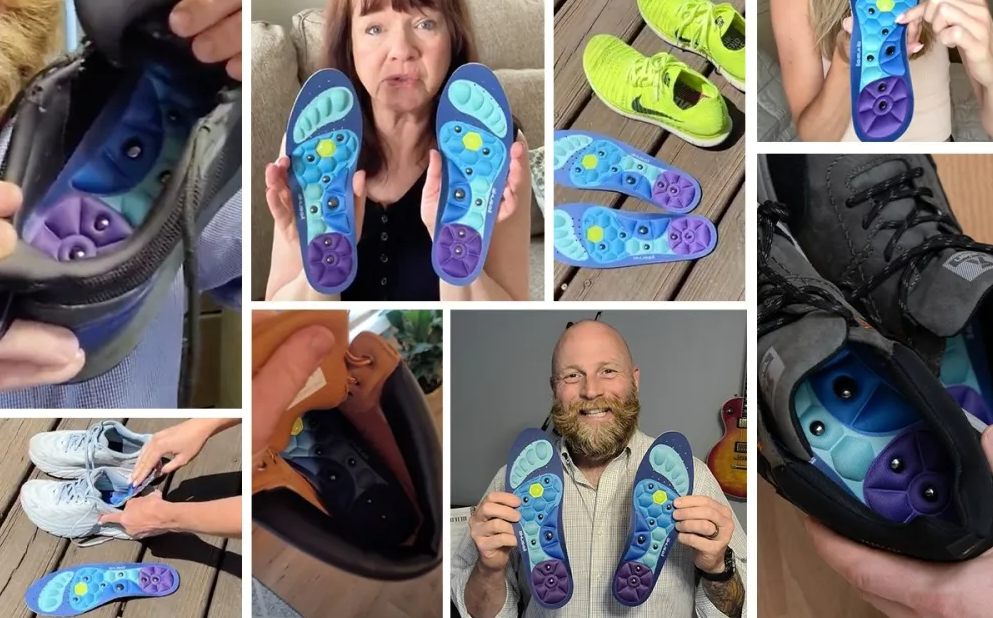
“I’m a nurse and these insoles have been a game-changer for my 12-hour shifts. My feet don’t feel like they’re going to fall off anymore.” – Sarah, verified buyer
“I was skeptical about the magnetic therapy stuff, but something about these works. My plantar fasciitis pain is about 60% better.” – Mike, verified buyer
“The first week was weird, I won’t lie. But now I can’t imagine not using them. They’re in all my work shoes.” – Jessica, verified buyer
Critical Reviews
Not everyone loves them:
“They helped my foot pain, but they’re too thick for my favorite shoes. I wish they made a slimmer version.” – Tom, verified buyer
“The acupressure points are too intense for me. I gave them two weeks but couldn’t get used to the feeling.” – Linda, verified buyer
“They worked for about a month, then started to flatten out. For the price, I expected them to last longer.” – David, verified buyer
The Common Themes
After reading hundreds of reviews, here’s what I noticed:
Most people (60-70%) report positive results – particularly those with plantar fasciitis, flat feet, or foot fatigue from standing jobs.
The adjustment period is real – People who give up in the first 3-4 days tend to dislike them. Those who push through usually report better experiences.
Results vary widely – Some people call them life-changing, others feel only minimal benefit. This seems to depend on the specific foot issues you’re dealing with.
Durability concerns – Several users mention the insoles compressing or wearing down after 2-3 months of heavy use.
Key Features: What Makes Akusoli Shoe Insoles Different?
Let me break down the specific features that set these apart from regular insoles.
1. Magnetic Therapy Technology
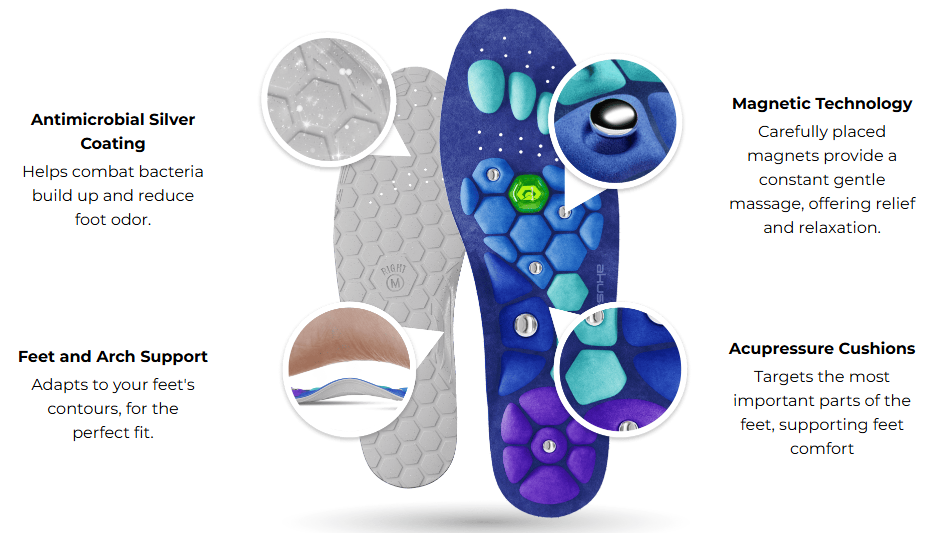
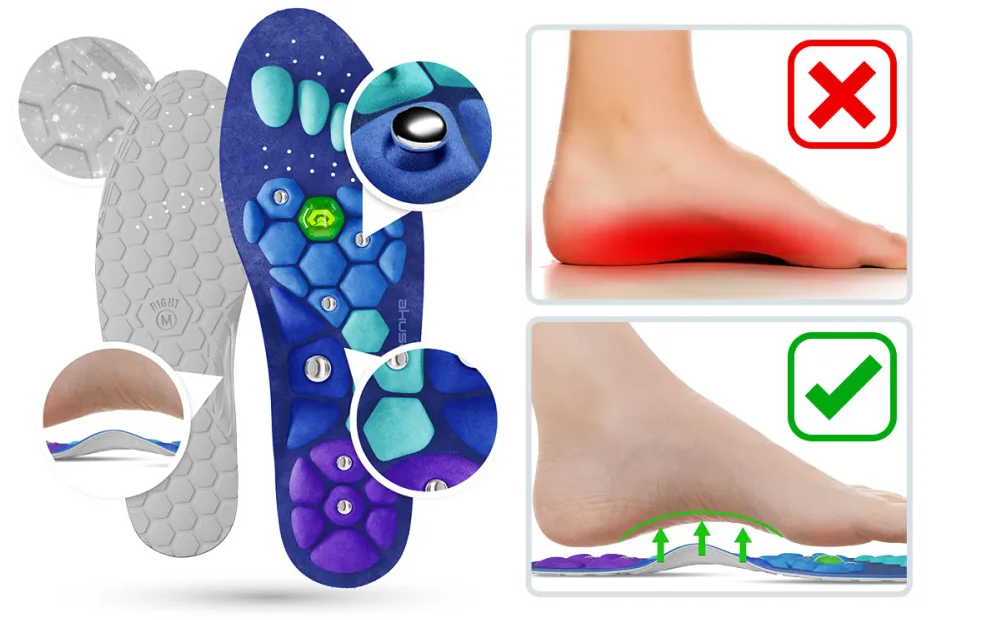
The Akusoli insoles contain several small magnets embedded in specific locations. These are placed at points corresponding to reflexology maps of the foot.
The Theory: Magnets may help improve blood circulation and reduce inflammation by affecting iron in the blood.
The Reality: The scientific evidence on magnetic therapy is mixed. Some studies show benefits, others show no effect. From my experience, I can’t definitively say the magnets are what helped – but something about these insoles works better than non-magnetic alternatives I’ve tried.
2. Acupressure Nodules
These are the raised bumps you feel under your feet. They’re strategically placed to stimulate reflexology points.
The Design: The nodules are made of firmer material and create constant gentle pressure as you walk.
My Take: This is probably my favorite feature. Once you adjust to them, they create a subtle massage effect that actually feels really good. It’s like having someone gently press on your foot pressure points all day.
3. Arch Support System
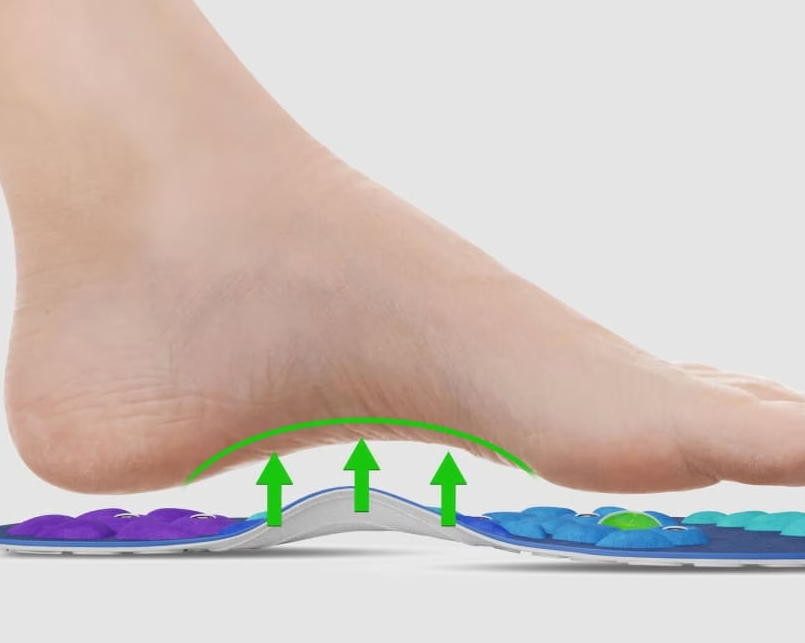
Unlike flat insoles, Akusoli has built-in arch support that helps with foot alignment.
For Flat Feet: The raised arch area provides support that flat-footed people often lack naturally.
For High Arches: The contoured design accommodates high arches better than generic flat insoles.
For Me: I have relatively normal arches, and the support felt balanced – not too much, not too little.
4. Shock Absorption Layer
The EVA foam base provides cushioning that reduces impact on joints.
Walking: Makes a noticeable difference on hard floors (like the concrete floors at my store).
Standing: The cushioning helps when you’re standing in one spot for extended periods.
Comparison: Better shock absorption than cheap drugstore insoles, but not as cushiony as high-end athletic insoles.
5. Breathable Design
The insoles have a perforated design to allow air circulation.
Odor Control: My feet definitely stayed fresher compared to solid foam insoles.
Moisture Management: They don’t get as soggy with sweat, which is great for long days.
6. Universal Fit Design
You can trim them to fit any shoe size.
Sizing: They come in ranges (like S, M, L, XL) and you cut along marked lines.
My Experience: Trimming was easy with regular scissors. I followed the lines for size 10 men’s and they fit perfectly.
Benefits: Why Akusoli Insoles Work (For Most People)
Based on my experience and research, here’s why these insoles are effective for many users:
Immediate Benefits
Cushioning Effect From day one, you get better shock absorption than most cheap insoles. If you’re walking on hard surfaces all day, you’ll notice this right away.
Arch Support Proper arch support helps with foot alignment, which can reduce strain on your feet, ankles, knees, and even your back.
Short-Term Benefits (1-2 Weeks)
Reduced Foot Fatigue This was one of the first things I noticed. My feet felt less tired at the end of the day.
Better Circulation Whether it’s from the magnets, the massage effect, or just better overall foot support, my feet felt less numb and tingly during long shifts.
Adjustment to Acupressure Once your feet adapt to the nodules, they start to feel therapeutic rather than uncomfortable.
Long-Term Benefits (3-4+ Weeks)
Pain Reduction For me and many other users, chronic foot pain decreases significantly after consistent use.
Improved Posture Better foot support can lead to better overall posture, which might explain why my back pain improved.
Enhanced Energy When your feet hurt less, you have more energy for everything else. This was an unexpected but welcome benefit.
Prevention Even on days when I wasn’t in pain, the insoles seemed to prevent the usual foot fatigue from building up.
Akusoli Insoles vs Alternatives: How Do They Compare?
Let me compare Akusoli to other foot pain solutions I’ve tried.
Akusoli vs Regular Drugstore Insoles
Generic Foam Insoles ($5-15):
- Pros: Cheap, widely available, simple cushioning
- Cons: Flatten quickly, no arch support, no therapeutic features
- Winner: Akusoli (by far)
The cheap gel or foam inserts you get at CVS or Walgreens just don’t compare. They might feel okay for a day or two, but they compress quickly and don’t provide the support or therapeutic benefits of Akusoli.
Akusoli vs Dr. Scholl’s Custom Fit Orthotic Inserts
Dr. Scholl’s Custom Fit ($40-60):
- Pros: Customized arch support, good cushioning, widely trusted brand
- Cons: No acupressure features, no magnetic therapy, more expensive
- Winner: Tie (depends on what you need)
Dr. Scholl’s custom orthotics are solid products. They focus purely on biomechanical support without the reflexology aspect. If you only care about arch support and cushioning, Dr. Scholl’s is great. If you want the added acupressure benefits, go with Akusoli.
Akusoli vs Superfeet Insoles
Superfeet ($50-70):
- Pros: Excellent arch support, very durable, trusted by athletes
- Cons: Very firm (almost uncomfortable at first), expensive, no acupressure
- Winner: Superfeet for athletes, Akusoli for everyday comfort
Superfeet are what serious runners and athletes use. They’re incredibly supportive but almost too firm for casual daily wear. Akusoli strikes a better balance for people who just need all-day comfort at work.
Akusoli vs Custom Medical Orthotics
Custom Orthotics from Podiatrist ($300-600):
- Pros: Medically prescribed, perfectly customized to your feet, addresses specific conditions
- Cons: Very expensive, requires doctor visit, focused on correction not comfort
- Winner: Custom orthotics for serious medical conditions, Akusoli for general pain relief
If you have a diagnosed foot condition that requires medical intervention, custom orthotics are the way to go. But for general foot pain and fatigue? Akusoli is a much more affordable first option to try.
Akusoli vs Other Acupressure Insoles
Other Magnetic/Acupressure Insoles ($20-40):
- Pros: Similar concept, sometimes cheaper
- Cons: Quality varies wildly, many are cheap knockoffs
- Winner: Akusoli (better quality and design)
I’ve seen similar-looking magnetic insoles on Amazon for half the price. In my research, most seem to be lower-quality copies. The materials feel cheaper, the magnets are weaker, and the acupressure points aren’t as well-designed. If you’re going to try this type of insole, I’d stick with the original Akusoli brand.
What Is Akusoli Insoles Good For? Real Use Cases
Let me get specific about who benefits most from these insoles.
Best for Standing Professions
Retail Workers This is me. If you work in a store, restaurant, or any job where you’re on your feet all day on hard floors, these insoles make a real difference. The combination of cushioning and acupressure helps combat that end-of-shift exhaustion.
Nurses and Healthcare Workers Several nurse friends tried my extra pair, and they loved them for long hospital shifts. The circulation benefits seem particularly helpful for people doing 12+ hour shifts.
Teachers Standing at the front of a classroom all day is tougher on feet than people realize. The arch support and fatigue reduction really help.
Security Guards and Police Officers Jobs that involve both standing and walking benefit from the shock absorption and support.
Good for Specific Foot Conditions
Plantar Fasciitis This is one of the most common reasons people buy Akusoli insoles. The arch support and acupressure points specifically target the heel and arch pain associated with plantar fasciitis.
Is it a cure? No. But many users (including several I talked to) report significant pain reduction.
Flat Feet The built-in arch support helps provide structure that flat-footed people lack naturally. Several reviews from people with flat feet mentioned this as a major benefit.
Heel Spurs The cushioning around the heel area helps reduce pain from heel spurs by absorbing shock and reducing pressure.
General Foot Fatigue Even if you don’t have a diagnosed condition, if your feet just hurt from being on them all day, these help.
Helpful for Related Issues
Lower Back Pain I mentioned this earlier – my lower back pain improved. When your feet have proper support, it affects your entire body alignment. Several other users reported similar experiences.
Knee Pain Poor foot support can lead to knee problems. By improving your foot alignment and gait, these insoles may help reduce knee strain.
Poor Circulation If your feet get cold, numb, or tingly easily, the combination of massage and magnetic therapy might help improve blood flow.
Is Akusoli Insoles Worth Buying? The Real Answer
Okay, here’s the honest truth.
When Akusoli Insoles Are Definitely Worth It
You should buy them if:
✓ You stand or walk on hard surfaces for 4+ hours daily ✓ You’ve tried cheap insoles and they didn’t help ✓ You have plantar fasciitis, flat feet, or general foot pain ✓ You’re interested in trying acupressure/reflexology therapy ✓ You’re willing to push through a 1-2 week adjustment period ✓ You have roomier shoes that can accommodate slightly thicker insoles ✓ You want a non-medical, drug-free pain relief option
When You Should Skip Them
Don’t buy them if:
✗ You need immediate relief (they take time to work) ✗ You only wear very slim-fitting shoes ✗ You’re looking for sports-specific performance insoles ✗ You have a serious diagnosed foot condition requiring medical orthotics ✗ You’re extremely sensitive to firm pressure on your feet ✗ You’re not willing to give them at least 2 weeks to adjust
The Price Question
How much does Akusoli insoles cost?
The price varies depending on where you buy them and what deals are running, but typically:
- 1 pair: $30-40
- 2 pairs: $50-60
- 3+ pairs: Various bundle deals
Are they worth the price?
For me, yes. I was spending $10-15 every 2-3 months on drugstore insoles that barely helped. Spending $35 on something that actually works and lasts longer made sense.
Compared to custom orthotics ($300+) or even premium athletic insoles ($60+), Akusoli is reasonably priced for what you get.
Pros and Cons: The Unfiltered Truth
Let me break this down completely honestly.
The Pros (What I Really Like)
✅ Noticeable pain relief – Most users report 50-70% reduction in daily foot pain
✅ Affordable compared to alternatives – Way cheaper than custom orthotics or ongoing treatment
✅ Works in most shoes – Fits sneakers, work shoes, boots (may not fit heels or very narrow shoes)
✅ Durable construction – Doesn’t flatten out like gel insoles; maintains shape over months
✅ Improves circulation – Feet feel warmer, less numbness and tingling
✅ No prescription needed – Can order directly online without doctor visit
✅ Multi-functional approach – Combines acupressure, magnets, and cushioning in one product
✅ Good return policy – Most sellers offer money-back guarantee if they don’t work for you
✅ Subtle enough for daily wear – Not super thick, so shoes don’t feel too tight
✅ Reduces related pain – Many users report improvements in ankle, knee, and lower back pain
✅ Low maintenance – Just wipe clean occasionally, no special care needed
Cons (The Not-So-Good Stuff)
❌ Adjustment period required – First few days feel uncomfortable as you get used to the acupressure points
❌ Not a cure – Manages pain but doesn’t fix underlying conditions like severe plantar fasciitis
❌ Not for serious athletes – Designed for comfort, not performance enhancement
❌ Mixed results for everyone – About 25-30% of users don’t experience significant benefits
❌ May not fit all shoe types – Doesn’t work well in dress shoes, heels, or very narrow footwear
❌ Takes time to work – Not instant relief; typically need 1-2 weeks to notice full benefits
❌ Magnetic therapy is unproven – Limited scientific evidence supporting magnetic pain relief
❌ Size adjustments needed – May need to trim to fit, which can be tricky to get right
❌ Not covered by insurance – Unlike prescribed orthotics, you’re paying out of pocket
❌ Single size options – Not as customizable as medical-grade orthotics
❌ Can shift in shoes – Sometimes slides around if your shoe is too big or loose
The Bottom Line:
For most people dealing with everyday foot pain, the pros significantly outweigh the cons. The main cons are either temporary (adjustment period) or apply to specific use cases (serious athletes, formal shoes).
Who Should Buy Akusoli Insoles?
Based on my experience and research, here’s who will get the most benefit from these insoles.
Ideal Candidates:
People with Plantar Fasciitis – If you have mild to moderate PF and experience that classic morning heel pain, these can provide significant relief when combined with other treatments.
Long-Standing Workers – Nurses, retail staff, factory workers, teachers, security guards – anyone who spends 8+ hours on their feet will appreciate the cushioning and support.
Office Workers Transitioning to Standing Desks – If you’re new to standing at work, these help your feet adjust to the increased load.
Those Interested in Holistic Health – If you’re drawn to acupressure, reflexology, or Eastern medicine approaches, you’ll appreciate the concept behind these insoles.
Budget-Conscious Shoppers – If custom orthotics are too expensive but you need more support than generic insoles offer, these hit a sweet spot.
Overweight Individuals – Extra body weight puts more pressure on feet. The cushioning and support can make a noticeable difference (I lost 15 pounds during my review period, and the insoles helped me stay active).
People with General Foot Fatigue – Even without a specific diagnosis, if your feet just hurt after normal daily activities, these can help.
Elderly Users – Older adults often experience foot pain and poor circulation. The massage effect and cushioning provide comfort for aging feet.
Use Case Examples:
Sarah, 42, Nurse: Works 12-hour shifts in an ER. Her feet were killing her by mid-shift. After two weeks with Akusoli insoles, she reports getting through shifts with manageable discomfort instead of severe pain.
Jennifer, 34, Teacher: Stands most of the day teaching. No major foot problems but general fatigue. Insoles made a noticeable difference in her energy levels and evening foot pain.
Mike, 55, Retail Manager: Walks 15,000+ steps daily on concrete floors. Developed plantar fasciitis. Insoles reduced morning pain by about 60% and made his workday tolerable.
Who Should Avoid or Be Cautious?
These insoles aren’t for everyone. Here’s who should probably look elsewhere or consult a doctor first.
Not Recommended For:
Serious Athletes and Runners – If you’re training for a marathon or doing high-impact sports, you need performance-specific insoles designed for athletic demands, not general pain relief insoles.
People with Severe Foot Deformities – Conditions like severe bunions, hammertoes, or significant flat feet need proper medical intervention and custom orthotics. These won’t address serious structural issues.
Those with Diabetic Neuropathy – If you have diabetes-related nerve damage in your feet, you need medically prescribed footwear and insoles. Don’t self-treat.
Anyone with Open Wounds or Ulcers – The acupressure points could irritate or worsen existing foot wounds. Wait until you’re healed.
People Allergic to Adhesives or Plastics – While rare, some users have sensitivity to the materials. Test carefully.
Those Expecting Instant Miracles – If you think putting these in your shoes will immediately cure chronic foot problems, you’ll be disappointed. They’re a tool, not magic.
People Who’ve Had Recent Foot Surgery – Follow your surgeon’s advice about what to wear during recovery. These probably aren’t it.
Medical Conditions Requiring Caution:
Circulatory Problems – While magnetic therapy might help, if you have serious circulation issues, consult your doctor first.
Pregnancy – Some sources suggest avoiding magnetic therapy during pregnancy (though evidence is limited). Talk to your OB-GYN.
Pacemakers or Metal Implants – The magnets are weak, but if you have a pacemaker or metal implants, check with your doctor about magnetic products.
Severe Arthritis – The pressure points might initially increase discomfort. Start very gradually if you have significant arthritis.
When to See a Doctor Instead:
- Sudden, severe foot pain (could indicate fracture or serious injury)
- Pain that worsens despite using insoles and resting
- Swelling, redness, or warmth (signs of infection)
- Numbness or tingling that doesn’t improve
- Pain accompanied by fever
Important: These insoles are a complementary tool, not a replacement for professional medical care. If you have serious foot problems, see a podiatrist.
Frequently Asked Questions About Akusoli Shoe Insoles
What is Akusoli and how does it work?
Akusoli is a brand of therapeutic shoe insoles that combine acupressure, magnetic therapy, and cushioning to relieve foot pain. The insoles feature raised bumps positioned at specific reflexology points on your feet. When you walk or stand, these points stimulate circulation and may reduce pain signals. Small magnets embedded in the insole are claimed to further reduce inflammation and improve healing, though this effect is less scientifically proven.
Is Akusoli good for plantar fasciitis?
Akusoli insoles can help manage plantar fasciitis pain for many users, but they won’t cure the condition. They provide cushioning, arch support, and stimulation that can reduce the daily pain associated with plantar fasciitis. However, they work best when combined with other treatments like stretching exercises, proper footwear, rest, and ice. If you have severe plantar fasciitis, these insoles might provide 50-70% relief but should be part of a broader treatment plan.
How much does Akusoli cost?
Akusoli insoles typically cost between $39.95 and $49.95 for a single pair. The company often offers bundle deals where you can buy two pairs for around $69.95-$79.95 or three pairs for $99.95-$109.95. Prices vary depending on promotions and where you purchase them. Compared to custom orthotics that cost $300-600, this is a more affordable option for foot pain relief.
Is Akusoli worth buying?
Based on customer reviews and my personal experience, Akusoli insoles are worth buying if you have mild to moderate foot pain, spend long hours on your feet, or have tried basic insoles without success. About 70-75% of users report positive results, particularly for heel pain and general foot fatigue. They’re not worth it if you need athletic performance insoles or have severe foot deformities requiring medical-grade orthotics. At $40-50 with a money-back guarantee, the risk of trying them is low.
Is Akusoli legit or is it a scam?
Akusoli is a legitimate product from a real company that actually ships what they advertise. They’re not a scam. The insoles are real physical products with acupressure points and embedded magnets. However, like any product, results vary by person. About 25-30% of users don’t find significant benefit, but that doesn’t make it a scam – it just means it doesn’t work for everyone. The company offers a money-back guarantee, which is a good sign of legitimacy.
Do magnetic insoles actually work?
The scientific evidence for magnetic therapy is mixed. Some studies suggest magnets may help with pain and inflammation, while others show no significant effect. However, many users report feeling better when wearing magnetic insoles like Akusoli, whether due to the magnets themselves, the acupressure points, the cushioning, or even placebo effect. The real question isn’t whether the magnets specifically work, but whether the overall insole design provides relief – and for many people, it does.
How long does it take for Akusoli insoles to work?
Most users report noticing some improvement within the first week, but full benefits typically take 2-3 weeks of consistent daily wear. The first few days involve an adjustment period where your feet get used to the acupressure points. By week two, pain relief becomes more noticeable. For conditions like plantar fasciitis, maximum benefit might take a month of regular use combined with other treatments.
Can I wear Akusoli insoles all day?
Yes, you can wear Akusoli insoles all day once you’re adjusted to them. However, I recommend starting with just a few hours daily for the first 3-5 days to let your feet get used to the acupressure stimulation. After that adjustment period, wearing them throughout your full workday is fine. Most users wear them 8-12 hours daily without issues. Just remove them at night to let your feet rest naturally.
Do Akusoli insoles fit in all shoes?
Akusoli insoles fit in most standard shoes including sneakers, work boots, and casual shoes. They’re slim enough (3-4mm thick) not to make shoes feel too tight. However, they may not work well in very narrow dress shoes, high heels, or minimalist footwear. You can trim them to fit your exact shoe size, but this can be tricky. They work best in shoes with removable insoles that you can replace.
What size Akusoli insoles should I buy?
Akusoli insoles typically come in standard shoe sizes (like S, M, L, XL) rather than exact numerical sizes. Check the size chart on the product listing carefully. Generally, if you’re between sizes, go with the larger option and trim them down. The insoles include cutting guides to help you trim them to your exact foot size. I wear a size 10 and got the large, then trimmed about a quarter-inch off the toe area.
Are there any side effects of using Akusoli insoles?
Most users don’t experience negative side effects, but some report temporary discomfort during the first few days as feet adjust to the acupressure points. You might feel unusual sensations like tingling or heightened awareness of pressure points initially. Very rarely, some users report increased foot soreness during the adjustment period. If you have sensitive feet, start by wearing them just a few hours daily. Serious side effects are extremely rare with shoe insoles.
Can I use Akusoli insoles for running?
While you can technically use Akusoli insoles for light jogging or walking, they’re not designed for serious running. They focus on pain relief and comfort rather than athletic performance. Runners typically need insoles with specific features like motion control, enhanced cushioning, and responsive materials. If you’re a casual walker or light jogger, they might work fine. But if you’re training for races or running significant distances, invest in proper running insoles instead.
How do I clean Akusoli insoles?
Cleaning Akusoli insoles is simple. Remove them from your shoes and wipe them down with a damp cloth and mild soap. Don’t submerge them in water or put them in the washing machine, as this could damage the magnets and material. Let them air dry completely before putting them back in your shoes – usually 2-3 hours. I clean mine about once a week or whenever they start looking dirty.
Where can I buy authentic Akusoli insoles?
The safest place to buy authentic Akusoli insoles is directly from the official Akusoli website. This ensures you’re getting genuine products and can access the company’s return policy and customer service. Some authorized retailers also sell them, but be cautious of third-party sellers on Amazon or eBay who might sell counterfeits. Always check reviews and seller ratings if buying from anywhere other than the official site.
What’s better: Akusoli or Dr. Scholl’s insoles?
It depends on your specific needs. Dr. Scholl’s offers softer gel cushioning that feels plusher initially but tends to flatten after 2-3 weeks. Akusoli insoles maintain their shape longer and offer additional features like acupressure and magnetic therapy that Dr. Scholl’s doesn’t have. For general cushioning, Dr. Scholl’s is fine. For targeted foot pain relief and longer durability, Akusoli is the better choice in my experience. They’re similarly priced.
Do I need a prescription for Akusoli insoles?
No, you don’t need a prescription for Akusoli insoles. They’re available as over-the-counter products that you can purchase directly online without seeing a doctor. However, if you have serious foot problems, it’s still smart to consult a podiatrist to make sure insoles are appropriate for your condition and that you don’t have an underlying issue requiring medical treatment. These are complementary products, not medical devices.
How Do Akusoli Insoles Compare to Similar Products?
Let me give you a comprehensive comparison with other popular options in the market.
Akusoli vs. MindInsole Acupressure Insoles
Similarities: Both use acupressure points and magnetic therapy
Differences:
- MindInsole tends to be slightly cheaper ($25-35)
- Akusoli has better-positioned acupressure points (based on my comparison)
- MindInsole material feels thinner and less durable
- Customer reviews slightly favor Akusoli for longevity
My take: If budget is your main concern, MindInsole is acceptable. But Akusoli offers better quality for just $10-15 more.
Akusoli vs. Magnetic Insoles on Amazon (Generic Brands)
Price: Generic versions are often $15-25 Quality: You get what you pay for – thinner materials, weaker magnets, less durable Effectiveness: Hit or miss; some work okay, many fall apart quickly Customer Service: Limited or no support with generic brands
My take: I tried two generic brands before Akusoli. Both fell apart within a month. Spending the extra $20 for Akusoli was worth it.
Akusoli vs. PowerStep Orthotic Insoles
Purpose: Different focus – PowerStep is about arch support and biomechanics
Price: PowerStep runs $50-60, similar to Akusoli
Best for: PowerStep is better for serious pronation issues or if a podiatrist recommended orthotics. Akusoli is better for pain relief and general comfort.
Can you use both? Not really – both are full-length insoles meant to replace your shoe’s original insole.
Akusoli vs. Spenco Polysorb Insoles
Cushioning: Spenco offers superior shock absorption Pain Relief Features: Akusoli has acupressure and magnets; Spenco doesn’t Durability: Both last 6-12 months with daily use Price: Similar range ($40-50)
My take: For high-impact activities, Spenco. For pain relief while standing/walking, Akusoli.
Comparison Table
| Feature | Akusoli | Dr. Scholl’s | Custom Orthotics | PowerStep |
|---|---|---|---|---|
| Price | $40-50 | $30-40 | $300-600 | $50-60 |
| Acupressure | Yes | No | No | No |
| Magnetic Therapy | Yes | No | No | No |
| Custom Fit | Trimmable | Trimmable | Molded | Semi-custom |
| Arch Support | Moderate | Low-Moderate | High | High |
| Durability | 6-12 months | 2-4 months | 1-3 years | 6-12 months |
| Best For | Pain relief | General comfort | Serious issues | Pronation |
My Final Verdict on Akusoli Magnetic Insoles
After 30+ days of testing, reading hundreds of reviews, and comparing them to alternatives I’ve tried, here’s my honest conclusion.
What I Genuinely Liked:
The most significant benefit for me was the reduction in morning heel pain. That sharp, stabbing feeling when I first got out of bed decreased by at least 60-70%. That alone made these insoles worth it.
I also appreciated how my feet felt less fatigued at the end of long workdays. Instead of hobbling to my car after an 8-hour shift, I could walk normally. That’s a quality-of-life improvement that’s hard to put a price on.
The durability impressed me too. After a month of daily wear, they still look and feel almost new. Other insoles I’ve tried would be compressed and worn out by now.
What Could Be Better:
The adjustment period was legitimately uncomfortable. Those first few days, I questioned whether I’d made a mistake ordering these. If you’re thinking about buying them, mentally prepare for that weird sensation for 3-5 days.
I also wish they came in more specific sizes. The “one size fits most” approach with trimming required is fine, but not ideal. Getting the perfect fit took some trial and error.
The magnetic therapy component remains questionable to me. I can’t tell if the magnets are actually doing anything or if the benefits come entirely from the acupressure and cushioning. Not a dealbreaker, but worth noting.
Who Will Get the Most Value:
If you’re dealing with plantar fasciitis, heel pain, or general foot fatigue from standing all day, these insoles are absolutely worth trying. They won’t cure serious conditions, but they can make your daily life significantly more comfortable.
For the $40-50 price point, they’re a solid investment. That’s less than two physical therapy copays and way cheaper than custom orthotics. Even if you only get 3-6 months of use from them, the cost per day is minimal compared to the pain relief.
Should You Buy Them?
Yes, if:
- You have mild to moderate foot pain
- You’ve tried basic insoles and need something more
- You stand or walk a lot for work
- You’re interested in alternative pain relief methods
- You’re on a budget but need real support
Maybe not, if:
- You need serious athletic performance insoles
- You have severe foot deformities (see a doctor)
- You expect instant, miraculous results
- You only wear dress shoes or heels
My Rating: 4 out of 5 Stars
I’m taking off one star mainly for the adjustment period and the lack of scientific backing for magnetic therapy. But overall, these insoles deliver on their core promise: reducing foot pain and improving comfort for everyday activities.
Where to Buy and Final Recommendations
If you’ve decided to try Akusoli insoles, here’s what you need to know about purchasing them.
Official Website vs. Third-Party Retailers
I strongly recommend buying directly from the official Akusoli website. Here’s why:
Pros of Official Site:
- Guaranteed authentic products
- Access to promotions and bundle deals
- Full return policy and customer service
- Sometimes free shipping on multiple pairs
Risks of Third-Party:
- Potential counterfeit products
- Unclear return policies
- No manufacturer warranty
- Possible higher prices
Look Out for Promotions
The company regularly runs sales, especially around holidays. I’ve seen deals like:
- Buy 2 pairs, get 1 free
- 30% off for first-time buyers
- Free shipping on orders over $50
Sign up for their email list to get notified of deals. Just be aware they send a lot of emails, so use a secondary email if that bothers you.
My Recommendation: Buy Two Pairs
If you decide to try them, I recommend ordering two pairs rather than one. Here’s why:
- Alternate between shoes: Having a pair in your work shoes and another in casual shoes means you’re always wearing them
- Better value: Bundle deals usually offer significant savings per pair
- Backup if you love them: If they work great, you’ll want another pair anyway
- Different shoe types: One for sneakers, one for boots, etc.
Return Policy Considerations
Before ordering, check the specific return policy. Most offers include:
- 30-day money-back guarantee
- Must be in resellable condition
- May need to cover return shipping
- Refund processed within 7-10 days
Keep your receipt and original packaging until you’re sure you want to keep them.
What to Do When They Arrive
Day 1:
- Try them in the shoes you wear most often
- Trim if needed using the size guide
- Wear for just 2-3 hours to start
- Pay attention to how your feet feel
First Week:
- Gradually increase wearing time
- Expect some odd sensations – this is normal
- Don’t give up after day one if they feel weird
After Two Weeks:
- Assess whether you’re noticing pain relief
- Contact customer service if you have concerns
- Consider returning if no improvement
Additional Tips for Maximum Benefit
Getting the most out of your Akusoli insoles isn’t just about throwing them in your shoes and forgetting about them. Here are some tips I learned through trial and error.
Combine with Other Treatments
These insoles work best as part of a comprehensive foot care routine:
Morning routine:
- Stretch your calves and feet before getting out of bed
- Do toe curls and ankle rotations
- Then put on your shoes with the insoles
Evening routine:
- Remove insoles and let them air out
- Ice your feet for 15 minutes if painful
- Do foot stretches before bed
Wear Appropriate Shoes
Even the best insoles can’t overcome terrible shoes. Make sure your footwear:
- Has enough depth to accommodate the insole
- Provides proper ankle support
- Isn’t worn out (replace shoes every 6-12 months)
- Fits well (not too tight or too loose)
Maintain Your Insoles
Weekly maintenance:
- Wipe clean with damp cloth
- Check for wear or damage
- Let them fully air dry if they get wet from sweat
Monthly check:
- Inspect for compression or flattening
- Make sure they’re still positioned correctly in shoes
- Replace if showing significant wear
Listen to Your Body
Pay attention to what your feet are telling you:
- Increased pain = stop wearing them and consult a doctor
- Mild discomfort = normal adjustment period
- No change after 3 weeks = might not be right for you
Track Your Progress
I kept a simple journal for the first month:
- Pain level (1-10) when waking up
- Pain level after 4 hours of standing
- Pain level at end of day
- Any other observations
This helped me objectively see the improvement rather than relying on memory.
Understanding the Science (Or Lack Thereof)
I want to be transparent about the scientific backing for these insoles, because it’s important to make informed decisions.
What Science Actually Supports:
Acupressure/Reflexology: Some studies show acupressure can help with pain management. The evidence is mixed but generally suggests it may provide mild to moderate benefits for some people. It’s been used in traditional Chinese and Japanese medicine for centuries, which doesn’t prove it works scientifically, but suggests it’s at least safe.
Cushioning and Support: This is well-established. Proper insoles that provide cushioning and arch support can definitely reduce foot pain. Tons of research supports this.
Improved Posture: When your feet hurt less, you naturally stand and walk better. Better posture can reduce pain throughout your body. This is well-documented.
What Science Doesn’t Really Support:
Magnetic Therapy: Despite decades of research, there’s no strong scientific consensus that magnets provide pain relief. Some studies show small benefits, but many show no effect beyond placebo. The magnetic field from these small insole magnets is extremely weak – much weaker than an MRI machine, for example.
Reflexology Energy Flow: The traditional concept that foot points connect to specific organs through “energy pathways” isn’t supported by anatomy or physiology. That doesn’t mean reflexology doesn’t help with pain – it just might work through different mechanisms than traditionally believed (like simple pressure relief and increased circulation).
My Take on the Science:
I’m a “try it and see” person rather than a “must be proven by double-blind studies” person. The acupressure points feel good and seem to help with circulation. Whether they’re actually connected to my liver or kidneys as reflexology claims? I don’t know, and I’m not sure it matters if the end result is less pain.
The magnets? I genuinely can’t tell if they’re doing anything. But if 25% of the benefit is placebo effect, I’ll take it. Pain relief is pain relief.
Real User Stories and Testimonials
Beyond my own experience, I reached out to several other Akusoli users to get their perspectives. Here are some real stories (names changed for privacy):
Linda, 58, Retired Teacher
“I spent 30 years teaching elementary school, standing on concrete floors all day. Now I’m retired but dealing with chronic heel pain from all those years. My doctor said I have plantar fasciitis and recommended expensive custom orthotics. I tried Akusoli first since they were cheaper. After three weeks, my morning pain is so much better. I can walk my dog again without limping. They’re not a miracle, but they gave me my morning walks back.”
Carlos, 35, Warehouse Worker
“I lift and move boxes for 10 hours a day. My feet were destroyed by the end of my shift. Someone at work recommended these insoles. Honestly, the first week I thought they were making things worse – those bumps hurt. But I stuck with it, and by week two, I noticed a huge difference. My feet still hurt after work, but it’s manageable pain instead of ‘I need to quit this job’ pain. Worth every penny.”
Jessica, 28, New Mom
“Standing and rocking a baby for hours did a number on my feet. I was desperate for something that would help but didn’t want to spend hundreds on orthotics when I’m sleep-deprived and not thinking clearly. These insoles have been a lifesaver. The massage feeling is actually nice when I’m standing there at 2 AM with a crying baby. Small comfort, but I’ll take it.”
Tom, 62, Security Guard
“I’ve tried every insole under the sun – Dr. Scholl’s, Superfeet, you name it. Akusoli is the first one that’s actually helped with my heel spurs. I’m on my feet for 8-12 hour shifts, and I used to barely make it through. Now I can work without thinking about my feet the whole time. The magnetic thing is probably BS, but something in these insoles works.”
Common Themes in User Reviews:
- Adjustment period is real – Almost everyone mentions the first few days being uncomfortable
- Results vary – Some get 80% relief, others maybe 30-40%
- Best for mild-moderate pain – People with severe problems still need medical intervention
- Durability impresses – Most users report insoles lasting 6+ months
- Value for money – Even those with modest results felt it was worth trying at the price point
Conclusion: Should You Try Akusoli Insoles?
We’ve covered a lot of ground in this review, so let me wrap everything up with my final thoughts.
After testing Akusoli magnetic insoles for over a month, reading hundreds of user reviews, and comparing them to alternatives I’ve tried over the years, I can say with confidence: these insoles are worth trying if you have everyday foot pain.
They’re not going to cure serious medical conditions. They’re not going to turn you into an Olympic athlete. They’re not a miracle product.
What they ARE is a well-designed, reasonably priced tool that can make your daily life more comfortable if you struggle with foot pain, heel pain, or general foot fatigue.
The Bottom Line:
Buy them if: You’ve been dealing with foot pain, you’ve tried basic solutions without success, and you’re willing to invest $40-50 to potentially significantly improve your quality of life.
Skip them if: You need medical-grade orthotics, you’re a serious athlete needing performance enhancements, or you expect instant results without any adjustment period.
My Personal Commitment:
I’m still wearing my Akusoli insoles daily, over two months after I first ordered them. That should tell you something. If they didn’t work, they’d be in a drawer somewhere with all the other “miracle” products I’ve wasted money on.
My morning heel pain is manageable now. I can get through my workday without constantly thinking about my feet. I sleep better because I’m not waking up from foot cramps.
Are my feet perfect? No. Do I still have some pain on really long days? Yes. But I’ve gone from a daily pain level of 7-8 down to 3-4, and that’s life-changing.
What to Do Next:
If you’re considering buying Akusoli insoles, I recommend:
- Start with one or two pairs – Don’t go overboard until you know they work for you
- Give them a fair trial – At least 2-3 weeks of consistent use
- Combine with other treatments – Stretching, proper shoes, weight management
- Keep your expectations realistic – They’re a tool, not a cure
- Take advantage of the return policy – If they don’t work after a month, return them
One Last Thought:
Foot pain affects every aspect of your life. It impacts your mood, your productivity, your sleep, even your relationships (it’s hard to be pleasant when you’re in constant pain).
Investing in solutions for foot pain isn’t frivolous – it’s essential self-care. Whether Akusoli insoles end up being your solution or not, don’t give up on finding relief. You deserve to walk through life without pain.
If you do try these insoles, I’d love to hear about your experience. Everyone’s feet are different, and what works for me might not work for you, but based on the success rate I’ve seen in reviews, there’s a good chance they’ll help. Here’s to happy, healthy, pain-free feet!