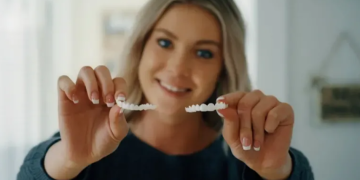

The Laughland whitening kit is an at-home LED teeth whitening system that uses hydrogen peroxide gel paired with a phone-powered LED mouthpiece. According to the company’s published disclosures, the kit is intended for a six-day treatment cycle and is formulated with input from licensed dentists. The brand offers three gel strength tiers and a personalized formula option.
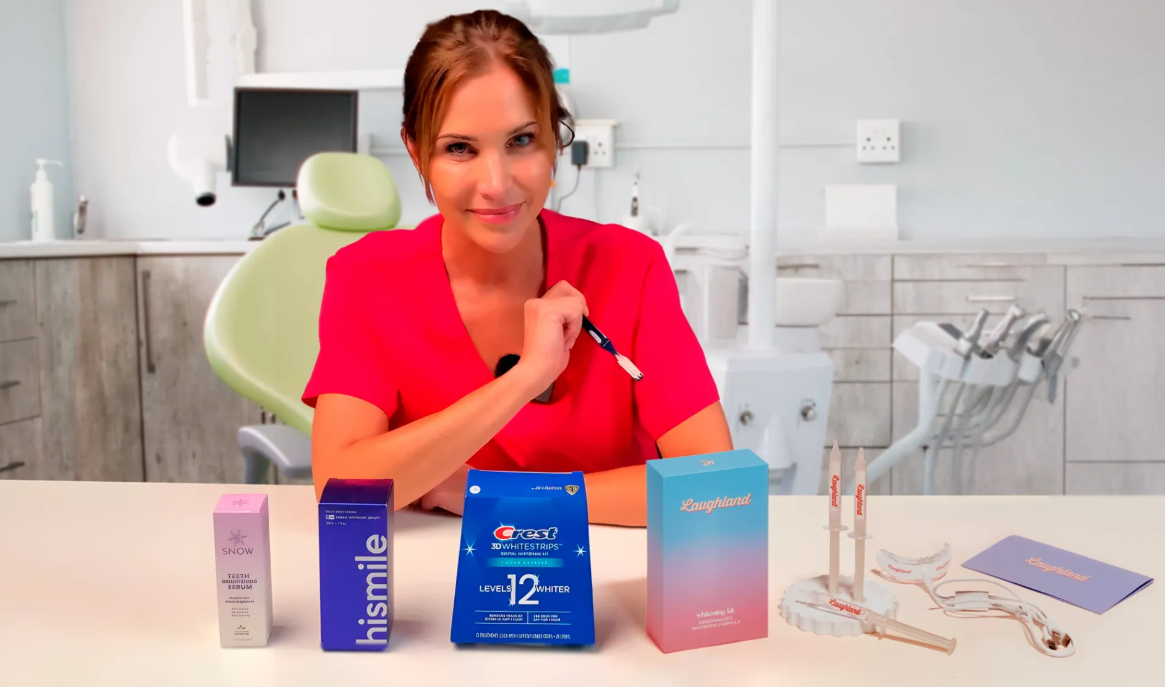
Independent testing by NewMouth (March 2026) found visible whitening by Day 6 using the standard 8% formula, with low to moderate sensitivity. The company discloses a 30-day satisfaction guarantee. Some customers have reported concerns about subscription management and cancellation. Laughland does not carry the ADA Seal of Acceptance. It is sold as a cosmetic product only – not a dental or medical treatment.
What Is the Laughland Teeth Whitening Kit?
Laughland is a direct-to-consumer teeth whitening brand based in California, founded in 2019. The company describes itself as offering a dentist-formulated, LED-powered whitening kit designed for at-home use – positioning its product as a more affordable alternative to in-office professional whitening treatments.
The brand’s flagship product is a whitening kit that combines a hydrogen peroxide-based gel with a blue LED mouthpiece that plugs directly into your smartphone. The company says it has served over 200,000 customers and ships to more than 30 countries.
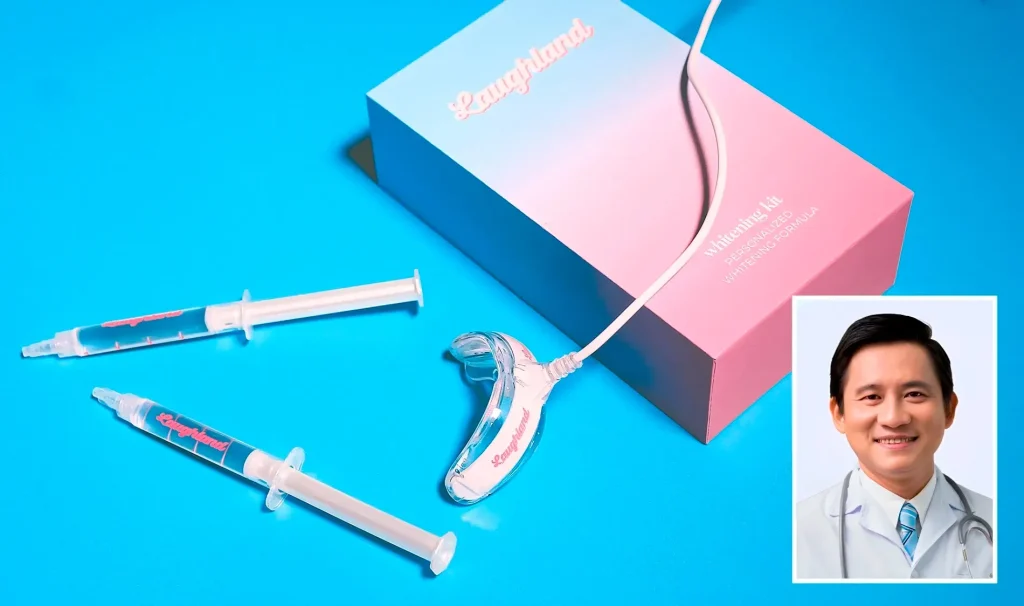
According to the brand’s own disclosures, the formulation was developed with input from licensed dentists, and the gels are stored in temperature-controlled conditions at an FDA-registered facility. The company also claims its products are vegan-friendly and gluten-free.
It’s important to be clear upfront: Laughland is a cosmetic product, not a dental or medical treatment. It is designed to improve the appearance of tooth color, not to diagnose, treat, or prevent any oral health condition.
The Market Context: Why Laughland Exists
Teeth whitening is one of the most searched cosmetic concerns online, and demand for at-home options has grown considerably since the early 2020s – fueled in part by the rise of video calls for work and social life, which brought many people face-to-face with their own teeth on screen more than ever before.
Laughland entered the market in 2019 to address a specific frustration: at-home whitening products that either didn’t work, caused significant sensitivity, or degraded in quality before reaching the consumer. The brand’s founding philosophy, as stated on its website, was to do what dentists actually do – use hydrogen peroxide at a meaningful concentration, store it properly, test it clinically, and make it accessible at home.
The company has since been mentioned in publications including Forbes, Oprah Daily, Women’s Health, and The Skimm, and claims endorsements from multiple licensed dentists. This kind of media visibility, combined with a direct-to-consumer pricing model, has helped Laughland build a sizable following – though, as with any popular product, the customer experience is not uniformly positive, and a balanced reading of the available evidence is essential before making a purchase decision.
What Makes This Review Different
This review draws on the brand’s own publicly available disclosures, independent third-party testing from NewMouth (March 2026), aggregated customer feedback from Thingtesting and Pixoneye (2026), published ADA-affiliated dental commentary, and other publicly available sources. We do not make personal use claims in this article. All manufacturer claims are clearly labeled as such and are separated from independently verified information. Our goal is to give you the most useful, accurate, and balanced picture possible so you can decide whether Laughland is right for your situation.

How Does It Work?
The Laughland kit operates on the same core scientific principle that professional in-office whitening uses – hydrogen peroxide bleaching.
When hydrogen peroxide gel is applied to teeth, it undergoes a chemical oxidation reaction. This process penetrates the enamel and breaks down chromogen molecules – the color-causing compounds responsible for staining and yellowing. The result is a lighter, more even appearance to tooth color.
The Science Behind Tooth Whitening
To understand whether any whitening product can work for you, it helps to understand the two main categories of tooth discoloration:
Extrinsic staining occurs on the surface of the enamel and in the thin protein layer (acquired pellicle) that sits on top of it. This is caused by consuming coffee, tea, red wine, cola, tomato-based sauces, and by smoking. Extrinsic staining responds well to hydrogen peroxide bleaching because the peroxide can penetrate this surface layer and oxidize the chromogen molecules causing the discoloration.
Intrinsic staining originates inside the tooth itself – within the dentin layer beneath the enamel. It is commonly caused by certain antibiotics (especially tetracyclines) taken during tooth development, fluorosis (from excessive fluoride exposure during childhood), physical trauma to the tooth, or natural aging that causes the inner dentin to darken as the outer enamel becomes thinner. Intrinsic staining is significantly more resistant to at-home hydrogen peroxide whitening, and in some cases cannot be addressed by bleaching at all.
This distinction matters enormously when evaluating whether Laughland – or any at-home whitening product – is likely to work for you. If your teeth are discolored primarily from coffee and lifestyle habits, you are a much better candidate than someone whose discoloration originates in the dentin.
The Step-by-Step Whitening Process with Laughland
Here’s what the process looks like, step by step:
Step 1 – The gel is applied. Whitening gel (containing hydrogen peroxide) is dispensed from a syringe directly onto the LED mouthpiece tray.
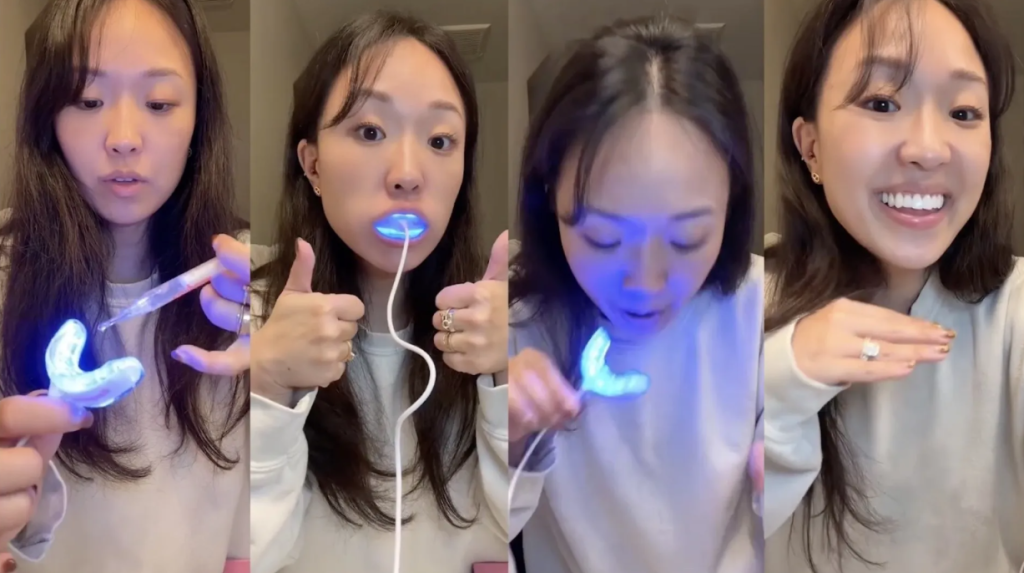
Step 2 – The mouthpiece is inserted. The mouthpiece is plugged into your smartphone via a USB-C, Lightning, or Android adapter, which powers the LED light. The tray is then inserted in the mouth, coating the teeth with gel.
Step 3 – Blue LED light activates. The LED emits blue light, which the company states acts as a “curing light” to catalyze the hydrogen peroxide molecules and accelerate the whitening process.
Step 4 – Rinse and repeat. After 10 to 20 minutes, the mouthpiece is removed, and the mouth is rinsed. This is repeated once daily for six days for the initial treatment cycle.
The Personalization Element
One differentiating feature of Laughland compared to many off-the-shelf whitening products is its personalization quiz. Before receiving a formula, customers are asked about their current sensitivity level, how often they brush, their typical diet, and whether they have had recent dental work such as cavities, crowns, or gum treatment. This information is used to recommend an appropriate gel strength tier and formula type.
This approach aims to match the whitening intensity to the individual’s situation rather than applying a one-size-fits-all formula. Whether this personalization significantly improves outcomes compared to a well-selected standard formula is difficult to verify independently, but the concept is sound from a dental perspective – using the lowest effective concentration for a given individual reduces unnecessary sensitivity risk.
It’s worth noting – and this is covered in detail in a later section – that independent dental sources including NewMouth and commentary cited by ADA-affiliated publications have questioned whether the LED component adds meaningful clinical benefit beyond what the hydrogen peroxide gel achieves on its own. The whitening agent does the heavy lifting; the light’s role is more debated.
What’s in the Box?
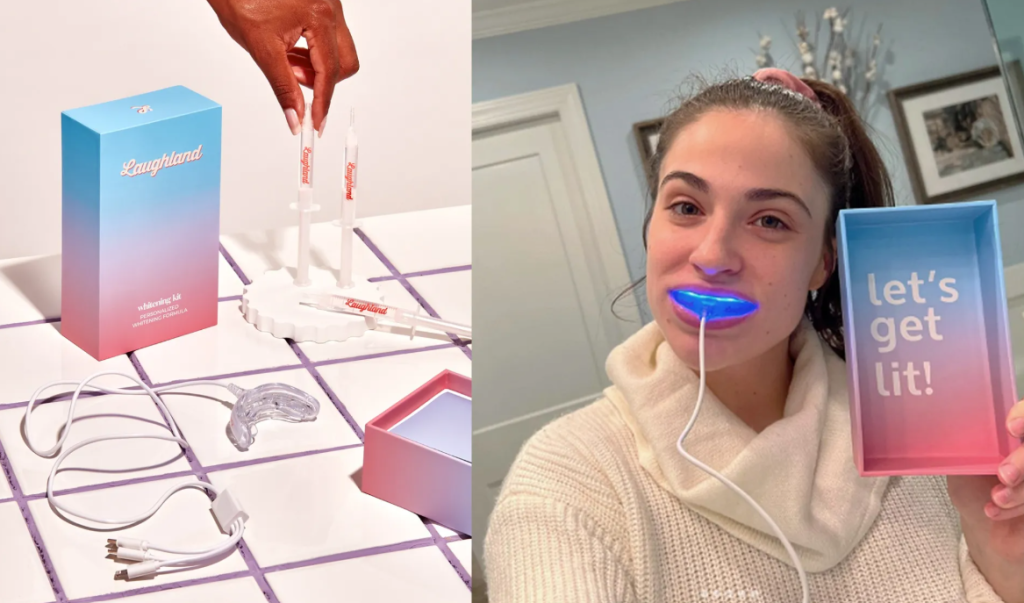
The standard Laughland starter kit includes:
- LED mouthpiece (reusable)
- Three whitening gel syringes (enough for a full six-day cycle)
- Phone adapters (USB-C, Lightning, and Android)
- Gel applicators
- Usage instructions
The LED mouthpiece is the long-term investment – once you have it, you only need to repurchase gel refills for ongoing use. The company also offers a To-Go Whitening Pen that can be used as a daily top-up between full treatment cycles. It’s designed to be compact enough to carry in a bag or pocket.
Laughland Ingredients – What’s Actually in the Gel?
Ingredient transparency is something Laughland gets reasonable marks for. The company’s published disclosures identify the following ingredients in the whitening gel:
| Ingredient | Stated Purpose |
|---|---|
| Hydrogen Peroxide | Active whitening agent – penetrates enamel to break down stain molecules |
| Glycerin (Glycerol) | Hydrates teeth, improves gel consistency, helps protect against new stains |
| Sodium Bicarbonate | Mild abrasive, helps buffer pH |
| Aloe Vera | Described by the company as reducing sensitivity and microbial activity |
| Sodium Hydroxide | Buffers acidity to help protect enamel |
| Propylene Glycol | Carrier ingredient, improves gel texture |
| Carbomer | Thickening/gelling agent |
| Menthol | Flavor and mild cooling sensation |
| Deionized Water | Base of the gel formula |
| Carboxymethylcellulose Sodium / PVP | Additional texture and adhesion agents |
The active whitening ingredient – hydrogen peroxide – is the same bleaching agent used in professional in-office treatments. What differs is the concentration. Laughland offers:
- Gentle formula: Peroxide-free (sodium bicarbonate-based) – suitable for highly sensitive users
- Original / Everyday formula: Approximately 8% hydrogen peroxide
- Super Strength formula: Approximately 11% hydrogen peroxide
One point worth noting from a third-party perspective: Independent dental review site NewMouth (March 2026) observed that “dental industry sources commonly reference lower hydrogen peroxide concentrations as appropriate for unsupervised over-the-counter use, with higher concentrations – generally above approximately 6% – more commonly associated with dentist-supervised application.” This means the Super Strength tier at 11% may be more than some consumers should use without professional guidance.
The temperature storage claim: Laughland emphasizes that hydrogen peroxide is an unstable compound that degrades at temperatures above 77°F (25°C). The company says it stores its gels in temperature-controlled, FDA-registered facilities to preserve full potency on delivery. This is a scientifically grounded concern – hydrogen peroxide degradation in improperly stored at-home kits is a known issue in the wider industry.
Laughland Clinical Claims vs. Available Evidence
It is important to clearly separate what Laughland says about its product from what independent sources have verified. The following table breaks this down honestly.
| Claim | Source | Independent Verification Status |
|---|---|---|
| “100% of clinical participants reported whiter teeth after 6 treatments” | Laughland internal clinical trial (2020, verified by SGS) | Internal study; no independent peer-reviewed publication identified as of June 2026 |
| “74% average increase in teeth brightness” | Laughland internal clinical trial | Same as above – brand-reported, SGS-verified internally |
| “0% of clinical participants reported sensitivity increase” | Laughland brand disclosures | Some independent reviewers and customers have noted mild sensitivity, particularly with stronger formulas |
| “7+ shades whiter in 6 days” | Laughland marketing | NewMouth (March 2026) found “noticeable color change by Day 6” in testing with the 8% formula |
| “Dentist-formulated” | Brand disclosure, citing Dr. Peter TJ Kwon, DDS and Dr. Kyra Jimenez, DDS | Dentist involvement is disclosed; no independent verification of the formulation process available |
| “LED curing light catalyzes whitening” | Laughland product page | ADA-affiliated sources and NewMouth have noted limited evidence that LED light adds measurable benefit beyond the peroxide gel alone |
Bottom line on clinical evidence: The available internal clinical data from Laughland is promising but comes from brand-funded or brand-disclosed testing. No independent, peer-reviewed clinical trial specifically examining Laughland’s formulas has been identified in publicly available sources as of June 2026. Individual results vary, and the strongest independent evidence is from third-party reviewer testing rather than controlled clinical research.
This doesn’t mean the product doesn’t work – multiple independent review outlets including NewMouth, Pixoneye, and Thingtesting have documented visible whitening results for users with mild to moderate surface staining. It simply means the claims should be interpreted with appropriate context.
How to Use the Laughland Whitening Kit
Using the Laughland kit is fairly straightforward. Here’s the official process:
Before your first use: Take the Laughland online quiz to receive a formula recommendation tailored to your sensitivity level, diet, and whitening goals.
Daily treatment steps:
- Brush your teeth thoroughly and dry them of excess saliva.
- Squeeze approximately half a gel syringe onto the LED mouthpiece – a quarter along the top and a quarter along the bottom.
- Plug the mouthpiece into your smartphone using the included adapter.
- Insert the mouthpiece in your mouth and allow the LED to activate.
- Wear the mouthpiece for 10 to 20 minutes (follow your personalized formula’s guidance).
- Remove the mouthpiece and rinse your mouth and the tray under warm water.
- Repeat once daily for six consecutive days.
For ongoing maintenance: The company recommends periodic “touch-up” cycles and offers a monthly gel subscription for this purpose. The To-Go Pen can be used for daily spot maintenance between full treatment cycles.
Practical Tips for Better Results and Fewer Side Effects
Based on aggregated customer feedback and independent reviewer guidance:
Don’t overfill the tray. A common mistake is squeezing too much gel. Excess gel that spreads to the gum line can cause irritation or temporary chemical sensitivity in gum tissue. Half a syringe per session is the recommended amount – resist the temptation to add more, thinking it will speed up results.
Dry your teeth before applying gel. This is a step some users skip, but it matters. A small amount of saliva on the tooth surface can dilute the gel and reduce contact effectiveness. Simply dry your teeth lightly with a tissue or cloth before applying the mouthpiece.
Stick to the session time range. The 10–20 minute window exists for a reason. Shorter sessions may not allow enough contact time for meaningful whitening. Longer sessions increase sensitivity and irritation risk without proportionally improving results. More time is not better.
Avoid staining foods and drinks immediately after treatment. The enamel is slightly more porous immediately after a whitening session. Coffee, tea, red wine, and deeply pigmented foods like tomato sauce or berries are best avoided for at least 30 minutes post-treatment – and ideally for a few hours.
Clean the mouthpiece properly after each use. Rinse it under warm water, not hot water (which can warp the plastic over time). Do not put it in a dishwasher.
Use it at the same time each day. Consistency matters for a six-day cycle. Doing sessions at the same time each day – many users prefer evenings while watching TV or winding down — helps ensure you complete the full cycle without gaps.
Start with the lower-strength formula if unsure. If you have any sensitivity history, start with the Gentle or Everyday formula rather than jumping straight to Super Strength. You can always move up in strength for a future cycle if you want more dramatic results; reversing enamel damage from over-whitening is more difficult.
What to Do If You Experience Sensitivity
Mild sensitivity – particularly a zingy or achy feeling in the teeth, sometimes called “zingers” – is common during peroxide whitening and is most often felt on days two and three of a cycle. This is because the peroxide temporarily dehydrates the enamel and increases nerve sensitivity.
If this happens: Take a day off before continuing. Use a sensitivity toothpaste (potassium nitrate-based) in the days leading up to and during a whitening cycle. Shorten your sessions to 10 minutes rather than 20. If sensitivity is significant or persists after stopping treatment, consult a dentist before continuing.
Laughland Pricing and Plans 2026
Laughland uses a tiered pricing structure, and the company frequently runs promotional offers. The prices below reflect publicly available disclosures, but always check the official Laughland site for current pricing, as promotions change.
| Plan / Product | Approximate Price |
|---|---|
| Basic Starter Kit (LED + 3 gels + adapters) | Starting around $19 (introductory/promotional) |
| Personalized Kit (custom formula, full cycle) | Around $76 |
| Single-Payment Starter Kit (full supply) | Around $100 |
| Monthly Gel Subscription (refills) | Around $25/month |
| To-Go Whitening Pen | Separately available; ~20% savings with subscription |
Breaking Down the Value
The entry-level $19 price point that Laughland frequently advertises is an introductory promotional rate rather than the standard full retail price. This kit typically includes the LED mouthpiece, three gel syringes, and phone adapters – enough for one full six-day treatment cycle.
The LED mouthpiece is the reusable component. Once you own it, ongoing costs are reduced to gel refills only. At approximately $25/month for a subscription refill, regular users who complete a new treatment cycle each month are paying around $300/year – still significantly less than a single in-office professional treatment.
The one-time $100 starter kit option is the best choice for consumers who want to trial Laughland without committing to a subscription. This gives enough product for a full cycle without auto-renewal concerns.
Cost comparison context: Professional in-office dental whitening typically costs between $300 and $1,000 per session in the US. At-home dentist-provided custom trays generally run $200–$400. Crest Whitestrips range from $30 to $80 per box for premium formulas. On a per-session basis, Laughland works out to roughly $7–$15 per treatment when accounting for gel volume – significantly cheaper than clinic alternatives, though with differences in gel concentration and professional supervision.
Understanding Laughland’s Subscription Model
This is an important section to read carefully. Laughland actively promotes subscription enrollment at checkout, and subscription pricing appears more attractive than one-time purchases.
Here is what you need to know before subscribing:
Auto-renewal is on by default. When you enroll in the monthly gel subscription, new gel shipments will be dispatched and charged automatically each month unless you proactively cancel.
Cancellation requires direct action. To avoid ongoing charges, you need to cancel through Laughland’s customer service before your next shipment date. The company’s website provides contact information for this purpose.
Document your cancellation. As noted in the customer review section, a pattern of subscription management complaints appears in third-party reviews. If you cancel, request written confirmation of the cancellation and retain it.
The introductory price may convert to a higher rate. If you signed up at a promotional price, be aware of what the ongoing monthly rate will be before your second billing cycle.
If you are at all uncertain about subscription management, the one-time $100 starter kit is the safer entry point. You can always choose to subscribe later once you know the product works for your teeth.
Refund Policy and Guarantee
Laughland states a 30-day satisfaction guarantee on its product pages. According to publicly available company disclosures, customers who are not satisfied can initiate a return within 30 days of purchase for a refund to their original payment method.
The company’s website also describes what it calls a “Lifetime Guarantee” in its comparative marketing – though the specific terms of this versus the standard 30-day policy should be reviewed directly on the official product page before purchasing, as terms can vary by offer.
Practical considerations for the refund process:
- Returns are processed to the original payment method used at checkout.
- In-store payments are not accepted (online/phone only).
- Some customers in third-party reviews have reported challenges with the cancellation and refund process, particularly around subscription orders. It is advisable to keep written records of any cancellation requests.
If you are purchasing primarily as a trial, the standard single-purchase option (rather than a subscription) may offer more flexibility.
What Real Customers Are Saying
Customer sentiment around Laughland is genuinely mixed – which is itself a useful data point. Below is a balanced summary drawn from aggregated third-party review platforms including Thingtesting and independent reviewer testing.
Positive Feedback Themes
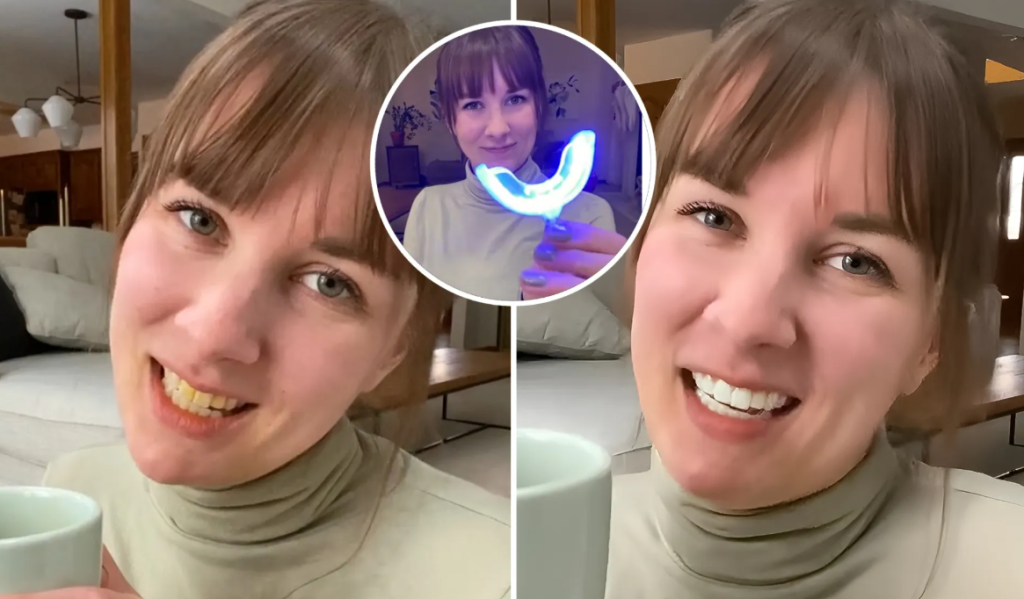
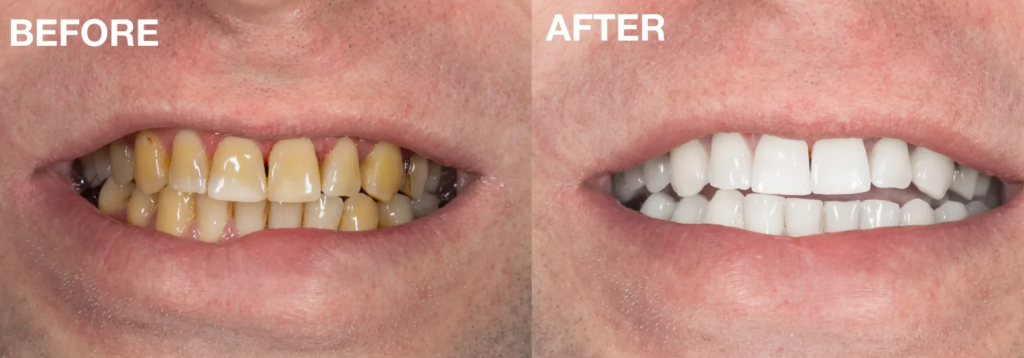
Visible whitening results: Many users report noticeable improvement within the six-day cycle, particularly those with surface staining from coffee, tea, wine, or general aging. One user described seeing visible change after just three sessions. Another said results after six days were dramatic enough to prompt before-and-after photos.
Sensitivity tolerance: A recurring theme in positive reviews is that Laughland worked well for people who had previously experienced pain or sensitivity with competing strip products. Users with sensitive teeth who selected the Gentle or lower-strength formulas frequently mentioned no discomfort during or after treatment.
Ease of use: The phone-plug format is widely praised for convenience. Users appreciate being able to walk around or watch TV during a session rather than sitting still. The no-mess syringe application also receives positive mentions compared to strip-based products.
Customer service (positive cases): Several long-term subscribers praised the brand’s responsiveness and timely shipment of refills. Some noted that support resolved issues promptly when contacted directly.
Device quality: The LED mouthpiece is generally described as comfortable and well-made, fitting without excessive bulk.
Negative Feedback Themes
Subscription cancellation difficulties: This is the most frequently cited complaint in third-party review aggregators. Multiple users reported that emailing cancellation requests did not result in confirmation, and charges continued. Some described having to contact their bank to stop recurring charges. This pattern appears consistently enough across multiple platforms to be taken seriously by prospective buyers.
Inconsistent results: Not all users see dramatic whitening. Some report minimal change, particularly those with intrinsic (deep) staining from medications, fluorosis, or tooth injuries – categories that hydrogen peroxide-based products generally do not address as effectively as extrinsic (surface) staining.
Missing instructions or incomplete kits: A smaller number of reviews mention receiving kits without adequate instructions.
Salivation during treatment: A practical inconvenience noted by many first-time users is increased saliva production while wearing the mouthpiece. Most reviewers note this improves after the first few sessions.
Summary: Laughland earns positive marks for results and ease of use among users with mild to moderate surface staining. The most consistent concern – subscription management – is a legitimate customer experience issue that prospective buyers should be aware of before signing up for a recurring plan.
Pros and Cons
Pros
- Dentist-formulated: Input from licensed dental professionals is disclosed and named
- Multiple gel strengths: Gentle, Everyday, and Super Strength options plus a peroxide-free option for sensitive users
- Personalized formula quiz: Customization based on sensitivity, diet, and dental history
- Convenient format: Plugs into any smartphone; 10-20 minute sessions
- Temperature-controlled storage: Addresses a real quality concern about hydrogen peroxide stability
- Vegan and gluten-free: Confirmed by the company
- Free shipping: Available on qualifying orders within the US
- 30-day return window: Offers a risk period for first-time buyers
- Noticeable results for surface staining: Multiple independent reviewers document visible change within one week
- Competitive pricing vs. professional whitening: Significantly lower cost than in-office treatments
Cons
- No ADA Seal of Acceptance: The American Dental Association has not endorsed this product
- Clinical evidence is brand-internal: No independent peer-reviewed study of Laughland specifically is publicly available
- LED light’s added benefit is disputed: Independent dental sources and ADA-affiliated commentary suggest the blue light may not meaningfully boost results beyond the gel alone
- Subscription cancellation complaints: A pattern of difficulty canceling recurring orders is documented across multiple review platforms
- Super Strength formula may be above recommended OTC concentration: 11% HP is above the threshold some dental associations reference for unsupervised use
- Not effective on intrinsic staining: Crowns, veneers, fillings, and deep staining from medication or fluorosis will not respond
- Mild sensitivity is possible: Despite marketing claims of zero sensitivity, some users with certain formula strengths do report discomfort
- Subscription pricing can escalate: Monthly gel costs add up if used long-term
Who Is Laughland Best For?
Based on the available evidence and customer feedback, Laughland is likely to deliver the most value for the following types of users:
People with mild to moderate extrinsic staining. If your teeth have been gradually discolored by years of coffee, tea, red wine, or smoking – and your underlying tooth enamel is structurally healthy – Laughland’s hydrogen peroxide gels work on the same mechanism that professional whitening uses. Multiple independent testers found visible improvement within the six-day cycle.
First-time whiteners looking for an affordable entry point. Compared to a dental office visit, the introductory kit price is a low-risk way to test whether at-home hydrogen peroxide whitening works for your teeth before committing to more expensive options.
People who have had sensitivity problems with whitening strips. The Gentle and low-strength formulas, combined with sensitivity-buffering ingredients like glycerin, aloe vera, and sodium hydroxide, may suit people who find traditional strips uncomfortable.
People wanting convenience. The phone-plug format and short session time (10-20 minutes) fit naturally into evening routines without requiring a dedicated space or specialized equipment.
People looking for touch-up maintenance between professional treatments. Laughland’s subscription gel model and To-Go Pen make it potentially useful for periodic maintenance once an initial professional whitening result has been achieved.
Who Should Probably Skip It (or Consult a Dentist First)?
Laughland, like any hydrogen peroxide-based whitening product, is not suitable for everyone. The following groups should either avoid it or speak with a dental professional before use:
People with intrinsic staining. If discoloration comes from the inside of the tooth – such as from tetracycline antibiotics, fluorosis, or tooth injury – hydrogen peroxide whitening typically produces little to no improvement. This is a fundamental limitation of the technology, not specific to Laughland.
People with crowns, veneers, or tooth-colored fillings. Peroxide whitening only works on natural enamel. Restorations will not change color, which can create uneven results as your natural teeth whiten and restorations stay the same shade.
Pregnant or breastfeeding individuals. Most dental professionals advise against whitening treatments during pregnancy and breastfeeding due to the absence of safety studies in these groups.
Children and adolescents under 15. Younger teeth have larger pulp chambers and less mineralized enamel, increasing sensitivity risk and potential for uneven results.
People with active gum disease, cavities, or oral pain. Whitening agents can irritate inflamed tissue and penetrate through compromised enamel. Existing dental issues should be resolved before whitening.
People who want dramatic results quickly without realistic expectations. No at-home kit will replicate the speed or magnitude of professional in-office laser whitening. Results vary, and some individuals see modest rather than dramatic improvement.
People who are uncomfortable with subscription models. Given the documented concerns about subscription cancellation, anyone who prefers a single-purchase arrangement should stick to one-time kit options and avoid auto-replenishment enrollment.
Laughland vs. Competitors – Comparison Table
| Feature | Laughland | Crest Whitestrips | HiSmile | Professional In-Office |
|---|---|---|---|---|
| Active Ingredient | Hydrogen Peroxide (8-11%) | Hydrogen Peroxide (6-10% in premium) | PAP+ (Phthalimidoperoxycaproic Acid) | Hydrogen Peroxide (25-40%) |
| LED Light | Yes (phone-powered) | No | Yes (battery-powered) | Yes (professional laser/LED) |
| Personalized Formula | Yes (quiz-based) | No | No | Yes (dentist assessment) |
| ADA Seal | No | Yes (select products) | No | N/A |
| Approx. Cost | $19–$100 per kit; ~$25/month refills | $30-$80 per box | ~$60-$80 per kit | $300–$1,000+ per session |
| Session Length | 10-20 min | 30-60 min (strips) | 10-20 min | 60-90 min |
| Treatment Cycle | 6 days | Varies (7-20 days) | 10 days | 1-3 sessions |
| Sensitivity Options | Yes (Gentle / peroxide-free tier) | Limited | Low-sensitivity claims | Supervised management |
| Subscription Model | Yes | No | Optional | No |
| Refund Policy | 30-day guarantee | Retailer-dependent | 30-day | N/A |
| Who It’s Best For | Surface staining, sensitive users, budget-conscious | Proven results, familiar format | Sensitivity-focused users | Maximum results, supervised |
Notes on the comparison:
Crest Whitestrips (select products) carry the ADA Seal of Acceptance, which provides an additional layer of third-party endorsement that Laughland currently does not have. HiSmile uses a peroxide-alternative (PAP+) formula that may appeal to users who want to avoid hydrogen peroxide entirely, though PAP+ evidence for equivalent whitening efficacy vs. peroxide is still developing. Professional in-office whitening remains the gold standard for dramatic results, particularly for deeper or more complex staining.
Laughland’s key differentiators within the at-home space are its personalization approach, the temperature-controlled storage claim, and its flexible gel strength tiers.
Is the LED Light Actually Useful?
This is one of the most common questions about Laughland – and other LED whitening kits – and the honest answer is: the science is contested, and the short version is that the light is probably not doing as much as the marketing suggests.
What Laughland Claims About the LED
Laughland’s marketing describes the LED component as a “curing light” that catalyzes the hydrogen peroxide molecules for faster and longer-lasting results. This framing borrows from professional in-office whitening, where high-intensity light sources (laser or arc) are used in conjunction with high-concentration peroxide to accelerate the bleaching reaction.
The logic is sound in principle: certain light wavelengths can activate or accelerate photochemical reactions, including the decomposition of hydrogen peroxide into free radicals that break down stain molecules.
What Independent Sources Say
The picture becomes more complicated when you look at the evidence for consumer-grade LED devices specifically.
According to NewMouth’s March 2026 review testing Laughland directly, studies show the LED light does not significantly boost whitening, and the ADA does not endorse light-activated whitening systems due to a lack of added benefit and increased risk of sensitivity.
This reflects a broader scientific conversation about LED-assisted whitening. The key distinction is between the high-intensity light sources used in dental offices (which operate at very different energy levels) and the consumer blue LEDs used in products like Laughland. The consumer-grade LED devices emit light at much lower intensity, and the available research on whether this lower-intensity light meaningfully accelerates hydrogen peroxide decomposition in an at-home context is not conclusive.
A 2026 review by independent dental media also noted that multiple dental industry publications have “repeatedly questioned whether LED light-activated at-home whitening systems add meaningful clinical benefit beyond what the active peroxide gel does on its own.”
Why This Matters (and Doesn’t)
Understanding this doesn’t make Laughland a bad product – it simply clarifies where the product’s value actually lies. The whitening you experience from Laughland comes primarily from the hydrogen peroxide gel contacting your teeth over a 10–20 minute period. This contact time, the concentration of the peroxide, and the condition of your enamel are the primary determinants of your results.
The LED may still serve some useful functions in the user experience: it acts as a timer (when the phone connection powers the light, users are reminded to keep the tray in), it keeps the mouthpiece comfortably placed, and it may provide some marginal catalytic benefit. But anyone who purchases Laughland believing the blue light is the key innovation should recalibrate their expectations accordingly.
Bottom line on the LED: The hydrogen peroxide gel is the active ingredient doing the work. Choose your formula strength based on your staining level and sensitivity history. The LED is a feature, not the foundation.
How This Compares to Competitors
Most competitor LED whitening kits – including HiSmile and SmileDirectClub’s former kit offering – use the same basic format and face the same questions about LED efficacy. Crest Whitestrips (which carry the ADA Seal on select products) do not use LED at all and still produce documented whitening results, which supports the view that the peroxide is the essential element. HiSmile has moved toward a PAP+ formula that does not rely on peroxide at all, which is a different approach to the same cosmetic goal.
Read This Also:- Shiny Smile Veneers Review 2026: Does This Home Cosmetic Solution for Covering Stains, Gaps, and Missing Teeth Actually Work?
Important Safety Considerations
This section covers key safety information based on what dental and health professionals generally advise about at-home hydrogen peroxide whitening.
This is general informational context – not medical or dental advice. If you have any questions about whether teeth whitening is appropriate for your specific situation, please consult a licensed dentist.
Hydrogen Peroxide Concentration and Unsupervised Use
At 8% and 11%, Laughland’s Original and Super Strength gels are above the 6% threshold that some dental regulatory bodies reference as appropriate for unsupervised consumer use. This does not make them automatically unsafe – many professional take-home trays prescribed by dentists use similar concentrations – but it is a reason to follow instructions carefully and not exceed recommended session lengths.
The American Dental Association provides up-to-date guidance on at-home whitening at ada.org. If you have concerns about concentration levels, checking the ADA’s current consumer guidance is a good starting point.
Session Duration
Leaving whitening gel on for longer than recommended does not produce faster results. It significantly increases the risk of enamel sensitivity and gum irritation. The 10–20 minute window in Laughland’s instructions is the range within which the gel is effective and the risk of adverse effects is lowest. Extending beyond this is not recommended.
Gum Contact and Tissue Irritation
Hydrogen peroxide gel that contacts gum tissue directly can cause temporary chemical irritation, a whitening or bleaching of the gum surface, or in more sensitive individuals, discomfort that lasts several hours. This is usually temporary and resolves on its own, but it is unpleasant and avoidable.
To minimize gum contact: do not overfill the mouthpiece tray, apply gel only to the tooth surface area of the tray, and spit out any excess gel that accumulates during the session rather than swallowing it.
Sensitivity Management
Mild sensitivity – particularly a sharp, temporary zingy feeling in individual teeth (“zingers”) – is a known and common side effect of peroxide-based whitening, not unique to Laughland. It occurs because hydrogen peroxide temporarily dehydrates the enamel and increases the transmission of sensation to the nerve.
It is most common on days two and three of a treatment cycle and usually resolves within 24-48 hours of stopping use.
Management strategies:
- Use a potassium nitrate-based sensitivity toothpaste for a week before starting a whitening cycle
- Shorten sessions to the lower end of the range (10 minutes rather than 20)
- Take a rest day mid-cycle if sensitivity becomes uncomfortable
- If sensitivity is significant – above a moderate level or persisting more than 48 hours after stopping – stop use and consult a dentist
Existing Dental Work
Crowns, veneers, composite bonding, and tooth-colored fillings do not respond to hydrogen peroxide. They are designed to resist chemical change. This means whitening will only affect your natural tooth enamel, and if you have significant restorations, your natural teeth may whiten to a noticeably different shade than your restorations. This is an aesthetic consideration, not a safety issue per se, but it can produce uneven cosmetic results.
If you have recently had dental work completed or are planning to have it done, it is generally advisable to discuss whitening timing with your dentist, as some restorations are shade-matched to your current tooth color.
Enamel Health and Overuse
Whitening too frequently or for too long can cause enamel dehydration, temporary chalky appearance, and in cases of significant overuse, thinning of the enamel surface. This is not unique to Laughland but is a general caution for any peroxide whitening product. The six-day cycle followed by a rest period is intended to give enamel time to rehydrate and remineralize between uses.
NewMouth (March 2026) noted in its testing review that “overuse or improper fit can cause blotchiness or a chalky look – a sign of enamel dehydration or early erosion.” Following the recommended cycle schedule rather than extending use is important for long-term enamel health.
Who Should Definitely Consult a Dentist First
- Anyone with active cavities, gum disease, or oral infections
- Anyone experiencing unexplained tooth pain or sensitivity before whitening
- Anyone with significant dental restorations that may interact with whitening
- Anyone who is pregnant or breastfeeding
- Anyone under age 15
- Anyone who has had recent oral surgery
Storing the Gel Properly
Hydrogen peroxide is chemically unstable at elevated temperatures. Laughland emphasizes this in its marketing – and the science supports it. Gels stored in a hot environment (above 77°F / 25°C) will degrade and lose potency before use. Store Laughland gels in a cool place away from direct sunlight, and never in a car’s glovebox or an area that gets warm.
Frequently Asked Questions FAQ’s
What is Laughland?
Laughland is a California-based direct-to-consumer teeth whitening brand that sells LED-powered at-home whitening kits. Founded in 2019, the brand says it has served over 200,000 customers. Its main product pairs hydrogen peroxide whitening gel with a phone-powered LED mouthpiece for a six-day treatment cycle.
How does the Laughland whitening kit work?
The gel contains hydrogen peroxide, which penetrates tooth enamel and oxidizes chromogen (stain) molecules to lighten tooth color. The LED mouthpiece delivers blue light intended to accelerate this process, though independent sources suggest the light’s added benefit is limited. Each session lasts 10 to 20 minutes and is repeated daily for six days.
Does Laughland really whiten teeth 7 shades in 6 days?
This is a manufacturer claim based on internal clinical data. Independent reviewer testing (NewMouth, March 2026) did find noticeable color change by Day 6, but results vary significantly depending on the type and degree of staining, formula strength used, and individual tooth characteristics. Users with extrinsic (surface) staining tend to see the best results. Users with intrinsic staining typically see less or no improvement.
Is Laughland safe?
Laughland’s gel ingredients – hydrogen peroxide, glycerin, sodium bicarbonate, aloe vera, and others – are widely used in both professional and consumer whitening products. However, the Super Strength formula (11% HP) sits above concentrations some dental bodies recommend for unsupervised use. As with all peroxide whitening products, it is not recommended for pregnant individuals, children under 15, or people with active gum disease, cavities, or tooth injuries without prior dental consultation.
Does Laughland cause sensitivity?
The brand markets its product as sensitivity-free, and some users confirm this experience, particularly with the Gentle formula. However, independent reviews and some customer feedback note that mild to moderate sensitivity can occur – especially with stronger formulas or extended session times. NewMouth (March 2026) described “low to moderate sensitivity” among most testers who followed directions carefully.
How much does Laughland cost?
Pricing varies by plan. Introductory kits have been available from around $19 (with free shipping on qualifying orders), while a full personalized kit runs approximately $76. A single-payment starter kit is available around $100. Monthly gel refill subscriptions are approximately $25/month. Promotional discounts are frequently offered. Always verify current pricing on the official website.
Can I cancel my Laughland subscription?
Laughland offers subscription plans for ongoing gel refills. Some customers have reported difficulty canceling these subscriptions despite contacting support. Before signing up for any subscription, review the cancellation policy carefully. It is advisable to keep written confirmation of any cancellation request. If you prefer more flexibility, consider a one-time purchase option first.
Does Laughland have a money-back guarantee?
The company discloses a 30-day satisfaction guarantee. If you are not satisfied, you can return the product within 30 days for a refund to your original payment method. Check the current terms directly on the Laughland website before purchasing, as promotional offers may have different conditions.
Will Laughland whiten crowns, veneers, or fillings?
No. Hydrogen peroxide whitening only affects natural tooth enamel. Dental restorations – including crowns, veneers, bonding, and composite fillings – will not change color. Using Laughland when you have significant dental restorations could result in uneven coloring as your natural teeth lighten while restorations remain the same shade.
Is Laughland ADA-approved?
No. Laughland does not carry the American Dental Association Seal of Acceptance as of June 2026. The ADA Seal requires independent testing and verification of product claims. Some competing products (select Crest Whitestrips) do carry this seal. This does not mean Laughland is unsafe or ineffective, but it does mean its product claims have not been independently verified through the ADA’s review process.
How long do Laughland results last?
The brand states results can last up to one year. Individual longevity depends significantly on diet, oral hygiene habits, and whether staining factors (coffee, wine, smoking) continue. As with all whitening treatments, maintenance or periodic repeat cycles will extend results over time.
Where is Laughland sold?
Laughland sells primarily through its official website (mylaughland.com and getlaughland.com). The company advises against purchasing from reseller platforms like Amazon, eBay, or Facebook Marketplace, as product authenticity and the refund policy may not apply to third-party sales.
Is there a quiz before buying?
Yes. Laughland’s website offers a brief personalization quiz before recommending a formula. It covers questions about your current sensitivity level, how often you brush, your diet, and whether you have had recent dental work. The answers are used to suggest a gel strength and formula type suited to your needs.
Final Verdict
After reviewing Laughland’s own published disclosures, independent third-party testing from NewMouth (March 2026), aggregated customer feedback from multiple platforms, published ADA-affiliated dental commentary, and comparison data against competitor products, here is our balanced assessment of where Laughland stands in 2026.
What the Evidence Supports
For adults with mild to moderate extrinsic (surface) tooth staining from everyday sources – coffee, tea, wine, aging, or lifestyle habits – Laughland’s hydrogen peroxide formula can produce visible whitening within a six-day cycle. This has been documented by third-party reviewers including NewMouth and Pixoneye (both 2026), consistent with how hydrogen peroxide bleaching works in general.
The personalized formula approach is a genuine differentiator. Offering three gel strength tiers (plus a peroxide-free Gentle option) and a pre-purchase questionnaire to match formula to sensitivity level is more thoughtful than the one-size-fits-all approach of most over-the-counter strip products.
The temperature-controlled storage claim addresses a real industry concern. Hydrogen peroxide does degrade at elevated temperatures, and many cheaper kits shipped through standard supply chains may arrive with reduced potency. Laughland’s stated cold-chain approach is worth noting as a positive quality indicator.
The pricing is genuinely competitive. At $7–$15 per session compared to $300–$1,000 for professional in-office whitening, Laughland offers access to the same active whitening mechanism at a fraction of the cost – with the trade-off being lower concentration and no professional supervision.
What to Be Cautious About
The brand’s internal clinical data is promising but has not been independently peer-reviewed. The claims of 100% success rate and 74% brightness increase are drawn from a 2020 brand-commissioned study. This does not mean the claims are false, but it does mean they should not be treated the same as findings from independent clinical research.
The LED light’s contribution to results is disputed by independent dental sources and the ADA has not endorsed LED-assisted at-home whitening systems as providing added benefit. The gel is where the whitening actually happens.
The Super Strength formula at 11% hydrogen peroxide is above the concentration that some dental regulatory bodies reference for unsupervised consumer use. If you are considering this tier, consulting your dentist first is a reasonable precaution.
And the subscription management concerns are a consistent and documented customer experience issue. Multiple unrelated review platforms identify the same pattern of difficulty canceling recurring orders. This is a legitimate business practice concern that prospective buyers need to factor in before enrolling in a subscription.
Our Overall Take
Laughland is a credible at-home whitening option in 2026. It is transparent about its core ingredients, involves licensed dental professionals in its formulation process, and produces documented cosmetic whitening results for the majority of users with surface staining.
It is not a replacement for professional dental care, it will not whiten every type of discoloration, and it requires some consumer vigilance around subscription management. The LED feature is more marketing-friendly than clinically essential.
Approach it with realistic expectations: a brighter smile from surface staining is achievable. A dramatic transformation of severely discolored or intrinsically stained teeth is not.
Best for: Coffee, tea, and wine drinkers with surface staining; people who have had sensitivity issues with whitening strips; budget-conscious buyers wanting an affordable professional-mechanism alternative.
Not ideal for: People with intrinsic staining, significant dental restorations, active oral health issues, or an aversion to subscription management complexity.
If you decide to try Laughland, our recommendation is to start with a single-purchase kit rather than immediately enrolling in a subscription, complete the personalization quiz honestly to get the most appropriate formula, and follow session guidelines carefully. If you see results you are happy with after the initial cycle, then consider ongoing maintenance.