

Have you been struggling with digestive discomfort, low energy, or unexplained mood swings? The answer might be hiding in your gut.
Your digestive system houses trillions of bacteria, fungi, and other microorganisms collectively known as the gut microbiome. This complex ecosystem doesn’t just help you digest food—it influences your immune system, mental health, weight management, and even chronic disease risk.
The good news? You don’t need expensive supplements or extreme diets to support your gut health. Simple, science-backed daily habits can make a remarkable difference in how you feel.
In this comprehensive guide, you’ll discover practical strategies to nurture your gut microbiome, improve digestive function, and enhance your overall wellness through small but powerful lifestyle changes.
Understanding Your Gut Microbiome: The Foundation of Health
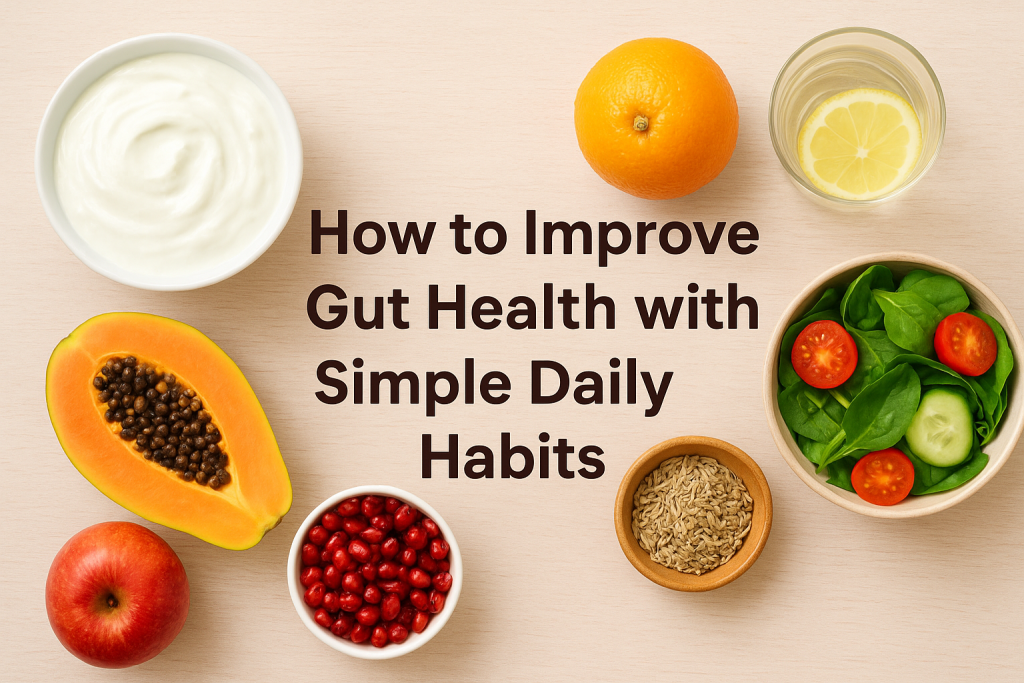
What Is the Gut Microbiome?
The gut microbiome refers to the diverse community of microorganisms living in your digestive tract, particularly in your large intestine. These microscopic residents include:
- Beneficial bacteria (like Lactobacillus and Bifidobacterium)
- Neutral bacteria that don’t harm or help significantly
- Potentially harmful bacteria (kept in check when your microbiome is balanced)
- Fungi, viruses, and other microbes
A healthy gut microbiome maintains balance between these organisms, supporting optimal digestion and overall health.
Signs of an Unhealthy Gut
Your body often signals when your gut microbiome needs attention. Common indicators include:
- Frequent bloating or gas
- Irregular bowel movements (constipation or diarrhea)
- Unexplained fatigue or low energy
- Food intolerances or sensitivities
- Skin issues like acne or eczema
- Frequent colds or infections
- Difficulty maintaining healthy weight
- Mood changes or brain fog
Recognizing these signs early allows you to take proactive steps toward better gut health.
Daily Habit #1: Eat a Diverse Range of Plant-Based Foods
Why Dietary Diversity Matters
Your gut bacteria thrive on variety. Different types of fiber and plant compounds feed different bacterial species, creating a more resilient and diverse microbiome.
Research suggests that people who eat more than 30 different plant foods per week have more diverse gut bacteria compared to those eating fewer varieties.
How to Increase Plant Diversity
Simple strategies to add more variety:
- Rotate your vegetables weekly instead of eating the same ones
- Mix different types of grains (quinoa, oats, brown rice, barley)
- Include various nuts and seeds in your diet
- Try new fruits you haven’t eaten before
- Add herbs and spices to your meals (they count as plants too)
Sample Weekly Plant Diversity Tracker:
| Category | Examples | Weekly Goal |
|---|---|---|
| Vegetables | Broccoli, spinach, carrots, bell peppers, kale | 10-15 types |
| Fruits | Berries, apples, bananas, oranges, kiwi | 5-7 types |
| Whole Grains | Oats, quinoa, brown rice, whole wheat | 3-5 types |
| Legumes | Lentils, chickpeas, black beans | 2-3 types |
| Nuts & Seeds | Almonds, walnuts, chia seeds, flax seeds | 3-5 types |
You don’t need to eat all 30 plants in one day—spread them throughout the week for sustainable diversity.
Daily Habit #2: Include Fermented Foods in Your Diet
The Power of Probiotics
Fermented foods contain live beneficial bacteria that can temporarily colonize your gut and support your existing microbiome. These natural probiotics offer digestive and immune benefits.
Best Fermented Foods for Gut Health
Top choices to incorporate:
- Yogurt with live cultures – Look for labels mentioning Lactobacillus or Bifidobacterium
- Kefir – A fermented milk drink with diverse probiotic strains
- Sauerkraut – Fermented cabbage rich in beneficial bacteria (choose unpasteurized)
- Kimchi – Korean fermented vegetables with probiotics and nutrients
- Kombucha – Fermented tea containing beneficial yeasts and bacteria
- Miso – Fermented soybean paste used in soups and marinades
- Tempeh – Fermented soybean cake with protein and probiotics
How Much Should You Eat?
Start small if you’re new to fermented foods. Begin with 1-2 tablespoons daily and gradually increase to avoid digestive upset. Most people benefit from including fermented foods 3-5 times per week.
Practical tip: Add sauerkraut to your lunch sandwich, enjoy yogurt with breakfast, or sip kombucha as an afternoon beverage.
Daily Habit #3: Feed Your Gut with Prebiotic Fiber
Understanding Prebiotics vs Probiotics
While probiotics are beneficial bacteria, prebiotics are the food that feeds these bacteria. Think of prebiotics as fertilizer for your gut garden—they help beneficial bacteria flourish.
Top Prebiotic-Rich Foods
Your gut bacteria particularly love these fiber sources:
Vegetables:
- Onions and garlic
- Leeks and asparagus
- Jerusalem artichokes
- Chicory root
Fruits:
- Bananas (especially slightly green ones)
- Apples
- Berries
Whole Grains and Legumes:
- Oats and barley
- Beans and lentils
- Whole wheat
Other Sources:
- Flaxseeds
- Cocoa powder
- Seaweed
Daily Prebiotic Goal
Aim for 5-10 grams of prebiotic fiber daily. This might look like one banana, a serving of oatmeal, and a side of roasted asparagus throughout your day.
Daily Habit #4: Stay Properly Hydrated Throughout the Day
Water and Digestive Health Connection
Adequate hydration supports the mucosal lining of your intestines and helps maintain the balance of beneficial bacteria. Water also assists in moving food through your digestive tract and preventing constipation.
Smart Hydration Strategies
Follow these guidelines:
- Drink water consistently throughout the day rather than large amounts at once
- Start your morning with a glass of water before breakfast
- Keep a water bottle visible as a reminder
- Monitor your urine color (pale yellow indicates good hydration)
- Increase intake during exercise or hot weather
General recommendation: Aim for 8-10 glasses (64-80 ounces) of water daily, adjusting based on your activity level, climate, and individual needs.
Hydrating Foods That Support Gut Health
Beyond plain water, these foods contribute to hydration while providing gut-friendly nutrients:
- Cucumber (96% water)
- Watermelon (92% water)
- Strawberries (91% water)
- Lettuce and celery
- Broth-based soups
Daily Habit #5: Manage Stress for Better Gut Function
The Gut-Brain Connection
Your gut and brain communicate constantly through the gut-brain axis. Chronic stress can disrupt this connection, leading to:
- Altered gut bacteria composition
- Increased intestinal permeability
- Digestive discomfort and irregularity
- Weakened immune response
Evidence-Based Stress Management Techniques
Daily practices that support gut health:
- Deep breathing exercises – Practice 5 minutes of slow, diaphragmatic breathing
- Regular meditation – Even 10 minutes daily can reduce stress hormones
- Gentle movement – Yoga, tai chi, or walking in nature
- Adequate sleep – Aim for 7-9 hours nightly
- Social connection – Spend time with supportive friends and family
- Journaling – Write down thoughts and feelings to process stress
- Setting boundaries – Learn to say no to overwhelming commitments
Quick stress-relief technique: When feeling overwhelmed, try the 4-7-8 breathing method—inhale for 4 counts, hold for 7, exhale for 8. Repeat 3-4 times.
Daily Habit #6: Prioritize Quality Sleep
Sleep’s Impact on Gut Microbiome
Your gut bacteria follow circadian rhythms just like you do. Poor sleep quality or irregular sleep schedules can disrupt your microbiome balance and digestive function.
Studies show that people who sleep fewer than 6 hours per night tend to have less diverse gut bacteria and more digestive issues.
Sleep Optimization Strategies
Create a gut-friendly sleep routine:
- Maintain consistent sleep and wake times (even on weekends)
- Finish eating 2-3 hours before bedtime
- Avoid caffeine after 2 PM
- Limit alcohol, which disrupts sleep quality
- Create a dark, cool sleeping environment (65-68°F ideal)
- Reduce screen time 1 hour before bed
- Consider relaxing activities like reading or gentle stretching
Sleep and digestion tip: If nighttime digestive discomfort keeps you awake, try sleeping on your left side to promote better digestion and reduce acid reflux.
Daily Habit #7: Exercise Regularly and Move Throughout the Day
How Movement Benefits Your Microbiome
Physical activity increases gut microbiome diversity and promotes the growth of beneficial bacteria. Exercise also stimulates intestinal contractions, helping food move through your digestive system efficiently.
Optimal Exercise for Gut Health
You don’t need intense workouts to see benefits. Research indicates moderate activity provides substantial gut health advantages.
Effective exercise patterns:
- Moderate aerobic activity: 30 minutes of brisk walking, cycling, or swimming 5 days per week
- Strength training: 2-3 sessions weekly
- Gentle movement: Yoga or stretching for flexibility and stress reduction
- Daily movement breaks: Stand and walk for 5 minutes every hour
Movement Ideas for Busy Schedules
- Take the stairs instead of the elevator
- Walk during phone calls
- Do bodyweight exercises during TV commercials
- Park farther from entrances
- Use a standing desk for part of your workday
- Garden or do active household chores
Important note: Excessive high-intensity exercise without adequate recovery can temporarily stress your gut. Balance is key.
Daily Habit #8: Reduce Added Sugars and Artificial Sweeteners
Sugar’s Effect on Gut Bacteria
High sugar consumption can feed harmful bacteria and yeast in your gut, creating an imbalanced microbiome. This imbalance may contribute to inflammation, weight gain, and digestive issues.
Artificial sweeteners, despite being calorie-free, can also disrupt gut bacteria and potentially affect glucose metabolism.
Practical Sugar Reduction Strategies
Start with these changes:
- Replace sugary beverages with water, herbal tea, or sparkling water with lemon
- Choose whole fruits instead of fruit juices or dried fruits with added sugar
- Read labels carefully—sugar hides under 50+ different names
- Gradually reduce sugar in coffee or tea
- Prepare more meals at home where you control ingredients
- Satisfy sweet cravings with naturally sweet foods like berries or dates
Hidden Sugar Sources to Watch
| Food Category | Surprising Sources | Better Alternatives |
|---|---|---|
| Condiments | Ketchup, BBQ sauce, salad dressings | Mustard, vinegar-based dressings, herbs |
| Breakfast | Flavored yogurt, granola, cereal | Plain yogurt with fruit, oatmeal |
| Snacks | Protein bars, “healthy” snacks | Nuts, vegetables with hummus |
| Beverages | Sports drinks, flavored coffee | Water, plain coffee, unsweetened tea |
Realistic approach: You don’t need to eliminate all sugar immediately. Reduce gradually and focus on limiting added sugars while enjoying natural sugars from whole foods.
Daily Habit #9: Limit Processed Foods and Choose Whole Foods
Why Processing Matters for Gut Health
Ultra-processed foods often contain additives, preservatives, and emulsifiers that can negatively affect gut bacteria. These foods typically lack the fiber and nutrients that beneficial bacteria need to thrive.
Making the Shift to Whole Foods
Simple substitutions:
- White bread → 100% whole grain bread
- Packaged cookies → Homemade treats with whole ingredients
- Instant noodles → Whole grain pasta with vegetables
- Chips → Air-popped popcorn or vegetable sticks
- Processed cheese → Natural aged cheese
- Deli meats → Home-cooked chicken or turkey
The 80/20 Approach
Aiming for perfection can feel overwhelming. Instead, try the 80/20 rule: make 80% of your food choices whole, minimally processed options, allowing 20% flexibility for treats and convenience.
Whole food shopping tips:
- Shop the perimeter of the grocery store (produce, dairy, meat)
- Choose items with fewer than 5 ingredients when buying packaged foods
- If you can’t pronounce an ingredient, reconsider the purchase
- Prepare larger batches of whole food meals for convenient leftovers
Some Trending Health Product Reviews
KneNest Knee Pillow Reviews
Lumen Review
SnoreStop Review
Instant Hydration Review
ZivoLife Review
Great Gums Reviews
Seaonic Review
Mighties Protein Drink for Kids Reviews
Daily Habit #10: Avoid Unnecessary Antibiotic Use
Antibiotics and Your Microbiome
While antibiotics save lives when medically necessary, they don’t discriminate between harmful and beneficial bacteria. A single course of antibiotics can significantly alter your gut microbiome, sometimes for months.
Antibiotic Stewardship Practices
Responsible antibiotic use:
- Only take antibiotics when prescribed by a healthcare provider
- Never use leftover antibiotics from previous prescriptions
- Complete the full course as directed (don’t stop early)
- Avoid pressuring doctors for antibiotics for viral infections
- Explore alternatives for minor infections when appropriate with medical guidance
Supporting Your Gut During and After Antibiotics
If you must take antibiotics:
- Increase probiotic-rich foods during and after treatment
- Focus on prebiotic fiber to help beneficial bacteria recover
- Stay well-hydrated
- Avoid alcohol and excessive sugar
- Consider a high-quality probiotic supplement (discuss timing with your healthcare provider)
- Give your gut several weeks to recover before expecting full restoration
Daily Habit #11: Practice Mindful Eating
The Digestion-Mindfulness Connection
How you eat matters as much as what you eat. Rushed, distracted eating can impair digestion and reduce nutrient absorption.
When you eat mindfully, you activate the parasympathetic nervous system—your “rest and digest” mode—which optimizes digestive function.
Mindful Eating Techniques
Implement these practices:
- Chew each bite thoroughly (20-30 times)
- Put your fork down between bites
- Eliminate distractions (TV, phone, computer)
- Eat at a table rather than while standing
- Notice food colors, textures, aromas, and flavors
- Check in with hunger and fullness cues
- Express gratitude before meals
Benefits Beyond Gut Health
Mindful eating also helps with:
- Better portion control and weight management
- Increased enjoyment and satisfaction from meals
- Reduced digestive discomfort and bloating
- Greater awareness of food intolerances
Start small: Begin with one mindful meal per day, perhaps breakfast, and gradually expand the practice.
Some Trending Health Product Reviews
KneNest Knee Pillow Reviews
Lumen Review
SnoreStop Review
Instant Hydration Review
ZivoLife Review
Great Gums Reviews
Seaonic Review
Mighties Protein Drink for Kids Reviews
Daily Habit #12: Incorporate Polyphenol-Rich Foods
What Are Polyphenols?
Polyphenols are plant compounds with antioxidant properties that serve as food for beneficial gut bacteria. When gut bacteria break down polyphenols, they produce beneficial metabolites that support overall health.
Top Polyphenol Sources
Add these to your daily routine:
Beverages:
- Green tea and black tea
- Coffee
- Red wine (in moderation)
Fruits:
- Berries (blueberries, blackberries, strawberries)
- Grapes
- Apples
- Cherries
- Plums
Vegetables:
- Red onions
- Spinach
- Artichokes
- Red cabbage
Other Sources:
- Dark chocolate (70%+ cacao)
- Extra virgin olive oil
- Nuts (especially hazelnuts and pecans)
- Herbs and spices (turmeric, cinnamon, cloves)
Easy Ways to Increase Polyphenol Intake
- Start your morning with green tea or coffee
- Add berries to breakfast
- Include a mixed green salad with colorful vegetables daily
- Cook with extra virgin olive oil
- Enjoy a small piece of dark chocolate as an afternoon treat
- Season foods generously with herbs and spices
Daily Habit #13: Limit Alcohol Consumption
Alcohol’s Impact on Gut Health
While moderate alcohol consumption may have some benefits, excessive drinking can damage your gut lining, reduce beneficial bacteria, and promote harmful bacterial overgrowth.
Even moderate drinking can affect gut barrier function and increase inflammation in some individuals.
Defining Moderate Consumption
General guidelines:
- Women: Up to 1 drink per day
- Men: Up to 2 drinks per day
- At least 2-3 alcohol-free days per week
One standard drink equals:
- 12 oz beer
- 5 oz wine
- 1.5 oz distilled spirits
Strategies for Reducing Alcohol
If you want to cut back:
- Alternate alcoholic drinks with water or sparkling water
- Choose alcohol-free days and track them
- Replace evening wine with herbal tea or kombucha
- Find non-alcohol-based ways to unwind (exercise, hobbies, socializing)
- Explore non-alcoholic spirits and mocktails
- Identify triggers that lead to drinking and develop alternative responses
Gut-friendly alternatives: Kombucha, kefir water, herbal teas, sparkling water with fresh fruit, and fresh vegetable juices provide interesting flavors without the downsides of alcohol.
Daily Habit #14: Get Adequate Vitamin D
Vitamin D and Gut Microbiome Health
Vitamin D plays a crucial role in immune function and influences gut bacteria composition. Low vitamin D levels have been associated with inflammatory bowel conditions and microbiome imbalances.
Optimizing Your Vitamin D Levels
Natural sources:
- Sunlight exposure – 10-30 minutes of midday sun several times per week (varies by skin tone and location)
- Food sources:
- Fatty fish (salmon, mackerel, sardines)
- Egg yolks
- Fortified dairy or plant-based milk
- Fortified cereals
- Mushrooms exposed to UV light
When to Consider Testing and Supplementation
Many people have insufficient vitamin D levels, especially those living in northern climates or with limited sun exposure. Consider asking your healthcare provider about testing your vitamin D levels if you:
- Live in northern latitudes
- Spend most time indoors
- Have darker skin
- Are over age 50
- Experience frequent illness
- Have digestive issues
Supplementation note: If recommended by your healthcare provider, vitamin D3 supplements are generally better absorbed than D2. Always follow professional guidance on dosage.
Daily Habit #15: Stay Consistent with Meal Timing
The Importance of Eating Patterns
Your gut bacteria respond to regular eating patterns. Consistent meal timing supports healthy circadian rhythms in your microbiome and can improve digestive function.
Establishing a Regular Eating Schedule
Benefits of meal consistency:
- Better hunger and fullness regulation
- Improved digestive enzyme secretion
- Enhanced nutrient absorption
- More stable blood sugar levels
- Stronger circadian rhythms
Practical implementation:
- Eat breakfast within 1-2 hours of waking
- Space meals 4-5 hours apart
- Finish eating 2-3 hours before bedtime
- Maintain similar meal times on weekends
- Avoid constant snacking between meals
Intermittent Fasting Considerations
Some people benefit from time-restricted eating (eating within an 8-12 hour window). This approach may support gut bacteria diversity and give your digestive system adequate rest.
However, intermittent fasting isn’t suitable for everyone. Consult with a healthcare provider if you:
- Have a history of disordered eating
- Are pregnant or breastfeeding
- Take medications requiring food
- Have certain medical conditions
Additional Tips for Long-Term Gut Health Success
Creating Sustainable Habits
Improving gut health is a marathon, not a sprint. Focus on implementing one or two habits at a time rather than overhauling your entire lifestyle overnight.
Habit-building strategies:
- Start with the easiest changes first
- Track your progress in a journal or app
- Celebrate small wins
- Find an accountability partner
- Be patient with yourself during setbacks
- Focus on progress, not perfection
When to Seek Professional Help
While these daily habits support gut health for most people, consult a healthcare provider if you experience:
- Persistent digestive symptoms lasting more than two weeks
- Blood in stool
- Unexplained weight loss
- Severe abdominal pain
- Signs of nutritional deficiencies
- Symptoms that significantly impact daily life
A gastroenterologist, registered dietitian, or functional medicine practitioner can provide personalized guidance for complex gut health issues.
Monitoring Your Progress
Track these indicators:
- Bowel movement regularity and consistency
- Energy levels throughout the day
- Sleep quality
- Mood and mental clarity
- Skin appearance
- Frequency of illness
- Overall sense of wellbeing
Keep a simple log for 4-6 weeks as you implement new habits. This helps you identify which changes make the biggest difference for your unique body.
Conclusion: Your Journey to Better Gut Health Starts Today
Improving your gut health doesn’t require perfection or extreme measures. The simple daily habits outlined in this guide—eating diverse plants, including fermented foods, managing stress, staying hydrated, exercising regularly, and prioritizing sleep—create a strong foundation for a thriving microbiome.
Remember that everyone’s gut is unique. What works wonderfully for one person may need adjustment for another. Pay attention to how your body responds to different foods and habits, and make modifications based on your individual experience.
Start with one or two changes that feel most manageable for your lifestyle. As these become routine, gradually add more gut-supporting habits. Small, consistent actions compound over time to create meaningful health improvements.
Your gut microbiome is remarkably resilient. With the right daily habits, you can support its balance, enhance your digestion, boost your immunity, and feel your best every day.
Take action today: Choose one habit from this guide to implement this week. Your gut—and your entire body—will thank you.
Frequently Asked Questions About Gut Health
How long does it take to improve gut health with these daily habits?
Most people begin noticing subtle improvements in digestion and energy within 1-2 weeks of implementing gut-healthy habits. However, significant changes to your gut microbiome typically take 3-6 months of consistent practice. The timeline varies based on your starting point, which habits you implement, and how consistently you maintain them. Some changes, like reduced bloating from mindful eating, may appear within days, while deeper microbiome diversity shifts require more time. Stay patient and consistent—your gut bacteria are constantly adapting to your lifestyle choices.
Can I improve my gut health without taking probiotic supplements?
Absolutely. While probiotic supplements can be helpful in specific situations, most people can significantly improve gut health through diet and lifestyle alone. Eating fermented foods, consuming diverse plant fibers, managing stress, exercising regularly, and sleeping well provide comprehensive microbiome support. Whole food sources offer the advantage of containing multiple bacterial strains, prebiotics, and nutrients working synergistically. Supplements are most useful when recommended by a healthcare provider for specific conditions or after antibiotic use. Focus on creating a gut-friendly lifestyle first, and consider supplements as an optional addition rather than a requirement.
What’s the single most important daily habit for gut health?
While all the habits discussed work together synergistically, eating a diverse range of plant-based foods stands out as particularly impactful. Plant diversity provides various types of fiber that feed different beneficial bacteria species, creating a more resilient and balanced microbiome. This single habit influences bacterial diversity, reduces inflammation, supports immune function, and provides essential nutrients. Aim for 30 different plant foods weekly, including vegetables, fruits, whole grains, legumes, nuts, seeds, herbs, and spices. That said, combining multiple habits—especially adding fermented foods, managing stress, and exercising regularly—produces the best comprehensive results for lasting gut health.
Will improving my gut health help with weight management?
Gut health and weight management are interconnected, though the relationship is complex. A diverse, balanced gut microbiome can support healthy weight by improving metabolism, reducing inflammation, regulating appetite hormones, and influencing how your body extracts and stores energy from food. People with obesity often have less diverse gut bacteria than those at healthy weights. However, improving gut health alone won’t guarantee weight loss—it works best as part of an overall healthy lifestyle including balanced nutrition, regular physical activity, adequate sleep, and stress management. Think of gut health as an important piece of the weight management puzzle rather than a standalone solution.
Are there any foods I should completely avoid for better gut health?
Rather than completely eliminating foods (unless you have specific intolerances or medical conditions), focus on moderation and minimization. Reduce rather than eliminate added sugars, artificial sweeteners, heavily processed foods, and excessive alcohol, as these can negatively impact gut bacteria balance. However, occasional consumption in the context of an otherwise gut-healthy diet typically won’t cause lasting harm. The exception would be foods you personally react poorly to—if certain items consistently cause digestive distress, it makes sense to avoid them. Listen to your body, emphasize whole foods, and remember that dietary flexibility and enjoyment also support overall wellbeing, which indirectly benefits your gut.