
Do you wake up with joint stiffness, experience frequent fatigue, or struggle with digestive issues? You might be dealing with chronic inflammation, a silent condition affecting millions of people worldwide.
Inflammation is your body’s natural defense mechanism, but when it becomes chronic, it can lead to serious health challenges. The good news? You have more control over inflammation than you might think.
This comprehensive guide will show you exactly how to reduce inflammation through strategic dietary choices and lifestyle modifications. You’ll discover evidence-based approaches that can help you feel better, move easier, and support your overall wellness journey.
Whether you’re managing discomfort or simply want to optimize your health, these practical strategies will empower you to take meaningful action today.
Understanding Inflammation: The Basics You Need to Know
What Is Inflammation?
Inflammation is your immune system’s response to injury, infection, or irritation. Think of it as your body’s alarm system that signals something needs attention.
There are two types of inflammation:
Acute Inflammation: Short-term response to injury or infection (cuts, sprains, colds). This is healthy and necessary for healing.
Chronic Inflammation: Long-lasting inflammation that persists for months or years. This type can contribute to various health conditions and is what we focus on reducing.
Signs Your Body May Be Experiencing Chronic Inflammation
Recognizing inflammation early helps you address it effectively. Common indicators include:
- Persistent fatigue and low energy levels
- Joint pain, stiffness, or swelling
- Digestive issues like bloating or discomfort
- Skin problems including redness or irritation
- Brain fog and difficulty concentrating
- Unexplained weight changes
- Frequent infections or slow wound healing
- Mood changes or increased stress levels
Why Does Chronic Inflammation Happen?
Several factors contribute to persistent inflammation:
- Poor dietary choices high in processed foods
- Sedentary lifestyle with minimal physical activity
- Chronic stress and inadequate sleep
- Environmental toxins and pollutants
- Excess body weight
- Smoking and excessive alcohol consumption
- Underlying health conditions
Understanding these triggers is your first step toward effective inflammation management.
The Anti-Inflammatory Diet: Foods That Heal
What Is an Anti-Inflammatory Diet?
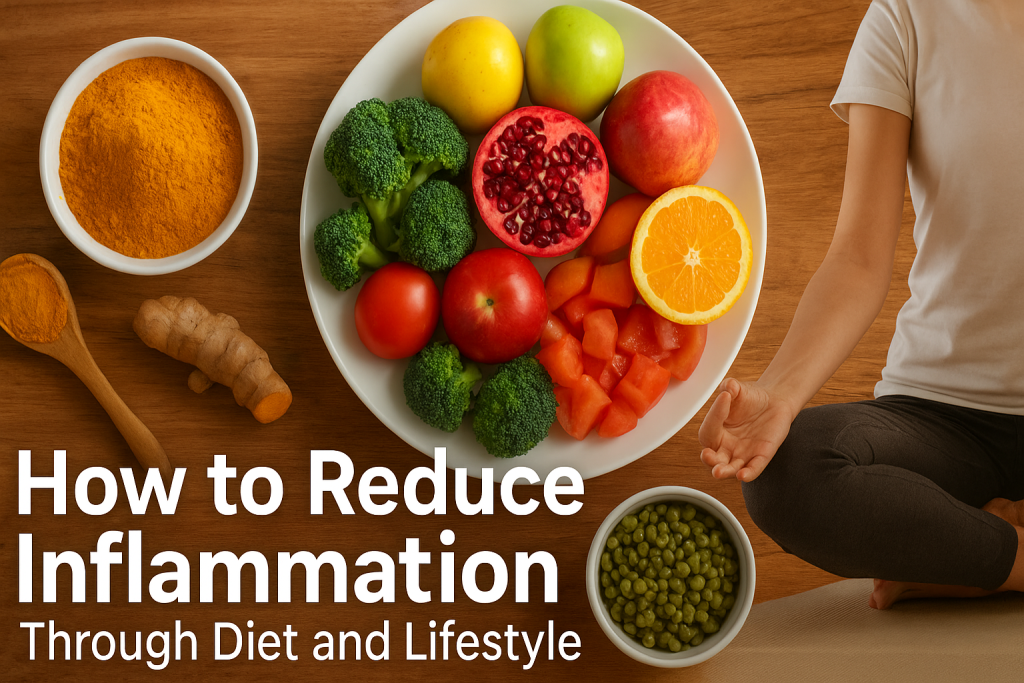
An anti-inflammatory diet emphasizes whole, nutrient-dense foods while minimizing processed items and refined ingredients. This eating pattern provides your body with compounds that naturally combat inflammation and support cellular health.
Top Anti-Inflammatory Foods to Include Daily
Colorful Fruits and Vegetables
Plant foods contain powerful antioxidants and phytonutrients that fight oxidative stress:
- Berries: Blueberries, strawberries, raspberries, and blackberries are rich in anthocyanins
- Leafy Greens: Spinach, kale, Swiss chard, and collard greens provide vitamins and minerals
- Cruciferous Vegetables: Broccoli, cauliflower, Brussels sprouts contain sulforaphane
- Colorful Peppers: Bell peppers offer vitamin C and flavonoids
- Tomatoes: Rich in lycopene, especially when cooked
Healthy Fats and Omega-3 Sources
Essential fatty acids play a crucial role in reducing inflammatory responses:
- Fatty Fish: Salmon, sardines, mackerel, anchovies (aim for 2-3 servings weekly)
- Extra Virgin Olive Oil: Use as your primary cooking oil
- Avocados: Loaded with monounsaturated fats
- Nuts and Seeds: Walnuts, flaxseeds, chia seeds, hemp seeds
- Algae-Based Supplements: For plant-based omega-3 options
Spices and Herbs with Anti-Inflammatory Properties
Nature’s pharmacy includes powerful inflammation fighters:
- Turmeric: Contains curcumin, pair with black pepper for better absorption
- Ginger: Fresh or dried, excellent for digestive health
- Garlic: Supports immune function and reduces inflammation
- Cinnamon: Helps regulate blood sugar and inflammation
- Rosemary: Rich in antioxidants and anti-inflammatory compounds
Whole Grains and Fiber-Rich Foods
Complex carbohydrates support gut health and steady energy:
- Quinoa, brown rice, oats, barley
- Legumes like lentils, chickpeas, black beans
- Sweet potatoes and other root vegetables
Beverages That Fight Inflammation
- Green Tea: Contains EGCG, a powerful antioxidant
- Herbal Teas: Chamomile, ginger, turmeric teas
- Water: Adequate hydration supports all bodily functions
- Coffee: Moderate amounts provide antioxidants
Foods to Avoid or Limit
Certain foods can trigger or worsen inflammation:
Highly Processed Foods:
- Packaged snacks with artificial ingredients
- Fast food and fried items
- Processed meats like hot dogs and deli meats
Refined Carbohydrates:
- White bread, pastries, and baked goods
- Sugary cereals and snacks
- Regular pasta made from refined flour
Added Sugars:
- Sodas and sweetened beverages
- Candy and desserts
- Products with high fructose corn syrup
Trans Fats and Excessive Omega-6:
- Margarine and shortening
- Many fried and processed foods
- Excessive vegetable oils (corn, soybean, safflower)
Excessive Alcohol:
- More than moderate consumption (1 drink/day for women, 2 for men)
Sample Anti-Inflammatory Meal Plan
Breakfast Options:
- Overnight oats with berries, walnuts, and cinnamon
- Smoothie with spinach, banana, berries, flaxseed, and almond milk
- Vegetable omelet with avocado and whole grain toast
Lunch Ideas:
- Large salad with mixed greens, grilled salmon, olive oil dressing
- Lentil soup with vegetables and a side of quinoa
- Buddha bowl with brown rice, roasted vegetables, chickpeas, tahini
Dinner Suggestions:
- Baked wild salmon with roasted Brussels sprouts and sweet potato
- Turmeric chicken with cauliflower rice and steamed broccoli
- Vegetable stir-fry with tofu over brown rice
Snacks:
- Apple slices with almond butter
- Handful of mixed nuts and berries
- Veggie sticks with hummus
- Greek yogurt with chia seeds
Lifestyle Changes That Reduce Inflammation
The Power of Regular Exercise
Physical activity is one of the most effective ways to lower inflammation markers in your body.
How Exercise Fights Inflammation
When you move your body regularly:
- Your muscles release anti-inflammatory chemicals called myokines
- You improve circulation and oxygen delivery to tissues
- Your body better regulates immune responses
- You reduce excess body fat, which produces inflammatory compounds
Best Types of Exercise for Inflammation
Aerobic Exercise:
- Walking, jogging, cycling, swimming
- Aim for 150 minutes of moderate activity weekly
- Start with 10-15 minute sessions if you’re new to exercise
Strength Training:
- Builds muscle mass that produces anti-inflammatory compounds
- Include resistance exercises 2-3 times per week
- Use bodyweight, resistance bands, or weights
Flexibility and Mind-Body Practices:
- Yoga combines movement, stretching, and stress reduction
- Tai chi offers gentle, flowing movements
- Stretching improves mobility and reduces muscle tension
Low-Impact Options:
- Water aerobics for joint-friendly exercise
- Gentle walking in nature
- Chair exercises for those with mobility limitations
Exercise Tips for Success
- Start slowly and gradually increase intensity
- Find activities you genuinely enjoy
- Schedule exercise like any important appointment
- Mix different types of movement throughout the week
- Listen to your body and rest when needed
Quality Sleep: Your Body’s Reset Button
Sleep is when your body repairs and regenerates. Poor sleep quality directly increases inflammation markers.
How Sleep Affects Inflammation
During quality sleep:
- Your body produces anti-inflammatory cytokines
- Damaged tissues undergo repair processes
- Your immune system rebalances
- Stress hormones decrease to healthy levels
Strategies for Better Sleep
Create a Sleep Sanctuary:
- Keep your bedroom cool (60-67°F is ideal)
- Eliminate light sources or use blackout curtains
- Minimize noise or use white noise machines
- Invest in a comfortable mattress and pillows
Establish a Consistent Routine:
- Go to bed and wake up at the same time daily
- Allow 7-9 hours for sleep each night
- Create a relaxing pre-bed routine (reading, gentle stretching)
- Avoid screens 1-2 hours before bedtime
Optimize Your Sleep Environment:
- Use breathable, natural fiber bedding
- Maintain good air quality in your bedroom
- Consider aromatherapy with lavender
- Reserve your bed for sleep only
Avoid Sleep Disruptors:
- Limit caffeine after 2 PM
- Avoid large meals close to bedtime
- Reduce alcohol consumption (it disrupts sleep cycles)
- Exercise earlier in the day, not right before bed
Stress Management Techniques
Chronic stress is a major driver of inflammation. Your body’s stress response, when constantly activated, triggers inflammatory pathways.
Understanding the Stress-Inflammation Connection
When you experience ongoing stress:
- Cortisol levels remain elevated
- Your immune system becomes dysregulated
- Inflammatory chemicals circulate continuously
- Your body stays in “fight or flight” mode
Effective Stress Reduction Methods
Mindfulness and Meditation:
- Start with 5-10 minutes daily
- Use apps for guided meditation if helpful
- Practice deep breathing exercises
- Try body scan meditations for relaxation
Time in Nature:
- Spend at least 20 minutes outdoors daily
- Practice “forest bathing” or nature walks
- Garden or engage with plants
- Enjoy natural sunlight exposure
Social Connection:
- Maintain meaningful relationships
- Join community groups or clubs
- Schedule regular time with friends and family
- Consider support groups if dealing with health challenges
Creative Activities:
- Engage in hobbies you enjoy
- Try art, music, or writing for expression
- Learn new skills to engage your mind
- Practice activities that bring joy and flow
Professional Support:
- Consider therapy or counseling when needed
- Explore stress management workshops
- Work with a coach for accountability
- Don’t hesitate to seek help
Maintaining a Healthy Weight
Excess body fat, particularly around the midsection, produces inflammatory chemicals. Achieving a healthy weight through diet and exercise naturally reduces inflammation.
Weight Management Tips
- Focus on sustainable lifestyle changes, not quick fixes
- Eat mindfully and pay attention to hunger cues
- Include protein at each meal for satiety
- Stay hydrated throughout the day
- Track progress through how you feel, not just the scale
- Celebrate small victories along your journey
Limiting Environmental Toxins
Reducing exposure to toxins supports your body’s natural anti-inflammatory processes.
Simple Swaps:
- Choose organic produce when possible (especially for the “Dirty Dozen”)
- Use natural cleaning products
- Filter your drinking water
- Select personal care products with fewer chemicals
- Avoid plastic containers when storing food
- Choose non-toxic cookware options
Supplements That May Support Inflammation Reduction
While whole foods should be your primary focus, certain supplements may provide additional support. Always consult with a healthcare provider before starting new supplements.
Evidence-Based Supplements for Inflammation
Omega-3 Fatty Acids (Fish Oil or Algae Oil)
- Typical dose: 1,000-3,000 mg EPA+DHA daily
- Look for third-party tested products
- Choose pharmaceutical-grade for purity
Curcumin (from Turmeric)
- More bioavailable when combined with black pepper (piperine)
- Typical dose: 500-1,000 mg daily
- Consider liposomal or phytosome forms for better absorption
Vitamin D
- Many people are deficient, especially in winter months
- Support immune function and inflammation regulation
- Consider testing levels before supplementing
Probiotics
- Support gut health, which affects inflammation throughout the body
- Look for multi-strain formulas with at least 10 billion CFU
- Rotate brands periodically for diversity
Ginger Extract
- Supports digestive health and inflammation
- Available in capsule or tincture form
- Fresh ginger in food is also beneficial
Resveratrol
- Found in grapes, berries, and red wine
- Supports cardiovascular health
- Available as a concentrated supplement
Important Note: Supplements are not substitutes for a healthy diet and should complement, not replace, nutritious food choices. Quality matters, so choose reputable brands with third-party testing.
Some Trending Health Product Reviews
KneNest Knee Pillow Reviews
Lumen Review
SnoreStop Review
Instant Hydration Review
ZivoLife Review
Great Gums Reviews
Seaonic Review
Mighties Protein Drink for Kids Reviews
Creating Your Personal Anti-Inflammatory Action Plan
Step 1: Assess Your Current Situation
Take inventory of where you are now:
- What does your typical diet look like?
- How much physical activity do you get weekly?
- What’s your sleep quality and duration?
- How do you currently manage stress?
- What symptoms are you experiencing?
Step 2: Set Realistic Goals
Start with small, achievable changes:
- Add one anti-inflammatory food to your diet daily
- Increase movement by 10 minutes each day
- Improve sleep by 30 minutes nightly
- Practice one stress-reduction technique regularly
Step 3: Make Gradual Changes
Sustainable transformation happens through consistent small steps:
Week 1-2: Focus on adding more vegetables and fruits to your meals
Week 3-4: Begin a simple exercise routine you enjoy
Week 5-6: Establish a consistent sleep schedule
Week 7-8: Implement stress management practices
Week 9-10: Fine-tune your routine and reduce inflammatory foods
Step 4: Track Your Progress
Monitor changes to stay motivated:
- Keep a food and symptom journal
- Note energy levels and mood
- Track sleep quality and exercise
- Celebrate improvements, no matter how small
Step 5: Adjust and Optimize
Listen to your body and refine your approach:
- What strategies work best for you?
- Where do you need more support?
- What obstacles are you facing?
- How can you make healthy choices easier?
Common Mistakes to Avoid
Trying to Change Everything at Once
Overwhelming yourself leads to burnout. Focus on one or two changes at a time and build from there.
Expecting Immediate Results
Reducing chronic inflammation takes time. Give your body at least 4-6 weeks to respond to dietary and lifestyle changes.
Following Fad Diets or Extreme Restrictions
Sustainable health comes from balanced, enjoyable eating patterns, not deprivation or extreme measures.
Ignoring Individual Responses
Everyone’s body is unique. What works for others may need adjustment for your specific situation.
Neglecting the Importance of Consistency
Occasional healthy choices won’t overcome consistently poor habits. Focus on what you do most of the time.
Forgetting to Address Stress
You can eat perfectly, but chronic stress will still promote inflammation. Stress management is essential.
When to Seek Professional Help
While lifestyle changes can significantly impact inflammation, certain situations warrant professional guidance:
- Persistent symptoms despite lifestyle modifications
- Severe pain or swelling that interferes with daily activities
- Unexplained weight loss or fatigue
- Digestive issues that don’t improve
- Suspected food sensitivities or allergies
- Existing health conditions requiring monitoring
- Medication interactions or concerns
Healthcare professionals who can help:
- Primary care physicians for overall health assessment
- Registered dietitians for personalized nutrition guidance
- Functional medicine practitioners for root cause approaches
- Physical therapists for movement and exercise programs
- Mental health professionals for stress and emotional support
Some Great Health Product Reviews
MyoGlow Reviews
Derila Ergo Pillow Reviews
Renewa EyeLift Reviews
Capnos LEGURA Review
Moonbuddy Review
Akusoli Magnetic Insoles Review
RejuvaCare FootRenew Review
Rejuvaknee Triple Method Massager Review
Conclusion: Your Journey to Reduced Inflammation Starts Today
Reducing inflammation through diet and lifestyle is one of the most powerful steps you can take for your long-term health and wellbeing. By incorporating anti-inflammatory foods, staying physically active, prioritizing quality sleep, managing stress effectively, and maintaining a healthy weight, you create an environment where your body can heal and thrive.
Remember, this is a journey, not a destination. Small, consistent changes compound over time to create remarkable transformations. Start with one or two strategies that resonate with you, build momentum, and gradually expand your healthy habits.
Your body has an incredible capacity to heal when given the right support. Every nutritious meal, every walk you take, every good night’s sleep, and every moment of stress relief contributes to lower inflammation and better health.
Take action today: Choose one anti-inflammatory food to add to your next meal, schedule a 15-minute walk, or commit to going to bed 30 minutes earlier tonight. Your future self will thank you.
What small step will you take today to reduce inflammation and support your health?
Frequently Asked Questions (FAQs) How to Reduce Inflammation
How long does it take to reduce inflammation through diet changes?
Most people begin noticing improvements in energy, digestion, and comfort within 2-4 weeks of consistent dietary changes. However, significant reduction in chronic inflammation markers typically takes 6-12 weeks or longer, depending on the severity and your individual response. Patience and consistency are key. Some symptoms like joint discomfort may improve sooner, while others take more time as your body heals and rebalances.
Can I reduce inflammation without giving up all my favorite foods?
Absolutely. Inflammation reduction is about overall patterns, not perfection. The 80/20 approach works well for most people: make nutritious, anti-inflammatory choices 80% of the time, and allow flexibility for foods you enjoy 20% of the time. Focus on adding beneficial foods rather than only restricting. Many people find that as they feel better, their preferences naturally shift toward foods that support their health.
Is it possible to reverse chronic inflammation completely?
While some people achieve complete resolution of inflammatory symptoms through lifestyle changes, others may experience significant improvement but not complete elimination, especially if underlying conditions exist. The goal is meaningful improvement in symptoms and quality of life. Many factors influence inflammation, including genetics, age, and environmental exposures. Even if complete reversal isn’t achieved, reducing inflammation substantially improves health outcomes and how you feel daily.
Do I need to follow a specific named diet plan to reduce inflammation?
No specific diet name is required. The Mediterranean diet, plant-based eating patterns, and similar whole-food approaches all share anti-inflammatory principles: emphasis on vegetables, fruits, whole grains, healthy fats, and lean proteins while minimizing processed foods and added sugars. The best approach is one you can maintain long-term that includes anti-inflammatory foods and suits your preferences, cultural background, and lifestyle.
What’s the fastest way to reduce inflammation naturally when experiencing discomfort?
While lasting change requires consistent lifestyle modifications, some strategies may provide quicker relief: staying well-hydrated, consuming anti-inflammatory spices like turmeric and ginger, eating omega-3 rich foods, applying cold therapy to affected areas, gentle movement like walking or stretching, and ensuring adequate rest. However, these should complement, not replace, comprehensive lifestyle changes for sustainable results. If experiencing severe or worsening symptoms, consult a healthcare provider for proper evaluation.