
Have you noticed yourself catching every cold that goes around? Feeling run down and exhausted more often than usual? Your immune system might be crying out for support.
The good news is that you don’t need expensive supplements or complicated protocols to strengthen your immune defenses. In just 30 days, you can make meaningful improvements to your immune health through simple, natural lifestyle changes.
This comprehensive guide will walk you through practical, science-supported strategies to boost your immune system naturally. You’ll discover specific daily actions, dietary adjustments, and lifestyle modifications that can help your body fight off illness more effectively.
Whether you’re looking to prevent seasonal bugs, recover from frequent infections, or simply optimize your overall wellness, this 30-day immune-boosting plan will give you the tools you need to succeed.
Understanding Your Immune System: The Basics
Before diving into the how-to steps, let’s understand what we’re working with.
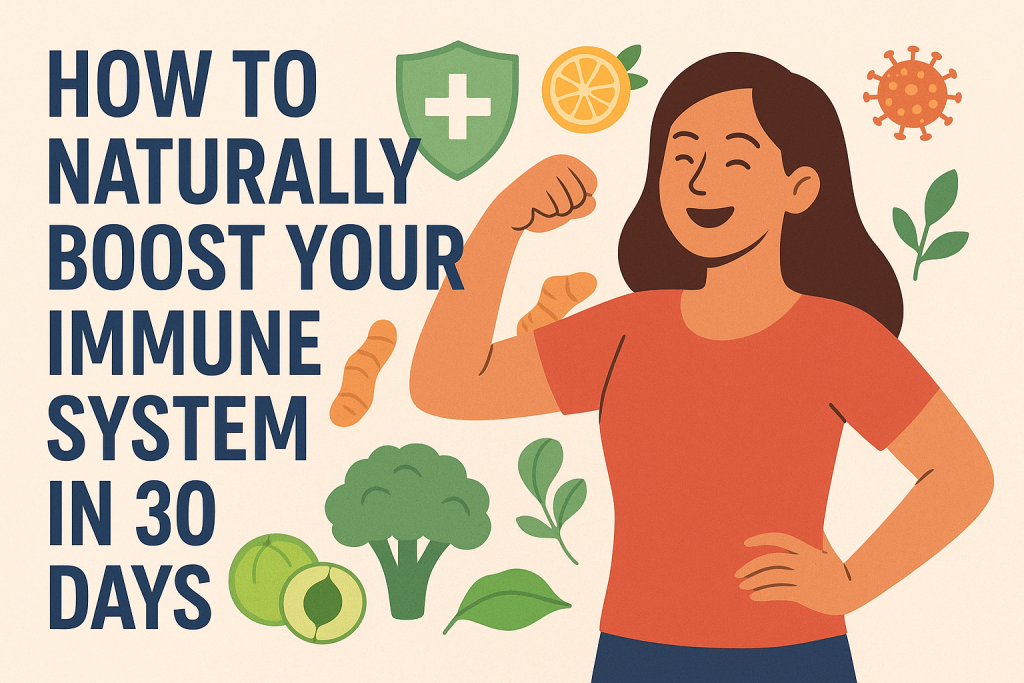
Your immune system is your body’s natural defense mechanism against harmful pathogens like bacteria, viruses, and toxins. It’s not a single organ but rather a complex network of cells, tissues, and organs working together to protect you.
Key Components of Immune Health
Your immune system includes:
- White blood cells that identify and destroy threats
- Lymph nodes that filter harmful substances
- The spleen that controls blood cell production
- Bone marrow that creates immune cells
- Your gut microbiome that influences immune response
When functioning optimally, your immune system recognizes and neutralizes threats quickly. However, factors like poor nutrition, chronic stress, lack of sleep, and sedentary lifestyles can weaken your immune defenses over time.
The strategies outlined in this article focus on supporting these natural systems through lifestyle optimization rather than relying on quick fixes.
Week 1: Foundation Building for Immune Strength
Prioritize Quality Sleep Every Single Night
Sleep is perhaps the most underrated immune booster available to you. During sleep, your body produces cytokines, proteins that target infection and inflammation.
Research shows that people who don’t get adequate sleep are more susceptible to viruses. Adults who sleep fewer than six hours per night are significantly more likely to catch a cold compared to those who sleep seven hours or more.
Action Steps for Week 1:
- Aim for 7-9 hours of sleep nightly
- Set a consistent bedtime and wake time
- Create a dark, cool sleeping environment (60-67°F is ideal)
- Avoid screens 1-2 hours before bed
- Consider blackout curtains or a sleep mask
Hydrate Strategically Throughout the Day
Water plays a crucial role in producing lymph, which carries white blood cells and other immune system cells throughout your body. Dehydration can impair physical performance, concentration, and immune function.
Daily Hydration Goals:
| Body Weight | Daily Water Intake |
|---|---|
| 125 lbs | 63 ounces |
| 150 lbs | 75 ounces |
| 175 lbs | 88 ounces |
| 200 lbs | 100 ounces |
Start your morning with 16 ounces of water, keep a reusable bottle with you throughout the day, and drink water with every meal.
Start Moving Your Body Daily
Physical activity flushes bacteria out of airways, causes changes in antibodies and white blood cells, and reduces stress hormones that can weaken immunity.
You don’t need intense workouts. Moderate exercise like brisk walking for 30 minutes can provide significant immune benefits.
Week 1 Exercise Plan:
- Walk briskly for 20-30 minutes daily
- Take the stairs instead of elevators
- Do light stretching or yoga for 10 minutes
- Park farther away to increase daily steps
Week 2: Nutrition Strategies for Immune Enhancement
Load Up on Immune-Boosting Foods
The foods you eat directly impact your immune system’s ability to function. Certain nutrients play particularly important roles in immune health.
Top Immune-Supporting Nutrients:
Vitamin C – Supports various cellular functions of both the innate and adaptive immune system
- Citrus fruits (oranges, grapefruit, lemons)
- Bell peppers (especially red ones)
- Strawberries and kiwi
- Broccoli and Brussels sprouts
Vitamin D – Modulates immune response and reduces inflammation
- Fatty fish (salmon, mackerel, sardines)
- Egg yolks
- Fortified foods
- Sunlight exposure (15-20 minutes daily)
Zinc – Essential for immune cell development and communication
- Oysters and shellfish
- Beef and poultry
- Beans and nuts
- Whole grains
Vitamin E – Powerful antioxidant that helps fight infection
- Almonds and sunflower seeds
- Spinach and broccoli
- Avocados
Incorporate Probiotic-Rich Foods
Your gut houses approximately 70% of your immune system. Supporting gut health through probiotics can significantly enhance immune function.
Add These Fermented Foods:
- Plain yogurt with live cultures
- Kefir (fermented milk drink)
- Sauerkraut (unpasteurized)
- Kimchi (Korean fermented vegetables)
- Kombucha (fermented tea)
- Miso and tempeh
Aim to include at least one serving of probiotic-rich food daily during Week 2.
Reduce Immune-Suppressing Foods
What you avoid is just as important as what you consume. Certain foods can actually weaken your immune response.
Limit or Eliminate:
- Refined sugars (suppresses immune cells for hours after consumption)
- Processed foods with artificial additives
- Excessive alcohol (disrupts immune pathways)
- Trans fats and highly processed oils
- Foods high in added sodium
Week 3: Stress Management and Mental Wellness
Understand the Stress-Immunity Connection
Chronic stress floods your body with cortisol, a hormone that suppresses immune function when elevated long-term. Stress reduction isn’t optional for immune health—it’s essential.
Studies demonstrate that people under chronic stress have reduced lymphocyte levels, making them more vulnerable to infections.
Practice Daily Stress-Reduction Techniques
Deep Breathing Exercises:
Try the 4-7-8 technique three times daily:
- Inhale through your nose for 4 counts
- Hold your breath for 7 counts
- Exhale completely through your mouth for 8 counts
- Repeat 4 times
Mindfulness Meditation:
Even 10 minutes daily can reduce stress markers and improve immune function. Use apps like Insight Timer or Headspace, or simply sit quietly focusing on your breath.
Progressive Muscle Relaxation:
Starting with your toes and moving upward, tense each muscle group for 5 seconds, then release. This practice signals your nervous system to relax.
Cultivate Positive Social Connections
Social isolation and loneliness can negatively impact immune health. Conversely, positive social interactions boost immunity and overall wellbeing.
Week 3 Social Wellness Actions:
- Schedule regular video calls with friends or family
- Join a community group or club
- Volunteer for a cause you care about
- Limit toxic relationships that cause chronic stress
Week 4: Advanced Immune Optimization Strategies
Optimize Your Supplement Routine
While whole foods should be your primary source of nutrients, strategic supplementation can fill gaps in your diet.
Consider These Research-Backed Supplements:
Vitamin D3 (if deficient or limited sun exposure)
- Typical dose: 1000-4000 IU daily
- Get blood levels tested for personalized dosing
Vitamin C
- 500-1000 mg daily
- Best absorbed in divided doses
Zinc
- 8-11 mg daily for maintenance
- Higher doses only during illness and for short periods
Elderberry
- May reduce duration of cold and flu symptoms
- Available in syrup or capsule form
Note: Consult with a healthcare provider before starting any supplement regimen, especially if you have existing health conditions or take medications.
Enhance Your Sleep Environment
Building on Week 1’s sleep foundation, now optimize your bedroom for immune-supporting rest.
Advanced Sleep Optimization:
- Use a white noise machine or fan
- Keep electronics out of the bedroom
- Invest in a quality mattress and pillows
- Take a warm bath 1-2 hours before bed (body temperature drop promotes sleep)
- Try magnesium glycinate (200-400mg) before bed if you have trouble falling asleep
Add Immune-Supporting Herbs and Spices
Certain herbs possess powerful immune-modulating properties backed by research.
Incorporate These Daily:
Garlic – Contains allicin, which has antimicrobial properties
- Add raw or lightly cooked to meals
- Aim for 2-3 cloves daily
Ginger – Anti-inflammatory and antioxidant effects
- Fresh ginger tea
- Add to smoothies or stir-fries
Turmeric – Curcumin enhances immune function
- Golden milk before bed
- Add black pepper to increase absorption by 2000%
Oregano – Natural antiviral and antibacterial properties
- Use dried or fresh in cooking
- Oregano oil supplements available
Some Trending Health Product Reviews
KneNest Knee Pillow Reviews
Lumen Review
SnoreStop Review
Instant Hydration Review
ZivoLife Review
Great Gums Reviews
Seaonic Review
Mighties Protein Drink for Kids Reviews
Creating Your 30-Day Immune Boost Meal Plan
Sample Day of Eating for Immune Health
Breakfast: Greek yogurt with mixed berries, walnuts, and a drizzle of honey. Green tea.
Mid-Morning Snack: Apple slices with almond butter
Lunch: Large salad with mixed greens, grilled chicken, bell peppers, tomatoes, avocado, and pumpkin seeds. Olive oil and lemon dressing.
Afternoon Snack: Carrot sticks with hummus
Dinner: Baked salmon with roasted broccoli and sweet potato. Side of sauerkraut.
Evening: Turmeric golden milk
Weekly Meal Prep Tips
Preparing foods in advance ensures you stick to your immune-boosting plan even during busy weeks.
Sunday Prep Session:
- Wash and chop vegetables for the week
- Cook a large batch of brown rice or quinoa
- Prepare 2-3 protein sources (grilled chicken, hard-boiled eggs, baked fish)
- Make a large pot of vegetable soup
- Portion out nuts and seeds into snack bags
Some Great Health Product Reviews
MyoGlow Reviews
Derila Ergo Pillow Reviews
Renewa EyeLift Reviews
Capnos LEGURA Review
Moonbuddy Review
Akusoli Magnetic Insoles Review
RejuvaCare FootRenew Review
Rejuvaknee Triple Method Massager Review
Exercise and Movement for Immune Health
The Sweet Spot of Exercise Intensity
Exercise provides immune benefits, but there’s a balance. Moderate exercise enhances immunity, while excessive intense exercise can temporarily suppress it.
Optimal Exercise Guidelines:
- 150 minutes of moderate-intensity exercise weekly
- Or 75 minutes of vigorous-intensity exercise weekly
- Strength training 2-3 times per week
- Daily movement and stretching
Moderate-Intensity Activities:
- Brisk walking
- Casual cycling
- Water aerobics
- Doubles tennis
- Gardening
Vigorous-Intensity Activities:
- Running or jogging
- Swimming laps
- Singles tennis
- Hiking uphill
- High-intensity interval training
Recovery and Rest Days
Don’t underestimate the importance of rest. Overtraining increases stress hormones and inflammation, which can suppress immune function.
Include at least 1-2 rest days weekly, focusing on gentle activities like walking, stretching, or yoga.
Environmental Factors That Impact Immunity
Air Quality and Indoor Environment
The air you breathe affects your respiratory system and immune health.
Improve Indoor Air Quality:
- Open windows daily for fresh air circulation
- Use HEPA air purifiers in bedrooms
- Add air-purifying plants (snake plants, spider plants, peace lilies)
- Vacuum regularly with HEPA filters
- Avoid harsh chemical cleaners
Temperature and Seasonal Adjustments
Cold weather doesn’t directly cause illness, but indoor crowding and dry air during winter months can increase infection risk.
Seasonal Immune Support:
- Use a humidifier to maintain 40-60% humidity
- Dress in layers to maintain comfortable body temperature
- Continue outdoor activities year-round
- Increase vitamin D intake during winter months
Habits to Avoid for Better Immune Health
Smoking and Vaping
Tobacco smoke suppresses immune function and damages the respiratory system’s natural defenses. Quitting smoking is one of the most impactful steps for immune health.
Excessive Alcohol Consumption
Heavy drinking disrupts immune pathways and increases susceptibility to infections. Moderate consumption means up to one drink daily for women and two for men.
Chronic Sleep Deprivation
Consistently getting fewer than seven hours of sleep weakens immune response and increases inflammation. Prioritize sleep as non-negotiable.
Sitting for Extended Periods
Sedentary behavior increases inflammation markers. Stand and move for 5 minutes every hour during the day.
Tracking Your Progress Over 30 Days
Measurable Indicators of Improved Immunity
While you can’t directly measure immune function at home, you can track proxies:
Physical Markers:
- Energy levels throughout the day
- Sleep quality and duration
- Recovery time after exercise
- Frequency of minor illnesses
- Digestive regularity
Wellness Journal Template:
Keep a daily journal noting:
- Hours of sleep and sleep quality (1-10 scale)
- Stress levels (1-10 scale)
- Servings of fruits and vegetables
- Minutes of physical activity
- Water intake
- Overall energy (1-10 scale)
Review weekly to identify patterns and adjust your approach.
When to Seek Professional Guidance
While natural immune support is beneficial for most people, certain situations require medical attention.
Consult a Healthcare Provider If:
- You experience frequent infections (more than expected)
- Infections are severe or prolonged
- You have an autoimmune condition
- You’re taking immunosuppressive medications
- You have unexplained fatigue lasting weeks
- You have underlying health conditions
A doctor can check for deficiencies, underlying conditions, or other factors affecting your immune health.
Long-Term Maintenance Beyond 30 Days
Making Immune Health a Lifestyle
The strategies in this guide aren’t meant to be temporary. The most significant immune benefits come from consistent, long-term healthy habits.
Sustainable Practices:
- Continue prioritizing 7-9 hours of sleep nightly
- Maintain a nutrient-dense, whole-foods diet
- Exercise regularly without overtraining
- Practice daily stress management
- Stay socially connected
- Get annual check-ups and recommended screenings
Adjusting Your Approach Seasonally
Your immune needs may vary throughout the year. During cold and flu season, you might:
- Increase vitamin C and zinc intake
- Focus more on sleep and stress reduction
- Avoid crowded indoor spaces when possible
- Wash hands more frequently
Common Myths About Immune System Boosting
Myth 1: “More Vitamins Always Mean Better Immunity”
Reality: Excessive supplementation, particularly of fat-soluble vitamins, can be harmful. Focus on meeting daily requirements through food first.
Myth 2: “You Can ‘Boost’ Your Immune System Instantly”
Reality: Building robust immune health takes consistent effort over time. Quick fixes don’t create lasting change.
Myth 3: “Cold Weather Makes You Sick”
Reality: Viruses cause illness, not cold temperatures. However, indoor crowding in winter increases transmission.
Myth 4: “Exercise Intensity Doesn’t Matter”
Reality: Moderate exercise enhances immunity, but excessive intense training can temporarily suppress it. Balance is key.
Conclusion: Your 30-Day Journey to Stronger Immunity
Strengthening your immune system naturally doesn’t require complicated protocols or expensive interventions. The foundation of robust immunity rests on simple, time-tested principles: quality sleep, nutrient-dense nutrition, regular movement, stress management, and positive social connections.
Over the past 30 days, you’ve learned specific, actionable strategies to support each pillar of immune health. By implementing these changes gradually and consistently, you’re not just boosting your immune system—you’re investing in your long-term health and wellbeing.
Remember that immune health is a marathon, not a sprint. The habits you’ve developed over this month should become permanent lifestyle practices. Your body has remarkable healing and protective capabilities when given the right support.
Start today with one or two changes from this guide. Build momentum gradually. Track your progress. Celebrate small victories. And most importantly, be patient with yourself as you create lasting change.
Your immune system is already working hard to protect you. Now it’s time to give it the support it deserves.
Ready to take action? Choose one strategy from Week 1 to implement today. Your journey to better immune health starts with a single step.
Faq’s About Naturally Boost Your Immune System
What foods should I eat every day to support my immune system naturally?
Focus on incorporating a variety of colorful fruits and vegetables daily, aiming for at least 5-7 servings. Include lean proteins like fish, poultry, or plant-based options, along with one serving of probiotic-rich foods such as yogurt or fermented vegetables. Don’t forget healthy fats from sources like olive oil, avocados, and nuts. A diverse diet provides the vitamins, minerals, and antioxidants your immune system needs to function optimally.
Can I really see improvements in my immune health in just 30 days?
Yes, many people notice improvements within 30 days of consistent healthy habits. You may experience better energy levels, improved sleep quality, faster recovery from minor illnesses, and overall enhanced wellbeing. However, remember that building a truly robust immune system is an ongoing process. The 30-day timeframe provides a strong foundation, but continuing these practices long-term produces the most significant benefits.
How much sleep do I actually need for optimal immune function?
Most adults need 7-9 hours of quality sleep per night for optimal immune function. During sleep, your body produces cytokines, infection-fighting antibodies, and immune cells. Consistently getting less than 7 hours can significantly increase your susceptibility to illness. Focus not just on quantity but also quality—creating a dark, cool, quiet sleep environment helps maximize the immune benefits of your rest.
Is it safe to combine multiple supplements for immune support?
While certain supplements can support immune health, more isn’t always better. Taking high doses or combining multiple supplements without guidance can potentially cause imbalances or interactions. Always consult with a healthcare provider before starting any supplement regimen, especially if you have existing health conditions or take medications. Focus on getting nutrients from whole foods first, using supplements only to fill specific gaps.
What’s the single most important thing I can do to boost my immune system?
If you could only focus on one thing, prioritize consistent, quality sleep. Sleep is the foundation upon which all other immune functions build. During sleep, your body performs critical repair work, produces immune cells, and regulates hormones that affect immunity. No amount of healthy eating or exercise can fully compensate for chronic sleep deprivation. Make 7-9 hours of sleep nightly your non-negotiable starting point for better immune health.