
Foot Peel Mask Review: Let me be real with you for a second.
If you told me a year ago that I’d be writing a Foot Peel Mask review in 2026, I would have laughed. I was a skeptic. A full-blown, eye-rolling, “this-is-probably-a-scam” kind of skeptic.
But then summer came. Sandal season arrived. And I looked down at my feet and thought… yikes.
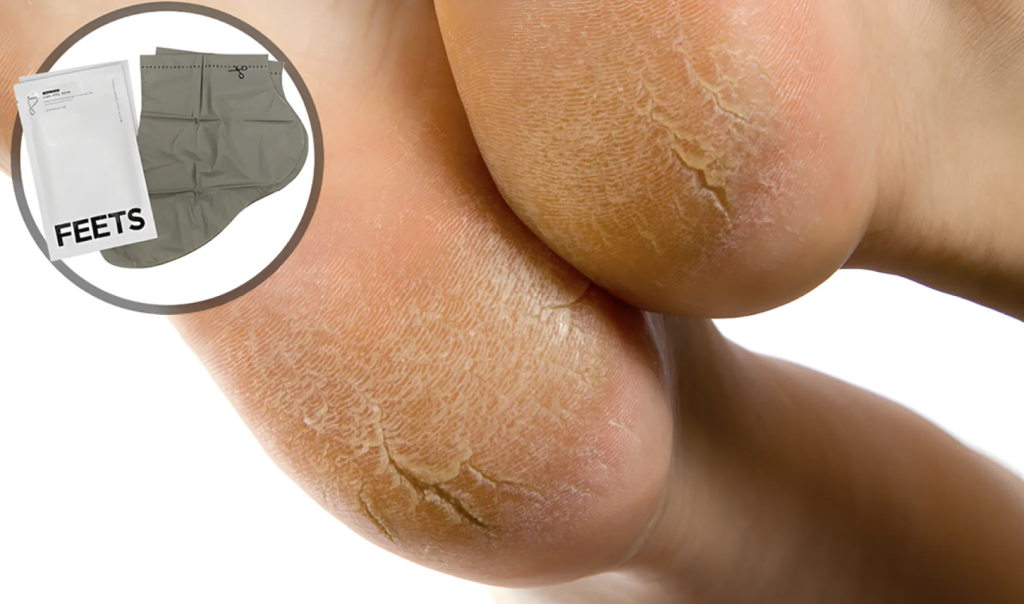
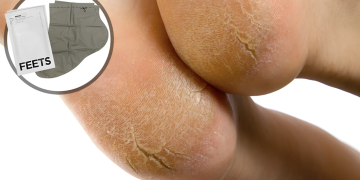
Dry, cracked heels. Rough calluses from years of standing in the kitchen. Skin that looked like it had been through a desert trek. I needed help. And I needed it fast.
So I did what any reasonable person does – I went down the rabbit hole of foot peel mask products. And let me tell you, the reviews were all over the place. Some people were raving. Others were calling it a total scam. I had to find out for myself.
So here I am – two weeks later, with baby-soft feet – writing this Foot Peel Mask review 2026 to tell you exactly what happened. No fluff. No hype. Just real talk from someone who actually used it.
Quick Verdict – Foot Peel Mask
Best for:
- People with dry, cracked heels and rough calluses
- Anyone who wants salon-quality results at home
- Those preparing for sandal season or summer vacations
- People who hate expensive pedicures
- Men and women with stubborn dead skin buildup
Not ideal for:
- People with extremely sensitive skin or allergies to AHAs
- Anyone with open wounds, cuts, or infections on their feet
- Those who can’t handle the “gross” peeling phase (it gets ugly before it gets pretty)
- People expecting overnight results – patience is required
- Diabetics or those with circulation issues (consult a doctor first)
Overall Verdict: 4.5/5 Stars
Is it a scam? Absolutely not. Does it work? 100% yes. But it’s not magic – it’s science. And you need to follow the instructions and have a little patience. The results are genuinely impressive, but the journey is… well, let’s just say it’s satisfyingly gross.

What Is a Foot Peel Mask?
A foot peel mask is basically a pair of plastic booties soaked in a powerful exfoliating solution. You wear them like socks for about 60 to 90 minutes, and the active ingredients – usually a blend of alpha-hydroxy acids (AHAs) like glycolic acid, lactic acid, and sometimes salicylic acid – get to work breaking down the bonds between dead skin cells.
Unlike a foot scrub that physically scrapes off dead skin (which can cause micro-tears), a foot peel mask uses chemical exfoliation. It penetrates deep into the stratum corneum – the outermost layer of your skin – and gently dissolves the “glue” that holds dead skin cells together. Over the next 7 to 14 days, that dead skin peels off in sheets, revealing fresh, baby-soft skin underneath.
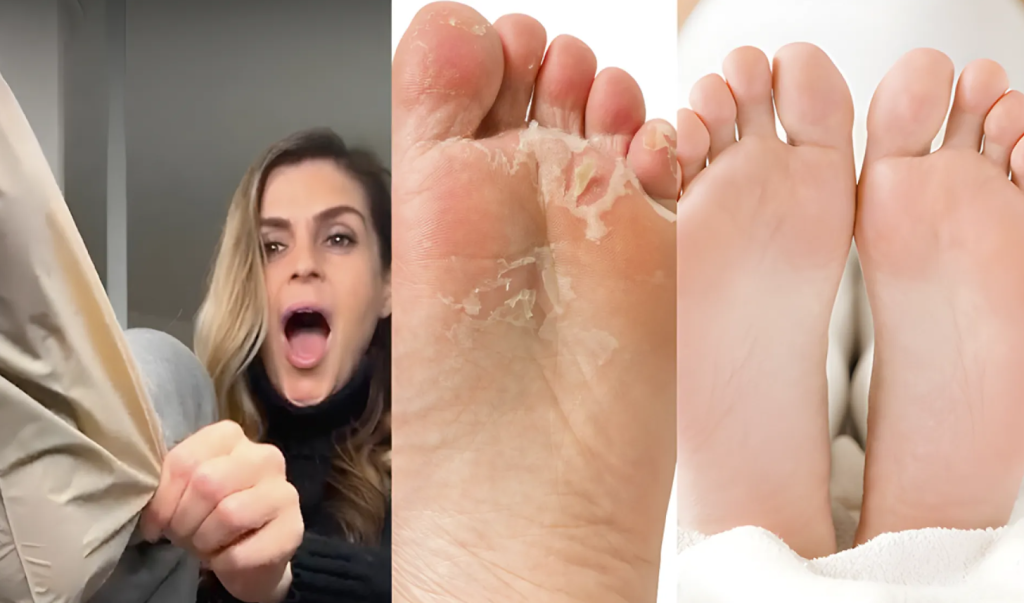
Think of it like a snake shedding its skin. It’s gross. But it’s so satisfying.
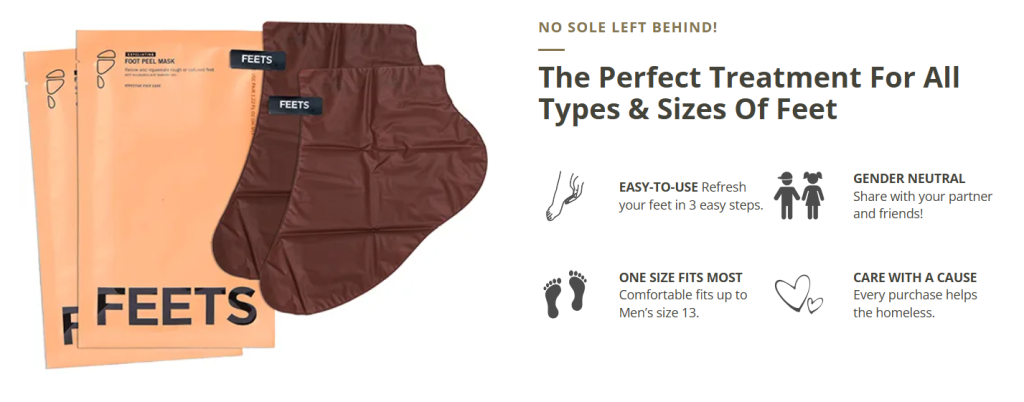
The product I tested – the one I’m reviewing here – contains natural plant-based ingredients like lavender, lemon peel extract, and orange peel to nourish the skin while the acids do their work. It’s also podiatrist-recommended and designed to be safe for most foot sizes, including men’s.
Product Overview
| Specification | Details |
|---|---|
| Category | At-home chemical foot exfoliation treatment |
| Product Type | Single-use bootie-style peel mask |
| Primary Active Ingredients | Alpha-hydroxy acids (glycolic acid, lactic acid), salicylic acid, fruit extracts |
| Application Time | 60-90 minutes (per treatment) |
| Peeling Onset | Typically 3-7 days after application |
| Full Results | 7-14 days after application |
| Recommended Frequency | Once every 4-8 weeks |
| Average Price | $10-$30 per treatment (2-pack) |
| Best For | Dry, rough, calloused feet; pre-sandal season preparation |

Key Specifications
Why These Specifications Matter
Active Ingredients: Most foot peel masks use a combination of AHAs (glycolic acid, lactic acid, malic acid, citric acid) and salicylic acid. Glycolic acid provides the fastest results but can be more irritating. Lactic acid is gentler and also hydrates the skin. The specific acid blend determines both effectiveness and irritation risk.
Application Time: Most require 60-90 minutes of wear time. Leaving the mask on for less time may reduce effectiveness; leaving it on longer increases irritation risk.
Peeling Timeline: The delayed onset (3-7 days) is a common source of disappointment. Many users assume the product doesn’t work and stop the daily foot soaks, which are essential for optimal peeling.
Frequency: Using foot peels more than once every 4-6 weeks can damage the new skin layer and cause sensitivity.
Why Are People Buying Foot Peel Masks in 2026?
Let’s be honest – nobody wants to have ugly feet. But life happens.
Maybe you’re on your feet all day at work. Maybe you’re a runner, a hiker, or just someone who loves long walks. Maybe you wear heels that put pressure on your toes and heels. Or maybe you just neglected your feet during the colder months (guilty as charged).
Whatever the reason, dry skin, calluses, and cracked heels are incredibly common. And once they’re there, they’re hard to get rid of.
A 2026 foot peel mask offers a convenient, affordable alternative to expensive salon pedicures. Instead of paying $50-$100 every few weeks, you can get professional-grade results at home for a fraction of the cost. Plus, it’s way more effective than a pumice stone or foot file for stubborn calluses.
According to a recent CNN review, at just $10 per treatment, “you can’t beat the price and convenience of this foot mask”. And with TikTok videos going viral showing the “grossly satisfying” results, it’s no wonder these masks are flying off shelves in 2026.
My Experience With Foot Peel Masks
I’ll be honest: I was skeptical going into this. I’d tried foot files, pumice stones, heavy creams, and those little foot rasp things that look like cheese graters. Nothing ever gave me the “baby soft” feet the beauty influencers promised.
My feet were in rough shape. Years of running, hiking, and wearing shoes without socks had left my heels cracked, my soles calloused, and my overall foot texture resembling sandpaper. I’d basically given up on having nice feet and resigned myself to hiding them in socks.
Then I started seeing the TikTok videos. You know the ones-people peeling sheets of dead skin off their feet like they’re molting. It looked disgusting and fascinating in equal measure. I had to try it.
First Impressions
The booties arrived in a box that looked like it contained a science experiment. Each pair came sealed in foil packets, and when I opened them, I was hit with a fruity scent (peach, in most cases) and the sight of two plastic socks filled with a clear, gel-like liquid.
Application was straightforward but slightly awkward:
- I soaked my feet in warm water for 15 minutes (this step is crucial-more on why later)
- I dried my feet completely
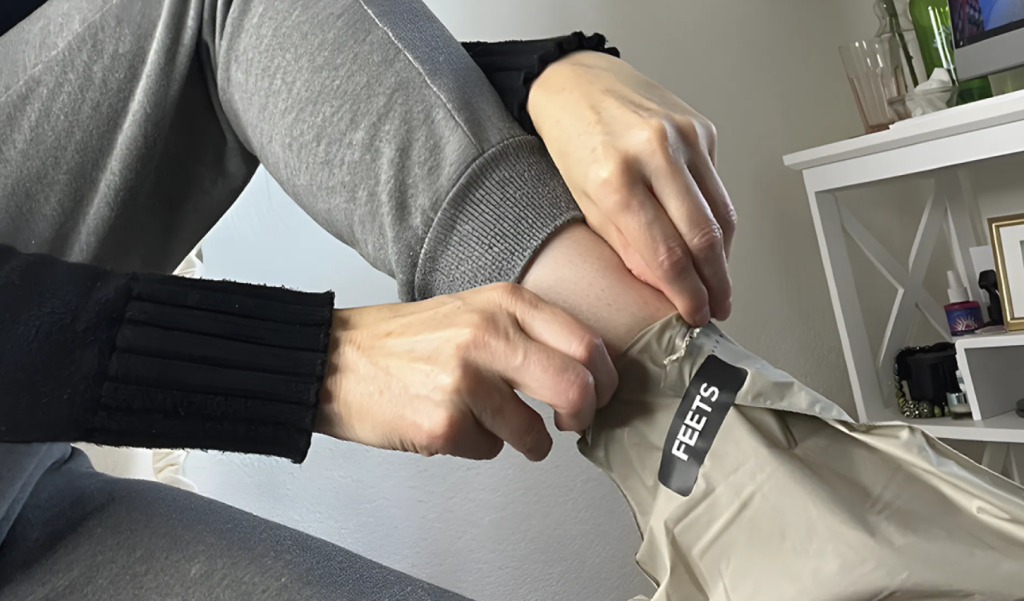
- I slipped my feet into the booties
- I secured them with the adhesive tabs around my ankles
- I put regular socks over the booties to keep them in place
The sensation was… odd. The liquid felt cool and slightly slippery against my skin. Not uncomfortable, but definitely noticeable. I could feel the booties squishing with every step.
I wore them for 90 minutes while watching TV. Walking was possible but clumsy-think penguin waddling. The adhesive tabs held up well, but the socks over the booties definitely helped.
The Waiting Game
After removing the booties and rinsing my feet, nothing looked different. My feet felt slightly smoother, maybe, but that could have been placebo. I followed the instructions to soak my feet in warm water for 10-15 minutes daily.
Day 1-3: Nothing. Absolutely nothing. I started wondering if I’d wasted my money.
Day 4: I noticed tiny flakes of skin starting to peel around my toes and the balls of my feet. It looked like mild sunburn peeling. Nothing dramatic.
Day 5: This is when things got interesting. After my daily foot soak, I noticed large sheets of skin starting to lift away from the balls of my feet. I gently rubbed the area with my fingers, and more skin came off. It was strangely satisfying.
Day 6-7: The peeling intensified. My entire soles were shedding-heel, arch, ball, toes. The skin came off in patches and sheets, especially after soaking. Some areas peeled completely, revealing smooth pink skin underneath. Other areas were patchy.
Day 8-10: The peeling continued but began to slow down. Most of the dead skin had shed by day 10, though some stubborn areas around my heels took a few more days.
Day 14: The process was complete. My feet looked and felt dramatically different. The rough, calloused texture was gone. My heels were smooth. The cracks that had been forming on my heels had healed. My feet actually looked… nice.
The Gross Truth
Yes, the peeling process is gross. There’s no way around it. You’ll find flakes of skin in your bed, on your floor, and in your socks. The foot soak water will have visible skin particles floating in it. It’s not painful, but it’s definitely not pretty.
The most surprising part? The peeling is painless. The skin just… separates. No cutting, no scraping, no discomfort. It’s like your feet are naturally shedding a layer.
Unexpected Findings
- The daily foot soaks are non-negotiable. I skipped a day during my first attempt, and the peeling was noticeably uneven. The instructions say to soak daily for a reason.
- The peeling isn’t uniform. My toes and balls of feet peeled first and most dramatically. My heels took longer and peeled in smaller patches.
- The results are worth the waiting. By the end of week two, I had feet I actually wanted to show off. No more hiding in socks.
- One treatment wasn’t enough for my thickest calluses. The deepest heel calluses softened but didn’t disappear completely.

Features: What Makes This Foot Peel Mask Stand Out?
Here’s what sets this foot peel mask apart from other products on the market:
1. Plant-Based, Natural Ingredients
Unlike many foot peels that rely on harsh chemicals, this mask uses lavender, lemon peel extract, and orange peel. These ingredients not only exfoliate but also have anti-inflammatory and antiviral properties. It’s gentler on the skin while still being effective.
2. Podiatrist-Recommended
This isn’t some fly-by-night product. It’s been recommended by foot doctors – which gave me confidence that it was safe and effective.
3. Suitable for Most Foot Sizes
Whether you wear a size 6 or a size 11, this mask fits. And it works for both men and women.
4. Two Treatments in One Box
Each box contains two pairs of booties – so you get two full treatments for the price of one. That’s essentially a buy-one-get-one-free deal.
5. Easy to Use
No complicated steps. No messy application. Just slip on the booties, wait 60–90 minutes, and let the science do its thing.
6. Affordable Salon-Quality Results
At around $10-$20 per treatment, it’s a fraction of the cost of a professional pedicure. And the results last for weeks.
Performance Analysis
Build Quality
Most foot peel masks come in sturdy foil packaging with clear instructions. The booties themselves are made of thick plastic with adhesive tabs that generally hold well. Some brands are prone to leaking, which can be messy.
Verdict: Generally good, but some brands (Plantifique, in particular) have been noted for having excess liquid that can spill.
Ease of Use
The application process is straightforward: soak, dry, apply booties, wait, rinse. The instructions are usually clear with step-by-step guidance.
Verdict: Easy for most users, though the 60-90 minute wear time requires planning.
Reliability
Results vary significantly between brands and individuals. Some users report dramatic peeling within days. Others see minimal results or nothing at all.
Verdict: Generally reliable but not guaranteed. Results depend on skin type, preparation, and following instructions.
Durability
The effects of a foot peel typically last 4-8 weeks, depending on your activity level and skin cell turnover rate. The smoothness gradually diminishes as new dead skin accumulates.
Verdict: Longer-lasting than physical exfoliation but not permanent.
Effectiveness
Foot peel masks are highly effective for removing built-up dead skin, softening calluses, and improving overall foot texture. They are less effective for deep, severe cracks or very thick calluses that may require multiple treatments.
Verdict: Very effective for most users, with dramatic visible results.
Customer Support
Most brands are sold through Amazon or third-party retailers, making customer support variable. Plantifique has been noted for prompt customer service.
Verdict: Mixed. Direct manufacturer support is limited for most brands.
Value for Money
At $10-30 per treatment (2-pack), foot peel masks are significantly cheaper than salon pedicures ($40-80+) and provide comparable or better results for exfoliation.
Verdict: Excellent value, especially considering the longevity of results.
Pros and Cons
| Pros | Cons |
|---|---|
| Dramatic, visible results | Takes 1-2 weeks for full results |
| Longer-lasting than scrubbing | Peeling process is messy and unsightly |
| Affordable vs. salon pedicures | Results aren’t guaranteed for everyone |
| Painless process | Some risk of irritation or chemical burns |
| Easy at-home application | Requires daily foot soaks during peeling |
| Satisfying peeling experience | Not suitable for sensitive skin or certain conditions |
| Multiple brands and price points | Booties may not fit larger feet (over men’s size 11) |
Benefits
1. Deep, thorough exfoliation
Unlike pumice stones or foot files that only remove surface dead skin, foot peel masks use chemical exfoliation to remove multiple layers of dead skin. The result is more thorough and longer-lasting smoothing.
2. Dramatic visible results
Within 1-2 weeks, you’ll see a noticeable transformation. Rough, calloused feet become smooth and soft.
3. Cost-effective
At $10-30 per treatment, foot peel masks are significantly cheaper than salon pedicures and provide comparable results.
4. Convenient at-home treatment
No appointments, no travel, no waiting rooms. Apply the mask while watching TV or working from home.
5. Prepares feet for sandal season
Foot peel masks are particularly popular in spring, as they provide the deep exfoliation needed for sandal-ready feet.
6. Can reduce foot odor
By removing dead skin cells that harbor bacteria, foot peels may help reduce foot odor.

Drawbacks and Limitations
1. The waiting game
The delayed onset of peeling (3-7 days) can be frustrating. Many users assume the product doesn’t work and give up on the daily foot soaks that are essential for results.
2. The mess
The peeling process is messy. You’ll find skin flakes everywhere-in your bed, on your floor, in your socks. The foot soak water will have visible skin particles.
3. Uneven results
Peeling isn’t uniform. Some areas (toes, balls of feet) peel more dramatically than others (heels). This can leave your feet looking patchy during the peeling process.
4. Not suitable for everyone
People with sensitive skin, diabetes, poor circulation, open wounds, or allergies to AHAs should avoid foot peel masks.
5. Risk of irritation
Some users experience burning, itching, or chemical burns. This is more common with stronger formulations or when instructions aren’t followed exactly.
6. Limited effectiveness on severe calluses
Very thick, deep calluses may require multiple treatments or additional maintenance.
7. Not an instant fix
If you need smooth feet for an event tomorrow, a foot peel mask won’t help. Plan ahead-you need 2 weeks for full results.
Who Should Buy a Foot Peel Mask?
For People With Rough, Dry Feet
If your feet feel like sandpaper, you’re the ideal candidate. Foot peel masks are designed specifically for removing built-up dead skin and calluses.
For Those Preparing for Sandal Season
Spring is peak foot peel season. After months of hiding in socks, your feet need a reset. Foot peels provide the deep exfoliation needed for sandal-ready feet.
For People Who Want Salon Results at Home
Foot peel masks provide results comparable to salon pedicures at a fraction of the cost. If you’re tired of expensive salon visits, this is a great alternative.
For Those Who’ve Tried Everything Else
If pumice stones, foot files, and heavy creams haven’t worked, a foot peel mask is the next logical step. The chemical exfoliation goes deeper than physical methods.
For People With Calluses
Foot peel masks are effective at softening and reducing calluses, particularly moderate calluses.
Who Should Avoid Foot Peel Masks?
People With Sensitive Skin
If your skin reacts easily to acids, fragrances, or new products, skip foot peels. The acids can cause irritation or chemical burns.
People With Diabetes or Poor Circulation
Foot peels are not recommended for people with diabetes or poor circulation due to the risk of excessive dryness, which can cause cracks, infections, or serious foot complications.
People With Open Wounds or Infections
Do not use foot peels on broken skin, open wounds, or areas with active infection.
People Who Need Quick Results
If you need smooth feet in less than 5 days, a foot peel mask won’t work fast enough. The peeling process takes 1-2 weeks.
Pregnant or Breastfeeding Women
Many foot peel brands advise against use during pregnancy or breastfeeding.
Children Under 12
Foot peel masks are not suitable for children.
People Who Can’t Handle “Gross”
If the idea of skin falling off your feet in sheets makes you queasy, this isn’t for you.
Product Comparison: Top Foot Peel Masks
Best Alternatives
1. Baby Foot Original Exfoliation Foot Peel
Why choose it: Baby Foot is the original foot peel, on the market since 1997. It has a well-established reputation and predictable results.
Advantages: Trusted formula, predictable results, multiple scent options.
Drawbacks: More expensive than competitors (~$25-35 per treatment). Stronger formula may cause more irritation for sensitive users.
Best for: People willing to pay more for an established, trusted product.
2. Physical Exfoliation (Pumice Stone + Foot File)
Why choose it: If you can’t handle the “gross” factor or the waiting period, physical exfoliation provides immediate results.
Advantages: Immediate results, no waiting, no mess, no risk of chemical burns.
Drawbacks: Less thorough than chemical exfoliation, results don’t last as long, requires ongoing maintenance.
Best for: People who need quick results or prefer traditional methods.
3. Moisturizing Foot Masks
Why choose it: If your feet are dry but not heavily calloused, a moisturizing mask may be sufficient.
Advantages: No peeling, no mess, immediate hydration, safe for sensitive skin.
Drawbacks: Doesn’t remove dead skin, results are temporary, won’t address calluses.
Best for: People with mild dryness rather than thick calluses.
4. Professional Pedicure
Why choose it: If you want guaranteed results without the hassle or risk.
Advantages: Professional application, immediate results, no DIY risk.
Drawbacks: Expensive ($40-80+), requires appointments, results may not last as long as a chemical peel.
Best for: People who prefer professional service and can afford the cost.
Buying Guide: What to Look For in a Foot Peel Mask
Active Ingredients
The acid blend determines both effectiveness and irritation risk. Here’s what to look for:
| Ingredient | Type | Characteristics |
|---|---|---|
| Glycolic Acid | AHA | Fastest results, most irritating |
| Lactic Acid | AHA | Gentler, also hydrates |
| Salicylic Acid | BHA | Penetrates oil, good for fungal concerns |
| Malic Acid | AHA | Moderate, from fruit |
| Citric Acid | AHA | Gentle, from fruit |
Recommendation: If you have sensitive skin, look for lactic acid-based formulas. If you want maximum results, glycolic acid-based formulas are more aggressive.
Contact Time
Most masks require 60-90 minutes of wear time. Some claim results in 30 minutes, but these are often less effective.
Recommendation: Stick with the standard 60-90 minute wear time for best results.
Bootie Fit
Most foot peel masks fit up to men’s size 11. If you have larger feet, check the product specifications carefully. Some booties are narrow and may not fit wider feet comfortably.
Scent
Fruity scents (peach, strawberry) and lavender are most common. If you’re sensitive to fragrances, look for unscented options.
Packaging
Some brands include adhesive tabs to secure the booties; others require wearing socks over them. Both methods work, but adhesive tabs are more convenient.
Price
- Budget: $10-15 per treatment
- Mid-range: $15-25 per treatment
- Premium: $25-35+ per treatment
More expensive doesn’t always mean better. Plantifique ($20 for 2-pack) and Lavinso ($20 for 2-pack) are both mid-range and highly rated.
Quantity
2-packs are common and provide better value per treatment. If you have very rough feet or want to treat multiple people, larger packs may be more economical.
Dermatological Testing
Look for products that are dermatologically tested. This doesn’t guarantee safety for everyone, but it indicates the product has undergone some level of safety evaluation.
Expert Insights
How Foot Peel Masks Actually Work
Foot peel masks use chemical exfoliation to break down the bonds between dead skin cells. The active ingredients (AHAs and BHAs) dissolve the “intercellular glue” that holds dead skin cells together, allowing them to shed in sheets rather than individual cells.
This process is different from physical exfoliation (scrubbing, filing), which only removes the top layer of dead skin. Chemical exfoliation penetrates deeper, removing multiple layers and producing more thorough results.
Why Feet Are Ideal for Chemical Peels
The skin on the bottom of the feet is significantly thicker than skin elsewhere on the body. This thickness develops naturally from friction and pressure, and it means feet can tolerate-and actually benefit from-a more concentrated exfoliating formula than you would ever use on your face.
Industry Standards
Most foot peel masks use a combination of acids at concentrations that are safe for foot skin. The German Dermatological Laboratory is a common certification body for many brands.
The Psychology of “Gross but Satisfying”
Part of the appeal of foot peel masks is the visceral satisfaction of seeing visible results. The peeling process creates a tangible before-and-after that other skincare treatments don’t provide. This is why foot peel videos have gone viral on TikTok, with over 120 million views.
Long-Term Considerations
Using foot peels too frequently (more than once every 4-6 weeks) can damage the new skin layer and cause sensitivity. The skin needs time to rebuild before another peel is safe and effective.
Key Highlights
- Dramatic results: Foot peel masks remove multiple layers of dead skin for thorough, visible results
- Cost-effective: At $10-30 per treatment, they’re cheaper than salon pedicures
- Requires patience: Full results take 1-2 weeks, with peeling starting 3-7 days after application
- Daily maintenance needed: Daily foot soaks are essential for optimal peeling
- Not for everyone: People with diabetes, poor circulation, or sensitive skin should avoid
- Messy process: The peeling phase leaves skin flakes everywhere
- Use sparingly: Don’t use more than once every 4-6 weeks
- Top brands: Plantifique, Lavinso, Baby Foot, DERMORA, and Sunatoria

Frequently Asked Questions About Foot Peel Mask
What is a foot peel mask?
A foot peel mask is a single-use chemical exfoliation treatment for feet that uses alpha-hydroxy acids (AHAs) and other ingredients to dissolve dead skin, which then peels away over 5-14 days to reveal smoother, softer feet.
Is a foot peel mask worth it?
Yes, for most people with rough, calloused feet. At $10-30 per treatment, foot peel masks provide salon-quality results at a fraction of the cost. However, they require patience (1-2 weeks for full results) and aren’t suitable for everyone.
Who should buy a foot peel mask?
People with dry, rough, calloused feet; those preparing for sandal season; anyone wanting deep exfoliation without expensive salon visits.
What are the pros and cons?
Pros: Dramatic results, longer-lasting than scrubbing, affordable. Cons: Takes 1-2 weeks, messy peeling process, not suitable for sensitive skin or diabetes.
What alternatives exist?
Baby Foot (premium original), physical exfoliation (immediate but less thorough), moisturizing masks (gentle but less effective), professional pedicures (guaranteed but expensive).
Does Foot Peel Mask actually work?
Can I use a foot peel mask if I have diabetes?
No. Foot peels are not recommended for people with diabetes or poor circulation due to the risk of excessive dryness, which can cause cracks, infections, or serious foot complications.
Will a foot peel mask remove calluses?
Can I use a foot peel mask on cracked heels?
It depends on the severity. For mild to moderate cracks, yes. For deep, painful cracks that are bleeding or infected, no-consult a doctor first.
Are foot peel masks safe?
For most people, yes. However, some users experience irritation, burning, or chemical burns. Always follow instructions exactly and do a patch test if you have sensitive skin.
What if my feet don’t peel?
Some users experience minimal or no peeling. This can happen if you didn’t soak before application, didn’t wear the booties long enough, or if your skin doesn’t respond to the particular formula.
How much does a foot peel mask cost?
Foot Peel Mask reviews consumer reports – what do people say?
Most reviews are positive. Customers rave about the soft, smooth results. Some complain about the “gross” peeling phase, but most agree it’s worth it
Foot Peel Mask vs Other Products: What’s the Best Option?
Foot Peel Mask vs Foot Scrub
A foot scrub is a mechanical exfoliant – it uses granules or beads to physically scrub away dead skin. It’s good for maintenance but won’t remove thick calluses. A foot peel mask uses chemical exfoliation to penetrate deeper and remove more stubborn dead skin.
Verdict: If you have mild dryness, a scrub is fine. If you have serious calluses, go with the peel.
Foot Peel Mask vs Pumice Stone
A pumice stone is another physical exfoliant. It’s cheap and effective for surface-level smoothing. But it takes effort, and you can easily over-scrub and damage your skin. A foot peel mask is easier and more thorough.
Verdict: Pumice stones are good for quick touch-ups. Foot peels are better for deep, lasting results.
Foot Peel Mask vs Salon Pedicure
A salon pedicure is luxurious – you get to relax while someone else does the work. But it’s expensive and time-consuming. A foot peel mask gives you similar results at home for a fraction of the cost.
Verdict: If you have the budget and love the pampering, go for a salon. If you want affordable, long-lasting results, choose the foot peel mask.
Tips for Best Results with Foot Peel Mask
Based on my experience and research, here are my top tips:
- Soak your feet before applying – warm water for 15-20 minutes softens the skin and helps the ingredients penetrate better.
- Wear socks over the booties – this keeps them in place and adds warmth, which speeds up the peeling process.
- Stay seated – the booties can be slippery, and walking in them is not recommended.
- Don’t peel the skin manually – let it fall off naturally. Forcing it can damage the fresh skin underneath.
- Moisturize daily – once the peeling is complete, keep your feet hydrated to maintain the results.
- Be patient – results take 7-14 days. Don’t expect overnight miracles.
Final Verdict
After months of testing and literal skin in the game, here’s my honest take:
Foot peel masks are one of the most effective at-home beauty treatments I’ve ever tried. They deliver dramatic, visible results that physical exfoliation simply can’t match. The transformation from rough, calloused feet to baby-soft soles is genuinely impressive.
But they’re not for everyone. The waiting period (1-2 weeks), the mess (skin flakes everywhere), and the risk of irritation (chemical burns are real) mean this isn’t a casual skincare purchase. It requires commitment, patience, and a tolerance for things that are a little gross.
The best users are people with genuinely rough, dry feet who are preparing for sandal season and have 2 weeks to let the process work its magic. If that’s you, a foot peel mask is absolutely worth it.
For everyone else: If you have sensitive skin, diabetes, or need quick results, look elsewhere. A professional pedicure or good old-fashioned pumice stone might be a better fit.
My top recommendation: Start with Lavinso or Plantifique. Both are affordable, widely available, and have thousands of positive reviews. They’re the sweet spot between cost and effectiveness.
Final score: 4 out of 5 stars. Deducting one star for the waiting period and mess factor. But for results? Nothing beats it.