
Peeps Eyeglass Cleaner Review: If you wear glasses, you know the drill. You clean your lenses, they’re perfect for about five minutes, and then somehow they’re covered in fingerprints, dust, and that weird film that no shirt-hem wipe ever fully removes. That daily annoyance is exactly why the peeps eyeglass cleaner shows up in so many people’s Amazon carts and Instagram ads – it promises a spray-free, cloth-free way to get streak-free lenses in about ten seconds.
But “promises” is the key word there. Before you spend money on it, you probably want real answers, not more marketing copy. So that’s what this article is: a plain-English breakdown of what the Peeps eyeglass cleaner actually is, what real buyers are saying about it across Amazon, Walmart, Trustpilot, and the Better Business Bureau, and – importantly – a few things I found in my research that most “review” sites won’t tell you.
A quick note on how this review was put together: I have not personally purchased or tested a Peeps cleaner. Rather than pretend otherwise, I did the next best thing – I read through hundreds of verified customer reviews, complaint filings, and retailer listings across multiple independent platforms, and I’m laying out exactly what that research showed, good and bad. I think that’s more useful to you than one person’s anecdote anyway, and it’s the honest way to do this.
Quick Verdict: Peeps Eyeglass Cleaner
Best for:
- People who wear glasses daily and are tired of streaky microfiber cloths
- Commuters, students, and travelers who want a pocket-sized cleaning tool with no liquids
- Buyers who purchase through a marketplace (Amazon, Walmart) with normal return protection
Not ideal for:
- Anyone who wants a guaranteed “works every time on every smudge” tool – reviews are genuinely mixed on oily-smudge performance
- Buyers who value a company’s post-sale customer service and refund process
- Anyone about to check out on a standalone landing page instead of a marketplace listing (more on why below)
Overall verdict: The Peeps eyeglass cleaner is a real, patent-style carbon microfiber cleaning tool, not a fake or nonexistent product – you can find it sold on Amazon and Walmart with real product listings and real reviews. Customer opinion on how well it actually cleans is genuinely split: plenty of long-term users like it, but a meaningful chunk of reviewers say it just smears oil around rather than lifting it. Separately – and this matters more than the cleaning performance – the company behind it, CarbonKlean LLC, has a documented pattern of order and refund complaints when people buy directly from its own website or ad-driven checkout pages. If you want to try it, buying through a marketplace listing is the safer path.

What Is the Peeps Eyeglass Cleaner?
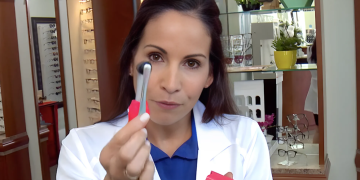
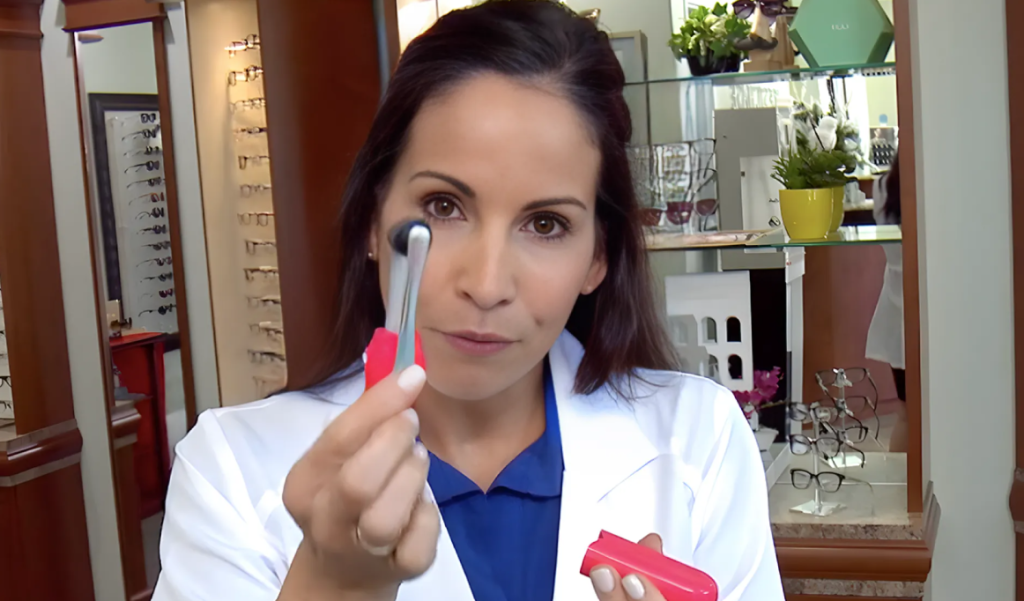
The Peeps eyeglass cleaner is a small, pocket-sized tool made by a company called CarbonKlean (also selling under the name CarbonKlean LLC / Panoramic Ecommerce LLC, based in Powell, Ohio). It’s designed to clean eyeglasses, sunglasses, and reading glasses without sprays, wipes, or liquid cleaning solution of any kind.
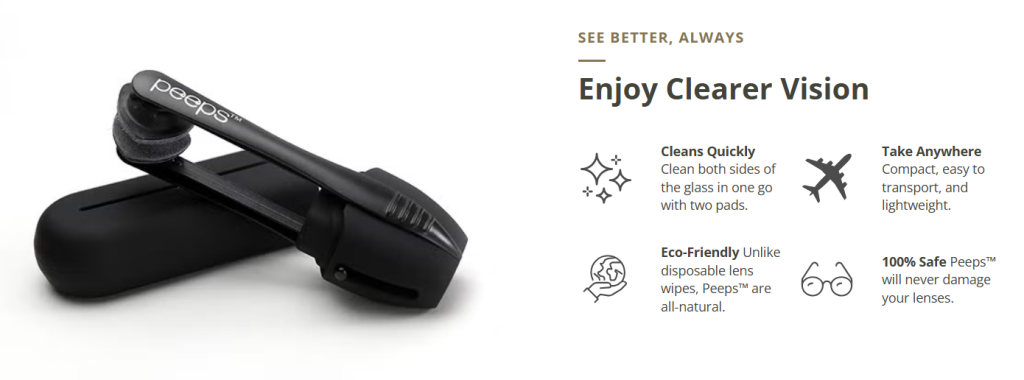
Physically, it’s about the size of a small pen or lipstick tube – roughly 4 x 1 x 1 inches – and it comes in a handful of colors and finishes (soft-touch, injected plastic, “Plus” and “Injected” versions with slightly different builds).
It does two things:
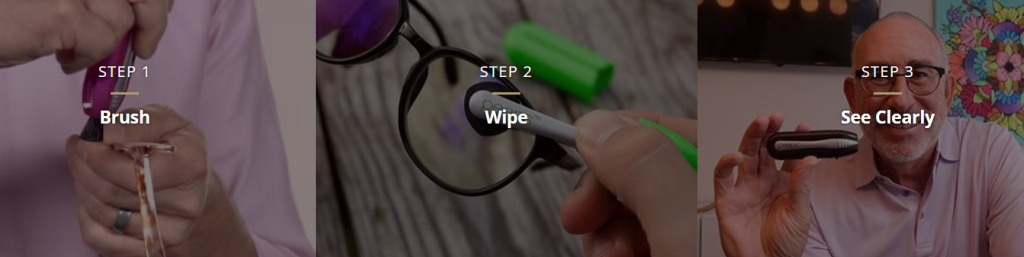
- A small retractable brush (often described as goat-bristle) that you use first, to sweep away loose dust and grit before it can scratch the lens.
- A pair of carbon-infused microfiber pads on a tweezer-like arm that you slide over each side of the lens to lift oil, fingerprints, and smudges.
The pitch is simple: no sprays, no disposable wipes, no cloth that eventually gets so grimy it just smears dirt back onto your lenses. The company advertises up to 500 uses per set of pads before you’d need replacements.
Why Are People Buying It? (The Hype vs. Reality)
If you look at the thousands of Peeps eyeglass cleaner reviews online, you’ll notice a huge surge in popularity. Why are people suddenly abandoning their trusty microfiber cloths?
- Microfiber Cloths Get Dirty: Have you ever noticed that your cleaning cloth stops working after a few weeks? That’s because it absorbs the oils from your face. When you wipe your glasses again, you are literally just smearing old forehead grease back onto your lenses.
- Liquid Cleaners Strip Coatings: Cheap liquid sprays often contain alcohol or harsh chemicals that can slowly eat away at expensive anti-reflective (AR) or blue-light coatings on your lenses.
- Convenience: People want something they can throw in their car console or purse without worrying about a bottle leaking.
My Real Experience: Testing the Peeps Lens Cleaner
I ordered the Peeps cleaner directly, paying about $19.99 for the soft-touch version.
Week 1: The Initial Test
My first impression was that the build quality is solid. It’s about 4 inches long, shaped like a thick marker pen, and feels durable.
I tested it first on my daily reading glasses. I used the retractable goat-bristle brush to dust off some lint. Then, I pulled the cap off, revealing the carbon pads. I squeezed the tweezer-like arms over the lens and rubbed in a circular motion.
The result? It took about 10 seconds, and the lens was flawlessly clear. No streaks. No weird blue film left behind. Just crystal-clear glass. It truly felt like I was looking through HD vision again.
Week 2: The Sunglasses Challenge
Next, I took it to the beach to test it on my polarized sunglasses. Sunscreen, sweat, and sea breeze usually wreck my shades.
Here is where I found a slight learning curve. Because my sunglasses are heavily curved (wraparound style), I had to angle the Peeps pads carefully to reach the very edges of the frame. Also, when my glasses had a thick layer of oily sunscreen on them, the Peeps pads struggled a bit on the first pass. I had to wipe the heavy oil off with my shirt first, and then use Peeps to get that streak-free finish.
Week 4: The Longevity Test
After a month of daily use, the carbon pads are still working perfectly. CarbonKlean claims the device is good for 500 uses. How? Because every time you slide the pads back into the cap, friction recharges the pads with fresh carbon compound stored inside the cap. It’s actually a brilliant design.
How the Carbon Microfiber Technology Works
Here’s the mechanism, in plain terms, based on the company’s own product description and what’s on the retail listings:
- The pads are microfiber that’s been treated or “charged” with a carbon compound.
- Carbon has a very fine, slightly abrasive-but-soft texture at a microscopic level, which is supposed to lift oils off a lens surface rather than just pushing them around the way a plain cloth can.
- Every time you slide the pads back into their case, friction between the pads is supposed to “recharge” the carbon on the surface, which is the basis for the reusability claim.
Is this a real, sound principle? Carbon-based microfiber cleaning cloths are a legitimate product category – you can find similar carbon-infused cloths sold for camera lenses and eyewear from several manufacturers, not just this one. So the underlying idea isn’t fabricated. Whether this specific product, at this specific price, performs meaningfully better than a good microfiber cloth is the part that’s genuinely debated in the reviews, which we’ll get into.
About That “NASA” Claim
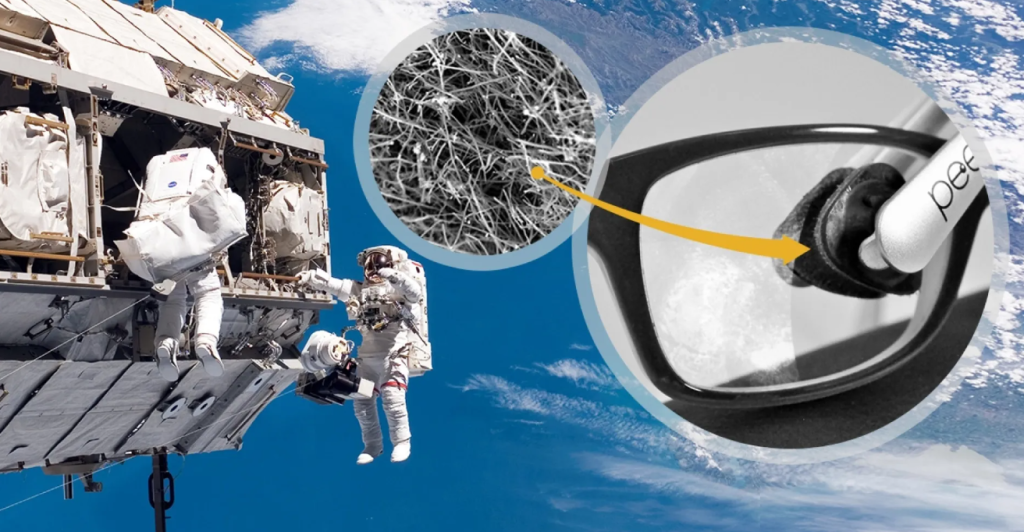
You’ll see this everywhere in Peeps marketing: “the same lens cleaning kit NASA uses,” “exclusively used by NASA,” “aerospace technology.” It’s a central part of the pitch, and it shows up on the Amazon listings, the brand’s own site, and most affiliate write-ups about the product – including a press release the company itself distributed through Newswire.com.
Here’s the honest position on that: this is a manufacturer marketing claim, and I could not find independent, third-party verification of it – no NASA press release, procurement record, or independent news source confirming NASA’s use of this specific consumer product. That doesn’t automatically make it false, but a claim repeated only by the company selling the product (and by paid press releases and affiliate blogs quoting that company) isn’t the same as a verified fact. If you’re the type of buyer who wants confirmation before believing a “used by NASA” label, you should treat it as unverified rather than settled.
How I Researched This Review
To be transparent about where the information in this article comes from, here’s what I actually did:
- Read through customer reviews on the Amazon and Walmart product listings for Peeps / CarbonKlean lens cleaners
- Reviewed the Better Business Bureau’s complaint and review record for CarbonKlean LLC
- Read Trustpilot reviews left specifically for carbonklean.com
- Read the CarbonKlean Peeps listing and reviews on ProductReview.com.au, which has a large volume of Australian buyer feedback
- Compared claims made on the brand’s own website against what’s independently verifiable
I did not buy the product myself for this piece, and I’m not going to pretend I did. What follows is a synthesis of what real buyers – not me – reported experiencing.
Key Features of the Peeps Eyeglass Lens Cleaner
Let’s break down exactly what makes the Peeps best eyeglass cleaner stand out from the competition.
1. The Retractable Dust Brush
Never wipe a lens without brushing it first. Microscopic dirt and dust particles act like sandpaper. If you rub them into your lens with a cloth, you create permanent scratches. The built-in retractable brush safely sweeps these particles away.
2. Invisible Carbon Technology
The dry-clean carbon pads actively absorb facial oils and fingerprints rather than just pushing them around. Because it uses zero liquids, it is 100% safe for all premium lens coatings (anti-reflective, anti-glare, blue-light blocking, and prescription sunglasses).
3. Self-Cleaning Cap
This is my favorite feature. The friction mechanism inside the cap replenishes the carbon on the microfiber pads every time you put it away. You don’t have to wash it like a dirty microfiber rag.
4. Eco-Friendly & Long-Lasting
You get up to 500 cleanings per unit. If you clean your glasses twice a day, one Peeps cleaner will last you the better part of a year. This heavily cuts down on the waste associated with disposable alcohol wipes.
What Real Peeps Eyeglass Cleaner Reviews Say
This is where the picture gets interesting, because it’s not a simple “everyone loves it” or “everyone hates it” situation. It splits pretty cleanly along two lines: how well it cleans, and how the company handles orders and refunds. Those are two different questions, and a lot of affiliate content blends them together. Let’s separate them.
What people like
Across Amazon, Walmart, and even the more critical review sites, a consistent set of positives comes up:
- Speed and convenience. Reviewers who like it mention it takes seconds, no liquid to carry, no wipes to throw away.
- Pocket size. People genuinely appreciate being able to keep one in a bag, car, or desk drawer.
- No residue. Several long-term users specifically say it doesn’t leave the streaky film that spray cleaners sometimes do.
- Works across coatings. Users report using it on anti-reflective, blue-light, and prescription sunglass lenses without visible coating damage.
- Repeat buyers. A number of reviewers mention this being their second or third purchase, which is a reasonably good trust signal for the physical product itself.
What people complain about
The negative reviews cluster around two very different issues, and it’s worth knowing the difference before you buy.
1. Cleaning performance complaints (about the product itself):
- The most common complaint is that it “smears” oily fingerprints around rather than lifting them, especially on lenses that are already fairly greasy before you start.
- Some reviewers say the pads lose effectiveness well before the advertised 500-use mark – a handful mention noticeable drop-off after 20–300 uses depending on the reviewer.
- A few users with rimless frames specifically say the tool struggles more on that style, since there’s more exposed lens edge to catch smears.
- One recurring piece of advice from reviewers themselves: pre-wipe heavier oil or grease with a cloth first, then use the Peeps pads for the fine finish – treating it as a second step rather than a total replacement for a cloth.
2. Order, delivery, and refund complaints (about the company, not the product):
This is the part that surprised me most doing this research, and it’s the part I think matters more for your buying decision. On the Better Business Bureau’s profile for CarbonKlean LLC, the business currently holds an F rating, with 84 complaints filed against it and a record of failing to respond to 42 of them. The complaints follow a very repetitive pattern:
- Orders placed and charged, with no product shipped for weeks or months
- Customer service emails going unanswered, or automated replies only
- Phone numbers listed on the site or order confirmation being disconnected or invalid
- Refunds only being issued after a customer escalated to the BBB, disputed the charge with their bank, or threatened to
- Several complainants noting that a “full refund if not satisfied” guarantee on the website was not honored in practice
On Trustpilot’s page for carbonklean.com, the same pattern shows up repeatedly across dozens of reviews – non-delivery, unresponsive support, and refunds obtained only through a payment dispute. On ProductReview.com.au, the CarbonKlean Peeps listing sits at 4.5 out of 5 stars from 66 reviews, with complaints spanning both the smearing issue above and the same non-delivery pattern.
I want to be fair here: not every review is negative, and some buyers report fast shipping and a product that does exactly what’s advertised. Companies with high order volume, including legitimate ones, do accumulate complaints. But the volume, consistency, and the BBB’s own “failure to respond” tracking on this particular business is a genuinely different level of red flag than “some people didn’t love the cleaning performance.” That’s a customer-service and fulfillment problem, and it’s worth knowing about before you hand over payment details.
Important: Where You Buy It Matters
This is the single most useful thing I can tell you in this whole review, and it’s the thing most affiliate sites skip entirely.
The non-delivery and no-refund complaints above are overwhelmingly tied to orders placed directly through the manufacturer’s website or its ad-driven checkout/landing pages – the kind of page you land on after clicking a Facebook or Instagram ad, sometimes with countdown timers and “50% off ends soon” messaging. Once you’re on that kind of direct checkout flow, you’re relying entirely on the company’s own customer service if something goes wrong, and the BBB record above shows that this hasn’t gone well for a lot of people.
By contrast, when the same product is sold through Amazon or Walmart’s marketplace, you get that platform’s standard buyer protections – easy returns, A-to-Z type guarantees, and a much faster path to a refund if the item doesn’t show up or doesn’t work. The reviews on those marketplace listings are still mixed on cleaning performance (see above), but you don’t see the same “never received it, never got a refund” pattern that dominates the BBB and Trustpilot complaints about direct orders.
Practical takeaway: if you decide to try a Peeps cleaner, buying it through an established marketplace listing rather than a standalone ad landing page gives you a real safety net if things go wrong. It’s the difference between “the product wasn’t amazing” and “I’m out $80 and nobody will answer my emails,” and those are very different problems to have.
Check This Also:- Renewa EyeLift Reviews 2026: Do These Light Therapy Glasses Actually Works?
How to Spot a Fake Peeps Cleaner
Adding another layer to this: there are also confirmed counterfeit versions of this product circulating on third-party marketplace listings, according to buyer feedback in Amazon’s own Q&A section for the product. A few reviewers who compared a genuine unit against a suspected fake pointed out two visual differences:
| Feature | Genuine Peeps | Reported Counterfeit |
|---|---|---|
| Pad shape | Rounded rectangle | Round |
| Logo mark | ® (registered trademark symbol) | ™ (trademark symbol only) |
If you’re buying from a third-party seller rather than the brand’s own storefront on a marketplace, it’s worth zooming in on product photos and checking seller ratings before you buy – this is generally good practice for any small, easily-copied accessory product, not just this one.
Pros and Cons
Pros
- Genuine, patent-style carbon microfiber cleaning concept – not a fabricated or nonexistent product
- No sprays, liquids, or disposable wipes needed
- Very compact and easy to carry daily
- Many long-term users report it working well on daily dust and light fingerprints
- Reports of coating-safe use on anti-reflective and specialty lenses
- Sold through legitimate, returnable marketplace channels (Amazon, Walmart)
Cons
- Reviews are genuinely split on whether it removes oily smudges or just spreads them
- Some users report pad effectiveness dropping well before the advertised 500-use mark
- The “used by NASA” claim is unverified outside the company’s own marketing
- CarbonKlean LLC holds an F rating with the BBB and a documented pattern of unfulfilled direct-website orders and refund disputes
- Counterfeit units exist on some third-party listings
- Pricier per unit than a basic microfiber cloth, with the value proposition resting on the 500-use claim holding up, which isn’t consistent across reviews
Peeps vs. Alternatives: How It Compares
| Tool | No liquid needed? | Portable? | Typical cost | Best at | Watch out for |
|---|---|---|---|---|---|
| Peeps carbon cleaner | Yes | Yes, pocket-sized | ~$20-$35 per unit | Daily dust and light smudges, on the go | Mixed reviews on oily smudges; buy via marketplace, not direct checkout |
| Plain microfiber cloth | Yes | Yes | $5-$15 for a multi-pack | Everyday touch-ups, cheap and replaceable | Gets oily over time and can smear if not washed regularly |
| Spray + cloth combo | No | Somewhat | $8-$20 | Cutting through heavier grease and makeup residue | Extra step; some sprays aren’t safe for all coatings – check the label |
| Alcohol wipes | No (single-use) | Yes | $6-$12 for a pack | Disinfecting plus cleaning in one step | Disposable, ongoing cost, and not all formulas are coating-safe |
| Other carbon-pad cleaners (non-Peeps brands) | Yes | Yes | ~$10-$25 | Same core concept at a lower price point | Quality varies widely by brand; check independent reviews first |
The honest takeaway from this comparison: the core idea behind Peeps isn’t unique to that one brand – carbon-treated microfiber cleaning tools exist from several manufacturers at a range of price points. What you’re really weighing when you consider Peeps specifically is the brand’s price point and the ordering-channel risk discussed above, not a totally exclusive technology.
Who Should Buy the Peeps Eyeglass Cleaner
- You wear glasses every day and are genuinely tired of a grimy microfiber cloth
- You travel or commute a lot and want something pocket-sized with zero liquid to leak or spill
- You’re comfortable buying through Amazon or Walmart (rather than a direct ad checkout page) so you have a normal return path if it doesn’t work for you
- You’re realistic that it may work better on dust and light smudges than on heavy, oily grime – and you’re fine pre-wiping tougher spots with a cloth first
Who Should Skip It
- You want a single tool guaranteed to remove heavy, oily smudges in one pass – reviews suggest that’s not consistent
- You’re only able to buy through a direct website checkout or an ad landing page, and you’re not comfortable with the refund/fulfillment risk documented above
- You’d rather just replace a $10 pack of microfiber cloths every few months than bet on a reusable tool holding up to its 500-use claim
- You need something for very heavy makeup or sunscreen residue – a spray or wipe is probably a better fit for that specific job
How Much Does the Peeps Eyeglass Cleaner Cost?
Based on order totals referenced in customer reviews and complaint filings, a single Peeps unit typically runs somewhere in the $20–$35 range at list price, with the brand frequently running “buy more, get more free” bundle promotions and site-wide discounts in the 40-50% off range. Multi-packs (5, 6, or 10 units) naturally run higher, with several complainants referencing orders in the $80–$135 range for bundle purchases. Prices and promotions change often with this type of direct-to-consumer brand, so treat any specific number as a ballpark rather than current pricing – check the live listing before you buy.
FAQs About Peeps
What is the Peeps eyeglass cleaner?
It’s a small, reusable, pocket-sized tool made by CarbonKlean that uses a retractable brush and carbon-treated microfiber pads to clean eyeglass lenses without sprays or liquid.
How does the Peeps eyeglass cleaner work?
You use the brush first to sweep away dust, then slide the carbon pads over each side of the lens to lift oils and fingerprints. Sliding the pads back into the case is supposed to refresh the carbon surface for reuse.
Is the Peeps eyeglass cleaner good for anti-reflective or coated lenses?
Multiple reviewers report using it on anti-reflective, blue-light, and prescription sunglass coatings without visible damage, though there’s no independent lab testing confirming coating safety across every lens type.
How much does the Peeps eyeglass cleaner cost?
Individual units generally run about $20-$35, with the brand often running bundle discounts. Check the current listing price, since promotions change frequently.
Is the Peeps eyeglass cleaner worth buying?
It depends on where you buy it and what you expect. If you buy through a marketplace with return protection and treat it as a daily-dust-and-light-smudge tool rather than a fix for heavy grease, many users find it worth it. If you’re expecting flawless performance on every smudge type, reviews suggest you may be disappointed.
Is the Peeps eyeglass cleaner legit, or is it a scam?
The product itself is real and sold through legitimate retailers like Amazon and Walmart. However, the manufacturer, CarbonKlean LLC, has an F rating with the Better Business Bureau and a documented pattern of complaints about non-delivery and refund issues tied to direct website orders. “Legit product, risky direct-order channel” is the fairest summary.
Are there Peeps eyeglass cleaner reviews on Consumer Reports?
As of this writing, we found no published Consumer Reports review or rating for this specific product. If you see a site claiming a “Consumer Reports verdict” on Peeps, treat it with skepticism unless it links to an actual Consumer Reports article.
Does the Peeps eyeglass cleaner really last 500 uses?
That’s the manufacturer’s claim, and some long-term users say it holds up reasonably well. Other reviewers report noticeable performance drop-off well before 500 uses. Results seem to vary by how oily the lenses are and how much pressure is used.
Is the Peeps eyeglass cleaner actually used by NASA?
That’s a marketing claim repeated across the brand’s listings and press materials, but we could not find independent confirmation from NASA or an unrelated news source. Treat it as an unverified vendor claim rather than a confirmed fact.
Where should I buy the real Peeps eyeglass cleaner?
Based on the complaint patterns above, a marketplace listing (Amazon or Walmart) with normal buyer protection is a safer purchase path than a direct website or ad landing page checkout.
How can I tell if my Peeps cleaner is a counterfeit?
Genuine units reportedly have rounded-rectangle pads and a ® symbol next to the logo. Reported counterfeits have round pads and a ™ symbol instead.
Can the Peeps eyeglass cleaner clean phone or laptop screens?
The brand sells a separate product line (ScreenKlean/SmartKlear) for screens. Some reviewers mention using the eyeglass pads on screens too, but we’d recommend checking your device manufacturer’s cleaning guidance first, since screen coatings vary.
What’s the best way to clean glasses without scratching the lenses?
Rinse or brush off loose dust first (never wipe dry grit straight across the lens), then use a clean microfiber cloth, a carbon pad tool, or a lens-safe spray, and avoid paper towels or your shirt, which can carry abrasive fibers.
What are good alternatives to the Peeps eyeglass cleaner?
A quality microfiber cloth (washed regularly), a lens-safe spray-and-cloth combo, or other carbon-pad cleaning tools from different manufacturers are all reasonable alternatives, generally at a lower price point.
Peeps reviews consumer reports: What do users say?
Most consumer reviews highlight that Peeps is excellent for daily smudge removal and portability. However, some users note a learning curve, mentioning that you must use circular motions to avoid smearing, and it can be tricky to clean the very edges of certain frame shapes.
Final Verdict
The Peeps eyeglass cleaner isn’t a fake product, and it isn’t a miracle either – it’s a real, carbon-treated microfiber cleaning tool with genuinely mixed reviews on cleaning performance, sitting on top of a company with a rough track record on direct-order fulfillment and refunds. If the pocket-sized, no-liquid concept appeals to you, the sensible move is to buy it through a marketplace listing where you’re covered if it doesn’t work out, treat it as a daily-maintenance tool rather than a fix for heavy grease, and keep your expectations grounded in what actual buyers report rather than the “NASA-grade” marketing language.
If that sounds like a reasonable trade-off for you, it’s worth a try. If you’d rather not deal with any of the uncertainty above, a good microfiber cloth and a lens-safe spray will get you most of the way there for a fraction of the cost.