
Choosing the right smartwatch can feel overwhelming with hundreds of options flooding the market. Whether you’re a marathon runner, casual gym-goer, swimmer, or cycling enthusiast, the smartwatch you pick should align perfectly with your specific fitness objectives.
The wrong choice means wasted money on features you’ll never use, or worse, missing critical tracking capabilities you actually need. The right smartwatch becomes your personal fitness coach, health monitor, and motivation partner rolled into one device.
In this comprehensive guide, you’ll discover exactly how to match smartwatch features with your fitness goals, which brands excel at specific activities, and how to avoid common purchasing mistakes. By the end, you’ll know precisely which smartwatch deserves a spot on your wrist.
Understanding Your Fitness Goals Before Buying
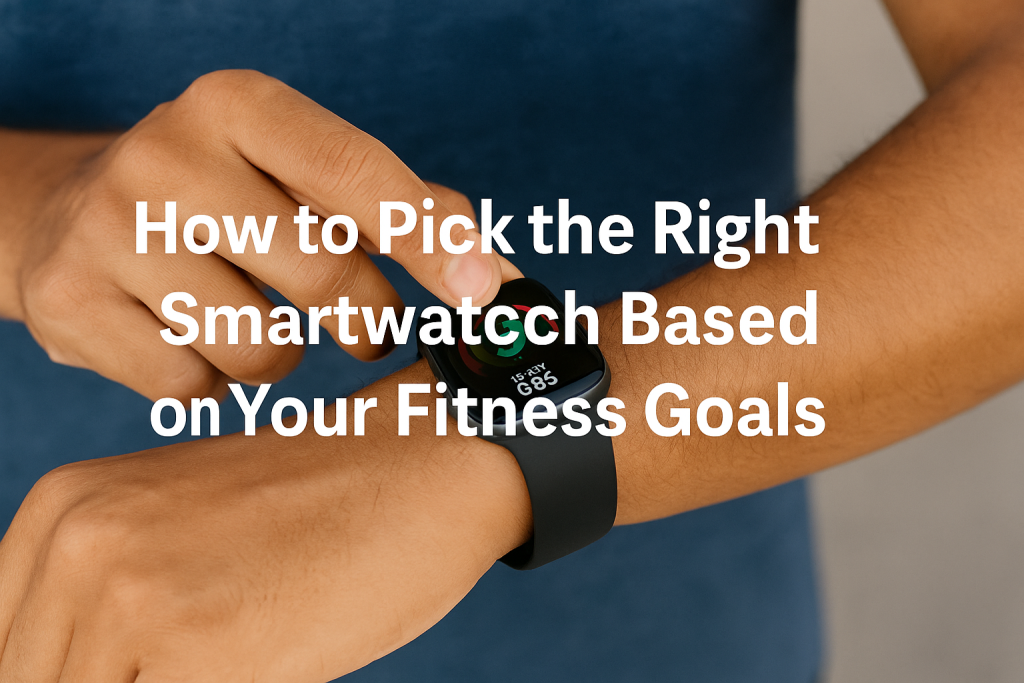
Before diving into specifications and brand comparisons, take a moment to define your primary fitness objectives. Your goals will directly determine which smartwatch features matter most.
Types of Fitness Goals
Different activities demand different tracking capabilities:
Cardiovascular Training Goals Runners, cyclists, and swimmers need accurate GPS tracking, heart rate monitoring, and detailed pace metrics. If you’re training for a marathon or triathlon, advanced running dynamics and VO2 max estimation become essential features.
Strength Training and Bodybuilding Weight lifters benefit from rep counting, workout recognition, and recovery tracking. Heart rate zones matter less here than exercise logging and progress tracking over time.
Weight Loss and General Wellness For general health improvement, focus on all-day activity tracking, calorie monitoring, sleep analysis, and stress management features. Comprehensive health insights help you stay accountable to daily movement goals.
Multi-Sport and Cross-Training Athletes who mix activities need versatile devices with multiple sport modes, automatic activity detection, and seamless transitions between different workout types.
Setting Realistic Expectations
No single smartwatch excels at everything. Ultra-runners might sacrifice smart features for battery life, while casual exercisers might prioritize notifications over advanced performance metrics. Understanding this trade-off helps you make smarter purchasing decisions.
Key Smartwatch Features That Match Fitness Goals
Different fitness pursuits require specific smartwatch capabilities. Let’s break down which features matter most for various activities.
GPS Accuracy and Tracking
GPS quality varies significantly between devices and directly impacts activity tracking reliability.
When GPS Matters Most:
- Outdoor running and route mapping
- Cycling distance and speed tracking
- Open water swimming navigation
- Hiking and trail activities
GPS Technology Types: Multi-band GPS provides superior accuracy in challenging environments like urban canyons or dense forests. Standard GPS works fine for most recreational activities but may drift in areas with poor satellite coverage.
Budget devices often use connected GPS, meaning they rely on your phone’s GPS chip. This saves battery but requires carrying your phone during workouts.
Heart Rate Monitoring Technology
Heart rate tracking forms the foundation of effective cardiovascular training and overall health monitoring.
Optical Heart Rate Sensors Most smartwatches use LED lights to measure blood flow through your wrist. Accuracy improves with proper fit and clean sensors. These work well for most activities but may struggle during high-intensity interval training or weightlifting.
Chest Strap Compatibility Serious athletes often prefer connecting external chest strap monitors for medical-grade accuracy during intense workouts. Check if your chosen smartwatch supports ANT+ or Bluetooth heart rate sensors.
Heart Rate Variability (HRV) Advanced devices track HRV to assess recovery status and readiness to train. This feature helps prevent overtraining and optimize workout scheduling.
Battery Life Considerations
Battery performance dramatically affects user experience and workout tracking reliability.
| Usage Type | Minimum Battery Life | Ideal Battery Life |
|---|---|---|
| Daily fitness tracking | 1-2 days | 5-7 days |
| Marathon training | 8-12 hours GPS | 20+ hours GPS |
| Ultra-running/hiking | 20+ hours GPS | 40+ hours GPS |
| Casual use | 2-3 days | 1-2 weeks |
Battery-Saving Features:
- Low-power GPS modes
- Customizable screen brightness
- Battery saver modes that disable non-essential features
- Solar charging capabilities on premium models
Water Resistance Ratings
Understanding water resistance ratings prevents costly mistakes and equipment damage.
5ATM (50 meters): Suitable for swimming in pools and shallow water activities. Most fitness smartwatches meet this standard.
10ATM (100 meters): Safe for recreational diving and serious swimming. Choose this if water sports form a regular part of your routine.
Dive-rated devices: Required only for professional diving activities. Overkill for most fitness enthusiasts.
Swimming-specific features include stroke detection, SWOLF scoring, pool length customization, and open water swimming modes.
Fitness Metrics and Analytics
The depth of data analysis varies dramatically between entry-level and premium smartwatches.
Basic Metrics (All Fitness Smartwatches):
- Steps and distance
- Active minutes
- Calories burned
- Sleep duration
Intermediate Metrics (Mid-Range Devices):
- Heart rate zones
- VO2 max estimation
- Training load and recovery time
- Cadence and stride length
Advanced Metrics (Premium Devices):
- Running power and dynamics
- Lactate threshold estimation
- Training effect and status
- Performance condition
- Ground contact time and balance
Consider which metrics actually motivate you. More data isn’t always better if you won’t use the insights to improve training.
Best Smartwatches for Specific Fitness Activities
Different sports and activities have unique tracking requirements. Here’s how to match devices with your primary fitness focus.
Running and Marathon Training
Runners need exceptional GPS accuracy, comfortable fit during long distances, and detailed performance metrics.
Essential Features:
- Multi-band GPS for accurate pace and distance
- Advanced running dynamics (cadence, vertical oscillation, ground contact time)
- Customizable data screens
- Interval training support
- Recovery time recommendations
- Route navigation and breadcrumb tracking
Battery Requirements: Marathon runners need at least 6-8 hours of continuous GPS tracking. Ultra-marathoners should target 20+ hours or devices with extended battery modes.
Form Factor: Lightweight designs with secure bands prevent bouncing and chafing during long runs. Screen readability in bright sunlight matters for checking pace mid-run.
Swimming and Water Sports
Swimmers require specialized tracking that works underwater with specific swim metrics.
Pool Swimming Features:
- Automatic stroke detection (freestyle, backstroke, breaststroke, butterfly)
- Lap counting and turn recognition
- SWOLF score calculation
- Drill mode for technique work
- Rest timer between sets
Open Water Swimming:
- GPS tracking for distance and route mapping
- Sighting alerts for navigation
- Safety features like incident detection
- Water temperature tracking
Important Considerations: Touchscreens don’t work underwater. Look for physical buttons for lap marking and data screens. Some devices automatically pause when you stop moving, which proves essential during rest intervals.
Cycling and Bike Training
Cyclists benefit from smartwatches that integrate with bike sensors and provide cycling-specific metrics.
Core Cycling Features:
- Speed, distance, and elevation tracking
- Compatibility with power meters and cadence sensors
- Turn-by-turn navigation
- Cycling-specific training plans
- Bike computer data field options
Road vs Mountain Biking: Road cyclists prioritize power metrics and performance data. Mountain bikers need rugged construction, trail navigation, and incident detection for safety.
Integration Options: Many serious cyclists prefer dedicated bike computers for the handlebars while using smartwatches for daily activity tracking and recovery monitoring. Ensure your smartwatch syncs with your primary training platform.
Strength Training and Gym Workouts
Weight training demands different tracking approaches than cardiovascular activities.
Strength Training Features:
- Automatic rep counting
- Exercise recognition
- Rest timer between sets
- Workout logging and progress tracking
- Heart rate zone monitoring during circuits
Gym-Friendly Design: Durability matters when lifting heavy weights. Sapphire crystal screens resist scratches from barbells and equipment. Comfortable bands that don’t trap sweat improve wearability during intense sessions.
Limitations to Understand: Automatic rep counting works inconsistently across different exercises. Many lifters manually log sets using companion apps rather than relying on automatic detection.
Yoga, Pilates, and Flexibility Training
Mind-body practices require smartwatches that track subtle movements and stress levels.
Relevant Features:
- Breath work guidance
- Stress tracking and relaxation timers
- Flexibility and balance metrics
- Workout duration and calorie estimates
- Heart rate variability for recovery assessment
What Doesn’t Matter: GPS tracking, running dynamics, and cycling metrics add no value for yoga practitioners. Focus on wellness features and daily activity monitoring instead.
Multi-Sport and Triathlon Training
Triathletes need seamless transitions between swimming, cycling, and running without missing data.
Multi-Sport Mode: Premium devices offer dedicated triathlon modes that switch activities with a single button press. This maintains continuous heart rate and time tracking across transitions.
Comprehensive Tracking: Look for devices that excel at all three disciplines rather than specializing in just one. This often means choosing established sports watch brands over general-purpose smartwatches.
Training Load Management: Triathlon training involves high volume across multiple disciplines. Advanced training load tracking prevents overtraining and helps balance swimming, cycling, and running workload.
Comparing Top Smartwatch Brands for Fitness
Understanding brand strengths helps narrow your choices based on fitness priorities.
Premium Sports Watch Brands
Garmin Strengths: Industry-leading fitness tracking, unmatched sport variety, exceptional battery life, detailed analytics Best for: Serious athletes, multi-sport training, marathon runners, cyclists Considerations: Steeper learning curve, less refined smart features than lifestyle brands
Polar Strengths: Exercise science foundation, accurate heart rate monitoring, excellent recovery tracking Best for: Endurance athletes, data-driven training, cyclists and runners Considerations: Smaller ecosystem, fewer smart features
COROS Strengths: Exceptional battery life, competitive pricing, strong GPS accuracy, growing feature set Best for: Ultra-runners, value-conscious athletes, minimalist interfaces Considerations: Smaller app ecosystem, fewer integrated services
Lifestyle Smartwatch Brands
Apple Watch Strengths: Seamless iPhone integration, polished user experience, comprehensive health features, massive app selection Best for: Casual fitness enthusiasts, iPhone users, daily activity tracking Considerations: Limited battery life, requires iPhone, less suited for serious endurance training
Samsung Galaxy Watch Strengths: Android integration, versatile features, good fitness tracking, attractive design Best for: Android users, balanced smart and fitness features, general wellness Considerations: Less specialized athletic features than dedicated sports watches
Fitbit (Google) Strengths: User-friendly interface, strong community features, accessible pricing, excellent sleep tracking Best for: Beginners, weight loss goals, daily wellness tracking Considerations: Less advanced athletic metrics, ecosystem uncertainty after Google acquisition
Budget-Friendly Fitness Options
Amazfit Offers impressive specifications at lower price points. Good for beginners testing smartwatch benefits before investing in premium devices.
Huawei and Honor Provide solid fitness tracking with attractive designs at mid-range prices. Best for those prioritizing value over cutting-edge features.
Xiaomi Mi Band Series Entry-level fitness trackers with basic smartwatch capabilities. Excellent starting point for fitness tracking newcomers.
Brand Selection Matrix
| Priority | Recommended Brands |
|---|---|
| Marathon/Ultra Running | Garmin, COROS, Polar |
| Triathlon Training | Garmin, Polar |
| Swimming | Garmin, Apple Watch, Polar |
| Cycling | Garmin, Wahoo, Polar |
| General Fitness | Apple Watch, Samsung, Fitbit |
| Budget Conscious | Amazfit, Huawei, Xiaomi |
| Multi-Sport Versatility | Garmin |
Smartwatch Features Beyond Fitness Tracking
Modern smartwatches offer capabilities that extend your investment value beyond workout tracking.
Smart Features and Connectivity
Notification Management Receive calls, texts, and app notifications directly on your wrist. This keeps you connected during workouts without constantly checking your phone.
Music Storage and Streaming Store playlists directly on your smartwatch for phone-free running. Premium devices support Spotify, Apple Music, and other streaming services with offline playback.
Contactless Payments Built-in NFC enables tap-to-pay functionality. Grab post-workout refreshments without carrying your wallet.
Voice Assistants Siri, Google Assistant, or Alexa integration allows hands-free control and quick information access.
Health Monitoring Capabilities
Sleep Analysis Advanced sleep tracking monitors sleep stages, duration, and quality. This data helps optimize recovery and training schedules.
Stress Management All-day stress tracking uses heart rate variability to identify high-stress periods. Guided breathing exercises help manage stress levels.
Blood Oxygen Monitoring (SpO2) Measures oxygen saturation levels during sleep and at altitude. Useful for detecting sleep disturbances and acclimatization during mountain activities.
Women’s Health Tracking Menstrual cycle monitoring, fertility windows, and symptom logging support comprehensive health management.
ECG and AFib Detection Premium devices offer medical-grade ECG capabilities and atrial fibrillation detection. These features require regulatory approval and aren’t available on all devices worldwide.
Safety Features
Fall Detection Automatically detects hard falls and sends emergency alerts if you don’t respond within a set timeframe.
Emergency SOS Quick access to emergency services and automated location sharing with emergency contacts.
Incident Detection Specialized feature for cycling and running that detects crashes and automatically alerts emergency contacts.
How to Choose the Right Size and Fit
Proper fit affects both comfort and tracking accuracy, making size selection crucial for smartwatch success.
Case Size Considerations
Small Wrists (Under 160mm circumference): Choose watches with case sizes between 38-42mm. Larger cases look disproportionate and may interfere with movement during activities.
Medium Wrists (160-190mm): Most standard sizes (42-45mm) work well. Consider your aesthetic preference and whether you want a prominent or subtle wrist presence.
Large Wrists (Over 190mm): Larger case sizes (45-49mm) provide better proportion and screen visibility. These often include larger batteries for extended battery life.
Band Material and Comfort
Silicone/Fluoroelastomer: Best for workouts due to sweat resistance and easy cleaning. Comfortable during extended wear and available in numerous colors.
Fabric/Nylon: Breathable and lightweight. Ideal for long-distance running but may absorb sweat and require more frequent washing.
Metal Links: Professional appearance for daily wear but uncomfortable during exercise. Many users swap bands based on activity.
Leather: Not recommended for fitness use due to sweat damage and lack of water resistance.
Fit for Accurate Heart Rate Tracking
Proper positioning ensures reliable heart rate data:
- Wear the watch snug but not tight, about one finger-width above your wrist bone
- Tighten the band slightly during workouts for better sensor contact
- Keep the back sensors clean and free from lotion or sunscreen
- Allow skin to breathe by loosening the watch between activities
Poor fit leads to inaccurate readings, especially during high-intensity exercise or activities with arm movement.
Budget Planning and Value Considerations
Smartwatches range from under $50 to over $1,000. Understanding value helps maximize your investment.
Price Tiers and Expected Features
Entry Level ($50-$150): Basic activity tracking, heart rate monitoring, smartphone notifications, 3-5 day battery life. Good for fitness beginners exploring smartwatch benefits.
Mid-Range ($150-$400): Built-in GPS, multiple sport modes, music storage, 5-7 day battery life, improved build quality. Suitable for regular exercisers and recreational athletes.
Premium ($400-$700): Advanced training metrics, multi-band GPS, comprehensive health monitoring, 7-14 day battery life, premium materials. Best for serious athletes and multi-sport training.
Ultra-Premium ($700+): Longest battery life, most durable construction, most advanced features, specialized capabilities. Designed for ultra-endurance athletes and professionals.
Cost-Benefit Analysis
Consider total cost of ownership:
Subscription Services: Some brands require subscriptions for advanced features. Factor these recurring costs into your budget planning.
Replacement Bands and Accessories: Budget for extra bands, screen protectors, and charging cables. These accessories extend device lifespan and versatility.
Upgrade Cycle: Fitness smartwatches typically last 3-5 years before battery degradation or outdated features justify replacement. Calculate annual cost across expected lifespan.
When to Buy
Best Times for Deals:
- Black Friday and Cyber Monday (November)
- New model release periods (spring and fall)
- End of year clearance sales
- Prime Day and similar retailer events
Previous Generation Models: Consider last year’s flagship models when new versions launch. These offer 80-90% of current features at 40-50% price reductions.
Common Mistakes to Avoid When Buying
Learn from others’ purchasing errors to make smarter smartwatch decisions.
Mistake 1: Prioritizing Features You Won’t Use
Many buyers choose devices with maximum features rather than focusing on capabilities they’ll actually use regularly. This leads to paying for advanced training metrics that remain unexplored or specialized sport modes that never get activated.
Solution: List your top 5 must-have features before shopping. Stick to this list rather than getting distracted by impressive-sounding capabilities you don’t need.
Mistake 2: Ignoring Ecosystem Compatibility
Purchasing a smartwatch incompatible with your smartphone or preferred fitness apps creates frustration and limits functionality.
Solution: Verify compatibility with your phone’s operating system and your primary fitness apps before buying. iPhone users get the best experience with Apple Watch, while Android users have more flexibility.
Mistake 3: Underestimating Battery Life Needs
Disappointment often stems from unrealistic battery expectations. Marketing claims show best-case scenarios, while real-world usage drains batteries faster.
Solution: Research actual user reviews for battery performance. Calculate your specific needs based on workout frequency and duration.
Mistake 4: Focusing Solely on Brand Names
Big brands don’t always offer the best value or features for your specific needs. Lesser-known brands sometimes provide better capabilities at lower prices.
Solution: Research specialized sports watch brands alongside mainstream options. Read independent reviews from actual athletes in your sport.
Mistake 5: Skipping the Return Window Test
Many buyers fail to thoroughly test their smartwatch during the return period, discovering issues after they can no longer return the device.
Solution: Test all key features within the first week. Take the watch on multiple workouts, verify GPS accuracy, test water resistance if relevant, and ensure comfortable fit before the return window closes.
Setting Up Your Smartwatch for Success
Proper configuration maximizes smartwatch effectiveness and ensures accurate tracking.
Initial Setup Steps
Profile Configuration: Enter accurate personal data including age, height, weight, gender, and fitness level. This information directly impacts calorie calculations, heart rate zone targets, and training recommendations.
Activity Goals: Set realistic daily goals for steps, active minutes, and calories. Start conservatively and increase targets as you build consistency.
Notification Preferences: Carefully choose which apps can send notifications. Too many interruptions defeat the purpose of focused workouts.
GPS Settings: Configure GPS preferences based on accuracy needs versus battery conservation. Most activities work fine with standard GPS rather than multi-band.
Customizing for Your Sport
Data Screens: Organize workout data screens to show your most important metrics. Runners might prioritize pace and heart rate, while cyclists focus on power and cadence.
Auto-Pause Settings: Configure automatic pause for traffic lights during running or rest periods during strength training.
Alerts and Notifications: Set pace alerts, heart rate zone notifications, and interval timers based on your training plan.
Sport-Specific Settings: Customize pool length for swimming, wheel size for cycling, or stride length calibration for running accuracy.
Integration with Fitness Apps
Connect Training Platforms: Sync with Strava, TrainingPeaks, MyFitnessPal, or your preferred fitness ecosystem for comprehensive data analysis and social features.
Third-Party App Permissions: Grant necessary permissions for seamless data transfer while protecting privacy on non-essential apps.
Automatic Upload Settings: Configure automatic activity uploads to save time and ensure consistent data tracking.
Maintaining Your Smartwatch for Longevity
Proper care extends your smartwatch lifespan and maintains tracking accuracy.
Daily Care Practices
Cleaning Routine: Rinse your smartwatch with fresh water after sweaty workouts or swimming in chlorinated pools. Gently clean the back sensors weekly with a soft cloth and mild soap.
Charging Habits: Avoid completely draining the battery regularly. Charge when the battery reaches 20-30% for optimal battery health long-term.
Band Maintenance: Rotate between multiple bands to allow each to dry completely between uses. This prevents odor buildup and extends band lifespan.
Software Updates
Regular Updates: Install firmware updates promptly for bug fixes, new features, and improved performance. Updates often enhance GPS accuracy and battery efficiency.
App Updates: Keep companion smartphone apps current for the best synchronization and feature access.
When to Replace
Battery Degradation: Significant battery life reduction (50% or more) indicates the need for battery replacement or device upgrade.
Physical Damage: Cracked screens or water damage typically aren’t worth professional repair given smartwatch replacement costs.
Obsolete Software: When your device stops receiving updates and loses compatibility with current apps, consider upgrading to maintain full functionality.
Making Your Final Decision
With all this information, you’re ready to choose the smartwatch that best fits your fitness journey.
Decision-Making Framework
Step 1: Define Your Primary Use Case Identify your main fitness activity and training goals. This narrows your options significantly.
Step 2: Set Your Budget Determine maximum spend while considering features that justify higher costs for your specific needs.
Step 3: List Must-Have Features Create a non-negotiable feature list based on your training requirements and daily needs.
Step 4: Compare Top Candidates Research 3-5 models that meet your criteria. Read reviews from athletes with similar goals.
Step 5: Verify Compatibility Confirm the device works with your smartphone and preferred fitness apps.
Step 6: Check Return Policies Ensure adequate time to test the device thoroughly before committing.
Trust Your Needs, Not Marketing
The “best” smartwatch is the one that matches your specific fitness goals, not the one with the most features or highest price tag. A runner doesn’t need advanced cycling metrics, and a yoga practitioner doesn’t benefit from running power data.
Stay focused on what actually helps you train better, track progress accurately, and stay motivated consistently.
Conclusion
Selecting the right smartwatch transforms your fitness journey from guesswork to data-driven progress. By matching device capabilities with your specific training goals, you invest in a tool that supports your health objectives rather than cluttering your wrist with unused features.
Remember these key takeaways:
Your fitness goals should drive feature requirements, not marketing promises. Runners need different capabilities than swimmers or strength trainers. Battery life, GPS accuracy, and sport-specific metrics matter more than generic specifications. Brand reputation in your specific sport indicates real-world performance better than general reviews.
Take time to research thoroughly, test during the return window, and configure your smartwatch properly from day one. The right device becomes an invaluable training partner that motivates, tracks, and guides your fitness progress for years.
Ready to find your perfect fitness companion? Use this guide to confidently choose the smartwatch that will help you crush your fitness goals and build lasting healthy habits.
FAQs About Right Smartwatch
Q: How accurate are smartwatch heart rate monitors compared to chest straps?
A: Modern smartwatch optical heart rate sensors typically achieve 90-95% accuracy during steady-state activities like jogging or cycling. However, during high-intensity interval training, rapid arm movements, or weightlifting, accuracy can drop to 80-85%. Chest straps using ECG technology remain the gold standard at 98-99% accuracy across all activities. For serious training where precise heart rate data impacts workout quality, consider pairing your smartwatch with a chest strap monitor. For general fitness tracking and daily health monitoring, smartwatch sensors provide sufficient accuracy for most users.
Q: Can I shower with my smartwatch if it’s water resistant to 5ATM?
A: While 5ATM water resistance means your smartwatch can withstand pressures equivalent to 50 meters underwater, manufacturers typically advise against showering with your device. Hot water and soap can damage the seals over time, and high-pressure water from showerheads can exceed the rated resistance despite shallow depth. Swimming in pools and shallow water poses no problems, but save your smartwatch from daily shower exposure to maximize its lifespan. Additionally, hot steam in showers can penetrate seals more easily than cold water.
Q: How often should I charge my smartwatch, and will frequent charging damage the battery?
A: Charging frequency depends on your usage patterns and device model. Most fitness smartwatches need charging every 1-7 days depending on GPS usage and features enabled. Modern lithium-ion batteries used in smartwatches don’t suffer from memory effect, so you can charge anytime without damaging the battery. However, avoid regularly draining to 0% or keeping at 100% for extended periods. Optimal practice involves charging when the battery reaches 20-30% and unplugging around 80-90% when convenient. This approach maximizes battery lifespan across the device’s 3-5 year useful life.
Q: Will my fitness smartwatch work with third-party fitness apps like Strava or MyFitnessPal?
A: Most major fitness smartwatches integrate with popular third-party fitness platforms, but compatibility varies by brand and model. Garmin, Apple Watch, Samsung Galaxy Watch, and Polar generally offer excellent third-party app support through their respective ecosystems. Before purchasing, verify that your preferred fitness apps are compatible with your chosen smartwatch by checking the app’s website or the smartwatch manufacturer’s integration list. Some integrations sync automatically after initial setup, while others require manual configuration. Data typically transfers in one direction from your smartwatch to the third-party app.
Q: Should I buy the newest smartwatch model or save money with last year’s version?
A: Previous-generation flagship smartwatches often provide outstanding value when new models launch. The feature improvements between consecutive years are typically incremental rather than revolutionary. You’ll usually get 80-90% of current capabilities at 40-50% lower prices. Consider last year’s model if you’re on a budget, new to fitness tracking, or the latest features don’t significantly impact your training goals. However, choose the current generation if you need the newest sensors, longest battery life, or specific new capabilities that directly support your fitness objectives. Always check that older models still receive software updates.