
Did you know that your bones are constantly breaking down and rebuilding themselves throughout your entire life? This remarkable process means that whether you’re 25 or 75, you have the power to influence your bone health starting today.
Weak bones affect millions of people worldwide, leading to fractures, reduced mobility, and decreased quality of life. Osteoporosis alone causes over 8.9 million fractures annually, resulting in an osteoporotic fracture every three seconds. The good news? Building stronger bones naturally is entirely possible through simple, evidence-based lifestyle changes.
In this comprehensive guide, you’ll discover 12 scientifically proven methods to strengthen your bones at any age, regardless of your current bone density. From nutrition strategies and targeted exercises to lifestyle modifications and natural supplements, we’ll cover everything you need to know to build and maintain healthy, resilient bones for life.
Understanding Bone Health: Why Strong Bones Matter at Every Age
Your skeletal system does far more than provide structural support. Bones protect vital organs, anchor muscles, store essential minerals like calcium and phosphorus, and produce blood cells in the bone marrow.
The Bone Remodeling Process
Bone remodeling is the continuous process where old bone tissue is removed (resorption) and new bone tissue is formed (formation). This cycle occurs throughout your life, with complete bone renewal happening approximately every 10 years.
In childhood and adolescence, bone formation significantly exceeds resorption, allowing bones to grow larger and denser. Peak bone mass typically occurs around age 30. After this point, resorption gradually begins to outpace formation, leading to natural bone density decline.
Age-Related Bone Changes
| Age Range | Bone Health Status | Key Considerations |
|---|---|---|
| 0-18 years | Rapid bone growth and development | Critical period for building bone mass |
| 19-30 years | Peak bone mass achievement | Last chance to maximize bone density |
| 31-50 years | Gradual bone density maintenance | Prevention strategies become crucial |
| 51+ years | Accelerated bone loss (especially post-menopause) | Active intervention needed to preserve bone health |
Understanding these changes helps you implement appropriate strategies for your age and current bone health status.
1. Optimize Your Calcium Intake for Maximum Bone Strength
Calcium is the primary mineral component of bone tissue, comprising about 99% of your body’s calcium stores. Adequate calcium intake is fundamental for building and maintaining strong bones.
How Much Calcium Do You Need?
The recommended daily calcium intake varies by age and gender:
- Adults 19-50 years: 1,000 mg daily
- Women 51+ years: 1,200 mg daily
- Men 51-70 years: 1,000 mg daily
- Men 71+ years: 1,200 mg daily
Best Calcium-Rich Foods for Bone Health
Getting calcium from food sources is generally more effective than supplements because foods contain other bone-supporting nutrients. Here are excellent natural sources:
Dairy Products:
- Plain yogurt (1 cup): 300-400 mg
- Milk (1 cup): 300 mg
- Cheddar cheese (1.5 oz): 300 mg
Non-Dairy Sources:
- Fortified plant milk (1 cup): 300-450 mg
- Sardines with bones (3 oz): 325 mg
- Tofu prepared with calcium sulfate (1/2 cup): 250-750 mg
- Collard greens, cooked (1 cup): 266 mg
- Kale, cooked (1 cup): 177 mg
- Bok choy, cooked (1 cup): 158 mg
Smart Calcium Absorption Tips
Simply consuming calcium isn’t enough; your body must absorb it effectively:
- Spread calcium intake throughout the day rather than consuming it all at once
- Take calcium supplements with food for better absorption
- Limit caffeine intake, which can reduce calcium absorption
- Avoid consuming calcium with high-fiber meals, as fiber can interfere with absorption
- Don’t take more than 500 mg of calcium at one time for optimal absorption
2. Ensure Adequate Vitamin D Levels for Bone Mineralization
Vitamin D acts as a critical partner to calcium by enhancing calcium absorption in the intestines. Without sufficient vitamin D, your body cannot effectively use the calcium you consume, regardless of how much you take in.
Vitamin D Requirements by Age
- Adults 19-70 years: 600 IU (15 mcg) daily
- Adults 71+ years: 800 IU (20 mcg) daily
Many bone health experts recommend higher levels, particularly for those at risk of deficiency or osteoporosis. The Endocrine Society suggests 1,500-2,000 IU daily for optimal bone health.
Natural Sources of Vitamin D
Sunlight Exposure: Your skin produces vitamin D when exposed to sunlight. Approximately 10-30 minutes of midday sun exposure several times per week can help maintain adequate levels, though this varies based on skin tone, geographic location, and season.
Food Sources:
- Fatty fish like salmon (3 oz): 570 IU
- Mackerel (3 oz): 360 IU
- Sardines (2 sardines): 46 IU
- Fortified milk (1 cup): 115-124 IU
- Fortified orange juice (1 cup): 100 IU
- Egg yolk (1 large): 41 IU
Testing and Supplementation
Consider getting your vitamin D levels tested, especially if you:
- Have limited sun exposure
- Live in northern latitudes
- Have darker skin
- Are over 50 years old
- Have conditions affecting nutrient absorption
Blood levels of 25-hydroxyvitamin D should ideally be between 30-50 ng/mL for optimal bone health.
Some Trending Health Product Reviews:
Sifts Microplastic Binding Supplement Review
Lumineye Nano Drop Review
Purely White Deluxe Review
Pulsetto Review
Larineco Chewing Gum Review
illo Wearable Pillow Sleep Mask Review
Yerba Magic Tea Powder Review
Synoshi PRO Review
3. Incorporate Weight-Bearing Exercises Into Your Routine
Physical activity is one of the most powerful natural bone-builders available. Weight-bearing and resistance exercises signal your body to strengthen bones by increasing bone density and improving bone architecture.
Types of Bone-Strengthening Exercises
High-Impact Weight-Bearing Exercises: These activities force you to work against gravity while staying upright:
- Dancing
- Hiking
- Jogging or running
- Jumping rope
- Stair climbing
- Tennis or other racquet sports
- Team sports (basketball, soccer, volleyball)
Low-Impact Weight-Bearing Exercises: Gentler options for those with joint concerns:
- Elliptical training
- Fast walking
- Low-impact aerobics
- Using stair-step machines
Resistance and Strength Training: These exercises use resistance to strengthen muscles and bones:
- Free weights
- Resistance bands
- Weight machines
- Bodyweight exercises (push-ups, squats, lunges)
Exercise Recommendations by Age
| Age Group | Recommended Exercise Frequency | Best Exercise Types |
|---|---|---|
| 20-40 years | 30-60 minutes, 5+ days/week | High-impact activities, intense strength training |
| 41-60 years | 30-45 minutes, 4-5 days/week | Mix of moderate-impact and strength training |
| 61+ years | 30 minutes, 4-5 days/week | Low-impact weight-bearing, balance exercises, gentle resistance training |
Creating an Effective Bone-Building Workout Plan
A comprehensive bone health exercise program should include:
- Weight-bearing cardio (20-30 minutes, 4-5 times weekly)
- Strength training (20-30 minutes, 2-3 times weekly)
- Balance exercises (10-15 minutes, 2-3 times weekly, especially important after age 50)
- Flexibility work (10-15 minutes daily)
Remember to start slowly if you’re new to exercise and gradually increase intensity. Always consult with healthcare professionals before beginning a new exercise program, especially if you have existing bone health concerns.
Some of Great Health Product Reviews
Akka Review
Reathlete Air-C Leg Massager Pro Review
Shiny Smile Veneers Review
Laughland Teeth Whitening Kit Review
Emma Relief Review
Liftly Insoles Review
EMSense EMS Foot Massager Review
4. Consume Adequate Protein for Bone Matrix Formation
Protein makes up approximately 50% of bone volume and about one-third of bone mass. It forms the structural matrix upon which minerals like calcium and phosphorus are deposited, making it essential for bone strength and density.
Protein Requirements for Optimal Bone Health
Research suggests that adequate protein intake supports bone health across all age groups:
- General adult recommendation: 0.8 grams per kilogram of body weight daily
- For bone health optimization: 1.0-1.2 grams per kilogram daily
- Older adults (65+): 1.0-1.5 grams per kilogram daily
For a 150-pound (68 kg) person, this translates to approximately 68-102 grams of protein daily.
Best Protein Sources for Bone Health
Animal-Based Proteins:
- Chicken breast (3 oz): 26 grams
- Salmon (3 oz): 22 grams
- Greek yogurt (1 cup): 20 grams
- Eggs (2 large): 12 grams
- Cottage cheese (1/2 cup): 14 grams
Plant-Based Proteins:
- Lentils (1 cup cooked): 18 grams
- Chickpeas (1 cup cooked): 15 grams
- Quinoa (1 cup cooked): 8 grams
- Tofu (1/2 cup): 10 grams
- Almonds (1/4 cup): 8 grams
Balancing Protein Intake Throughout the Day
For optimal bone health benefits, distribute protein intake evenly across meals:
- Breakfast: 20-30 grams
- Lunch: 20-30 grams
- Dinner: 20-30 grams
- Snacks: 5-10 grams as needed
This distribution supports continuous bone protein synthesis and helps maintain muscle mass, which also protects bones by reducing fall risk.
5. Maintain a Healthy Body Weight for Bone Protection
Your body weight has a significant impact on bone health. Being underweight increases fracture risk, while maintaining a healthy weight provides mechanical stress that stimulates bone formation.
The Weight-Bone Connection
Underweight Concerns: Body Mass Index (BMI) below 19 is associated with:
- Decreased bone mineral density
- Higher fracture risk
- Reduced protective padding during falls
- Potential hormonal imbalances affecting bone health
Healthy Weight Benefits: Maintaining a BMI between 19-25 provides:
- Optimal mechanical loading for bone strength
- Adequate hormone production for bone metabolism
- Better nutrient absorption and utilization
- Reduced fracture risk
Weight Management Strategies for Bone Health
If You’re Underweight:
- Increase calorie intake with nutrient-dense foods
- Focus on protein-rich meals and snacks
- Include healthy fats from avocados, nuts, and olive oil
- Work with a nutritionist to develop a healthy weight gain plan
- Address any underlying health conditions affecting weight
If You Need to Lose Weight:
- Lose weight gradually (1-2 pounds per week maximum)
- Maintain adequate protein intake during weight loss
- Continue weight-bearing exercise throughout
- Ensure sufficient calcium and vitamin D intake
- Avoid very low-calorie diets that can compromise bone health
6. Add Bone-Supporting Minerals to Your Diet
While calcium gets most of the attention, several other minerals play crucial roles in building and maintaining strong bones.
Magnesium: The Forgotten Bone Builder
Magnesium influences bone health by affecting bone matrix formation and regulating calcium metabolism. Approximately 60% of your body’s magnesium is stored in bones.
Recommended intake: 310-420 mg daily
Best sources:
- Pumpkin seeds (1 oz): 156 mg
- Spinach, cooked (1 cup): 157 mg
- Black beans (1 cup): 120 mg
- Almonds (1 oz): 80 mg
- Dark chocolate (1 oz): 64 mg
Vitamin K: Essential for Bone Mineralization
Vitamin K activates proteins that bind calcium to bone matrix, improving bone quality and reducing fracture risk.
Recommended intake: 90-120 mcg daily
Best sources:
- Kale (1 cup cooked): 544 mcg
- Spinach (1 cup cooked): 888 mcg
- Broccoli (1 cup cooked): 220 mcg
- Brussels sprouts (1 cup cooked): 218 mcg
Phosphorus: Calcium’s Partner
Phosphorus works alongside calcium in bone mineralization, with about 85% of your body’s phosphorus found in bones and teeth.
Recommended intake: 700 mg daily
Best sources:
- Salmon (3 oz): 252 mg
- Chicken breast (3 oz): 196 mg
- Lentils (1 cup): 356 mg
- Pumpkin seeds (1 oz): 332 mg
Zinc: Supporting Bone Formation
Zinc is required for bone-building cell activity and collagen synthesis in bone tissue.
Recommended intake: 8-11 mg daily
Best sources:
- Oysters (3 oz): 74 mg
- Beef (3 oz): 7 mg
- Pumpkin seeds (1 oz): 2.2 mg
- Chickpeas (1 cup): 2.5 mg
7. Limit Bone-Depleting Substances and Habits
Certain lifestyle habits and substances can interfere with bone health by reducing bone density, impairing calcium absorption, or increasing bone loss.
Sodium: Reduce Excessive Salt Intake
High sodium intake increases calcium excretion through urine, potentially weakening bones over time.
Actionable tips:
- Limit sodium to less than 2,300 mg daily
- Choose fresh foods over processed options
- Use herbs and spices instead of salt for flavor
- Read nutrition labels and choose low-sodium products
- Rinse canned foods to remove excess sodium
Caffeine: Moderate Your Consumption
Excessive caffeine can interfere with calcium absorption and increase calcium excretion.
Guidelines:
- Limit caffeine to 300 mg daily (about 3 cups of coffee)
- Add milk to coffee to offset potential calcium loss
- Avoid consuming caffeine with calcium supplements
- Consider timing caffeine consumption away from calcium-rich meals
Alcohol: Keep Intake Moderate
Excessive alcohol consumption interferes with calcium absorption, reduces vitamin D production, and may directly damage bone-building cells.
Recommendations:
- Women: Maximum 1 drink per day
- Men: Maximum 2 drinks per day
- Consider alcohol-free days each week
- Never binge drink, which is particularly harmful to bones
Smoking: Quit for Better Bone Health
Smoking reduces blood flow to bones, decreases calcium absorption, and interferes with bone-building cell function. Smokers have significantly higher fracture risk compared to non-smokers.
Benefits of quitting:
- Bone loss slows within weeks of quitting
- Fracture risk decreases over time
- Improved overall health supports bone health
- Better calcium absorption and utilization
8. Consider Natural Bone-Supporting Supplements
While food should be your primary source of nutrients, supplements can help fill gaps and support bone health when dietary intake is insufficient.
When to Consider Supplements
You might benefit from bone health supplements if you:
- Have documented nutrient deficiencies
- Follow restrictive diets (vegan, dairy-free)
- Have conditions affecting nutrient absorption
- Are at high risk for osteoporosis
- Cannot meet needs through diet alone
- Are over age 50 with declining bone density
Evidence-Based Supplement Options
Calcium Supplements:
- Calcium citrate: Better absorbed, can take with or without food
- Calcium carbonate: Requires stomach acid, take with meals
- Dosage: 500 mg maximum per dose for optimal absorption
Vitamin D3 (Cholecalciferol):
- More effective than D2 for raising blood levels
- Typical dosage: 1,000-2,000 IU daily
- Take with fat-containing meals for better absorption
Collagen Peptides: Research suggests collagen supplementation may support bone density and reduce bone loss.
- Typical dosage: 5-10 grams daily
- Take consistently for at least 3-6 months
Omega-3 Fatty Acids: May help reduce bone loss and improve calcium absorption.
- Dosage: 1,000-2,000 mg EPA/DHA daily
- Choose high-quality, tested products
Supplement Safety Considerations
- Consult healthcare providers before starting supplements
- Avoid mega-doses beyond recommended limits
- Choose third-party tested products
- Be aware of potential interactions with medications
- Monitor for side effects like digestive discomfort
9. Prioritize Quality Sleep for Bone Regeneration
Sleep plays a vital yet often overlooked role in bone health. During deep sleep, your body releases growth hormone, which stimulates bone formation and repair.
The Sleep-Bone Health Connection
Research shows that:
- People sleeping less than 6 hours nightly have lower bone mineral density
- Sleep deprivation may increase bone breakdown markers
- Poor sleep quality is associated with higher fracture risk
- Sleep disruptions affect hormone balance critical for bone health
Sleep Recommendations for Optimal Bone Health
Target Duration:
- Adults: 7-9 hours per night
- Older adults: 7-8 hours per night
Sleep Quality Tips:
- Maintain consistent sleep and wake times
- Create a dark, cool sleeping environment
- Limit screen time 1-2 hours before bed
- Avoid caffeine after 2 PM
- Establish a relaxing bedtime routine
- Address sleep disorders like sleep apnea promptly
Sleep Positions for Bone Health
Consider your sleeping position if you have existing bone health concerns:
- Back sleeping distributes weight evenly
- Side sleeping with pillow between knees reduces stress
- Avoid stomach sleeping, which can strain bones and joints
- Use supportive mattresses and pillows
10. Manage Stress to Protect Your Bones
Chronic stress negatively impacts bone health through multiple pathways, including hormonal changes and inflammatory processes that increase bone breakdown.
How Stress Affects Bone Health
Cortisol Impact: Prolonged stress elevates cortisol, which:
- Reduces calcium absorption in the intestines
- Increases calcium excretion through kidneys
- Inhibits bone-building cell activity
- Promotes bone breakdown
Inflammation: Chronic stress triggers inflammatory responses that can accelerate bone loss and impair bone formation.
Stress Management Strategies for Bone Health
Mind-Body Practices:
- Meditation (10-20 minutes daily)
- Deep breathing exercises
- Yoga (combines stress relief with bone-strengthening)
- Progressive muscle relaxation
- Tai Chi (especially beneficial for older adults)
Lifestyle Modifications:
- Regular physical activity (reduces stress hormones)
- Adequate sleep (supports stress recovery)
- Social connections (buffer against stress)
- Time in nature (reduces cortisol levels)
- Hobbies and enjoyable activities
Professional Support:
- Counseling or therapy for chronic stress
- Stress management programs
- Support groups
- Mindfulness-based stress reduction courses
11. Get Regular Bone Density Screenings
Early detection of bone loss allows for timely intervention before significant damage occurs. Regular screenings help monitor bone health and guide treatment decisions.
Who Should Get Screened?
Recommended screening guidelines:
- All women age 65 and older
- Women under 65 with risk factors
- All men age 70 and older
- Men 50-69 with risk factors
- Anyone with a fracture after age 50
- People taking medications that affect bone health
Risk factors include:
- Family history of osteoporosis
- Previous fractures from minor trauma
- Early menopause
- Long-term steroid use
- Certain medical conditions
- Low body weight
- Smoking or excessive alcohol use
Understanding DEXA Scan Results
The DXA (dual-energy X-ray absorptiometry) scan is the gold standard for measuring bone density.
T-Score Interpretation:
| T-Score | Bone Health Status | Action Needed |
|---|---|---|
| -1.0 or above | Normal bone density | Continue preventive measures |
| -1.0 to -2.5 | Low bone mass (osteopenia) | Increase prevention efforts |
| -2.5 or below | Osteoporosis | Medical treatment recommended |
| -2.5 or below with fracture | Severe osteoporosis | Immediate medical intervention |
Follow-Up Screening Schedule
- Normal results: Repeat screening every 2 years
- Osteopenia: Annual or biannual screening
- Osteoporosis: Annual screening to monitor treatment
- After treatment changes: Screening as recommended by healthcare provider
12. Prevent Falls to Protect Your Bones
Fall prevention becomes increasingly important as we age, since even strong bones can break from high-impact falls, and weaker bones are more vulnerable to fracture from minor falls.
Home Safety Modifications
Reduce Fall Hazards:
- Remove loose rugs or secure them with non-slip backing
- Install grab bars in bathrooms
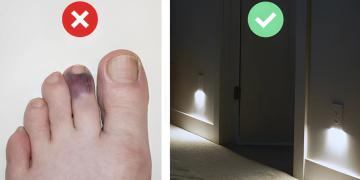
- Improve lighting throughout the home
- Clear clutter from walkways
- Secure loose electrical cords
- Use non-slip mats in bathtubs and showers
- Install handrails on both sides of stairways
Optimize Living Spaces:
- Keep frequently used items at accessible heights
- Arrange furniture to create clear pathways
- Use nightlights in hallways and bathrooms
- Ensure steps are clearly marked and well-lit
Balance and Stability Exercises
Incorporate balance training into your routine:
Beginner Exercises:
- Standing on one foot (hold for 10-30 seconds)
- Heel-to-toe walking
- Sitting and standing from chair without hands
Intermediate Exercises:
- Single-leg stands with eyes closed
- Tai Chi movements
- Balance board exercises
Advanced Exercises:
- Dynamic balance challenges
- Balance exercises on unstable surfaces
- Multi-directional movements
Vision and Medication Reviews
- Get annual eye exams to maintain optimal vision
- Update eyeglass prescriptions promptly
- Review medications with your doctor for side effects affecting balance
- Be cautious with medications causing dizziness or drowsiness
- Use assistive devices (canes, walkers) if recommended
Bone-Healthy Meal Planning Guide
Creating a bone-supportive eating pattern doesn’t need to be complicated. Here’s a practical approach to planning bone-healthy meals.
Sample Daily Meal Plan
Breakfast:
- Greek yogurt parfait with berries, almonds, and ground flaxseed
- Fortified orange juice
- Nutrient boost: 400 mg calcium, 200 IU vitamin D, 20g protein
Mid-Morning Snack:
- Cheese stick with whole-grain crackers
- Nutrient boost: 200 mg calcium, 8g protein
Lunch:
- Salmon salad with mixed greens, cherry tomatoes, and olive oil dressing
- Side of steamed broccoli
- Nutrient boost: 300 mg calcium, 600 IU vitamin D, 30g protein
Afternoon Snack:
- Smoothie with fortified plant milk, banana, and spinach
- Nutrient boost: 300 mg calcium, 100 IU vitamin D
Dinner:
- Grilled chicken with quinoa
- Sautéed bok choy and kale
- Nutrient boost: 250 mg calcium, 35g protein
Evening Snack (if desired):
- Small handful of almonds
- Nutrient boost: 75 mg calcium, 80 mg magnesium
Daily Totals: Approximately 1,525 mg calcium, 900 IU vitamin D, 100g protein
Weekly Shopping List Essentials
Dairy/Alternatives:
- Greek yogurt
- Milk or fortified plant milk
- Cheese varieties
- Cottage cheese
Proteins:
- Fatty fish (salmon, sardines, mackerel)
- Chicken breast
- Eggs
- Legumes (lentils, chickpeas)
- Tofu
Vegetables:
- Leafy greens (kale, collards, bok choy, spinach)
- Broccoli and Brussels sprouts
- Mixed salad greens
Fruits:
- Berries
- Oranges
- Bananas
Nuts and Seeds:
- Almonds
- Pumpkin seeds
- Chia seeds or ground flaxseed
Whole Grains:
- Quinoa
- Brown rice
- Whole-grain bread
- Oats
Conclusion: Your Action Plan for Stronger Bones
Building and maintaining strong bones naturally is a lifelong commitment that pays tremendous dividends in quality of life, independence, and overall health. The 12 strategies outlined in this guide provide a comprehensive, evidence-based approach to optimizing bone health at any age.
Key Takeaways
Remember these fundamental principles:
- Nutrition is foundational – Ensure adequate calcium, vitamin D, protein, and supporting minerals
- Movement matters – Regular weight-bearing and resistance exercises are non-negotiable
- Lifestyle choices count – Limit bone-depleting substances and habits
- Prevention is powerful – Start bone-building strategies early and maintain them consistently
- Monitoring is essential – Get regular bone density screenings and work with healthcare providers
Your Next Steps
Start implementing these bone-strengthening strategies today:
This Week:
- Schedule a bone density screening if you’re due
- Add one new calcium-rich food to your daily diet
- Begin a simple weight-bearing exercise routine
- Evaluate your home for fall hazards
This Month:
- Get your vitamin D levels tested
- Establish a consistent exercise schedule
- Review medications with your healthcare provider
- Make necessary home safety modifications
This Year:
- Build sustainable bone-healthy eating habits
- Progress your exercise routine gradually
- Address lifestyle factors affecting bone health
- Monitor your bone health markers
Remember, it’s never too early or too late to start caring for your bones. Small, consistent actions compound over time to create significant improvements in bone strength and density. Your bones support you every single day—now it’s time to support them.
Take action today and invest in your bone health for a stronger, more active future.
Frequently Asked Questions
Can you really rebuild bone density naturally after age 50?
Yes, you can improve bone density naturally even after age 50, though the process becomes more challenging with age. While you cannot fully reverse significant bone loss through natural methods alone, research demonstrates that combining proper nutrition (especially adequate calcium and vitamin D), regular weight-bearing exercise, and resistance training can slow bone loss and even modestly increase bone density in some individuals. The key is consistency and starting before severe bone loss occurs. Those with osteoporosis should work closely with healthcare providers to determine if medication is necessary alongside natural approaches.
How long does it take to see improvements in bone density?
Bone remodeling is a slow process that typically takes several months to show measurable results. Most studies show that it takes at least 6-12 months of consistent intervention (proper nutrition, exercise, and lifestyle changes) before bone density improvements become detectable on DEXA scans. However, the biological benefits begin immediately even if they’re not yet measurable. Younger individuals and those with osteopenia rather than osteoporosis tend to see faster improvements. Patience and consistency are essential, as bone health is a long-term investment rather than a quick fix.
Is it possible to get enough calcium without dairy products?
Absolutely. While dairy products are calcium-rich, many people successfully meet their calcium needs through non-dairy sources. Excellent alternatives include fortified plant milks, leafy green vegetables (especially collards, kale, and bok choy), canned fish with bones (sardines, salmon), tofu prepared with calcium sulfate, fortified cereals and juices, almonds, and sesame seeds. The key is eating these foods regularly and in adequate amounts. Some plant sources have lower calcium bioavailability due to oxalates or phytates, so variety and quantity matter. If you struggle to meet needs through food alone, calcium supplements can fill the gap.
What’s the single most important thing I can do for my bone health?
If forced to choose one factor, regular weight-bearing and resistance exercise combined with adequate vitamin D would be the most impactful intervention for most people. Exercise provides the mechanical stimulus that tells your body to strengthen bones, while vitamin D enables your body to actually use the calcium you consume. Without sufficient vitamin D, even perfect calcium intake won’t effectively build bone. That said, bone health truly requires a multi-faceted approach—nutrition, exercise, lifestyle factors, and fall prevention all work synergistically. The “most important” factor varies based on your individual circumstances and current deficiencies.
Are there any warning signs that my bone health might be declining?
Unfortunately, bone loss typically occurs silently without obvious symptoms until a fracture happens, which is why it’s often called a “silent disease.” However, some subtle indicators may suggest declining bone health: receding gums (bone loss in the jaw), weakened grip strength, brittle fingernails, height loss over time (more than half an inch), developing a stooped posture, or experiencing fractures from minor trauma. Back pain can occasionally signal vertebral compression fractures. The absence of symptoms doesn’t mean healthy bones, which is why screening is so important, especially for those with risk factors. If you notice any of these signs, consult your healthcare provider about bone density testing.