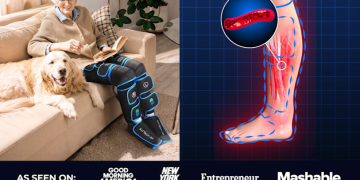

Reathlete Air-C Leg Massager Pro Review: In the rapidly expanding wellness tech market of 2026, home recovery devices have transitioned from luxury athletic gear to household staples. Among these, the Reathlete Air-C Leg Massager Pro has gained significant traction, promising to alleviate leg fatigue, reduce swelling, and kickstart circulation through pneumatic compression therapy.
But with the internet flooded with overly enthusiastic endorsements, it can be difficult to separate marketing hype from physiological reality. Does the Air-C Leg Massager Pro actually deliver on its promises, or is it just another passing trend?
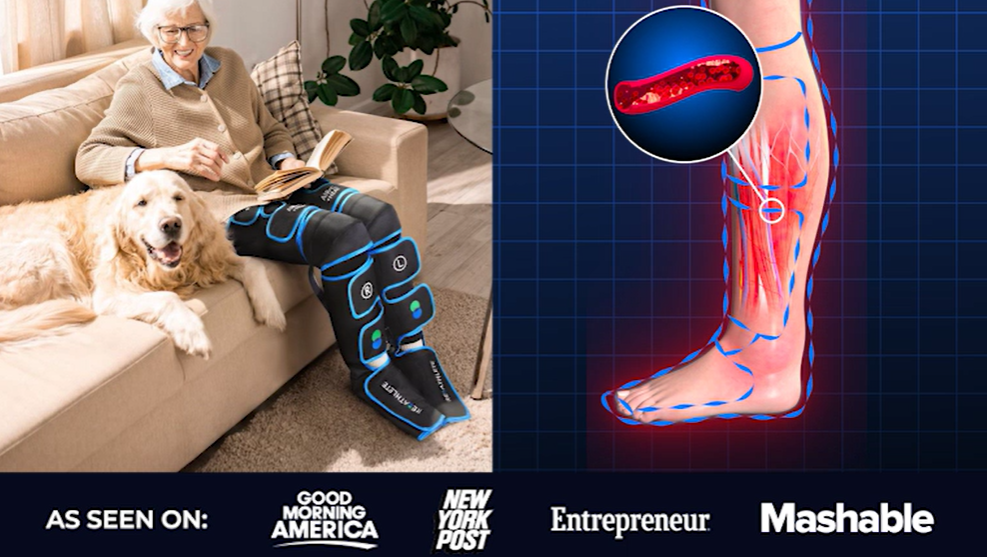
This comprehensive, evidence-based review breaks down everything you need to know about the Reathlete Air-C Leg Massager Pro in 2026. We will objectively analyze its technology, compare manufacturer claims against scientific evidence, detail the pricing and refund policies, and look closely at real customer feedback. Whether you are an athlete looking for faster recovery, a desk worker dealing with heavy legs, or simply someone seeking relief from daily discomfort, this guide will help you determine if this device is the right investment for your needs.
Quick Summary
The Reathlete Air-C Leg Massager Pro is a full-leg intermittent pneumatic compression (IPC) device designed for at-home use. It wraps around the entire lower limb – from foot to thigh – and uses sequenced air pressure to encourage blood and fluid movement upward through the veins and lymphatic channels.
The device comes from Reathlete, a US-based wellness and athletic recovery brand. It offers three programmable compression modes, four adjustable intensity settings, and the option to add hot or cold therapy using removable gel packs – features that set it apart from many basic compression products in its price range.
In terms of market positioning, the Air-C Pro sits firmly in the budget-to-mid-range tier, making it accessible to buyers who want the benefits of compression therapy without the steep cost of premium alternatives like the Hyperice NormaTec or Therabody JetBoots.
Is it worth buying in 2026? That depends on who you are and what you need. For users dealing with general leg heaviness, post-workout soreness, mild swelling, or poor circulation from a sedentary lifestyle, it offers a practical, evidence-grounded solution at a reasonable price. For users with serious medical conditions driving their leg symptoms, a medical professional should always be the first stop.
This review will not make medical claims or exaggerate results. Instead, it provides a thorough, balanced breakdown of what this device is, how it works, what users actually report, how it compares to alternatives, and who genuinely stands to benefit from it.

What Is the Reathlete Air-C Leg Massager Pro?
The Reathlete Air-C Leg Massager Pro is described by its manufacturer as a full-leg compression therapy system for home use. The term “Pro” indicates it is the brand’s top-tier leg compression model, offering broader coverage and more modes than entry-level sleeve-only options in the product line.
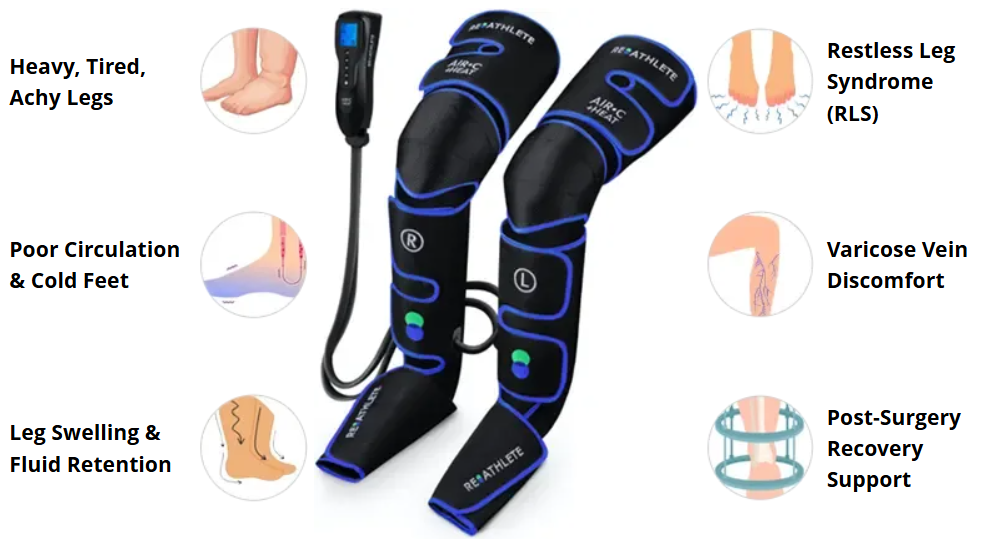
The device consists of wraparound sleeves that cover the entire lower leg – feet, calves, knees, and thighs – connected to a handheld controller that manages the air pump and settings. The sleeves are made from adjustable fabric panels with velcro fasteners designed to accommodate a range of body sizes.
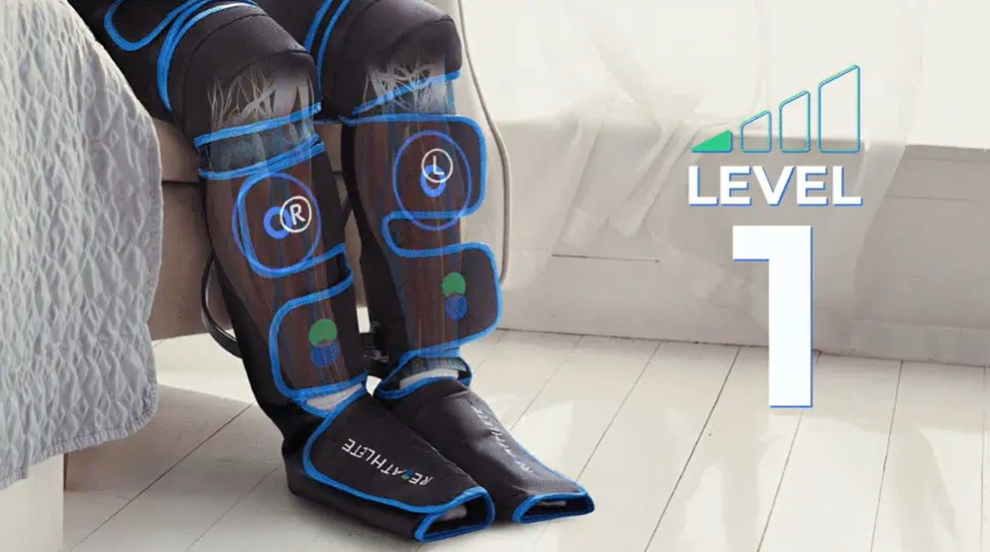
Unlike compression garments you wear passively throughout the day (such as compression stockings or socks), the Air-C Pro is an active device. It alternates between inflating and deflating its internal air chambers in a controlled sequence, which creates the dynamic pressure movement that is the hallmark of IPC therapy.
The product is sold primarily through the official Reathlete and Air-C websites and is also available through major retail channels including Walmart. It is pitched to a broad audience: older adults managing leg swelling, office workers with sedentary jobs, travelers prone to leg discomfort on long flights, athletes looking for post-workout recovery tools, and anyone who wants a drug-free, non-invasive option for tired or achy legs.
What it is not: The Air-C Leg Massager Pro is explicitly a consumer wellness device. It is not described by Reathlete as a medical device, and it is not FDA-cleared as a therapeutic treatment for any specific medical condition. Buyers should approach it as a comfort and recovery tool, not a substitute for medical care.
The Brand Behind the Device: Who Is Reathlete?
Reathlete is a US-based wellness brand specializing in recovery and relaxation devices. The company’s product lineup spans percussive therapy devices (massage guns), compression massagers for legs, knees, and feet, and a range of other recovery tools.
The brand has built a following among athletes and fitness-focused consumers. According to publicly available information, Reathlete has more than 11,000 followers on Facebook and over 49,000 followers on Instagram, and it has received coverage from media outlets including the New York Post, Good Morning America, and CBS, as referenced on the official product page.
Reathlete positions itself in a crowded recovery device market that includes larger names like Hyperice (makers of NormaTec) and Therabody (formerly known as Theragun). Rather than competing directly with the premium end of the market, Reathlete appears to focus on delivering accessible devices with core compression features at a more approachable price point.
The Air-C leg massager line has been on the market for several years, with the original Air-C model launching before 2022. The Pro version represents the brand’s most feature-rich iteration. The device has appeared in multiple independent roundups from credible fitness review publications, consistently earning a place in the “best budget compression boots” category.
How Does the Air-C Leg Massager Pro Work?
The Air-C Leg Massager Pro uses Intermittent Pneumatic Compression (IPC) a technology with roots in hospital and rehabilitation settings that has increasingly made its way into consumer wellness products over the past decade.
Here is a clear explanation of the mechanism:
The Basic Compression Mechanism
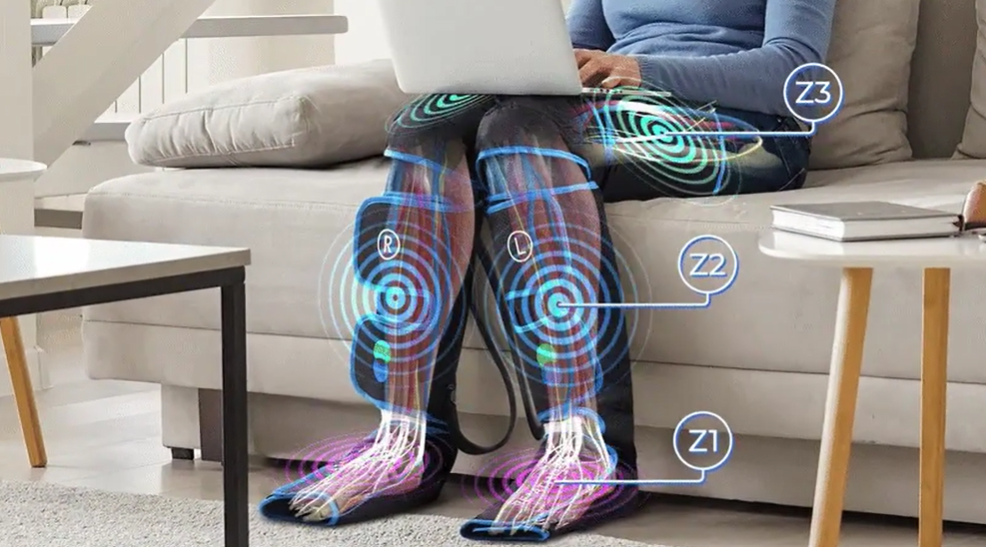
Inside the fabric sleeves of the Air-C Pro are multiple air chambers arranged in zones from foot to thigh. When activated, the pump unit forces air into these chambers in a specific sequence, inflating them one by one in a wave pattern that moves from the foot upward toward the thigh. Once each zone inflates to the target pressure level, it deflates – and the cycle begins again.
This rhythmic inflate-deflate motion creates a rolling, wave-like pressure on the leg. The effect closely mimics what the calf muscles naturally do during walking: contracting to squeeze the leg veins and push blood upward against gravity, toward the heart.
This is important because the venous and lymphatic systems rely significantly on muscle contractions to move blood and fluid upward through the legs. When a person sits or stands for extended periods, or when circulation is compromised by health conditions or aging, this pumping action slows. Fluid can pool in the lower legs, causing swelling, pressure, and heaviness.
IPC mechanically supplements this natural process. By applying timed, sequenced external pressure to the leg tissues, it assists the venous and lymphatic return of blood and interstitial fluid toward the body’s core, even when the person is sitting still.
The Three Compression Modes
The Air-C Pro offers three distinct modes, each targeting a different zone or experience:
Mode 1 – Full Leg: Sequential compression runs from foot to thigh in a full-leg cycle. This is the most comprehensive option, engaging all chambers in sequence. It is best suited for general circulation support and end-of-day recovery.
Mode 2 – Thigh and Calf Only: This mode bypasses the foot chambers and focuses compression on the upper calf, knee area, and thigh. It is useful for people whose primary discomfort is in the upper leg or knee joint area.
Mode 3 – Feet/Shiatsu Mode: This mode focuses on the foot chambers and delivers a more intense, Shiatsu-style pressure to the sole and instep area. It is particularly appreciated by people on their feet for long shifts who experience plantar discomfort.
The Four Intensity Levels
The controller allows users to select from four pressure settings, ranging from a very gentle squeeze at Level 1 to a more firm compression at Level 4. This range makes the device usable for a wide variety of users – from individuals with sensitive or post-surgical legs (with medical clearance) to athletes seeking strong muscle-flushing pressure after training.
Hot and Cold Therapy
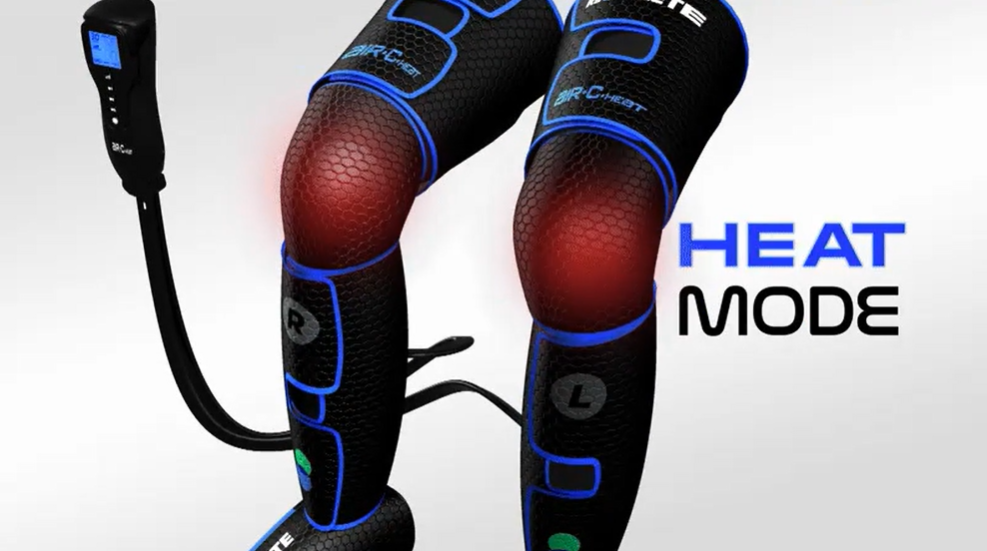
The Air-C Pro includes removable gel packs that can be inserted into the sleeve, positioned around the knee area. These are separate from the compression mechanism — they do not inflate or deflate – but they add a thermal therapy layer to the session.
Heat mode: Place the gel packs in a microwave for the recommended duration. When warmed and inserted into the sleeve, they deliver moist heat to the knee area during a compression session. Heat is generally used to relax tight muscles, ease stiff joints, and improve tissue pliability.
Cold mode: Freeze the gel packs before use. Cold therapy applied alongside compression may help reduce acute swelling, calm inflammation following activity, and manage discomfort from overuse or impact.
This dual thermal option is one of the more distinctive aspects of the Air-C Pro relative to similarly-priced competitors, which typically offer compression without any integrated thermal modality.
Key Features and Specifications
Here is a complete feature reference for the Reathlete Air-C Leg Massager Pro:
| Feature | Details |
|---|---|
| Coverage area | Full leg: feet, calves, knees, thighs |
| Compression type | Sequential intermittent pneumatic compression (IPC) |
| Number of massage modes | 3 (full leg, thigh + calf, feet/Shiatsu) |
| Intensity settings | 4 levels |
| Thermal therapy | Removable hot/cold gel packs (knee area) |
| Power | Rechargeable battery |
| Portability | Includes compact carrying bag |
| Sizing | One size fits most; adjustable velcro fasteners |
| App / Bluetooth | None – manual controller only |
| Warranty | 1 year (manufacturer defects) |
| Return policy | 30-day risk-free trial |
| Shipping | Free from US warehouses |
| Typical session length | ~15 minutes (manufacturer recommendation) |
What Sets the Air-C Pro Apart at Its Price Point
At the budget end of the compression device market, most devices either offer limited coverage (calf and foot only), a small number of intensity settings, or no thermal add-on. The Air-C Pro’s combination of full-leg coverage, three modes, four intensity levels, and hot/cold gel therapy represents a broader feature set than many comparable-price alternatives.
The rechargeable, cordless design is also a practical advantage. While some budget-tier compression devices require the user to remain plugged into a wall outlet during sessions, the Air-C Pro’s battery system allows use on a couch, in bed, or while traveling – without cord management.
The Science Behind Compression Therapy
Understanding what the research actually says about IPC helps buyers make an informed judgment about any device in this category, including the Air-C Pro.
Established Clinical Uses
Intermittent pneumatic compression has been in clinical use for decades, and a meaningful body of peer-reviewed research supports its use in specific contexts:
Venous Thromboembolism (VTE) Prevention: IPC is a standard, evidence-backed tool for preventing blood clots in surgical patients, particularly following orthopedic procedures. A 2024–2025 systematic review of randomized controlled trials confirmed that IPC serves as a clinically significant, non-invasive alternative or complement to blood-thinning medication for patients undergoing total hip arthroplasty, particularly for those at elevated clotting risk.
Lymphedema Management: A 2025 systematic review and meta-analysis covering 14 randomized controlled studies and nearly 1,400 patients found that IPC significantly reduced the incidence of lymphedema in patients recovering from breast cancer surgery compared to standard care. While ongoing research is needed, this represents meaningful clinical evidence for IPC’s ability to assist lymphatic fluid movement.
Stroke Recovery and Vascular Health: A 2025 randomized controlled trial published in PLOS ONE specifically examined home-based dynamic intermittent pneumatic compression therapy in chronic stroke patients during physical activity. The trial found that home IPC produced measurable improvements in both functional and vascular health outcomes compared to a control group, suggesting that even at-home IPC devices can produce physiologically meaningful effects in some populations.
Venous Circulation and Skin Conditions: A 2025 clinical trial investigated intermittent pneumatic impulse compression for stasis dermatitis – a condition driven by poor venous return that causes skin changes in the lower legs. The research found preliminary evidence that this form of compression can help reduce tissue swelling and improve fluid balance in affected areas, representing an expanding range of potential applications.
Where the Evidence Has Limitations
It is important to be clear about the boundaries of the research:
Most high-quality IPC studies are conducted in clinical settings with medical-grade devices that operate at specific, calibrated pressure levels. Consumer devices like the Air-C Pro use similar underlying mechanisms but are not identical to clinical systems in terms of compression waveform precision, mmHg ranges, or control over pressure distribution.
The research on IPC for athletic recovery specifically – reducing post-exercise muscle soreness, improving next-day performance, clearing lactate – is smaller in volume and more mixed in its findings. Some studies show benefits; others show minimal difference compared to passive rest. Current evidence suggests IPC for athletic recovery is at least as effective as some other recovery modalities and is generally safe, but it does not produce dramatic, universal performance gains.
Research directly evaluating the Reathlete Air-C Pro as a specific product is not publicly available in peer-reviewed literature. The evidence base supports the underlying therapy method, not this device in particular.
What This Means for Buyers
The practical takeaway is this: the therapy technology underlying the Air-C Pro is not pseudoscience. Intermittent pneumatic compression has legitimate evidence for helping with venous and lymphatic fluid movement, and it is used in mainstream clinical settings for relevant conditions. Whether you will personally experience significant benefit depends on why your legs feel uncomfortable, how consistently you use the device, and individual physiological factors.
Manufacturer Claims vs. What Evidence Suggests
Transparency is important when reviewing any wellness product. Below is a side-by-side look at how the manufacturer’s marketing statements compare to available evidence.
| Manufacturer Claim | Evidence Assessment |
|---|---|
| “Clinically proven air-compression technology” | IPC as a therapy category has robust clinical evidence. Whether this specific device has been independently clinically tested at its exact specifications is not clearly stated by the manufacturer. |
| “Relieves leg pain and swelling in just 15 minutes” | Some users do report rapid comfort improvements. Research supports that IPC sessions can produce measurable circulatory changes within short timeframes in some populations. However, this should not be taken as a guarantee for all users. |
| “Recommended and endorsed by doctors and physical therapists” | The product marketing references medical professional endorsements, but independent verification of the scope or basis of these endorsements is not available. These appear to be individual professional opinions rather than formal clinical endorsement. |
| “Helps with inflammation, chronic pain, restless legs, pins and needles, blood clot prevention, cellulitis” | These are serious medical conditions. While IPC has evidence in relevant clinical contexts, a consumer device should not be presented as a treatment for blood clots or cellulitis. These conditions require professional diagnosis and management. |
| “100,000+ happy customers” | This is a manufacturer-reported marketing claim. It cannot be independently verified. |
| “Less than 1/3 the cost of a single physical therapy visit” | Directionally accurate as a cost comparison. A single physical therapy session in the US often ranges from $75 to $350 depending on provider and insurance. At promotional pricing, the Air-C Pro is less expensive upfront. However, home use and supervised PT are fundamentally different interventions. |
| “Approved by doctors and physical therapists” | The use of terms like “approved” in consumer product marketing is different from regulatory approval. The Air-C Pro is not described as FDA-cleared for medical indications. |
The overall pattern here reflects common marketing practices in the wellness device industry: legitimate scientific concepts are invoked broadly to support product claims that go beyond what the evidence strictly supports. The therapy method is sound; many of the specific claims stretch beyond what a consumer device can reliably promise.
How to Use the Air-C Leg Massager Pro
Using the Air-C Pro is designed to be straightforward, even for first-time users.
Step 1: Put on the sleeves. Start from the feet and work upward, wrapping the sleeves around the foot, calf, knee, and thigh. Secure the velcro fasteners at each zone. The fit should be snug but not uncomfortable before the device starts.
Step 2: Prepare the gel packs (optional). If you want to add heat, warm the gel packs in the microwave according to the instructions and insert them into the knee pocket of the sleeve before starting. For cold, use pre-frozen packs.
Step 3: Connect the sleeves to the controller. Plug the sleeve connectors into the handheld pump/controller unit.
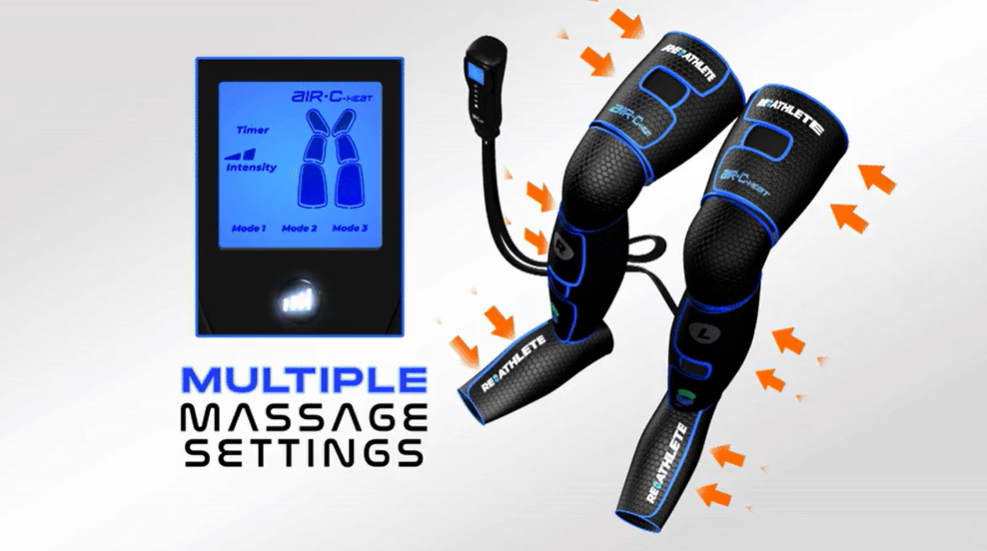
Step 4: Select your mode and intensity. Choose one of the three massage modes and set the intensity to your preferred level. New users are generally advised to start at a lower intensity and increase gradually as you become familiar with the sensation.
Step 5: Relax for the session. The manufacturer recommends approximately 15 minutes per session. You can read, watch TV, or simply rest during this time — you do not need to do anything actively.
Step 6: Remove and store. When the session ends, unfasten the sleeves, remove them, and either store them in the included carrying bag or clean as needed.
Tips for best results:
- Use consistently – daily or near-daily use is typically associated with better results than occasional use
- Use after prolonged sitting or standing to address fluid that has accumulated during the day
- Athletes may find it most useful within a few hours after a workout as part of a broader recovery routine
- Start at a lower intensity if you are new to compression therapy or have sensitive legs
Who May Benefit from the Air-C Leg Massager Pro?
People with sedentary jobs or long desk hours. Office workers, remote workers, and others who sit for six to ten hours a day are one of the most naturally aligned user groups. Prolonged sitting reduces the natural leg muscle contractions that assist venous return, leading to fluid pooling in the lower legs. Using the Air-C Pro at the end of the workday — or even during a lunch break — may provide meaningful comfort relief.
Workers who stand for long shifts. Healthcare workers, teachers, chefs, retail workers, warehouse staff, and others who spend hours on their feet also commonly experience leg swelling, heaviness, and fatigue. Compression therapy after a long shift is widely recommended for this group in occupational health contexts.
Frequent long-distance travelers. Long-haul flights and road trips are notorious for causing leg swelling and discomfort due to immobility and the effects of cabin pressure changes. A portable compression device may be useful before or after travel to help address circulation changes.
Recreational athletes and fitness enthusiasts. People who engage in running, cycling, swimming, weightlifting, or sports are frequently drawn to compression boots for post-workout leg recovery. Many report feeling their legs recover more quickly between sessions. While the evidence for compression in athletic recovery is not as clear-cut as in clinical settings, many athletes and coaches consider it a valuable addition to a broader recovery protocol.

Older adults managing general circulation decline. As the body ages, venous valves become less efficient and the muscles that assist circulatory return weaken. Mild, regular use of IPC as a general wellness practice may provide comfort for this group – though medical clearance is recommended, particularly for those taking blood pressure medication or managing cardiac conditions.
People with mild, non-diagnosed leg swelling. Individuals who notice their feet or ankles swell after long days, without a specific diagnosed condition, may find the device helpful. This is distinct from medically significant edema, which should always be evaluated by a doctor.
Those wanting a drug-free approach to leg comfort. For people who prefer non-pharmacological solutions for discomfort management, compression therapy is a reasonable first-line tool with a better safety profile than long-term use of anti-inflammatory drugs for general leg soreness.
Who May NOT Benefit – or Should Avoid the Device?
People with deep vein thrombosis (DVT). This is a critical contraindication. If there is a known or suspected blood clot in the leg, applying external compression could dislodge it, which can be life-threatening. Anyone with a history of DVT should never use a compression device without explicit physician guidance.
People with peripheral artery disease (PAD). PAD causes narrowed arteries that reduce blood flow to the limbs. External compression can further reduce arterial perfusion in affected limbs. This condition is a common contraindication for IPC devices.
People with active infections, open wounds, or inflamed skin in the affected leg. Compression should not be applied over wounds, skin infections (including cellulitis, despite the manufacturer’s claim), or areas of severe inflammation. This can worsen the condition or drive bacteria deeper into tissue.
People with severe heart failure or advanced kidney disease. Moving large volumes of fluid from peripheral limbs into central circulation can increase cardiac workload. In people with compromised heart or kidney function, this fluid shift may be harmful rather than helpful.
Pregnant individuals. Compression therapy during pregnancy requires professional guidance and should not be undertaken with a consumer device without prior discussion with an OB-GYN or midwife.
People with very large thigh circumference. Based on verified customer reviews, individuals with a thigh circumference of approximately 27 inches or more may find that the velcro fasteners cannot secure the thigh sleeve properly, causing the device to come loose during inflation. This limits the device’s practical utility for this group.
People expecting a medical cure. This is worth repeating clearly: the Air-C Leg Massager Pro is a wellness device. It can support comfort and general circulation, but it is not a treatment for medical conditions. Anyone whose leg symptoms are severe, sudden, one-sided, accompanied by pain at rest, skin changes, or other warning signs should see a doctor — not purchase a compression device.
Pricing and Packages
The Reathlete Air-C Leg Massager Pro is priced at approximately $299.99 MSRP, according to multiple retail sources including Garage Gym Reviews and the manufacturer’s own promotional materials.
Current promotional pricing: The official website has been observed offering a 33% discount on the standard price, which would bring the device to approximately $199–$220 during a sale period. The brand appears to run promotions regularly, so checking the official site before purchasing at full MSRP is advisable.
Interest-free payment plans: The official website offers zero-interest installment payment options, which allows buyers to spread the cost over several months. This makes the device more accessible to budget-conscious buyers who do not want to pay the full amount upfront.
| Package / Option | Approx. Price |
|---|---|
| Standard full price | ~$299.99 |
| Promotional / sale price | ~$199–$220 |
| With interest-free installments | Monthly plan available |
Where to purchase:
- Official website (getairc.com or reathlete.com): Generally the best option for full warranty and return policy coverage. Promotional discounts are most commonly available here.
- Walmart: Verified product listings are available. Returns through Walmart follow that retailer’s own return policy rather than Reathlete’s direct policy.
- Other online retailers: Some third-party sellers list the device. Exercise caution with third-party sellers who are not authorized retailers to ensure warranty coverage applies.
Note: Pricing is subject to change at any time. The figures in this review reflect available information at the time of writing. Always verify the current price directly with the seller.
Refund Policy and Warranty
30-Day Risk-Free Trial: The manufacturer offers a 30-day return window, described on the official website as covering users who are not “absolutely satisfied” with their order. A full refund is offered within this period.
What the return policy includes:
- Returns initiated within 30 days of purchase
- Full refund (per manufacturer’s stated policy)
- The manufacturer describes the process as straightforward
Caveats to be aware of:
Like many direct-to-consumer wellness brands, the return process may require contacting customer service and following a specific procedure. Some reviewers have reported delays and multiple follow-up contacts when dealing with Reathlete’s support team, particularly when product components were missing from orders.
Practical advice:
- Open the package immediately upon receipt and confirm all components are present (sleeves, controller, adapter, gel packs, carrying case)
- Test the device within the first week so you have ample time to initiate a return if needed
- Keep all original packaging, as returns typically require items to be sent back in condition for restocking
- If buying from Walmart or another retailer, confirm the return policy with that specific retailer
1-Year Manufacturer Warranty: The Air-C Pro is covered by a one-year warranty against defects in materials and workmanship. This covers manufacturing faults but not damage from misuse.
Important note on customer service: Based on public Trustpilot reviews as of early 2026, some customers have experienced slow follow-through from Reathlete’s support team, particularly when parts were missing from orders. One documented case involved a customer who purchased in December 2025 and was still trying to resolve missing components months later. While this does not represent every buyer’s experience, it is a pattern worth noting before purchase.
Real Customer Feedback
The following reflects a synthesis of publicly available customer reviews from platforms including Walmart, Trustpilot, and independent review sites. No personal testing of the product is implied.
What Positive Reviewers Commonly Report
Post-surgical swelling relief: Multiple Walmart-verified buyers recovering from leg or foot procedures have described the device as transformative for their swelling management. One reviewer noted that before using the device, they could barely get their shoes on due to swollen tissue after surgery. After consistent use, shoe fitting became manageable again.
Sciatic pain relief: Some users dealing with sciatic nerve pain reported that using the device provided comfort and helped them move around more easily — though this should be understood as a comfort experience rather than a treatment outcome.
Post-workout recovery: Fitness-oriented users frequently describe the device as an essential part of their recovery routine, comparing it to professional sports recovery equipment.
General relaxation: A recurring theme in positive reviews is how deeply relaxing the sessions feel. Multiple reviewers described nearly falling asleep during use. For users who are simply tired, stressed, or want a relaxing wind-down routine, this is a meaningful benefit even setting aside specific therapeutic goals.
Good portability: Buyers who travel for work or sport appreciate the compact carrying case and the rechargeable battery, which removes the need for a wall outlet during use.
Value for money: A large proportion of positive reviewers comment on the price-to-feature ratio, noting that the device offers capabilities they had previously only experienced at physical therapy offices or professional sports facilities.
What Critical Reviewers Report
Fit limitations for larger users: A recurring concern in independent reviews is the fit for people with larger thighs. One verified Walmart buyer with a thigh circumference of approximately 27 inches noted that the thigh sleeve would not stay secured during inflation, causing the compression to be inconsistent or absent in that zone. This is a genuine limitation for this body type.
Delayed results: Some users report using the device for a week or more without noticing significant changes in their leg comfort. This is not necessarily evidence that the device does not work — compression therapy often requires consistent use over time – but the expectation set by “15 minutes” to see results may not match all users’ experiences.
Customer service delays: Multiple reviews on Trustpilot describe frustrating experiences with order fulfillment, particularly in the months following a December 2025 holiday sale. Missing components (controller, power adapter) were not resolved quickly, leaving some buyers unable to use the device for weeks or months. These experiences do not appear to be universal but are frequent enough to be worth noting.
What Independent Reviewers Say
The Secret Trends (March 2026): After two weeks of testing, described the Air-C Pro as “one of the most genuinely effective home recovery devices” tested in 2026. Noted that the three massage modes are genuinely distinct and serve different purposes, and that the four intensity levels make the device suitable from light wellness users to serious athletes. Reviewers clarified it does not promise to cure anything, and does not replace medical care, but delivers compression therapy reliably at home.
BarBend (2026 Best Compression Boots Roundup): Named the Reathlete Air-C Full Leg Compression Massager as the “Best Budget Compression Boots” of 2026. Also noted trade-offs: only three compression levels in some versions, no built-in wireless battery in certain configurations, and fewer convenience features than premium models. Rated convenience 3 out of 5 due to cord limitations.
Garage Gym Reviews: Described the device as “a great choice for anyone who wants a truly customizable compression experience” at its MSRP price point.
Peak Primal Wellness (2026): Compared the Air-C Pro directly to the NormaTec Pulse 2.0 and concluded it “matches the core sequential inflation protocol at a significantly lower price point,” while acknowledging that NormaTec’s app integration and pulse massage waveform are genuine differentiators.
Reviewed.com (USA Today network): In a review of the Air-C +Heat model, noted inclusive adjustable sizing across body types, and praised the three compression modes. Also observed that extension material is required for taller users, and the boot design is different from traditional lace-up alternatives in terms of setup experience.
Pros and Cons
Pros
- Uses intermittent pneumatic compression – a well-researched therapy with genuine scientific backing in relevant clinical areas
- Full-leg coverage from foot to thigh – more complete than many similarly-priced devices that only cover the calf
- Three distinct massage modes with real functional differences between them
- Four adjustable intensity levels serving a wide user spectrum
- Hot and cold gel therapy adds a meaningful modality beyond compression alone
- Rechargeable and portable – suitable for travel and cord-free home sessions
- Adjustable velcro sizing designed to fit most adults
- 30-day return policy reduces the purchase risk
- Priced substantially below premium alternatives (NormaTec, Therabody)
- Consistently recognized by major fitness review outlets as a top budget pick in its category
- Installment payment options available on the official website
- Interest-free payment makes it accessible to a wider buyer base
Cons
- May not fit comfortably or function effectively for users with thigh circumferences of approximately 27 inches or more
- No app connectivity, Bluetooth control, or smart features – fully manual controller
- Customer service experiences have been inconsistent, with some buyers reporting slow resolution of fulfillment issues
- Marketing language makes very broad condition-specific claims (blood clots, cellulitis) that go beyond what a consumer wellness device can responsibly promise
- The “clinically proven” label refers to the IPC therapy category, not specifically to this product
- No independently published peer-reviewed studies specifically evaluating this device’s performance are publicly available
- Premium alternatives offer more programmable options, app integration, and wireless freedom
- Some users may not notice quick results – consistent use over multiple sessions appears necessary for meaningful benefit
Air-C Leg Massager Pro vs. Alternatives
Here is how the Air-C Leg Massager Pro compares to the key alternatives available in 2026:
| Device | Approx. Price | Full-Leg Coverage | Wireless | App | Compression Levels | Hot/Cold Therapy |
|---|---|---|---|---|---|---|
| Reathlete Air-C Pro | ~$200–$300 | Yes | Yes (rechargeable) | No | 4 | Yes (gel packs) |
| Hyperice NormaTec 3 Legs | ~$399–$499 | Yes | Yes | Yes | Multiple zones | No |
| Hyperice NormaTec Elite | ~$699+ | Yes | Yes | Yes | Multiple zones | No |
| Therabody JetBoots Prime | ~$399 | Yes | Yes | Yes | 4 (preset) | No |
| Therabody JetBoots PRO Plus | ~$699+ | Yes | Yes | Yes | Fully customizable | No |
| Air Relax | ~$199–$299 | Partial | No (corded) | No | 4 modes | No |
| Rapid Reboot REGEN | ~$399+ | Yes | Yes | Yes | Customizable | No |
Prices are approximate and subject to change. Check manufacturer websites for current figures.
Read This Also:- Rejuvaknee Triple Method Massager Review: Does This Knee Massager Actually Work?
Reathlete Air-C Pro vs. Hyperice NormaTec
NormaTec is widely regarded as the benchmark compression boot brand, with the longest history in the space and the highest name recognition among athletes and healthcare professionals. The NormaTec 3 uses a distinctive pulse compression pattern and has robust app integration, allowing users to customize zone-by-zone pressure and run guided sessions through the Hyperice app.
What NormaTec offers that the Air-C Pro does not: more sophisticated compression waveform technology, app-based control and programming, and the premium brand trust associated with the product being used in professional sports and physical therapy settings.
What the Air-C Pro offers that NormaTec does not: hot and cold therapy via gel packs, a lower price point (often $150–$300 less depending on the model), and essentially equivalent core sequential compression function for users whose primary goal is general wellness or basic recovery rather than advanced zone-by-zone programming.
For most general wellness users, the differences in compression waveform between the two devices are unlikely to be perceptible or clinically meaningful. For serious athletes or those who want precise data-driven recovery, NormaTec’s additional features may be worth the premium.
Reathlete Air-C Pro vs. Therabody JetBoots
Therabody’s JetBoots range is wireless, app-controlled, and designed with both athletic recovery and clinical-ish precision in mind. The JetBoots Prime offers a clean two-session mode interface (warm-up and recovery) in a wireless package. The PRO Plus gives users fully adjustable pressure across multiple zones with app connectivity.
Therabody’s range tends to have a more polished consumer experience: the devices are self-contained, feel premium, and integrate with the Therabody wellness ecosystem. However, none of the current JetBoots models offer integrated thermal therapy – a meaningful distinction for users who want hot or cold therapy added to their compression session.
For buyers who prioritize a sleek wireless experience and are willing to pay a premium, Therabody is a strong alternative. For those on a tighter budget who value the thermal therapy addition and are comfortable with a manual controller, the Air-C Pro offers better all-in value.
Reathlete Air-C Pro vs. Air Relax
Air Relax is a comparable competitor at a similar price tier. It is known for offering multiple sizing options (to accommodate different body frames), an extended warranty option, and a digital controller with four modes and four pressure settings.
The primary disadvantage of Air Relax at its base tier is that many configurations are corded – you need to remain near a power outlet during use. The Air-C Pro’s rechargeable battery gives it a usability edge for those who want more flexibility in where they use the device.
Air Relax does not include thermal therapy options in its base configuration, which is another functional differentiator for the Air-C Pro.
Summary of Comparison Findings
The Air-C Leg Massager Pro holds its own solidly in the budget-to-mid-range tier. It offers more features – particularly the thermal therapy – than most similarly priced alternatives, while leaving the premium app-integrated, fully wireless experience to NormaTec and Therabody at higher price points. For most everyday users who are not professional athletes or managing complex medical conditions, the Air-C Pro’s core feature set is likely sufficient.
Frequently Asked Questions About Reathlete Air-C Leg Massager Pro
What is the Reathlete Air-C Leg Massager Pro used for?
The Air-C Leg Massager Pro is a general wellness device designed to provide at-home compression massage for the legs. It is most commonly used for leg swelling, general circulation support, post-workout recovery, and relief from leg heaviness or fatigue caused by prolonged sitting or standing. It is not intended to diagnose or treat any medical condition.
How long should each session last?
The manufacturer recommends approximately 15 minutes per session. This is consistent with general IPC session durations used in recovery and wellness contexts. You can adjust session length based on personal comfort and need. If you experience any pain, unusual pressure, numbness, or discomfort, stop use immediately.
Is the Air-C Leg Massager Pro safe for everyone?
No. The device is not appropriate for people with deep vein thrombosis, peripheral artery disease, active skin infections or open wounds, heart failure, or other conditions where external compression could cause harm. Pregnant individuals should consult a doctor before use. Always read the included safety guidelines and consult a healthcare professional if you have any doubt.
What is the difference between the Air-C Pro and compression socks?
Compression socks are passive garments that apply static, continuous pressure throughout the day. The Air-C Pro is an active device that alternates between inflation and deflation in a sequential wave pattern. This dynamic, intermittent action is what characterizes IPC therapy and is considered more active in assisting fluid movement than the steady pressure of a compression stocking.
Does the Reathlete Air-C Leg Massager Pro fit all body types?
The device uses adjustable velcro fasteners intended to accommodate a range of body sizes. However, user reviews indicate that individuals with thigh circumferences of approximately 27 inches or greater may experience difficulty keeping the thigh sleeve secured during inflation. If you have larger limbs, it is worth checking the manufacturer’s sizing specifications and considering whether a return will be feasible if the fit is not adequate.
What is the return policy?
Reathlete offers a 30-day return period for unsatisfied customers, with a stated full refund. Always verify the return process with the seller at the time of purchase, as policies may differ between the official website and third-party retailers. Keep all original packaging and test the device within the first week to ensure time for a return if needed.
How does the hot and cold therapy work?
The device includes removable gel packs that insert into the knee zone of the sleeve. They do not inflate or compress – they provide thermal input alongside the compression cycle. Warm the packs in a microwave for heat therapy (useful for stiff joints and muscle tension) or freeze them for cold therapy (useful for swelling reduction and post-activity inflammation). Follow the time and temperature instructions provided in the manual to avoid burns or discomfort.
Can the Air-C Leg Massager Pro be used after surgery?
This depends entirely on the nature of the surgery, the stage of recovery, and explicit guidance from the treating physician. Some post-surgical rehabilitation protocols do incorporate IPC. However, you should never use a compression device following surgery without specific clearance from your surgeon or care team, as it may not be appropriate for all surgical recovery situations.
How does it compare to professional physical therapy?
They are fundamentally different interventions. Physical therapy is a supervised, individualized program delivered by a licensed clinician and includes a wide range of modalities, exercises, manual techniques, and education. The Air-C Pro delivers one specific modality – intermittent pneumatic compression – in an unsupervised home setting. It may be a useful complement to professional care, but it is not a replacement for clinical assessment and treatment.
How many times per week should I use it?
The manufacturer suggests daily sessions of approximately 15 minutes. Consistent, regular use is associated with better results than occasional use. Adjust based on your personal comfort and how your legs respond. There is no universal protocol for consumer IPC use.
Is the Air-C Leg Massager Pro FDA approved?
The Air-C Leg Massager Pro has not been described as FDA-cleared for any specific medical indication in publicly available information. It is sold as a general wellness device, which does not require the same regulatory pathway as a medical device intended to treat specific conditions. If FDA clearance or medical certification is important to your purchasing decision, verify this directly with the manufacturer.
Where is Reathlete based, and where does the Air-C Pro ship from?
Reathlete is a US-based brand. According to the official website, orders ship from US warehouses with free standard shipping. Faster shipping options are noted to be available at checkout. The product page does not prominently disclose country of manufacture.
Can I use the Air-C Pro while traveling?
Yes. The device is rechargeable and comes with a compact carrying bag. This makes it usable during travel – in a hotel room, on a long car journey, or during recovery at a competition venue. The rechargeable battery means you do not need to be near a power outlet during a session, though the device will need charging between uses.
Are there any side effects from using the Air-C Leg Massager Pro?
For most healthy adults, IPC devices are well-tolerated with minimal side effects when used as directed. Some users may experience temporary skin redness from compression, or discomfort if the device is used at an intensity level that is too high for their sensitivity. People with certain health conditions (see the “Who Should Not Use” section above) may experience adverse effects. Stop use and seek medical advice if you notice unusual symptoms during or after sessions.
Does the Reathlete Air-C Pro help with varicose veins?
Compression therapy can help manage the symptoms of varicose veins, such as aching, heaviness, and swelling, by aiding venous return. However, an air massager will not cure or erase existing varicose veins. Always consult a vascular specialist before using compression devices on severe varicose veins.
Can I sleep with the leg massager on?
No. The manufacturer strictly advises against sleeping while using the device. It is designed for active, conscious recovery sessions of 15 to 30 minutes. Falling asleep with the device running could lead to over-compression, restricted blood flow, or skin irritation.
Is this device FSA or HSA eligible?
Yes, in many cases. Because pneumatic compression devices are often categorized as medical or physical therapy aids for circulation and pain relief, many consumers successfully use their Flexible Spending Account (FSA) or Health Savings Account (HSA) cards to purchase the Air-C Pro. It is always recommended to check with your specific plan provider first.
Will it fit plus-size legs or very large calves?
The Air-C Pro utilizes adjustable Velcro, allowing it to accommodate a wide variety of body shapes. The standard maximum calf circumference is usually around 24 inches, and the thigh is around 32 inches. Reathlete also occasionally sells leg extension pads (sold separately) that zip or velcro into the existing sleeves to add extra width for larger users.
Can I use the massager on an airplane?
No. The Reathlete Air-C Pro requires a standard AC wall outlet to power the remote compressor. Unless your specific airline seat has a robust power outlet that can handle the wattage, and you have the space to unpack all the hoses and velcro, it is not practical or designed for in-flight travel.
Does it actually massage the muscles like a massage gun?
No. Percussive massage guns (like a Theragun) use a fast, striking motion to release deep tissue knots and trigger points. The Air-C Pro uses pneumatic compression, which feels like a slow, firm, wrapping squeeze-similar to a blood pressure cuff inflating. It is designed for fluid movement and broad relaxation, not targeted deep-tissue knot release.
Can I use it if I have knee replacements?
If you have had a total knee arthroplasty (knee replacement), you must get clearance from your orthopedic surgeon before using a compression device over the joint, especially one that applies heat. While compression is used post-surgery, the specific pressure levels and timing must be medically supervised.
What happens if a hose gets a hole in it?
If the air hose is punctured, the corresponding airbag will fail to inflate properly, rendering that section of the massager useless. Because the hoses are integral to the system, a punctured hose usually requires a warranty claim for a replacement unit or purchasing replacement parts directly from Reathlete. Keep the device away from sharp objects and pets who like to chew cables.
Final Verdict
The Reathlete Air-C Leg Massager Pro is a well-rounded, competitively priced home compression device that delivers a therapy method with genuine scientific backing in an accessible, easy-to-use format.
It is not a miracle product, and the brand’s marketing language – which references “clinically proven” technology and lists serious medical conditions as targets – deserves to be read critically. The evidence supporting intermittent pneumatic compression is real, but it is mostly drawn from clinical studies in medical populations using purpose-built devices, not from consumer-grade at-home units like the Air-C Pro.
What the Air-C Pro actually delivers, based on its design, user reviews, and independent assessments, is a well-featured budget compression device with full-leg coverage, multiple modes, adjustable intensity, and the distinctive addition of hot and cold gel therapy. For users in its core target audience – people with tired legs, mild swelling, post-workout soreness, or the effects of a sedentary lifestyle – this is a meaningful combination of features at a price that makes compression therapy accessible without a premium-tier budget.
The device’s limitations are real but not disqualifying for most users: fit challenges for very large thighs, no app or wireless functionality, and variable customer service quality. If those factors are important to your use case, premium alternatives like NormaTec or Therabody are worth the additional investment.
Who should consider the Air-C Leg Massager Pro:
- Office workers, commuters, or anyone with sedentary daily habits and leg discomfort
- Shift workers who stand for long hours and want after-work recovery
- Recreational athletes seeking budget-friendly post-workout compression
- Older adults who want mild circulation support in a simple device
- People who want to add hot or cold therapy alongside compression without buying separate devices
- Budget-conscious buyers who want real compression coverage without paying $400–$700
Who should consider alternatives:
- Users with diagnosed vascular or cardiovascular conditions (who need medical guidance first)
- Serious athletes who want app-based programming, precise mmHg control, and full wireless use
- Buyers with thigh circumferences above 27 inches who may struggle with fit
- Users who prioritize premium brand assurance and clinical-grade design
Overall rating: Solid. A well-positioned product in the budget compression space with genuine value, as long as buyers approach the marketing claims with realistic expectations.