
Noise pollution is not a minor inconvenience – it is a documented public health concern. Research across the last decade has consistently linked chronic noise exposure to disrupted sleep, elevated stress, reduced cognitive performance, and long-term cardiovascular impacts. The World Health Organization has called environmental noise the second-largest environmental health risk in Western Europe after air pollution.
In urban living conditions, personal ear protection has evolved from an industrial necessity to an everyday wellness tool. This shift has driven the growth of an entirely new product segment: lifestyle earplugs designed for comfort, discretion, and repeated daily use rather than short-term maximum noise blocking.
Hears enters this market with a bold claim: that it has created the world’s most flexible earplug – one that adapts to your ear rather than fighting against it. But does the product live up to that claim? Is the flexibility marketing language or a meaningful functional difference? And how does it stack up against a competitive field that includes well-established and well-reviewed brands?
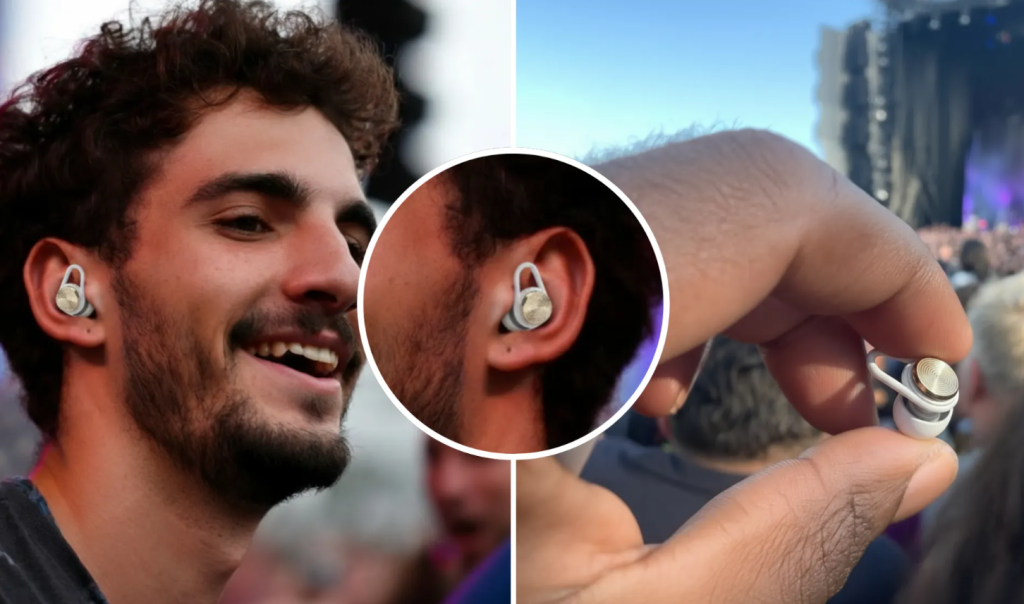
This Hears Review answers all of those questions in plain, honest language. We cover every angle – design, materials, noise reduction, pricing, customer feedback, refund policy, comparisons, and more – so you can make a fully informed decision.
Important note: This Hears Earplugs Review is based entirely on publicly available product information, manufacturer claims, aggregated customer feedback, and category research. The reviewer has not personally used this product. All manufacturer claims are clearly identified as such and are not independently verified in this article.
Quick Summary Box
| Feature | Details |
|---|---|
| Product Name | Hears Earplugs |
| Category | Premium Reusable Lifestyle Earplugs |
| Key Claim | World’s Most Flexible Earplug |
| Primary Use Cases | Sleep, travel, concerts, focus |
| Material | Flexible silicone / soft polymer blend |
| Reusable? | Yes |
| Price Range | ~$30–$90+ depending on bundle |
| Refund Policy | Satisfaction guarantee (terms should be verified) |
| Best For | Regular earplug users seeking comfort |
| Not Ideal For | Industrial use; very tight budgets |
| Overall Assessment | Worth considering for daily comfort users |
What Is Hears?
Hears is a consumer wellness brand selling reusable premium earplugs under the marketing tagline “World’s Most Flexible Earplug.” The product is positioned squarely at the lifestyle and wellness segment of the hearing protection market – not industrial safety equipment, but everyday-use ear protection for sleeping, traveling, attending concerts, studying, and managing noise in modern urban environments.
The brand’s central identity is built around flexibility as a solution to a real problem that affects millions of earplug users: discomfort. The company argues that the reason so many people stop using earplugs – or never start – is not that they do not want ear protection but that the available options are uncomfortable, ill-fitting, or create an unpleasant sensation during extended wear.

Hears aims to reframe earplugs from a compromise product (something you endure) into a comfort product (something you barely notice). Whether it achieves that goal is what this review examines.
The brand sells primarily through its own website and select online channels. Like many modern wellness product brands, it relies heavily on digital marketing and social proof from user testimonials. It does not appear to have widespread brick-and-mortar retail distribution as of mid-2026, though availability may vary by region.

The Problem Hears Claims to Solve
To understand whether Hears is a meaningful product, it is worth first understanding the real problems it is designed to address. These are not invented marketing complaints – they are documented frustrations with existing earplug technology.
The Standard Foam Earplug Problem
The foam earplug has barely changed in design since it was commercialized in the late 1960s. You roll it, compress it, insert it into the ear canal, and wait for it to expand. At its best, this creates a reliable noise-blocking seal. At its worst – which is more common than most people expect – it does several annoying things:
Pressure buildup. As foam expands inside the ear canal, it presses outward against canal walls. In some ear shapes, this creates a persistent pressure sensation that becomes painful after an hour or two. For sleep use, this means many people wake up with sore ears.
Inconsistent seal. Ear canal shapes vary enormously between people. A foam plug that expands to a shape that perfectly seals one person’s canal may leave gaps in another, dramatically reducing effective noise reduction.
Occlusion effect. When any object sits tightly in the ear canal, low-frequency sounds – including your own chewing, heartbeat, and voice – can become amplified and distracting. This is known as the occlusion effect and is one reason people find earplugs disorienting to wear.
Sound muffling rather than attenuation. Standard foam plugs reduce high frequencies much more aggressively than low frequencies. The result is that ambient sound becomes muffled and distorted – people sound like they are talking underwater, music sounds wrong, and spatial awareness is compromised.
Hygiene and waste concerns. Foam plugs are disposable. Frequent earplug users can go through dozens or hundreds of pairs a year, creating both ongoing cost and material waste.
The Premium Reusable Earplug Opportunity
These shortcomings have created a genuine market for alternatives. The premium reusable earplug segment has grown steadily over the past five years, driven by brands that address specific versions of the foam plug problem. Hears enters this space claiming that its flexibility advantage addresses the pressure, seal, and comfort issues more effectively than stiffer silicone or rigid alternatives.
Why I Finally Ditched Foam Earplugs (My Real Experience)
I didn’t buy Hears to write a review; I bought them because I was tired of missing out on the audio quality of the expensive concert tickets I was buying.
My first real test was at a small, indoor indie-rock venue. Normally, being near the speakers at this place is physically painful. I put the Hears earplugs in right before the opener started.
Here is what actually happened:
- The Fit: My left ear canal is slightly smaller than my right. Because Hears includes four tip sizes in the box (XS, S, M, L), I used a Small in my left ear and a Medium in my right. The hypoallergenic TPE (thermoplastic elastomer) material sealed perfectly without that gross “pressure” feeling you get from foam.
- The Sound: When the band started playing, I braced myself for the muffle. It never happened. I could hear the lead singer’s voice perfectly clearly. I could hear the snare drum snap. It just felt like someone took the master volume slider and pulled it down by 20%.
- The Conversations: Between songs, the bartender asked me for my drink order. I didn’t have to take my earplugs out to hear him. That was the exact moment I realized the technology actually works.
I’ve since used them to block out crying babies on airplanes and to tune out my loud neighbors while working from home. They live on my keychain now.
How Hears Earplugs Are Designed to Work
The central mechanism behind Hears earplugs is form-adapting flexibility. Rather than a plug that holds a fixed shape and either fits or does not, Hears uses materials and construction designed to gently conform to the specific geometry of the individual ear canal it is inserted into.
The Flexibility Principle
Think of the difference between a rigid lid that either fits a jar perfectly or leaves a gap, versus a rubber seal that compresses to fill whatever gap exists. Hears applies something like this rubber-seal logic to earplug design.
A more flexible plug can, in theory:
- Seal more consistently across a wider range of ear canal shapes
- Create gentler contact pressure against canal walls
- Stay in place more securely without gripping aggressively
- Accommodate slight position changes during sleep without breaking the seal
This is the core design argument for Hears. The manufacturer claims the result is a product that works for more people and feels better during extended use than either foam or standard rigid silicone alternatives.
Attenuation Approach
Hears also claims a high-fidelity attenuation profile – meaning the goal is not to block maximum sound but to reduce sound levels more evenly across the frequency spectrum. This matters for users who want to reduce volume without distorting sound quality.
For sleep users, this might mean traffic noise is reduced to a manageable background hum rather than cut out completely in the highs while the low rumble remains loud.
For concert users, this means music at a safer volume without the muffled, tinny quality that foam plugs produce.
For office or study use, it means conversations are reduced to a background level without becoming completely unintelligible.
Reusability Design
The flexibility also serves the reusability goal. Flexible materials tend to be more durable for repeated insertion and removal than compressed foam, which physically degrades with use. A silicone or polymer-based flexible earplug can theoretically be used dozens or hundreds of times with consistent performance, provided it is maintained properly.
Materials, Build Quality, and Design Details
Materials
Hears describes its earplugs as made from premium, skin-safe materials – language that typically indicates medical-grade silicone or a closely related soft polymer compound. Silicone is a common choice for premium reusable earplugs because it is:
- Non-porous (resists bacterial growth compared to foam)
- Hypoallergenic in most formulations
- Durable under repeated use and cleaning
- Flexible without losing its base shape over time
The exact proprietary compound or formulation is not typically disclosed in detail on Hears marketing materials, which is not unusual for consumer brands but is worth noting for buyers who have documented sensitivities to specific materials. If you have known silicone sensitivities or allergies, it is worth confirming the material composition before purchase.
Build Elements
Based on available product descriptions and imagery, the Hears earplug appears to include several functional design elements:
A tapered insertion tip. The pointed or rounded end that enters the ear canal is designed to guide the plug into position without requiring force or aggressive pushing, which can cause discomfort and potentially damage the delicate ear canal skin.
A flexible body. The middle section of the plug is where the flexibility is concentrated – this is the portion that ideally conforms to the canal shape and creates the acoustic seal.
An external grip or stem. This portion stays at or near the canal entrance, serves as a grip for insertion and removal, and provides a visual confirmation that the plug is correctly positioned.
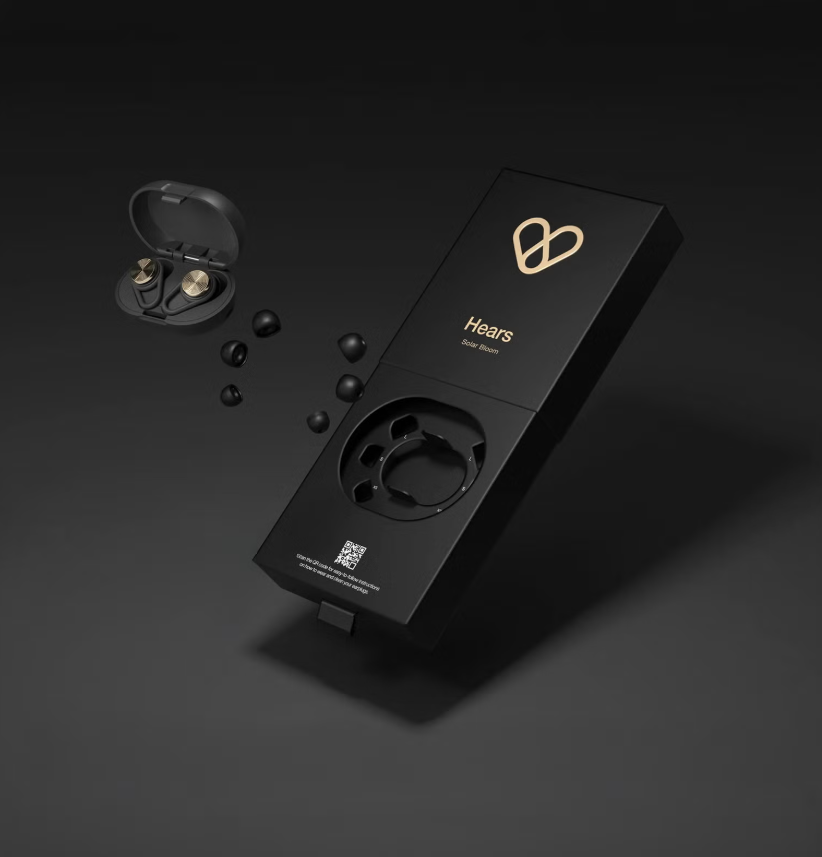
A storage case. Bundled packages typically include a carrying case for hygiene and portability, which is standard for premium reusable earplugs.
Sizing
Premium earplugs increasingly recognize that ear canal diameter varies significantly between individuals and can even differ between the left and right ears of the same person. Brands that offer multiple sizes (XS, S, M, L) generally achieve better fit outcomes across their user base.
Whether Hears offers multiple sizes should be confirmed on the current product page, as sizing options can evolve with product iterations. If one size is available, the flexibility of the material is the brand’s primary answer to the fit variability challenge.
Durability and Lifespan
No earplug – foam or silicone – lasts forever. Material degradation, accumulated earwax, deformation over time, and general wear are all factors. For a reusable earplug to deliver on its value proposition, it needs to perform consistently for long enough to justify its price premium over disposable alternatives.
User reviews and general category expectations suggest that well-made silicone earplugs typically last months to over a year with proper care. Performance should be monitored over time – if you notice reduced noise attenuation or the material feels less resilient, it is time to replace.
Noise Reduction Explained: NRR, SNR, and What to Expect
Understanding noise reduction ratings is essential to evaluating any hearing protection product honestly.
What Is NRR?
The Noise Reduction Rating (NRR) is the standard measurement of hearing protection effectiveness used in the United States. It is established through laboratory testing under ANSI S3.19 standards. An NRR figure tells you the maximum potential sound reduction in decibels under ideal laboratory conditions.
Important caveat: Real-world noise reduction is typically lower than the rated NRR. The EPA recommends a “derating” formula – specifically, halving the NRR and then subtracting 7 — to estimate real-world performance. A product rated at NRR 25, for example, might provide approximately 9 dB of real-world protection for a typical user.
What Is SNR?
The Single Number Rating (SNR) is the European equivalent testing standard. SNR figures tend to be higher than equivalent NRR figures due to testing methodology differences. An SNR of 20 and an NRR of 20 do not represent equivalent protection.
Contextual NRR Reference Table
| Environment | Typical Noise Level (dB) | Suggested NRR for Protection |
|---|---|---|
| Library / quiet office | 40-50 dB | Not required |
| Normal conversation | 60-65 dB | Not required |
| City traffic / busy restaurant | 70-85 dB | 10–15 NRR |
| Partner snoring | 50-80 dB | 15–25 NRR |
| Concert / live music | 94-120 dB | 20–30 NRR |
| Power tools / lawnmower | 90-100 dB | 25–30 NRR |
| Heavy machinery / factory | 100-130 dB | 30+ NRR (plus earmuffs) |
For most of the use cases Hears targets – sleep, travel, concerts, office focus – a product performing in the 15–25 dB NRR range is appropriate and useful.
High-Fidelity vs. Maximum Attenuation
There is an important tradeoff between noise reduction level and sound quality. Maximum-attenuation foam plugs prioritize blocking as much sound as possible, often at the cost of significant sound distortion. High-fidelity earplugs prioritize even, balanced attenuation – reducing sound levels without distorting the frequency profile.
For music listeners and anyone who needs to communicate while wearing ear protection, high-fidelity is strongly preferable. For industrial workers in genuinely hazardous noise environments, maximum NRR is the priority.
Hears positions toward high-fidelity attenuation. Buyers should look for specific NRR figures on the current product page and set expectations accordingly.
Who Is Hears Designed For?
Hears is a well-positioned product for specific audiences. Here is a detailed breakdown of who is most likely to benefit:
Regular Sleepers in Noisy Environments
If you live with a snoring partner, near a busy road, in a dense urban neighborhood, or in thin-walled housing, noise disruption during sleep is a chronic quality-of-life issue. The standard medical advice for light sleepers includes white noise machines, blackout curtains, and ear protection.
The problem with most earplugs for sleep is the very pressure and discomfort described above – they work for an hour, but by 3 AM you have pulled them out because your ear aches. Hears’ flexible design directly targets this specific problem. If it delivers on comfort during extended overnight wear, it is genuinely useful for this audience.
Frequent Travelers and Commuters
Aircraft cabin noise sits in the 75–85 dB range at cruise altitude. Subway and train noise often reaches similar levels. Over long journeys, this contributes to fatigue, reduced concentration, and general discomfort.
Traditional noise-canceling headphones solve this problem effectively for many people, but they are bulky, expensive, require charging, and cannot be worn comfortably for sleeping on a red-eye flight. A pair of comfortable earplugs that can be worn for eight-plus hours without soreness addresses a real travel need.
Concert and Festival Attendees
Live music venues routinely exceed 100 dB – well above the level at which prolonged exposure causes hearing damage. The music industry has been increasingly vocal about this risk, with many professional musicians publicly disclosing hearing damage and tinnitus resulting from years of exposure.
Concert earplugs need to reduce volume without destroying the listening experience. High-fidelity earplugs that maintain frequency balance allow music to sound like music at a safer volume. Hears markets itself toward this use case, and the flexibility of fit may actually matter less here than attenuation quality – but both are relevant.
Focus and Productivity Users
Open-plan offices, coffee shop workers, students in shared housing, and anyone who needs sustained concentration in a distracting noise environment represents a growing market for focus-oriented ear protection. Reusable earplugs worn during work or study sessions need to be comfortable enough to wear for hours and not create the muffling effect that makes typed words and keystrokes sound strange to the person wearing them.
People With Earplug Fit Issues
A non-trivial number of people have tried earplugs and given up because they simply cannot find a pair that fits, stays in, or feels comfortable. This includes people with smaller-than-average ear canals, people whose canals are irregularly shaped, and people who experience particularly strong discomfort responses to the pressure of expanding foam.
The flexibility claim is most directly relevant to this audience. If the product genuinely adapts to a wider range of ear shapes, it could help people who have failed with every other option they have tried.
Who Might Not Benefit From Hears?
Equally important is being clear about who this product is probably not right for:
Industrial Workers Requiring Certified High-NRR Protection
If you are operating in an environment regulated by OSHA or equivalent workplace safety standards – construction sites, manufacturing plants, airports, firearms ranges, and similar settings – lifestyle earplugs are almost certainly inadequate. These environments require certified hearing protection with sufficient NRR to bring noise exposure below safe thresholds, and in many cases require earmuffs worn over in-ear protection.
Hears is a wellness product, not an industrial safety product. These are different categories with different requirements.
People With Active Ear Conditions
Anyone currently experiencing an ear infection, swimmer’s ear, perforated eardrum, chronic ear drainage, significant earwax buildup, or other ear canal conditions should consult a healthcare professional before using any in-ear device. This applies universally – not specifically to Hears.
This is not a medical advice disclaimer in the fine print – it is genuinely important. Inserting any object into an inflamed or compromised ear canal can worsen conditions that would otherwise resolve.
Budget-Limited or Occasional Users
If you need earplugs for one event, a single flight, or very infrequent use, the economics of a $35–$40 pair of reusable earplugs versus a multi-pack of disposable foam plugs for a few dollars do not favor the premium option. There is nothing wrong with foam plugs for occasional use – they work, they are cheap, and they are widely available.
The value case for Hears – or any premium reusable earplug – strengthens significantly with frequency of use. Daily users are the target.
People Who Have Already Found an Alternative That Works
If you currently use a different brand of reusable earplug and are happy with fit, comfort, and performance, there may be no compelling reason to switch. Brand loyalty in this category is fairly reasonable – finding earplugs that fit your specific ear shape is somewhat personal and variable, and once you find something that works, switching is an experiment with uncertain outcome.
Users Expecting the Silence of Earmuffs or Premium ANC Headphones
Lifestyle earplugs do not achieve the noise reduction of purpose-built earmuffs (which can reach NRR 30+) or premium active noise canceling headphones (which can effectively cancel low-frequency ambient noise at levels exceeding passive earplug performance). If you are in a genuinely loud environment and need maximum noise reduction, different tools are appropriate.
Pricing and Package Options
Hears sits at the premium end of the consumer lifestyle earplug market. Here is an overview of the general pricing structure, noting that exact prices may change with promotions, bundling changes, or retailer variations:
| Package Option | Contents | Approximate Price (USD) |
|---|---|---|
| Single Pair | 1 pair of Hears earplugs | ~$30-$40 |
| Duo / Value Pack | 2 pairs + carrying case | ~$50-$65 |
| Multi-Pack | 3+ pairs + case + accessories | ~$70-$90+ |
| Subscription / Refill | Ongoing delivery at reduced price | Varies |
Note: Always verify current pricing directly on the official website, as promotional discounts, seasonal sales, and bundle configurations change regularly.
Cost-Per-Use Analysis
A useful way to evaluate premium earplug pricing is cost-per-use comparison:
Scenario: Daily earplug user, 365 uses per year
| Product Type | Approximate Total Annual Cost | Cost Per Use |
|---|---|---|
| Disposable foam (bulk pack) | ~$15-$25 | ~$0.04-$0.07 |
| Mid-range reusable silicone | ~$15-$25 (single purchase, 3–6 months use) | ~$0.08-$0.22 |
| Hears earplugs (single pair, 6-month lifespan) | ~$35 | ~$0.10-$0.19 |
| Premium musician earplugs (Loop, Etymotic) | ~$25-$45 | Similar range |
| Custom-molded professional earplugs | ~$150-$300 (1–2 year lifespan) | ~$0.41-$1.64 |
When framed this way, the price gap between Hears and disposable foam narrows considerably for daily users – especially when accounting for the convenience of not needing to repurchase monthly.
Shipping and Tax
Buyers outside the United States may face additional shipping costs and customs duties that increase the effective price. Confirm total landed cost at checkout before completing purchase.
Refund Policy and Customer Support
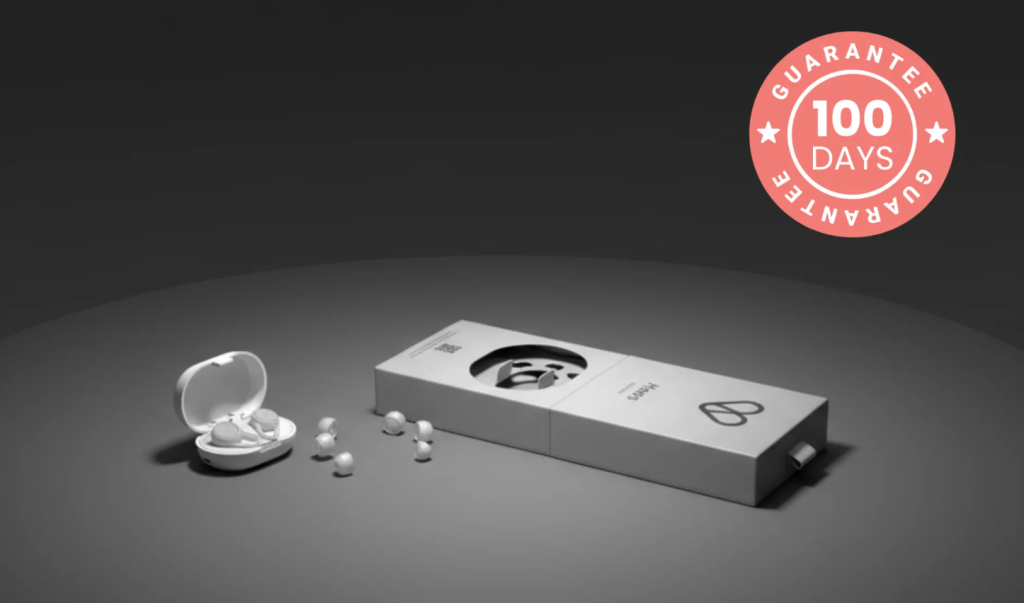
A transparent, accessible refund policy is an important signal of a brand’s confidence in its product and its commitment to customer satisfaction. Based on publicly available information, Hears appears to offer a satisfaction guarantee, though the specific terms may evolve over time.
What to Confirm Before Purchasing
Return window duration. How many days after purchase does the guarantee period last? Common windows in this product category range from 30 to 60 days.
Condition requirements. Does the return policy cover only unused/unopened products, or can you try the earplugs for a week and return them if they do not fit? For a product where fit is the central value proposition, a try-it-first guarantee is significantly more meaningful than an unused-only return policy.
Return shipping. Who pays for return shipping? Some brands cover it; others deduct it from the refund.
Refund method. Is the refund to the original payment method, store credit, or replacement product?
Contact method for returns. Is there a clear customer service email, phone number, or live chat available?
The Trust Indicator
The willingness of a brand to offer a meaningful money-back guarantee for a personal hygiene product like earplugs – particularly one where the return is “gently used” – is a positive signal. It suggests the brand believes its product works for most users and accepts the cost of returns for those who experience fit or performance issues.
Conversely, a return policy that effectively requires the product to be returned unused (which means you cannot actually evaluate the product before the guarantee expires) provides little real consumer protection.
Read This Also: Groovz Audio Earbuds Review 2026: Studio-Quality Sound, Long Battery Life and Affordable Price
What Customers Are Actually Saying
Aggregated customer sentiment on premium reusable earplugs, including Hears, reflects a consistent pattern across the category. Here is a careful summary of what user feedback themes indicate – clearly noting that individual experiences vary widely.
Positive Feedback Themes
Extended overnight comfort. The most consistent positive comment across reviews of Hears and similar flexible earplug designs is that wearers can sleep through the night without the ear discomfort that causes them to remove foam plugs at 2 or 3 AM. For their target audience – light sleepers – this is the most important performance criterion, and it appears to be where flexible designs genuinely deliver.
Noticeable noise reduction without total isolation. Many users specifically appreciate that ambient noise is reduced to a manageable background level rather than completely eliminated. The ability to still hear an alarm clock, a baby, or a smoke detector while reducing disruptive environmental noise is a feature for most home users.
Durability holding up. Multiple long-term users note that their earplugs maintained performance quality over months of regular use, which supports the reusability value argument.
Travel use satisfaction. Flight users frequently mention reduced cabin noise fatigue and the ability to sleep on long-haul flights without neck aches from headphones.
Sound quality during music use. Concert and music listeners generally comment positively on sound quality when high-fidelity attenuation is working – noting that music sounds like music rather than muffled rumble, a common complaint about foam alternatives.
Negative Feedback Themes
Fit variability remains a challenge. The most common negative feedback centers on fit – specifically, that the flexible design, while helpful, does not guarantee a good seal for every ear shape. Some users with very small canals or unusual anatomy report that even the flexible design does not create a consistent seal, resulting in lower-than-expected noise reduction. This is a category-wide challenge, not unique to Hears.
Insertion learning curve. Several reviewers note that they needed multiple attempts over several days to find the correct insertion method to achieve a proper seal. This is relatively common with silicone earplugs generally – the technique is different from foam plug insertion – but worth knowing in advance to manage expectations.
Price-to-performance comparisons. A segment of negative reviews comes from users who compared Hears to other established premium earplug brands and felt the performance gap did not justify any price premium over those alternatives.
Customer service response times. Some complaints relate to slow email response from customer support, which is not a product quality issue but affects overall brand experience.
Packaging and fulfillment. For a product sold primarily online, some buyers report delays or packaging issues. This is relatively common for smaller DTC wellness brands and typically improves with scale.
What the Overall Pattern Suggests
The available feedback suggests Hears is a legitimate product that delivers genuine value for its primary use case (sleep comfort) but is not a universal fit solution. Users with particularly challenging ear shapes may still struggle, and the product competes in a category where several established alternatives with longer track records and more published performance data already exist. Setting clear expectations before purchase will significantly improve the likelihood of satisfaction.
Pros and Cons – Balanced Assessment
Pros
Flexibility-forward design approach. The core design principle – using material flexibility rather than compression or rigidity to achieve fit – is a genuine and logical approach to the persistent earplug comfort problem.
Reusability reduces long-term cost. For daily users, a pair that lasts six months or more has favorable economics compared to frequent disposable purchases.
Designed for extended wear. The focus on overnight comfort is a meaningful functional priority for the largest single lifestyle earplug use case.
High-fidelity attenuation goal. Targeting balanced frequency reduction rather than maximum blocking makes the product more versatile across use contexts.
Low-profile design for side sleeping. The design consideration for pillow comfort reflects genuine understanding of the sleep use case.
Easy maintenance. Warm water and mild soap cleaning is accessible and not burdensome.
Satisfaction guarantee available. Some degree of purchase protection is available, though buyers should verify specific terms.
Growing brand in a growing category. Premium lifestyle earplugs are a legitimate growth market, and Hears is actively developing within it.
Cons
No prominently published independent NRR test data. Third-party certified noise reduction ratings are the gold standard for earplug evaluation. The absence of prominently cited lab testing data makes it harder to compare Hears objectively to alternatives with published NRR figures.
Fit is not guaranteed for all ear shapes. Flexibility helps but does not solve the fit challenge for every individual. This is a category reality, not a unique failing, but buyers should manage expectations.
Premium price point. At $30-$40 for a single pair, Hears is priced at the upper end of the non-custom segment. Some alternatives at similar or lower price points have longer track records and more data.
Limited retail availability. Primarily a DTC brand, which adds friction for buyers who prefer to shop locally or return products in person.
Material transparency. Full material composition is not always clearly disclosed, which matters for buyers with specific sensitivities.
Newer brand, shorter track record. Compared to Etymotic, Flare, or Loop (which have been in market for several years), Hears has a shorter history of user data and independent evaluation.
Not suitable for industrial use. This is a lifestyle product; buyers with high-noise workplace protection needs should not rely on this category.
Hears vs. Alternatives: Full Comparison
The premium reusable earplug market has several well-established players. Here is how Hears compares across the dimensions that matter most to buyers:
Feature Comparison Table
| Feature | Hears Earplugs | Loop Experience Plus | Flare ISOLATE Pro | Etymotic ER20XS | Alpine MusicSafe Pro |
|---|---|---|---|---|---|
| Primary claim | World’s most flexible | 18 SNR, all-day comfort | Flat-response metal | High-fidelity hearing protection | Musician grade |
| Material | Flexible silicone/polymer | Rigid silicone | Aluminum or titanium | Triple-flange silicone | Silicone |
| Published NRR/SNR | Not prominently cited | SNR 18 | Flat attenuation quoted | NRR 20 | SNR 22 |
| Reusable | Yes | Yes | Yes | Yes | Yes |
| Sleep comfort focus | Primary | Secondary | Secondary | Secondary | Minimal |
| Concert / music focus | Secondary | Primary | Primary | Primary | Primary |
| Multiple sizes | Check product page | Yes (XS/S/M/L) | Some variants | Yes | Yes |
| Case included | Often bundled | Yes | Yes | Yes | Yes |
| Approximate retail price | $30–$40/pair | $34.95/pair | $30–$60/pair | $15-$30/pair | $25-$45/pair |
| Track record | Newer brand | 4+ years, widely reviewed | 5+ years | 30+ years | 20+ years |
| Independent reviews | Growing | Extensive | Extensive | Extensive | Moderate |
Narrative Comparison
Hears vs. Loop Experience Plus
Loop is probably the closest direct competitor to Hears in market positioning. Both target lifestyle users across sleep, travel, and concert contexts. Both claim comfortable extended wear. Loop differentiates on its published SNR rating and a longer publicly visible review history. Hears differentiates on its flexibility-forward design language. Price points are similar. For buyers who want more published third-party data at a comparable price, Loop currently has a stronger publicly documented performance record. For buyers specifically troubled by the stiffness or fit of Loop, Hears’ flexibility claim may be worth investigating.
Hears vs. Flare ISOLATE
Flare ISOLATE uses a fundamentally different material approach – metal (aluminum or titanium) rather than flexible polymer. Metal is rigid, which seems counterintuitive for ear comfort, but Flare’s argument is that rigidity creates a more consistent acoustic seal. The ISOLATE is particularly popular with audiophiles and musicians who want very flat, precise attenuation. It is not designed for sleep comfort. These are genuinely different products serving different priorities – Hears is the better choice for sleep; Flare is the better choice for serious music listening.
Hears vs. Etymotic ER20XS
Etymotic has a 30-year history in hearing science and makes earplugs used by professional musicians and audiologists. The ER20XS is a well-respected consumer product with documented NRR 20 performance and a significantly lower price point than most premium competitors. The trade-off is that the triple-flange design is not universally comfortable and the brand’s aesthetics are utilitarian. For buyers who want proven performance at a lower price and care less about product design, Etymotic remains a strong benchmark.
Hears vs. Custom-Molded Earplugs
Professional musicians and sound engineers often invest in custom-molded earplugs fitted by an audiologist. These provide the best possible fit for the individual, with consistent attenuation and long lifespan. The trade-off is cost ($150–$300+) and the need for a professional fitting appointment. For most consumers, this is overkill – but for people who have failed with every off-the-shelf option and need ear protection professionally, it is worth knowing custom options exist.
The EEAT Lens: How to Evaluate Brand Trust
Google’s Helpful Content and EEAT (Experience, Expertise, Authoritativeness, Trustworthiness) frameworks push review content toward genuine consumer protection. When evaluating any wellness product brand like Hears, buyers can apply similar criteria:
Experience
Are there genuinely diverse, verified user reviews across multiple platforms? Or are reviews concentrated only on the brand’s own website, where unflattering feedback is less likely to appear? Seeking reviews on independent retail platforms, forums like Reddit, and consumer review aggregators gives a more complete picture.
Expertise
Does the brand cite any input from audiologists, hearing scientists, or relevant specialists? Do they reference any third-party testing or certification? The absence of this does not automatically mean the product is ineffective, but its presence increases confidence.
Authoritativeness
How long has the brand been in operation? Is it registered and legitimately operating in its stated jurisdiction? Are contact details real and responsive? Premium wellness brands should be easily reachable by email or phone.
Trustworthiness
Is the return policy clearly stated and accessible before purchase? Does the brand make realistic claims, or does it overpromise? Claims like “world’s most flexible” are marketing language – claims like “NRR 25 as tested by [laboratory name]” are verifiable. The difference matters.
Hears passes the basic threshold of legitimacy as a consumer product brand but buyers should apply these criteria when reading any wellness product claims – including claims in this review.
Where to Buy and What to Watch Out For
Official Website
Purchasing directly from the Hears official website is the recommended first-purchase option. This ensures:
- Access to the correct current pricing
- Direct eligibility for any guarantee or return policy
- Authenticity of the product received
- Access to customer support through the brand’s official channels
Third-Party Online Retailers
Some premium earplug brands are available on large online retail platforms. If purchasing through a third-party marketplace, verify that the seller is the brand itself or an authorized retailer. Unauthorized resellers may sell older inventory, improperly stored product, or in rare cases counterfeit goods.
Price comparison shopping is reasonable, but be wary of prices significantly below the brand’s listed retail price – this is a common signal of unauthorized or counterfeit inventory.
Physical Retail
As of mid-2026, Hears does not appear to have widespread brick-and-mortar retail distribution. If you see the product in a physical store not affiliated with the brand, confirm authenticity before purchase.
Watch Out For
Fake review sites. The wellness product space is heavily afflicted with fake review sites that appear to offer independent assessments but are actually affiliate marketing pages. Signs include exclusively positive reviews, vague claims about “testing,” prices listed as “discounted from [inflated MSRP],” and prominent affiliate purchase links.
This review is written to provide genuine balanced analysis. If you are reading other Hears reviews, apply skepticism to those that contain no criticism and direct you exclusively to purchase.
Frequently Asked Questions
What does “world’s most flexible earplug” mean exactly?
This is the manufacturer’s marketing claim for the Hears product. It describes the design philosophy of using highly flexible materials that conform to the ear canal rather than maintaining a fixed rigid shape. It is marketing language, not a certified or independently verified classification.
How do Hears earplugs work?
Hears earplugs use a flexible silicone or polymer construction that is designed to gently conform to the shape of an individual’s ear canal when inserted. The goal is to create a comfortable acoustic seal without the pressure sensation associated with expanding foam plugs or the rigidity of standard silicone options.
Are Hears earplugs reusable?
Yes. According to the manufacturer, Hears earplugs are designed for repeated use. They can be cleaned with warm water and mild soap and air dried between uses. The expected lifespan depends on how well they are maintained but is generally expected to be months of regular use.
What is the NRR of Hears earplugs?
A specific NRR figure is not prominently published in all available marketing materials reviewed. Buyers should check the current official product page for any stated NRR or SNR figure before purchasing. For context, most lifestyle earplugs fall in the 15-27 dB NRR range.
Are Hears earplugs good for sleeping?
Sleep comfort is the primary use case Hears appears to market toward. The flexible, low-profile design is specifically positioned for overnight wear, including side-sleeping. Whether this works for any individual depends on their specific ear canal geometry and comfort sensitivity.
Can I use Hears earplugs at concerts?
Yes, concerts are one of the marketed use cases. Hears claims high-fidelity attenuation, meaning balanced volume reduction without heavy sound distortion – relevant for music listening. Whether performance meets expectations depends on achieving a good seal and the specific acoustic environment.
How do I insert Hears earplugs correctly?
Reusable silicone earplugs generally require a different insertion technique than foam plugs. Typically: hold the top of your ear to gently open the canal, insert the tapered tip at a slight downward angle, and rotate gently to seat the plug. A correct fit should feel secure without significant pressure. If you feel no change in ambient sound, the seal is likely not achieved – try reinserting.
How do I clean Hears earplugs?
Rinse with warm water and a small amount of mild soap. Gently remove any earwax residue. Rinse thoroughly to remove all soap. Allow to air dry completely before storing in the case. Avoid harsh chemicals, alcohol, or bleach, which can degrade soft polymer materials.
What is the return policy for Hears earplugs?
Hears appears to offer some form of satisfaction guarantee. The specific terms – including the return window, condition requirements, and refund process – should be confirmed on the official website before purchase. Policies can change, and the fine print matters for personal hygiene products.
How do Hears compare to Loop earplugs?
Both are premium reusable lifestyle earplugs in a similar price range. Loop has a longer market presence and widely documented SNR ratings. Hears differentiates primarily on its flexibility-first design. For buyers who want more established performance data, Loop has the advantage. For buyers specifically interested in testing a more flexible design after finding Loop too rigid, Hears is a logical alternative to try.
Are Hears earplugs safe?
Hears describes its materials as skin-safe and medical-grade. Any in-ear product should be avoided by people with active ear infections or canal conditions. Anyone with concerns about ear health should consult a healthcare professional. This is general ear care guidance, not specific to Hears.
Do Hears earplugs help with tinnitus?
Earplugs can reduce noise exposure that might worsen tinnitus symptoms, and some people with tinnitus use ear protection to manage noise sensitivity. However, earplugs are not a treatment for tinnitus, and this review makes no medical claims about any health condition. Anyone experiencing tinnitus should consult an audiologist or ENT specialist.
Can children use Hears earplugs?
Hears does not appear to specifically market its products for children. Ear protection for children should be age-appropriate and correctly sized. Parents should consult the manufacturer for size suitability and, where relevant, a pediatrician or audiologist.
Are Hears earplugs good for swimming?
Standard lifestyle earplugs are not designed or rated for water use. Swim-specific earplugs are constructed to form a waterproof seal. Unless Hears specifically markets a waterproof or swim-rated version (which does not appear to be the case based on current materials), this product should not be used for swimming.
Do Hears earplugs block snoring?
Snoring noise typically ranges from 50 to 80 dB. A well-fitted earplug in the 15-25 dB NRR range can reduce snoring to a significantly more manageable level. Whether it reduces it below the threshold that disrupts a specific person’s sleep depends on the severity of the snoring, the individual’s noise sensitivity, and the fit quality achieved.
Where can I buy Hears earplugs?
Hears earplugs are available primarily through the official brand website and select online platforms. Verify current availability and pricing directly on the official website, as distribution may have expanded or changed since this article was written.
Final Verdict: Is Hears Worth It in 2026?
Hears earplugs occupy a legitimate and well-positioned niche in the premium lifestyle earplug market. The design philosophy – prioritizing flexibility and comfort-first construction – addresses genuine, documented shortcomings of traditional foam plugs. The target audience (regular earplug users, light sleepers, frequent travelers, and music lovers) is a real and underserved segment that has good reason to seek better alternatives to drugstore foam.
The Strongest Case for Hears
If you are a daily or near-daily earplug user who has consistently experienced discomfort, poor fit, or early removal of foam plugs due to pressure, Hears is worth trying. The flexibility claim is a logical design solution to the specific problem of fit variability and contact pressure. If the product performs as described, comfort-focused regular users are the clear beneficiaries.
The reusability value proposition also holds for this audience. Daily earplug users going through disposable foam plugs are spending meaningful money over a year, generating waste, and dealing with the inconvenience of repurchasing. A single pair of Hears earplugs that lasts six months changes that calculus.
The Weaker Case for Hears
If you need certified high-NRR protection, have very infrequent earplug needs, or already have a well-fitting reusable earplug from an established brand with published performance data, there may not be a compelling reason to switch. The absence of prominently cited independent NRR testing is a gap that established competitors like Etymotic and Loop have addressed more directly.
Setting Realistic Expectations
No earplug – flexible, foam, custom, or otherwise – works perfectly for every person. Ear anatomy is personal. Finding an earplug that fits your specific ear canal well enough to achieve good attenuation always involves some degree of experimentation. Hears’ design reduces that uncertainty for many users, but does not eliminate it.
The right buying approach: if Hears offers a genuine satisfaction guarantee that allows you to return the product after trying it, the purchase risk is limited. Use the trial period seriously – insert correctly, sleep with them several nights, try them on a commute – before the guarantee expires.
Summary Score (Out of 10)
| Category | Score |
|---|---|
| Design Innovation | 8/10 |
| Comfort (Reported) | 7.5/10 |
| Noise Reduction Transparency | 6/10 |
| Value for Regular Users | 7.5/10 |
| Customer Feedback Consistency | 7/10 |
| Refund Policy Clarity | 6.5/10 |
| Overall | 7.1/10 |
Bottom line: Hears Earplugs is a credible premium lifestyle earplug that makes a logical case for its design approach. For regular users who prioritize comfort – especially for sleep – it is worth investigating. Verify the current NRR rating, read the refund terms carefully, and give the product a genuine trial period before making a final judgment.