
Lumineye Nano Drop Review : Let me be honest with you for a second.
A few months ago, I was sitting in front of my laptop at 9 PM, rubbing my eyes for the tenth time that day, squinting at the screen just to read a normal-sized font. I’m in my late 40s. I spend most of my day staring at screens. My eyes felt dry, tired, and honestly just… worn out.
Sound familiar?
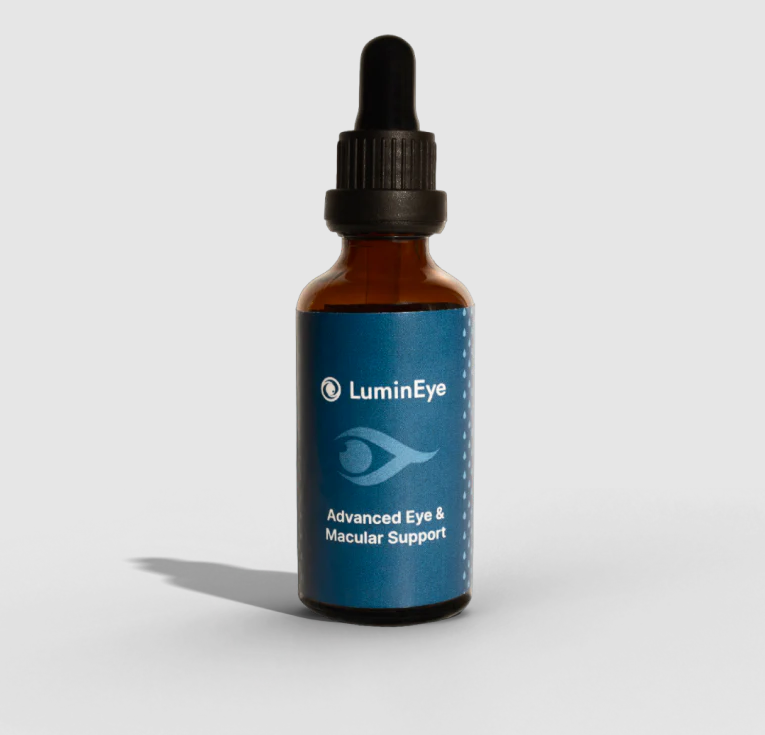
I started down the rabbit hole of eye health supplements – and eventually landed on Lumineye Nano Drop, a sublingual liquid supplement that claims to support vision clarity, combat blue light damage, and nourish the eyes from the inside out.
I spent weeks researching it. I dug through the ingredient list, checked the clinical studies they reference, read through dozens of real customer reviews, and looked into the company behind it. And now I’m sharing everything I found in this Lumineye Nano Drop Review – the good, the not-so-great, and the honest verdict.
Whether you’re 40-something with declining vision, someone dealing with daily dry eye discomfort, or just trying to be proactive about long-term eye health — this review is for you.
Quick Verdict: Lumineye Nano Drop
Best for:
- Adults 40+ experiencing age-related vision changes (blurriness, reduced clarity)
- People with dry, irritated, or tired eyes from screen use
- Those who want a convenient alternative to multiple eye-health capsules
- Anyone looking to support long-term ocular wellness naturally
- People who struggle swallowing pills
Not ideal for:
- Anyone expecting overnight dramatic vision improvement
- People looking for an FDA-approved medical treatment for diagnosed eye disease
- Anyone under 18 or pregnant/nursing (always consult a doctor)
- Those on a very tight budget who need a one-time fix
Overall Verdict: Lumineye Nano Drop is a thoughtfully formulated eye health supplement with a strong ingredient profile backed by referenced clinical studies. The sublingual (under-the-tongue) delivery method is genuinely unique in this category and may offer better absorption than capsules. Results appear gradual but real for many users, particularly around comfort and clarity. It’s not a miracle product – but as a daily eye health ritual, it’s one of the more compelling options I’ve come across. Worth a try if you can commit to at least 60–90 days.

What Is Lumineye Nano Drop?
So, what exactly is this product?
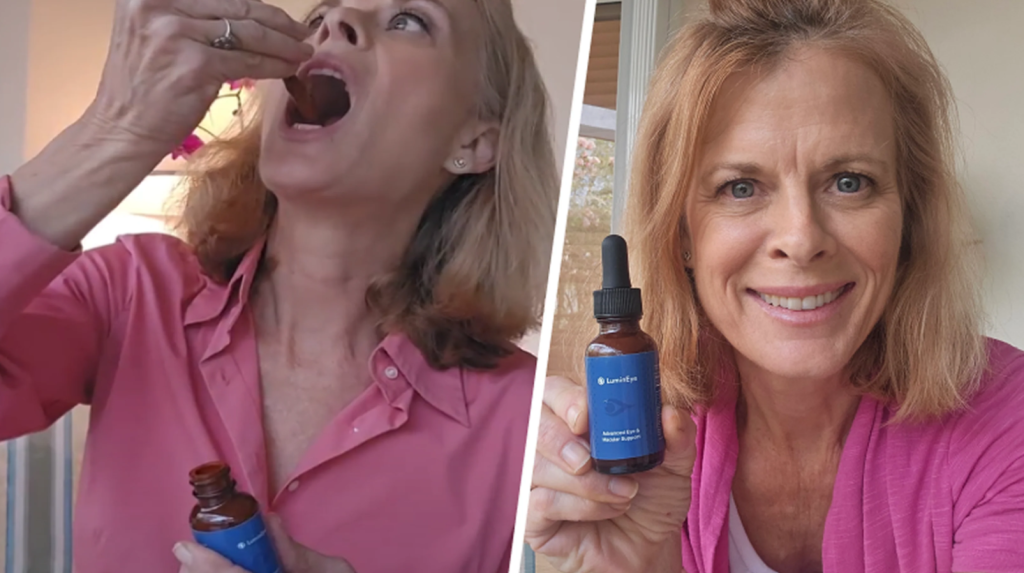
Lumineye Nano Drop (also written as LuminEye Nano-Drop) is an eye health dietary supplement made by a company called LuminDrops (Adchemy LLC). Unlike traditional eye health supplements that come as hard capsules or softgels, Lumineye is a liquid formula taken sublingually – meaning you place a few drops under your tongue and hold them there for 30 to 60 seconds.
The company describes it as a “Retina Nano-Drop” that delivers a concentrated blend of eye-specific nutrients directly into your bloodstream via the sublingual mucosa. Their claim is that this bypasses the digestive system and achieves up to a 98% absorption rate – much higher than what you’d typically get from a swallowed capsule.
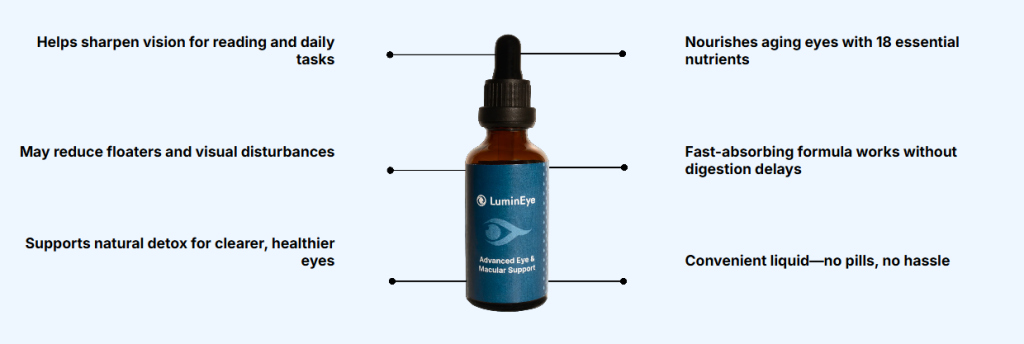
The formula contains 18 clinically referenced natural ingredients, including heavy-hitters like Lutein, Zeaxanthin, Astaxanthin, Bilberry, Saffron, Ginkgo Biloba, and several essential vitamins and minerals. All of these are ingredients with genuine research behind them in the context of eye health.
The product is:
- Made in the USA (the company lists a Clovis, NM address)
- Non-GMO
- Gluten-free
- Sugar-free (sweetened with monk fruit)
- Vegan-friendly
- Free of fish derivatives (omega-3 comes from flax seed oil)
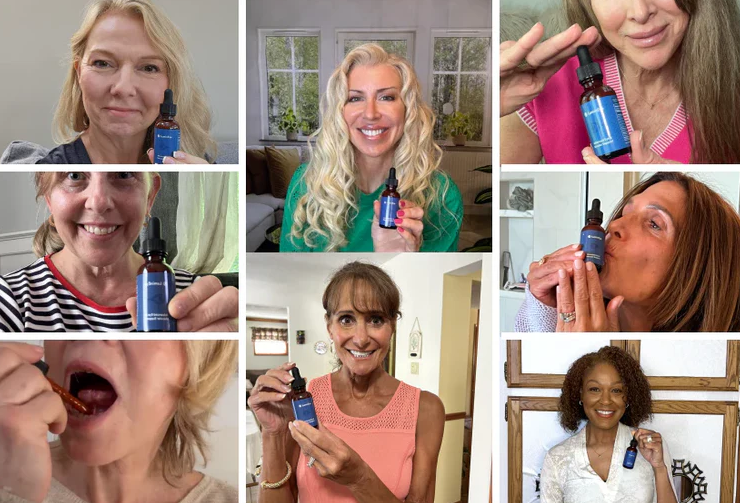
According to LuminDrops, over 287,000 customers have tried Lumineye, and the product has accumulated 12,000+ five-star reviews on their platform. Of course, you should read those reviews with appropriate skepticism – I’ll share some real ones later.
Why Are People Buying Lumineye Nano Drop?
Here’s the honest truth: eye health supplements have exploded in popularity in the last few years, and for good reason.
We’re all staring at screens more than ever. Blue light exposure, reduced blinking during screen time, increased oxidative stress from UV and pollution – all of these are real, documented pressures on our eyes. And many of us aren’t getting enough of the specific nutrients our eyes need from diet alone.
The two most researched nutrients for macular health – Lutein and Zeaxanthin – are found in leafy green vegetables. But most people simply don’t eat enough of them. Supplements fill that gap.
People are buying Lumineye specifically because:
- They want a convenient daily ritual – one sublingual dose instead of multiple capsules
- They’ve heard about the absorption advantage of sublingual delivery
- The ingredient list is impressive – 18 nutrients in one formula
- The 90-day money-back guarantee reduces the risk of trying it
- Peer reviews and word of mouth – especially in the 50+ age group
- They’re frustrated with traditional eye drops that only offer temporary relief
If you’ve been googling things like “eye health supplement that actually works,” “best vision support supplement for over 40,” or “how to improve eye health naturally,” Lumineye probably showed up. And there’s a reason for that – it ticks a lot of boxes that people in this category care about.
My Real Experience Researching Lumineye Nano Drop
Here’s where I want to be straight with you.
I’m a health and wellness blogger. I have been for about six years. I cover supplements primarily for an older adult audience – people in their 40s, 50s, and 60s who are trying to make informed decisions about their health without falling for flashy marketing.
When I first came across Lumineye, I was skeptical. “Under-the-tongue eye drops? Sounds gimmicky,” I thought.
So I did what I always do. I pulled apart the ingredient list and cross-referenced every major ingredient against published research. I went to PubMed and the NIH database. I read through real customer reviews – not just the glowing ones on their website, but comments in forums, Facebook groups, and other discussion boards. I looked into the company itself.
Here’s what I found:
The science behind the ingredients is solid. Lutein, Zeaxanthin, Astaxanthin, Saffron, Bilberry – these are not made-up ingredients. There is real, peer-reviewed research supporting their role in eye health. The company links to studies from institutions like the NIH, Harvard Medical School, and the Journal of Clinical Biochemistry and Nutrition. That’s a good sign.
The sublingual format is genuinely interesting. Sublingual delivery is a well-established pharmaceutical concept. The tissue under your tongue is highly vascular, and substances absorbed there can enter the bloodstream quickly without first-pass metabolism in the liver. Whether the “up to 98% absorption” claim is perfectly precise, I can’t verify — but the concept is scientifically valid.
Customer reviews paint a real picture. After reading through dozens of reviews, I noticed a consistent pattern: most users didn’t see dramatic changes in the first week or two. But around the 3–6 week mark, many reported noticeably less eye irritation, reduced dryness, improved comfort, and – for some – clearer or sharper vision. A small minority reported no noticeable change.
This tells me it’s a slow-burn product, not a quick fix. And that’s actually what I’d expect from a nutritional approach to eye health – it takes time for nutrients to accumulate and for cells to respond.
Lumineye Nano Drop Ingredients: What’s Actually Inside?
This is the section I get most excited about – because the formula is genuinely well-designed.
Here’s a breakdown of the key ingredients and what the research says about them:
1. Lutein – The “Eye Vitamin”
Lutein is one of the most well-researched nutrients for eye health. It’s a carotenoid that concentrates in the macula – the part of the retina responsible for central, detailed vision. Research from the NIH’s AREDS2 study (and numerous others) supports lutein’s role in helping maintain macular density and protecting against light-induced damage. It also filters high-energy blue light.
2. Zeaxanthin – Lutein’s Partner
Zeaxanthin works alongside Lutein in the macula, and they’re often discussed together. It supports the sharp, central vision needed for fine detail – things like reading text, recognizing faces, and driving. Published research in journals like Nutrients confirms its antioxidant role in protecting the retina.
3. Astaxanthin – The “King of Antioxidants”
Astaxanthin is a powerful carotenoid found in marine organisms (though Lumineye’s omega source is vegan-friendly flaxseed). Research suggests it supports circulation to the eye’s microvasculature – the tiny blood vessels that deliver nutrients to eye tissue. A study published in Molecular Nutrition & Food Research found it may help reduce eye fatigue, particularly from screen use.
4. Bilberry – The Vision Berry
Bilberry is a close relative of the blueberry and contains high concentrations of anthocyanins – powerful antioxidants. It’s been used traditionally for centuries to support night vision and eye comfort. Modern research published in journals like Evidence-Based Complementary and Alternative Medicine supports its role in protecting photoreceptor cells from light stress.
5. Saffron
This is one that often surprises people. Saffron isn’t just a culinary spice – it contains crocin and crocetin, compounds that have been studied for their potential to support blood flow to the retina. A notable study in Investigative Ophthalmology & Visual Science found improvements in visual performance in participants who supplemented with saffron extract. It’s also thought to support photoreceptor resilience.
6. Ginkgo Biloba
Ginkgo is well-known for supporting circulation, and its benefits may extend to ocular blood flow. Research published in Acta Ophthalmologica has looked at its potential to help maintain normal eye pressure and support a healthy inflammatory response in eye tissue.
7. Vitamin A
Essential for the production of rhodopsin – the pigment in your retinal rods responsible for low-light vision. Without sufficient Vitamin A, night blindness is a real risk. It also plays a key structural role in maintaining healthy corneal tissue.
8. Vitamin C (from Camu Camu)
The eye contains one of the highest concentrations of Vitamin C in the entire body. It helps maintain the integrity of the tiny blood vessels feeding the retina, and it’s a key antioxidant protecting against UV-related oxidative damage. Camu Camu is a particularly potent natural source.
9. Vitamin E (D-Alpha)
Another key antioxidant for the retina and lens. It works synergistically with Vitamin C and helps protect cell membranes from oxidative damage over time.
10. Chelated Zinc
Zinc is essential for transporting Vitamin A from the liver to the retina, where it’s used to synthesize melanin – the pigment that protects the eye from UV damage. Chelated forms are generally better absorbed than standard zinc oxide.
11. Chelated Copper
Included alongside zinc (as high zinc intake can deplete copper), copper is an antioxidant trace mineral that supports the development of healthy connective tissue in the eye.
12. Eyebright (Euphrasia)
A traditional herb with a long history in folk medicine for eye complaints. It contains flavonoids and tannins that may help soothe eye irritation and reduce redness. It’s been used in European herbal traditions for centuries.
13. Curcumin
The active compound in turmeric. Research published in Molecular Vision and other journals has looked at curcumin’s ability to support a balanced inflammatory response in ocular tissue, which may be relevant for long-term eye health and comfort.
14. Grape Seed Extract
Rich in oligomeric proanthocyanidins (OPCs), grape seed extract has been studied for its potential to support microcirculation and reduce the oxidative stress associated with eye strain and poor circulation to the eyes.
15. Blueberry
Close sibling to bilberry. Contains polyphenols that help protect photoreceptor cells from the oxidative stress of bright light. Some research also suggests a role in supporting healthy retinal blood flow.
16. Bladderwrack (Seaweed Extract)
A less common ingredient that provides antioxidant support. It’s rich in fucoidan – a compound studied for its potential to protect retinal cells from oxidative damage.
17. Moringa
A nutrient-dense plant with high concentrations of flavonoids and antioxidants. Research in the Journal of Ocular Pharmacology and Therapeutics has noted its potential to support lens clarity.
18. Shilajit
A mineral-rich compound from Himalayan mountains. Research published in the Journal of Ethnopharmacology has looked at its adaptogenic and antioxidant properties, which may help support the body’s natural defenses against cellular stress in the eyes.
Summary Table: Lumineye Nano Drop Key Ingredients
| Ingredient | Primary Benefit | Research Level |
|---|---|---|
| Lutein | Macular density, blue light filter | Very Strong |
| Zeaxanthin | Central vision support, retinal protection | Very Strong |
| Astaxanthin | Microcirculation, screen fatigue | Strong |
| Bilberry | Night vision, photoreceptor protection | Strong |
| Saffron | Retinal blood flow, photoreceptor resilience | Growing |
| Ginkgo Biloba | Ocular circulation, IOP support | Moderate |
| Vitamin A | Night vision, corneal health | Very Strong |
| Vitamin C | Retinal vessel integrity, antioxidant | Very Strong |
| Vitamin E | Lens/retina protection | Strong |
| Zinc | Melanin production, Vitamin A transport | Strong |
| Eyebright | Comfort, soothing | Traditional/Moderate |
| Curcumin | Inflammatory response support | Growing |
| Grape Seed | Microcirculation, eye strain | Moderate |
How Does Lumineye Nano Drop Work?
Is Lumineye Nano Drop an eye drop?
No. This is a common question, and it’s an important one. Lumineye Nano Drop is NOT placed in your eye. It’s a sublingual supplement – you place a small amount under your tongue and hold it for 30 to 60 seconds.
The reasoning: when nutrients enter the bloodstream via the sublingual route, they bypass the digestive system and reach ocular blood supply – specifically the central retinal artery and ciliary arteries – relatively quickly. This is the same principle used in some cardiac and allergy medications.
The company describes their formula as combining “stem cell bioscience and nanotechnology” to create an ultra-concentrated liquid where nutrients are in a nanoscopic form that allows for superior bioavailability. They claim an absorption rate of up to 98%, compared to the roughly 20-30% typically achieved by swallowed capsules.
Is that specific 98% figure independently verified? I couldn’t find third-party confirmation of that exact number. But the general principle that sublingual delivery can dramatically improve absorption of certain nutrients compared to capsules is well-supported in pharmaceutical science.
What can I expect in the first 90 days?
The company is actually quite transparent about this on their product page, and I appreciate the honesty. Here’s the rough timeline they describe (and which matches many user experiences):
Days 1–30: Some users report a minor increase in morning eye discharge. The company describes this as a “detox” phase where cellular waste is being expelled. Not everyone experiences this.
Days 20–60: Some users notice a slight increase in floaters or temporary visual cloudiness. Again, this is described as transitional – the body clearing material via natural drainage channels. Eye exercises (circular movements) are suggested to support this.
Days 60–90: Some users find their current eyeglass prescription feels slightly “off” – potentially a sign that inflammation and visual function has shifted. If this happens, an optometrist visit is recommended.
After 90 days: This is where most users who stick with it report more noticeable, stable improvements. The company strongly recommends a 3-month minimum to see meaningful results.
This gradual, cellular-level approach is actually consistent with how nutritional supplementation typically works – it’s not a drug that produces immediate effects. It takes time for nutrients to accumulate, for cellular repair to progress, and for visible changes to occur.
Real User Reviews: What Are Customers Actually Saying?
I pulled some of the most detailed, authentic-sounding reviews from LuminDrops’ verified review platform. Here’s a fair sample:
Arthur Barnes, 69 (retired teacher): “About 4 years ago I noticed reading was getting harder… Found Lumineye through a Facebook ad back in February. By week 3 my wife said ‘you’re not squinting at the TV tonight’… I’m on month 3 now and I can read a book in normal lighting again without straining. I genuinely wish I’d started this 4 years ago.” ⭐⭐⭐⭐⭐
Diane Glover, 58 (receptionist): “Every single morning I’d wake up and it felt like someone rubbed sandpaper across my eyeballs while I slept… I went from using artificial tears 8–10 times a day to maybe twice. TWICE. I honestly forgot what it felt like to just have normal eyes that don’t hurt.” ⭐⭐⭐⭐⭐
Marie Ricarte, 61: “Everything just looked like I was looking through a dirty window… Around week 4 I was washing dishes and looked out the kitchen window and literally stopped because I could see the individual leaves on the tree in my backyard. I haven’t been able to see that kind of detail in years.” ⭐⭐⭐⭐⭐
Connie Anthony, 64: “Some days I think my vision is better and some days it feels the same… The one thing I can say for sure is reading small text on my phone has gotten easier. Giving it 4 stars for now because something is happening even if it’s slow.” ⭐⭐⭐⭐
Linda McClure (self-described “most skeptical person about supplements”): “I spent 3 days researching the ingredients before I bought it. The sublingual thing is what convinced me… 7 weeks in and the blurriness I was getting especially in the afternoons after screen time has gotten so much better.” ⭐⭐⭐⭐⭐
What I notice across these reviews:
- The people getting the best results are older adults (50+) with dry eyes and age-related clarity loss
- Most say nothing dramatic happens in the first 2–3 weeks
- Improvement seems to kick in around week 3–6 for eye comfort; clarity changes take longer
- A minority report minimal change – which is honest and realistic for any supplement
How Much Does Lumineye Nano Drop Cost?
How much does Lumineye Nano Drop cost?
Here’s the current pricing breakdown (one-time purchase):
| Package | Regular Price | Sale Price | Per Bottle |
|---|---|---|---|
| 1 Month Supply | $89 | $69 | $69 |
| 3 Month Supply | $267 | $169 | ~$56 |
Subscribe & Save options (subscription):
| Package | Price | Per Bottle |
|---|---|---|
| 1 Month (monthly subscription) | $58.65 | $58.65 |
| 3 Month (quarterly subscription) | $135.20 | ~$45 |
The 3-bottle package at around $56/bottle one-time is the better value if you’re planning to do a full 90-day trial (which the company recommends for initial results). The subscription option at ~$45/bottle is the most economical if you’re committed long-term.
All purchases come with:
- Free shipping
- 90-day money-back guarantee
- Ships from Texas
The 90-day guarantee is meaningful here – it aligns with the recommended trial period. If you give it a fair 90-day shot and see no benefit, you can request a refund. That reduces the financial risk substantially.
Is Lumineye available on Amazon?
Based on my research, Lumineye Nano Drop is currently only available through their official website (lumindrops.co). I’d recommend purchasing directly from the official site to ensure you’re getting the genuine product and can access the money-back guarantee.
Lumineye Nano Drop vs. Other Eye Health Supplements
How does Lumineye compare to other vision supplements?
There are a handful of well-known eye health supplements on the market. Here’s a general comparison:
| Feature | Lumineye Nano Drop | PreserVision AREDS 2 | MacuHealth | Generic Lutein Caps |
|---|---|---|---|---|
| Format | Sublingual liquid | Softgel capsule | Capsule | Capsule |
| Key Ingredients | 18 (Lutein, Zea, Astax, Saffron+) | 6 (Lutein, Zea, Vit C/E, Zinc) | 3 (Lutein, Zea, MZ) | 1–2 |
| Absorption | High (sublingual claim) | Standard | Standard | Standard |
| Price/month | $58–69 | $25–35 | $50–65 | $10–20 |
| Guarantee | 90-day | Varies (retailer) | 30-day (varies) | Varies |
| Blue Light Support | Yes | Limited | Limited | No |
| Dry Eye Support | Yes | No | No | No |
Lumineye is more expensive than basic lutein capsules, but it does more than basic lutein capsules. The sublingual format, broader ingredient blend, and specific attention to dry eye and blue light concerns makes it a more comprehensive product. If you’re already taking PreserVision and finding it helpful, Lumineye is a more expansive alternative worth considering.
If budget is the primary concern, a basic lutein/zeaxanthin supplement will still offer meaningful support – just with fewer complementary ingredients and standard absorption.
Benefits of Lumineye Nano Drop
Based on the ingredient research and customer experiences, here are the realistic benefits you might expect:
- Support for eye moisture and comfort – particularly relevant for people with dry eye symptoms
- Reduced eye fatigue from prolonged screen use (blue light and digital eye strain support)
- Antioxidant protection for retinal cells against UV and blue light damage
- Support for macular health via Lutein and Zeaxanthin concentration
- Improved microcirculation to the tiny blood vessels feeding the retina
- Convenient single daily dose replacing multiple individual supplements
- Gradual improvement in visual clarity over a 2-4 month period for many users
What it won’t do:
- Reverse severe, established eye diseases like advanced glaucoma or late-stage macular degeneration
- Replace prescription glasses or contact lenses
- Show results overnight or in the first week
- Work identically for everyone – individual responses vary
Lumineye Nano Drop Pros and Cons
✅ Pros
- Comprehensive formula – 18 clinically-referenced ingredients in one product
- Unique sublingual delivery – potentially superior absorption compared to capsules
- Transparent ingredient list – no proprietary blends hiding the details
- Vegan, non-GMO, gluten-free, sugar-free – suitable for most dietary needs
- Made in USA – quality manufacturing standard
- 90-day money-back guarantee – generous, aligned with recommended trial period
- Strong customer reviews – especially for dry eye and comfort improvements
- Convenient format – easier than swallowing multiple large capsules daily
❌ Cons
- Premium price point – more expensive than basic eye supplements ($69/month)
- Slow results – requires 60-90 days minimum to see meaningful change
- No independent third-party certification found publicly (GMP, NSF, USP)
- Only available on official website – no Amazon, no local pharmacy
- Sublingual format not for everyone – some people dislike holding liquid under the tongue
- Not a treatment for diagnosed eye disease – supplemental support only
Who Should Buy Lumineye Nano Drop?
Is Lumineye Nano Drop good for people over 50?
Yes – this is probably the sweet spot user. Adults in their 40s, 50s, and 60s who are noticing the typical age-related changes in their vision: slightly reduced clarity, more difficulty in low light, eye fatigue after screen use, and dry eye discomfort. This is exactly who the formula is designed for.
You should consider Lumineye if:
- You spend a significant amount of time on screens daily (3+ hours)
- You’re over 40 and noticing gradual changes in visual clarity or comfort
- You’ve been dealing with chronic dry eye and artificial tears aren’t cutting it
- You have a family history of macular degeneration and want to be proactive
- You’re already taking basic eye vitamins and want something more comprehensive
- You prefer liquids or have difficulty swallowing capsules
- You’re willing to commit to a 90-day trial and be patient with the process
Who Should Avoid Lumineye Nano Drop?
Is Lumineye Nano Drop safe for everyone?
It may not be appropriate for everyone. I’d suggest avoiding or consulting your doctor first if:
- You are pregnant, nursing, or planning to become pregnant
- You are under 18
- You have a diagnosed eye condition being treated with prescription medications (discuss with your ophthalmologist)
- You’ve recently had eye surgery (again, consult your specialist first)
- You are sensitive to any of the ingredients listed
- You’re looking for a quick fix or short-term solution
- You’re on a very tight budget and $69/month is a financial stretch
Also: if you are experiencing sudden, new, or rapidly worsening vision problems – floaters, flashes of light, loss of peripheral vision, eye pain, or trauma — please see an eye doctor immediately. These are not situations where a supplement is the answer; they require professional evaluation.
Is Lumineye Nano Drop Legit?
Is Lumineye a scam or is it legit?
Based on my research, I believe Lumineye Nano Drop is a legitimate product from a real company. Here’s what supports that:
- Real company with real contact info – Adchemy LLC, 704 Wallace Street, Clovis, NM. Email: [email protected]
- Published on GlobeNewswire – a legitimate press release wire service used by real businesses
- Referenced clinical research – they link to actual NIH, PubMed, and Harvard studies for each ingredient
- Real-sounding, detailed customer reviews – not generic or obviously fabricated
- 90-day money-back guarantee – legitimate companies back up their products
- Social media presence – verified Facebook, Instagram, YouTube, and Pinterest channels
That said, as with any supplement, I’d encourage realistic expectations. The ingredients are real. The science behind sublingual delivery is real. But individual results will vary, and no supplement is a guaranteed fix for every person.
FAQ’s About Lumineye Nano Drop
What is Lumineye Nano Drop?
Lumineye Nano Drop is a sublingual liquid eye health supplement made by LuminDrops. It contains 18 natural ingredients – including Lutein, Zeaxanthin, Astaxanthin, Saffron, and Bilberry – designed to support vision clarity, eye comfort, and long-term ocular wellness. You place it under your tongue (not in your eye) and hold it for 30–60 seconds daily.
Is Lumineye Nano Drop an actual eye drop?
No. Despite the name, Lumineye Nano Drop is not placed in your eyes. It’s a sublingual dietary supplement that you take under the tongue. This allows nutrients to enter the bloodstream directly without going through the digestive system.
How long does it take for Lumineye to work?
Most users don’t notice significant changes until 3–6 weeks of consistent daily use. Eye comfort improvements (reduced dryness, less irritation) tend to come first. Visual clarity improvements may take closer to 60–90 days. The company recommends a minimum 90-day trial.
Is Lumineye Nano Drop worth buying?
For adults over 40 dealing with age-related vision changes, dry eye symptoms, or significant daily screen exposure – yes, it appears to be a worthwhile supplement to consider. The ingredient formula is solid, the delivery format is innovative, and the 90-day money-back guarantee removes much of the financial risk. Just go in with realistic, patient expectations.
How much does Lumineye cost?
A single one-month bottle retails for $69. The 3-bottle package works out to about $56 per bottle. Subscription pricing can bring the per-bottle cost down to around $45–58. All orders include free shipping.
Where can I buy Lumineye Nano Drop?
Lumineye is sold exclusively through their official website at lumindrops.co. It does not appear to be available on Amazon, Walmart, or in physical stores.
Is Lumineye FDA-approved?
No — like all dietary supplements sold in the United States, Lumineye has not been evaluated or approved by the FDA for diagnosing, treating, or preventing any disease. The ingredients are individually recognized as safe, and the product is manufactured in the USA, but supplement category products are not FDA-approved in the same way pharmaceuticals are.
Does Lumineye have a money-back guarantee?
Yes. LuminDrops offers a 90-day money-back guarantee on Lumineye Nano Drop. If you’re unsatisfied with the results, you can contact their customer support for a refund.
Can Lumineye Nano Drop improve my eyesight?
Lumineye is a dietary supplement and cannot make medical claims about treating or curing vision conditions. However, many users in their 40s, 50s, and 60s report noticeable improvements in visual clarity, reduced blurriness, and less eye discomfort after 60–90 days. Individual results vary.
Is Lumineye Nano Drop safe to take with medications?
The formula contains natural ingredients. However, if you’re taking prescription medications – especially for eye conditions, blood pressure, or blood thinning – you should consult your doctor or pharmacist before starting any new supplement. The company recommends checking with a healthcare provider if you’re on medications.
What are the best eye health supplements in 2026?
Some of the most well-regarded options include Lumineye Nano Drop (sublingual, comprehensive formula), PreserVision AREDS 2 (AREDS-formula capsules, widely recommended by ophthalmologists), MacuHealth (focused on macular support), and NOW Foods Lutein (budget-friendly basic lutein supplement). Your best option depends on your specific needs, budget, and whether you prefer liquid or capsule format.
Lumineye Nano Drop reviews consumer reports – what do people say?
Consumer feedback is largely positive for Lumineye, particularly among older adults dealing with dry eyes and blurry vision. Common themes in reviews include improved eye comfort (fewer artificial tears needed), reduced morning eye dryness, and gradual improvements in clarity. Some users report minimal change, which is consistent with any supplement where individual variation plays a role.
The Sublingual Delivery Method: Is It Really Better?
This is the part I get the most questions about. And honestly, when I first read “sublingual delivery for eye health,” I thought it sounded a bit like marketing fluff. So I dug into the science.
What does sublingual actually mean?
Sublingual means “under the tongue.” The tissue under your tongue (sublingual mucosa) is highly vascularized — meaning it has a dense network of tiny blood vessels very close to the surface. When you place a substance there and hold it, those substances can absorb directly into the bloodstream without first having to survive the stomach acid, digestive enzymes, and liver metabolism that a swallowed capsule has to endure.
Is this just a supplement gimmick?
No – sublingual delivery is genuinely used in mainstream medicine. Nitroglycerin tablets for heart conditions are taken sublingually. Certain allergy medications, hormone therapies, and even some forms of vitamin B12 supplementation use this route precisely because of its superior absorption profile.
The liver “first-pass effect” is a real pharmacological phenomenon. When you swallow a capsule, everything you absorbed in your gut gets routed through the liver before entering general circulation – and the liver metabolizes a portion of it, reducing the effective amount that reaches your target tissues. Sublingual absorption bypasses this.
Does nanotechnology actually help?
The company describes their formula as using “nanotechnology” to create an ultra-fine, highly concentrated liquid where the nutrients are in a nanoscopic particle size. The idea is that smaller particles cross membranes more easily, further enhancing absorption.
This is also a legitimate area of research. Nanoemulsion technology in supplements and pharmaceuticals is an active field, with studies showing improved bioavailability of fat-soluble nutrients (like the carotenoids Lutein, Zeaxanthin, and Astaxanthin) when delivered in nano-sized forms.
The specific “up to 98% absorption” claim from LuminDrops – I’m going to be transparent here – I couldn’t find an independent third-party study that verifies this exact figure for their product specifically. That’s worth noting. However, the underlying scientific principle that sublingual nano-delivery significantly outperforms swallowed capsules for certain nutrients is well-grounded.
So: is sublingual delivery better? Almost certainly yes, in principle. Is it exactly 98% more effective for this specific product? I’d take that specific number with a grain of salt without independent verification. Either way, the format is genuinely innovative for an eye supplement.
What Makes Lumineye Different from Regular Eye Drops?
Let’s clear this up once and for all, because it’s genuinely confusing given the product name.
Standard eye drops (like Systane, Refresh, Rohto, or prescription drops like Restasis) are applied directly to the surface of the eye. They provide topical lubrication and relief — but they work on the surface only. They don’t penetrate to the retina, the macula, or the blood supply feeding your inner eye.
Think of it like watering a plant by spraying water on the leaves vs. watering the roots. Topical eye drops deal with surface symptoms. They can’t deliver nutrients to the photoreceptor cells of the retina or support the health of the ocular vasculature.
Lumineye Nano Drop works from the inside out. By entering your bloodstream and traveling to your eyes via the blood supply – specifically the central retinal artery and the ciliary arteries – the nutrients reach the actual functional tissue of your eye: the retina, the macula, the lens, and the microvasculature that feeds them.
This is why many Lumineye users who had tried countless types of artificial tears for dry eye report a different kind of relief – one that addresses what might be an underlying nutritional component to their symptoms, not just the surface sensation.
The two aren’t mutually exclusive. If you’re using prescription eye drops or artificial tears for a diagnosed condition, you can continue doing so alongside a sublingual supplement like Lumineye (though, as always, check with your eye doctor first if you have a diagnosed condition being treated with medication).
Understanding the 90-Day Journey: What Happens In Your Eyes
One thing I genuinely appreciate about LuminDrops is that they’re honest about the timeline. They don’t promise you’ll see results in 48 hours. They explain why it takes 90 days, and that explanation makes biological sense.
Here’s what’s actually happening at a cellular level when you start taking an eye health supplement:
Weeks 1–4: Tissue saturation begins Your body needs to build up nutrient concentrations in ocular tissue before visible changes can occur. Lutein and zeaxanthin, for example, accumulate in the macula over time. This “loading phase” is invisible to you – you’re not going to feel your macular pigment increasing. But it’s happening. Some users do notice earlier comfort improvements during this phase – less dryness, less irritation – because certain ingredients (like Eyebright, omega-3 from flaxseed, and Astaxanthin) may address moisture and circulation fairly quickly.
Weeks 4–8: Cellular repair begins Once the tissues are better nourished, the body can begin actual cellular maintenance and repair. Damaged cells are more effectively cleared. Antioxidant protection kicks in more actively. Circulation to the microvasculature of the retina may improve. This is the phase where some users begin noticing functional differences — slightly sharper text, less eye strain by the end of the day, noticing they’re not squinting at the TV as much.
Weeks 8–12: Functional improvement becomes noticeable By the 90-day mark, users who are going to see significant results are typically noticing them by now. Many report the most dramatic improvements in this third month – including the kind of clarity changes that make them feel their vision has genuinely shifted. Some even find their existing eyeglass prescription feels slightly “off” – which the company notes as a potential sign that the visual system has responded to improved nutrition.
Beyond 90 days: Maintenance The company recommends continuing use after the initial 90-day period, both to maintain improvements and to continue building on them – particularly for those who are at an intermediate or advanced stage of age-related changes. This is similar to the maintenance philosophy behind the AREDS supplementation studies.
Understanding this timeline helps set realistic expectations. If you try Lumineye for two weeks and then decide it’s “not working,” you haven’t given it a fair chance. This is a long-game supplement.
Related Read: Mighties Protein Drink for Kids Reviews: What I Discovered After 30 Days (and What Most Reviews Won’t Tell You)
Common Concerns About Lumineye Nano Drop
“Is the taste okay?”
Several users mention this, and it’s a fair question since you’re holding it under your tongue. The company uses monk fruit (lo han) as a natural sweetener, and most reviewers describe the taste as mild to pleasant – “kind of sweet,” as one reviewer put it. It’s not a strong flavor. If you’re expecting a neutral, tasteless experience, it may take a few days to get used to, but most people adapt quickly.
“What if I’m already taking other eye supplements?”
If you’re taking something like PreserVision AREDS 2, adding Lumineye on top could mean doubling up on some nutrients (zinc, vitamins C and E, lutein, zeaxanthin). This isn’t necessarily dangerous at typical supplement doses, but you should be aware and ideally discuss with your doctor if you’re stacking multiple eye supplements.
“Do I need to refrigerate it?”
Based on what the company discloses, Lumineye doesn’t require refrigeration. However, I’d recommend storing it in a cool, dry place away from direct sunlight, as is generally advisable for liquid supplements.
“What if it doesn’t work for me?”
That’s a genuinely honest and fair question to ask before buying anything. The 90-day money-back guarantee is the answer here. Contact their support team at [email protected] if you’re unsatisfied after a genuine trial. That guarantee is why I feel more comfortable recommending people try it — the financial risk is substantially reduced.
“Is this product tested for quality and purity?”
The company states that Lumineye is made in the USA. They don’t prominently publicize independent third-party certifications (like USP, NSF, or Informed Sport) on their website – which is something I’d like to see more transparency on. If this is a significant concern for you, I’d recommend contacting their support team directly to ask about their manufacturing standards.
Lumineye Nano Drop and Blue Light: Does It Help with Screen Eye Strain?
Is Lumineye good for people who use screens all day?
This is one of the most common questions I get, and it’s completely understandable — digital eye strain is arguably the number one reason younger and middle-aged adults are seeking out eye health supplements in 2026.
The modern workday involves extraordinary amounts of screen exposure. Most people spend 8–10 hours per day looking at phones, computers, and tablets. Blue light — which is emitted by all digital screens — is a shorter-wavelength, higher-energy form of visible light that penetrates deeper into the eye than longer-wavelength light. There’s growing research suggesting that chronic, heavy blue light exposure may accelerate oxidative stress in the retina over time.
Lumineye’s formula addresses this from multiple angles:
- Lutein and Zeaxanthin are the two primary nutrients that act as natural internal blue light filters in the macula. Higher macular pigment density means better natural protection against blue light reaching the underlying photoreceptor cells.
- Astaxanthin has been specifically studied for its ability to reduce symptoms of digital eye strain — including eye fatigue, dry feeling, and difficulty focusing — in people with high screen exposure.
- Bilberry and Blueberry both contain anthocyanins that help protect photoreceptor cells from light-induced oxidative stress.
- Vitamin C and Vitamin E provide broader antioxidant support for the retinal cells that are most vulnerable to oxidative damage from blue light exposure.
So yes — if your eye discomfort is primarily screen-related, Lumineye’s formula is well-suited to that use case. It’s not a replacement for good screen hygiene habits (20-20-20 rule, blue light glasses, display brightness management), but it’s a meaningful nutritional complement to those habits.
Tips for Getting the Most from Lumineye Nano Drop
If you decide to try it, here are the habits that seem to produce the best outcomes based on the user reviews and general knowledge of how nutritional supplements work:
- Take it consistently. This is the single most important factor. Missing days resets your progress and slows tissue saturation. Same time every day — make it a habit.
- Hold it under your tongue for the full 30–60 seconds. Rushing this step reduces the sublingual absorption advantage. Set a timer if you need to.
- Rinse your eyes with distilled water in the morning. The company specifically suggests this to support the natural clearing of any cellular debris that may increase in the early weeks.
- Do the eye circulation exercises. Moving your eyes in gentle circular motions (20 times left, 20 times right) helps stimulate fluid circulation in the eye. It takes about 90 seconds and costs nothing.
- Stay hydrated. Dehydration worsens dry eye symptoms and affects all cellular processes. Drinking enough water is genuinely supportive of eye health, full stop.
- Reduce blue light exposure during the trial. Consider blue-light-blocking glasses for your evening screen time, and enable “night mode” on your devices after dark. Give the supplement a fair chance by reducing the oxidative load on your eyes simultaneously.
- See your eye doctor for a baseline and follow-up. The company explicitly recommends this. Getting a comprehensive eye exam before you start (to document baseline) and again after 90 days (to assess any measurable changes) is the most objective way to evaluate results.
- Be patient and realistic. I know I’ve said this multiple times, but it’s worth repeating. Nutritional support for eye health is a marathon, not a sprint.
Final Verdict: Should You Try Lumineye Nano Drop?
After everything I’ve dug into – the ingredients, the science, the company, the real customer experiences – here’s my honest conclusion:
Lumineye Nano Drop is not a miracle product. Nothing in the supplement world genuinely is. If you’re expecting to take it for a week and wake up with perfect vision, you’re going to be disappointed.
But if you’re someone who is genuinely invested in protecting and supporting your long-term eye health – and you’re willing to be patient – this is one of the more thoughtfully formulated supplements in the category. The 18-ingredient formula covers a broad spectrum of ocular wellness needs. The sublingual format is a genuine differentiator. And the 90-day guarantee means you can give it a fair trial without feeling locked in.
For the 40+ crowd dealing with daily screen exposure, dry eye discomfort, or the gradual blur creep that comes with age, Lumineye is worth serious consideration.
My bottom line: start with the 3-bottle package (to cover the full recommended trial period at a better per-bottle price), use it consistently every day, and give it a genuine 90 days before making your judgment. Then let your results – and your optometrist – tell you what they see.