
Lying awake at 2 AM, staring at the ceiling while your mind races through tomorrow’s to-do list—sound familiar? You’re not alone. According to sleep research, millions of people struggle with falling asleep quickly, spending an average of 30 to 45 minutes tossing and turning before finally drifting off.
The good news? There’s a simple, natural breathing technique that can help you fall asleep in just minutes, without medication or expensive gadgets. It’s called the 4-7-8 breathing method, and it’s been helping people overcome insomnia and sleep anxiety for years.
In this comprehensive guide, you’ll learn exactly how to use the 4-7-8 breathing technique to fall asleep faster, understand the science behind why it works, and discover practical tips to make this method work best for you. Whether you struggle with occasional sleeplessness or chronic insomnia, this evidence-based breathing exercise could transform your nights.
What Is the 4-7-8 Breathing Method?
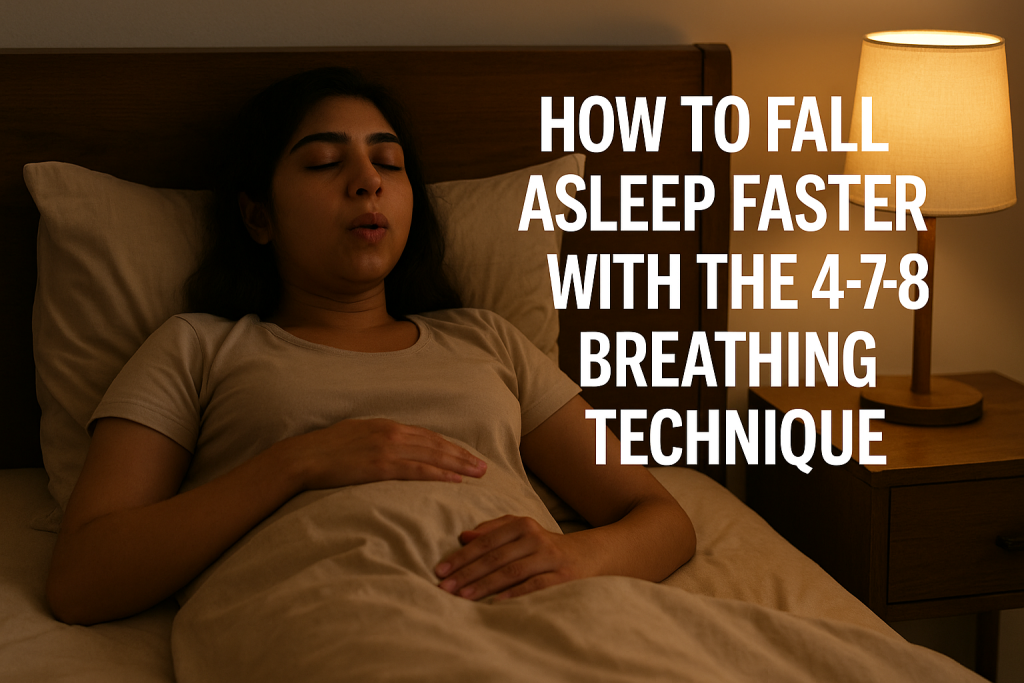
The 4-7-8 breathing technique is a simple yet powerful relaxation exercise developed by Dr. Andrew Weil, a Harvard-trained physician and pioneer in integrative medicine. This breathing pattern is based on ancient yogic breathing practices called pranayama, which have been used for centuries to promote calmness and reduce stress.
The method gets its name from the specific breathing pattern it follows:
- 4 seconds: Inhale quietly through your nose
- 7 seconds: Hold your breath
- 8 seconds: Exhale completely through your mouth
This rhythmic breathing pattern acts as a natural tranquilizer for your nervous system, helping your body transition from a state of alertness to deep relaxation. Unlike sleeping pills that can have side effects and dependency risks, the 4-7-8 method is completely natural, free, and can be practiced anywhere.
The Science Behind the 4-7-8 Breathing Technique
Understanding why the 4-7-8 breathing method works makes it easier to trust the process and stick with the practice. Here’s what happens in your body when you practice this technique:
How It Activates Your Parasympathetic Nervous System
Your autonomic nervous system has two main branches: the sympathetic nervous system (which controls your fight-or-flight response) and the parasympathetic nervous system (which controls rest and digestion). When you’re stressed or anxious, your sympathetic nervous system is in overdrive.
The 4-7-8 breathing pattern helps activate your parasympathetic nervous system, which:
- Slows your heart rate
- Lowers blood pressure
- Reduces cortisol (stress hormone) levels
- Promotes feelings of calm and relaxation
Oxygen and Carbon Dioxide Balance
The extended exhale (8 seconds) helps remove more carbon dioxide from your lungs while the breath hold allows oxygen to better absorb into your bloodstream. This gas exchange helps regulate your body’s pH levels and promotes a state of calm.
Mindful Distraction from Racing Thoughts
Counting and focusing on your breath gives your mind something specific to concentrate on, breaking the cycle of anxious thoughts that often keep you awake. This mindfulness aspect is similar to meditation, redirecting your attention away from worries and toward your physical sensations.
Reduced Anxiety and Stress Response
Research on controlled breathing techniques shows they can significantly reduce anxiety symptoms. The 4-7-8 method specifically helps interrupt the stress response by forcing your body into a slower, more deliberate breathing pattern than the shallow, rapid breathing associated with anxiety.
Step-by-Step Guide: How to Do the 4-7-8 Breathing Exercise
Ready to try the 4-7-8 method? Follow these detailed instructions to perform the technique correctly:
Preparation Steps
Before you begin, prepare yourself for the best results:
- Find a comfortable position: Lie down in bed or sit upright in a comfortable chair
- Place your tongue correctly: Position the tip of your tongue against the ridge of tissue behind your upper front teeth (you’ll keep it there throughout the entire exercise)
- Empty your lungs: Start by exhaling completely through your mouth, making a whooshing sound
- Close your mouth: You’ll inhale through your nose for the next steps
The 4-7-8 Breathing Cycle
Step 1 – Inhale (4 seconds): Close your mouth and inhale quietly through your nose for a mental count of four. Count slowly and steadily: “one, two, three, four.”
Step 2 – Hold (7 seconds): Hold your breath for a count of seven. This is where the magic happens as oxygen circulates through your system: “one, two, three, four, five, six, seven.”
Step 3 – Exhale (8 seconds): Exhale completely through your mouth, making a whooshing sound, for a count of eight: “one, two, three, four, five, six, seven, eight.”
Step 4 – Repeat: This completes one breath cycle. Repeat the entire cycle three more times for a total of four breath cycles.
Important Tips for Beginners
- Speed matters: The actual time you spend on each phase is less important than the ratio (4:7:8). If you can’t hold your breath for 7 seconds comfortably, do the entire exercise faster while keeping the ratio the same.
- Keep tongue placement: Maintain your tongue position throughout all cycles, even during the exhale.
- Practice twice daily: Do the exercise twice a day for best results—once when you wake up and once before bed.
- Don’t overdo it: Stick to four breath cycles when starting. You can gradually increase to eight cycles as you become more comfortable.
- Be patient: The effects become more noticeable with consistent practice over time.
When to Use the 4-7-8 Breathing Method for Sleep
The 4-7-8 technique is versatile and can be used in various situations to improve sleep quality:
Before Bedtime
Practice the technique as part of your nightly wind-down routine, about 10-15 minutes before you plan to sleep. This signals to your body that it’s time to relax and prepare for rest.
Middle-of-the-Night Wakefulness
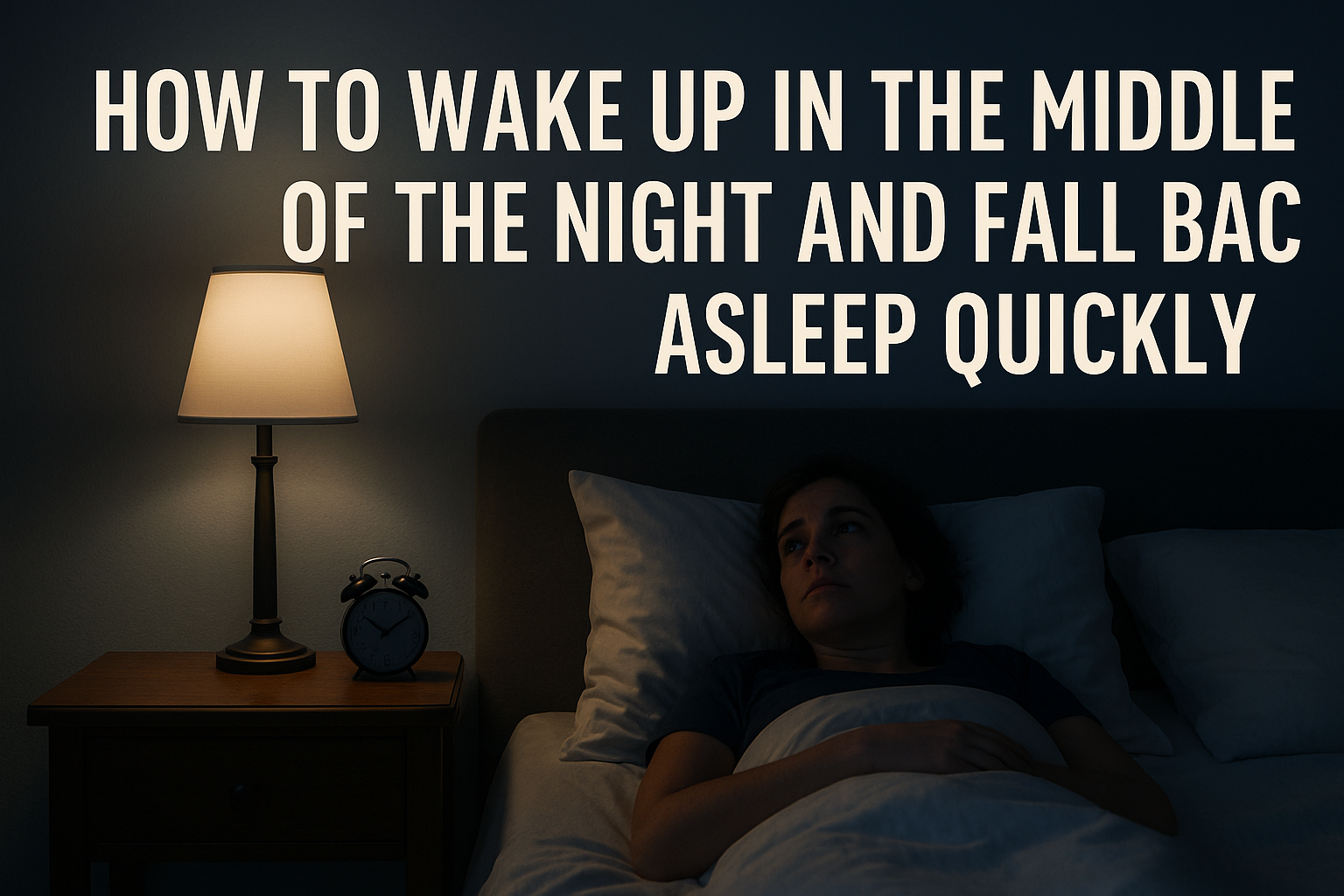
If you wake up during the night and can’t fall back asleep, use the 4-7-8 method right there in bed. It’s especially effective for those 3 AM wake-ups when your mind starts racing.
During Stressful Days
Practice the technique during the day when you feel anxious or stressed. This builds your skill with the method and helps reduce overall stress levels, making it easier to fall asleep at night.
Traveling and New Environments
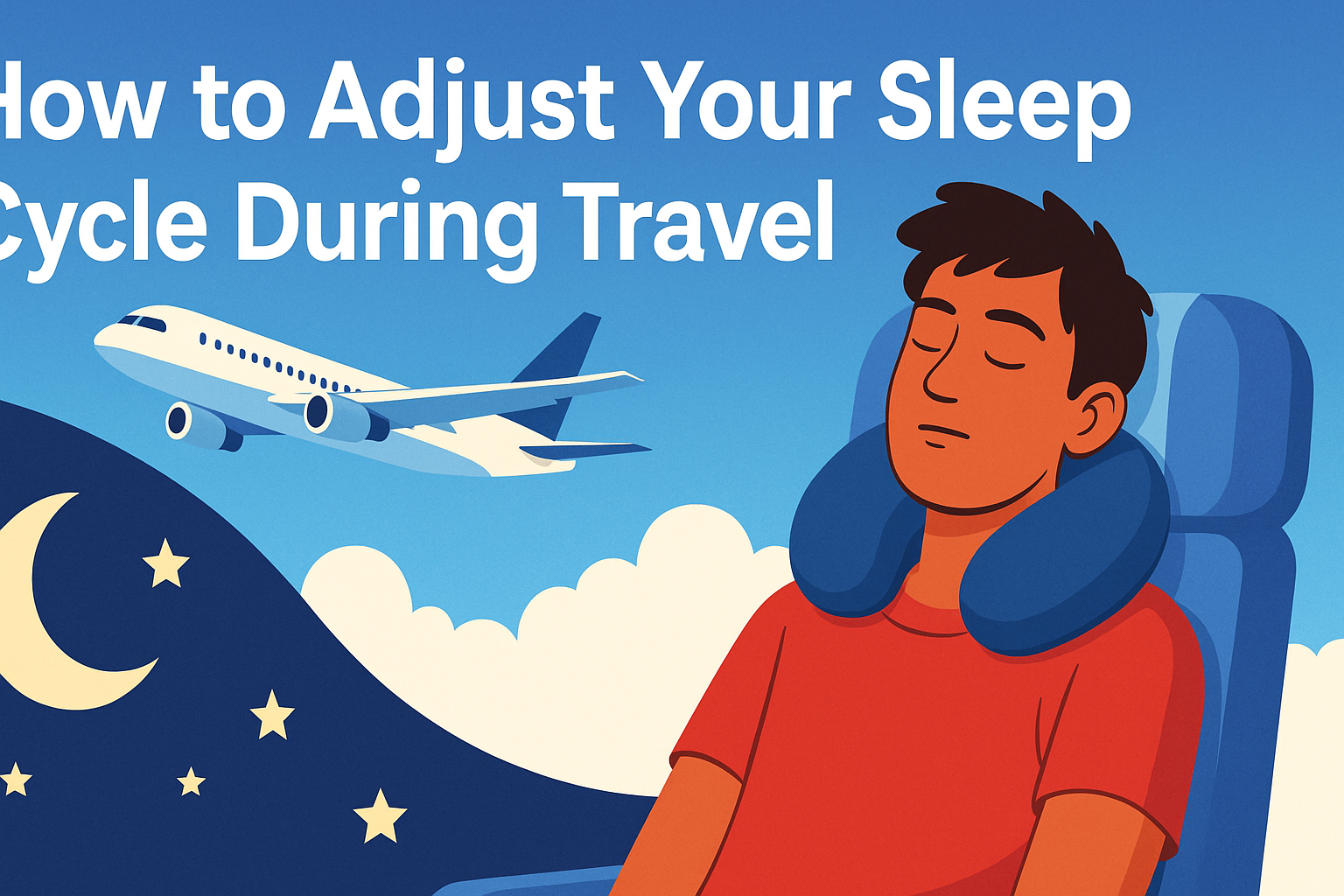
Use the 4-7-8 breathing method when sleeping in unfamiliar places like hotels or dealing with jet lag. It helps your body relax despite the change in environment.
Some of Trending Sleep Gadgets
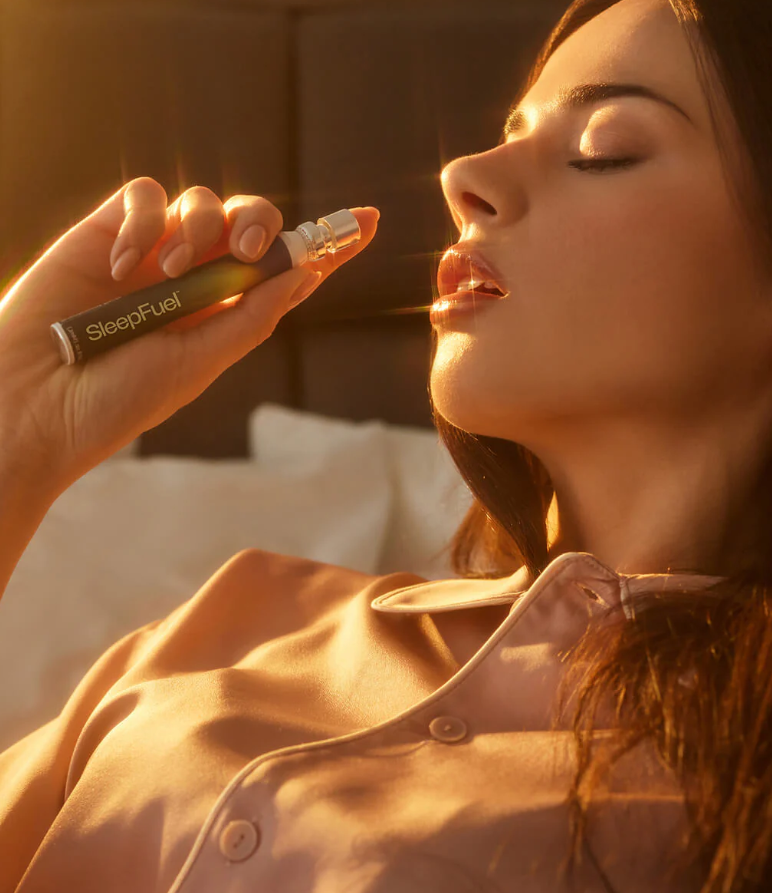
SleepFuel Sleep Spray Review
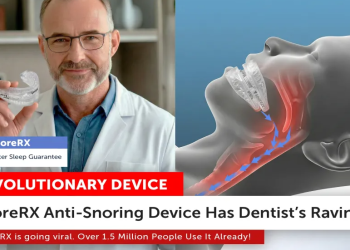
SnoreRx Mouthpiece Review
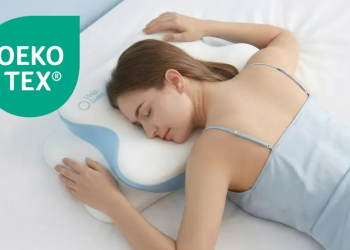
VelaSleep Pillow Review
Benefits of the 4-7-8 Breathing Technique Beyond Sleep
While falling asleep faster is the primary benefit most people seek, the 4-7-8 method offers additional health advantages:
Reduces Anxiety and Panic Symptoms
The technique can help calm anxiety attacks and reduce overall anxiety levels when practiced regularly. Many people use it before stressful events like presentations or medical appointments.
Lowers Blood Pressure
Controlled breathing exercises have been shown to help reduce blood pressure in some individuals by promoting relaxation and reducing stress hormones.
Improves Emotional Regulation
Regular practice can help you respond more calmly to stressful situations, improving your ability to manage emotions throughout the day.
Enhances Focus and Concentration
The mindfulness aspect of the technique can improve your ability to concentrate and stay present, benefiting your work and daily activities.
Supports Stress Management
Having a go-to relaxation technique gives you a healthy coping mechanism for managing life’s daily stressors without turning to unhealthy habits.
Common Mistakes to Avoid When Practicing 4-7-8 Breathing
To get the most benefit from this technique, avoid these common pitfalls:
Breathing Too Quickly
The mistake: Rushing through the counts defeats the purpose of the exercise.
The fix: Slow down and count at a steady, relaxed pace. Remember, this isn’t a race—it’s about creating a calming rhythm.
Forcing the Breath Hold
The mistake: Holding your breath until you feel uncomfortable or gasping for air.
The fix: If 7 seconds feels too long, reduce all counts proportionally (try 2-3.5-4 instead). Work up to the full count over time.
Giving Up Too Quickly
The mistake: Trying the technique once or twice and expecting immediate results.
The fix: Consistency is key. Practice twice daily for at least two weeks before evaluating its effectiveness.
Practicing Too Many Cycles
The mistake: Doing 10-15 cycles thinking more is better, which can lead to lightheadedness.
The fix: Start with four cycles and gradually increase to a maximum of eight as you become more experienced.
Breathing Through the Wrong Passages
The mistake: Inhaling through the mouth or exhaling through the nose.
The fix: Always inhale through your nose (quietly) and exhale through your mouth (with a whooshing sound).
Skipping the Tongue Placement
The mistake: Not keeping your tongue in the proper position against the roof of your mouth.
The fix: Maintain tongue placement throughout the entire exercise—this is crucial for the technique’s effectiveness.
How Long Does It Take to Fall Asleep with the 4-7-8 Method?
One of the most common questions people ask is: “How quickly will this work?” Here’s what to expect:
For Beginners (First 1-2 Weeks)
During your first attempts, you may not fall asleep immediately. The technique is new, and your body needs time to learn the response. You might notice:
- Feeling calmer and more relaxed
- Reduced racing thoughts
- Slower heart rate
- Easier time getting comfortable in bed
With Regular Practice (2-8 Weeks)
As you practice consistently over several weeks, the effects become more pronounced. Many people report:
- Falling asleep within 5-15 minutes
- Fewer middle-of-the-night wake-ups
- Improved overall sleep quality
- Better stress management during the day
For Experienced Practitioners (2+ Months)
With dedicated practice, some individuals report falling asleep within 1-2 minutes of completing their breath cycles. Dr. Weil himself has noted that the technique becomes more effective the more you practice it.
Realistic Expectations
It’s important to understand that the 4-7-8 method is not a magic bullet. Results vary based on:
- The severity of your sleep issues
- Underlying health conditions
- Consistency of practice
- Overall sleep hygiene habits
- Stress levels and lifestyle factors
Combining 4-7-8 Breathing with Other Sleep Hygiene Practices
For best results, use the 4-7-8 breathing method as part of a comprehensive approach to better sleep:
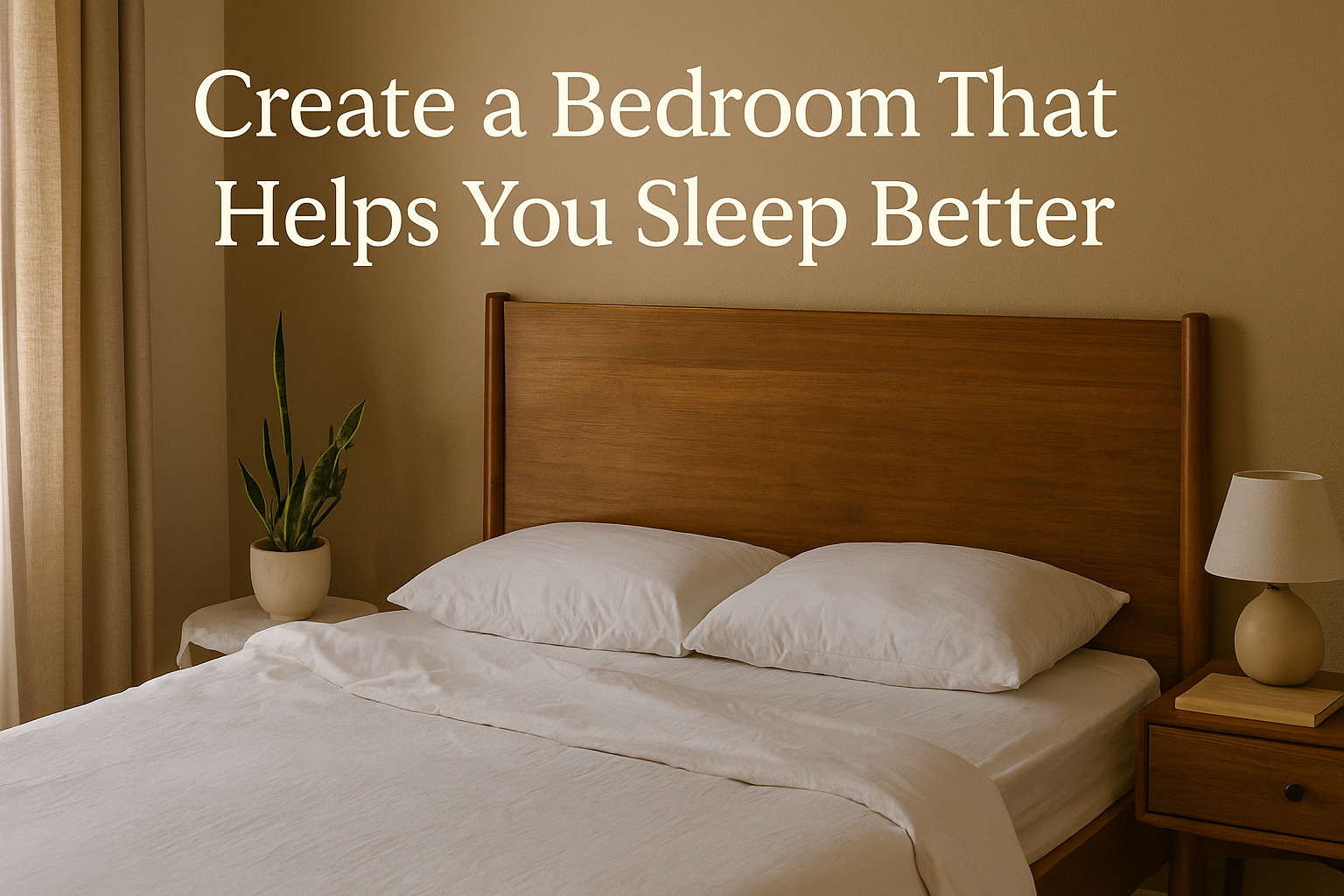
Create an Optimal Sleep Environment
- Temperature: Keep your bedroom cool (60-67°F or 15-19°C)
- Darkness: Use blackout curtains or an eye mask
- Quiet: Consider white noise machines or earplugs if needed
- Comfort: Invest in a quality mattress and pillows
Establish a Consistent Sleep Schedule
Go to bed and wake up at the same time every day, even on weekends. This helps regulate your body’s internal clock.
Limit Screen Time Before Bed
Avoid phones, tablets, and computers for at least 30-60 minutes before sleep. The blue light can interfere with melatonin production.
Watch Your Diet and Caffeine Intake
- Avoid caffeine after 2 PM
- Don’t eat large meals within 3 hours of bedtime
- Limit alcohol, which can disrupt sleep quality
Develop a Relaxing Bedtime Routine
Create a 30-45 minute wind-down routine that includes:
- Gentle stretching or yoga
- Reading (physical books, not screens)
- Journaling
- The 4-7-8 breathing technique
- Light meditation or progressive muscle relaxation
Who Can Benefit Most from the 4-7-8 Breathing Technique?
The 4-7-8 method is safe and effective for most people, particularly those who:
Experience Occasional Insomnia
If you have trouble falling asleep a few times per week due to stress or schedule changes, this technique can be especially helpful.
Struggle with Anxiety-Related Sleep Issues
People whose racing thoughts and worry prevent them from falling asleep often find the 4-7-8 method particularly effective.
Want a Natural Alternative to Sleep Aids
If you prefer to avoid medication or want to reduce dependence on sleep supplements, this breathing technique offers a drug-free option.
Deal with Jet Lag or Shift Work
Those with irregular sleep schedules can use the technique to help their bodies relax on demand, regardless of time zone or work shift.
Practice Mindfulness or Meditation
If you already have a meditation practice, the 4-7-8 method fits naturally into your routine and can enhance your existing mindfulness work.
Safety Considerations and When to Consult a Professional
While the 4-7-8 breathing method is generally safe, keep these considerations in mind:
Who Should Use Caution
- Pregnant women: Consult your healthcare provider before starting any new breathing practice
- People with respiratory conditions: Those with asthma, COPD, or other breathing issues should check with their doctor first
- Individuals with cardiovascular concerns: If you have heart problems, discuss the technique with your physician
Signs You May Need Professional Help
The 4-7-8 method is helpful for many sleep issues, but seek professional medical advice if you experience:
- Chronic insomnia lasting more than 3 months
- Sleep apnea symptoms (loud snoring, gasping during sleep, excessive daytime fatigue)
- Severe anxiety or depression affecting your sleep
- Physical pain keeping you awake
- Medications that may be interfering with sleep
Not a Replacement for Medical Treatment
This breathing technique is a complementary practice and should not replace prescribed treatments for sleep disorders or mental health conditions. Always work with healthcare professionals for serious or persistent sleep problems.
Frequently Asked Questions About the 4-7-8 Breathing Method
Why is the ratio 4-7-8 specifically?
The 4-7-8 ratio was designed to maximize oxygen intake and slow down the body’s responses. The longer exhale (8 seconds) compared to the inhale (4 seconds) is key—it activates the relaxation response and helps remove carbon dioxide from the lungs more efficiently.
Can I do more than 4 breath cycles?
When starting out, stick to 4 cycles to avoid lightheadedness. As you become more comfortable with the technique over several weeks, you can increase to 8 cycles. However, there’s no need to exceed 8 cycles in one session.
What if I can’t hold my breath for 7 seconds?
That’s completely normal, especially when beginning. Adjust the ratio proportionally—try 2-3.5-4 or 3-5.25-6 instead. What matters most is maintaining the 4:7:8 ratio, not the exact duration. Build up gradually as your lung capacity improves.
Is it normal to feel lightheaded?
Slight lightheadedness can occur when you first start, especially if you’re doing too many cycles or breathing too forcefully. If this happens, reduce the number of cycles, slow down your pace, and breathe more gently. The sensation should pass as your body adjusts.
How is 4-7-8 different from other breathing exercises?
The 4-7-8 method is specifically designed for sleep and relaxation with its extended exhale and breath hold. Other techniques like box breathing (4-4-4-4) or alternate nostril breathing serve different purposes. The 4-7-8 ratio is particularly effective for activating the parasympathetic nervous system and inducing sleep.
Can children use the 4-7-8 breathing method?
Yes, children can benefit from the 4-7-8 technique, but with modifications. For younger children (under 10), use shorter counts that match their lung capacity, such as 2-3-4 or 3-4-5 ratios. Teach them the technique during calm moments, not just at bedtime. Make it fun by calling it “sleeping breath” or “calm breath.” Always supervise young children when they first learn the technique, and ensure they’re not forcing the breath or holding it uncomfortably.
Does the 4-7-8 method work if I have sleep apnea?
The 4-7-8 breathing technique is not a treatment for sleep apnea and should not replace CPAP machines or other prescribed therapies. However, some people with sleep apnea use it to help with the anxiety around sleep. If you have diagnosed sleep apnea, consult your sleep specialist before incorporating this or any breathing exercise into your routine, as breath-holding may not be appropriate for all cases.
Can I practice 4-7-8 breathing after drinking coffee or eating?
It’s best to avoid practicing immediately after consuming caffeine or large meals. Caffeine stimulates your nervous system, which works against the relaxation you’re trying to achieve. Wait at least 30-60 minutes after coffee before practicing. Similarly, practicing on a full stomach can be uncomfortable. If you’ve eaten a large meal, wait 2-3 hours, or at least 30 minutes after a light snack, before doing the breathing exercise.
Will 4-7-8 breathing help with nightmares or night terrors?
The 4-7-8 method can help with stress-related nightmares by reducing overall anxiety levels, which often contribute to bad dreams. If you wake from a nightmare, practicing the technique can help calm your nervous system and make it easier to fall back asleep. However, for frequent nightmares or night terrors, especially in children, consult a healthcare provider as these may indicate underlying issues that need professional attention.
Can I use 4-7-8 breathing during the day when I’m not trying to sleep?
Absolutely! The 4-7-8 technique is excellent for managing stress, anxiety, and emotional overwhelm during waking hours. Use it before important meetings, during work breaks, when feeling anxious, or any time you need to calm down quickly. Many people keep it as a tool in their stress-management toolkit. Just be aware that it may make you feel drowsy, so avoid using it before activities requiring alertness, like driving or operating machinery.
Conclusion: Your Path to Better Sleep Starts Tonight
The 4-7-8 breathing method offers a simple, natural, and scientifically-supported way to fall asleep faster and improve your overall sleep quality. By activating your body’s natural relaxation response, this technique can help you transition from wakefulness to restful sleep in just minutes.
Remember these key takeaways:
- Practice consistently twice daily for best results
- Be patient—the technique becomes more effective over time
- Combine with good sleep hygiene for optimal outcomes
- Use it not just for sleep, but for stress and anxiety management throughout the day
Start tonight by incorporating the 4-7-8 breathing method into your bedtime routine. Within a few weeks of regular practice, you may find yourself falling asleep faster, sleeping more soundly, and waking up more refreshed than you have in years.
Ready to transform your sleep? Lie down, position your tongue, and begin your first 4-7-8 breathing cycle right now. Your best night’s sleep could be just four breath cycles away.
Sweet dreams await—it’s time to breathe your way to better sleep.