
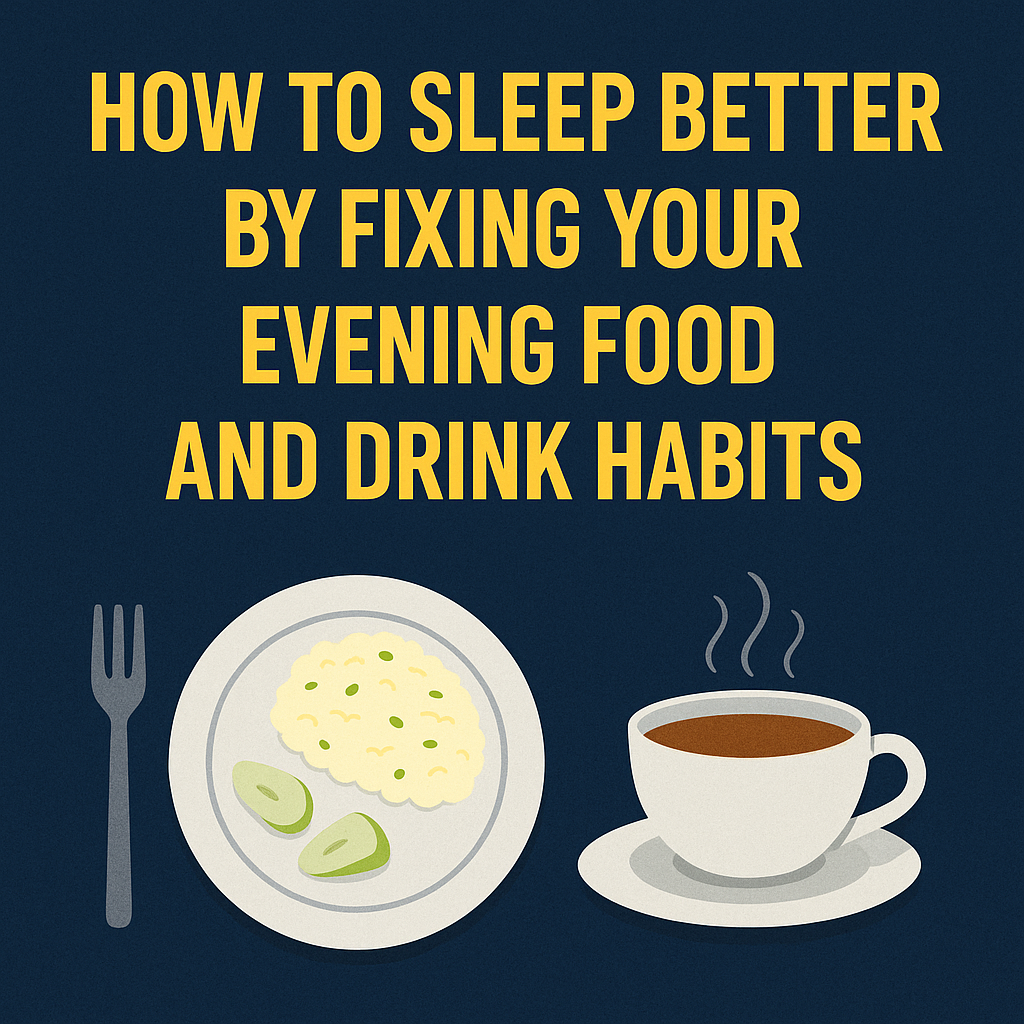
Do you find yourself tossing and turning at night, wondering why sleep feels so elusive? You might be surprised to learn that your evening snack or that late-night glass of wine could be the culprit behind your restless nights.
Sleep quality isn’t just about how many hours you spend in bed. It’s deeply connected to what you consume in the hours before you close your eyes. Research shows that evening food and drink habits significantly impact how quickly you fall asleep, how deeply you rest, and how refreshed you feel the next morning.
In this comprehensive guide, you’ll discover exactly how to optimize your evening eating and drinking patterns to achieve the restorative sleep your body craves. Whether you struggle with falling asleep, staying asleep, or waking up feeling unrested, the solutions often start in your kitchen, not your medicine cabinet.
Why Evening Food and Drink Choices Matter for Sleep Quality
Your body operates on a natural circadian rhythm, an internal clock that regulates countless biological processes including digestion, hormone production, and sleep-wake cycles. When you eat or drink substances that conflict with this rhythm, you disrupt the delicate balance your body needs for quality sleep.
The Science Behind Food, Drinks, and Sleep
Your digestive system doesn’t shut down when you sleep. In fact, eating close to bedtime forces your body to divide its energy between digesting food and performing the restorative processes that occur during sleep. This creates internal conflict that manifests as poor sleep quality.
Several biological mechanisms connect evening nutrition to sleep:
Insulin and Blood Sugar Impact: Foods high in refined carbohydrates or sugar cause blood sugar spikes and crashes that can wake you during the night. Your body releases cortisol to stabilize dropping blood sugar levels, which directly interferes with sleep hormones.
Digestive System Activity: Heavy, fatty, or spicy meals require extensive digestive effort. This increases core body temperature and metabolic activity precisely when your body needs to cool down for sleep.
Neurotransmitter Production: Certain foods influence the production of sleep-related neurotransmitters like serotonin and melatonin, while others stimulate wakefulness through compounds like tyramine or caffeine.
Hormonal Balance: Your eating schedule affects leptin and ghrelin, hormones that regulate hunger and satiety. Poor evening eating habits can create hormonal imbalances that disrupt sleep architecture.
The Optimal Timing for Your Last Meal and Snacks
When you eat matters just as much as what you eat. Strategic meal timing aligns your digestive processes with your circadian rhythm for maximum sleep benefits.
The 3-Hour Rule for Better Sleep
Most sleep experts recommend finishing your last substantial meal at least three hours before bedtime. This gives your body adequate time to complete the initial, most intensive phase of digestion before you lie down.
Here’s why this timing works:
Your stomach takes approximately two to four hours to empty after a regular meal. During this time, digestive enzymes break down food, stomach acid levels remain elevated, and your body temperature stays higher than optimal for sleep initiation.
Creating Your Evening Eating Schedule
6:00 PM – 7:00 PM: Ideal window for dinner if you sleep around 10:00 PM – 11:00 PM
8:00 PM – 9:00 PM: Light snack window if needed (examples provided later)
9:30 PM onwards: Beverage-only zone with sleep-friendly options
Adjust these times based on your actual bedtime. The key is maintaining that three-hour buffer between substantial eating and sleeping.
What If You Get Hungry Late at Night?
Genuine hunger signals late at night often indicate issues with your earlier meals rather than actual nutritional needs. However, if hunger strikes, choose wisely from the sleep-friendly snack options covered in the next section rather than going to bed uncomfortable.
Foods That Promote Better Sleep: What to Eat in the Evening
Certain foods contain natural compounds that support relaxation, melatonin production, and overall sleep quality. Including these in your evening meal or as a bedtime snack can significantly improve your rest.
Sleep-Promoting Nutrients and Where to Find Them
| Nutrient | Sleep Benefit | Food Sources |
|---|---|---|
| Tryptophan | Precursor to serotonin and melatonin | Turkey, chicken, eggs, cheese, nuts, seeds |
| Magnesium | Relaxes muscles and nervous system | Almonds, spinach, pumpkin seeds, dark chocolate |
| Calcium | Helps brain produce melatonin | Yogurt, milk, leafy greens, sardines |
| Vitamin B6 | Converts tryptophan to serotonin | Chickpeas, salmon, potatoes, bananas |
| Melatonin | Direct sleep hormone | Tart cherries, walnuts, tomatoes, oats |
| Complex Carbs | Facilitates tryptophan absorption | Whole grains, sweet potatoes, quinoa |
Best Evening Meal Components for Quality Sleep
Lean Proteins with Tryptophan: Your evening protein should be easy to digest but rich in sleep-supporting amino acids. Grilled chicken breast, baked fish like salmon or cod, or plant-based options like chickpeas and lentils work excellently. These proteins provide tryptophan without the heaviness that interferes with sleep.
Complex Carbohydrates: Whole grain pasta, brown rice, quinoa, or sweet potatoes help tryptophan reach your brain more effectively. They provide steady energy without blood sugar crashes and contain fiber that supports digestive health.
Vegetables with Sleep-Supporting Minerals: Leafy greens, broccoli, and asparagus are rich in calcium and magnesium. They’re light, nutritious, and won’t burden your digestive system before sleep.
Smart Bedtime Snack Ideas (If Needed)
When you need a small snack within two hours of bedtime, choose options under 200 calories that combine protein and complex carbohydrates:
- A small bowl of oatmeal with sliced banana and a drizzle of honey
- Greek yogurt with a handful of berries
- Whole grain crackers with almond butter
- A small apple with a tablespoon of peanut butter
- Cottage cheese with cherry tomatoes
- A handful of walnuts with dried tart cherries
- Chamomile tea with a small piece of whole grain toast and avocado
These combinations stabilize blood sugar while providing sleep-supporting nutrients without overwhelming your digestive system.
Foods and Drinks to Avoid Before Bedtime
Understanding what to avoid is equally important as knowing what to consume. Certain foods and beverages actively sabotage your sleep through various biological mechanisms.
The Caffeine Conundrum: It’s Not Just Coffee
Caffeine blocks adenosine receptors in your brain, preventing the natural buildup of sleep pressure. Its half-life ranges from three to five hours, meaning if you consume caffeine at 4:00 PM, up to half of it remains in your system at 9:00 PM.
Hidden Caffeine Sources to Watch:
- Coffee (obvious, but worth stating)
- Black, green, and white tea
- Chocolate and cocoa products
- Energy drinks and some soft drinks
- Certain pain relievers and medications
- Coffee-flavored ice cream and desserts
- Some protein bars and pre-workout supplements
Safe Cutoff Time: Most people should stop caffeine consumption by early afternoon, ideally before 2:00 PM. If you’re particularly sensitive, consider stopping even earlier.
Alcohol: The Sleep Thief in Disguise
Many people believe alcohol helps them sleep because it initially makes them drowsy. However, alcohol significantly disrupts sleep quality through multiple mechanisms.
As your body metabolizes alcohol during the night, it triggers a rebound effect that causes:
- Fragmented sleep and frequent awakenings
- Reduced REM sleep (the restorative dream stage)
- Increased bathroom trips due to its diuretic effect
- Worsened snoring and sleep apnea symptoms
- Next-day grogginess despite adequate sleep duration
If you choose to drink alcohol, limit consumption to one drink and finish it at least three to four hours before bed.
High-Fat and Fried Foods: Digestive Overload
Foods high in saturated fats take significantly longer to digest and can cause:
- Acid reflux and heartburn when lying down
- Uncomfortable fullness and bloating
- Increased core body temperature
- Disrupted sleep architecture
Evening Foods to Minimize or Avoid:
- Fried chicken, french fries, and other deep-fried items
- Fatty cuts of red meat
- Heavy cream-based sauces
- Fast food burgers and pizza
- Greasy snacks like potato chips
Spicy Foods and Sleep Disruption
Spicy foods containing capsaicin can raise body temperature and trigger heartburn. They may also stimulate digestion in ways that interfere with sleep onset. If you love spicy food, enjoy it at lunch rather than dinner.
Sugar and Refined Carbohydrates: The Blood Sugar Rollercoaster
Sugary desserts, white bread, pastries, and refined snacks cause rapid blood sugar spikes followed by crashes. These fluctuations can wake you during the night and reduce sleep quality even if you don’t fully awaken.
Large Portions and Late-Night Feasting
Even healthy foods consumed in excessive quantities too close to bedtime force your body to work overtime during hours meant for restoration. Portion control becomes crucial in evening meals.
Beverages for Better Sleep: What to Drink and When
Your beverage choices throughout the evening significantly impact sleep quality. The right drinks can enhance relaxation, while the wrong ones create overnight disruptions.
Best Drinks for Evening Hours
Herbal Teas (Caffeine-Free): Certain herbal teas contain compounds that promote relaxation and sleep:
- Chamomile tea contains apigenin, an antioxidant that binds to receptors promoting sleepiness
- Valerian root tea has been used for centuries to reduce anxiety and improve sleep quality
- Lavender tea offers calming aromatherapy benefits alongside sleep-supporting compounds
- Passionflower tea may increase GABA in the brain, promoting relaxation
- Lemon balm tea reduces restlessness and helps ease into sleep
Brew these teas 60-90 minutes before bed to give yourself time for final bathroom visits before sleeping.
Warm Milk: More Than an Old Wives’ Tale: Warm milk contains tryptophan and calcium, both supporting sleep. The warmth also has a psychologically soothing effect that many find comforting. You can enhance it with a small amount of honey or a dash of cinnamon.
Tart Cherry Juice: Studies show tart cherry juice naturally increases melatonin levels. Drink a small glass (4-6 ounces) about an hour before bed. Choose unsweetened varieties to avoid blood sugar impacts.
Golden Milk (Turmeric Latte): This traditional drink combines warm milk with turmeric, which contains curcumin known for anti-inflammatory properties. Add a pinch of black pepper, cinnamon, and honey for enhanced benefits.
Managing Fluid Intake to Prevent Nighttime Bathroom Trips
While staying hydrated is important, excessive evening fluid intake leads to sleep-disrupting bathroom visits. Balance your hydration throughout the day rather than catching up at night.
Smart Hydration Strategy:
- Drink the majority of your fluids before 6:00 PM
- Sip small amounts in the evening rather than gulping large quantities
- Limit total fluid intake to 8 ounces or less in the two hours before bed
- Visit the bathroom one final time immediately before getting into bed
- If you wake to use the bathroom regularly, reduce evening fluids even further
Drinks to Completely Avoid Before Bed
Caffeinated Beverages: As discussed, no coffee, tea (except herbal), energy drinks, or soft drinks containing caffeine after early afternoon.
Alcohol: While it may make you drowsy initially, alcohol fragments sleep and reduces quality significantly.
Excessive Water: Too much of even a healthy beverage disrupts sleep through bathroom trips.
Sugary Drinks: Fruit juices, sweetened beverages, and sodas cause blood sugar fluctuations.
Carbonated Drinks: These can cause bloating and discomfort when lying down.
The Impact of Meal Composition on Sleep Quality
Beyond individual foods, how you combine nutrients in your evening meal matters tremendously for sleep quality. Understanding macronutrient balance helps you create sleep-friendly dinners.
Balancing Protein, Carbohydrates, and Fats
The Ideal Evening Plate: Your dinner plate should contain approximately:
- 30-40% lean protein (palm-sized portion)
- 40-50% complex carbohydrates (fist-sized portion)
- 10-20% healthy fats (thumb-sized portion)
- Abundant non-starchy vegetables (filling half the plate)
This balance provides sustained energy, supports neurotransmitter production, and prevents blood sugar crashes without overwhelming digestion.
Why This Balance Works
Protein Provides Amino Acids: Adequate protein ensures sufficient tryptophan availability for melatonin and serotonin production. However, too much protein increases metabolic activity and body temperature.
Carbohydrates Facilitate Tryptophan Transport: Complex carbohydrates trigger insulin release, which helps tryptophan cross the blood-brain barrier more effectively. This is why pure protein meals don’t promote sleep as well as balanced meals.
Moderate Fats Slow Digestion: A small amount of healthy fats from sources like olive oil, avocado, or nuts slows carbohydrate absorption, preventing blood sugar spikes while providing satiety.
Sample Sleep-Friendly Evening Meals
Mediterranean-Style Dinner:
- Grilled salmon with lemon and herbs
- Quinoa pilaf with roasted vegetables
- Side salad with olive oil dressing
- Small portion of berries for dessert
Comfort Food Dinner:
- Roasted chicken breast
- Sweet potato with a touch of butter
- Steamed broccoli and carrots
- Warm chamomile tea
Vegetarian Option:
- Chickpea and vegetable curry (mild spice)
- Brown rice
- Sautéed spinach with garlic
- Small bowl of Greek yogurt with walnuts
Creating Your Personal Evening Eating Schedule
Everyone’s sleep schedule and digestive system vary, so customize these guidelines to your individual needs and circumstances.
Assessing Your Current Patterns
Before making changes, track your current habits for one week:
- What time do you eat dinner?
- What foods and drinks do you consume after 6:00 PM?
- When do you typically go to bed?
- How would you rate your sleep quality?
- Do you wake during the night? How often?
This baseline helps you identify specific patterns disrupting your sleep.
Implementing Changes Gradually
Dramatic overnight changes often fail. Instead, implement modifications progressively:
Week 1: Move dinner 30 minutes earlier if you currently eat late Week 2: Swap one sleep-disrupting evening food for a sleep-promoting alternative Week 3: Adjust your evening beverage habits Week 4: Fine-tune portion sizes and meal composition
Adapting for Different Lifestyles
Shift Workers: If you work nights, apply the same principles relative to your sleep time rather than clock time. Eat your “dinner” three hours before your sleep period, regardless of when that occurs.
Early Birds: If you sleep by 9:00 PM, eat dinner by 5:30 PM – 6:00 PM maximum. You may need an afternoon snack to bridge the gap.
Night Owls: If you don’t sleep until midnight or later, you can eat dinner slightly later, but still maintain the three-hour window. Focus on lighter, easier-to-digest meals since digestion naturally slows as the day progresses.
Athletes and Active Individuals: Those with evening workouts may need post-exercise nutrition. Choose easily digestible carbohydrates and protein within 30-60 minutes after training, then eat a lighter dinner later if still hungry.
Some of Trending Sleep Gadgets
SleepFuel Sleep Spray Review
SnoreRx Mouthpiece Review
VelaSleep Pillow Review
Special Considerations for Common Sleep Challenges
Certain sleep issues require targeted nutritional strategies beyond general evening eating guidelines.
Dealing with Acid Reflux and GERD
If you experience nighttime heartburn or acid reflux, your evening eating strategy becomes even more critical.
Essential Modifications:
- Extend your eating window to four hours before bed instead of three
- Elevate your head while sleeping
- Avoid trigger foods: tomatoes, citrus, chocolate, mint, onions, garlic
- Eat smaller, more frequent meals rather than large dinners
- Choose low-acid proteins like chicken, turkey, and fish
- Skip the nighttime snack entirely if reflux is severe
Managing Blood Sugar for Better Sleep
People with diabetes or prediabetes often experience sleep disruptions related to blood sugar fluctuations.
Blood Sugar-Stable Evening Habits:
- Never skip dinner, as this can cause nighttime lows
- Pair carbohydrates with protein and fiber
- Monitor blood sugar before bed (aim for stable levels)
- Keep a small, appropriate snack bedside for true hypoglycemia
- Work with your healthcare provider on medication timing
Addressing Nighttime Hunger
Persistent nighttime hunger often signals inadequate daytime nutrition rather than true nighttime needs.
Solutions for Chronic Evening Hunger:
- Ensure adequate protein at breakfast and lunch
- Eat balanced meals every 3-4 hours during the day
- Increase fiber intake to improve satiety
- Check if medications or health conditions increase appetite
- Distinguish between true hunger and boredom, stress, or habit
The Role of Meal Timing in Circadian Rhythm Optimization
Your internal biological clock responds not just to light exposure but also to eating patterns. Time-restricted eating can enhance sleep quality when implemented correctly.
Understanding Chrononutrition
Chrononutrition studies how meal timing affects your body’s internal rhythms. Your digestive system, metabolism, and hormone production follow circadian patterns that influence how efficiently you process food at different times.
Morning Advantages: Your body processes glucose most efficiently in the morning and early afternoon. Insulin sensitivity decreases as the day progresses, making evening meals more likely to cause blood sugar disruptions.
Evening Realities: As night approaches, your body naturally prepares for rest by slowing metabolism and reducing digestive efficiency. Large or heavy evening meals work against these natural rhythms.
Implementing Time-Restricted Eating
Time-restricted eating involves consuming all your daily food within a specific window, typically 8-12 hours. This creates a consistent fasting period that may improve sleep quality.
12-Hour Eating Window Example:
- First meal: 7:00 AM
- Last meal/snack: 7:00 PM
- Fasting period: 7:00 PM to 7:00 AM
This pattern aligns eating with natural circadian rhythms, giving your body adequate overnight rest from digestion.
Benefits for Sleep:
- Reduces overnight digestive activity
- Stabilizes blood sugar during sleep hours
- Enhances cellular repair processes
- Improves sleep efficiency and depth
- May reduce night wakings
Start with a 12-hour window and adjust based on your schedule and response. Some people benefit from slightly shorter eating windows while others need more flexibility.
Practical Tips for Success: Making Changes That Last
Knowledge without implementation creates no results. These practical strategies help you transform evening eating habits permanently.
Meal Planning and Preparation
Weekly Planning Strategy:
- Designate Sunday (or your day off) for meal planning
- Create a shopping list focused on sleep-friendly ingredients
- Prep components in advance: wash vegetables, cook grains, marinate proteins
- Batch cook proteins for quick assembly on busy nights
- Keep emergency sleep-friendly frozen meals available
Quick Evening Meal Ideas: When time is short, have go-to meals that meet sleep-friendly criteria:
- Sheet pan chicken and vegetables with quinoa
- Stir-fry with pre-cut vegetables and pre-cooked rice
- Simple pasta with marinara, turkey meatballs, and salad
- Baked fish with sweet potato and steamed broccoli
Environmental and Behavioral Changes
Kitchen Organization:
- Keep sleep-promoting snacks at eye level
- Store sleep-disrupting foods out of sight or eliminate them
- Place herbal teas in a prominent location
- Keep a water bottle visible for daytime hydration
Habit Stacking: Link new habits to existing routines for better adherence:
- After dinner, immediately prepare tomorrow’s healthy lunch
- While brushing teeth, brew your evening herbal tea
- As you set your alarm, plan tomorrow’s meal times
Tracking Progress and Adjusting
Monitor and Measure: Use a simple journal or app to track:
- Dinner time and contents
- Evening snacks and drinks
- Bedtime and estimated sleep quality
- Morning energy levels
- Night wakings
After two weeks, review patterns to identify what works best for your body.
Handling Social Situations and Special Occasions
Life includes late dinners, celebrations, and exceptions. Build flexibility into your approach:
Late Social Dinners:
- Eat a small, balanced snack before going out
- Order sleep-friendly menu items when possible
- Limit alcohol to one drink early in the meal
- Stop eating when comfortably satisfied, not stuffed
- Consider sharing desserts or skipping them
- Don’t stress about occasionally breaking your pattern
Travel Strategies:
- Research restaurant options near your accommodation
- Bring portable sleep-friendly snacks
- Stay hydrated throughout the day
- Maintain meal timing as close to home schedule as possible
- Consider booking accommodations with kitchen facilities
Supplements and Natural Sleep Aids: What Works
While whole foods should be your primary focus, certain supplements may support evening nutrition and sleep when used appropriately.
Evidence-Based Options
Magnesium: Many people are deficient in magnesium, a mineral crucial for sleep. Taking 200-400mg of magnesium glycinate or citrate 1-2 hours before bed may improve sleep quality. Start with lower doses to assess tolerance.
Melatonin: This hormone regulates sleep-wake cycles. Low doses (0.5-3mg) taken 30-60 minutes before bed can help with sleep onset, especially for circadian rhythm disruptions. However, it’s not a long-term solution and should be used strategically.
L-Theanine: Found naturally in tea, this amino acid promotes relaxation without sedation. Typical doses range from 100-200mg. It pairs well with magnesium.
Important Considerations:
- Consult healthcare providers before starting supplements
- Choose reputable brands with third-party testing
- Understand that supplements support, not replace, healthy habits
- Give each supplement at least two weeks before assessing effectiveness
- Be aware of potential interactions with medications
What to Avoid
Avoid These “Sleep” Products:
- High-dose melatonin products (10mg+) without professional guidance
- Products combining multiple stimulants with sedatives
- Anything with excessive caffeine marketed for “relaxation”
- Unregulated herbal blends without clear ingredient lists
Remember that supplements work best when combined with the evening food and drink habits outlined in this guide.
Troubleshooting: Why Your Changes Might Not Be Working Yet
If you’ve implemented changes but aren’t seeing improvements, consider these common obstacles:
Insufficient Time
Sleep habit changes require consistency over time. Many people notice improvements within a few days, but full benefits may take 2-4 weeks as your body adjusts to new patterns.
Incomplete Implementation
Review all aspects of evening nutrition:
- Are you still consuming hidden caffeine sources?
- Have you truly moved dinner earlier or just eating slightly less later?
- Are portion sizes still too large?
- Is your meal composition balanced correctly?
Other Sleep Disruptors
Evening nutrition is crucial but not the only factor affecting sleep:
- Screen time before bed (blue light disrupts melatonin)
- Irregular sleep schedules (even on weekends)
- Stress and anxiety management needs
- Bedroom environment (temperature, darkness, noise)
- Underlying health conditions requiring professional attention
Individual Variations
Everyone’s optimal evening eating pattern differs slightly. Experiment within the general guidelines to find your perfect formula. What works for your partner or friend might not work identically for you.
Signs You Need to Adjust:
- Waking up hungry during the night consistently
- Experiencing digestive discomfort despite following guidelines
- Feeling overly full or too hungry at bedtime
- Not noticing any improvement after 3-4 weeks
Long-Term Benefits Beyond Better Sleep
Optimizing evening food and drink habits creates positive ripple effects throughout your health and daily life.
Improved Daytime Energy and Focus
Quality sleep resulting from better evening nutrition translates to:
- Enhanced cognitive performance and productivity
- Improved mood stability and emotional regulation
- Better decision-making abilities
- Increased motivation and reduced procrastination
- Enhanced learning and memory consolidation
Weight Management Benefits
Evening eating patterns significantly impact weight:
- Reduced late-night calorie consumption
- Improved insulin sensitivity
- Better appetite regulation hormones
- Enhanced metabolism through quality sleep
- Decreased stress eating patterns
Overall Health Improvements
The compound benefits extend to:
- Reduced inflammation throughout the body
- Better cardiovascular health markers
- Enhanced immune system function
- Improved gut health and digestion
- Potentially reduced risk of chronic diseases
Enhanced Quality of Life
Beyond measurable health markers, you’ll likely experience:
- More enjoyable meals eaten mindfully rather than rushed
- Improved relationships through better mood and energy
- Greater participation in activities you enjoy
- Reduced reliance on caffeine and stimulants
- Sense of control over your health and wellbeing
Conclusion: Your Path to Better Sleep Starts Tonight
The connection between evening food and drink habits and sleep quality is undeniable. Every bite you take and every sip you drink in the hours before bed either supports or undermines your body’s natural preparation for restorative sleep.
You now have a comprehensive understanding of what to eat, what to avoid, when to consume meals, and how to optimize your evening nutrition for the best possible sleep. The key is implementation through small, sustainable changes that compound over time.
Your Action Steps:
- Choose one change to implement this week (perhaps moving dinner 30 minutes earlier)
- Swap one sleep-disrupting food or drink for a sleep-promoting alternative
- Track your sleep quality in a simple journal for two weeks
- Gradually add more sleep-friendly habits as each becomes automatic
- Be patient with yourself during the adjustment period
Remember that improving sleep through nutrition is not about perfection but progress. Some evenings will deviate from your ideal plan, and that’s perfectly normal. What matters is your general pattern over time.
Better sleep awaits you, starting with tonight’s dinner choices. Your body possesses remarkable abilities to heal, restore, and thrive when you provide it with the right nutritional support at the right times.
Take control of your evening eating habits, and you’ll take control of your sleep quality. The energy, health, and vitality you gain will transform not just your nights, but your entire life.
Start tonight. Your best sleep is waiting.
FAQs About How to Sleep Better
Can I completely fix my sleep problems just by changing what I eat in the evening?
Evening nutrition significantly impacts sleep quality, but it typically works best as part of a comprehensive sleep hygiene approach. While many people experience substantial improvements by optimizing evening food and drink habits alone, combining these changes with consistent sleep schedules, stress management, appropriate bedroom environment, and limited screen time before bed creates the most dramatic results. If you’ve optimized your evening nutrition for several weeks without improvement, consider whether other factors might be contributing to your sleep difficulties. Persistent sleep problems despite lifestyle modifications may warrant consultation with a healthcare provider to rule out conditions like sleep apnea or other medical issues.
Is it better to go to bed slightly hungry or to have a small snack before sleeping?
Going to bed extremely hungry can actually disrupt sleep by causing night wakings or difficulty falling asleep due to discomfort and blood sugar drops. However, you also shouldn’t go to bed uncomfortably full. The ideal state is satisfied but not stuffed. If genuine hunger appears within two hours of bedtime, choose a small sleep-friendly snack under 200 calories that combines protein and complex carbohydrates, such as Greek yogurt with berries or whole grain crackers with almond butter. This stabilizes blood sugar without overwhelming your digestive system. The key distinction is between true physiological hunger (which deserves a response) and boredom, habit, or emotional eating (which benefits from alternative coping strategies).
How long does it take to notice sleep improvements after changing evening eating habits?
Most people begin noticing some improvements within 3-7 days of consistently implementing evening nutrition changes, particularly if they previously consumed caffeine late in the day or ate heavy meals close to bedtime. However, substantial and stable improvements typically emerge after 2-4 weeks of consistent new habits. Your body needs time to adjust its circadian rhythms, digestive patterns, and metabolic responses to new eating schedules. Initial changes might include falling asleep more quickly, fewer night wakings, or feeling more refreshed upon waking. Keep a simple sleep journal to track subtle improvements you might otherwise miss. If you notice no changes whatsoever after four consistent weeks, reassess your implementation for hidden sleep disruptors or consider that other factors beyond nutrition might be affecting your sleep.
What should I do if my work schedule makes it impossible to follow the three-hour rule before bed?
Work schedules that involve late shifts, irregular hours, or eating dinner close to bedtime require adapted strategies rather than abandoning principles entirely. Focus on making your evening meal lighter and easier to digest by choosing simple proteins like grilled chicken or fish, steamed vegetables, and smaller portions of complex carbohydrates. Avoid heavy, fatty, fried, or spicy foods which take longer to digest. Consider eating your main meal during your break at work if possible, then having only a very light snack when you arrive home. Prioritize sleep-promoting foods rich in magnesium and tryptophan even when timing isn’t ideal. Some people in these situations benefit from time-restricted eating patterns where they consume most calories earlier in their wake period. Work with your body’s rhythms as much as your schedule allows rather than seeking perfection.
Are there any foods that actually make you sleepy immediately after eating them?
While no food acts like an instant sleep medication, some foods do promote sleepiness more quickly than others through various mechanisms. Turkey is famous for its tryptophan content, though the “turkey coma” after Thanksgiving relates more to overeating than the tryptophan itself. Foods rich in complex carbohydrates combined with some protein can increase serotonin availability relatively quickly. Warm milk contains compounds that promote relaxation, and the warmth itself has a psychologically calming effect. Tart cherry juice naturally increases melatonin levels within about an hour. Bananas provide vitamin B6, magnesium, and carbohydrates that work together to promote relaxation. However, the key understanding is that even these foods work best when consumed 1-2 hours before bed as part of an overall evening nutrition strategy, not as a quick fix when you’re already lying awake in bed wanting immediate sleep.