
You jolt awake at 3 AM, wide-eyed and alert. Your mind starts racing about tomorrow’s meeting, that unpaid bill, or absolutely nothing at all. Sound familiar?
Middle-of-the-night awakenings affect nearly 35% of adults regularly. Whether you wake up once or multiple times per night, these disruptions can leave you exhausted, irritable, and struggling through your day.
The good news? You don’t have to lie there counting sheep or watching the clock tick forward. This comprehensive guide shares 12 evidence-based strategies to help you fall back asleep quickly when you wake up at night. You’ll learn practical techniques backed by sleep science, understand why nighttime awakenings happen, and discover how to create conditions that promote uninterrupted rest.
Let’s turn those frustrating 3 AM wake-ups into peaceful, restorative sleep.
Understanding Why You Wake Up in the Middle of the Night
Before diving into solutions, it’s helpful to understand what causes nighttime awakenings. Recognizing the root cause can guide you toward the most effective strategies.
Common Causes of Nighttime Awakenings
Sleep isn’t one continuous state. Throughout the night, you cycle through different sleep stages approximately every 90 minutes. Brief awakenings between these cycles are actually normal, but most people don’t remember them because they fall back asleep immediately.
Problems arise when something prevents you from returning to sleep quickly.
Physical factors that disrupt sleep:
- Room temperature fluctuations (too hot or too cold)
- Noise disturbances from traffic, neighbors, or household sounds
- Uncomfortable sleeping environment or mattress
- Need to use the bathroom
- Hunger or thirst
- Sleep disorders like sleep apnea or restless leg syndrome
Mental and emotional factors:
- Stress and anxiety about work, relationships, or finances
- Racing thoughts or an overactive mind
- Worrying about not being able to fall back asleep
- Depression or mood disorders
- Processing emotions from the day
Lifestyle and habit factors:
- Irregular sleep schedule
- Late-night caffeine or alcohol consumption
- Screen time before bed
- Heavy meals close to bedtime
- Lack of physical activity during the day
Understanding your specific triggers helps you address the root cause rather than just treating symptoms.
The 4-7-8 Breathing Technique for Instant Relaxation
When you wake up at night, your nervous system is often in a heightened state. The 4-7-8 breathing method activates your body’s natural relaxation response, slowing your heart rate and calming your mind.
How to Practice 4-7-8 Breathing
This technique was popularized by Dr. Andrew Weil and works by increasing oxygen in your bloodstream and promoting parasympathetic nervous system activity.
Step-by-step instructions:
- Place the tip of your tongue against the ridge behind your upper front teeth
- Exhale completely through your mouth, making a whoosh sound
- Close your mouth and inhale quietly through your nose for 4 counts
- Hold your breath for 7 counts
- Exhale completely through your mouth for 8 counts, making a whoosh sound
- Repeat the cycle 3-4 times
Why this works:
The extended exhale and breath-holding activate your vagus nerve, which signals your body to relax. This physiological shift makes it much easier to drift back to sleep naturally.
Many people report feeling drowsy after just one or two cycles. The beauty of this technique is that you can practice it lying down in complete darkness without any special equipment.
Keep Your Eyes Closed and Stay Still
One of the biggest mistakes people make when they wake up at night is immediately checking the time or reaching for their phone. This activates your brain and signals that it’s time to be awake.
The Power of Remaining Motionless
Your body produces melatonin in darkness, and even small amounts of light can suppress this sleep hormone. Similarly, physical movement signals to your brain that it’s time for activity.
Best practices when you wake up:
- Resist the urge to check the clock or phone
- Keep your eyes closed or barely open
- Maintain your sleeping position as much as possible
- Breathe slowly and deeply
- If you must move, do so minimally and slowly
The exception: If you need to use the bathroom, it’s better to go than to lie awake uncomfortable. Use dim lighting or a red nightlight that won’t disrupt melatonin production as much as blue or white light.
Think of your wakeful state as floating between sleep and wakefulness. The less you engage with your environment, the easier it is to float back into sleep.
Use the Mental Distraction Method
Sometimes your mind simply won’t quiet down. Instead of fighting racing thoughts, give your brain something mundane to focus on.
Cognitive Techniques That Work
Mental distraction techniques occupy your working memory without being stimulating enough to keep you awake.
Effective mental exercises:
- Counting backwards from 300 by 3s: This requires just enough concentration to prevent anxious thoughts but is boring enough to promote drowsiness
- Alphabetical thinking: Choose a category (animals, cities, foods) and mentally list one for each letter of the alphabet
- Body scan meditation: Slowly focus attention on relaxing each body part from toes to head
- Visualization: Imagine yourself in a peaceful place with rich sensory details
- Mental replay: Recall a pleasant, mundane memory like a walk in nature or a relaxing vacation
What to avoid:
Don’t choose activities that are too engaging or stimulating. Planning tomorrow’s schedule, solving complex problems, or replaying stressful situations will only activate your mind further.
The goal is gentle redirection, not entertainment. When your mind wanders to worries or to-do lists, simply notice without judgment and return to your mental exercise.
Optimize Your Sleep Environment Temperature
Room temperature plays a crucial role in sleep quality. Your body temperature naturally drops as you fall asleep, and maintaining the right environment supports this process.
The Ideal Temperature Range
Research consistently shows that cooler temperatures promote better sleep. Most experts recommend keeping your bedroom between 60-67°F (15-19°C).
Why temperature matters:
When you wake up at night, your body might be too warm, preventing you from falling back asleep. As your body prepares for sleep, your core temperature drops, and your hands and feet warm up as blood vessels dilate to release heat.
| Time | Body Temperature Change | What Helps |
|---|---|---|
| Falling asleep | Core temp decreases | Cool room (60-67°F) |
| Middle of night | Lowest point (around 4 AM) | Appropriate blankets |
| Early morning | Temperature rises | Keep room cool |
Quick adjustments when you wake up:
- Stick one foot or leg out from under the covers
- Use breathable, moisture-wicking bedding materials
- Keep a fan nearby for quick temperature adjustment
- Remove layers if you’re too warm
- Add a light blanket if you’re chilled
Personal preferences vary, so experiment within the recommended range to find your optimal temperature.
Try the Military Sleep Method
This technique was reportedly developed by the U.S. Navy Pre-Flight School to help pilots fall asleep in two minutes or less, even in stressful conditions.
Steps to Master the Military Method
This approach combines physical relaxation with mental calming for powerful results.
The complete sequence:
- Relax your face completely: Start with your forehead, then eyebrows, cheeks, jaw, and tongue. Feel tension melting away
- Drop your shoulders: Let them fall as low as they’ll go, releasing tension in your neck
- Relax your arms: Start with your dominant arm, letting it go completely limp from shoulder to fingers. Then repeat with the other arm
- Breathe out and relax your chest: Feel your chest soften with each exhale
- Relax your legs: Start with your thighs, then calves, ankles, and feet
- Clear your mind for 10 seconds: Use one of these visualizations:
- Lying in a canoe on a calm lake under a clear blue sky
- Lying in a black velvet hammock in a pitch-dark room
- Repeating “don’t think, don’t think, don’t think” for 10 seconds
Practice makes perfect:
This technique requires practice. The military reports that it takes about six weeks of consistent practice for 96% of people to master it, but the investment pays off with a lifetime skill for falling asleep quickly.
Avoid Clock-Watching and Time Anxiety
Checking the time when you wake up at night creates two problems: light exposure from the clock and mathematical anxiety about how much sleep you’re losing.
Breaking the Time-Checking Habit
When you see it’s 3:30 AM and you need to wake up at 6:30 AM, your brain immediately starts calculating: “Only three more hours. If I fall asleep in the next 15 minutes, I’ll get 2 hours and 45 minutes. But if it takes longer…”
This mental math activates your prefrontal cortex, the part of your brain responsible for planning and problem-solving, making it much harder to return to sleep.
Practical solutions:
- Turn your clock away from the bed
- Cover digital displays with tape or cloth
- Use an alarm you can set without seeing the time
- Put your phone in another room or in a drawer
- If you must know the time, minimize brightness and check once only
Reframe your thinking:
Even if you lie awake for some time, quiet rest in a dark room provides restorative benefits. Your body is still recovering, and stress about lost sleep only makes the situation worse.
Remember: One night of disrupted sleep won’t ruin your health. The anxiety about not sleeping often causes more problems than the actual sleep loss.
The Progressive Muscle Relaxation Technique
Progressive Muscle Relaxation (PMR) systematically releases physical tension throughout your body, which often carries over to mental relaxation.
How to Practice PMR in Bed
This technique involves tensing and then releasing different muscle groups. The contrast helps you notice and release tension you might not have realized you were holding.
The full-body sequence:
- Feet: Curl your toes tightly for 5 seconds, then release completely
- Calves: Flex by pulling toes toward shins, hold, then release
- Thighs: Squeeze thigh muscles, hold, then let go
- Buttocks: Clench, hold, then soften
- Stomach: Draw belly button toward spine, hold, then release
- Hands: Make tight fists, hold, then open completely
- Arms: Flex biceps, hold, then let arms go limp
- Shoulders: Raise toward ears, hold, then drop
- Face: Scrunch all facial muscles toward the center, hold, then smooth out
Important tips:
- Keep breathing normally throughout
- Tense muscles about 50-70% of maximum effort, not 100%
- Hold each tension for 5 seconds
- Focus on the feeling of release for 10-15 seconds
- Move slowly and deliberately through each area
After completing the full sequence, scan your body mentally and release any remaining tension. Many people fall asleep before finishing the entire routine.
Some of Trending Sleep Gadgets
SleepFuel Sleep Spray Review
SnoreRx Mouthpiece Review
VelaSleep Pillow Review
Use White Noise or Nature Sounds
Sound can either disrupt or promote sleep depending on its consistency and volume. Strategic use of calming sounds can mask disruptive noises and create a soothing environment.
Choosing the Right Sleep Sounds
Different types of sounds work for different people. The key is finding something that’s monotonous enough to fade into the background while masking disruptive noises.
Effective sleep sound options:
- White noise: Contains all frequencies at equal intensity, great for masking varied noises
- Pink noise: Deeper than white noise, includes more low-frequency sounds (ocean waves, steady rain)
- Brown noise: Even deeper, more bass-heavy (thunder, strong wind)
- Nature sounds: Rain, ocean waves, forest sounds, gentle streams
- Ambient sounds: Fan noise, airplane cabin sounds, distant traffic
How to implement:
You can use dedicated white noise machines, smartphone apps, or simple fans. Position the sound source away from your bed so it fills the room without being too close to your ears.
Volume guidelines:
Keep the volume low enough that you could have a conversation over it. The goal is to create a consistent sound blanket, not to drown out all noise completely.
Some people find that having the same sound every night creates a strong sleep association, making it easier to fall asleep initially and to return to sleep after waking.
Get Out of Bed if You’re Still Awake After 20 Minutes
While staying still often helps, sometimes your bed becomes associated with wakefulness. If you’ve been awake for roughly 20 minutes without signs of drowsiness, it’s time for a different approach.
The Stimulus Control Method
This technique, recommended by sleep specialists, prevents your brain from associating your bed with wakefulness and frustration.
What to do when you can’t fall back asleep:
- Quietly get out of bed without turning on bright lights
- Move to another room or a different area
- Do a calm, non-stimulating activity like:
- Reading a paper book (not on a screen)
- Gentle stretching or yoga
- Listening to calming music or a meditation
- Folding laundry or organizing something simple
- Return to bed only when you feel genuinely sleepy
Activities to avoid:
- Checking emails or social media
- Watching television or videos
- Eating large snacks
- Working on stimulating projects
- Exercising vigorously
- Turning on bright overhead lights
Important distinction:
“Sleepy” means heavy eyelids, frequent yawning, and difficulty keeping your eyes open. “Tired” or “exhausted” is mental or physical fatigue, which isn’t the same as sleepiness. Wait for actual drowsiness before returning to bed.
This technique might feel counterproductive initially, but it strengthens the mental association between your bed and sleep, making it easier to fall asleep both initially and after nighttime awakenings.
Address Pre-Bedtime Habits That Cause Night Waking
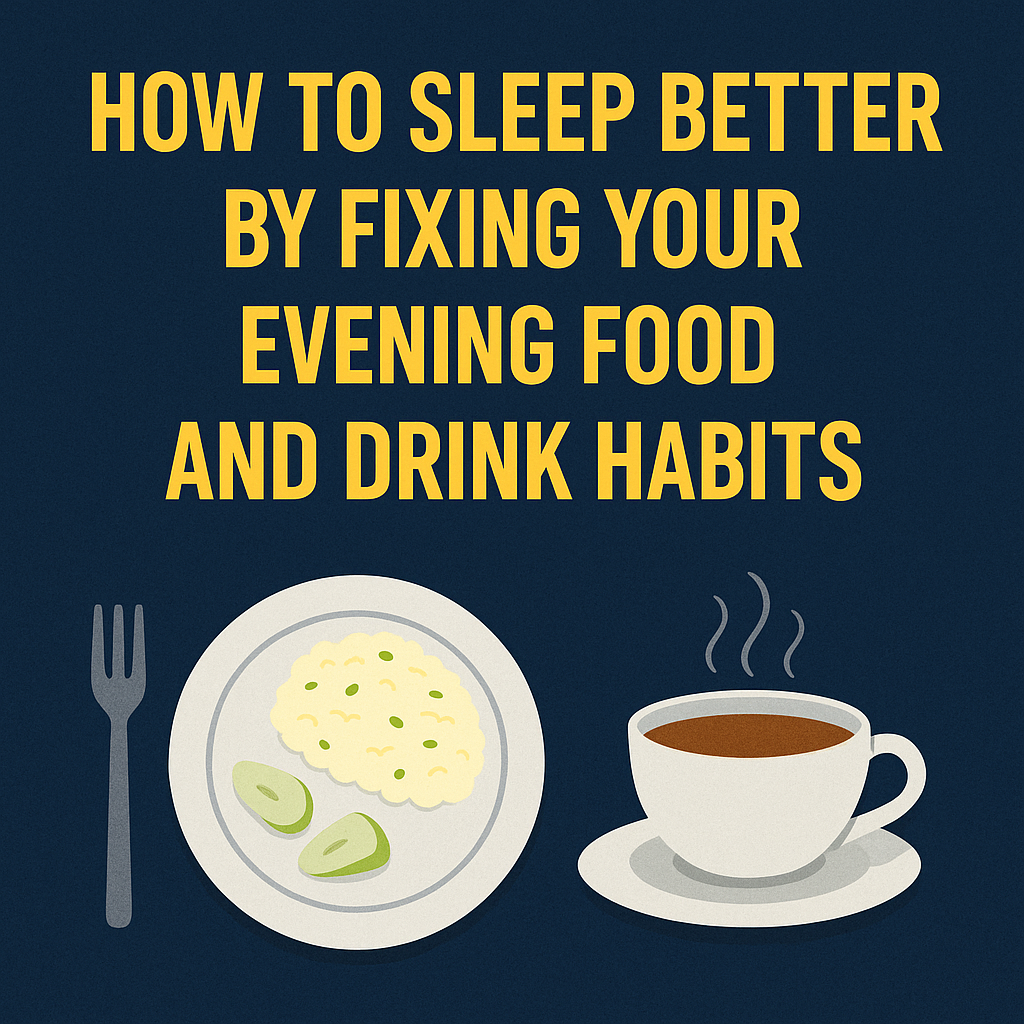
Often, middle-of-the-night awakenings are caused by what you do (or don’t do) before bed. Adjusting your evening routine can dramatically reduce nighttime disruptions.
Creating a Sleep-Supporting Evening Routine
Your pre-sleep hours set the stage for the entire night. Small changes can yield significant improvements.
Timing guidelines for common activities:
| Activity | Recommended Cutoff Time | Reason |
|---|---|---|
| Caffeine | 8-10 hours before bed | Caffeine half-life is 3-5 hours |
| Alcohol | 3-4 hours before bed | Disrupts sleep cycles even if it makes you drowsy initially |
| Heavy meals | 3 hours before bed | Digestion can interfere with sleep |
| Vigorous exercise | 3-4 hours before bed | Raises core temperature and alertness |
| Screen time | 1-2 hours before bed | Blue light suppresses melatonin |
| Drinking fluids | 2 hours before bed | Reduces nighttime bathroom trips |
Building a wind-down routine:
Create a consistent 30-60 minute routine that signals to your body that sleep is approaching. This might include:
- Dimming lights throughout your home
- Taking a warm bath or shower
- Reading a physical book
- Gentle stretching or yoga
- Meditation or breathing exercises
- Journaling to clear your mind
The consistency of this routine is just as important as the activities themselves. Your brain learns to anticipate sleep, making it easier to fall asleep initially and to return to sleep if you wake.
Manage Racing Thoughts and Nighttime Anxiety
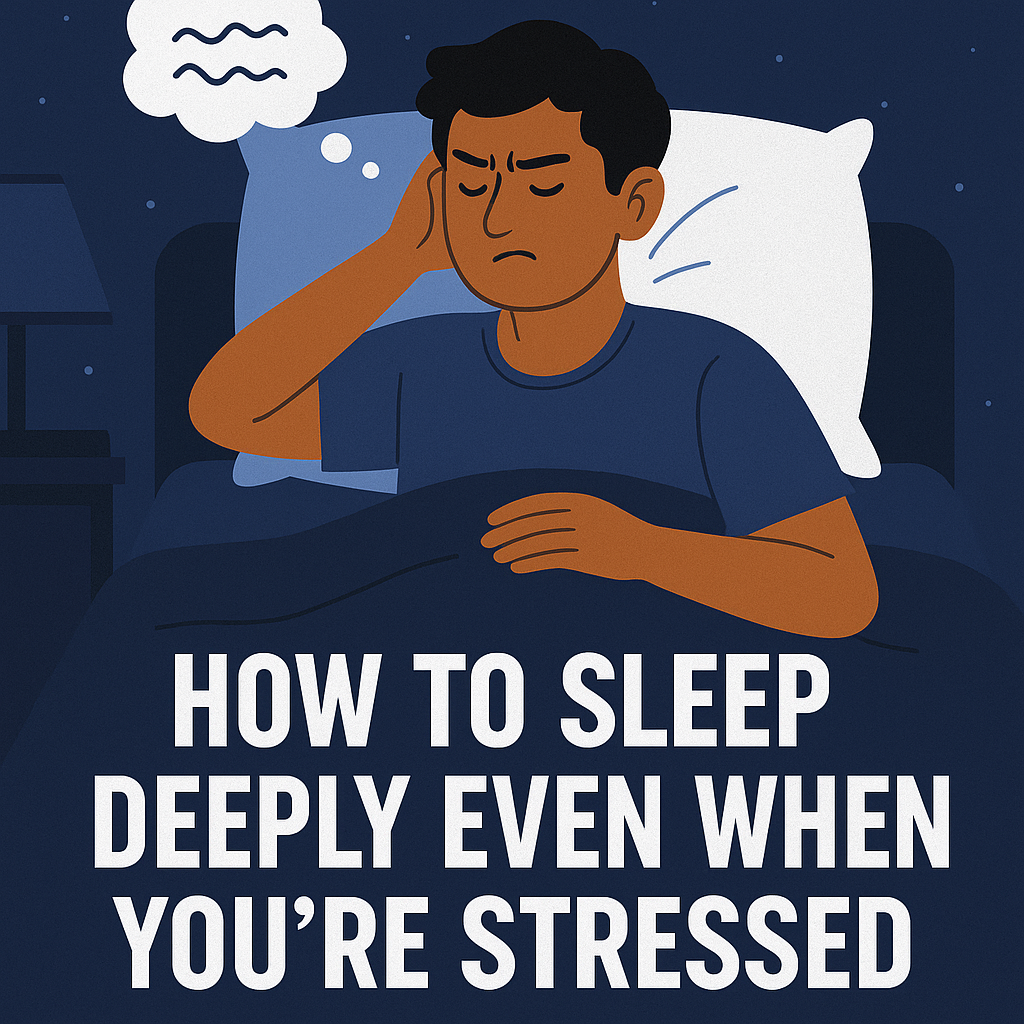
For many people, the biggest obstacle to falling back asleep isn’t physical—it’s mental. An overactive mind can keep you awake for hours if you don’t have strategies to calm it.
Cognitive Strategies for Nighttime Worry
When worries flood your mind at 3 AM, they often seem much more serious than they would during the day. This is partly because your prefrontal cortex, responsible for rational thinking, is less active during nighttime hours.
The worry postponement technique:
- Keep a “worry journal” and pen by your bedside
- When anxious thoughts arise, write them down briefly
- Tell yourself you’ll address them tomorrow during designated “worry time”
- Return your attention to sleep
This technique works because it acknowledges your concerns (preventing the anxiety of forgetting something important) while postponing engagement until you’re in a better mental state to handle them.
Cognitive reframing strategies:
- Challenge catastrophic thinking: Ask yourself if the worry is really as urgent as it feels in this moment
- Practice acceptance: Remind yourself that some things can’t be solved at 3 AM
- Use positive self-talk: Replace “I’ll never fall back asleep” with “My body knows how to sleep, and I’ll drift off soon”
- Gratitude focus: Shift attention to three things you’re grateful for from the day
For persistent anxiety:
If nighttime anxiety regularly disrupts your sleep, consider working with a therapist who specializes in Cognitive Behavioral Therapy for Insomnia (CBT-I). This evidence-based approach addresses the thought patterns and behaviors that interfere with sleep.
When to Consider Professional Help
While occasional nighttime awakenings are normal, persistent sleep problems warrant professional attention.
Signs You Should Talk to a Healthcare Provider
Sleep issues sometimes indicate underlying conditions that require treatment beyond self-help strategies.
Warning signs that merit professional evaluation:
- You wake up gasping, choking, or short of breath
- Your partner reports that you snore loudly or stop breathing during sleep
- You experience uncomfortable sensations in your legs that improve with movement
- Nighttime awakenings occur several times per week for more than a month
- Daytime fatigue significantly impacts your work, relationships, or quality of life
- You feel depressed, excessively anxious, or emotionally unstable
- You’ve tried multiple strategies consistently for several weeks without improvement
Conditions that may require treatment:
- Sleep apnea: Breathing interruptions during sleep that cause frequent awakenings
- Restless leg syndrome: Uncomfortable leg sensations that interfere with sleep
- Chronic insomnia: Persistent difficulty falling or staying asleep
- Anxiety disorders: Excessive worry that prevents restful sleep
- Depression: Often causes early morning awakening and poor sleep quality
- Chronic pain conditions: Physical discomfort that disrupts sleep
A sleep specialist can conduct evaluations, potentially including a sleep study, to diagnose underlying issues and recommend appropriate treatments.
Conclusion
Waking up in the middle of the night doesn’t have to mean hours of frustration and exhaustion the next day. By understanding why these awakenings happen and implementing proven strategies, you can dramatically improve your ability to fall back asleep quickly.
Start with the techniques that resonate most with you. Perhaps the 4-7-8 breathing method feels most natural, or maybe optimizing your room temperature is the easiest first step. The key is consistency—give each strategy a fair trial of at least one week before deciding if it works for you.
Remember that sleep is a natural biological process. Your body knows how to sleep. By creating the right conditions and removing obstacles, you’re simply allowing your natural sleep drive to work effectively.
Don’t let one difficult night create anxiety about future nights. Each evening is a fresh opportunity for restful sleep.
Take action tonight: Choose one technique from this guide and commit to trying it the next time you wake up. Notice what works, adjust what doesn’t, and gradually build your personal toolkit for better sleep.
Your path to consistently restful nights starts with the choices you make right now.
FAQs About How to Wake Up in the Middle of the Night
Is it normal to wake up in the middle of the night every night?
Brief awakenings between sleep cycles are completely normal and happen to everyone several times per night. Most people don’t remember these micro-awakenings because they fall back asleep within seconds. However, if you’re fully waking up and struggling to return to sleep every single night, or if these awakenings significantly affect your daytime functioning, this pattern may indicate an underlying issue worth discussing with a healthcare provider. Factors like stress, sleep environment, evening habits, and certain health conditions can all contribute to frequent nighttime awakenings.
What should I absolutely avoid doing when I wake up at 3 AM?
Avoid checking your phone, tablet, or any bright screens, as the blue light suppresses melatonin and signals your brain that it’s time to wake up. Don’t turn on bright overhead lights if you need to move around—use dim nightlights or red-spectrum lighting instead. Avoid starting mentally stimulating activities like planning your day, solving problems, or replaying stressful situations. Don’t eat large meals or consume caffeine. Finally, avoid clock-watching and calculating how much sleep you’re losing, as this creates anxiety that makes falling back asleep even harder.
How long should I wait before getting out of bed if I can’t fall back asleep?
Sleep experts typically recommend waiting approximately 20 minutes. However, you shouldn’t literally watch the clock—this estimate is about how long it feels when you’re lying awake. If you’re tossing and turning, feeling frustrated, or your mind is racing without signs of slowing down, it’s time to get up. Move to another room and do a calm activity until you feel genuinely sleepy (heavy eyelids, yawning, difficulty focusing). This prevents your brain from associating your bed with wakefulness and frustration, which can develop into chronic insomnia over time.
Can what I eat or drink during the day affect my nighttime awakenings?
Absolutely. Caffeine consumed even 8-10 hours before bedtime can disrupt sleep quality and contribute to nighttime awakenings, as its effects last much longer than most people realize. Alcohol might help you fall asleep initially but disrupts your sleep cycles later in the night, often causing you to wake up in the early morning hours. Heavy, spicy, or acidic foods close to bedtime can cause digestive discomfort that wakes you up. Conversely, going to bed very hungry can also wake you up. The timing and content of your meals and beverages throughout the day directly impact your sleep quality at night.
Does using sleep medication help with middle-of-the-night awakenings?
Sleep medications can be helpful for short-term use in specific situations, but they come with potential drawbacks. Some sleep aids may help you fall asleep initially but don’t necessarily prevent middle-of-the-night awakenings. Others can cause grogginess the next day or create dependency with regular use. Over-the-counter options like antihistamines can reduce sleep quality and have side effects. Before considering medication, try behavioral and environmental strategies first, as these address root causes without side effects. If you do consider medication, consult with a healthcare provider who can evaluate your specific situation and recommend the most appropriate option, potentially including non-medication alternatives like Cognitive Behavioral Therapy for Insomnia (CBT-I), which research shows is more effective long-term than medication.