
Do you toss and turn at night, struggling to fall asleep? You’re not alone. Research suggests that millions of people worldwide struggle with poor sleep quality, often without realizing their bedroom environment is the culprit.
Your bedroom should be more than just a place to sleep—it should be a carefully designed sleep sanctuary that promotes restful, rejuvenating sleep. The good news? Creating an optimal bedroom setup doesn’t require expensive renovations or complicated changes.
In this comprehensive guide, you’ll discover actionable strategies to transform your bedroom into a sleep-optimized haven. From controlling ambient light and temperature to choosing the right mattress and minimizing distractions, we’ll cover everything you need to know about creating a bedroom environment that naturally improves sleep quality.
Understanding the Connection Between Your Bedroom Environment and Sleep Quality
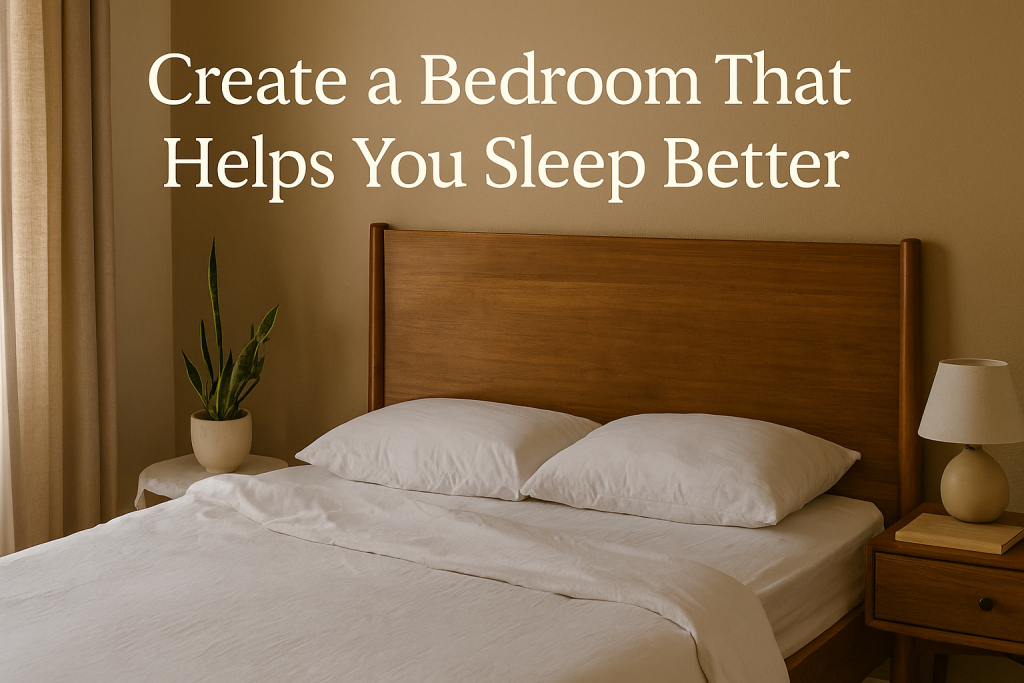
Your sleep environment plays a crucial role in determining how well you sleep each night. The bedroom setup influences your circadian rhythm, body temperature regulation, and ability to relax both mentally and physically.
Why Your Bedroom Matters for Sleep
Environmental factors in your bedroom directly affect your brain’s ability to produce melatonin, the hormone responsible for regulating sleep-wake cycles. When your bedroom environment conflicts with your body’s natural sleep signals, falling asleep becomes more difficult.
Key environmental factors that impact sleep quality include:
- Ambient light levels and exposure to artificial lighting
- Room temperature and air circulation
- Noise levels and sound environment
- Mattress and pillow quality
- Clutter and visual stimuli
- Air quality and ventilation
Optimizing Bedroom Lighting for Better Sleep
Light exposure is one of the most powerful factors affecting your sleep-wake cycle. Creating the right lighting environment in your bedroom can dramatically improve how quickly you fall asleep and the quality of your rest.
Block Out External Light Sources
External light from street lamps, vehicles, and neighboring buildings can disrupt your sleep cycle, even with your eyes closed. Your skin contains photoreceptors that detect light, affecting melatonin production.
Practical solutions for light blocking:
- Install blackout curtains or light-blocking shades
- Use a sleep mask if curtains aren’t sufficient
- Apply blackout film to windows for permanent solutions
- Cover or remove electronics with bright indicator lights
- Position furniture to block light seepage from doorways
Choose Sleep-Friendly Indoor Lighting
The type of lighting you use before bed significantly impacts your ability to fall asleep naturally.
Best practices for bedroom lighting:
- Use warm-toned bulbs (2700K-3000K color temperature) instead of cool white lights
- Install dimmer switches to gradually reduce light intensity before bedtime
- Position bedside lamps with soft, downward-facing light
- Avoid overhead lights in the evening hours
- Consider amber or red nightlights if you need minimal visibility
Minimize Blue Light Exposure
Blue light from electronic devices suppresses melatonin production more than any other light wavelength, making it harder to fall asleep.
Strategies to reduce blue light:
- Stop using phones, tablets, and computers at least one hour before bed
- Enable night mode or blue light filters on all devices
- Wear blue light blocking glasses in the evening
- Replace LED bulbs with low-blue-light alternatives in your bedroom
- Keep all screens outside the bedroom if possible
Setting the Ideal Bedroom Temperature for Quality Sleep
Temperature regulation is essential for achieving deep, restorative sleep. Your body’s core temperature naturally drops when you’re ready to sleep, and the room temperature should support this process.
What’s the Best Temperature for Sleep?
Research indicates that the optimal bedroom temperature for most adults falls between 60-67°F (15-19°C). Individual preferences may vary slightly, but this range generally promotes the best sleep quality.
Why temperature matters:
Your body needs to lower its core temperature by about 2-3 degrees to initiate and maintain sleep. A room that’s too warm or too cold can interfere with this natural process, causing restlessness and frequent waking.
How to Control Bedroom Temperature
| Temperature Control Method | Benefits | Considerations |
|---|---|---|
| Thermostat adjustment | Precise control, consistent temperature | Energy costs may increase |
| Ceiling or standing fan | Improves air circulation, creates white noise | May be too cold in winter |
| Breathable bedding | Natural temperature regulation | Initial investment required |
| Window management | Free cooling/heating from outdoor air | Weather dependent |
| Cooling mattress pad | Targeted temperature control | Moderate to high cost |
Additional temperature tips:
- Use cotton or bamboo sheets rather than synthetic materials
- Choose lightweight, breathable pajamas or sleep clothing
- Take a warm bath or shower 1-2 hours before bed to trigger cooling
- Keep humidity levels between 30-50% for optimal comfort
- Use a programmable thermostat to maintain consistent temperature throughout the night
Selecting the Right Mattress and Bedding for Sleep Quality
Your mattress and bedding directly impact your physical comfort, spinal alignment, and sleep quality. Investing in the right sleep surface is one of the most important decisions for better rest.
Choosing the Right Mattress
The best mattress for you depends on your sleeping position, body weight, and personal preferences. There’s no one-size-fits-all solution.
Mattress selection guide by sleep position:
- Side sleepers: Medium to medium-soft mattresses (5-6/10 firmness) provide pressure relief for hips and shoulders
- Back sleepers: Medium to medium-firm mattresses (6-7/10 firmness) support natural spinal alignment
- Stomach sleepers: Firmer mattresses (7-8/10 firmness) prevent excessive sinking that strains the back
- Combination sleepers: Medium-firm mattresses (6/10 firmness) offer versatility for multiple positions
Mattress Types and Their Benefits
Different mattress materials offer distinct advantages for sleep quality:
Memory foam: Contours to your body, relieves pressure points, and isolates motion transfer. Best for side sleepers and couples.
Innerspring: Provides bounce and strong edge support with good breathability. Ideal for stomach sleepers and hot sleepers.
Hybrid: Combines foam comfort with innerspring support, offering balanced performance for most sleepers.
Latex: Naturally responsive, durable, and cooling. Great for combination sleepers and those seeking eco-friendly options.
Pillow Selection for Proper Support
Your pillow should maintain neutral spinal alignment based on your sleeping position.
Pillow recommendations:
- Side sleepers need thicker, firmer pillows to fill the gap between shoulder and head
- Back sleepers benefit from medium-thickness pillows that support the neck curve
- Stomach sleepers should use thin, soft pillows to minimize neck strain
- Replace pillows every 1-2 years as they lose support and accumulate allergens
Choosing Sleep-Enhancing Bedding
Sheets and bedding materials:
- Cotton: Breathable, soft, and easy to maintain. Egyptian and Pima cotton offer premium quality
- Bamboo: Naturally moisture-wicking and temperature-regulating
- Linen: Highly breathable and gets softer with use
- Microfiber: Budget-friendly but less breathable than natural fibers
Thread count considerations:
Aim for 300-500 thread count for the best balance of softness, breathability, and durability. Higher thread counts aren’t always better and can trap heat.
Managing Noise Levels for Undisturbed Sleep
Noise disruptions can fragment your sleep cycle, reducing sleep quality even if you don’t fully wake up. Creating a quiet bedroom environment is essential for continuous, restorative rest.
Identify and Reduce Noise Sources
Common bedroom noise culprits:
- Traffic noise from nearby roads
- Neighbors in shared buildings
- Household noises from other rooms
- Pet movements and sounds
- Partner snoring or movement
- Appliance hums and mechanical sounds
Soundproofing Solutions
Depending on your budget and noise level, consider these soundproofing strategies:
Budget-friendly options:
- Place weather stripping around doors to block sound gaps
- Hang heavy curtains or acoustic panels on walls
- Add rugs or carpeting to absorb sound
- Reposition furniture to create sound barriers
- Use door draft stoppers
Moderate investment options:
- Install solid-core doors instead of hollow doors
- Apply acoustic caulk to seal gaps and cracks
- Add mass-loaded vinyl to walls or ceilings
- Install window inserts for noise reduction
White Noise and Sound Masking
If eliminating noise isn’t possible, masking it with consistent background sound can improve sleep quality.
Effective sound masking tools:
- White noise machines that produce consistent, soothing sounds
- Bedroom fans that create gentle ambient noise
- Nature sound apps with rain, ocean waves, or forest sounds
- Brown or pink noise, which many find more soothing than white noise
Decluttering and Organizing Your Bedroom for Mental Calm
Physical clutter in your bedroom creates mental clutter that can interfere with relaxation and sleep. A clean, organized bedroom environment promotes psychological calm and better sleep quality.
The Psychology of Bedroom Clutter
Visual clutter increases cortisol levels and makes it harder for your brain to relax. When your bedroom contains work materials, exercise equipment, or general disorganization, your mind associates the space with activity rather than rest.
Practical Decluttering Steps
Create a minimalist sleep environment:
- Remove work-related items, including laptops and paperwork
- Clear nightstands of unnecessary items
- Organize or remove exercise equipment
- Keep clothing organized in closets or dressers
- Limit decorative items to calming, sleep-promoting pieces
- Store personal items out of sight in containers or drawers
The One-Purpose Rule
Your bedroom should have one primary purpose: sleep. When possible, avoid using your bedroom for:
- Working or studying
- Watching television
- Eating meals
- Intense exercise
- Stressful activities or conversations
This mental association helps your brain recognize the bedroom as a sleep-only zone, making it easier to wind down.
Some of Trending Sleep Gadgets
SleepFuel Sleep Spray Review
SnoreRx Mouthpiece Review
VelaSleep Pillow Review
Creating the Right Air Quality for Healthy Sleep
The air you breathe while sleeping affects both sleep quality and overall health. Poor air quality can cause congestion, allergies, and disrupted breathing patterns.
Maintain Proper Ventilation
Fresh air circulation prevents stuffiness and reduces airborne allergens that accumulate in enclosed spaces.
Ventilation strategies:
- Open windows for 10-15 minutes daily to refresh bedroom air
- Use ceiling fans or standing fans to promote air movement
- Keep bedroom doors slightly open to allow air flow
- Ensure HVAC vents aren’t blocked by furniture
- Consider an air purifier with HEPA filtration for allergen removal
Control Humidity Levels
Humidity affects both comfort and health during sleep. Too much humidity promotes mold growth and dust mites, while too little causes dry skin and respiratory irritation.
Ideal humidity range: 30-50%
Tools for humidity control:
- Use a hygrometer to monitor humidity levels
- Run a dehumidifier in humid climates or seasons
- Use a humidifier in dry environments
- Fix any sources of excess moisture like leaks
- Avoid over-watering indoor plants in the bedroom
Indoor Plants for Better Air Quality
Certain houseplants can improve air quality by filtering toxins and producing oxygen. However, be mindful of allergies and avoid overwatering.
Sleep-friendly plants:
- Snake plant (releases oxygen at night)
- Spider plant (filters formaldehyde)
- Peace lily (removes mold spores)
- Aloe vera (produces oxygen and removes toxins)
Choosing Calming Colors and Decor for Your Sleep Sanctuary
Color psychology and visual aesthetics influence your emotional state and ability to relax. The colors and decor in your bedroom should promote tranquility rather than stimulation.
Best Bedroom Colors for Sleep
Research suggests that certain colors have calming effects on the nervous system.
Sleep-promoting color palette:
- Blue: Associated with calmness and lower heart rate
- Green: Creates a restful, nature-inspired atmosphere
- Soft gray: Neutral and peaceful without being stark
- Beige and earth tones: Warm and comforting
- Lavender: Combines calming properties of blue and purple
Colors to avoid:
Bright reds, oranges, and intense yellows can be stimulating and increase energy levels, making them poor choices for bedrooms.
Minimalist Decor Principles
Creating visual calm:
- Choose simple, uncluttered wall art with peaceful imagery
- Limit the number of decorative items on surfaces
- Use soft textures like woven baskets or natural wood
- Avoid busy patterns on walls, bedding, or curtains
- Keep electronics and technology visually hidden
- Select lighting fixtures with simple, calming designs
Establishing a Technology-Free Sleep Environment
Electronic devices are among the biggest disruptors of modern sleep quality. Creating boundaries around technology use in the bedroom is essential for better rest.
Remove Electronics from the Bedroom
Devices to keep out of the bedroom:
- Smartphones and tablets
- Laptops and computers
- Televisions
- Gaming consoles
- Smart speakers with bright displays
Why Electronics Disrupt Sleep
Electronic devices interfere with sleep through multiple mechanisms:
- Blue light emission suppresses melatonin production
- Notifications and alerts create anticipation and stress
- Engaging content stimulates the mind rather than relaxing it
- Electromagnetic fields from devices may affect sleep quality
- Easy access encourages late-night scrolling and delayed bedtime
Creating a Charging Station Outside the Bedroom
Alternative solutions:
- Set up a charging station in another room or hallway
- Use a traditional alarm clock instead of your phone
- Enable “Do Not Disturb” mode automatically at bedtime
- Keep a notepad by the bed for thoughts instead of using your phone
- Invest in a basic alarm clock with no smart features
Incorporating Aromatherapy for Improved Sleep Quality
Certain scents have been shown to promote relaxation and improve sleep quality through their effects on the nervous system.
Sleep-Promoting Essential Oils
Most effective scents for sleep:
- Lavender: Most researched for sleep benefits, reduces anxiety and promotes relaxation
- Chamomile: Mild sedative properties and calming effects
- Bergamot: Reduces stress and lowers heart rate
- Sandalwood: Deep, grounding scent that promotes calmness
- Ylang ylang: Reduces blood pressure and promotes relaxation
- Cedarwood: Sedative effects that encourage deeper sleep
How to Use Aromatherapy Safely
Application methods:
- Diffuse essential oils 30-60 minutes before bedtime
- Apply diluted oils to pulse points (wrists, temples)
- Spray linen spray on pillows and sheets
- Use sachets filled with dried lavender
- Add drops to cotton balls and place near your bed
Safety considerations:
- Always dilute essential oils before skin application
- Ensure proper ventilation when using diffusers
- Avoid aromatherapy if you have respiratory sensitivities
- Keep oils away from pets who may be sensitive
- Purchase high-quality, pure essential oils from reputable sources
Creating Healthy Sleep Associations and Bedtime Routines
Your bedroom environment is only part of the equation. Establishing consistent sleep routines and healthy associations with your bedroom strengthens your body’s natural sleep signals.
The Power of Sleep Consistency
Going to bed and waking up at the same time each day reinforces your circadian rhythm, making it easier to fall asleep naturally.
Benefits of consistent sleep schedules:
- Improved sleep quality and deeper sleep stages
- Easier time falling asleep without medication
- Better daytime alertness and cognitive function
- Reduced reliance on alarm clocks
- More efficient sleep cycles
Building a Relaxing Pre-Sleep Routine
A consistent 30-60 minute wind-down routine signals to your body that sleep is approaching.
Effective pre-sleep activities:
- Dim the lights throughout your home
- Take a warm bath or shower
- Practice gentle stretching or yoga
- Read a physical book (not on a screen)
- Practice meditation or deep breathing exercises
- Listen to calming music or nature sounds
- Write in a gratitude journal
- Prepare your bedroom environment (adjust temperature, arrange bedding)
What to Avoid Before Bed
Certain activities and substances can interfere with your ability to fall asleep:
- Caffeine consumption within 6 hours of bedtime
- Alcohol within 3 hours of bedtime (disrupts sleep cycles)
- Heavy meals close to bedtime
- Intense exercise within 3 hours of sleep
- Stressful conversations or activities
- Bright screens and stimulating content
Bedroom Setup Considerations for Different Sleep Challenges
Different sleep issues may require specific bedroom modifications to address the underlying problems.
For Hot Sleepers
If you tend to overheat at night:
- Lower room temperature to 60-65°F
- Use cooling mattress toppers or pads
- Choose moisture-wicking sheets and breathable pajamas
- Install a ceiling fan or use multiple fans
- Consider a split-temperature bed system if you share a bed
- Avoid memory foam if it sleeps too hot
For Light Sleepers
If you wake easily from small disturbances:
- Invest in maximum soundproofing solutions
- Use high-quality earplugs designed for sleeping
- Eliminate all light sources with blackout curtains and tape over LEDs
- Create a consistent temperature without fluctuations
- Use white noise to mask sudden sounds
- Choose a mattress with excellent motion isolation
For Couples with Different Sleep Preferences
When partners have different sleep needs:
- Consider a split-king mattress or adjustable bed
- Use separate blankets for temperature control
- Install dual-zone climate control if possible
- Communicate about light, sound, and temperature preferences
- Use a mattress with good motion isolation
- Compromise on room temperature and use personal cooling or warming
For People with Allergies
If allergies affect your sleep:
- Use hypoallergenic mattress and pillow covers
- Wash bedding weekly in hot water
- Keep humidity below 50% to reduce dust mites
- Remove carpeting if possible
- Use a HEPA air purifier
- Minimize fabric surfaces that collect dust
- Keep pets out of the bedroom
Budget-Friendly Ways to Improve Your Bedroom Setup
You don’t need to spend thousands of dollars to create a sleep-friendly bedroom. Many effective improvements are low-cost or free.
Free or Low-Cost Improvements
Immediate changes you can make:
- Declutter and reorganize existing furniture
- Rearrange furniture to optimize air flow and light blocking
- Remove electronics and create a charging station elsewhere
- Open windows daily for fresh air circulation
- Adjust your thermostat to optimal sleep temperature
- Cover indicator lights with electrical tape
- Use existing curtains with clips to block more light
Moderate Budget Upgrades
Improvements under $100:
- Blackout curtain panels or shades
- Quality pillow suited to your sleep position
- Mattress topper to improve comfort
- White noise machine or fan
- Essential oil diffuser and sleep-promoting oils
- Hypoallergenic pillow covers
- Cotton or bamboo sheet set
When to Invest in Quality
Some bedroom elements are worth prioritizing in your budget because they have the biggest impact on sleep quality:
High-priority investments:
- A supportive mattress (can last 7-10 years)
- Quality pillows that provide proper alignment
- Blackout window treatments for complete darkness
- A reliable air purifier if you have allergies or poor air quality
Maintaining Your Sleep-Optimized Bedroom
Creating the ideal bedroom setup is only the first step. Regular maintenance ensures your sleep environment remains optimized over time.
Weekly Maintenance Tasks
- Wash bed sheets and pillowcases
- Dust surfaces and vacuum floors
- Open windows for fresh air circulation
- Declutter nightstands and surfaces
- Check and adjust thermostat settings
Monthly Maintenance
- Wash blankets, comforters, and mattress covers
- Flip or rotate your mattress (if applicable)
- Clean or replace air purifier filters
- Deep clean bedroom carpets or rugs
- Organize closets and drawers
Annual Maintenance
- Evaluate mattress condition and support
- Replace pillows if they’ve lost shape or support
- Assess and update bedroom decor
- Check for and address any light leaks
- Consider professional carpet or upholstery cleaning
Conclusion: Transform Your Bedroom Into a Sleep Sanctuary
Creating a bedroom setup that improves sleep quality doesn’t happen overnight, but each small improvement contributes to better rest and overall health. By optimizing your bedroom’s lighting, temperature, sound environment, and overall atmosphere, you create the ideal conditions for deep, restorative sleep.
Start with the changes that are easiest to implement in your situation. Maybe that’s installing blackout curtains, adjusting your thermostat, or simply removing electronics from your bedroom. As you experience improvements in your sleep quality, you’ll be motivated to make additional changes.
Remember that everyone’s sleep needs are slightly different. Experiment with these strategies to discover which modifications have the biggest impact on your personal sleep quality. The investment you make in creating an optimal sleep environment pays dividends in better health, improved mood, enhanced cognitive function, and higher quality of life.
Ready to transform your bedroom? Pick one or two changes from this guide and implement them this week. Your body will thank you with better sleep tonight and improved energy tomorrow.
Frequently Asked Questions FAQs
How long does it take to see improvements in sleep quality after optimizing my bedroom?
Some bedroom changes produce immediate results, while others require an adjustment period. You may notice improvements from light blocking and temperature optimization within the first night. However, your body may need 1-2 weeks to fully adapt to a new mattress or pillow. Consistency is key—maintain your optimized bedroom setup and regular sleep schedule for at least two weeks before evaluating the full impact on your sleep quality.
Can changing my bedroom setup really help with insomnia, or do I need medical treatment?
While bedroom optimization is a powerful tool for improving sleep, it works best for people with mild to moderate sleep difficulties caused by environmental factors. If you’ve optimized your bedroom and maintained good sleep hygiene for several weeks without improvement, or if you suspect you have a sleep disorder like sleep apnea, restless leg syndrome, or chronic insomnia, consult a healthcare provider. Many people find that combining bedroom improvements with professional guidance produces the best results.
What’s the single most important change I can make to my bedroom for better sleep?
Achieving complete darkness is often the most impactful single change, as light exposure directly affects melatonin production and your circadian rhythm. Installing blackout curtains and eliminating all artificial light sources helps your body naturally produce sleep hormones. However, the “most important” change varies by individual—some people are more sensitive to temperature, noise, or mattress comfort. Assess which factors currently disrupt your sleep most and address those first.
How do I optimize my bedroom for sleep when I share it with a partner who has different preferences?
Couples with different sleep needs can find compromise through creative solutions. Consider using separate blankets for individual temperature control, a mattress with customizable firmness on each side, or dual-zone climate control if your budget allows. White noise can help mask a partner’s snoring or movement. Communication is essential—discuss your sleep needs openly and find solutions that respect both partners’ comfort. Many couples find that prioritizing sleep quality strengthens their relationship by reducing irritability and fatigue.
Is it worth replacing my mattress if it’s only a few years old but uncomfortable?
If your mattress causes discomfort, disrupts your sleep, or leaves you waking with pain, replacement is worth considering regardless of age. While mattresses typically last 7-10 years, comfort and support can decline earlier depending on quality and use. Before replacing, try a quality mattress topper as a more affordable solution. If the topper doesn’t resolve the issue, invest in a new mattress—quality sleep affects every aspect of your health, making it one of the most valuable investments you can make. Many companies offer trial periods, allowing you to test whether a new mattress improves your sleep before committing.