
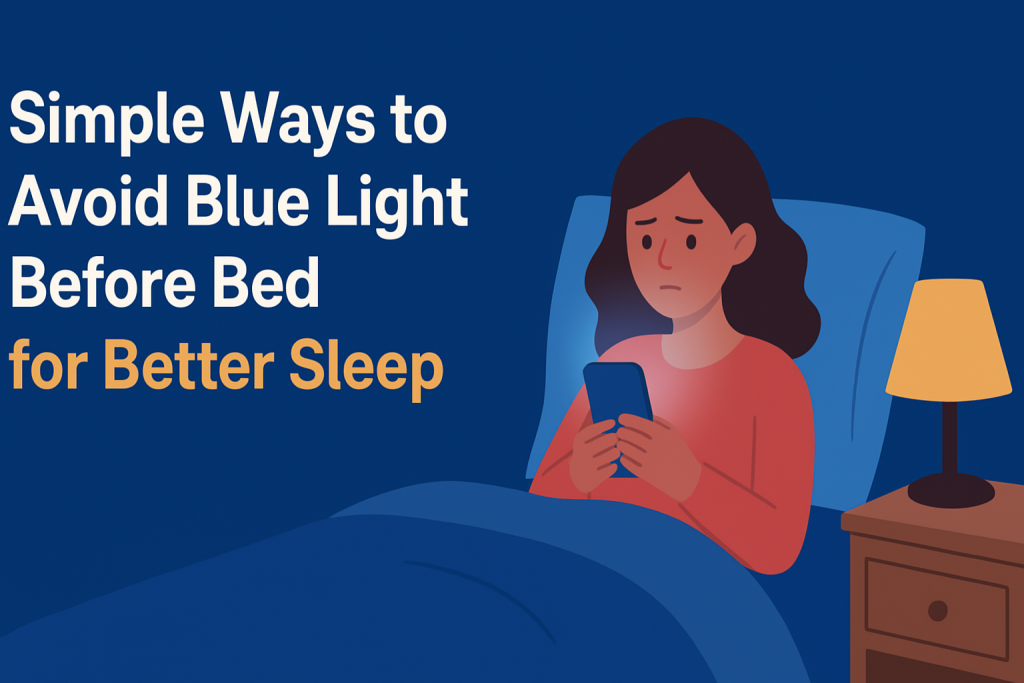
Staring at your smartphone screen at 11 PM feels harmless, but it could be the reason you’re tossing and turning until 2 AM. Research shows that blue light from digital devices disrupts your body’s natural sleep-wake cycle, making it harder to fall asleep and reducing overall sleep quality.
If you’ve ever wondered why you feel wired after scrolling through social media before bed, you’re not alone. Millions of people struggle with sleep problems linked to evening screen time and artificial light exposure.
The good news? You can take control of your sleep health with simple, effective strategies that reduce blue light exposure in the hours before bedtime. This comprehensive guide will show you exactly how to protect your circadian rhythm, improve sleep quality, and wake up feeling refreshed.
Whether you work late shifts, use devices for entertainment, or simply want better rest, these evidence-based tips will transform your nighttime routine.
What Is Blue Light and Why Does It Matter?
Blue light is a high-energy visible light with wavelengths between 380 and 500 nanometers. While all colors of light can affect your circadian rhythm, blue wavelengths are particularly powerful at suppressing melatonin production.
Natural vs. Artificial Blue Light
During daylight hours, blue light from the sun helps you stay alert, improves mood, and regulates your sleep-wake cycle. This natural exposure is beneficial and necessary for healthy circadian function.
However, artificial blue light from electronic devices becomes problematic after sunset. Your brain interprets this light as a signal that it’s still daytime, which delays melatonin release and shifts your biological clock later.
Common Sources of Blue Light Exposure
Understanding where blue light comes from helps you identify areas to modify in your environment:
- Smartphones and tablets
- Computer monitors and laptops
- LED television screens
- Fluorescent and LED light bulbs
- Gaming consoles and e-readers with backlit screens
- Digital alarm clocks with bright displays
How Blue Light Disrupts Your Sleep Cycle
Your circadian rhythm operates on a roughly 24-hour cycle, controlled primarily by light exposure. Special cells in your eyes detect blue light and send signals to the suprachiasmatic nucleus in your brain, which regulates your internal clock.
The Melatonin Connection
Melatonin is your body’s natural sleep hormone. Production typically begins around 9 PM and peaks between 2-4 AM. Blue light exposure in the evening can:
- Suppress melatonin production by up to 50%
- Delay melatonin release by 1-3 hours
- Reduce total melatonin levels throughout the night
- Shift your circadian phase to a later schedule
Impact on Sleep Quality and Health
Beyond making it harder to fall asleep, chronic evening blue light exposure can lead to:
- Reduced rapid eye movement (REM) sleep
- Lower overall sleep duration
- Increased next-day fatigue and drowsiness
- Difficulty waking up in the morning
- Potential long-term metabolic and cardiovascular effects
Studies have shown that people who use electronic devices before bed take longer to fall asleep, experience less restorative deep sleep, and report feeling groggier the next morning.
12 Proven Ways to Reduce Blue Light Before Bedtime
1. Implement the 2-Hour Digital Sunset Rule
The most effective strategy is also the simplest: stop using electronic devices two hours before your target bedtime. This gives your brain adequate time to begin natural melatonin production without interference.
How to make it work:
- Set a recurring alarm as your “digital sunset” reminder
- Place devices in another room to remove temptation
- Replace screen time with reading physical books, journaling, or conversation
- Communicate your boundaries to family and friends
If two hours feels impossible, start with one hour and gradually extend the duration as your routine becomes habit.
2. Use Blue Light Blocking Glasses
Blue light blocking glasses filter out harmful wavelengths while allowing other colors through. Research indicates they can significantly improve sleep quality when worn in the evening.
What to look for:
- Lenses that block at least 90% of blue light (400-500nm range)
- Orange or amber-tinted lenses for maximum effectiveness
- Comfortable fit for 2-3 hours of wear
- Wraparound styles that prevent light from entering around the edges
Wear these glasses starting 2-3 hours before bed while using devices or under bright indoor lighting.
3. Enable Night Mode on All Devices
Most modern devices include built-in features that reduce blue light emission by shifting screen color toward warmer tones.
Device-specific settings:
| Device Type | Feature Name | How to Enable |
|---|---|---|
| iPhone/iPad | Night Shift | Settings > Display & Brightness > Night Shift |
| Android | Night Light or Blue Light Filter | Settings > Display > Night Light |
| Windows PC | Night Light | Settings > System > Display > Night Light |
| Mac | Night Shift | System Preferences > Displays > Night Shift |
| Kindle | Blue Shade | Settings > Blue Shade |
Schedule these features to activate automatically 2-3 hours before your typical bedtime. Adjust the intensity to maximum for best results.
4. Switch to Warm-Toned Lighting
Replace bright white and cool LED bulbs with warm-colored alternatives in rooms you use during evening hours.
Recommended bulb specifications:
- Color temperature: 2700K or lower (labeled “warm white” or “soft white”)
- Dimmable options for gradual reduction
- Smart bulbs that can change color temperature throughout the day
- Avoid bulbs labeled “daylight” or “cool white” (5000K+)
Focus especially on bedroom lighting, bathrooms, and living spaces where you spend time before sleep.
5. Install Blue Light Filter Software
Screen filter applications provide more comprehensive blue light reduction than built-in device settings.
Popular options:
- f.lux (free, Windows/Mac/Linux) – Automatically adjusts screen color based on time of day
- Iris (paid, multiple platforms) – Advanced customization with health-focused features
- Twilight (free, Android) – Gradual red filter that intensifies as bedtime approaches
These programs can reduce blue light output more aggressively than manufacturer settings and offer customizable schedules.
6. Create a Tech-Free Bedroom Policy
Your bedroom should be a sanctuary dedicated to sleep and intimacy, not a multimedia entertainment center.
Implementation strategies:
- Charge devices in another room overnight
- Use a traditional alarm clock instead of your phone
- Remove televisions from the bedroom
- Replace tablets with physical books for bedtime reading
- Install a small basket by the bedroom door for depositing devices
This boundary creates a mental association between your bedroom and restful sleep rather than stimulating screen time.
7. Dim Your Environment Progressively
Gradually lowering ambient light levels signals to your body that sleep time is approaching, supporting natural melatonin production.
Progressive dimming schedule:
- 3 hours before bed: Switch to warm-toned lighting
- 2 hours before bed: Reduce brightness by 50%
- 1 hour before bed: Use only dim task lighting or candles
- 30 minutes before bed: Rely on minimal lighting for safety only
Dimmer switches and smart lighting systems make this progression easy to implement and automate.
8. Try Red Light for Evening Activities
Red wavelengths have minimal impact on melatonin production, making red lights ideal for nighttime use when you need visibility without sleep disruption.
Red light applications:
- Nightlights in hallways and bathrooms
- Reading lamps with red bulbs or filters
- Book lights with red LED settings
- Bedroom lighting for pre-sleep routines
Red light allows you to see adequately while preserving your body’s readiness for sleep.
9. Optimize Your Evening Screen Settings
When you must use devices before bed, minimize their sleep impact through aggressive optimization.
Maximum protection settings:
- Reduce screen brightness to 30% or lower
- Enable dark mode in all apps that support it
- Increase text size to reduce eye strain and squinting
- Turn off auto-brightness to maintain consistent low levels
- Disable notifications that cause bright flashes
Combining these adjustments with night mode features provides layered protection against blue light exposure.
10. Establish a Consistent Wind-Down Routine
A predictable pre-sleep routine helps your body recognize when it’s time to transition toward rest, independent of light exposure.
Sample relaxing routine:
- Light stretching or gentle yoga (15 minutes)
- Warm shower or bath (15 minutes)
- Herbal tea and journaling (15 minutes)
- Reading physical books or meditation (30 minutes)
- Lights out at consistent time
Consistency matters more than the specific activities. Your body will begin preparing for sleep as soon as your routine starts.
11. Use Physical Books Instead of E-Readers
While e-readers seem like a natural bedtime companion, backlit screens emit blue light that can interfere with sleep. Studies comparing traditional books to backlit tablets show significant differences in sleep onset time and next-day alertness.
Better alternatives:
- Physical paperback or hardcover books
- E-readers without backlighting (original Kindle models)
- E-readers with warm front-lighting (Kindle Paperwhite with warm light setting)
- Clip-on reading lights with warm or red bulbs
The slight inconvenience of physical books is offset by noticeably better sleep quality.
12. Consider Blue Light Blocking Screen Protectors
Physical screen filters attach directly to your devices, blocking blue light at the source regardless of software settings.
Benefits:
- Works with all apps and cannot be accidentally disabled
- Protects eyes during daytime use as well
- No battery drain from filtering software
- Compatible with existing device features
Look for screen protectors that block 90% or more of blue light while maintaining screen clarity and touch sensitivity.
Some of Trending Sleep Gadgets
SleepFuel Sleep Spray Review
SnoreRx Mouthpiece Review
VelaSleep Pillow Review
Creating Your Personalized Blue Light Reduction Plan
Everyone’s schedule and needs differ, so effective blue light management requires customization. Follow these steps to build a plan that works for your lifestyle.
Step 1: Track Your Current Habits
Spend one week monitoring your evening screen use:
- Note what devices you use after sunset
- Record when you typically use screens before bed
- Identify which activities feel most essential
- Track your average sleep onset time and quality
Step 2: Identify Your Priority Changes
Based on your tracking, choose 3-5 strategies that address your biggest blue light sources. For example:
Heavy smartphone user: Focus on night mode, blue light glasses, and the 2-hour rule Late-night TV watcher: Prioritize environmental lighting changes and earlier viewing cutoffs Evening computer work: Emphasize screen filter software, glasses, and proper workspace lighting
Step 3: Implement Gradually
Attempting to change everything overnight often leads to abandoning the plan entirely. Instead:
- Week 1: Enable night mode on all devices and change bedroom lighting
- Week 2: Add blue light glasses or screen filter software
- Week 3: Push device cutoff time 30 minutes earlier
- Week 4: Extend device-free time to full 2 hours
Step 4: Monitor and Adjust
After 30 days, assess your results:
- Are you falling asleep faster?
- Do you feel more rested in the morning?
- Has your sleep quality improved?
Adjust your strategies based on what’s working and what feels unsustainable. The goal is lasting change, not temporary perfection.
Blue Light Protection Tools and Products
Essential Blue Light Blocking Glasses
| Product Type | Best For | Price Range | Key Features |
|---|---|---|---|
| Entry-level amber glasses | Beginners trying blue light blocking | $15-30 | Basic filtering, standard frames |
| Premium blue blockers | Serious sleep optimization | $50-100 | 99%+ blocking, comfortable fit, style options |
| Prescription blue light glasses | Corrective lens wearers | $100-300 | Custom prescription with blue light filtering |
| Clip-on blue light filters | Existing glasses wearers | $20-40 | Attaches to current frames |
Smart Lighting Solutions
Smart bulbs and lighting systems allow automatic adjustment of color temperature throughout the day:
- Philips Hue: Extensive ecosystem with excellent warm white options
- LIFX: No hub required, strong color customization
- Wyze Bulbs: Budget-friendly option with basic color temperature control
- C by GE: Simple setup with Google Home and Alexa integration
Program these to shift toward warm tones starting 3 hours before your target bedtime.
Screen Filter Applications
Free options:
- f.lux (desktop) – Reliable and widely used
- Twilight (Android) – Intuitive interface
- Night Shift (iOS/Mac) – Built-in and integrated
Paid options with advanced features:
- Iris ($2-15) – Health-focused with break reminders
- SunsetScreen (free/donation) – Lightweight Windows option
Common Mistakes to Avoid
Using Blue Light Filters as Permission for More Screen Time
Blue light filters reduce but don’t eliminate the sleep-disrupting effects of device use. The mental stimulation from content consumption, notifications, and interactive apps still interferes with your ability to wind down.
Solution: Maintain reasonable screen time limits even with filters active. Protection tools should enable necessary evening device use, not extend recreational scrolling.
Forgetting About Environmental Light Sources
Many people optimize their devices while ignoring overhead lighting, television screens, and other environmental blue light sources.
Solution: Take a comprehensive approach that addresses all light sources in your evening environment, not just handheld devices.
Inconsistent Implementation
Using blue light protection randomly or only when you remember provides minimal benefit. Your circadian rhythm responds to consistent patterns.
Solution: Automate whenever possible through device settings, smart lighting schedules, and alarm reminders. Make blue light reduction a non-negotiable part of your routine.
Starting Too Close to Bedtime
Beginning blue light reduction only 30 minutes before sleep doesn’t give your body adequate time to initiate melatonin production.
Solution: Start your blue light protection at least 2 hours before your target sleep time. Earlier is better for optimal results.
Neglecting Morning Light Exposure
Your circadian rhythm depends on contrast between bright light in the morning and darkness at night. Avoiding blue light in the evening while also avoiding bright light in the morning creates ongoing sleep problems.
Solution: Get bright light exposure (preferably natural sunlight) within 30-60 minutes of waking to set your biological clock properly.
The Science Behind Blue Light and Sleep
Understanding the research helps you appreciate why these strategies work and stay motivated to maintain your routine.
Key Research Findings
Multiple studies have documented blue light’s effects on sleep:
- Harvard research found that blue light suppressed melatonin for about twice as long as green light and shifted circadian rhythms by twice as much
- Studies comparing reading on light-emitting devices versus printed books showed that tablet users took longer to fall asleep, had less REM sleep, and felt sleepier the next morning
- Research on night shift workers demonstrates that chronic circadian disruption from artificial light exposure correlates with increased health risks
How Much Blue Light Is Too Much?
Even small amounts of blue light can affect melatonin production, but the impact depends on:
- Intensity: Brighter screens have stronger effects
- Duration: Longer exposure causes more suppression
- Timing: Light exposure closer to bedtime has greater impact
- Individual sensitivity: Some people are more affected than others
Research suggests that light exposure above 30 lux in the blue spectrum can begin suppressing melatonin. For context, a smartphone screen at full brightness typically emits 40-100 lux.
Long-Term Health Implications
Beyond immediate sleep quality, chronic circadian disruption from evening blue light exposure may contribute to:
- Increased risk of obesity and metabolic syndrome
- Higher rates of certain cancers in shift workers
- Greater prevalence of mood disorders
- Cardiovascular health concerns
- Accelerated aging processes
While more research is needed to fully understand these connections, current evidence supports minimizing unnecessary artificial light exposure after dark.
Blue Light Reduction for Special Situations
Night Shift Workers
People working overnight face unique challenges since they need to stay alert during natural sleep hours.
Strategies for night workers:
- Wear blue light blocking glasses during the commute home
- Use blackout curtains to create darkness for daytime sleep
- Get bright blue light exposure at the start of your shift
- Gradually reduce light exposure 2-3 hours before your daytime sleep
- Consider light therapy to help reset your circadian rhythm on days off
Parents with Young Children
Nighttime parenting responsibilities often require device use for monitoring, entertainment, or information.
Family-friendly approaches:
- Enable all device night modes and set to maximum filtering
- Use red nightlights in children’s rooms and hallways
- Choose baby monitors with minimal screen brightness
- Keep a dim red reading light for bedtime stories
- Model healthy screen habits your children can learn from
Students and Late-Night Studying
Academic demands sometimes require evening computer work or reading.
Study-friendly blue light solutions:
- Schedule demanding cognitive work earlier in the evening
- Use blue light blocking glasses during all evening study sessions
- Take regular breaks to reduce total exposure time
- Choose paper textbooks over digital versions when possible
- Install aggressive screen filtering on computers and tablets
Measuring Your Success
Tracking your progress helps you understand what’s working and stay motivated.
Sleep Quality Indicators
Monitor these markers of improvement:
- Sleep onset time: How long it takes to fall asleep after lights out
- Wake frequency: Number of times you wake during the night
- Morning alertness: How rested you feel upon waking
- Daytime energy: Overall energy levels throughout the day
- Sleep duration: Total hours of sleep per night
Tracking Methods
Choose the approach that fits your preferences:
Simple journal tracking:
- Record bedtime, wake time, and sleep quality rating (1-10)
- Note any blue light exposure and protective measures used
- Track patterns over 4-6 weeks
Sleep tracking devices:
- Fitness trackers with sleep monitoring features
- Smartphone apps that analyze sleep patterns
- Smart mattress covers that track sleep stages
Subjective assessments:
- Weekly check-ins on overall sleep satisfaction
- Monthly reviews of daytime functioning
- Comparison of before and after implementing changes
Additional Sleep Hygiene Practices
Blue light management works best as part of comprehensive sleep hygiene. Combine blue light reduction with these complementary practices:
Optimize Your Sleep Environment
- Keep bedroom temperature between 60-67°F (15-19°C)
- Use blackout curtains to eliminate external light
- Choose comfortable, supportive mattress and pillows
- Minimize noise with white noise machines or earplugs
- Remove clutter to create a calming space
Maintain Consistent Sleep Schedules
- Go to bed at the same time every night, including weekends
- Wake at the same time each morning
- Avoid sleeping in more than 1 hour, even after poor sleep
- Keep naps short (20-30 minutes) and before 3 PM
Watch Evening Food and Drink
- Avoid caffeine after 2 PM
- Limit alcohol, especially within 3 hours of bedtime
- Don’t eat large meals in the 2-3 hours before sleep
- Stay hydrated throughout the day but limit liquids before bed
Manage Stress and Anxiety
- Practice meditation or deep breathing exercises
- Keep a worry journal to externalize concerns
- Establish boundaries between work and personal time
- Seek professional support if anxiety regularly disrupts sleep
Conclusion: Take Control of Your Sleep Tonight
Blue light exposure before bed disrupts your natural sleep-wake cycle, making it harder to fall asleep and reducing the quality of your rest. However, you now have proven strategies to protect your circadian rhythm and reclaim healthy sleep.
Start with the changes that feel most achievable: enable night mode on your devices, try blue light blocking glasses, or simply move your phone charger to another room. Small adjustments compound over time to create significant improvements in sleep quality.
Remember that consistency matters more than perfection. Even reducing blue light exposure on most nights provides substantial benefits compared to taking no action at all.
Your sleep affects every aspect of your health, productivity, and well-being. By taking control of your evening light environment, you’re investing in better days ahead.
Ready to sleep better tonight? Choose one strategy from this guide and implement it this evening. Track your results for one week, then add another protective measure. Within a month, you’ll likely notice improvements in how quickly you fall asleep, how rested you feel, and how much energy you have during the day.
Sweet dreams start with smart choices about light exposure. Make your first choice right now.
I was spending more than three hours on my phone after 8 pm! Once I realized this, it became easier to make small changes. Even reducing it by just 30-40 minutes can make a difference over a few days.
FAQs About Blue Light and Sleep
How long does it take for blue light blocking strategies to improve my sleep?
Most people notice initial improvements within 3-7 days of consistently reducing blue light exposure before bed. You may fall asleep faster or feel more naturally tired at your intended bedtime. However, more substantial changes in sleep quality, morning alertness, and overall circadian rhythm typically become apparent after 2-4 weeks of consistent practice. Individual responses vary based on how severely your sleep was affected by blue light and how comprehensively you implement protective measures. If you don’t see any improvement after one month, consider evaluating other sleep hygiene factors or consulting a sleep specialist.
Can I still use my phone before bed if I wear blue light blocking glasses?
While blue light blocking glasses significantly reduce the impact of screen-based blue light on melatonin production, they don’t address other sleep-disrupting aspects of phone use. The mental stimulation from social media, emails, news, or games keeps your brain active and alert, making it harder to transition into sleep mode. Additionally, the brightness of the screen itself (independent of blue wavelengths) can still affect your circadian system. For optimal sleep, combine blue light blocking glasses with reduced screen time, dimmer brightness settings, and stopping phone use at least 1-2 hours before bed. If you must use your phone in the evening, glasses definitely help, but they’re not a complete solution.
Do blue light blocking features on devices really work as well as specialized glasses?
Built-in blue light reduction features like Night Shift (iOS) or Night Light (Android/Windows) provide meaningful protection by shifting screen color toward warmer tones, typically blocking 30-50% of blue light emission. However, specialized blue light blocking glasses with amber or orange lenses block 90-99% of blue wavelengths, offering more comprehensive protection. Device features work well for moderate blue light reduction and are better than nothing, but for maximum sleep benefit, especially if you’re particularly sensitive to light or must use devices extensively in the evening, dedicated blue light blocking glasses provide superior filtering. The ideal approach combines both methods for layered protection.
Is blue light from devices the only factor affecting my ability to fall asleep?
No, blue light is just one of many factors influencing sleep quality. Other important considerations include caffeine consumption, alcohol intake, stress and anxiety levels, room temperature, noise, overall sleep schedule consistency, exercise timing, and underlying sleep disorders. Additionally, the content you consume on devices matters. Watching exciting or emotionally charged content stimulates your brain regardless of blue light exposure. Environmental lighting from overhead fixtures, the brightness of your bedroom, and even light from alarm clocks can affect sleep. For best results, address blue light exposure as part of comprehensive sleep hygiene that includes all these factors.
Are there any downsides to blocking blue light in the evening?
For most people, blocking blue light in the evening has no negative effects and only provides benefits for sleep quality and circadian rhythm regulation. However, a few considerations exist. If you work night shifts or need to stay alert during evening hours, blocking blue light may make you feel drowsy when you need to remain awake. Some people find the orange or amber tint of blue light blocking glasses visually unappealing or disorienting initially, though most adapt within a few days. Additionally, if you block blue light in the evening but don’t get adequate bright light exposure in the morning, you may struggle to maintain a healthy circadian rhythm. The key is creating proper contrast: bright light during the day, minimal blue light at night.