
Millions of people worldwide struggle with high cholesterol levels, a condition that silently increases the risk of heart disease and stroke. If you’ve recently received concerning cholesterol numbers from your healthcare provider, you’re probably wondering whether medication is your only option.
The good news? Many people successfully manage their cholesterol levels through natural lifestyle modifications alone.
This comprehensive guide explores evidence-based strategies to help you maintain healthy cholesterol levels without relying on medication. While these methods can be highly effective, they work best when implemented consistently and under professional guidance. Whether you’re looking to prevent cholesterol issues or support your existing health routine, you’ll find actionable insights that can make a real difference.
Important Note: This article provides educational information only and is not medical advice. Always consult with your healthcare provider before making changes to your health regimen, especially if you have existing medical conditions or have been prescribed cholesterol medication.
Understanding Cholesterol: The Basics You Need to Know
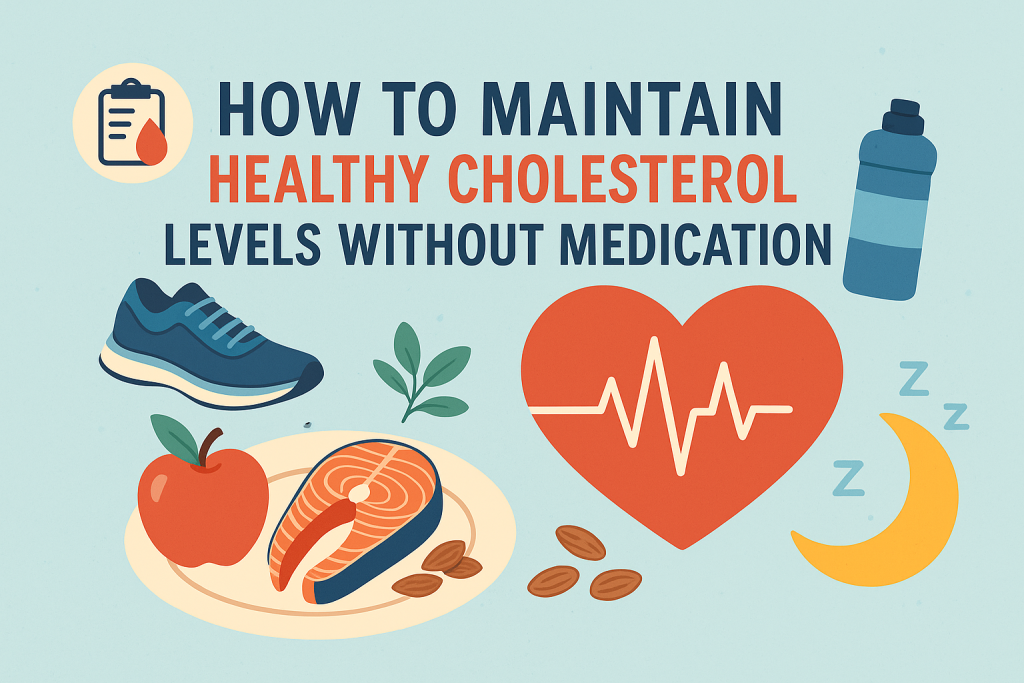
Before diving into natural management strategies, it’s essential to understand what cholesterol actually is and why it matters for your health.
What Is Cholesterol?
Cholesterol is a waxy, fat-like substance found in every cell of your body. Despite its negative reputation, cholesterol plays vital roles in your body, including producing hormones, vitamin D, and substances that help digest food.
Your body produces all the cholesterol it needs in the liver. However, cholesterol also comes from animal-based foods you eat, such as meat, poultry, and dairy products.
Types of Cholesterol: The Good, The Bad, and The Important
Not all cholesterol is created equal. Understanding the different types helps you make informed decisions about your health:
LDL (Low-Density Lipoprotein) – “Bad” Cholesterol
- Carries cholesterol to your arteries
- High levels can lead to plaque buildup
- Increases risk of heart disease and stroke
- Target level: Below 100 mg/dL for most people
HDL (High-Density Lipoprotein) – “Good” Cholesterol
- Removes excess cholesterol from arteries
- Carries cholesterol back to the liver for removal
- Higher levels provide better protection
- Target level: 60 mg/dL or higher
Triglycerides
- Another type of fat in your blood
- High levels contribute to artery hardening
- Often elevated with poor diet choices
- Target level: Below 150 mg/dL
Why Cholesterol Levels Matter
When LDL cholesterol levels become too high, it can accumulate on artery walls, forming plaque. This process, called atherosclerosis, narrows arteries and reduces blood flow. Over time, this significantly increases your risk of heart attack and stroke.
The good news is that cholesterol levels respond remarkably well to lifestyle interventions, making natural management both possible and effective for many individuals.
1. Adopt a Heart-Healthy Diet Rich in Soluble Fiber
Your diet plays the most significant role in managing cholesterol levels naturally. What you eat directly impacts both your LDL and HDL cholesterol numbers.
The Power of Soluble Fiber
Soluble fiber acts like a sponge in your digestive system, binding to cholesterol and helping remove it from your body before it enters your bloodstream. Research consistently shows that increasing soluble fiber intake can reduce LDL cholesterol by 5-10%.
Top Soluble Fiber Sources:
- Oats and oat bran (1.5 cups of cooked oatmeal provides 6 grams)
- Barley and whole grains
- Beans, lentils, and legumes
- Apples, pears, and citrus fruits
- Brussels sprouts, carrots, and sweet potatoes
- Flaxseeds and chia seeds
Creating Your Cholesterol-Lowering Meal Plan
Building meals around fiber-rich foods doesn’t have to be complicated. Here’s a simple framework:
Breakfast Ideas:
- Steel-cut oatmeal topped with berries and ground flaxseed
- Whole grain toast with avocado and tomatoes
- Greek yogurt with chia seeds and sliced pears
Lunch Options:
- Lentil soup with mixed vegetables
- Quinoa salad with chickpeas and colorful vegetables
- Bean burrito bowl with brown rice
Dinner Suggestions:
- Grilled salmon with roasted Brussels sprouts and barley
- Stir-fried tofu with broccoli over brown rice
- Chicken breast with sweet potato and green beans
Foods to Limit or Avoid
Certain foods can raise LDL cholesterol and should be minimized:
- Trans fats (partially hydrogenated oils in processed foods)
- Saturated fats from fatty meats and full-fat dairy
- Fried foods and fast food items
- Baked goods made with shortening or butter
- Processed meats like bacon, sausage, and deli meats
2. Include Healthy Fats in Your Daily Nutrition
Not all fats are created equal. While some fats raise cholesterol, others can actually improve your cholesterol profile and support heart health.
The Benefits of Monounsaturated Fats
Monounsaturated fats help reduce LDL cholesterol while maintaining or even increasing beneficial HDL cholesterol. These healthy fats also provide essential nutrients your body needs.
Best Sources of Monounsaturated Fats:
- Extra virgin olive oil (use for cooking and dressings)
- Avocados and avocado oil
- Almonds, cashews, and pecans
- Natural peanut butter and almond butter
Omega-3 Fatty Acids: Your Heart’s Best Friend
Omega-3 fatty acids don’t directly lower LDL cholesterol, but they provide numerous cardiovascular benefits, including reducing triglycerides and lowering blood pressure.
Excellent Omega-3 Sources:
- Fatty fish (salmon, mackerel, sardines, herring)
- Walnuts and walnut oil
- Ground flaxseeds and flaxseed oil
- Chia seeds
- Hemp seeds
Recommended Intake: Aim for at least two servings (3.5 ounces each) of fatty fish per week. If you don’t eat fish, consider plant-based omega-3 sources or discuss supplementation with your healthcare provider.
Simple Fat Swap Strategy
| Instead of This | Choose This |
|---|---|
| Butter on toast | Avocado slices or olive oil |
| Creamy salad dressing | Olive oil and vinegar |
| Potato chips | Mixed nuts (unsalted) |
| Cookies or pastries | Fresh fruit with nut butter |
| Fried foods | Baked or grilled options |
3. Add Plant Sterols and Stanols to Your Diet
Plant sterols and stanols are compounds found naturally in plants that have a powerful cholesterol-lowering effect. They work by blocking cholesterol absorption in your intestines.
How Plant Sterols Work
These plant compounds have a similar structure to cholesterol. When you consume them, they compete with cholesterol for absorption in your digestive system, effectively reducing the amount of cholesterol that enters your bloodstream.
Studies show that consuming 2 grams of plant sterols or stanols daily can reduce LDL cholesterol by approximately 10%.
Where to Find Plant Sterols and Stanols
Natural Food Sources:
- Wheat germ and wheat bran
- Nuts (especially almonds and pistachios)
- Seeds (sunflower, sesame)
- Vegetable oils (corn oil, canola oil)
- Legumes and beans
- Fruits and vegetables (in smaller amounts)
Fortified Products:
- Fortified orange juice
- Plant sterol-enriched margarine spreads
- Fortified yogurt drinks
- Enhanced breakfast cereals
Practical Tips for Increasing Intake
Getting enough plant sterols requires intentional choices. Consider these strategies:
- Start your day with fortified orange juice or a plant sterol spread on whole grain toast
- Snack on almonds or pistachios mid-afternoon
- Add wheat germ to smoothies or yogurt
- Use fortified margarine in cooking (look for products with added plant sterols)
- Include a variety of vegetables at every meal
4. Exercise Regularly for Optimal Cholesterol Balance
Physical activity is one of the most effective natural interventions for improving your cholesterol profile. Exercise primarily works by raising HDL (good) cholesterol while helping control weight and reduce triglycerides.
How Exercise Affects Cholesterol
Regular physical activity triggers several beneficial changes in your body:
- Increases HDL cholesterol by up to 5-10%
- Helps reduce LDL cholesterol and triglycerides
- Improves the size and quality of cholesterol particles
- Enhances cardiovascular efficiency
- Supports healthy weight management
Recommended Exercise Guidelines
For cholesterol management and overall heart health, health organizations recommend:
Aerobic Exercise:
- Minimum: 150 minutes of moderate-intensity activity per week
- Alternatively: 75 minutes of vigorous-intensity activity per week
- Best approach: Spread activity throughout the week
Moderate-Intensity Activities Include:
- Brisk walking (3-4 mph)
- Recreational swimming
- Cycling on level terrain
- Doubles tennis
- Dancing
- Gardening and yard work
Vigorous-Intensity Activities Include:
- Jogging or running
- Swimming laps
- Cycling uphill or at high speed
- Singles tennis
- Aerobic dancing
- Hiking uphill
Building Your Exercise Routine
Starting an exercise program doesn’t require a gym membership or expensive equipment. Here’s how to build sustainable habits:
Week 1-2: Foundation Phase
- Start with 10-15 minute walks daily
- Focus on consistency over intensity
- Find activities you genuinely enjoy
Week 3-4: Building Phase
- Increase duration to 20-30 minutes
- Add variety (walking, swimming, cycling)
- Consider exercising with a friend for accountability
Week 5+: Maintenance Phase
- Aim for 30-60 minutes most days
- Mix moderate and vigorous activities
- Include activities you love to ensure long-term adherence
Strength Training Matters Too
While aerobic exercise gets most of the attention, resistance training also supports healthy cholesterol levels by:
- Building muscle mass, which increases metabolism
- Improving body composition
- Enhancing insulin sensitivity
- Supporting weight management
Include strength training exercises 2-3 times per week, targeting all major muscle groups.
5. Achieve and Maintain a Healthy Weight
Carrying excess weight, particularly around your midsection, directly impacts your cholesterol levels. Even modest weight loss can produce significant improvements in your cholesterol profile.
The Weight-Cholesterol Connection
Extra body weight affects cholesterol in multiple ways:
- Increases LDL (bad) cholesterol production
- Reduces HDL (good) cholesterol levels
- Elevates triglyceride levels
- Promotes inflammation that damages blood vessels
- Increases the risk of insulin resistance
Research demonstrates that losing just 5-10% of your body weight can lead to meaningful cholesterol improvements.
Setting Realistic Weight Loss Goals
Sustainable weight loss happens gradually. Here’s a realistic framework:
Healthy Weight Loss Rate:
- Aim for 1-2 pounds per week
- Focus on long-term lifestyle changes, not quick fixes
- Track progress through multiple measures (not just the scale)
Evidence-Based Weight Management Strategies
Portion Control Without Deprivation:
- Use smaller plates to naturally reduce portions
- Fill half your plate with vegetables
- Eat slowly and mindfully, paying attention to hunger cues
- Stop eating when you’re satisfied, not stuffed
Sustainable Eating Patterns:
- Plan meals and snacks in advance
- Keep healthy options readily available
- Limit eating out to maintain better control
- Prepare larger batches and freeze portions
Behavioral Strategies:
- Keep a food journal to increase awareness
- Identify and address emotional eating triggers
- Get adequate sleep (7-9 hours supports weight management)
- Manage stress through healthy outlets
Beyond the Scale: Other Success Markers
Weight is just one metric. Track these additional indicators:
- Energy levels throughout the day
- How your clothes fit
- Physical endurance and strength
- Mood and mental clarity
- Blood work results (when available)
6. Eliminate Trans Fats Completely
Trans fats represent one of the most harmful dietary components for your cholesterol levels. Eliminating them from your diet is one of the most impactful changes you can make.
Why Trans Fats Are So Dangerous
Trans fats create a double negative effect on cholesterol:
- Raise LDL (bad) cholesterol significantly
- Lower HDL (good) cholesterol simultaneously
- Increase inflammation throughout the body
- Significantly elevate heart disease risk
Even small amounts of trans fats can harm your health. Research indicates that for every 2% increase in calories from trans fats, heart disease risk increases by 23%.
Where Trans Fats Hide
While many countries have banned or restricted trans fats, they still appear in some products:
Common Sources:
- Packaged baked goods (cookies, crackers, cakes)
- Microwave popcorn
- Frozen pizza and fried foods
- Non-dairy coffee creamers
- Stick margarine (older formulations)
- Certain fried fast foods
Reading Labels to Avoid Trans Fats
Key Label Reading Tips:
Check the ingredient list for these terms:
- “Partially hydrogenated oil” (this always means trans fats)
- “Hydrogenated oil”
- “Shortening”
Important Labeling Loophole: Products can claim “0 grams trans fat” if they contain less than 0.5 grams per serving. However, if you eat multiple servings or consume several such products daily, these small amounts add up.
Healthy Alternatives
Replace trans fat sources with healthier options:
| Trans Fat Source | Healthy Alternative |
|---|---|
| Margarine with trans fats | Olive oil or trans-fat-free spreads |
| Commercially baked goods | Homemade treats with healthy oils |
| Fried fast food | Grilled or baked options |
| Microwave popcorn | Air-popped popcorn with olive oil |
| Coffee creamer | Milk, almond milk, or oat milk |
7. Reduce Sugar and Refined Carbohydrate Intake
While dietary cholesterol and saturated fat receive most of the attention, excessive sugar and refined carbohydrates significantly impact cholesterol levels, particularly triglycerides.
How Sugar Affects Your Cholesterol
High sugar consumption triggers several negative effects:
- Raises triglyceride levels substantially
- Lowers HDL (good) cholesterol
- Increases LDL (bad) cholesterol particles
- Promotes weight gain, which further impacts cholesterol
- Increases inflammation and insulin resistance
Studies show that people who consume high amounts of added sugar have significantly worse cholesterol profiles than those who limit sugar intake.
Identifying Hidden Sugars
Sugar hides in many unexpected foods under various names:
Common Sugar Aliases:
- High fructose corn syrup
- Cane sugar, cane juice, cane syrup
- Dextrose, fructose, glucose
- Maltose, sucrose
- Molasses, honey, agave nectar
- Fruit juice concentrate
Surprising High-Sugar Foods:
- Flavored yogurts (can contain 20+ grams)
- Breakfast cereals (even “healthy” varieties)
- Granola and energy bars
- Salad dressings and condiments
- Tomato sauce and pasta sauce
- Whole grain bread and crackers
Recommended Sugar Limits
The American Heart Association suggests:
- Men: No more than 36 grams (9 teaspoons) of added sugar daily
- Women: No more than 25 grams (6 teaspoons) of added sugar daily
For reference, one 12-ounce can of regular soda contains about 39 grams of sugar.
Practical Sugar Reduction Strategies
Start Your Day Right:
- Choose plain oatmeal and add fresh fruit for sweetness
- Select unsweetened cereals and add berries
- Opt for plain yogurt and mix in fruit
Beverage Choices Matter:
- Replace sugary drinks with water, unsweetened tea, or sparkling water
- If you need flavor, infuse water with cucumber, lemon, or berries
- Limit fruit juice (even 100% juice is concentrated sugar)
Smart Snacking:
- Choose whole fruits instead of fruit snacks or dried fruit
- Select unsweetened nut butters
- Read labels on “healthy” snacks carefully
Cooking and Baking Modifications:
- Reduce sugar in recipes by one-third to one-half
- Use spices like cinnamon and vanilla for sweetness perception
- Experiment with ripe bananas or applesauce as partial sugar replacements
Some of Great Health Product Reviews
Akka Review
Reathlete Air-C Leg Massager Pro Review
Shiny Smile Veneers Review
Laughland Teeth Whitening Kit Review
Emma Relief Review
Liftly Insoles Review
EMSense EMS Foot Massager Review
8. Stop Smoking and Limit Alcohol Consumption
Lifestyle habits beyond diet and exercise significantly influence your cholesterol levels and overall cardiovascular health.
The Smoking-Cholesterol Connection
Smoking damages your cholesterol profile in multiple ways:
- Lowers HDL (good) cholesterol levels
- Increases oxidation of LDL cholesterol (making it more harmful)
- Damages blood vessel walls, making them more susceptible to plaque
- Increases inflammation throughout the cardiovascular system
- Raises triglyceride levels
The Good News: HDL cholesterol begins to improve within weeks of quitting smoking, with continued benefits over time.
Quitting Smoking: Resources and Strategies
If you smoke, quitting is the single most important thing you can do for your heart health:
Effective Cessation Strategies:
- Talk to your healthcare provider about prescription aids
- Consider nicotine replacement therapy (patches, gum, lozenges)
- Join a support group or quitline (1-800-QUIT-NOW in the US)
- Use smartphone apps designed for smoking cessation
- Identify and avoid triggers
- Enlist support from family and friends
Alcohol and Cholesterol: Finding the Balance
Alcohol’s relationship with cholesterol is complex. While moderate consumption may slightly raise HDL cholesterol, excessive drinking has serious negative effects:
Potential Benefits of Moderate Consumption:
- May increase HDL cholesterol slightly
- Might provide minor cardiovascular benefits
Risks of Excessive Consumption:
- Significantly raises triglyceride levels
- Contributes to weight gain (alcohol is calorie-dense)
- Can raise blood pressure
- Increases risk of liver disease
- May lead to other serious health problems
What Counts as Moderate Drinking?
If you choose to drink alcohol, moderation is key:
- Women: Up to 1 drink per day
- Men: Up to 2 drinks per day
Standard drink sizes:
- 12 ounces of beer (5% alcohol)
- 5 ounces of wine (12% alcohol)
- 1.5 ounces of distilled spirits (40% alcohol)
Important Note: If you don’t currently drink alcohol, health experts don’t recommend starting for potential cholesterol benefits. The risks generally outweigh any potential advantages.
Some Trending Health Product Reviews:
Sifts Microplastic Binding Supplement Review
Lumineye Nano Drop Review
Purely White Deluxe Review
Pulsetto Review
Larineco Chewing Gum Review
illo Wearable Pillow Sleep Mask Review
Yerba Magic Tea Powder Review
Synoshi PRO Review
9. Manage Stress Through Healthy Practices
Chronic stress significantly impacts cholesterol levels and heart health through multiple pathways. Learning to manage stress effectively is an essential component of natural cholesterol management.
How Stress Affects Cholesterol
Stress influences cholesterol through several mechanisms:
- Triggers the release of cortisol and adrenaline, which can raise cholesterol
- Leads to unhealthy coping behaviors (overeating, smoking, drinking)
- Increases inflammation throughout the body
- Disrupts sleep, which independently affects cholesterol
- Promotes unhealthy food choices and sedentary behavior
Research indicates that chronic stress can raise LDL cholesterol and lower HDL cholesterol over time.
Effective Stress Management Techniques
Mindfulness and Meditation:
- Start with just 5 minutes daily
- Use apps like Headspace, Calm, or Insight Timer
- Practice deep breathing exercises throughout the day
- Try progressive muscle relaxation before bed
Physical Activity for Stress Relief:
- Take short walking breaks during stressful days
- Try yoga or tai chi for combined movement and relaxation
- Engage in activities you genuinely enjoy
- Exercise outdoors when possible for added benefits
Social Connection and Support:
- Maintain regular contact with friends and family
- Join clubs or groups aligned with your interests
- Consider talking to a therapist or counselor
- Volunteer in your community
Time Management and Boundaries:
- Prioritize tasks and avoid overcommitment
- Learn to say no to non-essential obligations
- Schedule downtime as seriously as work commitments
- Limit exposure to stressful news and social media
Creating Your Stress Reduction Plan
Daily Practices:
- Morning: 5-10 minutes of meditation or stretching
- Throughout the day: Brief breathing exercises during transitions
- Evening: Relaxing activity (reading, gentle music, warm bath)
- Bedtime: Gratitude journaling or progressive relaxation
Weekly Commitments:
- At least one social activity with people you enjoy
- Engaging in a hobby or creative pursuit
- Time in nature (park, trail, garden)
- One longer exercise session you find enjoyable
10. Prioritize Quality Sleep Every Night
Sleep quality and duration directly affect your cholesterol levels and overall cardiovascular health. Yet sleep often gets overlooked as a cholesterol management strategy.
The Sleep-Cholesterol Relationship
Poor sleep impacts cholesterol through multiple pathways:
- Disrupts hormones that regulate appetite and metabolism
- Increases cortisol levels, which can raise cholesterol
- Reduces insulin sensitivity, affecting lipid metabolism
- Leads to fatigue, reducing physical activity
- Increases cravings for unhealthy, high-calorie foods
Studies show that people who sleep less than 6 hours per night have significantly higher LDL cholesterol and lower HDL cholesterol compared to those who get 7-9 hours.
How Much Sleep Do You Need?
Most adults need 7-9 hours of quality sleep per night for optimal health. However, individual needs vary slightly.
Signs You’re Getting Enough Sleep:
- Wake feeling refreshed without an alarm (most days)
- Feel alert and energetic throughout the day
- Don’t need caffeine to function
- Maintain stable mood and focus
Creating a Sleep-Friendly Environment
Optimize Your Bedroom:
- Keep the temperature cool (60-67°F or 15-19°C is ideal)
- Ensure complete darkness (use blackout curtains or eye mask)
- Minimize noise (use earplugs or white noise machine if needed)
- Invest in a comfortable, supportive mattress and pillow
- Reserve the bedroom for sleep and intimacy only
Evening Routine for Better Sleep:
- Set a consistent bedtime and wake time (even on weekends)
- Begin winding down 60-90 minutes before bed
- Dim lights in your home as bedtime approaches
- Avoid screens (phones, tablets, TV) for at least 30-60 minutes before sleep
- Try a relaxing activity (reading, gentle stretching, meditation)
What to Avoid Before Bed:
- Caffeine after 2 PM
- Heavy meals within 2-3 hours of bedtime
- Alcohol (disrupts sleep quality)
- Intense exercise within 3 hours of sleep
- Stimulating or stressful activities
When to Seek Professional Help
If you consistently struggle with sleep despite good habits, consult a healthcare provider. Sleep disorders like sleep apnea can significantly impact both sleep quality and cholesterol levels.
11. Consider Beneficial Supplements (With Medical Guidance)
While food should always be your primary source of nutrients, certain supplements may help support healthy cholesterol levels when used appropriately under medical supervision.
Important Disclaimer
Supplements can interact with medications and aren’t appropriate for everyone. Always consult your healthcare provider before starting any supplement regimen, especially if you have existing health conditions or take medications.
Evidence-Based Supplements for Cholesterol
Psyllium Husk (Fiber Supplement):
- Soluble fiber that reduces LDL cholesterol
- Typical dose: 5-10 grams daily
- Take with plenty of water
- May cause initial bloating (usually improves)
Red Yeast Rice:
- Contains naturally occurring statin-like compounds
- Can reduce LDL cholesterol by 15-25%
- Potential side effects similar to statin medications
- Quality varies significantly between products
- Requires medical supervision
Fish Oil (Omega-3 Supplements):
- Primarily reduces triglycerides
- Typical dose: 1-4 grams daily of EPA and DHA
- Choose high-quality, purified products
- May increase bleeding risk at high doses
Coenzyme Q10 (CoQ10):
- May help if you’re taking statin medications
- Supports cellular energy production
- Typical dose: 100-200 mg daily
- Generally well-tolerated
Garlic Extract:
- Some evidence for modest cholesterol reduction
- Aged garlic extract shows most promise
- May have blood-thinning effects
- Typical dose: 600-1,200 mg daily
Supplement Quality Matters
Not all supplements are created equal. Choose products that:
- Have third-party testing certification (USP, NSF, ConsumerLab)
- Clearly list active ingredients and amounts
- Come from reputable manufacturers
- Provide transparent sourcing information
What Supplements Won’t Do
Be realistic about supplement expectations:
- They’re not magic bullets for poor lifestyle choices
- Results take time (typically 8-12 weeks minimum)
- They work best combined with diet and exercise
- Quality varies dramatically between brands
- Many claims lack strong scientific evidence
12. Schedule Regular Health Monitoring
Tracking your progress through regular health monitoring helps you understand what’s working and motivates continued healthy habits.
Importance of Regular Cholesterol Testing
You can’t manage what you don’t measure. Regular testing provides:
- Baseline numbers to track progress
- Motivation when you see improvements
- Early detection if levels worsen
- Information to guide lifestyle adjustments
- Data to discuss with your healthcare provider
Recommended Testing Frequency
General Guidelines:
- Adults 20+: At least once every 5 years
- Adults 40-75: Every 1-2 years
- People with risk factors: Annually or as recommended
- After major lifestyle changes: 8-12 weeks later
Your Healthcare Provider May Recommend More Frequent Testing If You Have:
- Family history of high cholesterol or heart disease
- Personal history of cardiovascular issues
- Diabetes or prediabetes
- High blood pressure
- Obesity
- Smoking history
Understanding Your Cholesterol Panel
A complete cholesterol test (lipid panel) measures:
| Component | Optimal Level | Borderline | High |
|---|---|---|---|
| Total Cholesterol | Below 200 mg/dL | 200-239 mg/dL | 240+ mg/dL |
| LDL (Bad) | Below 100 mg/dL | 100-159 mg/dL | 160+ mg/dL |
| HDL (Good) | 60+ mg/dL | 40-59 mg/dL | Below 40 mg/dL |
| Triglycerides | Below 150 mg/dL | 150-199 mg/dL | 200+ mg/dL |
Additional Heart Health Markers
Beyond basic cholesterol, consider discussing these tests with your provider:
Advanced Lipid Testing:
- Particle size and number
- Apolipoprotein B (ApoB)
- Lipoprotein(a) [Lp(a)]
Other Cardiovascular Markers:
- High-sensitivity C-reactive protein (hs-CRP) for inflammation
- Hemoglobin A1C for blood sugar control
- Blood pressure measurements
- Body composition analysis
Tracking Your Progress
Keep a health journal documenting:
- Cholesterol test results with dates
- Weight and waist measurements
- Blood pressure readings
- Diet and exercise habits
- How you feel (energy, mood, sleep quality)
- Challenges and successes
This information helps you and your healthcare provider make informed decisions about your health strategy.
Creating Your Personal Cholesterol Management Plan
Successfully maintaining healthy cholesterol levels requires a comprehensive, personalized approach. Here’s how to create a plan that works for your unique situation.
Step 1: Assess Your Current Situation
Get Clear on Your Numbers:
- Schedule a complete lipid panel if you haven’t had one recently
- Understand your current cholesterol levels
- Identify which specific values need improvement
Evaluate Your Current Habits:
- Keep a food diary for one week
- Track your physical activity
- Note sleep patterns and stress levels
- Identify areas for improvement
Step 2: Set SMART Goals
Make your goals Specific, Measurable, Achievable, Relevant, and Time-bound:
Example Goals:
- “I will eat oatmeal for breakfast 5 days per week for the next month”
- “I will walk for 30 minutes, 5 days per week”
- “I will reduce my sugar intake to under 25 grams of added sugar daily”
- “I will achieve 7-8 hours of sleep at least 5 nights per week”
Step 3: Start Small and Build Gradually
Don’t try to change everything at once. Sustainable change happens gradually:
Month 1: Foundation
- Add one serving of soluble fiber daily
- Start walking 15-20 minutes most days
- Eliminate obvious trans fats from your diet
Month 2: Building
- Increase fiber to 2-3 servings daily
- Extend walks to 30 minutes
- Add one strength training session weekly
- Begin practicing stress management techniques
Month 3: Expansion
- Fine-tune your diet based on what’s working
- Increase exercise frequency or intensity
- Establish consistent sleep schedule
- Consider beneficial supplements (with provider approval)
Step 4: Build Your Support System
Success is easier with support:
- Share your goals with family and friends
- Find an exercise buddy or join a group
- Consider working with a registered dietitian
- Join online communities focused on heart health
- Schedule regular check-ins with your healthcare provider
Step 5: Track and Adjust
Monitor your progress and be willing to adapt:
- Keep a simple journal of daily habits
- Note what’s working and what’s challenging
- Retest cholesterol levels after 8-12 weeks
- Adjust your plan based on results and feedback
- Celebrate small victories along the way
Common Mistakes to Avoid
Even with the best intentions, certain pitfalls can derail your cholesterol management efforts. Being aware of these common mistakes helps you avoid them.
Mistake #1: Focusing Only on Dietary Cholesterol
The Issue: Many people obsess over eggs and shrimp while ignoring more significant factors like saturated fat, trans fats, and refined carbohydrates.
The Fix: While dietary cholesterol matters somewhat, focus more on overall diet quality, particularly reducing saturated and trans fats and adding soluble fiber.
Mistake #2: Expecting Overnight Results
The Issue: Natural cholesterol management takes time. Giving up after a few weeks prevents you from seeing real results.
The Fix: Commit to at least 8-12 weeks of consistent lifestyle changes before evaluating effectiveness. Remember that sustainable changes take time to become habits.
Mistake #3: Making Changes Too Extreme
The Issue: Drastically cutting out all favorite foods or starting an intense exercise program leads to burnout and failure.
The Fix: Make gradual, sustainable changes you can maintain long-term. Small consistent improvements beat dramatic unsustainable overhauls.
Mistake #4: Neglecting Stress and Sleep
The Issue: Focusing solely on diet and exercise while ignoring chronic stress and poor sleep undermines your efforts.
The Fix: Address all lifestyle factors, including stress management and sleep quality, for optimal results.
Mistake #5: Not Seeking Professional Guidance
The Issue: Trying to manage cholesterol entirely on your own without medical input or monitoring.
The Fix: Work with your healthcare provider, get regular testing, and consider consulting specialists like registered dietitians when needed.
Mistake #6: Stopping Too Soon
The Issue: Seeing improvement in cholesterol numbers and abandoning the healthy habits that created those improvements.
The Fix: Recognize that maintaining healthy cholesterol requires ongoing commitment. These aren’t temporary fixes but permanent lifestyle adjustments.
When Natural Methods May Not Be Enough
While lifestyle modifications effectively manage cholesterol for many people, some situations require additional medical intervention.
Signs You May Need Medication
Consider Discussing Medication With Your Provider If:
- Your LDL cholesterol remains above 190 mg/dL despite lifestyle changes
- You have diabetes with LDL above 70 mg/dL
- You’ve had a heart attack or stroke
- You have a strong family history of early heart disease
- Lifestyle changes haven’t achieved adequate improvement after 3-6 months
- You have multiple cardiovascular risk factors
Medication Doesn’t Mean Failure
Needing cholesterol medication doesn’t mean your lifestyle efforts failed. Some people have genetic factors that make natural management insufficient, regardless of how well they follow lifestyle recommendations.
Important Points to Remember:
- Genetics play a significant role in cholesterol levels
- Medication and lifestyle changes work together, not separately
- Even if you need medication, healthy habits remain essential
- Many people successfully combine both approaches
- Your healthcare provider can help determine the best strategy for you
Familial Hypercholesterolemia
This genetic condition causes extremely high cholesterol from birth and affects about 1 in 250 people. Those with familial hypercholesterolemia typically need medication, as lifestyle changes alone rarely achieve safe cholesterol levels.
Characteristics:
- Very high LDL cholesterol (often above 190 mg/dL)
- Family history of early heart disease
- Cholesterol deposits visible on tendons or around eyes
- Requires early and aggressive treatment
If you have familial hypercholesterolemia, lifestyle modifications still provide important benefits but work best alongside appropriate medication.
Conclusion: Your Journey to Healthier Cholesterol Starts Today
Managing cholesterol naturally without medication is achievable for many people through consistent, evidence-based lifestyle modifications. The strategies outlined in this guide—from increasing soluble fiber and healthy fats to prioritizing exercise, sleep, and stress management—work synergistically to improve your cholesterol profile and overall cardiovascular health.
Key Takeaways:
- Small, consistent changes create significant long-term results
- Focus on adding healthy habits rather than just restricting foods
- All lifestyle factors matter: diet, exercise, sleep, stress, and harmful habits
- Regular monitoring helps track progress and maintain motivation
- Professional guidance optimizes your success and safety
Remember that this journey is personal. What works perfectly for one person may need adjustment for another. Be patient with yourself, celebrate small victories, and maintain consistency even when progress feels slow.
Your Next Steps:
- Schedule a cholesterol screening if you haven’t had one recently
- Choose 2-3 strategies from this guide to implement first
- Set specific, measurable goals for the next 30 days
- Discuss your plan with your healthcare provider
- Track your progress and adjust as needed
- Retest your cholesterol in 8-12 weeks
Taking control of your cholesterol naturally empowers you to improve not just your numbers, but your overall quality of life. Start with one small change today, and build from there. Your heart will thank you.
FAQs About How to Maintain Healthy Cholesterol Levels
1. How long does it take to lower cholesterol naturally through lifestyle changes?
Most people begin seeing improvements in their cholesterol levels within 6-12 weeks of implementing consistent lifestyle changes, though significant results typically become evident after 3 months. The timeline varies based on several factors including your starting cholesterol levels, genetic predisposition, consistency with changes, and which specific strategies you implement.
For example, adding 5-10 grams of soluble fiber daily can reduce LDL cholesterol by approximately 5% within a few weeks, while weight loss and exercise programs may take 8-12 weeks to show measurable impact. The most dramatic improvements typically occur in the first 3-6 months, with continued gradual progress afterward. It’s important to retest your cholesterol levels after making changes for at least 8-12 weeks to accurately assess effectiveness, as shorter timeframes may not reflect true results.
2. Can I eat eggs if I’m trying to manage my cholesterol naturally?
Yes, most people can include eggs in a cholesterol-conscious diet. Current research shows that dietary cholesterol from eggs has less impact on blood cholesterol than previously thought for most individuals. The American Heart Association notes that healthy people can safely include up to one whole egg per day as part of a heart-healthy diet.
However, some people are “hyper-responders” whose blood cholesterol levels rise more significantly from dietary cholesterol. If you have diabetes, existing heart disease, or familial hypercholesterolemia, discuss egg consumption with your healthcare provider. The bigger concern is often what you eat with eggs (like bacon, butter, or cheese) rather than the eggs themselves. Preparing eggs without added saturated fats and pairing them with vegetables and whole grains makes them part of a cholesterol-friendly meal.
3. Are natural supplements as effective as prescription statin medications for lowering cholesterol?
No, natural supplements are generally not as powerful as prescription statin medications for lowering cholesterol. Statins typically reduce LDL cholesterol by 30-50% or more, while most natural supplements provide more modest reductions of 5-15%. For example, red yeast rice (which contains natural statin-like compounds) may lower LDL by 15-25%, psyllium fiber by about 5-10%, and plant sterols by approximately 10%.
However, this doesn’t mean supplements have no value. For people with mildly elevated cholesterol or those seeking to optimize already-healthy levels, supplements combined with diet and lifestyle changes may be sufficient. Some individuals prefer trying natural approaches first before moving to medications, which is a reasonable strategy under medical supervision for those without urgent cardiovascular risk. The key is working with your healthcare provider to determine the most appropriate approach for your specific situation, risk factors, and cholesterol levels.
4. What’s the single most effective dietary change I can make to lower my cholesterol?
While no single change works for everyone, increasing soluble fiber intake consistently ranks among the most effective dietary modifications for lowering LDL cholesterol. Soluble fiber works by binding to cholesterol in your digestive system and removing it before it enters your bloodstream. Adding 5-10 grams of soluble fiber daily can reduce LDL cholesterol by 5% or more.
That said, the most powerful approach combines multiple strategies: increasing soluble fiber, replacing saturated fats with healthy fats (particularly olive oil and omega-3s), eliminating trans fats completely, adding plant sterols, and reducing added sugars and refined carbohydrates. Think of cholesterol management as a puzzle where each piece contributes to the complete picture. Starting with soluble fiber provides an excellent foundation, but adding other evidence-based dietary changes amplifies your results significantly.
5. If my cholesterol improves with lifestyle changes, can I stop following these habits?
No, maintaining healthy cholesterol levels requires ongoing commitment to the lifestyle habits that created those improvements. Think of cholesterol management like fitness—if you stop exercising and eat poorly, you’ll lose the fitness you gained. The same principle applies to cholesterol.
When you see improved cholesterol numbers, it means your current habits are working effectively. Returning to previous unhealthy patterns will almost certainly cause your cholesterol to rise again, potentially to previous levels or even higher. The goal isn’t just temporarily lowering cholesterol but creating sustainable lifestyle changes you can maintain long-term. Many people find that once healthy habits become routine (typically after 3-6 months), maintaining them feels natural rather than burdensome. The good news is that you’ve already done the hardest part—making the initial changes. Now focus on making these habits a permanent part of your healthy lifestyle for lasting cardiovascular benefits.