

Life doesn’t always go according to plan. Whether you’re facing financial struggles, health challenges, relationship issues, or career setbacks, difficult times can drain your energy and test your mental strength. The ability to stay positive during these moments isn’t just about forcing a smile or pretending everything is fine—it’s about building genuine resilience and maintaining hope even when circumstances feel overwhelming.
Research shows that maintaining a positive mindset during adversity can significantly impact your physical health, mental wellbeing, and ability to overcome obstacles. According to psychological studies, people who practice positive thinking techniques recover faster from setbacks and experience lower stress levels.
In this comprehensive guide, you’ll discover 15 proven strategies to help you maintain positivity during tough times. These aren’t just feel-good tips—they’re evidence-based approaches that have helped millions of people navigate life’s most challenging moments. Whether you’re currently struggling or want to prepare yourself for future difficulties, these techniques will equip you with the mental tools you need to thrive.
Understanding Positivity: What It Really Means
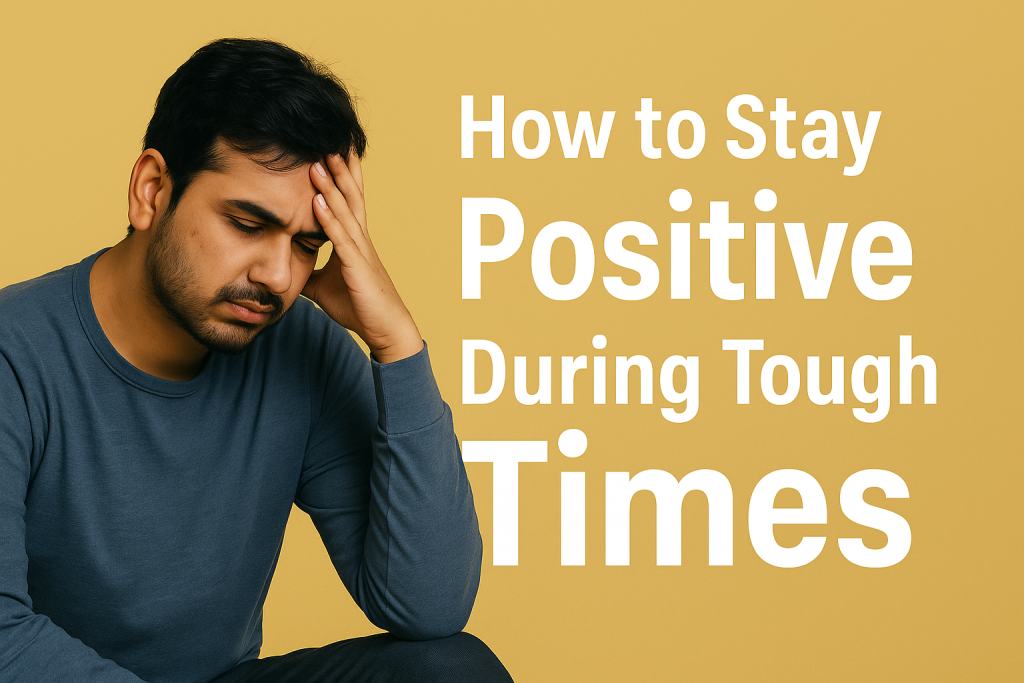
The Difference Between Toxic Positivity and Genuine Optimism
Before diving into strategies, it’s important to understand what staying positive truly means. Genuine positivity isn’t about:
- Ignoring your real feelings or pretending problems don’t exist
- Forcing yourself to be happy when you’re genuinely hurting
- Dismissing valid concerns or minimizing serious issues
- Avoiding difficult emotions like sadness, anger, or fear
True positivity involves acknowledging your challenges while choosing to focus on solutions, growth opportunities, and maintaining hope. It’s about resilience—the ability to bounce back from difficulties and find meaning even in painful experiences.
Why Staying Positive Matters for Your Wellbeing
Maintaining a positive outlook during hardship offers numerous scientifically-proven benefits:
Physical Health Benefits:
- Strengthened immune system function
- Lower blood pressure and reduced cardiovascular risk
- Better sleep quality and energy levels
- Faster recovery from illness and injury
Mental Health Advantages:
- Reduced symptoms of depression and anxiety
- Improved stress management and coping abilities
- Enhanced problem-solving skills
- Greater emotional resilience
Life Quality Improvements:
- Stronger relationships and social connections
- Increased productivity and goal achievement
- Better decision-making abilities
- Higher overall life satisfaction
15 Proven Strategies to Stay Positive During Tough Times
1. Practice Gratitude Daily
Gratitude is one of the most powerful tools for maintaining positivity during difficult periods. When you actively recognize the good things in your life—no matter how small—you shift your brain’s focus from what’s going wrong to what’s going right.
How to Practice Gratitude:
- Keep a daily gratitude journal and write down three things you’re thankful for
- Share appreciation with loved ones through texts, calls, or notes
- Create a gratitude jar where you add positive moments on paper slips
- Take photos of things that bring you joy throughout the day
- Practice mental gratitude during morning or evening routines
Real-World Example: Sarah, a healthcare worker during challenging times, started listing three positive moments from each shift. Even on the hardest days, she found something—a patient’s smile, a colleague’s support, or simply making it through. This practice helped her maintain mental strength when burnout threatened.
2. Limit Negative Media Consumption
Constant exposure to negative news, social media drama, and pessimistic content can significantly impact your mental state. While staying informed is important, overconsumption of distressing information can fuel anxiety and hopelessness.
Practical Steps:
- Set specific times for checking news (e.g., once in the morning, once in the evening)
- Unfollow social media accounts that consistently share negative or triggering content
- Use app limits on your phone to restrict time on news and social platforms
- Choose uplifting podcasts, books, or videos during breaks
- Create a “positivity playlist” of content that inspires and motivates you
| Media Type | Recommended Daily Limit | Alternative Activity |
|---|---|---|
| News consumption | 30 minutes maximum | Reading inspirational books |
| Social media scrolling | 45-60 minutes total | Connecting with friends directly |
| Negative TV shows | Replace entirely | Nature documentaries or comedy |
| Doom-scrolling | Zero tolerance | Meditation or journaling |
3. Build a Strong Support Network
Human connection is essential for maintaining positivity during hardship. Surrounding yourself with supportive, understanding people provides emotional comfort, practical help, and perspective when you need it most.
Ways to Strengthen Your Support System:
- Schedule regular check-ins with close friends or family members
- Join support groups related to your specific challenge (online or in-person)
- Reach out to old friends you’ve lost touch with
- Be vulnerable and honest about what you’re going through
- Offer support to others—helping people boosts your own mood
- Consider working with a counselor or mental health professional
Important Note: Quality matters more than quantity. One genuinely supportive friend is more valuable than a dozen superficial connections.
4. Maintain Physical Activity
Exercise is a natural mood enhancer that releases endorphins, reduces stress hormones, and improves overall mental health. You don’t need intense workouts—even gentle movement can make a significant difference.
Accessible Exercise Options:
- Walking: 20-30 minutes daily in your neighborhood or a local park
- Yoga: Gentle stretching combined with breathing exercises
- Dancing: Put on favorite music and move freely in your living room
- Swimming: Low-impact full-body exercise
- Gardening: Physical activity combined with nature connection
- Home workouts: Follow online videos requiring no equipment
Pro Tip: Morning exercise can set a positive tone for your entire day. Even 10 minutes of movement can boost your mood and energy levels.
5. Establish Healthy Daily Routines
Structure and predictability provide comfort during chaotic times. Creating consistent daily routines gives you a sense of control and normalcy when external circumstances feel overwhelming.
Essential Routine Elements:
Morning Routine (30-60 minutes):
- Wake up at a consistent time
- Drink water and eat a nutritious breakfast
- Practice 5-10 minutes of meditation or deep breathing
- Review daily goals or intentions
- Engage in light physical activity
Evening Routine (45-60 minutes):
- Set a regular bedtime and stick to it
- Avoid screens for 30-60 minutes before sleep
- Reflect on the day’s positive moments
- Prepare for the next day (clothes, meals, schedule)
- Practice relaxation techniques like reading or gentle stretching
6. Focus on What You Can Control
During tough times, it’s easy to feel powerless. Redirecting your energy toward things within your control reduces anxiety and creates a sense of agency.
The Control Circle Exercise:
Draw three concentric circles. Label them:
- Inner circle: Things you control (your thoughts, reactions, actions, attitude)
- Middle circle: Things you influence (others’ opinions, some outcomes, your environment)
- Outer circle: Things beyond your control (other people’s actions, past events, external circumstances)
Focus 80% of your energy on the inner circle, 15% on the middle circle, and minimize attention to the outer circle.
Practical Application:
Instead of: “I can’t believe this happened to me” Try: “This happened. What’s my next best step?”
Instead of: “Everything is falling apart” Try: “Which one thing can I improve today?”
7. Practice Mindfulness and Meditation
Mindfulness keeps you anchored in the present moment rather than ruminating about the past or worrying about the future. Regular meditation practice has been shown to reduce stress, improve emotional regulation, and increase overall wellbeing.
Beginner-Friendly Mindfulness Practices:
- Breathing exercises: Focus on your breath for 5 minutes, counting inhales and exhales
- Body scan meditation: Mentally scan from head to toe, noticing sensations without judgment
- Mindful walking: Pay attention to each step, your surroundings, and physical sensations
- Eating meditation: Eat one meal slowly, savoring each bite without distractions
- Five senses exercise: Identify 5 things you see, 4 you hear, 3 you feel, 2 you smell, 1 you taste
Apps and Resources:
- Guided meditation apps (many free options available)
- YouTube meditation videos
- Local meditation groups or classes
- Online mindfulness courses
8. Set Small, Achievable Goals
When facing major challenges, large goals can feel overwhelming and discourage you. Breaking objectives into tiny, manageable steps creates momentum and provides regular wins that boost your confidence.
The Micro-Goal Method:
Instead of: “Get my life back on track” Break it down:
- Make my bed every morning this week
- Cook one healthy meal today
- Send one job application by Friday
- Call one friend this week
- Organize one drawer today
Celebration Matters: Acknowledge every small victory. Each completed micro-goal deserves recognition, whether it’s a mental pat on the back, checking it off a list, or rewarding yourself with something enjoyable.
9. Help Others and Practice Kindness
Paradoxically, one of the best ways to improve your own mood during difficult times is to help others. Acts of kindness trigger the release of dopamine and create a “helper’s high” that enhances your sense of purpose and connection.
Simple Ways to Help Others:
- Volunteer for local organizations or community projects
- Check in on elderly neighbors or isolated friends
- Share your skills through free tutoring or mentoring
- Donate items you no longer need to those who could use them
- Leave encouraging notes in public places
- Pay for someone’s coffee or meal
- Offer genuine compliments to strangers
- Share helpful resources or information online
Impact Story: Mark was going through a difficult divorce when he started volunteering at a local food bank. Helping families in need gave him perspective on his own situation and reminded him of his capacity to make a positive difference, even when his personal life felt broken.
10. Engage in Creative Expression
Creative activities provide an emotional outlet and help you process difficult feelings in healthy ways. You don’t need to be “good at art” to benefit from creative expression—the process itself is therapeutic.
Creative Outlets to Explore:
- Writing: Journaling, poetry, short stories, or letters you never send
- Visual arts: Drawing, painting, coloring books, collage-making
- Music: Playing instruments, singing, creating playlists, or attending concerts
- Crafts: Knitting, woodworking, pottery, or DIY projects
- Photography: Capturing beauty in everyday moments
- Cooking: Experimenting with new recipes and flavors
- Dance or movement: Expressing emotions through physical creativity
Therapeutic Benefit: Creative activities activate different parts of your brain, providing respite from analytical thinking and worry. They create flow states where time disappears and stress diminishes.
11. Maintain Proper Sleep Hygiene
Sleep quality directly impacts your emotional resilience and ability to maintain positivity. Poor sleep amplifies negative emotions and makes challenges feel more overwhelming.
Sleep Optimization Strategies:
Environment Setup:
- Keep your bedroom cool (60-67°F / 15-19°C)
- Use blackout curtains or eye masks
- Minimize noise with earplugs or white noise machines
- Reserve your bed for sleep only (not work or screen time)
- Invest in comfortable bedding and pillows
Pre-Sleep Habits:
- Avoid caffeine after 2 PM
- Limit alcohol, which disrupts sleep quality
- No screens for 30-60 minutes before bed
- Practice relaxation techniques like progressive muscle relaxation
- Try calming teas like chamomile or lavender
Consistency Matters: Go to bed and wake up at the same time every day, even on weekends. This regulates your circadian rhythm and improves sleep quality.
12. Nourish Your Body with Healthy Foods
Nutrition significantly affects mood, energy levels, and mental clarity. While comfort foods might provide temporary relief, consistent healthy eating supports long-term emotional resilience.
Mood-Boosting Foods:
| Food Category | Examples | Mental Health Benefits |
|---|---|---|
| Omega-3 fatty acids | Salmon, walnuts, flaxseeds | Reduces inflammation, supports brain health |
| Complex carbohydrates | Oats, quinoa, sweet potatoes | Stabilizes blood sugar, boosts serotonin |
| Protein sources | Eggs, beans, chicken, tofu | Provides amino acids for neurotransmitter production |
| Probiotic foods | Yogurt, kimchi, sauerkraut | Supports gut-brain connection |
| Leafy greens | Spinach, kale, Swiss chard | Rich in folate, which supports mood regulation |
| Dark chocolate | 70% cacao or higher | Contains mood-enhancing compounds (in moderation) |
Practical Eating Tips:
- Plan meals ahead to avoid impulsive choices
- Stay hydrated throughout the day
- Eat regular meals rather than skipping or binging
- Practice mindful eating without distractions
- Allow occasional treats without guilt
13. Challenge Negative Thoughts
Your thoughts significantly influence your emotions and behaviors. Learning to identify and reframe negative thinking patterns is crucial for maintaining positivity during hard times.
Common Negative Thought Patterns:
- All-or-nothing thinking: “Everything is ruined” instead of seeing nuance
- Catastrophizing: Assuming the worst possible outcome
- Personalization: Blaming yourself for things beyond your control
- Mind reading: Assuming you know what others think (usually negatively)
- Overgeneralization: “This always happens to me”
The Cognitive Reframe Technique:
- Catch the negative thought
- Challenge it with evidence
- Change it to something more balanced
Example:
- Negative thought: “I’m failing at everything”
- Challenge: “Is this absolutely true? What evidence contradicts this?”
- Reframe: “I’m struggling with some things right now, but I’m still handling my responsibilities and making progress in certain areas”
14. Create a Vision for Your Future
Even during the darkest times, maintaining hope for a better future can sustain you. Creating a vision of where you want to be gives you direction and motivation to keep moving forward.
Vision Creation Exercise:
- Imagine your life one year from now when things have improved
- Write down specific details:
- What does your daily life look like?
- How do you feel physically and emotionally?
- What accomplishments have you achieved?
- Who are you spending time with?
- What activities bring you joy?
- Create a visual representation:
- Make a vision board with images and words
- Write a “future letter” to yourself
- Design a detailed mental movie of your desired future
- Identify small steps that move you toward this vision
Important: Your vision can evolve. It’s a guide, not a rigid requirement. Adjust it as circumstances change and you learn more about what truly matters to you.
15. Seek Professional Support When Needed
There’s no shame in asking for help. Mental health professionals provide valuable tools, perspectives, and support that friends and family can’t always offer.
When to Consider Professional Help:
- Persistent feelings of hopelessness or despair
- Difficulty functioning in daily activities
- Thoughts of self-harm or suicide (seek immediate help)
- Overwhelming anxiety or panic attacks
- Substance use as a coping mechanism
- Inability to find joy in previously enjoyed activities
- Relationship problems that seem insurmountable
Types of Support Available:
- Therapists/Counselors: One-on-one talk therapy
- Psychiatrists: Medical doctors who can prescribe medication if needed
- Support groups: Peer-led gatherings for specific challenges
- Crisis hotlines: Immediate support during emergencies
- Online therapy platforms: Convenient, often affordable options
- Community mental health centers: Low-cost or sliding-scale services
Finding Help: Many employers offer Employee Assistance Programs (EAPs) with free counseling sessions. Community health centers, religious organizations, and nonprofit groups also provide mental health support.
Some of Trending Sleep Gadgets
Purisaki Berberine Patches Review
Sondur Travel Cushion Review
Vanish DrySerum Review
Hears Earplugs Review
Serenesitz Orthopedic Seat Cushion Review
Building Long-Term Resilience: Beyond Temporary Positivity
Staying positive during tough times isn’t just about surviving the current challenge—it’s about developing lasting resilience that serves you throughout life.
The Resilience Mindset
Resilient people share common characteristics:
- Growth orientation: Viewing challenges as opportunities to learn and develop
- Self-compassion: Treating yourself with kindness during struggles
- Flexibility: Adapting to changing circumstances rather than rigidly resisting
- Meaning-making: Finding purpose even in difficult experiences
- Social connection: Maintaining relationships and seeking support
- Optimistic explanatory style: Interpreting setbacks as temporary and specific rather than permanent and pervasive
Developing Your Resilience Practice
Think of resilience like physical fitness—it requires consistent practice and maintenance:
Daily Practices (5-15 minutes):
- Morning intention setting
- Gratitude reflection
- Brief meditation or breathing exercises
- Physical movement
Weekly Practices (30-60 minutes):
- Deeper journaling or reflection
- Quality time with supportive people
- Engaging in enjoyable activities
- Planning and goal review
Monthly Practices (1-2 hours):
- Self-assessment of mental health and progress
- Trying new coping strategies or activities
- Reading or learning about personal development
- Celebrating wins and adjusting approaches
Creating Your Personal Positivity Plan
Now that you’ve learned 15 strategies, it’s time to create a personalized action plan. Not every technique will resonate with you, and that’s perfectly fine.
Step 1: Choose Your Top 5 Strategies
Review the 15 strategies and select the five that feel most relevant and doable for your current situation.
Step 2: Start Small
For each chosen strategy, identify one small action you can take this week:
- Strategy: _______________
- Action: _______________
- When: _______________
Step 3: Track and Adjust
Keep a simple tracker noting which practices you complete. After two weeks, assess what’s working and adjust as needed.
Step 4: Build Gradually
As strategies become habits, add new ones or deepen existing practices. Sustainable change happens through gradual, consistent effort.
Conclusion: Your Journey Toward Lasting Positivity
Tough times are an inevitable part of life, but they don’t have to define your experience or steal your joy permanently. The strategies outlined in this guide—from practicing gratitude to seeking professional support—provide a comprehensive toolkit for maintaining positivity even when circumstances are challenging.
Remember that staying positive doesn’t mean being happy all the time or ignoring legitimate problems. It means choosing hope over despair, action over paralysis, and growth over stagnation. It means acknowledging your pain while refusing to let it consume you.
The path through difficult times is rarely straight or smooth. You’ll have good days and bad days, moments of strength and moments of weakness. That’s completely normal. What matters is your commitment to keep trying, keep growing, and keep moving forward—one small step at a time.
Your current struggle is not your final chapter. With the right mindset, tools, and support, you can not only survive tough times but emerge from them stronger, wiser, and more resilient than before.
Take Action Today: Choose just one strategy from this article and implement it right now. Whether it’s writing down three things you’re grateful for, taking a 10-minute walk, or reaching out to a supportive friend, that single action is your first step toward reclaiming your positivity and peace.
You have the strength within you. You’ve survived every difficult day up until now, and you’ll continue to do so. Keep going—better days are ahead.
FAQs About How to Stay Positive
How long does it take to develop a genuinely positive mindset during hardship?
Building a positive mindset is a gradual process that varies for each person depending on the severity of challenges, existing coping skills, and consistency of practice. Most people notice initial improvements in mood and perspective within 2-4 weeks of regularly applying positivity strategies like gratitude, exercise, and thought reframing. However, developing deep, lasting resilience typically takes 3-6 months of consistent practice. The key is patience with yourself and celebrating small improvements rather than expecting overnight transformation.
Can staying positive actually make my situation worse by causing me to ignore real problems?
Authentic positivity never means ignoring problems or avoiding necessary action. The goal is to acknowledge difficulties realistically while maintaining hope and focusing on solutions rather than dwelling on what you cannot change. Healthy positivity involves recognizing your challenges, processing your emotions, and then actively working toward improvement. If your positive thinking prevents you from addressing serious issues like medical problems, financial crises, or unhealthy relationships, that crosses into denial rather than genuine optimism.
What should I do when positive thinking just isn’t working and I feel stuck?
When positivity strategies feel ineffective, first acknowledge that you’re experiencing a particularly difficult period—this is normal and doesn’t mean you’re failing. Consider whether you need additional support, such as talking with a mental health professional who can provide personalized guidance. Sometimes adjusting your approach helps: if gratitude journaling feels forced, try physical activity instead; if affirmations feel hollow, focus on concrete problem-solving. Also ensure you’re addressing basic needs like sleep, nutrition, and social connection, as these foundational elements significantly impact your capacity for positive thinking.
How can I stay positive when the people around me are constantly negative?
Protecting your mental health while surrounded by negativity requires clear boundaries and intentional choices. Limit time with consistently negative people when possible, and when interaction is unavoidable (such as with family or coworkers), practice mental boundaries by not absorbing their pessimism as your own. You can be empathetic without adopting their mindset. Actively seek positive influences through books, podcasts, online communities, or new friendships. Remember that you cannot change other people, but you can control your responses and how much influence you allow them to have over your emotional state.
Is it selfish to focus on staying positive when others are suffering more than I am?
Maintaining your own mental health and positivity is not selfish—it’s essential. You cannot effectively help others if you’re depleted, overwhelmed, or struggling yourself. The concept of “comparative suffering” (thinking others have it worse so your struggles don’t matter) actually undermines both your wellbeing and your capacity to support others. Your pain is valid regardless of what others experience. By building your own resilience and maintaining positivity, you become better equipped to genuinely help those around you through compassion, practical support, and modeling healthy coping strategies.