

Do you feel like your body burns calories slower than it used to? Are you struggling with low energy levels despite eating well? You’re not alone. Millions of people search for ways to improve their metabolism every year, hoping to feel more energetic and maintain a healthy weight.
Your metabolism is the engine that powers every cell in your body. It determines how efficiently you convert food into energy and how many calories you burn throughout the day. The good news? You have more control over your metabolic rate than you might think.
In this comprehensive guide, you’ll discover 12 practical, science-backed daily habits that can naturally boost your metabolism. These aren’t quick fixes or fad diets. They’re sustainable lifestyle changes that work with your body’s natural processes to enhance metabolic function, increase energy expenditure, and support overall wellness.
Whether you’re looking to manage your weight, increase your energy levels, or simply optimize your health, these proven strategies will help you achieve your goals.
Understanding Metabolism: What It Is and Why It Matters
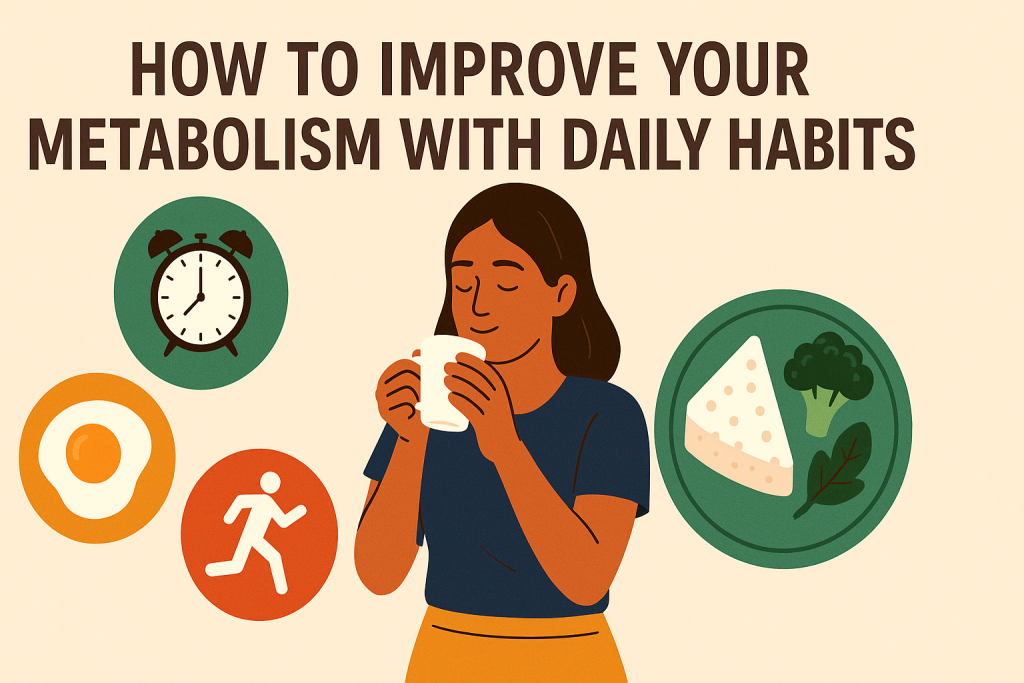
What Is Metabolism?
Metabolism refers to all the chemical processes that occur within your body to maintain life. These processes convert the nutrients from food into energy that powers everything from breathing and circulation to cell repair and digestion.
Your metabolic rate consists of three main components:
- Basal Metabolic Rate (BMR): The calories your body burns at rest to maintain basic functions like breathing, circulation, and cell production. This accounts for 60-75% of total daily energy expenditure.
- Thermic Effect of Food (TEF): The energy required to digest, absorb, and process nutrients. This represents about 10% of your total calorie burn.
- Activity Energy Expenditure: Calories burned through physical movement, including exercise and daily activities. This accounts for 15-30% of total energy expenditure.
Why Metabolic Rate Varies Between Individuals
Several factors influence how fast or slow your metabolism runs:
- Body composition (muscle burns more calories than fat)
- Age (metabolism naturally slows with age)
- Genetics and hormones
- Activity level and exercise habits
- Diet and eating patterns
- Sleep quality and stress levels
Understanding these factors helps you identify which daily habits can make the biggest difference in boosting your metabolic function.
12 Daily Habits to Naturally Boost Your Metabolism
1. Start Your Day with Protein-Rich Breakfast
Eating a protein-rich breakfast is one of the most effective ways to kickstart your metabolism each morning. Protein has the highest thermic effect of all macronutrients, meaning your body burns more calories digesting protein compared to carbohydrates or fats.
Why It Works:
When you consume protein, your body uses 20-30% of those calories just to break down and process the nutrients. This phenomenon, called the thermic effect of food, can significantly increase your daily calorie burn.
Practical Examples:
- Greek yogurt with nuts and berries
- Scrambled eggs with vegetables and whole grain toast
- Protein smoothie with spinach, banana, and almond butter
- Cottage cheese with sliced fruit and seeds
Benefits Beyond Metabolism:
Starting your day with protein also helps stabilize blood sugar levels, reduces mid-morning cravings, and keeps you feeling fuller longer. This combination supports better food choices throughout the day and prevents metabolic slowdown from extreme hunger.
2. Stay Hydrated Throughout the Day
Water is essential for virtually every metabolic process in your body. Even mild dehydration can slow down your metabolism and reduce your body’s ability to burn calories efficiently.
The Science Behind Hydration and Metabolism:
Research shows that drinking water can temporarily boost metabolism by 10-30% for about an hour. This effect is called water-induced thermogenesis. Your body expends energy to heat the water to body temperature, increasing calorie burn.
How Much Water Do You Need?
| Body Weight | Daily Water Intake Goal |
|---|---|
| 125 lbs | 8-9 glasses (64-72 oz) |
| 150 lbs | 10-11 glasses (75-85 oz) |
| 175 lbs | 11-12 glasses (88-96 oz) |
| 200+ lbs | 13+ glasses (100+ oz) |
Hydration Tips for Metabolic Boost:
- Drink a glass of water first thing in the morning
- Keep a water bottle with you throughout the day
- Drink water before meals to enhance satiety
- Include water-rich foods like cucumbers, watermelon, and lettuce
- Set hourly reminders to sip water consistently
Cold water may provide an additional metabolic advantage since your body burns extra calories warming it up, though the difference is modest.
3. Incorporate Strength Training and Resistance Exercise
Building lean muscle mass is one of the most powerful long-term strategies for increasing your resting metabolic rate. Muscle tissue is metabolically active, burning calories even when you’re sitting still or sleeping.
Why Muscle Matters for Metabolism:
One pound of muscle burns approximately 6-7 calories per day at rest, while one pound of fat burns only 2-3 calories. By increasing your muscle mass through resistance training, you create a higher baseline calorie burn that works for you 24/7.
Effective Strength Training Approaches:
- Lift weights 2-3 times per week, targeting all major muscle groups
- Use bodyweight exercises like push-ups, squats, and planks
- Try resistance bands for convenient home workouts
- Progressive overload: gradually increase weight or repetitions over time
Sample Weekly Strength Routine:
- Monday: Upper body (chest, back, shoulders, arms)
- Wednesday: Lower body (legs, glutes, core)
- Friday: Full body circuit or compound movements
Even 20-30 minutes of resistance training per session can produce significant metabolic benefits over time. The key is consistency and progressively challenging your muscles.
4. Get Quality Sleep Every Night
Sleep might seem like a passive activity, but it plays a crucial role in metabolic health. Poor sleep disrupts hormones that regulate hunger, energy expenditure, and fat storage.
How Sleep Affects Your Metabolism:
When you’re sleep-deprived, your body experiences several metabolic disruptions:
- Increased levels of ghrelin (hunger hormone)
- Decreased levels of leptin (satiety hormone)
- Elevated cortisol (stress hormone that promotes fat storage)
- Reduced insulin sensitivity
- Lower energy levels leading to decreased physical activity
Optimizing Sleep for Better Metabolism:
- Aim for 7-9 hours of quality sleep per night
- Maintain a consistent sleep schedule, even on weekends
- Create a dark, cool bedroom environment (65-68°F is ideal)
- Avoid screens and blue light 1-2 hours before bed
- Limit caffeine after 2 PM
- Establish a relaxing bedtime routine
Studies show that people who consistently get adequate sleep have better metabolic function, healthier body composition, and more stable energy levels throughout the day.
5. Add High-Intensity Interval Training (HIIT) to Your Routine
High-intensity interval training delivers a powerful metabolic punch in a short amount of time. HIIT involves alternating between short bursts of intense activity and periods of rest or lower-intensity exercise.
The Metabolic Advantage of HIIT:
HIIT creates an “afterburn effect” known scientifically as excess post-exercise oxygen consumption (EPOC). After a HIIT workout, your body continues burning calories at an elevated rate for hours as it works to restore normal function, repair muscle tissue, and replenish energy stores.
HIIT Workout Examples:
- Sprint for 30 seconds, walk for 90 seconds (repeat 8-10 times)
- Cycling: Pedal hard for 20 seconds, coast for 40 seconds (repeat 15 times)
- Jumping jacks, burpees, mountain climbers in 20-second intervals
- Stair climbing: Run up stairs, walk down slowly (repeat 10 times)
Beginner-Friendly HIIT Tips:
Start with shorter intervals and longer rest periods if you’re new to high-intensity exercise. Even 10-15 minutes of HIIT 2-3 times per week can boost your metabolism. Always warm up properly and listen to your body to prevent injury.
6. Don’t Skip Meals or Drastically Cut Calories
While reducing calorie intake seems logical for weight management, severe calorie restriction can actually slow your metabolism. When your body perceives starvation, it enters “conservation mode” to preserve energy.
Why Extreme Dieting Backfires:
Drastically cutting calories triggers several metabolic adaptations:
- Decreased thyroid hormone production
- Reduced muscle mass as the body breaks down tissue for energy
- Lower overall energy expenditure
- Increased hunger hormones
- Slower basal metabolic rate
Healthy Eating Patterns for Metabolic Health:
- Eat regular, balanced meals throughout the day
- Include adequate protein at each meal (20-30 grams)
- Focus on nutrient-dense whole foods
- Maintain a moderate calorie deficit if weight loss is your goal (300-500 calories below maintenance)
- Never drop below 1,200 calories daily without medical supervision
Think of food as fuel that powers your metabolism rather than something to avoid. Consistent, adequate nutrition keeps your metabolic engine running efficiently.
7. Include Metabolism-Boosting Foods in Your Diet
Certain foods can give your metabolism a temporary boost due to their nutrient composition and thermic effect. While no single food dramatically changes your metabolic rate, incorporating these options regularly can contribute to overall metabolic health.
Top Metabolism-Supporting Foods:
| Food Category | Examples | Metabolic Benefit |
|---|---|---|
| Protein Sources | Lean chicken, fish, eggs, legumes | High thermic effect, preserves muscle |
| Spicy Foods | Chili peppers, cayenne, jalapeños | Capsaicin increases calorie burn temporarily |
| Green Tea | Matcha, brewed green tea | Contains catechins and caffeine |
| Whole Grains | Oats, quinoa, brown rice | Requires more energy to digest than refined grains |
| Legumes | Lentils, black beans, chickpeas | High protein and fiber content |
| Coffee | Black coffee | Caffeine stimulates metabolism temporarily |
| Cruciferous Vegetables | Broccoli, cauliflower, Brussels sprouts | Rich in nutrients, low in calories |
Important Note:
While these foods support metabolic function, they work best as part of a balanced diet combined with other healthy habits. No single food or supplement can compensate for poor overall lifestyle choices.
8. Manage Stress Levels Effectively
Chronic stress wreaks havoc on your metabolism through hormonal disruptions, particularly elevated cortisol levels. When cortisol remains high for extended periods, it promotes fat storage, especially around the midsection, and can slow metabolic function.
How Stress Impacts Metabolism:
- Increases cravings for high-calorie, sugary foods
- Disrupts sleep quality
- Reduces motivation for physical activity
- Promotes inflammation throughout the body
- Interferes with thyroid function
Evidence-Based Stress Management Techniques:
- Practice deep breathing exercises (5-10 minutes daily)
- Try meditation or mindfulness apps
- Engage in regular physical activity (acts as a stress buffer)
- Maintain social connections with supportive friends and family
- Set boundaries between work and personal time
- Journal your thoughts and feelings
- Spend time in nature whenever possible
Managing stress isn’t just good for your mental health—it’s essential for maintaining a healthy metabolism and achieving your wellness goals.
9. Stand Up and Move Throughout the Day
Prolonged sitting can significantly reduce your daily calorie expenditure and negatively impact metabolic health. Non-exercise activity thermogenesis (NEAT) refers to the calories you burn through everyday movements outside of formal exercise.
The Power of NEAT:
NEAT can account for 15-30% of your total daily energy expenditure. Small movements add up significantly over time. People who incorporate more movement throughout their day burn hundreds of extra calories without setting foot in a gym.
Simple Ways to Increase Daily Movement:
- Stand while working (use a standing desk or laptop riser)
- Take the stairs instead of the elevator
- Walk during phone calls
- Set a timer to stand and stretch every 30-60 minutes
- Park farther away from building entrances
- Do household chores with energy and purpose
- Pace while thinking or problem-solving
- Take walking meetings when possible
Even fidgeting, gesturing while talking, and maintaining good posture require energy and contribute to your overall calorie burn. The key is making movement a natural, frequent part of your daily routine.
10. Optimize Your Meal Timing
When you eat can influence your metabolic function almost as much as what you eat. Your body’s internal clock, or circadian rhythm, affects how efficiently you process nutrients at different times of day.
Strategic Eating Windows:
Research suggests that eating larger meals earlier in the day and lighter meals in the evening may support better metabolic function. Your body is typically more insulin-sensitive in the morning, meaning it processes carbohydrates and nutrients more efficiently.
Meal Timing Strategies:
- Eat your largest meal at breakfast or lunch
- Front-load your protein intake earlier in the day
- Finish eating 2-3 hours before bedtime
- Consider time-restricted eating (eating within an 8-12 hour window)
- Avoid late-night snacking, especially high-carb foods
Example Daily Eating Pattern:
- 7:00 AM: Protein-rich breakfast
- 10:00 AM: Small snack if needed
- 12:30 PM: Balanced lunch with protein, vegetables, and whole grains
- 3:30 PM: Light afternoon snack
- 6:30 PM: Lighter dinner
- 7:30 PM: Stop eating for the day
This pattern supports your body’s natural metabolic rhythms and can improve energy levels, digestion, and overall metabolic health.
11. Take Regular Walking Breaks
Walking is one of the most underrated metabolism-boosting activities. It’s accessible, low-impact, and can be easily incorporated into any schedule. Regular walking helps maintain metabolic function, especially after meals.
Post-Meal Walking Benefits:
Taking a 10-15 minute walk after meals, particularly dinner, can significantly improve how your body processes glucose and nutrients. This simple habit helps stabilize blood sugar levels and enhances metabolic efficiency.
Walking Goals for Metabolic Health:
- Aim for 7,000-10,000 steps per day
- Take a short walk after each main meal
- Break up long periods of sitting with 5-minute walking breaks
- Consider walking meetings or phone calls
- Use stairs whenever possible
Creative Ways to Add More Steps:
- Walk while waiting (at appointments, for coffee, etc.)
- Take a lap around the grocery store before shopping
- Walk your dog (or a neighbor’s dog)
- Create a walking routine with a friend or family member
- Explore your neighborhood on foot
The beauty of walking is that it doesn’t feel like formal exercise, yet it provides substantial metabolic and health benefits when done consistently.
12. Stay Consistent with Your Healthy Habits
Consistency is the secret ingredient that transforms individual healthy habits into lasting metabolic improvements. Your metabolism responds best to regular, sustained lifestyle patterns rather than sporadic efforts or extreme measures.
Why Consistency Matters:
Your body adapts to the demands you place on it regularly. When you consistently practice metabolism-supporting habits, your body becomes more efficient at:
- Building and maintaining muscle mass
- Regulating hunger and satiety hormones
- Processing nutrients effectively
- Maintaining stable energy levels
- Burning calories efficiently
Building Sustainable Habits:
- Start with 1-2 new habits at a time rather than overhauling everything
- Track your progress with a simple journal or app
- Create environmental cues (lay out workout clothes, prep meals in advance)
- Find accountability partners or support groups
- Celebrate small wins along the way
- Be patient—metabolic changes take time to manifest
Realistic Timeline for Results:
- Weeks 1-2: Improved energy levels and sleep quality
- Weeks 3-4: Better appetite regulation and food choices
- Weeks 6-8: Noticeable changes in body composition
- Months 3-6: Significant metabolic improvements and sustainable habits
Remember that building a faster metabolism isn’t about perfection—it’s about consistency over time. Focus on progress, not perfection.
Common Metabolism Myths Debunked
Myth 1: Your Metabolism Is Fixed and Can’t Be Changed
Reality: While genetics play a role, your daily habits have a significant impact on metabolic rate. Building muscle, staying active, eating adequate protein, and getting quality sleep can all boost metabolism regardless of your genetic starting point.
Myth 2: Eating Late at Night Slows Metabolism
Reality: Total calorie intake matters more than meal timing for most people. However, eating closer to bedtime may affect sleep quality and next-day hunger hormones, which indirectly impacts metabolic health.
Myth 3: Metabolism Drastically Slows After Age 30
Reality: While metabolic rate does decline with age, much of this decrease is due to loss of muscle mass and decreased activity levels rather than age itself. Maintaining muscle through strength training can preserve metabolic rate.
Myth 4: Eating Multiple Small Meals Speeds Up Metabolism
Reality: Meal frequency doesn’t significantly impact metabolism as long as total daily calorie and nutrient intake remains consistent. The thermic effect of food is based on total intake, not number of meals.
Myth 5: Metabolism Supplements Are Essential for Results
Reality: Most metabolism-boosting supplements provide minimal benefit compared to lifestyle habits. Some may offer temporary, modest effects, but they can’t replace proper nutrition, exercise, sleep, and stress management.
Some Trending Health Product Reviews:
Sifts Microplastic Binding Supplement Review
Lumineye Nano Drop Review
Purely White Deluxe Review
Pulsetto Review
Larineco Chewing Gum Review
illo Wearable Pillow Sleep Mask Review
Yerba Magic Tea Powder Review
Synoshi PRO Review
Signs Your Metabolism Is Improving
As you implement these daily habits, watch for these positive indicators that your metabolic health is improving:
- Increased energy levels throughout the day
- More stable appetite with fewer intense cravings
- Better sleep quality and easier time waking up
- Improved body composition (increased muscle, decreased fat)
- Enhanced exercise performance and recovery
- More regular digestion
- Stable mood and mental clarity
- Warmer hands and feet (indicating better circulation)
- Healthy hair, skin, and nails
These signs often appear before you see changes on the scale, so pay attention to how you feel, not just what you weigh.
Creating Your Personal Metabolism-Boosting Action Plan
Ready to transform your metabolism? Here’s how to start:
Week 1: Foundation Building
- Set a consistent sleep schedule
- Start tracking your water intake
- Add one protein-rich meal daily
Week 2-3: Building Momentum
- Begin strength training 2 times per week
- Take a 10-minute walk after dinner
- Reduce late-night eating
Week 4-6: Expanding Habits
- Add HIIT workouts 1-2 times per week
- Practice stress management techniques daily
- Increase daily movement and standing time
Week 7-8: Fine-Tuning
- Optimize meal timing based on your schedule
- Increase strength training to 3 times per week
- Continue all previous habits consistently
Beyond 8 Weeks: Lifestyle Integration
- These habits become your new normal
- Focus on maintaining consistency
- Periodically assess and adjust as needed
Some of Great Health Product Reviews
Akka Review
Reathlete Air-C Leg Massager Pro Review
Shiny Smile Veneers Review
Laughland Teeth Whitening Kit Review
Emma Relief Review
Liftly Insoles Review
EMSense EMS Foot Massager Review
Conclusion
Improving your metabolism isn’t about finding a magic pill or following an extreme diet. It’s about making consistent, sustainable daily choices that support your body’s natural processes. The 12 habits outlined in this guide—from eating protein-rich breakfasts and staying hydrated to building muscle and managing stress—work together synergistically to optimize your metabolic function.
Remember that everyone’s body is different, and results take time. Start by implementing 1-2 new habits each week rather than trying to change everything at once. Focus on building a foundation of healthy practices that you can maintain for life, not just a few weeks.
Your metabolism is resilient and responsive. By prioritizing quality sleep, regular movement, balanced nutrition, and stress management, you’re not just boosting your calorie burn—you’re investing in your overall health, energy, and vitality for years to come.
Ready to take action? Choose one habit from this list to start tomorrow morning. Small, consistent steps lead to remarkable metabolic transformations over time.
FAQs About How to Improve Your Metabolism
Can drinking cold water really boost my metabolism significantly?
While cold water does cause a temporary increase in metabolism as your body warms it up, the effect is modest—burning approximately 8-10 extra calories per glass. The real benefit of drinking water comes from staying properly hydrated, which supports all metabolic processes. Focus on drinking enough water throughout the day rather than relying on temperature for metabolic benefits. Cold water can be a helpful tool, but it’s not a game-changer on its own.
How long does it take to see real changes in metabolic rate from these habits?
Most people begin noticing improvements in energy levels and appetite regulation within 2-3 weeks of consistent habit implementation. However, measurable changes in resting metabolic rate, particularly from increased muscle mass, typically take 6-12 weeks of consistent effort. Body composition changes become visible around the 8-12 week mark for most people. Remember that metabolic health is a long-term investment—focus on sustainable habits rather than quick fixes.
Will my metabolism slow down permanently if I’ve done crash diets in the past?
Metabolic adaptation from previous dieting is real but not necessarily permanent. Your metabolism can recover through consistent healthy habits, particularly strength training to rebuild muscle mass, adequate protein intake, and avoiding severe calorie restriction. The recovery process takes time—typically several months—but your body is remarkably adaptable. Focus on nourishing your body properly, building lean muscle, and practicing patience as your metabolism normalizes.
Are there any medical conditions that make it harder to improve metabolism?
Several conditions can affect metabolic function, including hypothyroidism, polycystic ovary syndrome (PCOS), insulin resistance, and hormonal imbalances. If you’ve implemented healthy lifestyle habits consistently for several months without seeing improvements in energy or body composition, consider consulting with a healthcare provider. They can run appropriate tests and provide guidance tailored to your specific situation. Many metabolic conditions can be effectively managed with a combination of lifestyle modifications and appropriate care.
Is it possible to boost metabolism without exercising if I have physical limitations?
While exercise provides significant metabolic benefits, you can still support metabolic health through other habits if you have physical limitations. Focus on optimizing nutrition with adequate protein, staying well-hydrated, getting quality sleep, managing stress, and increasing non-exercise movement within your capabilities (even small movements add up). Work with healthcare providers or physical therapists to find safe movement options for your specific situation. Remember that diet, sleep, and stress management are powerful metabolic tools even without formal exercise.