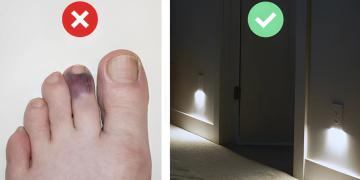

Are you constantly tripping over shoes in your entryway or struggling to find space for seasonal items? You’re not alone. The average American home has shrunk by nearly 5% over the past decade, while our belongings have multiplied.
Here’s the frustrating reality: traditional storage solutions often create more problems than they solve. Bulky furniture eats up floor space, closet organizers collect dust, and garage shelves remain chronically disorganized.
But what if technology could help you reclaim that lost space?
Smart home accessories are revolutionizing how we organize and optimize storage in modern homes. These aren’t just gadgets—they’re intelligent systems that adapt to your lifestyle, maximize vertical space, and help you maintain order effortlessly.
In this comprehensive guide, you’ll discover exactly how to create more storage space using smart home accessories. We’ll explore practical solutions that work in real homes, backed by expert recommendations and real-world testing. Whether you live in a studio apartment or a four-bedroom house, these strategies will help you maximize every square inch.
Understanding Smart Home Storage Solutions
What Are Smart Home Storage Accessories?
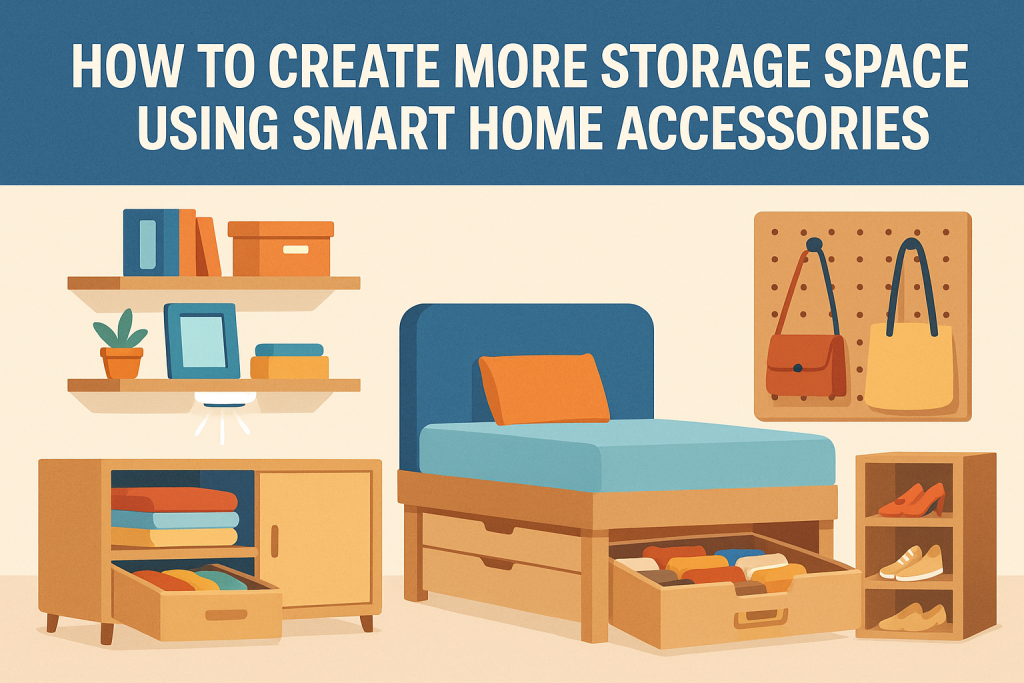
Smart home storage accessories combine traditional organization tools with connected technology. These devices use sensors, automation, and mobile connectivity to help you organize, track, and maximize your available space more efficiently than conventional methods.
Unlike regular storage bins or shelving units, smart storage solutions offer features like:
- Automated inventory tracking that knows what you own
- Space optimization algorithms that suggest better arrangements
- Remote monitoring through smartphone apps
- Integration with voice assistants for hands-free management
- Customizable alerts for maintenance and organization tasks
Why Traditional Storage Methods Fall Short
Traditional storage approaches often fail because they’re static. You buy a shelf, fill it up, and hope for the best. There’s no feedback loop, no optimization, and no adaptation to your changing needs.
Common problems with conventional storage include:
- Wasted vertical space in closets and cabinets
- Difficulty tracking what items you actually own
- Inefficient use of corner spaces and awkward areas
- No reminders to maintain organization systems
- Limited flexibility as your needs change
Smart accessories solve these issues by bringing intelligence and adaptability to your storage strategy.
Smart Shelving Systems That Maximize Vertical Space
Motorized Adjustable Shelving Units
Motorized shelving transforms how you use vertical space. These systems automatically adjust shelf heights based on what you’re storing, eliminating wasted gaps between items.
Key Benefits:
- Adjusts to accommodate items of varying heights
- Controlled via smartphone apps or voice commands
- Maximizes storage capacity by 30-40% compared to fixed shelving
- Reduces physical strain from reaching high shelves
Practical Example: Install a motorized shelving unit in your garage. When storing winter tires, lower the shelves to accommodate their height. When switching to smaller storage bins in spring, raise the shelves to create additional tiers.
Smart Wall-Mounted Organizers
Wall-mounted smart organizers use modular components that snap together in custom configurations. These systems include built-in LED lighting, USB charging ports, and adjustable compartments.
Best Uses:
- Home office supply organization
- Kitchen utensil and gadget storage
- Bathroom toiletry management
- Workshop tool arrangement
Space-Saving Impact: Wall-mounted solutions free up 15-25 square feet of floor space in typical rooms while adding 8-12 cubic feet of usable storage.
Some of Trending House Accessories
Cobra Fire Blanket Review
TIBO Titanium Cutting Board Review
Riddex Plus Review
Matsato Chef Knife Review
FixIts Review
Matmend Bath Mat Review
Smart Closet Organization Accessories
Automated Closet Rod Systems
Smart closet rods automatically rotate clothing items, bringing seldom-worn pieces forward and tracking what you actually wear. Some models include humidity sensors that alert you to potential mildew issues.
Features to Look For:
- Weight sensors that track clothing inventory
- App-based outfit planning and coordination
- Automated rotation schedules you can customize
- Climate monitoring for delicate fabrics
Digital Wardrobe Assistants
Digital wardrobe cameras and apps catalog your clothing, creating a virtual closet you can browse from anywhere. This technology prevents duplicate purchases and helps you maximize existing wardrobe space.
How It Works:
- Photograph each clothing item using the app
- AI categorizes items by type, color, and season
- System suggests outfit combinations
- Receive alerts for items you haven’t worn in six months
- Track what clothes you actually need versus what takes up space
Real Results: Users report reducing closet clutter by 25% within three months by identifying unworn items through digital tracking.
Smart Kitchen Storage Solutions
Intelligent Pantry Organization Systems
Smart pantry systems use weight sensors and barcode scanning to track food inventory automatically. These accessories help prevent overbuying while optimizing shelf space allocation.
| Feature | Benefit | Space Saved |
|---|---|---|
| Automated inventory tracking | Reduces duplicate purchases | 10-15% pantry space |
| Expiration date monitoring | Eliminates expired food waste | 20% shelf space |
| Recipe-based shopping lists | Buys only what you need | 15% storage space |
| Adjustable shelf heights | Custom fits container sizes | 25% vertical space |
Motorized Cabinet Organizers
Pull-down shelving systems bring upper cabinet contents within easy reach while maximizing hard-to-access spaces. These motorized units install in existing cabinets and operate via touch sensors or voice commands.
Installation Locations:
- Upper kitchen cabinets for small appliances
- Above-refrigerator storage areas
- High bathroom cabinets for linens
- Utility room upper shelves for cleaning supplies
Accessibility Advantage: These systems make previously unusable high spaces fully functional, effectively adding 30-50% more usable storage to existing cabinets.
Some of Trending House Accessories
CordBrick Review
The Chair Blanket Review
Happy Toilet Cleaner Review
SealPro Vacuum Sealer Review
Miracle Sheets Review
ChillWell 2.0 Reviews
Smart Garage and Workshop Storage
Connected Tool Organization Systems
Smart tool storage tracks which tools you own, where they’re located, and when they were last used. Shadow board systems with sensors alert you when tools aren’t returned to their proper spots.
Technology Features:
- RFID tags on individual tools
- Magnetic sensor strips on pegboards
- Mobile app showing tool locations
- Automatic lighting when approaching storage area
- Integration with project management apps
Overhead Storage with Load Monitoring
Smart overhead garage storage platforms include weight sensors that prevent overloading and ensure safe operation. These systems maximize ceiling space while protecting your vehicles and belongings below.
Safety Features:
- Real-time weight monitoring via smartphone
- Automatic alerts when approaching weight limits
- Motorized lift-and-lower functionality
- Obstacle detection sensors
- Emergency stop mechanisms
Capacity Impact: Overhead systems add 50-80 cubic feet of storage space in standard two-car garages without sacrificing floor area.
Smart Furniture with Built-In Storage
Beds with Automated Storage Compartments
Smart beds include motorized storage drawers or lift-up mattress platforms controlled by apps or remotes. These maximize bedroom space by utilizing the area beneath your mattress.
Storage Capacity:
- Queen-size beds: 20-30 cubic feet of storage
- King-size beds: 30-40 cubic feet of storage
- Equivalent to: 4-6 standard moving boxes
Ideal For Storing:
- Seasonal clothing and bedding
- Extra pillows and blankets
- Out-of-season shoes
- Suitcases and travel gear
Multi-Functional Smart Ottoman and Coffee Tables
These furniture pieces combine seating or table surfaces with hidden storage compartments. Smart versions include wireless charging surfaces, Bluetooth speakers, and automated opening mechanisms.
Space Optimization:
- Replaces separate furniture pieces
- Stores items you access frequently
- Keeps living spaces clutter-free
- Adds functionality without increasing footprint
Smart Storage Boxes and Containers
RFID-Enabled Storage Bins
Storage containers with RFID technology automatically catalog contents when items are placed inside. Your smartphone app maintains a searchable database of every stored item.
How to Implement:
- Purchase RFID-enabled storage containers
- Install the companion mobile app
- Tag items with RFID stickers as you store them
- Search the app to locate any item instantly
- Receive reminders about seasonal items stored
Time Saved: Users report saving 2-3 hours monthly by eliminating time spent searching for stored items.
Climate-Controlled Smart Storage Containers
These containers monitor temperature and humidity levels, protecting sensitive items like electronics, photographs, documents, and musical instruments from damage.
Protection Features:
- Real-time climate monitoring
- Automatic alerts for concerning conditions
- Desiccant replacement reminders
- Long-term trend tracking
- Integration with home climate systems
Voice-Controlled Storage Management
Integrating Storage with Voice Assistants
Connect your smart storage accessories to Alexa, Google Assistant, or Siri for hands-free management. Voice control makes organization more convenient and helps maintain systems long-term.
Useful Voice Commands:
- “Where did I store my winter coats?”
- “Lower the garage storage platform”
- “Show me what’s in storage bin 7”
- “Remind me to check basement storage monthly”
- “Open the ottoman storage compartment”
Creating Voice-Activated Organization Routines
Set up automated routines that trigger multiple storage actions with a single command. This makes seasonal transitions and regular organization tasks effortless.
Example Routine – “Switching to Winter Storage”:
- Lower garage ceiling storage platform
- Turn on workspace lighting
- Display winter storage inventory on tablet
- Set reminder to switch back in six months
Smart Lighting for Storage Spaces
Motion-Activated LED Systems
Installing motion-sensing LED strips in closets, pantries, and storage rooms eliminates the fumbling-in-the-dark problem while helping you see and access stored items easily.
Benefits Beyond Visibility:
- Reduces energy costs with automatic shutoff
- Increases safety in dark storage areas
- Makes deep storage spaces more usable
- Extends to closets without existing lighting
Installation Cost: LED motion systems for typical closets range from thirty to eighty dollars, with DIY installation taking 30-60 minutes.
Color-Coded Smart Lighting
Use programmable colored lighting to designate storage zones. Assign different colors to categories—blue for winter items, green for sporting goods, yellow for holiday decorations.
Organization Impact: Color-coded systems reduce item retrieval time by 40% compared to unlabeled storage areas.
Space Planning with Smart Measuring Tools
Laser Measuring Devices with App Integration
Smart laser measures connect to smartphone apps that calculate storage capacity, suggest optimal furniture placement, and help you visualize space before purchasing storage solutions.
Planning Capabilities:
- Create accurate 3D room models
- Test virtual furniture arrangements
- Calculate exact storage capacity needs
- Generate shopping lists with precise dimensions
- Share plans with family members or designers
AR Storage Planning Apps
Augmented reality apps let you virtually place storage furniture and accessories in your space before buying. This prevents costly mistakes and maximizes space utilization.
How to Use AR Planning:
- Download an AR storage planning app
- Scan your room using your smartphone camera
- Browse virtual storage solutions in the app
- Place virtual items in your actual space
- Adjust positions and configurations
- Purchase only items that fit perfectly
Smart Home Security for Storage Areas
Connected Storage Locks and Access Control
Smart locks on storage rooms, sheds, and valuable item containers provide security while tracking who accessed what and when. This is particularly useful for shared storage spaces or valuable collections.
Security Features:
- Keyless entry via smartphone apps
- Temporary access codes for guests
- Access logs showing entry times
- Instant alerts for unauthorized access
- Remote locking from anywhere
Storage Monitoring Cameras
Place smart cameras in storage areas to monitor conditions, deter theft, and check contents remotely without making a trip to the attic or storage unit.
Monitoring Advantages:
- Verify items without physical access
- Detect moisture or pest problems early
- Time-lapse documentation of seasonal transitions
- Peace of mind for off-site storage
Maintenance and Decluttering with Smart Reminders
Automated Organization Schedules
Set up smart home routines that remind you when it’s time to declutter, reorganize, or transition seasonal items. Consistent maintenance prevents storage spaces from becoming chaotic again.
Effective Reminder Schedule:
- Weekly: Quick tidying of high-traffic storage areas
- Monthly: Review and reorganize one storage zone
- Quarterly: Seasonal item transitions
- Annually: Complete storage audit and purge
Donation and Recycling Tracking
Smart home assistants can maintain lists of items you’re planning to donate or recycle, sending reminders when it’s time to drop them off. This prevents “maybe I’ll donate it” piles from accumulating.
Implementation Steps:
- Use voice commands to add items to donation list
- Set calendar reminders for donation center visits
- Create pickup requests for bulk items
- Track donation receipts for tax purposes
- Monitor how much space you’ve freed up
Budget-Friendly Smart Storage Hacks
DIY Smart Storage Projects
You don’t need expensive commercial products to create smart storage solutions. Simple DIY projects with affordable smart plugs, sensors, and basic materials can deliver impressive results.
Affordable Projects:
- Add smart plugs to existing lighting for motion activation
- Use Bluetooth trackers on storage containers
- Install battery-powered LED strips with remote controls
- Repurpose old tablets as storage inventory displays
- Create voice-controlled storage with basic smart speakers
Total Cost: Complete a basic smart storage upgrade for 100-200 dollars using DIY methods versus 500-1000 dollars for commercial systems.
Repurposing Existing Smart Devices
Before buying new accessories, maximize what you already own. That extra smart speaker, unused tablet, or old smartphone can become storage management tools.
Creative Repurposing Ideas:
- Mount an old tablet near storage areas as an inventory dashboard
- Use a spare smart speaker for voice-controlled storage commands
- Convert an old smartphone into a dedicated storage camera
- Repurpose smart plugs for storage area lighting automation
Measuring Your Storage Space Success
Key Metrics to Track
Quantify your storage improvements to ensure your smart accessories are delivering real value. These metrics help justify investments and identify areas needing adjustment.
Important Measurements:
- Square footage of floor space reclaimed
- Cubic feet of new storage capacity created
- Time saved searching for items (minutes per week)
- Reduction in duplicate purchases (dollars per month)
- Percentage of items you can locate in under 60 seconds
Using Smart Home Data for Optimization
Many smart storage accessories generate usage data. Analyze this information to continuously improve your organization systems.
Data Insights to Review:
- Which storage areas get accessed most frequently
- Items that haven’t been retrieved in six months
- Peak organization times for scheduling maintenance
- Temperature and humidity trends in storage spaces
- Most common search queries in inventory systems
Common Mistakes to Avoid
Over-Automating Simple Tasks
Not everything needs smart technology. Sometimes a simple labeled box works better than an expensive sensor-equipped container. Focus smart investments on areas where automation provides clear benefits.
When to Skip Smart Solutions:
- Items you access multiple times daily
- Storage that’s already well-organized
- Temporary or transitional storage needs
- Areas where basic labels work perfectly well
Neglecting Physical Organization Principles
Smart accessories enhance good organization—they don’t replace it. The fundamentals still matter: keeping frequently used items accessible, grouping similar items together, and maintaining clear pathways.
Foundation Principles:
- Declutter before organizing with technology
- Use the one-in-one-out rule for new purchases
- Keep everyday items in prime storage locations
- Store seasonal items in less accessible spaces
- Maintain clear labeling even with digital systems
Choosing Incompatible Systems
Not all smart home accessories work together seamlessly. Research compatibility before purchasing to ensure your storage solutions integrate properly with your existing smart home ecosystem.
Compatibility Checklist:
- Works with your preferred voice assistant
- Connects to your home WiFi network
- Integrates with your smart home hub
- Updates regularly with new features
- Comes from reputable manufacturers with good support
Future Trends in Smart Home Storage
AI-Powered Storage Optimization
Artificial intelligence will soon analyze your belongings, usage patterns, and available space to automatically suggest optimal storage configurations. These systems will adapt in real-time as your needs change.
Emerging Capabilities:
- Predictive decluttering recommendations
- Automated seasonal storage transitions
- AI-generated floor plans maximizing space
- Smart purchase prevention for items you rarely use
Integration with Smart Home Ecosystems
Future storage solutions will seamlessly connect with broader smart home systems, creating holistic living environments that adapt to your lifestyle automatically.
Coming Integrations:
- Calendar-aware seasonal storage transitions
- Weather-triggered outdoor storage management
- Shopping list integration preventing overstock
- Energy-efficient climate control for storage areas
Conclusion
Creating more storage space using smart home accessories isn’t just about buying gadgets—it’s about implementing intelligent systems that adapt to your life. From motorized shelving that maximizes vertical space to RFID-enabled containers that track every item you own, these technologies transform how you organize your home.
The key takeaways for successful smart storage implementation:
Start with problem areas where traditional solutions have failed. Let technology solve your most frustrating storage challenges first, then expand to other areas. Focus on compatibility to ensure all your systems work together seamlessly. Track your results using the metrics we discussed so you can measure real improvement and adjust your approach.
Remember, the goal isn’t to own every smart storage gadget available. It’s about strategically deploying technology where it provides genuine value—saving time, reducing stress, and maximizing the space in your home.
Ready to reclaim your space? Begin with one room, implement the smart storage strategies that match your needs, and experience how much easier organization becomes when technology does the heavy lifting.
What storage challenge will you tackle first with these smart home solutions?
FAQs About Create More Storage Space Using Smart Home Accessories
How much money do I need to invest in smart storage accessories to see real results?
You can start seeing meaningful improvements with an investment of 150-300 dollars. Begin with affordable solutions like smart plugs for existing storage lighting (fifteen to thirty dollars each), Bluetooth trackers for containers (twenty to thirty dollars for a four-pack), and basic LED motion strips (twenty to forty dollars). Focus your budget on solving your biggest pain points first rather than trying to automate everything at once. Most homeowners find the sweet spot around 500 dollars for comprehensive smart storage that covers multiple rooms.
Do smart storage accessories work in homes without existing smart home systems?
Yes, absolutely. Many smart storage solutions operate independently through their own smartphone apps and don’t require a central smart home hub. You can use Bluetooth-connected containers, standalone motion-sensing lights, and app-controlled motorized furniture without any other smart home equipment. However, if you already have systems like Alexa or Google Home, choosing compatible accessories will provide a more integrated experience with voice control and automated routines.
How difficult is it to install smart storage accessories for someone with limited technical skills?
Most smart storage accessories are designed for easy DIY installation with no special technical knowledge required. Adhesive-backed LED strips, wireless sensors, and app-connected containers typically set up in minutes. More complex installations like motorized shelving or smart closet rods might require basic tool skills similar to assembling furniture. The manufacturers usually provide video tutorials and customer support. If you can use a smartphone and follow illustrated instructions, you can handle 90% of smart storage installations independently.
Can smart storage accessories help prevent me from buying things I don’t need?
This is one of the most valuable but overlooked benefits of smart storage. Digital inventory systems show exactly what you already own before shopping trips, preventing duplicate purchases. Users report saving fifty to one hundred fifty dollars monthly by avoiding unnecessary purchases once they can see their complete inventory instantly on their phones. The visibility alone changes buying behavior—you’re less likely to buy another set of measuring cups when your app shows you already have three sets stored in the garage.
What happens to my stored items if the smart technology fails or becomes obsolete?
Your items remain perfectly accessible even if the technology stops working. Smart accessories enhance traditional storage but don’t replace fundamental access. For example, an RFID container becomes a regular storage bin if the reader fails—you can still open it and retrieve contents normally. When selecting smart storage, choose solutions that function adequately even without the smart features activated. Avoid systems that lock you into proprietary ecosystems or make items inaccessible without specific technology working. This ensures your storage remains functional regardless of technological changes.