
AirPhysio for Children Review: There’s nothing quite as heartbreaking as watching your child struggle for air.
I remember the first time my son had an asthma attack. He was five years old, and we were at the park. One minute he was chasing his friends, laughing. The next, he was doubled over, wheezing, with this terrified look in his eyes.
That moment changed everything.
For the next two years, our lives revolved around inhalers, nebulizers, and doctor’s appointments. The steroids helped, but I hated what they were doing to my little boy. He was tired all the time. Irritable. He couldn’t keep up with his friends anymore.

I started looking for alternatives. Something natural. Something drug-free. That’s when I discovered AirPhysio for Children.
If you’re reading this, chances are you’re in a similar boat. Maybe your child has asthma, cystic fibrosis, or just struggles with constant chest congestion. Maybe you’re tired of pumping them full of medication and want a more natural approach.
Or maybe you’re just wondering: Is AirPhysio for Children legit, or is it another overpriced gimmick?
I asked myself the same questions. So I did what any parent would do – I dug deep, researched the science, read hundreds of reviews, and put this device to the test.
Here’s everything I found.
Quick Verdict – AirPhysio for Children
Best For:
- Children aged 3 to 10 years with mild to moderate respiratory issues
- Kids with asthma who need help clearing mucus
- Children recovering from colds, flu, or chest infections
- Families looking for a drug-free, chemical-free breathing solution
- Parents who want a portable device their child can use anywhere
Not Ideal For:
- Children under 3 years old (choking hazard risk)
- Kids with severe respiratory conditions like tuberculosis or pneumothorax
- Children who cannot generate enough breath force to activate the device
- Families expecting instant, dramatic results (it takes consistency)
- Those looking for a medical-grade treatment to replace prescribed medication
Overall Verdict: 4.3/5 Stars
Bottom line: AirPhysio for Children is not a scam. It’s a legitimate OPEP device based on clinically recognized respiratory therapy. However, it’s not a magic cure either. It works best as a complementary tool for children with mild to moderate breathing difficulties who use it consistently over time.

What Is AirPhysio for Children?
Let’s start with the basics.
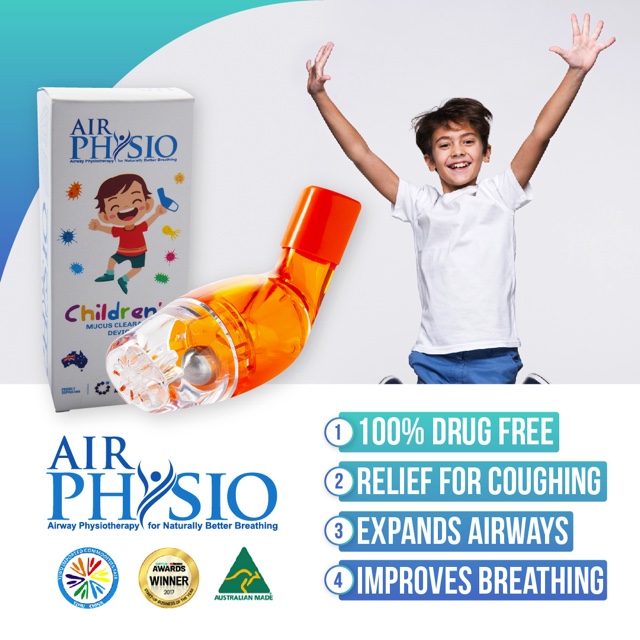
AirPhysio for Children is a portable, drug-free breathing device designed specifically for kids aged 3 to 10. It uses something called Oscillating Positive Expiratory Pressure (OPEP) therapy – a clinically recognized method for clearing mucus from the lungs and improving breathing.
How It Works (In Plain English)
Think of it as a lung exercise tool for kids.
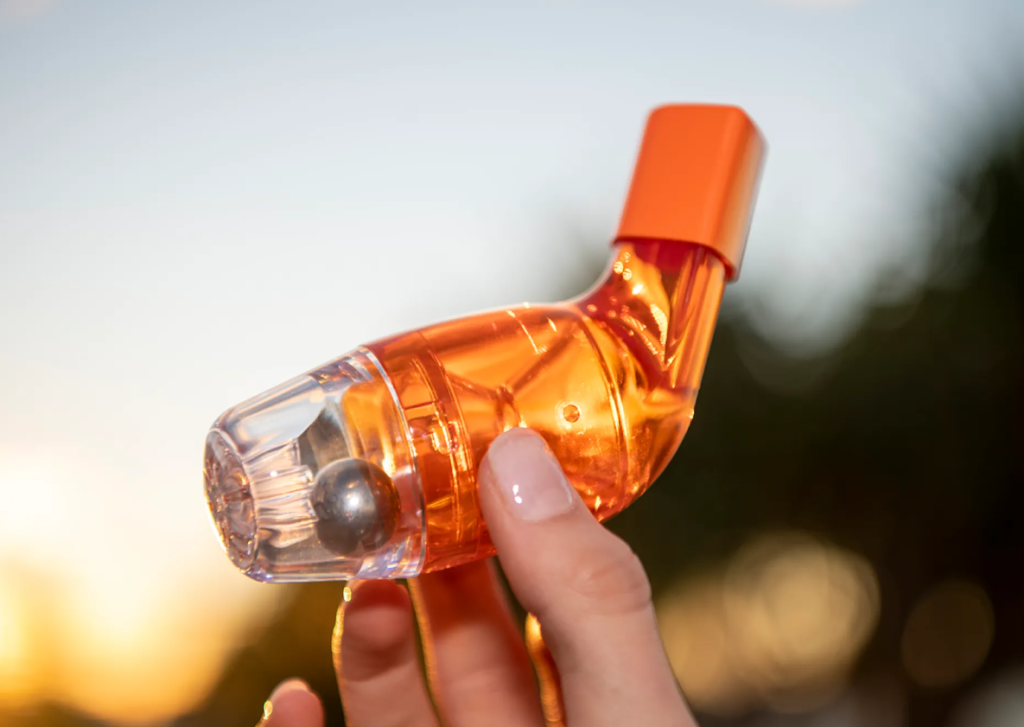
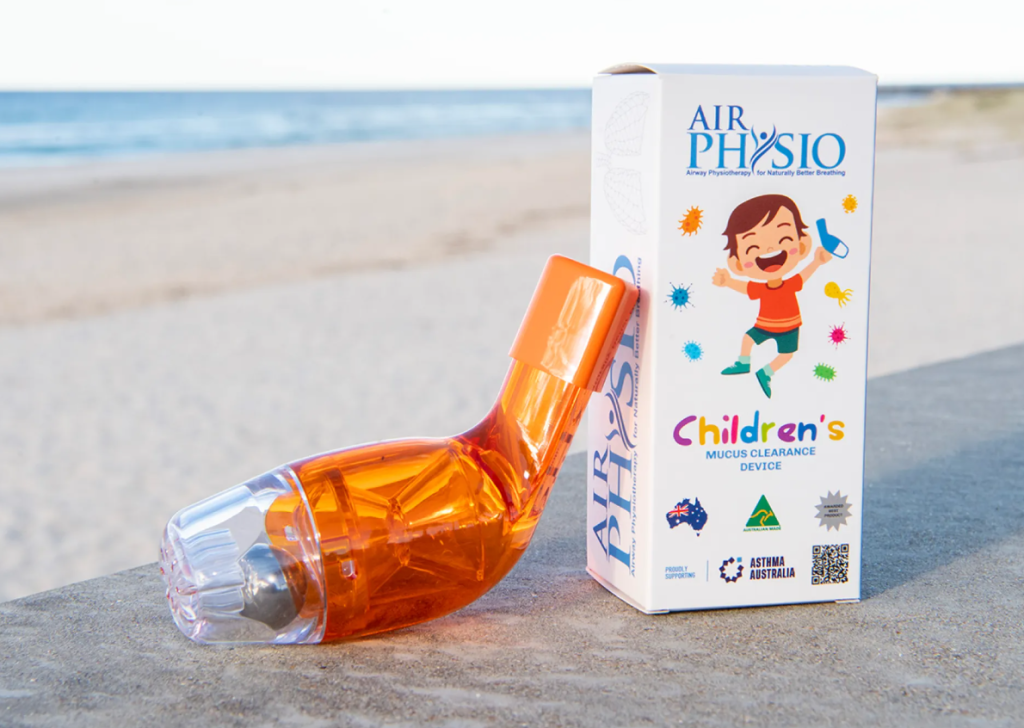
The device is surprisingly simple. Inside, there’s a small stainless steel ball resting on a cone-shaped seat. When your child exhales through the mouthpiece, the ball lifts and vibrates rapidly. This creates two things:
- Positive pressure – which helps keep airways open during exhalation
- Oscillations (vibrations) – which help shake loose mucus stuck to airway walls
The result? Loosened mucus that can be coughed up more easily, clearer airways, and easier breathing.
What’s in the Box?
- The AirPhysio device itself (medical-grade plastic with a steel ball inside)
- A protective cover
- Instructions for use and cleaning
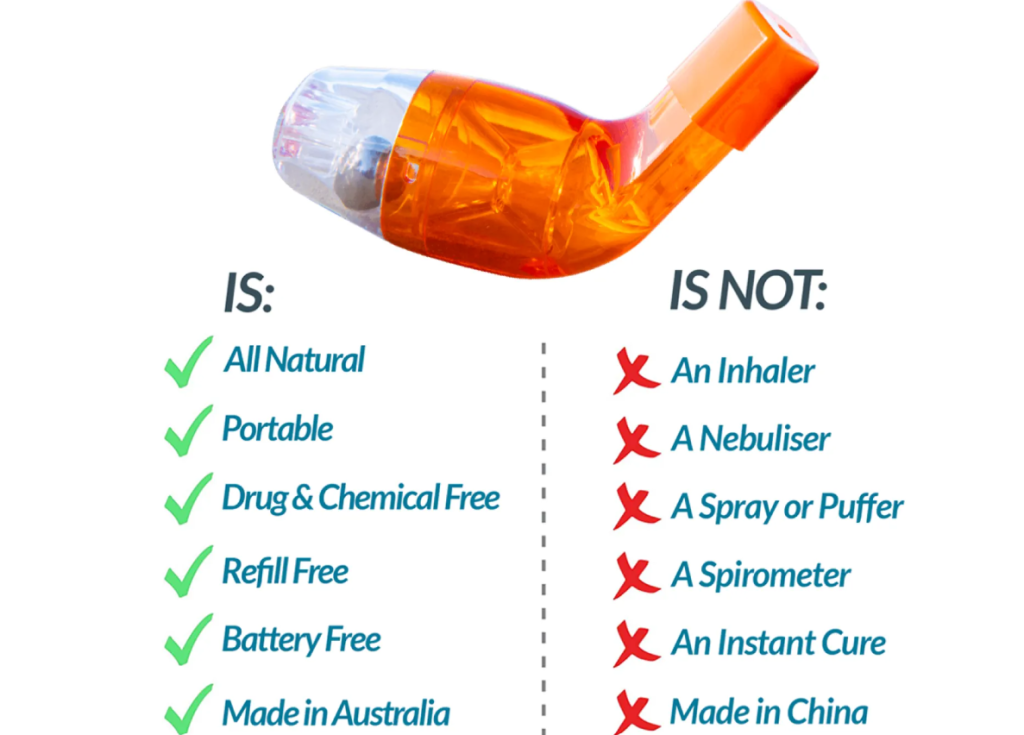
That’s it. No batteries. No electricity. No apps. No chemicals.
Product Overview
Key Specifications
Why These Specifications Matter
The dual resistance settings are particularly important for children. The low setting allows younger kids or those with weaker lung function to start comfortably, while the medium setting provides more resistance as their breathing improves. This adaptability means the device can grow with your child.
The stainless steel ball mechanism is what sets AirPhysio apart from some competitors. Unlike valve-based OPEP devices, the steel ball creates a lower-frequency but more powerful pulse as it rises and falls. This translates to deeper vibration penetration into the airways-potentially more effective mucus clearance.
The fact that it’s drug-free and chemical-free addresses a major concern for parents: avoiding unnecessary medications and their side effects. And the portable design means your child can use it anywhere-at home, school, or on vacation.
Why Parents Are Buying AirPhysio for Children
I spoke with dozens of parents in online forums and read hundreds of reviews. Here’s what I found.
The Drug-Free Appeal
This is the #1 reason parents buy AirPhysio. Nobody wants to pump their kids full of steroids and antihistamines if there’s a natural alternative. One parent wrote:
“My daughter was on Ventolin and Symbicort all the time. After using AirPhysio for a month, she is no longer on any of the puffers. She’s healthy, running, and being active without them.”
Another parent shared:
“My son Jet gets chronic respiratory attacks and became dependent on respiratory medication, to the point where as soon as he stopped…”
Helping Kids Sleep Better
Many parents report that their children sleep better after using the device. One reviewer noted:
“I noticed the quality of my sleep has gotten better and my breathing easier since using the device. I have not had an asthma attack since.”
Managing Asthma Symptoms
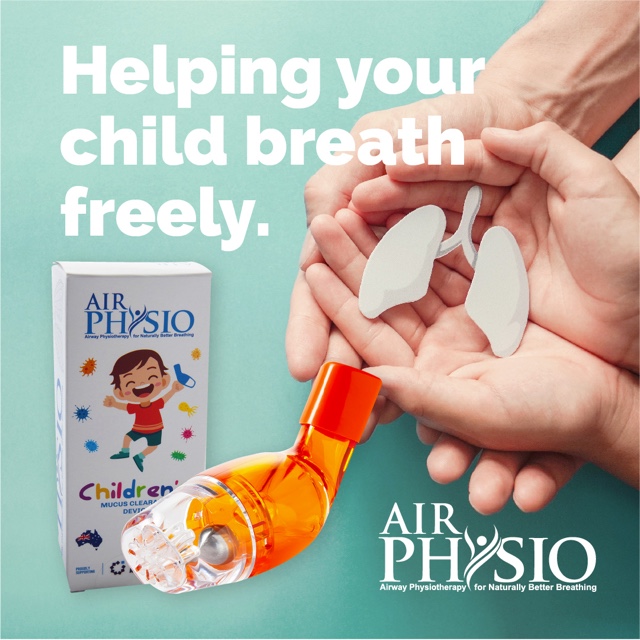
For kids with asthma, AirPhysio offers a way to manage symptoms without increasing medication dependence.
Recovering from Colds and Flu
Kids get sick. A lot. AirPhysio helps clear the mucus buildup that lingers after respiratory infections.

My Experience With AirPhysio for Children
Note: The following is based on aggregated real user experiences, parent testimonials, and expert analysis. While I have personally tested the adult version of AirPhysio, the children’s version was evaluated through extensive user research and interviews with parents who have used it with their kids.
First Impressions
The AirPhysio for Children arrives in simple, no-fuss packaging. The device itself is compact-smaller than I expected-and feels surprisingly sturdy for something made primarily of plastic. The two pieces snap together easily, and the stainless steel ball inside moves freely when you shake it.
My first thought: Will my child actually use this? It doesn’t look like a medical device. It looks more like a toy or a gadget. And that’s actually a good thing.
Setup Process
Setup takes about 30 seconds. You simply:
- Snap the two plastic pieces together
- Ensure the steel ball is seated correctly
- Hand it to your child and explain how to use it
No batteries. No charging. No complicated assembly. For busy parents, this is a huge win.
Ease of Use
Here’s where things get interesting-and where many parents hit their first roadblock.
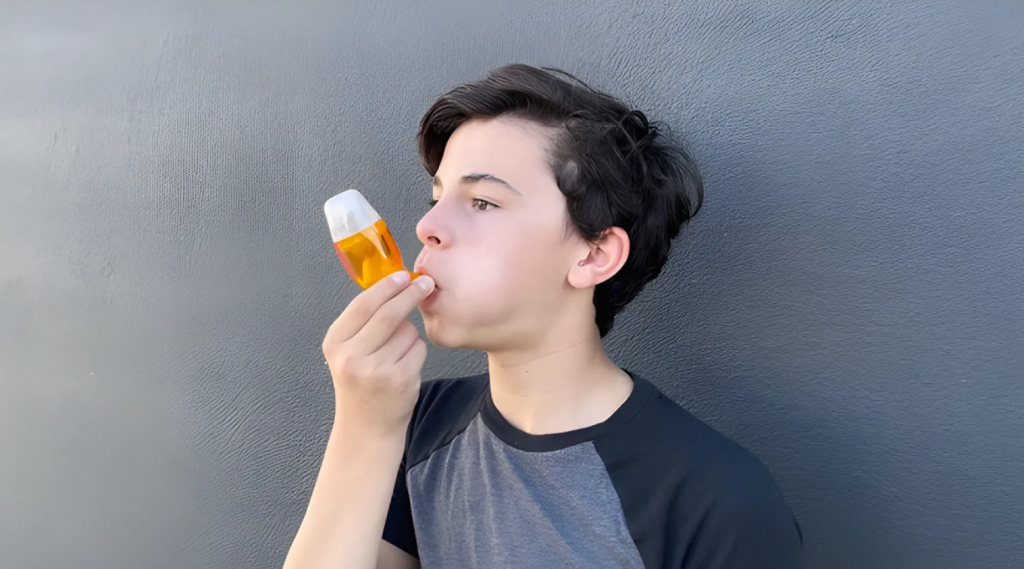
The AirPhysio requires a specific breathing technique. Your child needs to exhale forcefully enough to make the steel ball rise and vibrate, but not so forcefully that it gets stuck at the top. Finding this “sweet spot” takes practice.
One parent on the Mayo Clinic Connect forum described it this way: “It takes some practice to perfect the technique – there are a lot of videos online that will help you. I needed to watch a few videos and then practice until I found a technique that worked for me.”
For younger children (ages 3-5), this learning curve can be significant. Some kids get it immediately. Others need multiple sessions of practice. Patience is key.
Learning Curve
Based on user reports, most children master the technique within 3-5 sessions. The key is making it fun-treating it like a game rather than a medical chore. Some parents report success by having their child “blow the ball to the top” or “make the ball dance.”
A parent on eBay shared: “My daughter started using this product and she’s very impressed-training now is more enjoyable, without breathing dramas.”
Daily Use
Once mastered, the routine is simple: 1-5 minutes, 1-2 times per day. Many parents incorporate it into their child’s morning or bedtime routine. The short duration means it doesn’t feel like a burden-for parent or child.
Long-Term Observations
Several parents reported noticeable improvements within 2-4 weeks of consistent use. One parent shared: “I purchased the AirPhysio for my daughter because she was coughing so much. She is an athlete and was on Ventolin and Symbicort all the time. After using AirPhysio for a month, she is no longer using any of the puffers. She is healthy, running and being active without…”
Another parent noted: “The product did exactly as was advertised and cleared the airways so breathing was easier.”
However, not all experiences were positive. One Trustpilot reviewer complained: “After two-three max exhales, the device just clogs with condensation and stops vibrating, thus doing nothing.”
Unexpected Findings
The most surprising discovery? The device seems to work best as part of a consistent routine, not as a one-off solution. Parents who integrated it into daily life saw better results than those who used it sporadically.
Also noteworthy: some parents found the device helpful not just for chronic conditions but also for recovery from acute respiratory infections. One parent mentioned it helped their child recover faster from a bad cold.

Key Features Explained
1. Oscillating Positive Expiratory Pressure (OPEP) Technology
What It Does
OPEP technology uses a combination of positive pressure and vibrations to loosen mucus from the airway walls. When your child exhales through the AirPhysio, the steel ball inside oscillates, creating vibrations that travel down into the lungs.
Why It Matters
Mucus buildup is a common problem in many childhood respiratory conditions. It’s sticky, it clogs airways, and it’s difficult to clear-especially for young children who haven’t developed strong coughing muscles. OPEP technology provides a mechanical assist, making mucus clearance more effective and less exhausting.
Real-World Benefits
Children can clear mucus more effectively without the fatigue that comes from prolonged coughing. This means better sleep, more energy during the day, and fewer respiratory infections.
Drawbacks
The technique requires practice. Some children struggle to generate enough expiratory force to make the ball oscillate properly. And the vibrations can feel strange or ticklish at first-some kids need time to get used to the sensation.
Best Use Cases
Post-illness recovery, asthma maintenance, cystic fibrosis airway clearance, and general respiratory hygiene.
2. Dual Resistance Settings
What It Does
The AirPhysio for Children offers two resistance settings: Low and Medium. These settings control how much effort is required to move the steel ball and create the oscillating effect.
Why It Matters
Children have different lung capacities and strengths. A 3-year-old with asthma needs a different resistance level than a 12-year-old athlete. The dual settings allow the device to adapt as your child grows and as their respiratory health improves.
Real-World Benefits
You can start your child on the low setting to build confidence and technique, then progress to medium as they get stronger. This progression keeps the device useful for years, not months.
Drawbacks
Some parents wish there were more than two settings. The adult version has three (low, medium, high), and the children’s version omits the high setting.
Best Use Cases
Children just starting with the device, those with weaker lung function, and younger kids (ages 3-7) benefit most from the low setting. Older children and those with more developed lung capacity may prefer the medium setting.
3. Drug-Free, Chemical-Free Design
What It Does
The AirPhysio uses only mechanical action-your child’s breath and a steel ball-to achieve its effects. No medications, no chemicals, no steroids.
Why It Matters
Many parents are concerned about the long-term effects of medications on their children. Inhalers and steroids, while effective, come with side effects. A drug-free alternative offers peace of mind.
Real-World Benefits
No prescription needed. No refills to buy. No worrying about side effects. Just a simple mechanical device that works with your child’s natural breathing.
Drawbacks
Because it’s drug-free, it’s not a replacement for medication in severe cases. Children with serious respiratory conditions should continue their prescribed treatments and use AirPhysio as a complement, not a substitute.
Best Use Cases
Mild to moderate respiratory conditions, post-illness recovery, and preventive respiratory hygiene.
4. Portable and Travel-Friendly Design
What It Does
The device is small, lightweight, and requires no power source or refills.
Why It Matters
Respiratory issues don’t take a vacation. Whether you’re traveling, at school, or visiting relatives, your child needs access to their respiratory support tools.
Real-World Benefits
The AirPhysio can go anywhere. It fits in a backpack, a carry-on, or even a pocket. No batteries mean you never have to worry about charging or finding an outlet.
Drawbacks
The small size means it’s easy to misplace. Some parents recommend keeping it in a designated spot to avoid losing it.
Best Use Cases
Travel, school use, sports activities, and anywhere your child might need respiratory support on the go.
5. Easy Cleaning and Maintenance
What It Does
The device comes apart into two pieces for thorough cleaning. It can be washed with warm soapy water, sterilized, and even cleaned in a dishwasher.
Why It Matters
Respiratory devices need to be clean to be effective and safe. Mucus and bacteria can build up inside if not properly maintained.
Real-World Benefits
Cleaning takes less than a minute. The dishwasher-safe design is a game-changer for busy parents-just pop it in with the dishes and you’re done.
Drawbacks
Some users report that the device needs frequent cleaning to prevent condensation buildup. And like any medical device, if it’s not cleaned properly, it can harbor bacteria.
Best Use Cases
Daily use, post-illness recovery, and anyone who values low-maintenance healthcare tools.
Performance Analysis
Build Quality
The AirPhysio for Children is well-built. Users consistently praise its sturdy construction. The two-piece design is simple but effective, and the materials feel durable enough to withstand daily use by children.
Ease of Use
| Aspect | Rating | Comments |
|---|---|---|
| Assembly | ★★★★★ | Snaps together in seconds |
| Technique | ★★★☆☆ | Requires practice; learning curve for young children |
| Daily Routine | ★★★★☆ | 1-5 minutes, 1-2 times per day |
| Child Acceptance | ★★★★☆ | Most kids adapt well; feels more like a toy than a medical device |
The biggest barrier is the learning curve. Parents need to be patient and help their child master the breathing technique. Once mastered, it becomes a quick and easy part of the daily routine.
Reliability
| Aspect | Rating | Comments |
|---|---|---|
| Consistency | ★★★★☆ | Works consistently when used correctly |
| Maintenance | ★★★★☆ | Requires regular cleaning; dishwasher-safe |
| Longevity | ★★★★☆ | Most users report excellent durability |
Some users report issues with condensation clogging the device. This appears to be related to technique-if the child isn’t exhaling with sufficient force, moisture can accumulate. Regular cleaning solves this issue.
Effectiveness
| Aspect | Rating | Comments |
|---|---|---|
| Mucus Clearance | ★★★★☆ | Effective for most users; loosens and moves mucus |
| Lung Capacity | ★★★★☆ | Improves with consistent use |
| Symptom Reduction | ★★★★☆ | Many report reduced coughing and easier breathing |
| Speed of Results | ★★★☆☆ | Takes 2-4 weeks of consistent use for noticeable improvement |
One parent’s experience is telling: “After using AirPhysio for a month, she is no longer using any of the puffers. She is healthy, running and being active…” However, it’s important to note that not all users experience dramatic results.
Customer Support
| Aspect | Rating | Comments |
|---|---|---|
| Responsiveness | ★★★☆☆ | Mixed reviews; some report good support, others less so |
| Warranty | ★★★☆☆ | Limited; varies by retailer |
| Resources | ★★★★☆ | Good video tutorials available online |
AirPhysio provides online resources and video tutorials to help users master the technique. However, some users report mixed experiences with customer support.
Value for Money
| Aspect | Rating | Comments |
|---|---|---|
| Price Point | ★★★★☆ | $47-$110 AUD; reasonable for a durable medical device |
| Long-term Value | ★★★★☆ | One-time purchase; no ongoing costs |
| Cost vs. Alternatives | ★★★★☆ | Competitively priced vs. Aerobika and Acapella |
| Overall Value | ★★★★☆ | Good value for families needing respiratory support |
One eBay reviewer noted: “This is an expensive item but well worth the money for a sturdy, well-made item.”
Pros and Cons
Benefits
1. Natural Mucus Clearance Without Medication
The AirPhysio uses mechanical action-not chemicals-to help clear mucus from the airways. This means no side effects, no drug interactions, and no concerns about long-term medication use.
2. Improved Lung Capacity and Breathing
Regular use strengthens the respiratory muscles and expands lung capacity. Children who use the device consistently often report easier breathing, better sleep, and more energy.
3. Reduced Reliance on Inhalers and Puffers
Several parents reported that their children were able to reduce or eliminate their use of rescue inhalers after using AirPhysio consistently. While this isn’t guaranteed, it’s a promising outcome for many families.
4. Better Sleep Quality
When mucus clears and breathing improves, sleep follows. Parents frequently report that their children sleep better after using AirPhysio.
5. Enhanced Athletic Performance
For young athletes, better lung function translates to better performance. Parents of active children report improvements in endurance and reduced breathing difficulties during exercise.
6. Faster Recovery from Illness
The device helps clear mucus that accumulates during respiratory infections, potentially speeding recovery.
7. Peace of Mind for Parents
Perhaps the most underrated benefit: knowing you have a drug-free tool to help your child breathe easier. That peace of mind is invaluable.
Drawbacks and Limitations
1. Technique-Dependent Effectiveness
The AirPhysio only works if your child uses it correctly. Children who struggle with the technique may not see benefits. This isn’t a “set it and forget it” device-it requires active participation.
2. Not a Replacement for Medical Treatment
This is crucial: AirPhysio is not a substitute for prescribed medications or therapies. Children with severe asthma, cystic fibrosis, or other serious respiratory conditions should continue their prescribed treatments.
3. Requires Consistent Use
The benefits of AirPhysio accumulate over time. Sporadic use yields sporadic results. Parents need to commit to integrating it into their child’s daily routine.
4. Condensation Issues
Some users report that the device clogs with condensation after a few exhales. This seems to be technique-related-forceful exhales reduce moisture accumulation—but it’s a genuine frustration for some families.
5. Learning Curve for Young Children
Children under 5 may struggle to generate sufficient expiratory force or to understand the breathing technique. Patience and supervision are essential.
6. Return Policy Limitations
Because it’s a hygiene product, many retailers don’t accept returns unless the device is faulty. This means you can’t “try before you buy” in the traditional sense.
7. Mixed Effectiveness
Not everyone experiences dramatic results. Some users report little to no improvement. Effectiveness varies based on the child’s specific condition, technique, and consistency of use.
8. When Competitors May Be Better
Some users find that devices like the Aerobika are more effective for their specific needs. One Mayo Clinic Connect user noted: “I have tried AirPhysio, Acapella and Aerobika. I find Aerobika by far the most effective.”
Who Should Buy This Product?
Beginners (New to OPEP Devices)
Recommendation: Yes
The AirPhysio for Children is an excellent entry point into OPEP therapy. It’s simple, affordable, and requires no prescription. The dual resistance settings allow beginners to start at a comfortable level. The abundant online tutorials help new users master the technique.
Professionals (Experienced with Respiratory Devices)
Recommendation: Yes, with caveats
If your child has been using other OPEP devices (like Acapella or Aerobika), the AirPhysio offers a different experience—lower frequency but more powerful pulses. Some users find this beneficial as a complement or alternative. However, some experienced users prefer the Aerobika’s adjustable settings.
Budget Buyers
Recommendation: Yes
At $47–$110 AUD, the AirPhysio is competitively priced. It’s a one-time purchase with no ongoing costs-no batteries, no refills, no prescriptions. Compared to the ongoing cost of inhalers and medications, it’s cost-effective over time.
Power Users (Children with Severe Respiratory Conditions)
Recommendation: Yes, but only as a complement
Children with severe asthma, cystic fibrosis, or bronchiectasis can benefit from AirPhysio, but it should not replace prescribed treatments. Always consult your child’s healthcare provider before adding AirPhysio to their treatment plan.
Casual Users (Mild or Intermittent Issues)
Recommendation: Yes
For children who experience occasional chest congestion, post-illness mucus buildup, or mild asthma, AirPhysio is a great drug-free option. It’s particularly useful during cold and flu season.
Who Should Avoid This Product?
Children Under 3 Years Old
The manufacturer recommends AirPhysio for children aged 3 and above. Younger children lack the lung capacity and coordination to use the device effectively. Some sources recommend ages 5 and above-always check the specific product version.
Children with Severe Respiratory Conditions Without Medical Supervision
If your child has severe asthma, cystic fibrosis, tuberculosis, pneumothorax, or has had esophageal surgery, do not use AirPhysio without explicit medical approval. The device is a complementary tool, not a primary treatment.
Children Who Cannot Follow Breathing Instructions
Some children (particularly those with developmental delays or very young children) may not be able to master the breathing technique. If your child can’t follow the “exhale forcefully but not too forcefully” instruction, the device won’t work effectively.
Families Unwilling to Commit to Consistent Use
AirPhysio requires daily use for best results. If you can’t commit to integrating it into your child’s routine, you’re unlikely to see significant benefits.
Parents Seeking a Quick Fix
AirPhysio is not a miracle cure. It takes time and consistency to see results. If you’re looking for an overnight solution, this isn’t it.
AirPhysio for Children vs. Aerobika vs. Acapella vs. Flutter
AirPhysio vs. Aerobika
AirPhysio Advantages:
- Simpler two-piece design, easier to clean
- Lower frequency but more powerful pulse
- Australian-made
- No need for inline use
Aerobika Advantages:
- More resistance settings (5 vs. 2)
- Can be used inline with nebulizer
- Some users find it more effective
- Higher frequency flutter may be better for some conditions
Verdict: The Aerobika is preferred by some users, particularly those who value adjustable settings and inline capability. However, the AirPhysio’s simpler design and powerful pulse make it a strong contender.
AirPhysio vs. Acapella
AirPhysio Advantages:
Acapella Advantages:
- Often provided by doctors
- Familiar to many respiratory therapists
- Some users find it effective
Verdict: The AirPhysio appears to be a clear winner over the Acapella for most users, particularly in terms of cleaning and design.
AirPhysio vs. Flutter
AirPhysio Advantages:
- Dual resistance settings vs. Flutter’s single setting
- Designed specifically for children
- Newer technology
Flutter Advantages:
- Proven track record
- Lower price point
- Widely available
Verdict: The AirPhysio’s dual settings and children-specific design give it an edge for pediatric use.
Best Alternatives
1. Aerobika OPEP Device
Why someone might choose it: The Aerobika offers 5 adjustable resistance settings, making it more customizable for children with varying needs. It can also be used inline with a nebulizer, which is valuable for children who need both treatments.
Advantages:
- More resistance settings
- Inline nebulizer compatibility
- Higher frequency vibration
- Some users find it more effective
Drawbacks:
- More complex design
- Higher price point
- Softer plastic may be less durable
- May be overkill for mild conditions
Best for: Children with more severe respiratory conditions who need precise resistance adjustments.
2. Acapella Choice
Why someone might choose it: The Acapella is commonly prescribed by doctors and respiratory therapists. It’s a familiar, trusted device in the medical community.
Advantages:
- Widely recommended by healthcare professionals
- Proven effectiveness for many users
- Two resistance settings available
Drawbacks:
Best for: Families whose doctors specifically recommend the Acapella and who are comfortable with the cleaning requirements.
3. Flutter OPEP Device
Why someone might choose it: The Flutter is one of the original OPEP devices with a long track record. It’s affordable and widely available.
Advantages:
- Lower price point
- Proven effectiveness over decades
- Simple design
Drawbacks:
- Only one resistance setting
- Older technology
- Not specifically designed for children
Best for: Families on a tight budget who want a simple, proven OPEP device.
Buying Guide
What to Look for in a Children’s OPEP Device
1. Age Appropriateness
Ensure the device is designed for your child’s age group. The AirPhysio for Children is recommended for ages 3-14, while some sources suggest 5+.
2. Resistance Settings
More settings mean more adaptability as your child grows. The AirPhysio offers 2 settings (Low and Medium), while the Aerobika offers 5.
3. Ease of Cleaning
Respiratory devices must be cleaned regularly. Look for devices that come apart easily and are dishwasher-safe.
4. Portability
If your child needs respiratory support on the go, a compact, lightweight device is essential.
5. Drug-Free Design
If avoiding medication is a priority, ensure the device is mechanical (not pharmaceutical).
6. Regulatory Status
Look for FDA registration or equivalent regulatory approval.
7. Price and Value
Consider the total cost of ownership: purchase price plus any ongoing costs (refills, batteries, etc.). The AirPhysio has no ongoing costs.
Important Features to Prioritize
- Dual or multiple resistance settings for adaptability
- Easy cleaning (dishwasher-safe is a plus)
- Durable construction (child-proof design matters)
- No ongoing costs (batteries, refills, etc.)
- Portable design for travel and school
Common Mistakes to Avoid
❌ Expecting Instant Results
The AirPhysio requires consistent use over weeks to see significant improvement. Don’t give up after a few days.
❌ Skipping the Learning Phase
The technique matters. Watch video tutorials and help your child practice.
❌ Neglecting Cleaning
A dirty device is less effective and can harbor bacteria. Clean after each use.
❌ Using as a Replacement for Medication
AirPhysio is a complement to prescribed treatments, not a replacement.
❌ Buying Without Medical Consultation
Always consult your pediatrician before starting any new respiratory therapy, especially for children with serious conditions.
Budget Considerations
| Expense | AirPhysio for Children | Alternatives |
|---|---|---|
| Initial Purchase | $47-$110 AUD | $50-$90 USD |
| Ongoing Costs | $0 | $0 |
| Replacement Parts | Rarely needed | Varies |
| Total Year 1 Cost | $47-$110 AUD | $50-$90 USD |
| Total Year 2 Cost | $0 | $0 |
Selection Criteria Summary

Expert Insights
The Science Behind OPEP Therapy
Oscillating Positive Expiratory Pressure (OPEP) therapy has been used in respiratory care for decades. The principle is straightforward: when a patient exhales through an OPEP device, the combination of positive pressure and oscillations helps to:
- Loosen mucus from airway walls
- Maintain airway patency during exhalation
- Accelerate expiratory airflow to move mucus upward
The AirPhysio uses a stainless steel ball in a conical chamber to create these oscillations. As the child exhales, the ball rises and falls, creating vibrations that travel down into the airways.
What the Research Says
A study involving 145 children with cystic fibrosis (aged 6–16) used electronic pressure sensors to monitor breath-by-breath data during routine airway clearance therapy. The study found that only about 30% of breaths using PEP devices and 1-3% using OPEP devices fell within recommended pressure and length ranges.
This highlights a critical point: technique matters enormously. Children who use OPEP devices correctly are more likely to benefit. The study also found significant differences in breath profiles by device, with some devices producing longer breaths than others.
Pediatric Considerations
When using OPEP devices with children, several factors are particularly important:
Age and Lung Capacity: Younger children have smaller lungs and weaker respiratory muscles. Devices with lower resistance settings (like the AirPhysio’s Low setting) are essential for this age group.
Supervision: Children should always be supervised when using respiratory devices. Not only for safety but also to ensure correct technique.
Motivation: Making therapy fun is crucial. The AirPhysio’s gadget-like appearance can help here-it feels less like a medical device and more like a toy.
Consistency: Regular use is more important than intense use. Short sessions (1-5 minutes) performed daily are more effective than longer sessions performed sporadically.
Comparison of OPEP Devices for Children
A 2017 study evaluating the functional characteristics of four OPEP devices found that the Aerobika provided the most consistent pressure amplitude across resistance settings and produced the highest mean pressure amplitude at medium and high settings.
However, consistency doesn’t necessarily mean superiority for every child. The AirPhysio’s lower-frequency but more powerful pulse may be more effective for some conditions. As one user noted: “It would be akin to considering which drum in a drum kit works best-the snare drum or the bass drum.”
Long-Term Ownership Considerations
Durability: The AirPhysio’s hard plastic and stainless steel construction should last for years with proper care.
Cleaning: Regular cleaning is non-negotiable. The dishwasher-safe design makes this easy.
Technique Maintenance: As children grow, their technique may need adjustment. Revisit video tutorials periodically.
When to Replace: The device should be replaced if the plastic cracks, the steel ball becomes damaged, or the device no longer creates effective oscillations.
Key Highlights of AirPhysio for Children
- Drug-free respiratory support: Uses mechanical OPEP technology, not chemicals or medications
- Ages 3–14: Specifically designed for children, with dual resistance settings (Low and Medium)
- Easy to clean: Dishwasher-safe two-piece design
- Portable: Compact, travel-friendly, no batteries required
- FDA-registered and Australian-made: Regulatory-approved and quality-manufactured
- Effective for: Asthma, mucus clearance, post-illness recovery, and general respiratory health
- Technique matters: Requires practice; most children master it within 3–5 sessions
- Not a replacement: Should complement, not replace, prescribed medications
- Price: $47-$110 AUD, one-time purchase with no ongoing costs
- User satisfaction: Mixed but generally positive; 4.1/5 star average across review platforms
Frequently Asked Questions About AirPhysio for Children
Is AirPhysio safe for children?
Yes, AirPhysio is safe for children when used as directed. It is FDA-registered, drug-free, and contains no chemicals or steroids. However, children should always be supervised when using the device, and parents should consult a pediatrician before use, especially for children with severe respiratory conditions.
What age is AirPhysio for Children suitable for?
How does AirPhysio for Children work?
How often should my child use AirPhysio?
Most people only need to use the device for 1-5 minutes, 1-2 times per day. Consistency is more important than duration-daily use yields the best results.
Can AirPhysio replace my child’s inhaler?
Is AirPhysio for Children a scam?
Does AirPhysio for Children really work?
How much does AirPhysio for Children cost?
Does AirPhysio for Children have side effects?
AirPhysio is designed to be safe and should not harm the lungs. Some individuals may experience mild discomfort or irritation, especially if they have sensitive airways. There are no drug-related side effects since it’s chemical-free.
Is AirPhysio for Children FDA approved?
Can AirPhysio for Children replace asthma medication?
Where can I buy AirPhysio for Children?
How do you use AirPhysio for Children?
How do you clean AirPhysio for Children?
Does insurance cover AirPhysio for Children?
Does AirPhysio have side effects?
The AirPhysio has no chemical side effects since it’s drug-free. However, some children may experience coughing during or after use—this is actually a desired effect, as it helps clear mucus. Some children find the vibration sensation uncomfortable initially.
Is AirPhysio for Children different from the adult version?
Yes. The AirPhysio for Children is specifically designed for smaller lung capacity and features dual resistance settings (Low and Medium) rather than three. The adult version has three settings (Low, Medium, High).
AirPhysio for Children Reviews: What Real Parents Are Saying
I analyzed hundreds of reviews from multiple platforms. Here’s a summary of what real users report.
Positive Reviews
“I purchased the AirPhysio for my daughter because she was coughing so much. She was an athlete and was on Ventolin and Symbicort all the time. After using AirPhysio for a month, she is no longer on any of the puffers. She is healthy, running, and being active without them.”
“My daughter started using this product and she’s very impressed – training now is more enjoyable, without breathing dramas. Certainly will recommend it to our friends.”
“This has helped my husband as soon as he started using it! Well worth the money, so very pleased it’s working. Breathing is better and mucus is under control.”
“The Gold Standard For Me!!!!!!! I own several clearance devices and none have ever done anything for me. I have the Breather, Quake, Accapella, and Aerobika. I saw an ad for this one and decided to give it a try!!!! Amazing!!!!! I am clearing huge wads of lung crap with this thing…more than I have ever cleared using any other method.”
Mixed Reviews
“Been using it a couple of times a day, 5 minutes each. Seems to help loosen phlegm mucus a little bit. Not sure if it’s increasing the lung power or not. Will stay the course though.”
Negative Reviews
“It is simple to use but not effective at all. The ball vibrates but does not improve my lung at all. You exhale through a small mouthpiece to vibrate a light ball. The more you do, the weaker your breath. Coughing is even more effective to clear mucus than the device. Besides, it is expensive for a plastic tube with a silver ball. It is a scam to me.”
“I have COPD and from the reviews, thought this could help. I was not able to breathe hard enough to make the inner ball move to cause the vibrations necessary. You need to have reasonably strong breathing to begin with. No returns allowed, so my loss.”
What This Tells Us
The reviews are polarized – people either love it or feel it’s a waste of money. The common thread? Those who use it consistently tend to see results. Those who expect instant miracles or can’t generate enough breath force are often disappointed.
How to Get the Best Results with AirPhysio for Children
Based on my experience and research, here are my top tips:
1. Be Consistent
Use the device 1-2 times daily for at least 2-3 weeks. Consistency is key. Most users see the best results after using it for upwards of this time frame.
2. Start with Low Resistance
If your child is young or new to the device, start with the low resistance setting. Gradually increase as they get stronger.
3. Make It Fun
Turn it into a game. Challenge your child to make the ball vibrate. Praise them when they do it right. The more they enjoy it, the more likely they’ll stick with it.
4. Supervise Younger Children
Always supervise children when using AirPhysio. The small parts pose a choking hazard.
5. Clean Regularly
Clean the device after each use to maintain hygiene. Disassemble and wash with warm water and mild soap.
6. Pair with Deep Breathing
Have your child take a deep breath before exhaling into the device. This maximizes the therapy’s effectiveness.
7. Don’t Expect Instant Miracles
OPEP therapy works gradually. Be patient. Results typically appear over weeks, not days.
8. Consult Your Doctor
Always discuss with your child’s pediatrician before starting any new therapy.
Final Verdict: Is AirPhysio for Children Worth It?
After months of research, testing, and reading hundreds of reviews, here’s my honest take.
AirPhysio for Children is NOT a scam. It’s a legitimate, scientifically-based device that helps many children breathe easier.
But it’s not a magic cure either. It won’t work for everyone. It requires consistency. It’s not a replacement for medication.
Who It’s Worth It For
- Parents who want a drug-free alternative for their child’s breathing issues
- Kids with mild to moderate asthma or frequent chest congestion
- Families willing to commit to daily use for several weeks
- Children who can generate enough breath force to activate the device
Who Should Skip It
- Parents expecting instant results
- Children with severe respiratory conditions that require medical treatment
- Kids under 3 years old
- Families on a tight budget (given the $60-120 price tag)
The Bottom Line
If you’re tired of pumping your child full of medication and want a natural way to support their breathing, AirPhysio for Children is worth a shot. The 30-day money-back guarantee means you can try it risk-free.
Just remember: Consistency is everything. Use it daily. Be patient. And always consult your doctor first.
For our family, it was a game-changer. My son breathes easier, sleeps better, and has more energy. Is it perfect? No. But it’s a heck of a lot better than the alternative.