
Living with chronic pain affects millions of people worldwide, impacting daily activities, sleep quality, and overall well-being. Whether you’re dealing with back pain, knee discomfort, arthritis, or nerve-related issues, the search for effective, non-invasive pain management solutions can feel overwhelming.
Traditional pain management often involves medications that come with side effects or invasive procedures that require recovery time. That’s where pain relief wearables have emerged as a game-changing alternative.
Pain relief wearable devices offer a modern approach to managing discomfort through technologies like electromagnetic therapy, transcutaneous electrical nerve stimulation (TENS), and bioelectrical signaling. These small, portable devices promise drug-free relief that fits seamlessly into your daily routine.
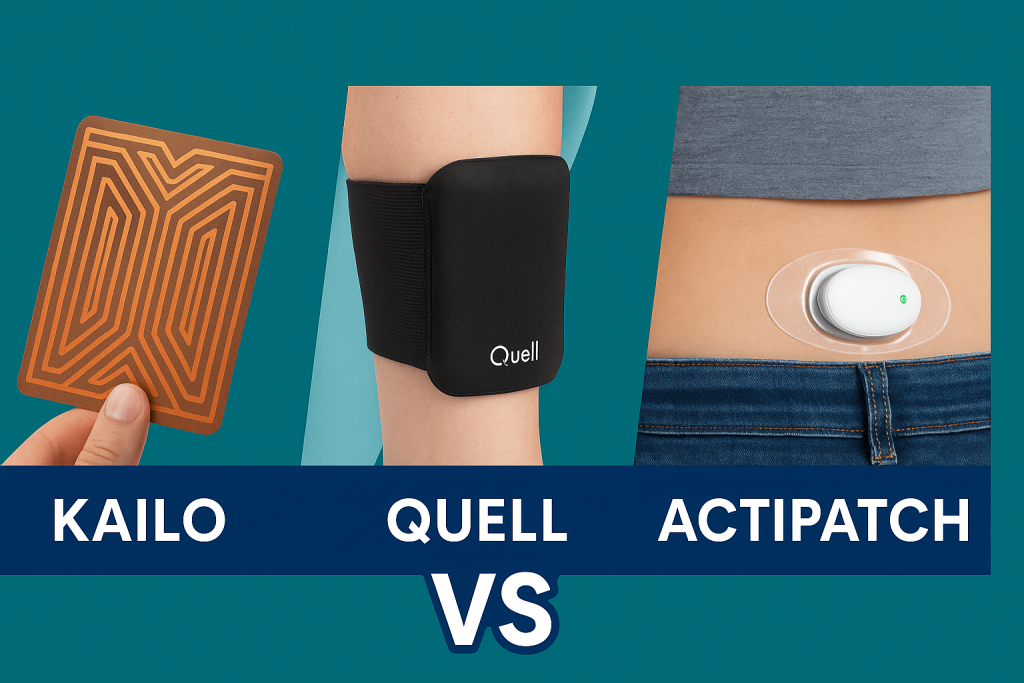
In this comprehensive guide, we’ll compare three leading pain relief wearables: Kailo, Quell, and Actipatch. We’ll explore how each device works, what types of pain they target, their effectiveness, cost considerations, and real-world user experiences. By the end of this article, you’ll have the information needed to make an informed decision about which wearable pain relief device might work best for your specific needs.
Understanding Pain Relief Wearable Technology
What Are Pain Relief Wearables?
Pain relief wearables are compact, body-worn devices designed to reduce discomfort through various non-invasive technologies. Unlike traditional pain medications that work systemically throughout your body, these wearables typically target specific pain areas using electrical signals, electromagnetic fields, or bioelectrical communication.
These devices represent a growing category in the health and wellness technology sector, offering several advantages:
- No prescription required for most devices
- Drug-free pain management approach
- Portable and discreet design
- Can be used alongside other treatments
- Minimal to no side effects reported
- Reusable or long-lasting functionality
How Do Pain Relief Wearables Work?
Different wearable devices use distinct technologies to address pain:
Transcutaneous Electrical Nerve Stimulation (TENS): This technology sends gentle electrical pulses through the skin to interrupt pain signals traveling to the brain. TENS therapy also stimulates the production of endorphins, your body’s natural painkillers.
Electromagnetic Pulse Therapy: Some devices generate low-frequency electromagnetic fields that may reduce inflammation and promote healing at the cellular level.
Bioelectrical Signaling: Newer technologies claim to work by communicating with your body’s natural electrical system, potentially interfering with pain signal transmission.
Pulsed Electromagnetic Field (PEMF) Therapy: This approach uses electromagnetic fields to potentially improve circulation and reduce inflammation in targeted areas.
Understanding these foundational technologies helps contextualize how Kailo, Quell, and Actipatch each approach pain management differently.
Kailo Pain Relief Patch: Innovative Nanotechnology Approach
What Is Kailo?
Kailo is a reusable pain relief patch that uses what the company describes as nanotechnology embedded in a flexible adhesive patch. The device contains billions of charged capacitors arranged in a specific pattern designed to interact with your body’s natural electrical system.
Unlike battery-powered devices, Kailo doesn’t generate electrical stimulation. Instead, it claims to work by providing a communication pathway for your body’s bioelectrical signals, potentially interfering with pain signal transmission.
How Kailo Works
The Kailo patch contains a proprietary nano-capacitor array that the manufacturer suggests interacts with your nervous system’s electrical signals. The theory is that when placed near a pain area, it creates an alternative pathway for electrical signals, potentially reducing the pain signals that reach your brain.
The device is:
- Non-invasive and requires no batteries or power source
- Reusable with adhesive pads that can be replaced
- Waterproof and suitable for use during various activities
- Designed to work within minutes of application
Types of Pain Kailo Targets
According to manufacturer claims and user reports, Kailo may help with:
- Back pain and lower back discomfort
- Neck and shoulder tension
- Knee pain and joint discomfort
- Muscle soreness and sports-related pain
- Headaches and migraines
- Arthritis-related discomfort
Kailo Pros and Cons
Advantages:
- No batteries or charging required
- One-time purchase with long-term reusability
- Lightweight and discreet under clothing
- Can be worn during sleep, exercise, and daily activities
- No electrical sensation or stimulation
- Can be repositioned to target different pain areas
Disadvantages:
- Higher upfront cost compared to some alternatives
- Scientific evidence supporting the technology is limited
- Adhesive pads need replacement over time
- May not work for everyone (effectiveness varies)
- Results may take time to notice
- Requires precise placement for optimal results
Kailo Pricing and Value
Kailo typically costs between $99 and $149 for a single patch, depending on promotions and package deals. Additional adhesive strips are available for purchase separately. While the initial investment is higher than some alternatives, the reusability without batteries or replacements makes it potentially cost-effective over time.
Quell Wearable Pain Relief: FDA-Cleared TENS Technology
What Is Quell?
Quell is an FDA-cleared wearable pain relief device that uses intensive TENS therapy to manage chronic pain. Developed by NeuroMetrix, a medical device company, Quell is designed to be worn on the upper calf and provides round-the-clock pain management through neurostimulation.
The device has undergone clinical testing and received FDA clearance for treating chronic pain, making it one of the more medically-validated options in the wearable pain relief category.
How Quell Works
Quell uses transcutaneous electrical nerve stimulation to activate natural pain relief mechanisms in your body. The device sends electrical pulses through electrodes that stimulate sensory nerves in the upper calf. These signals travel to the brain, triggering the release of natural opioids and potentially blocking pain signals throughout the body.
Key features include:
- Smartphone app connectivity for therapy customization
- Automatic adjustment based on your activity level
- Sleep mode designed to work throughout the night
- Prescription-strength therapy available over-the-counter
- Tracks therapy sessions and pain levels
Types of Pain Quell Targets
Quell is designed for widespread chronic pain management, including:
- Fibromyalgia pain and sensitivity
- Diabetic neuropathy and nerve pain
- Lower back pain and sciatica
- Arthritis and joint pain throughout the body
- Restless leg syndrome
- Chronic widespread pain conditions
The device takes a systemic approach, targeting overall pain levels rather than specific localized areas.
Quell Pros and Cons
Advantages:
- FDA-cleared medical device with clinical backing
- Works on widespread pain throughout the body
- Smart technology with app-based controls
- Can be worn 24/7 including during sleep
- Adjustable intensity levels
- Tracks pain and therapy effectiveness
- May reduce medication dependence
Disadvantages:
- Requires electrode replacements every two weeks
- Ongoing subscription costs for electrodes
- Some users find the electrical sensation uncomfortable
- Battery requires regular charging
- Higher total cost over time due to consumables
- May not be suitable for those with pacemakers
- Requires correct calf placement for effectiveness
Quell Pricing and Ongoing Costs
The Quell starter kit typically ranges from $249 to $299, which includes the device, charging cable, and initial electrode supply. However, replacement electrodes cost approximately $30-$40 per month, adding up to $360-$480 annually. This ongoing expense should be factored into the total cost of ownership.
Actipatch Pain Relief Device: Long-Lasting Electromagnetic Therapy
What Is Actipatch?
Actipatch is a drug-free, over-the-counter pain relief device that uses pulsed electromagnetic field therapy to manage pain. The small, lightweight device is designed to provide continuous therapy for up to 720 hours (approximately one month) of use.
Actipatch devices are available in different versions targeting specific body areas, including back pain, knee pain, muscle and joint pain, and period pain.
How Actipatch Works
Actipatch generates low-frequency electromagnetic pulses that penetrate deep into tissue. The technology is designed to reduce inflammation, improve circulation, and block pain signals at the cellular level. The electromagnetic field created by the device extends several inches into the body, potentially affecting tissues beyond the immediate application site.
The device features:
- Continuous therapy for 720 hours of use
- No wires, batteries to replace, or creams required
- Clinically tested electromagnetic pulse technology
- Different devices for various pain locations
- Indicator light showing device is active
Types of Pain Actipatch Targets
Actipatch offers specialized devices for different pain types:
- Chronic back pain and lower back discomfort
- Knee pain from arthritis or injury
- General muscle and joint pain
- Shoulder and neck pain
- Period pain and menstrual cramps
- Post-workout muscle soreness
Actipatch Pros and Cons
Advantages:
- Affordable one-time purchase
- Extended 720-hour operational life
- Clinically tested technology
- No sensation during use (works silently)
- Specific devices for targeted pain areas
- Easy to apply and wear
- No charging or battery replacement needed
- Can be worn during most activities
Disadvantages:
- Disposable device after 720 hours
- Must purchase new device after use period ends
- Limited to specific body areas per device
- Some users report minimal effectiveness
- Not rechargeable or reusable
- Scientific consensus on PEMF effectiveness varies
- May take several days to notice results
Actipatch Pricing and Value
Actipatch devices typically cost between $19 and $39 per unit, depending on the specific model and retailer. With 720 hours of use, this translates to approximately $0.03-$0.05 per hour of therapy. Multiple devices may be needed if treating different pain areas simultaneously.
Side-by-Side Comparison: Kailo vs Quell vs Actipatch
Quick Comparison Table
| Feature | Kailo | Quell | Actipatch |
|---|---|---|---|
| Technology | Nano-capacitor array | TENS therapy | Electromagnetic pulse |
| FDA Status | Not FDA-cleared | FDA-cleared | Over-the-counter device |
| Power Source | None (passive device) | Rechargeable battery | Built-in battery |
| Reusability | Reusable indefinitely | Reusable device, disposable electrodes | Single-use (720 hours) |
| Initial Cost | $99-$149 | $249-$299 | $19-$39 |
| Ongoing Costs | Adhesive pads (~$10-$20) | Electrodes (~$30-$40/month) | New device every month |
| Pain Type | Localized pain | Widespread chronic pain | Localized pain |
| Sensation | None | Electrical tingling | None |
| App Connectivity | No | Yes | No |
| Wear Location | Near pain site | Upper calf | Near pain site |
| Use Duration | Continuous | 24/7 capable | Continuous for 720 hours |
Effectiveness Comparison
Pain Relief Speed:
- Kailo: Users report relief within minutes to hours
- Quell: May take several therapy sessions to notice improvement
- Actipatch: Typically requires 24-48 hours for noticeable effects
Duration of Relief:
- Kailo: Works while worn; effects may persist briefly after removal
- Quell: Provides ongoing relief with consistent use; effects build over time
- Actipatch: Continuous therapy while device is active
Scope of Pain Management:
- Kailo: Best for localized, specific pain points
- Quell: Designed for widespread, chronic pain conditions
- Actipatch: Targeted to specific body regions
Cost Analysis Over Time
First Year Total Cost:
- Kailo: $99-$149 initial + approximately $40 for adhesive pads = $139-$189
- Quell: $249-$299 initial + $360-$480 for electrodes = $609-$779
- Actipatch: $19-$39 per device × 12 months = $228-$468
Long-Term Value:
Kailo offers the best long-term value if it proves effective, as the device is reusable indefinitely with minimal ongoing costs. Quell has the highest ongoing expense due to monthly electrode purchases. Actipatch falls in the middle, requiring regular device replacement but at a lower monthly cost than Quell’s electrodes.
User Experience and Convenience
Ease of Use:
- Kailo: Simple application with repositioning capability
- Quell: Requires app setup and calf placement; more complex
- Actipatch: Straightforward adhesive application
Discreteness:
- Kailo: Thin and can be worn under most clothing
- Quell: More visible when worn on calf; noticeable under shorts or fitted pants
- Actipatch: Compact and relatively discreet depending on placement
Lifestyle Compatibility:
- Kailo: Suitable for all activities including swimming
- Quell: Compatible with most activities; waterproof for showering
- Actipatch: Can be worn during most activities but should not get wet
Which Pain Relief Wearable Is Right for You?
Choose Kailo If You:
- Want a one-time investment without ongoing costs
- Prefer a device with no electrical sensation
- Have localized pain in specific areas (back, knee, shoulder)
- Want a lightweight, portable option
- Don’t want to deal with charging or battery replacement
- Are willing to experiment with placement for optimal results
- Prefer a drug-free approach without electrical stimulation
Choose Quell If You:
- Have widespread chronic pain affecting multiple areas
- Want FDA-cleared medical technology
- Don’t mind ongoing electrode costs
- Appreciate app-based therapy customization
- Have conditions like fibromyalgia or diabetic neuropathy
- Want clinical validation and medical-grade therapy
- Can accommodate a device worn on your calf
- Are looking to reduce pain medication use
Choose Actipatch If You:
- Want an affordable entry point to pain relief wearables
- Have budget constraints and prefer low initial cost
- Need targeted therapy for specific body areas
- Don’t want electrical sensations or complex setup
- Prefer disposable devices without maintenance
- Want extended continuous therapy without charging
- Are willing to replace the device monthly
- Want to try electromagnetic therapy at low risk
Consider Your Pain Type
Acute Pain: For short-term pain from injury or strain, Actipatch’s 720-hour lifespan or Kailo’s reusability offer good options without long-term commitment.
Chronic Pain: Quell’s FDA clearance and clinical backing make it a strong choice for ongoing chronic pain management, despite higher costs.
Localized Pain: Both Kailo and Actipatch work well for targeting specific pain points like knee pain, back pain, or shoulder discomfort.
Widespread Pain: Quell’s systemic approach through calf stimulation is designed specifically for pain throughout multiple body areas.
Understanding the Science Behind Pain Relief Wearables
Clinical Evidence and Research
The effectiveness of pain relief wearables varies based on the technology used and the type of pain being treated.
TENS Therapy (Quell): TENS technology has the most extensive research backing, with numerous studies examining its effectiveness for various pain conditions. Research suggests TENS can be effective for certain chronic pain conditions, though results vary among individuals. The therapy is widely accepted in the medical community as a complementary pain management approach.
Electromagnetic Therapy (Actipatch): Studies on pulsed electromagnetic field therapy show mixed results. Some research indicates potential benefits for pain and inflammation, while other studies find limited effects beyond placebo. The scientific community continues to investigate this technology’s mechanisms and effectiveness.
Bioelectrical Signaling (Kailo): As a newer approach, the nano-capacitor technology used by Kailo has limited peer-reviewed scientific research. The company has conducted surveys and gathered user testimonials, but independent clinical studies are sparse.
Placebo Effect Considerations
When evaluating any pain relief device, it’s important to acknowledge the placebo effect’s role in pain perception. Studies consistently show that believing a treatment will work can produce measurable pain relief, regardless of the treatment’s direct physiological effects.
This doesn’t diminish a device’s value. If a wearable consistently helps you manage pain, whether through direct physiological mechanisms, placebo effect, or a combination of both, it still provides genuine benefit. The subjective experience of pain relief is what matters most for quality of life.
Safety and Side Effects
Pain relief wearables are generally considered safe for most users, with minimal side effects reported:
Common Experiences:
- Mild skin irritation from adhesives (all devices)
- Temporary tingling sensation (Quell)
- Initial adjustment period to electrical stimulation (Quell)
- Rare allergic reactions to adhesive materials
Important Precautions:
- Pregnant individuals should consult healthcare providers before use
- People with pacemakers or other implanted devices should avoid TENS devices like Quell
- Those with epilepsy should seek medical advice before using electrical stimulation
- Open wounds or skin conditions at application sites may contraindicate use
Always review manufacturer guidelines and consult with a healthcare professional if you have concerns about device safety for your specific situation.
Real User Experiences and Feedback
What Users Say About Kailo
Positive feedback frequently mentions:
- Quick pain relief within 15-30 minutes for some users
- Effectiveness for acute back pain and muscle soreness
- Appreciation for the non-electric, passive approach
- Long-term value due to reusability
- Discreteness and comfort during daily activities
Common criticisms include:
- Inconsistent results; works well for some, not at all for others
- Difficulty finding the optimal placement position
- Adhesive pads losing stickiness over time
- Higher initial cost without guaranteed effectiveness
- Limited scientific explanation of how it works
What Users Say About Quell
Users frequently praise:
- Noticeable reduction in chronic pain levels over time
- FDA clearance providing confidence in the device
- App functionality for tracking and customization
- Ability to reduce pain medication usage
- Clinical feel and medical-grade construction
Reported challenges include:
- High ongoing cost for replacement electrodes
- Some find the electrical sensation uncomfortable
- Electrode adhesive can irritate sensitive skin
- Must wear on calf, which isn’t ideal for all lifestyles
- Battery life requires regular charging
What Users Say About Actipatch
Positive user experiences highlight:
- Affordable price point for trying pain relief wearables
- No sensation makes it easy to forget you’re wearing it
- Extended use period provides good value
- Helpful for specific conditions like knee pain
- Simple to apply and use without complexity
User concerns include:
- Mixed effectiveness; some notice improvement, others don’t
- Requires patience as effects take time to develop
- Need to purchase new device monthly adds up
- Device-specific models limit flexibility
- Uncertainty about whether device is actually working
Tips for Maximizing Your Pain Relief Wearable Effectiveness
Proper Placement and Positioning
For Kailo:
Experiment with different positions near your pain point. The manufacturer recommends placing it directly on the pain area first, then adjusting based on results. Some users find placing it slightly above or below the pain site works better.
For Quell:
Ensure the device sits comfortably on your upper calf with the electrode making firm contact with skin. Clean and dry the area before application. The manufacturer provides specific placement guides in the app.
For Actipatch:
Center the device over the painful area, ensuring the electromagnetic field can penetrate the affected tissues. For deeper pain, placement directly over the pain site is crucial.
Optimizing Therapy Duration
Consistency is key: Regular, consistent use typically produces better results than sporadic application. Pain relief wearables often work cumulatively, with effects building over time.
Give it time: Most devices require several days to weeks of consistent use before you can accurately judge effectiveness. Don’t abandon a device after just one or two uses.
Track your progress: Keep notes about pain levels, placement, and relief experienced. This helps identify patterns and optimal usage strategies.
Complementary Pain Management Approaches
Pain relief wearables work best as part of a comprehensive pain management strategy:
- Maintain regular physical activity appropriate for your condition
- Practice stress management and relaxation techniques
- Ensure adequate sleep and rest
- Stay hydrated and maintain a balanced diet
- Consider physical therapy or targeted exercises
- Use proper ergonomics at work and home
Combining wearable technology with these lifestyle factors often produces better results than relying on any single approach alone.
Conclusion: Making an Informed Decision About Pain Relief Wearables
Choosing between Kailo, Quell, and Actipatch ultimately depends on your specific pain management needs, budget, and lifestyle preferences. Each device offers unique advantages and potential drawbacks.
Kailo stands out for its one-time investment and passive technology, making it ideal for those seeking a simple, long-term solution for localized pain without ongoing costs or electrical sensations.
Quell provides the most medically-validated approach with FDA clearance and clinical backing, making it the strongest choice for chronic widespread pain conditions despite higher ongoing costs.
Actipatch offers an accessible entry point for those wanting to try pain relief wearables without significant financial commitment, though the monthly replacement requirement adds up over time.
Remember that pain management is highly individual. What works remarkably well for one person may provide minimal benefit for another. Consider starting with the device that best matches your budget and pain type, while maintaining realistic expectations about results.
Pain relief wearables represent an innovative complement to traditional pain management strategies, not necessarily a complete replacement. They work best when integrated into a comprehensive approach that may include appropriate exercise, stress management, ergonomic adjustments, and guidance from healthcare professionals.
Ready to explore pain relief wearables? Research each option thoroughly, read updated user reviews, consult with your healthcare provider about whether these devices are appropriate for your condition, and consider starting with the option that best aligns with your needs and comfort level.
Your journey toward better pain management deserves a thoughtful, informed approach. These wearable technologies offer promising options worth considering as you seek the relief and quality of life you deserve.
Frequently Asked Questions About Pain Relief Wearables
Can I wear multiple pain relief devices at the same time?
Generally, yes, you can use multiple devices simultaneously if they target different pain areas. However, avoid using two devices that generate electrical or electromagnetic fields directly next to each other, as this might cause interference. If you’re using Quell with Kailo or Actipatch, placing them on different body parts is typically safe. Always start with one device to assess its individual effectiveness before adding another.
How long does it take to feel results from pain relief wearables?
Results vary significantly by device and individual. Kailo users sometimes report relief within 15-30 minutes, though some need several hours or days of consistent use. Quell typically requires several therapy sessions over days or weeks to build noticeable effects. Actipatch often needs 24-48 hours of continuous use before users notice improvement. Patient consistency usually yields better results than expecting immediate relief.
Are pain relief wearables covered by health insurance?
Coverage varies by insurance provider and plan. Quell, being FDA-cleared, has the best chance of insurance coverage with a prescription from your healthcare provider. Some flexible spending accounts (FSA) or health savings accounts (HSA) may reimburse purchases of approved pain relief devices. Contact your insurance provider directly to verify coverage before purchasing. Keep receipts and documentation for potential reimbursement claims.
Can teenagers and children use these pain relief devices?
Most manufacturers recommend their devices for adults only. Quell specifically states it’s designed for adults 18 and older. If considering a pain relief wearable for a teenager, consult their healthcare provider first. Children’s developing nervous systems may respond differently to these technologies, and safety data for pediatric use is limited. Always prioritize medical guidance over self-treatment for young people experiencing chronic pain.
What happens if my pain relief wearable gets wet or damaged?
Kailo is waterproof and can be worn during swimming or showering. Quell is water-resistant for showering but shouldn’t be submerged in water. Actipatch should be kept dry as moisture can damage the device. If any device is accidentally damaged, discontinued use immediately. Most manufacturers offer warranties covering defects, but damage from improper use typically isn’t covered. Contact the manufacturer for specific warranty information and replacement options if needed.