
Are you tired of looking in the mirror and seeing fine lines, dark spots, or dull skin staring back at you? You’re not alone. Millions of people search for effective anti-aging solutions every day, hoping to turn back the clock on their skin.
The skincare industry offers countless products, but three ingredients consistently rise to the top as powerful anti-aging warriors: Vitamin C, Retinol, and Hyaluronic Acid. Each promises transformative results, but which one actually delivers for your specific skin concerns?
In this comprehensive guide, we’ll break down everything you need to know about these top anti-aging serums. You’ll discover how each ingredient works, their unique benefits, potential side effects, and most importantly, which one (or combination) is perfect for your skin type and goals. By the end, you’ll have the knowledge to make an informed decision and start your journey toward healthier, younger-looking skin.
Understanding Anti-Aging Serums: What Makes Them Essential?
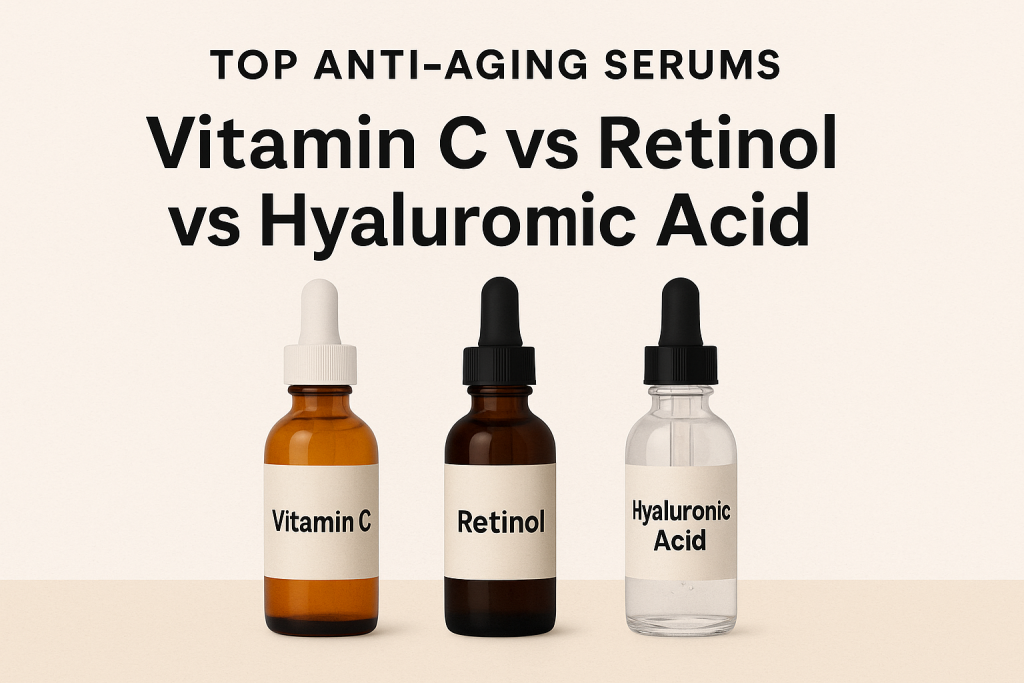
Anti-aging serums are concentrated skincare formulations designed to deliver powerful active ingredients deep into your skin. Unlike moisturizers or creams, serums have smaller molecular structures that penetrate more effectively, targeting specific concerns like wrinkles, hyperpigmentation, and loss of elasticity.
Why Serums Work Better Than Regular Creams
Serums contain higher concentrations of active ingredients, typically ranging from 10% to 20% or more, compared to just 5% to 10% in regular creams. This potency means you see results faster and more dramatically.
The lightweight texture of serums allows them to absorb quickly without leaving a heavy, greasy residue. This makes them ideal for layering with other skincare products in your daily routine.
Key Benefits of Anti-Aging Serums
- Reduce the appearance of fine lines and wrinkles
- Improve skin texture and tone
- Boost collagen production for firmer skin
- Brighten dark spots and hyperpigmentation
- Provide deep hydration at the cellular level
- Protect against environmental damage and free radicals
Vitamin C Serum: The Brightening Powerhouse
Vitamin C, also known as ascorbic acid or L-ascorbic acid, is one of the most researched and beloved anti-aging ingredients in skincare. This potent antioxidant offers multiple benefits that make it a staple in many effective skincare routines.
How Vitamin C Works for Anti-Aging
Vitamin C neutralizes free radicals caused by UV exposure, pollution, and other environmental stressors. These free radicals damage skin cells and accelerate aging, so protecting against them is crucial for maintaining youthful skin.
This powerful ingredient also plays a vital role in collagen synthesis. Collagen is the protein that keeps your skin firm, plump, and elastic. As we age, collagen production naturally decreases, leading to sagging and wrinkles. Vitamin C helps stimulate new collagen formation, effectively supporting your skin’s structural integrity.
Top Benefits of Vitamin C Serums
Brightens Skin Tone: Vitamin C inhibits melanin production, helping to fade dark spots, sun damage, and hyperpigmentation for a more even complexion.
Reduces Fine Lines: By boosting collagen, Vitamin C helps minimize the appearance of fine lines and wrinkles, particularly around the eyes and mouth.
Protects Against Sun Damage: While not a replacement for sunscreen, Vitamin C provides additional protection against UV damage and helps repair existing sun damage.
Improves Skin Texture: Regular use leads to smoother, softer skin with refined pores and improved overall texture.
Enhances Radiance: Vitamin C gives skin a healthy glow by improving circulation and reducing dullness.
Best Concentrations and Formulations
For optimal results, look for Vitamin C serums with concentrations between 10% and 20%. Lower concentrations may not deliver significant results, while higher concentrations can cause irritation, especially for sensitive skin.
The most effective form is L-ascorbic acid, though it can be unstable and oxidize quickly. Look for serums in dark, airtight bottles to preserve potency. Alternative stable forms include sodium ascorbyl phosphate and magnesium ascorbyl phosphate, which are gentler but may be less potent.
Who Should Use Vitamin C Serum?
Vitamin C works well for most skin types, but it’s particularly beneficial for:
- People with dull, uneven skin tone
- Those dealing with hyperpigmentation or dark spots
- Anyone looking to prevent premature aging
- Individuals with sun-damaged skin
- People seeking a brighter, more radiant complexion
Potential Side Effects and Precautions
Some people may experience mild tingling, redness, or irritation when first using Vitamin C, especially at higher concentrations. Start with a lower percentage and gradually increase as your skin builds tolerance.
Vitamin C can oxidize and turn brown or orange, which means it’s lost effectiveness. Always store your serum in a cool, dark place and replace it if you notice color changes.
Retinol Serum: The Gold Standard for Wrinkle Reduction
Retinol, a derivative of Vitamin A, is widely considered the most effective anti-aging ingredient available without a prescription. Dermatologists have recommended retinol for decades because of its proven ability to transform aging skin.
How Retinol Works for Anti-Aging
Retinol accelerates cell turnover, meaning it helps your skin shed dead cells faster and generate fresh, new cells. This process reveals smoother, younger-looking skin and helps diminish signs of aging.
At the cellular level, retinol binds to receptors in skin cells and stimulates collagen production while reducing collagen breakdown. This dual action makes it incredibly effective for both preventing and reversing signs of aging.
Top Benefits of Retinol Serums
Reduces Wrinkles and Fine Lines: Retinol is unmatched in its ability to smooth deep wrinkles and prevent new ones from forming.
Improves Skin Texture: By promoting cell turnover, retinol refines skin texture, minimizes pores, and creates a smoother surface.
Fades Age Spots and Hyperpigmentation: Retinol helps break up existing pigmentation and prevents new dark spots from forming.
Treats Acne: Beyond anti-aging, retinol unclogs pores and reduces acne breakouts, making it ideal for mature skin that still experiences blemishes.
Boosts Collagen Production: Retinol stimulates fibroblasts to produce more collagen, resulting in firmer, more elastic skin.
Understanding Retinol Strengths and Types
Over-the-counter retinol products typically range from 0.25% to 1%. Beginners should start with 0.25% to 0.5% to allow skin to adjust. More experienced users can gradually increase to 1% for maximum benefits.
Different retinoid types include:
- Retinol: Available over-the-counter, effective but gentler than prescription options
- Retinyl Palmitate: Mildest form, good for sensitive skin but less potent
- Retinaldehyde: Stronger than retinol, closer to prescription strength
- Tretinoin (Retin-A): Prescription-strength, most powerful but requires medical supervision
Who Should Use Retinol Serum?
Retinol is ideal for:
- People concerned about moderate to severe wrinkles
- Those wanting to prevent premature aging
- Individuals with sun damage or photoaging
- People dealing with acne and aging simultaneously
- Anyone seeking comprehensive anti-aging treatment
Potential Side Effects and How to Minimize Them
Retinol can cause initial irritation, redness, dryness, and peeling—a process often called “retinization.” These effects are temporary as your skin adjusts.
To minimize side effects:
- Start with a low concentration (0.25% to 0.5%)
- Use only 2-3 times per week initially, gradually increasing frequency
- Apply a pea-sized amount to clean, dry skin
- Wait 20-30 minutes after cleansing before applying
- Always use sunscreen during the day, as retinol increases sun sensitivity
- Avoid use during pregnancy or breastfeeding
The Retinol Application Timeline
Week 1-2: Apply twice weekly, expect mild dryness or flaking
Week 3-4: Increase to every other night if tolerated well
Week 5-8: Use nightly if skin has adjusted, continue monitoring
Month 3+: Visible results emerge—smoother texture, reduced fine lines, more even tone
Hyaluronic Acid Serum: The Hydration Hero
Hyaluronic Acid (HA) is a naturally occurring substance in your body that holds up to 1,000 times its weight in water. This incredible moisture-binding ability makes it a superstar ingredient for plump, hydrated, youthful-looking skin.
How Hyaluronic Acid Works for Anti-Aging
Unlike Vitamin C and Retinol, which work by stimulating cellular changes, Hyaluronic Acid focuses on hydration. It acts like a sponge, drawing moisture from the environment and deeper skin layers into the outer layers of your skin.
This intense hydration plumps up the skin, which helps reduce the appearance of fine lines and wrinkles. When skin is well-hydrated, it looks smoother, fuller, and more radiant.
Top Benefits of Hyaluronic Acid Serums
Deep Hydration: HA provides intense moisture that penetrates deep into the skin, unlike surface-level moisturizers.
Plumps Fine Lines: By filling skin with moisture, HA temporarily plumps up fine lines and wrinkles, making them less visible.
Suitable for All Skin Types: HA is non-irritating and works beautifully for dry, oily, sensitive, and combination skin.
Lightweight Texture: Despite its powerful hydrating properties, HA serums feel light and absorb quickly without greasiness.
Supports Skin Barrier: Proper hydration strengthens your skin’s protective barrier, improving overall skin health.
Enhances Other Products: HA helps other skincare ingredients penetrate better and work more effectively.
Understanding Molecular Weight in HA Serums
Hyaluronic Acid comes in different molecular weights, which affects how deeply it penetrates:
High Molecular Weight HA: Sits on skin’s surface, creating a moisture barrier and providing immediate plumping effects.
Medium Molecular Weight HA: Penetrates into the upper skin layers for deeper hydration.
Low Molecular Weight HA: Reaches deeper skin layers for long-lasting moisture retention.
The best serums contain a combination of all three molecular weights for comprehensive hydration at every skin level.
Who Should Use Hyaluronic Acid Serum?
Hyaluronic Acid is universally beneficial and ideal for:
- People with dehydrated skin of any type
- Those in dry or low-humidity climates
- Anyone wanting to plump fine lines quickly
- Individuals with sensitive skin who can’t tolerate stronger actives
- People seeking a gentle, non-irritating anti-aging option
- Those wanting to enhance the effects of other serums
Potential Side Effects and Considerations
Hyaluronic Acid is extremely well-tolerated with minimal side effects. However, there are a few considerations:
In very dry environments with low humidity, HA can actually draw moisture from deeper skin layers if there’s no environmental moisture available. Combat this by applying HA to damp skin and sealing it with a moisturizer.
Some people may experience mild irritation from preservatives or other ingredients in the formulation, though HA itself rarely causes problems.
Direct Comparison: Vitamin C vs Retinol vs Hyaluronic Acid
Now that we’ve explored each ingredient individually, let’s compare them side by side to help you make the best choice for your specific needs.
Comparison Table
| Feature | Vitamin C | Retinol | Hyaluronic Acid |
|---|---|---|---|
| Primary Benefit | Brightening, antioxidant protection | Wrinkle reduction, cell turnover | Deep hydration, plumping |
| Best For | Dull skin, dark spots, prevention | Wrinkles, texture, comprehensive anti-aging | All skin types, dehydration, sensitivity |
| Skin Types | Most types, especially dull/uneven | Normal to oily, not extremely sensitive | All skin types, especially dry |
| Irritation Level | Low to moderate | Moderate to high | Very low |
| Time to Results | 4-12 weeks | 8-12 weeks | Immediate to 2-4 weeks |
| Use Frequency | Daily (morning preferred) | 2-7 times weekly (evening only) | Twice daily |
| Sun Sensitivity | Protective, but use SPF | Increases sensitivity, SPF essential | No sensitivity |
| Pregnancy-Safe | Generally yes (consult doctor) | No | Yes |
| Price Range | $15-$100+ | $20-$150+ | $10-$80+ |
| Stability | Can oxidize easily | Stable in proper packaging | Very stable |
Which Ingredient Addresses Your Specific Concerns?
For Hyperpigmentation and Dark Spots: Vitamin C is your best choice, with Retinol as a strong second option.
For Deep Wrinkles and Fine Lines: Retinol is the most effective, though Hyaluronic Acid can provide temporary plumping.
For Dehydrated, Dull Skin: Hyaluronic Acid provides immediate results, while Vitamin C offers long-term brightening.
For Overall Prevention: Vitamin C and Retinol together create a powerful anti-aging regimen.
For Sensitive Skin: Start with Hyaluronic Acid, then gradually introduce Vitamin C at low concentrations.
For Comprehensive Anti-Aging: Many experts recommend using all three ingredients strategically in your routine.
Can You Use Vitamin C, Retinol, and Hyaluronic Acid Together?
Yes, you can use all three ingredients in your skincare routine, but timing and layering are crucial for safety and effectiveness.
The Perfect Layering Strategy
Morning Routine:
- Cleanse your face gently
- Apply Vitamin C serum to clean, dry skin
- Wait 1-2 minutes for absorption
- Apply Hyaluronic Acid serum to slightly damp skin
- Follow with moisturizer
- Apply broad-spectrum SPF 30 or higher (essential!)
Evening Routine:
- Cleanse thoroughly to remove makeup and impurities
- Wait 20-30 minutes (optional but reduces irritation)
- Apply Retinol serum to completely dry skin
- Wait 5-10 minutes
- Apply Hyaluronic Acid serum
- Seal with a nourishing night cream
Important Combination Rules
Never apply Vitamin C and Retinol at the same time. These ingredients work at different pH levels and can neutralize each other’s effectiveness. Additionally, using them together increases irritation risk significantly.
Always apply Hyaluronic Acid to damp skin for maximum moisture absorption. It pairs well with both Vitamin C and Retinol, helping to minimize irritation and boost hydration.
If you’re new to active ingredients, introduce them one at a time, waiting 2-4 weeks between additions. This approach helps you identify any sensitivity issues and allows your skin to adjust properly.
How to Choose the Right Anti-Aging Serum for Your Skin Type
Your skin type plays a crucial role in determining which serum will work best for you. Here’s a detailed breakdown to help you make the right choice.
For Dry Skin
Best Choice: Hyaluronic Acid should be your foundation, used twice daily for deep hydration.
Secondary Options: Vitamin C in the morning for brightening, and low-concentration Retinol (0.25%-0.5%) just 2-3 times weekly to avoid excessive dryness.
Pro Tip: Always layer serums under a rich, nourishing moisturizer to lock in hydration and prevent moisture loss.
For Oily and Acne-Prone Skin
Best Choice: Retinol is ideal because it addresses both aging and acne simultaneously by regulating oil production and unclogging pores.
Secondary Options: Lightweight Hyaluronic Acid for hydration without heaviness, and Vitamin C for brightening and protecting against post-acne marks.
Pro Tip: Choose water-based or gel formulations that won’t clog pores or feel greasy on your skin.
For Sensitive Skin
Best Choice: Start with Hyaluronic Acid as your safest option, providing benefits without irritation.
Secondary Options: Introduce Vitamin C at low concentrations (10%) after your skin tolerates HA well. Consider gentler Vitamin C derivatives like sodium ascorbyl phosphate.
Pro Tip: Avoid Retinol initially, or choose the mildest form (retinyl palmitate) and use only once weekly if you want to try it.
For Combination Skin
Best Choice: Use all three strategically—Hyaluronic Acid all over for balance, Vitamin C for even tone, and Retinol targeting specific concern areas.
Secondary Options: Apply Retinol only to areas that need it most, such as the forehead and around the mouth, while using gentler options on sensitive zones.
Pro Tip: Listen to your skin and adjust application areas based on how different zones respond to active ingredients.
For Mature Skin (50+)
Best Choice: Retinol for comprehensive anti-aging benefits, including deep wrinkle reduction and collagen stimulation.
Secondary Options: Layer Hyaluronic Acid under Retinol for added hydration and plumping. Add Vitamin C in the morning for antioxidant protection and brightness.
Pro Tip: Consider starting with prescription-strength tretinoin after consulting with a dermatologist for maximum results on advanced aging signs.
Top-Rated Anti-Aging Serum Products in 2025
While we can’t make specific product recommendations without trying them ourselves, here’s what to look for when shopping for quality serums in each category.
What to Look for in Vitamin C Serums
- Concentration between 10% and 20% L-ascorbic acid
- pH level between 2.5 and 3.5 for optimal absorption
- Additional antioxidants like Vitamin E and ferulic acid for stability
- Dark glass or opaque packaging to prevent oxidation
- Airless pump bottle to minimize air exposure
- Fresh manufacturing date (check expiration)
What to Look for in Retinol Serums
- Clear concentration labeling (0.25%, 0.5%, or 1%)
- Encapsulated or time-release formulas for sensitive skin
- Hydrating ingredients like ceramides or niacinamide to buffer irritation
- Opaque packaging to protect from light degradation
- No added fragrances or irritating ingredients
- Complementary ingredients like peptides or antioxidants
What to Look for in Hyaluronic Acid Serums
- Multiple molecular weights (high, medium, and low)
- Concentration of at least 1% (often listed as sodium hyaluronate)
- Additional humectants like glycerin or panthenol
- Minimal ingredient list to reduce sensitivity risk
- Lightweight, non-sticky texture
- Suitable for layering under other products
Price vs. Quality Considerations
You don’t always need to buy the most expensive serum to get results. Many affordable drugstore options contain effective concentrations of active ingredients and work just as well as luxury brands.
Focus on ingredient lists and concentrations rather than packaging or marketing claims. A simple formula with the right active ingredient concentration often outperforms a complex, expensive product with multiple actives in ineffective amounts.
Building Your Complete Anti-Aging Skincare Routine
A serum alone won’t give you the best results. Here’s how to build a comprehensive routine that maximizes the benefits of your chosen anti-aging ingredients.
Essential Steps in Order
Step 1: Cleanse – Use a gentle, pH-balanced cleanser that removes impurities without stripping your skin. Cleanse once in the evening, and in the morning if needed.
Step 2: Tone (Optional) – A hydrating toner can prep skin for better serum absorption, but skip astringent toners that can cause irritation.
Step 3: Apply Serums – Always apply thinnest to thickest. Water-based serums go first, followed by oil-based ones. Wait 1-2 minutes between layers.
Step 4: Eye Cream – The delicate eye area benefits from specialized treatment. Apply gently without pulling or tugging.
Step 5: Moisturize – Lock in all the active ingredients with an appropriate moisturizer for your skin type. This step is non-negotiable.
Step 6: SPF (Morning Only) – The most important anti-aging step. Use broad-spectrum SPF 30 or higher every single day, even when indoors.
Frequency Guidelines for Maximum Results
Daily: Hyaluronic Acid (morning and evening), Vitamin C (morning), SPF (morning), Moisturizer (morning and evening)
Evening Only: Retinol, starting 2-3 times per week and gradually increasing
Weekly: Gentle exfoliation 1-2 times to remove dead skin cells (avoid on Retinol nights)
Common Mistakes to Avoid
Mistake 1: Using too many actives at once. Your skin needs time to adjust. Introduce new products gradually, one at a time.
Mistake 2: Skipping moisturizer after serums. Serums aren’t designed to replace moisturizers—you need both for optimal results.
Mistake 3: Forgetting SPF. UV exposure is the leading cause of premature aging. Without daily sun protection, even the best serums can’t prevent damage.
Mistake 4: Not waiting for products to absorb. Layering too quickly can dilute effectiveness and cause pilling.
Mistake 5: Using Retinol and exfoliating acids together. This combination is too harsh for most people and causes significant irritation.
Real Results: What to Expect and When
Understanding realistic timelines helps you stay consistent and patient with your anti-aging routine.
Vitamin C Timeline
Week 1-2: Skin may appear slightly brighter and more radiant. Some people notice a healthy glow almost immediately.
Week 4-8: Dark spots begin to fade, and overall tone becomes more even. Fine lines may appear slightly softer.
Week 12+: Significant improvement in hyperpigmentation, texture, and overall skin quality. Continued use maintains results and provides ongoing protection.
Retinol Timeline
Week 1-4: Adjustment period with possible peeling, redness, or dryness. Skin may temporarily look worse before improving.
Week 6-8: Texture begins to smooth out, pores appear smaller, and skin feels softer. The adjustment phase typically ends.
Week 12-16: Noticeable reduction in fine lines and wrinkles. Skin looks firmer and more youthful. Dark spots begin to fade.
Month 6+: Maximum results achieved with continued improvement. Deep wrinkles are visibly reduced, and overall skin quality is transformed.
Hyaluronic Acid Timeline
Immediate: Skin feels instantly more hydrated and plump upon application.
Week 1-2: Fine lines appear reduced due to improved hydration. Skin looks dewier and more supple throughout the day.
Week 4-8: Skin barrier strengthens, leading to better overall texture and resilience. Makeup applies more smoothly.
Ongoing: Continued hydration support maintains plump, healthy-looking skin and enhances the results of other anti-aging ingredients.
Factors That Influence Results
Your results depend on several variables:
- Age and skin condition: Younger skin or early signs of aging respond faster than advanced aging
- Product quality and concentration: Higher-quality ingredients at effective concentrations work better
- Consistency of use: Skipping days or using irregularly significantly delays results
- Overall skincare routine: Using complementary products and SPF dramatically improves outcomes
- Lifestyle factors: Diet, sleep, stress, and smoking all impact how quickly your skin responds
- Sun protection: Without daily SPF, you’re undoing the benefits of your anti-aging serums
Expert Tips for Maximizing Anti-Aging Serum Results
These professional strategies will help you get the absolute best results from your anti-aging serums.
Application Techniques That Make a Difference
Use the Right Amount: For facial serums, 2-3 drops or a pea-sized amount is sufficient. More product doesn’t mean better results and can actually cause irritation or waste.
Apply to Damp Skin: This is especially important for Hyaluronic Acid, which bonds to water molecules. Your skin should be slightly damp, not dripping wet.
Use Gentle Pressure: Press serums into skin with your fingertips using gentle patting motions rather than rubbing, which can irritate skin and reduce absorption.
Don’t Forget Your Neck: The neck and décolletage show aging just as much as your face. Extend your serums and SPF to these areas for comprehensive anti-aging care.
Be Patient Between Layers: Allow 30-60 seconds for each serum to absorb before applying the next product. This prevents pilling and ensures each ingredient works effectively.
Storage and Shelf Life
Store Vitamin C serums in a cool, dark place, ideally in the refrigerator, to slow oxidation. Replace them every 3-6 months, or immediately if you notice color changes.
Keep Retinol products away from light and heat, which can degrade the active ingredient. Opaque containers help protect potency. Most remain effective for 6-12 months after opening.
Hyaluronic Acid serums are stable but should still be stored in a cool, dry place. They typically last 12 months after opening if stored properly.
When to Upgrade or Switch Products
If you’ve been using a product consistently for 3-4 months without seeing any improvement, it may be time to switch to a different formulation or concentration.
Once your skin has adjusted to a low concentration of Retinol (0.25% or 0.5%), you can gradually increase to 1% for enhanced results, but only if you’re not experiencing irritation.
If you experience persistent redness, burning, or irritation beyond the initial adjustment period, downgrade to a gentler formulation or lower concentration.
Natural Alternatives and Supporting Ingredients
While Vitamin C, Retinol, and Hyaluronic Acid are powerhouses, other ingredients can complement or provide gentler alternatives for your anti-aging routine.
Bakuchiol: The Natural Retinol Alternative
Bakuchiol is a plant-derived ingredient that mimics many of Retinol’s benefits without the irritation. It’s ideal for sensitive skin, pregnant women, or anyone who can’t tolerate Retinol.
This natural alternative improves fine lines, firmness, and pigmentation with minimal side effects. While not quite as potent as Retinol, it’s an excellent option for those seeking gentler anti-aging care.
Niacinamide (Vitamin B3)
Niacinamide is a multitasking ingredient that brightens skin, reduces inflammation, minimizes pores, and strengthens the skin barrier. It works beautifully with all three main ingredients discussed in this article.
This ingredient is extremely well-tolerated and suitable for all skin types, including sensitive and acne-prone skin. Look for concentrations between 5% and 10% for optimal results.
Peptides for Collagen Support
Peptides are short chains of amino acids that signal your skin to produce more collagen. They work synergistically with Retinol and Vitamin C to enhance anti-aging effects.
Different peptides target different concerns, from wrinkles to firmness to hydration. Products often combine multiple peptides for comprehensive benefits.
Antioxidants for Protection
Beyond Vitamin C, other antioxidants like Vitamin E, ferulic acid, resveratrol, and green tea extract provide additional protection against free radical damage.
These ingredients work best when combined, creating a more robust defense system for your skin. Look for serums that pair multiple antioxidants for enhanced protection.
Safety Considerations and When to Consult a Professional
While over-the-counter anti-aging serums are generally safe, certain situations require professional guidance.
When to See a Dermatologist
Persistent Irritation: If you experience severe redness, burning, or irritation that doesn’t improve after discontinuing a product, consult a dermatologist.
No Results After 6 Months: If you’ve been consistent with quality products at appropriate concentrations for six months without any visible improvement, professional assessment can identify the issue.
Severe Aging Concerns: Advanced wrinkles, significant sagging, or extensive sun damage may require professional treatments like prescription Tretinoin, lasers, or other procedures.
Skin Conditions: If you have rosacea, eczema, psoriasis, or other skin conditions, get professional advice before starting active anti-aging ingredients.
Pregnancy or Breastfeeding: Always consult your healthcare provider before using active ingredients like Retinol during pregnancy or while breastfeeding.
Patch Testing New Products
Before applying any new serum to your entire face, perform a patch test:
- Apply a small amount to your inner forearm or behind your ear
- Wait 24-48 hours
- Check for any redness, itching, or irritation
- If no reaction occurs, gradually introduce the product to your face
Combining Professional Treatments with At-Home Care
In-office treatments like chemical peels, microneedling, or laser procedures can enhance your at-home serum routine. However, timing is crucial:
- Stop using Retinol 3-7 days before professional treatments
- Avoid active ingredients for several days after procedures as directed
- Gradually reintroduce products as your skin heals
- Always follow your dermatologist’s specific instructions
Budget-Friendly Anti-Aging: Getting Results Without Breaking the Bank
Effective anti-aging skincare doesn’t have to be expensive. Here’s how to get great results while staying within budget.
The Essentials Worth Spending On
Priority #1: A quality broad-spectrum sunscreen. This is the single most important anti-aging product, and many affordable options work excellently.
Priority #2: One well-formulated active serum (Vitamin C, Retinol, or Hyaluronic Acid) at an effective concentration. You don’t need expensive brands if the formulation is solid.
Priority #3: A good basic moisturizer appropriate for your skin type that seals in your serums and supports your skin barrier.
Where You Can Save Money
Cleansers: A gentle, basic cleanser from the drugstore works just as well as luxury options. You’re washing it off anyway.
Toners: Many toners are optional. If you want one, inexpensive hydrating toners work perfectly fine.
Fancy Packaging: Don’t pay extra for pretty bottles. Focus on what’s inside, not the exterior design or marketing.
DIY and Home Remedies: Do They Work?
While some natural ingredients have benefits, homemade Vitamin C or Retinol serums aren’t recommended. These ingredients require specific formulations, pH levels, and stabilization that are impossible to achieve at home.
However, simple practices like staying hydrated, getting adequate sleep, managing stress, and protecting your skin from the sun cost nothing and significantly impact how quickly your skin ages.
Common Myths and Misconceptions About Anti-Aging Serums
Let’s clear up some widespread misunderstandings that might be holding you back from getting the best results.
Myth 1: “More Product Means Better Results”
Reality: Using excessive amounts of serum doesn’t improve results and can actually irritate your skin or cause breakouts. A few drops or a pea-sized amount is sufficient for your entire face.
Myth 2: “Natural Ingredients Are Always Safer”
Reality: Natural doesn’t automatically mean safe or effective. Many natural ingredients can cause allergic reactions, while synthetic ingredients are often more stable, pure, and better-tested.
Myth 3: “You Should Feel Tingling for Products to Work”
Reality: While some mild tingling is normal when first using Vitamin C or Retinol, it shouldn’t be painful. If you experience burning or significant discomfort, the product is too strong or your skin is irritated.
Myth 4: “Retinol Thins Your Skin”
Reality: This is completely false. Retinol actually thickens the deeper layers of skin by stimulating collagen production, even though it increases cell turnover on the surface.
Myth 5: “You’ll See Results Overnight”
Reality: Anti-aging takes time and consistency. While Hyaluronic Acid provides immediate hydration, visible improvements in wrinkles and texture from Vitamin C and Retinol take 8-12 weeks of consistent use.
Myth 6: “Expensive Products Work Better”
Reality: Price doesn’t always correlate with effectiveness. Many affordable products contain the same active ingredients at similar concentrations as luxury brands. Focus on formulation quality, not price tags.
Myth 7: “You Don’t Need Sunscreen on Cloudy Days”
Reality: Up to 80% of UV rays penetrate clouds. Daily SPF is essential every single day, regardless of weather, when using anti-aging serums—especially Retinol.
Lifestyle Factors That Enhance Anti-Aging Results
Your serums work better when supported by healthy lifestyle choices. Here’s how to maximize your investment in anti-aging skincare.
The Role of Diet in Skin Health
Antioxidant-Rich Foods: Berries, leafy greens, nuts, and colorful vegetables provide antioxidants that fight free radicals from the inside out, complementing your topical Vitamin C.
Healthy Fats: Omega-3 fatty acids from fish, avocados, and olive oil support skin barrier function and reduce inflammation, helping your skin stay plump and supple.
Hydration: Drinking adequate water (8-10 glasses daily) supports the effectiveness of Hyaluronic Acid by ensuring your skin has moisture to draw from deeper layers.
Collagen-Supporting Nutrients: Vitamin C-rich foods, zinc, copper, and amino acids from protein support your body’s natural collagen production alongside your topical treatments.
Foods to Limit: Excess sugar and processed foods can accelerate aging through glycation, a process that damages collagen and elastin.
Sleep and Skin Regeneration
Your skin repairs itself during sleep, making quality rest essential for anti-aging results. During deep sleep, growth hormone production peaks, stimulating cell regeneration and collagen synthesis.
Aim for 7-9 hours of quality sleep nightly. Sleep deprivation increases cortisol levels, which breaks down collagen and accelerates aging. It also reduces skin’s ability to recover from UV damage.
Pro Tip: Apply your Retinol and Hyaluronic Acid before bed to maximize their effectiveness during your skin’s natural repair cycle.
Stress Management for Youthful Skin
Chronic stress elevates cortisol, which degrades collagen, reduces skin’s ability to retain moisture, and accelerates aging. Managing stress is as important as any serum you apply.
Effective stress-reduction techniques include meditation, yoga, regular exercise, deep breathing, and engaging in hobbies you enjoy. Even 10-15 minutes of daily stress management can improve skin health.
Exercise and Circulation
Regular physical activity increases blood flow, delivering oxygen and nutrients to skin cells while removing toxins. This enhanced circulation gives skin a healthy glow and supports the repair processes enhanced by your serums.
Aim for at least 30 minutes of moderate exercise most days of the week. Activities that make you sweat also help unclog pores, though always cleanse immediately after to prevent breakouts.
Avoiding Skin Agers
Don’t Smoke: Smoking is one of the worst things for your skin. It constricts blood vessels, depletes oxygen, damages collagen, and causes premature wrinkles—especially around the mouth.
Limit Alcohol: Excessive alcohol dehydrates skin, dilates blood vessels, and depletes nutrients essential for skin health. If you drink, do so in moderation.
Manage Sun Exposure: UV damage is the #1 cause of premature aging. Wear SPF daily, seek shade during peak hours (10 AM – 4 PM), and wear protective clothing and sunglasses.
Seasonal Adjustments for Your Anti-Aging Routine
Your skin’s needs change with the seasons, and adjusting your serum routine accordingly optimizes results throughout the year.
Winter Skincare Adjustments
Cold, dry air strips moisture from skin, making winter particularly challenging for maintaining hydration and tolerating active ingredients.
Increase Hyaluronic Acid: Use your HA serum twice daily and consider a second layer for extra moisture in harsh winter conditions.
Reduce Retinol Frequency: If your skin becomes excessively dry, scale back Retinol to 2-3 times weekly instead of daily use.
Layer More Moisturizer: Use a richer, more occlusive moisturizer to seal in your serums and protect against moisture loss.
Humidifier Help: Running a humidifier in your bedroom maintains moisture in the air, helping Hyaluronic Acid work more effectively.
Summer Skincare Adjustments
Heat, humidity, and increased sun exposure require different considerations during warmer months.
Prioritize Vitamin C: Summer is the perfect time to maximize Vitamin C’s protective benefits against increased UV exposure and free radical damage.
Lighter Textures: Switch to lightweight, gel-based formulations that won’t feel heavy or cause breakouts in humid conditions.
Double Down on SPF: Reapply sunscreen every 2 hours when outdoors. Your anti-aging efforts are wasted without proper sun protection.
Retinol Caution: Be extra careful with Retinol in summer. Your skin is more sun-sensitive, so never skip morning SPF and consider using it less frequently if you’re spending lots of time outdoors.
Spring and Fall Transitions
These transitional seasons are ideal for introducing new products or increasing Retinol strength, as weather conditions are typically more moderate and skin is less stressed.
Understanding Ingredient Interactions: What to Combine and What to Avoid
Knowing which ingredients work well together and which ones conflict is crucial for building an effective, safe anti-aging routine.
Safe and Beneficial Combinations
Vitamin C + Vitamin E + Ferulic Acid: This powerful trio provides enhanced antioxidant protection. The vitamins stabilize each other and work synergistically for better results.
Retinol + Hyaluronic Acid: This combination allows you to get Retinol’s anti-aging benefits while minimizing irritation and dryness through HA’s intense hydration.
Niacinamide + Hyaluronic Acid: These ingredients complement each other beautifully, with niacinamide supporting barrier function while HA provides hydration.
Peptides + Retinol: Both stimulate collagen production through different mechanisms, creating a comprehensive anti-aging approach.
Combinations to Avoid
Retinol + Vitamin C: While not dangerous, using them simultaneously can reduce effectiveness due to different pH requirements. Use Vitamin C in the morning and Retinol at night instead.
Retinol + AHA/BHA Acids: This combination is too harsh for most people, causing excessive irritation, redness, and compromised skin barrier. Use acids on different nights or skip them when using Retinol.
Vitamin C + Copper Peptides: These ingredients can oxidize each other, reducing effectiveness. Use them at different times of day or on alternating days.
Retinol + Benzoyl Peroxide: This combination can deactivate Retinol and cause significant irritation. Use benzoyl peroxide in the morning and Retinol at night if you need both.
The Waiting Game: How Long Between Products?
After Cleansing: Wait 20-30 minutes before applying Retinol to ensure skin is completely dry, which minimizes irritation.
Between Serums: Allow 30-60 seconds for each layer to absorb before applying the next product.
Before Moisturizer: Wait 1-2 minutes after your last serum to allow absorption before sealing everything in with moisturizer.
Before Sunscreen: Allow your morning routine products to fully absorb (about 2-3 minutes total) before applying SPF to ensure it forms an effective protective layer.
Traveling with Your Anti-Aging Routine
Maintaining your skincare routine while traveling ensures you don’t lose progress and helps your skin handle travel-related stress.
Packing Your Serums Safely
Size Compliance: Transfer products to TSA-compliant containers (3.4 oz/100ml or less) for carry-on luggage. Most serums only need small amounts, so this is usually sufficient.
Temperature Protection: Avoid leaving products in checked luggage or cars where extreme temperatures can degrade active ingredients, especially Vitamin C.
Leak Prevention: Place serums in a sealed plastic bag to prevent leaks from ruining your belongings. Pressure changes during flights can cause pumps or droppers to leak.
Dark Storage: Keep Vitamin C serums wrapped in aluminum foil or stored in an opaque bag to protect from light exposure during travel.
Simplifying Your Routine on the Go
It’s okay to streamline while traveling. Focus on the essentials:
Must-Haves: Cleanser, your primary serum (choose your most important one if you can only bring one), moisturizer, and SPF.
Optional: If you have room, bring Hyaluronic Acid as it pairs well with everything and helps combat the dehydrating effects of air travel.
Skip Temporarily: If you’re only traveling for a few days, you can pause Retinol without losing significant progress. Resume your normal routine when you return home.
Dealing with Different Climates
Dry Climates: Increase Hyaluronic Acid frequency and use a heavier moisturizer to combat moisture loss.
Humid Climates: Switch to lighter formulations to prevent clogged pores and breakouts.
High Altitude: UV exposure intensifies at higher elevations. Be extra diligent about SPF application and reapplication.
The Future of Anti-Aging: Emerging Ingredients and Technologies
While Vitamin C, Retinol, and Hyaluronic Acid remain gold standards, exciting innovations are emerging in anti-aging skincare.
Biotechnology and Lab-Grown Ingredients
Scientists are now creating active ingredients through fermentation and biotechnology, producing more sustainable, stable, and effective versions of traditional ingredients.
Bio-identical Hyaluronic Acid and synthetic Retinoids created in labs offer the same benefits as natural sources but with better purity, consistency, and environmental sustainability.
Microbiome-Friendly Skincare
Research shows that skin’s microbiome—the beneficial bacteria living on its surface—plays a crucial role in skin health and aging. Future products will focus on supporting this ecosystem.
Prebiotics, probiotics, and postbiotics in skincare help maintain healthy skin flora, which supports barrier function, reduces inflammation, and may enhance the effectiveness of traditional anti-aging ingredients.
Personalized Skincare Through AI and Testing
DNA testing and AI-powered skin analysis are making personalized skincare more accessible. These technologies can identify your specific aging patterns and recommend customized ingredient combinations.
While still emerging, this approach promises to make anti-aging routines more targeted and effective by addressing your unique genetic predispositions and skin concerns.
Next-Generation Delivery Systems
Advanced delivery systems like nanosomes, liposomes, and encapsulation technology improve how active ingredients penetrate skin and reduce irritation.
These innovations allow higher concentrations of actives with fewer side effects, making powerful ingredients like Retinol more tolerable for sensitive skin types.
Conclusion: Your Path to Younger-Looking Skin Starts Today
Choosing the right anti-aging serum doesn’t have to be overwhelming. Whether you select Vitamin C for brightening and protection, Retinol for comprehensive wrinkle reduction, or Hyaluronic Acid for deep hydration and plumping, you’re taking an important step toward healthier, more youthful-looking skin.
Remember these key takeaways:
Start with one ingredient and give your skin time to adjust before adding more to your routine. Patience and consistency deliver far better results than using multiple products haphazardly.
Vitamin C brightens and protects, making it ideal for dull skin, dark spots, and prevention. Use it in the morning under your SPF for maximum benefit.
Retinol transforms aging skin by reducing wrinkles, improving texture, and boosting collagen. Use it at night and start slowly to minimize irritation.
Hyaluronic Acid hydrates and plumps all skin types without irritation. It’s the perfect complement to more active ingredients and provides instant gratification.
Sun protection is non-negotiable. No matter which serum you choose, daily broad-spectrum SPF is the most important anti-aging step you can take.
The most effective anti-aging routine is one you’ll actually follow consistently. Choose quality products with proven ingredients at effective concentrations, use them regularly, support your efforts with healthy lifestyle choices, and give them time to work.
Your skin is unique, and finding the perfect routine may take some experimentation. Don’t be afraid to adjust your approach based on how your skin responds. Consider consulting a dermatologist if you need personalized guidance or have specific concerns.
Ready to start your anti-aging journey? Pick one serum that addresses your primary concern, commit to using it consistently for at least 12 weeks, and watch your skin transform. Your future self will thank you for taking action today.
FAQs About Top Anti-Aging Serums
Can I use anti-aging serums if I have acne-prone skin?
Yes, you absolutely can use anti-aging serums with acne-prone skin. In fact, Retinol is particularly beneficial because it addresses both acne and aging simultaneously. It unclogs pores, regulates oil production, and reduces breakouts while also diminishing fine lines and wrinkles. Hyaluronic Acid is also excellent for acne-prone skin because it provides lightweight hydration without clogging pores. Choose water-based or gel formulations rather than oil-based products, and avoid heavy moisturizers that might trigger breakouts. If you’re using acne treatments containing benzoyl peroxide or salicylic acid, use these in the morning and save Retinol for nighttime to avoid irritation.
How long does it take to see visible results from anti-aging serums?
The timeline varies depending on which ingredient you’re using and your specific skin concerns. Hyaluronic Acid provides immediate hydration and plumping effects, so you’ll notice softer, more supple skin within days. Vitamin C typically shows early brightening results within 2-4 weeks, with significant improvement in dark spots and overall tone after 8-12 weeks of consistent use. Retinol has the longest timeline—you may experience an adjustment period during the first month, with visible improvements in texture and fine lines appearing around 6-8 weeks. Maximum results for wrinkle reduction usually take 12-16 weeks or longer. Consistency is absolutely crucial; skipping applications will significantly delay your results.
Is it safe to use anti-aging serums during pregnancy or breastfeeding?
This depends entirely on the specific ingredient. Retinol and other Vitamin A derivatives should be completely avoided during pregnancy and breastfeeding, as they may pose risks to fetal development. However, Hyaluronic Acid is generally considered safe during pregnancy and breastfeeding since it’s a substance naturally found in your body and doesn’t penetrate deeply enough to affect your baby. Vitamin C is typically considered safe in topical form during pregnancy, but you should always consult with your healthcare provider before using any active skincare ingredients. Many pregnant women choose to focus on Hyaluronic Acid and gentle, pregnancy-safe ingredients, then reintroduce Retinol after they’ve finished breastfeeding.
What should I do if my skin becomes irritated from anti-aging serums?
If you experience irritation, immediately stop using the product and give your skin time to recover. Focus on gentle, soothing products for a few days—use only a mild cleanser, a simple moisturizer, and SPF during the day. Once your skin has calmed down, you can try reintroducing the serum at a lower concentration or reduced frequency. For Retinol, start with just once or twice per week and gradually increase as your skin builds tolerance. Apply it over moisturizer initially to buffer its effects, a technique called “Retinol sandwich.” For Vitamin C, try switching to a gentler derivative like sodium ascorbyl phosphate instead of L-ascorbic acid. If irritation persists despite these adjustments, the product may not be right for your skin type, and you should consider alternatives or consult a dermatologist.
Can I skip moisturizer if I’m using Hyaluronic Acid serum?
No, you should never skip moisturizer even when using Hyaluronic Acid. While HA provides excellent hydration by drawing moisture into your skin, it doesn’t create the protective barrier that prevents that moisture from evaporating. Serums and moisturizers serve different but complementary purposes in your skincare routine. Think of Hyaluronic Acid as delivering water to your skin cells, while moisturizer acts as a seal that locks that hydration in. Without a moisturizer over your HA serum, especially in dry environments, the Hyaluronic Acid can actually pull moisture from deeper skin layers if there’s no environmental moisture available, potentially making your skin drier. Always follow your HA serum with an appropriate moisturizer for your skin type to maximize benefits and maintain healthy, hydrated skin throughout the day.