
Have you ever found yourself staring at the ceiling at 2 AM, your mind racing with tomorrow’s deadlines, unpaid bills, or relationship worries? You’re not alone. According to recent sleep research, stress is the leading cause of sleep disturbances for millions of people worldwide.
The irony is cruel: when you need sleep the most to handle stress, stress itself keeps you awake. This vicious cycle can leave you exhausted, irritable, and even less equipped to handle life’s challenges.
But here’s the good news: achieving deep, restorative sleep during stressful periods is absolutely possible. In this comprehensive guide, you’ll discover 12 science-backed strategies that can help you sleep soundly tonight—no matter what’s weighing on your mind. These aren’t temporary fixes or unrealistic solutions. They’re practical, proven techniques that address both the physical and mental aspects of stress-related sleep problems.
Let’s break the cycle and help you reclaim your nights.
Understanding the Stress-Sleep Connection
Why Stress Disrupts Your Sleep Pattern
When you’re stressed, your body activates its natural “fight or flight” response. This survival mechanism floods your system with stress hormones like cortisol and adrenaline, which are designed to keep you alert and ready for action.
Unfortunately, these same hormones that helped our ancestors survive threats now keep us awake worrying about modern stressors.
Here’s what happens inside your body:
- Your heart rate increases
- Blood pressure rises
- Body temperature elevates
- Brain activity intensifies
- Muscle tension builds up
All of these physiological changes work against the relaxed state your body needs to fall asleep and stay asleep.
The Three Stages of Stress-Related Sleep Problems
| Stage | Symptoms | Duration |
|---|---|---|
| Acute Insomnia | Difficulty falling asleep, occasional night waking | 1-3 nights |
| Short-Term Insomnia | Regular sleep disruption, daytime fatigue | 1-4 weeks |
| Chronic Sleep Issues | Persistent sleep problems, health impacts | 3+ months |
Understanding where you fall on this spectrum helps you choose the right interventions before temporary sleep problems become long-term patterns.
12 Proven Strategies to Sleep Deeply During Stressful Times
1. Create a Worry-Free Wind-Down Routine
Your pre-sleep routine sets the stage for quality rest. Start preparing your mind and body for sleep at least 60 minutes before bedtime.
Effective wind-down activities include:
- Reading physical books (not on screens)
- Taking a warm bath or shower
- Gentle stretching or yoga
- Listening to calming music
- Practicing gratitude journaling
- Doing light household tasks
The key is consistency. Your brain learns to recognize these activities as sleep signals, automatically triggering relaxation responses.
Pro tip: Avoid checking emails, social media, or news during your wind-down period. These activities can trigger stress responses right when you’re trying to calm down.
2. Master the “Brain Dump” Technique
One of the most effective ways to stop racing thoughts is to get them out of your head and onto paper.
How to do a proper brain dump:
Keep a dedicated notebook by your bedside. Thirty minutes before sleep, write down everything on your mind for 10-15 minutes. Don’t organize or solve problems—just dump it all out. Include worries, tomorrow’s tasks, random thoughts, and anything causing mental clutter. Close the notebook when finished, symbolically “closing” these concerns for the night.
Many people report falling asleep faster after implementing this simple technique because their mind no longer needs to hold onto all that information.
3. Optimize Your Sleep Environment
Your bedroom environment significantly impacts sleep quality, especially when you’re already stressed.
Temperature: Keep your room between 60-67°F (15-19°C). Your body temperature naturally drops during sleep, and a cool room facilitates this process.
Darkness: Use blackout curtains or a sleep mask. Even small amounts of light can disrupt your circadian rhythm and reduce melatonin production.
Noise: Create a quiet space with earplugs, a white noise machine, or a fan. Consistent background sounds can mask disruptive noises that might wake you.
Comfort: Invest in quality bedding, pillows, and a supportive mattress. Physical discomfort compounds stress-related sleep issues.
Declutter: A messy bedroom can increase stress levels. Keep your sleep space clean, organized, and dedicated primarily to sleep.
4. Practice Progressive Muscle Relaxation
Progressive muscle relaxation (PMR) is a proven technique that reduces physical tension associated with stress.
Step-by-step PMR process:
- Lie comfortably in bed
- Starting with your toes, tense the muscles for 5 seconds
- Release the tension suddenly and notice the relaxation
- Move up through your body: feet, calves, thighs, abdomen, hands, arms, shoulders, neck, and face
- Take slow, deep breaths throughout the process
- Spend 10-15 minutes completing the full sequence
PMR works by teaching your body the difference between tension and relaxation. Many people fall asleep before completing the entire sequence.
5. Use the 4-7-8 Breathing Method
Developed by Dr. Andrew Weil, the 4-7-8 breathing technique acts as a natural tranquilizer for the nervous system.
How to practice 4-7-8 breathing:
- Exhale completely through your mouth
- Close your mouth and inhale through your nose for 4 counts
- Hold your breath for 7 counts
- Exhale completely through your mouth for 8 counts
- Repeat the cycle 4 times
This breathing pattern slows your heart rate, lowers blood pressure, and activates your parasympathetic nervous system—your body’s “rest and digest” mode.
Practice this technique when you get into bed or if you wake up during the night feeling anxious.
6. Establish a Consistent Sleep Schedule
Your body has an internal clock called the circadian rhythm. Consistency reinforces this natural cycle, making it easier to fall asleep and wake up.
Creating your sleep schedule:
Choose a realistic bedtime that allows 7-9 hours of sleep before you need to wake up. Go to bed at the same time every night, even on weekends. Wake up at the same time every morning, regardless of sleep quality. Avoid long daytime naps (more than 30 minutes). If you must nap, do so before 3 PM.
Your body will adapt to this schedule within 2-3 weeks, and falling asleep will become significantly easier—even during stressful periods.
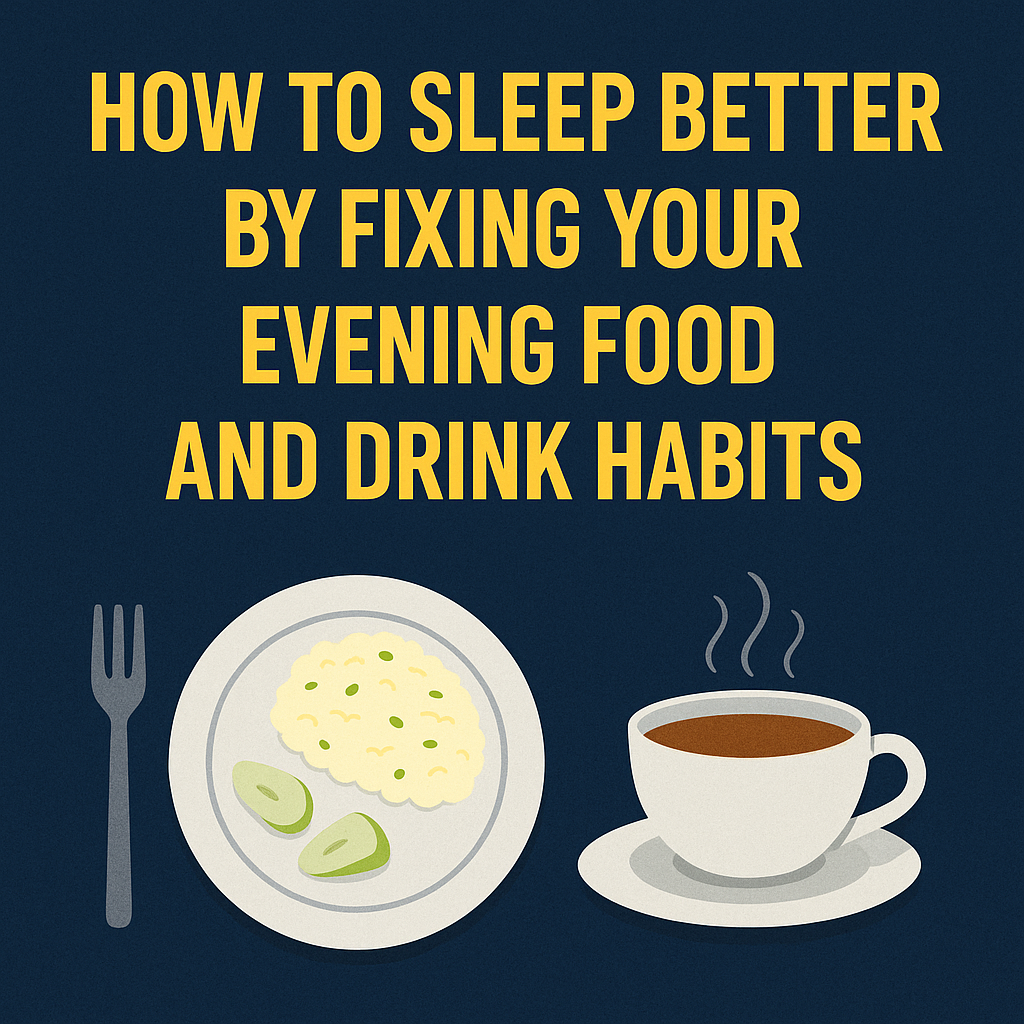
7. Limit Stimulants and Timing of Meals
What you consume throughout the day directly impacts your sleep quality.
Caffeine management: Stop consuming caffeine at least 6-8 hours before bedtime. Remember that caffeine hides in tea, chocolate, energy drinks, and some medications.
Alcohol consideration: While alcohol might help you fall asleep initially, it disrupts sleep cycles and reduces sleep quality. Avoid alcohol 3-4 hours before bed.
Dinner timing: Eat your last large meal 2-3 hours before sleep. If you’re hungry closer to bedtime, choose a light snack like a banana, handful of nuts, or small portion of complex carbohydrates.
Hydration balance: Stay hydrated during the day but reduce fluid intake 1-2 hours before bed to minimize nighttime bathroom trips.
8. Exercise Regularly (But Time It Right)
Physical activity is one of the most effective stress reducers and sleep promoters available.
Exercise benefits for sleep:
- Reduces stress hormones like cortisol
- Increases production of endorphins
- Physically tires your body
- Regulates your circadian rhythm
- Improves sleep quality and duration
Timing recommendations:
Morning or afternoon exercise is ideal for most people. Vigorous exercise within 3 hours of bedtime can be stimulating for some individuals. Gentle activities like stretching, yoga, or walking can be done closer to bedtime. Aim for at least 150 minutes of moderate exercise per week.
Even a 20-minute daily walk can significantly improve sleep quality for stressed individuals.
9. Try Natural Sleep-Supporting Supplements
Several natural supplements may help promote relaxation and sleep, though you should consult a healthcare provider before starting any new supplement.
Evidence-based options include:
Magnesium: Supports muscle relaxation and nervous system function. Many people are deficient in this essential mineral.
L-theanine: An amino acid found in tea that promotes relaxation without drowsiness.
Valerian root: An herbal remedy traditionally used for sleep support.
Melatonin: A hormone that regulates your sleep-wake cycle. Best used for jet lag or shift work rather than daily use.
Chamomile: A gentle herb that promotes calmness and may improve sleep quality.
Remember that supplements work best when combined with good sleep hygiene practices, not as replacements for them.
10. Use Cognitive Techniques to Manage Racing Thoughts
When stress keeps your mind spinning at night, cognitive strategies can help break the cycle.
The “Thought Parking” method: When a stressful thought appears, acknowledge it briefly. Imagine writing it on a piece of paper and placing it in a “parking lot” to address tomorrow. Tell yourself, “This is important, and I’ll think about it at 9 AM tomorrow.” Return your attention to your breath or body sensations.
Visualization technique: Picture a peaceful scene in vivid detail—a quiet beach, mountain meadow, or forest path. Engage all your senses: what do you see, hear, smell, and feel? This redirects your brain from stress to relaxation.
The “5-4-3-2-1” grounding exercise: Name 5 things you can see, 4 things you can touch, 3 things you can hear, 2 things you can smell, and 1 thing you can taste. This brings you into the present moment and away from anxious thoughts.
11. Leverage Technology Wisely
While screens before bed generally disrupt sleep, some technology can actually help.
Sleep-supporting apps and tools:
- White noise or nature sound apps
- Guided meditation and sleep story apps
- Sleep tracking devices (to identify patterns)
- Smart light bulbs that dim gradually
- Blue light filtering software for evening device use
Technology rules for better sleep:
Set a “digital sunset” 60 minutes before bed. Use night mode/blue light filters if you must use devices. Keep phones outside the bedroom or in airplane mode. Use a traditional alarm clock instead of your phone. Never browse social media or check work emails in bed.
12. Know When to Seek Professional Support
Sometimes stress-related sleep problems require professional guidance.
Consider consulting a healthcare provider if:
- Sleep problems persist for more than one month
- Daytime functioning is significantly impaired
- You suspect an underlying sleep disorder
- Stress feels overwhelming or unmanageable
- You’re experiencing symptoms of depression or anxiety
- Natural methods haven’t provided improvement
Professionals who can help include sleep specialists, therapists trained in cognitive behavioral therapy for insomnia (CBT-I), and primary care physicians who can rule out medical causes.
Some of Trending Sleep Gadgets
SleepFuel Sleep Spray Review
SnoreRx Mouthpiece Review
VelaSleep Pillow Review
Additional Tips for Deep Sleep During Stress
Morning Habits That Improve Night Sleep
Your morning routine influences how well you’ll sleep that night.
Start your day with natural light exposure within 30 minutes of waking. This reinforces your circadian rhythm. Eat a protein-rich breakfast to stabilize blood sugar throughout the day. Practice morning movement, even just 10 minutes of stretching. Set intentions for stress management before diving into tasks.
Managing Stress Throughout the Day
Preventing stress buildup makes nighttime sleep easier.
Effective daytime stress management includes:
- Taking regular breaks from work (every 60-90 minutes)
- Practicing deep breathing during stressful moments
- Limiting exposure to news and social media
- Connecting with supportive friends or family
- Spending time outdoors in nature
- Engaging in hobbies or creative activities
The better you manage stress during waking hours, the less it will interfere with your sleep.
Understanding Sleep Cycles
Deep sleep doesn’t mean sleeping more hours—it means achieving quality sleep cycles.
A complete sleep cycle lasts approximately 90 minutes and includes these stages: light sleep, deep sleep, REM (dream) sleep, and brief waking periods. You need 4-6 complete cycles per night for optimal rest. Deep sleep, which occurs primarily in the first half of the night, is when your body repairs and restores itself.
Stress most commonly disrupts the transition into deep sleep and causes more frequent night wakings, preventing complete sleep cycles.
Common Sleep Mistakes to Avoid When Stressed
Even well-intentioned sleep efforts can backfire if you make these common mistakes:
Trying too hard to sleep: Paradoxically, desperately trying to fall asleep increases anxiety and makes sleep more elusive. If you haven’t fallen asleep within 20 minutes, get up and do a quiet activity until you feel sleepy.
Checking the clock repeatedly: Clock-watching increases stress and makes time seem to pass more slowly. Turn clocks away from view.
Sleeping in to “catch up”: Drastically different weekend sleep schedules disrupt your circadian rhythm. Keep wake times consistent within 30 minutes daily.
Using your bed for activities other than sleep: Working, eating, or watching TV in bed weakens the mental association between your bed and sleep.
Catastrophizing poor sleep: One bad night won’t ruin your health. Accepting occasional poor sleep reduces the anxiety that perpetuates sleep problems.
Creating Your Personalized Sleep Action Plan
Not every strategy will work for everyone. Here’s how to create a customized approach:
Week 1: Choose 2-3 strategies that feel most achievable. Start with sleep schedule consistency and one relaxation technique. Track your sleep quality in a simple journal.
Week 2: Add 2-3 more strategies if the first ones are working well. Focus on optimizing your sleep environment. Continue tracking progress and noting what helps most.
Week 3-4: Fine-tune your routine based on what’s working. Add remaining strategies gradually. Establish your sustainable long-term sleep routine.
Remember that improving sleep during stress takes time and consistency. Most people notice significant improvements within 2-4 weeks of implementing these strategies.
Conclusion: Your Path to Peaceful Sleep Starts Tonight
Stress and sleep don’t have to be enemies. While you can’t always control external stressors, you absolutely can control how you prepare for and approach sleep each night.
The 12 strategies in this guide work by addressing both the physical symptoms of stress (elevated heart rate, muscle tension, stress hormones) and the mental aspects (racing thoughts, anxiety, worry). By combining environmental optimization, relaxation techniques, lifestyle adjustments, and cognitive strategies, you create a comprehensive approach that works with your body’s natural systems rather than against them.
Start small. Pick just two or three techniques from this guide that resonate with you and implement them consistently for the next week. As these become habits, gradually add more strategies until you’ve built a personalized sleep routine that works for your unique situation.
Remember that occasional poor sleep is normal, especially during particularly stressful periods. The goal isn’t perfection—it’s building resilience and having effective tools to help you sleep well most nights, even when life gets challenging.
Your journey to deeper, more restorative sleep starts with a single night and a single choice. Tonight, choose one strategy from this guide and commit to trying it. Your well-rested, less-stressed future self will thank you.
Ready to reclaim your sleep? Save this guide, choose your first strategy, and begin tonight. Your best sleep in months could be just hours away.
FAQs About How to Sleep Deeply
How long does it take to fix stress-related sleep problems?
Most people notice improvements within 1-2 weeks of consistently implementing good sleep hygiene and stress management techniques. However, completely resolving chronic stress-related sleep issues typically takes 4-6 weeks of dedicated practice. The timeline varies based on how long you’ve experienced sleep problems, the severity of your stress, and how consistently you apply the strategies. Remember that progress isn’t always linear—you might have good nights and challenging nights as your body adjusts to new sleep patterns.
Can I use sleeping pills to help with stress-related insomnia?
While sleep medications might provide temporary relief, they don’t address the underlying stress causing your sleep problems and can lead to dependency. Most sleep experts recommend trying non-medication approaches first, including the strategies outlined in this guide. If sleep problems persist after 4-6 weeks of consistent effort, consult a healthcare provider about short-term medication options or cognitive behavioral therapy for insomnia (CBT-I), which has been shown to be more effective than medication for long-term sleep improvement.
What should I do if I wake up at 3 AM and can’t fall back asleep?
First, don’t panic or check the clock repeatedly—this only increases anxiety. If you haven’t fallen back asleep within 15-20 minutes, get out of bed and do a quiet, non-stimulating activity in dim light, such as reading a book or doing gentle stretches. Practice the 4-7-8 breathing technique or progressive muscle relaxation. Avoid screens, bright lights, or anything mentally engaging. Return to bed only when you feel sleepy again. This prevents your brain from associating your bed with wakefulness and frustration.
Is it normal to dream more when stressed, and does it mean I’m not sleeping deeply?
Yes, increased dreaming and more vivid or disturbing dreams are common during stressful periods. This occurs because stress affects your REM sleep stage, where most dreaming happens. While intense dreams might make sleep feel less restful, they’re actually part of how your brain processes stress and emotions. If dreams are frequently waking you or causing distress, try the “brain dump” journaling technique before bed and consider speaking with a mental health professional about stress management strategies specific to your situation.
Can exercise right before bed help me sleep better when I’m stressed?
For most people, vigorous exercise within 2-3 hours of bedtime can actually make falling asleep harder because it increases body temperature, heart rate, and cortisol levels. However, gentle activities like restorative yoga, light stretching, or a calm evening walk can promote relaxation and prepare your body for sleep. If you only have time to exercise in the evening, try to finish at least 3 hours before bed, and follow your workout with a cool-down period and relaxing wind-down routine. Pay attention to how your body responds—some people tolerate evening exercise better than others.