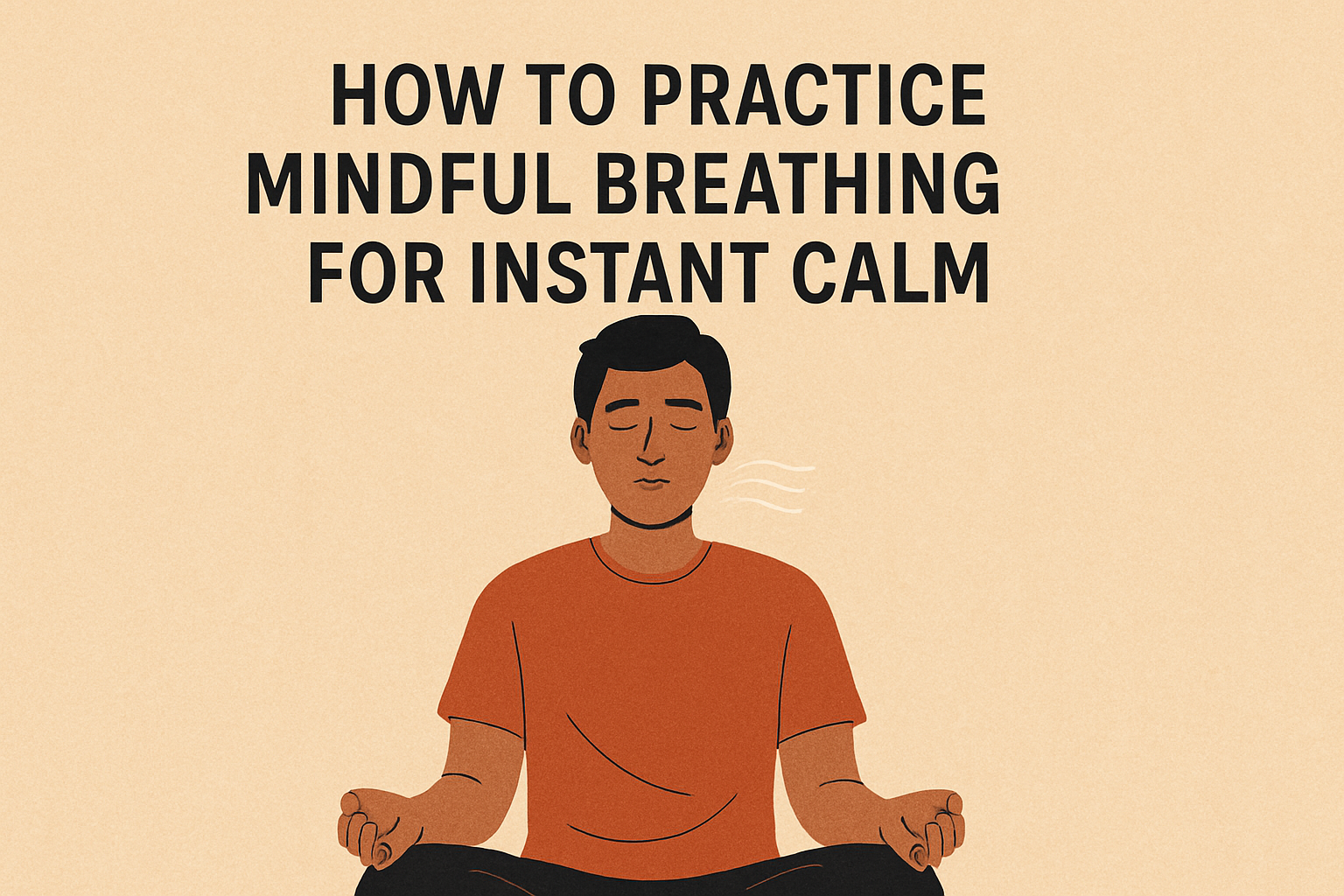

Do you wake up feeling overwhelmed before your day even begins? You’re not alone. Millions of people struggle with morning anxiety, mental fog, and stress that sets a negative tone for their entire day.
The truth is, the first hour of your morning has the power to shape your mental state for the next 16 hours. Research shows that people who follow intentional morning routines report lower stress levels, better emotional regulation, and improved overall mental wellness.
In this comprehensive guide, you’ll discover exactly how to build a morning routine that supports your mental health. Whether you have 10 minutes or an hour, these evidence-based strategies will help you start each day feeling calmer, more focused, and emotionally balanced.
Why Your Morning Routine Matters for Mental Health
Your morning routine isn’t just about productivity. It’s the foundation for your emotional well-being throughout the day.
When you wake up and immediately dive into emails, social media, or stressful tasks, your brain releases cortisol (the stress hormone) in high amounts. This triggers your fight-or-flight response, leaving you anxious and reactive.
On the other hand, a mindful morning routine helps you:
- Regulate your nervous system before facing daily challenges
- Build resilience against stress and anxiety
- Create a sense of control in an unpredictable world
- Establish positive momentum that carries through your day
- Improve sleep quality by setting consistent wake times
Studies in behavioral psychology demonstrate that morning habits significantly influence mood stability, cognitive function, and emotional regulation throughout the day.
Understanding the Connection Between Morning Habits and Mental Wellness
The Science Behind Morning Routines
Your brain operates on a circadian rhythm, an internal clock that regulates sleep-wake cycles, hormone release, and mental performance. When you align your morning routine with this natural rhythm, you optimize your mental health.
Key neurological benefits include:
- Cortisol Management: Morning routines help regulate cortisol release, preventing chronic stress
- Dopamine Production: Accomplishing morning tasks triggers reward pathways in your brain
- Serotonin Boost: Morning sunlight exposure increases serotonin, improving mood
- Prefrontal Cortex Activation: Structured mornings enhance decision-making and emotional control
Common Morning Habits That Harm Mental Health
Before building healthy habits, identify what’s sabotaging your mental wellness:
- Hitting the snooze button repeatedly (disrupts sleep cycles and increases grogginess)
- Checking phone notifications immediately upon waking
- Skipping breakfast or relying on excessive caffeine
- Starting work emails before self-care
- Rushing through mornings without intention
How to Create Your Mental Health Morning Routine: Step-by-Step Guide
Step 1: Set a Consistent Wake Time
Consistency is the cornerstone of effective morning routines. Your brain thrives on predictability.
Action Steps:
- Choose a wake time you can maintain 7 days a week (within 30 minutes)
- Set your alarm across the room to avoid snoozing
- Gradually adjust your bedtime to ensure 7-9 hours of sleep
- Use a sunrise alarm clock to wake naturally with light
Pro Tip: It takes 21-66 days to form a new habit. Be patient with yourself during the adjustment period.
Step 2: Avoid Digital Devices for the First 30-60 Minutes
This is perhaps the most transformative change you can make. Your morning mindset should be yours, not influenced by external demands or social media anxiety.
Why This Works:
When you check your phone immediately, you’re allowing external priorities to dictate your emotional state. Notifications trigger stress responses and fragment your attention before your mind is fully awake.
Alternative Activities:
- Journal your thoughts or gratitude
- Stretch or do gentle yoga
- Prepare a healthy breakfast
- Read physical books or magazines
- Practice meditation or breathing exercises
Step 3: Hydrate Your Body and Mind
After 6-8 hours without water, your body is dehydrated. This affects cognitive function, mood, and energy levels.
Morning Hydration Routine:
- Drink 16-20 ounces of water within 30 minutes of waking
- Add lemon for vitamin C and digestive support
- Wait 30-45 minutes before coffee to avoid cortisol interference
- Consider herbal tea for additional calming benefits
Step 4: Move Your Body Intentionally
Physical movement releases endorphins, reduces anxiety, and improves mental clarity. You don’t need an intense workout—gentle movement is incredibly effective.
Morning Movement Options:
| Activity | Time Required | Mental Health Benefits |
|---|---|---|
| Yoga Flow | 10-20 minutes | Reduces anxiety, improves body awareness |
| Morning Walk | 15-30 minutes | Boosts mood, provides vitamin D exposure |
| Stretching Routine | 5-10 minutes | Releases physical tension, grounds you in your body |
| Dancing | 5-15 minutes | Increases joy, releases stress |
| Tai Chi | 15-20 minutes | Enhances mindfulness, promotes calm |
Choose activities you genuinely enjoy, not what you think you “should” do.
Step 5: Practice Mindfulness or Meditation
Mindfulness practices train your brain to stay present rather than worrying about the future or ruminating on the past.
Simple Mindfulness Techniques for Beginners:
5-Minute Breathing Exercise:
- Find a comfortable seated position
- Close your eyes and take 5 deep breaths
- Inhale for 4 counts, hold for 4, exhale for 6
- Notice sensations in your body without judgment
- If your mind wanders, gently return focus to your breath
Body Scan Meditation:
- Lie down or sit comfortably
- Bring awareness to each part of your body, starting with your toes
- Notice any tension or sensations
- Breathe into areas of tightness
- Work your way up to the crown of your head (5-10 minutes)
Gratitude Practice:
- Write down 3 specific things you’re grateful for
- Include why you’re grateful for each item
- Feel the positive emotions as you write
Research shows that regular meditation practice actually changes brain structure, increasing gray matter in areas responsible for emotional regulation and self-awareness.
Step 6: Nourish Yourself with a Healthy Breakfast
What you eat in the morning directly impacts your brain chemistry and emotional stability throughout the day.
Mental Health-Supporting Breakfast Components:
- Complex Carbohydrates: Oatmeal, whole grain toast (stabilizes blood sugar and mood)
- Protein: Eggs, Greek yogurt, nuts (provides sustained energy and satiety)
- Omega-3 Fatty Acids: Chia seeds, walnuts, flaxseed (reduces inflammation and supports brain health)
- Antioxidants: Berries, dark leafy greens (protects brain cells from oxidative stress)
Quick Mental Health Breakfast Ideas:
- Overnight oats with berries, walnuts, and chia seeds
- Vegetable omelet with whole grain toast
- Greek yogurt parfait with granola and fruit
- Green smoothie with spinach, banana, and almond butter
- Avocado toast with eggs and cherry tomatoes
Avoid high-sugar cereals and pastries that cause blood sugar spikes and crashes, leading to mood swings and irritability.
Step 7: Set Daily Intentions
Instead of immediately diving into your to-do list, set intentions that guide how you want to feel and show up in the world.
Intention-Setting Exercise:
Ask yourself these questions while journaling:
- How do I want to feel today?
- What’s one thing I can do to support my mental health?
- What am I looking forward to today?
- If today were going to be successful, what would that look like?
Write 1-3 clear intentions. Examples:
- “Today, I choose to respond to challenges with patience.”
- “I will prioritize my well-being over others’ expectations.”
- “I’m open to moments of joy and connection.”
Customizing Your Morning Routine Based on Your Schedule
The 10-Minute Mental Health Morning
Short on time? This condensed routine still provides significant mental health benefits:
- Minutes 1-2: Drink water, avoid phone
- Minutes 3-5: 3-minute breathing exercise or gratitude journaling
- Minutes 6-8: Light stretching or movement
- Minutes 9-10: Set one intention for the day
The 30-Minute Balanced Morning
This routine offers a more comprehensive approach:
- Minutes 1-5: Wake up, hydrate, make bed
- Minutes 6-15: Gentle yoga or morning walk
- Minutes 16-20: Meditation or journaling
- Minutes 21-28: Healthy breakfast
- Minutes 29-30: Review intentions and priorities
The 60-Minute Comprehensive Routine
For those who can dedicate more time to morning wellness:
- Minutes 1-10: Wake naturally, hydrate, light stretching
- Minutes 11-25: 15-minute meditation or yoga practice
- Minutes 26-35: Journaling (gratitude, intentions, free writing)
- Minutes 36-50: Prepare and enjoy a nourishing breakfast
- Minutes 51-60: Creative activity, reading, or gentle planning
Overcoming Common Morning Routine Challenges
“I’m Not a Morning Person”
This belief often becomes self-fulfilling. The truth is, anyone can become a morning person with the right approach.
Solutions:
- Start by waking just 15 minutes earlier each week
- Create an evening routine that supports quality sleep
- Use blackout curtains and a sunrise alarm clock
- Identify your “why”—the meaningful reason for changing your mornings
- Celebrate small wins to build motivation
“I Don’t Have Time”
Time scarcity is often about priorities, not actual availability.
Reality Check:
If you’re scrolling social media for 20 minutes in the morning (or evening), you have time. The question is what you’re choosing to prioritize.
Solutions:
- Audit your actual morning activities for one week
- Identify time wasters (snoozing, aimless phone scrolling)
- Prepare items the night before (clothes, breakfast ingredients)
- Batch activities (meditate while your coffee brews)
- Start with just 5 minutes—consistency matters more than duration
“My Morning Routine Feels Like Another Obligation”
If your routine increases stress, it’s defeating the purpose.
Solutions:
- Release perfectionism—missing a day doesn’t erase progress
- Choose activities you genuinely enjoy
- Keep it simple—3 core practices are better than 10 you resent
- View it as self-care, not a checklist
- Adjust as your needs change
“My Schedule Is Unpredictable”
Flexibility doesn’t mean abandoning routine entirely.
Solutions:
- Create a “minimum viable routine” you can do anywhere (5 minutes of breathing + gratitude)
- Identify core non-negotiables (hydration, movement, no phone for first 10 minutes)
- Adapt practices to your environment (hotel room yoga, walking meditation)
- Focus on the spirit of the routine rather than rigid timing
Building Habits That Stick: The Psychology of Lasting Change
Habit Stacking for Morning Success
Habit stacking links new behaviors to existing automatic ones, making them easier to remember and maintain.
Formula: “After I [existing habit], I will [new habit].”
Examples:
- “After I turn off my alarm, I will drink a glass of water.”
- “After I drink my water, I will do 5 minutes of stretching.”
- “After I stretch, I will write three things I’m grateful for.”
- “After I journal, I will prepare my breakfast.”
The Two-Day Rule
Life happens. The key to maintaining habits isn’t perfection—it’s resilience.
The Rule: Never skip your morning routine two days in a row.
Missing one day is a slip. Missing two days starts a pattern. This rule builds flexibility while maintaining consistency.
Tracking Progress for Motivation
What gets measured gets improved. Tracking helps you see patterns and celebrate progress.
Simple Tracking Methods:
- Use a habit tracker app (Habitica, Streaks, Done)
- Mark an X on a physical calendar
- Keep a morning routine journal noting how you feel
- Take progress photos or record voice notes about your mental state
Review your tracking monthly to notice improvements in mood, energy, and emotional resilience.
Morning Routine Elements for Specific Mental Health Challenges
For Anxiety and Stress
Focus on grounding practices that calm your nervous system:
- Extended exhale breathing (inhale 4 counts, exhale 6-8 counts)
- Progressive muscle relaxation
- Aromatherapy with lavender or chamomile
- Grounding exercises (5-4-3-2-1 sensory technique)
- Limit caffeine and add adaptogenic herbs like ashwagandha
For Depression and Low Motivation
Prioritize activities that activate your brain’s reward system:
- Bright light exposure (sunlight or light therapy lamp for 20-30 minutes)
- Upbeat music or dancing
- Small achievable tasks (making your bed, organizing one drawer)
- Protein-rich breakfast to support neurotransmitter production
- Connection with others (text a friend, call a loved one)
For Focus and ADHD Challenges
Structure and stimulation can help with attention and executive function:
- Time-blocking your routine with clear start/end times
- Physical exercise to increase dopamine
- Brief meditation to improve attention span
- Protein and omega-3 rich breakfast
- Stimulating music or podcast during routine
- Visual timers to create urgency
For Sleep Issues and Fatigue
Morning routines actually begin the night before with sleep hygiene:
Evening Preparation:
- Set a consistent bedtime 7-9 hours before wake time
- Dim lights 2 hours before sleep
- Avoid screens 1 hour before bed
- Keep bedroom cool (65-68°F optimal)
- Practice relaxing activities (reading, gentle stretching)
Morning Support:
- Expose eyes to bright light within 30 minutes of waking
- Avoid snoozing (disrupts sleep architecture)
- Move your body to signal wakefulness
- Consider cold exposure (cold shower or face splash)
Creating Your Personalized Morning Routine: Action Plan
Week 1: Establish Foundations
Focus on sleep and wake consistency:
- Set consistent wake and sleep times
- Remove phone from bedroom
- Drink water upon waking
- Track your sleep quality and morning mood
Week 2: Add Movement
Introduce physical activity:
- Choose one type of morning movement you enjoy
- Start with just 5-10 minutes
- Notice how movement affects your mental state
- Experiment with different activities
Week 3: Incorporate Mindfulness
Add mental wellness practices:
- Try 5-minute meditation or breathing exercises
- Begin a gratitude journal
- Practice intention-setting
- Notice changes in your stress response
Week 4: Optimize Nutrition
Refine your morning fuel:
- Prepare breakfast components the night before
- Focus on balanced, brain-healthy meals
- Notice energy and mood connections to food
- Adjust portions and timing as needed
Beyond: Refine and Sustain
Continue evolving your practice:
- Review what’s working monthly
- Adjust elements that feel forced or ineffective
- Deepen practices that resonate with you
- Share your routine with accountability partners
Real-World Morning Routine Examples
Example 1: The Busy Professional (25 minutes)
6:00 AM: Wake, drink water, no phone
6:05 AM: 10-minute yoga flow
6:15 AM: 5-minute meditation app session
6:20 AM: Quick shower
6:25 AM: Healthy breakfast while setting daily intentions
Example 2: The Parent with Young Children (15 minutes)
5:45 AM: Wake before children, drink water
5:50 AM: 5 minutes of quiet breathing or journaling
5:55 AM: Quick stretching routine
6:00 AM: Prepare breakfast and lunch boxes mindfully
Example 3: The Student (30 minutes)
7:00 AM: Natural wake with sunrise alarm
7:05 AM: Gratitude journaling (3 items)
7:10 AM: 15-minute morning walk or jog
7:25 AM: Healthy breakfast with family or roommates
7:30 AM: Review daily schedule and set intentions
Example 4: The Night Shift Worker (adapted timing)
2:00 PM: Wake after night shift
2:05 PM: Hydrate and light stretching
2:15 PM: 10 minutes meditation with blackout curtains
2:25 PM: Nutrient-dense meal
2:40 PM: Gentle walk outdoors for light exposure
Measuring the Impact on Your Mental Health
Track these indicators to see how your morning routine improves mental wellness:
Weekly Self-Assessment Questions:
- On a scale of 1-10, how would I rate my overall mood this week?
- How many days did I feel anxious or overwhelmed?
- How would I describe my energy levels?
- Did I feel more in control of my emotions?
- How well did I handle stressful situations?
Physical Indicators:
- Sleep quality and duration
- Energy levels throughout the day
- Physical tension or relaxation
- Digestive health
- Overall sense of well-being
Behavioral Changes:
- Frequency of emotional outbursts or reactivity
- Ability to focus and complete tasks
- Quality of relationships and interactions
- Engagement in activities you enjoy
- Resilience when facing challenges
Document these observations monthly to see long-term patterns and improvements.
Advanced Tips for Morning Routine Mastery
Seasonal Adjustments
Your mental health needs change with seasons. Adapt your routine accordingly:
Winter: Prioritize light therapy, vitamin D, longer meditation, warming foods
Spring: Emphasize outdoor activities, fresh produce, renewal intentions
Summer: Earlier wake times, outdoor exercise, hydration focus, energizing practices
Fall: Grounding practices, routine consistency, immune support, reflection
Social and Community Elements
Morning routines don’t have to be solitary:
- Join a morning yoga or meditation class
- Start a morning walking group with friends
- Share your routine journey on social media for accountability
- Practice gratitude by texting appreciation to loved ones
- Have breakfast with family members mindfully
Using Technology Wisely
While avoiding screens early is ideal, some technology can support your routine:
Helpful Apps:
- Headspace or Calm for meditation
- Insight Timer for free mindfulness practices
- Streaks or Habitica for habit tracking
- Sleep Cycle for wake-up optimization
- Forest for focused phone-free time
Smart Home Integration:
- Program lights to gradually brighten before your alarm
- Set coffee maker on timer
- Use smart thermostats for optimal morning temperature
- Play calming music on smart speakers
Conclusion: Your Morning, Your Mental Health, Your Choice
Building a morning routine that supports your mental health isn’t about perfection or following someone else’s formula. It’s about creating space for yourself before the demands of the day take over.
The most powerful aspect of a morning routine is the message it sends to your brain: “I am worth taking care of. My mental health matters. I deserve to start my day with intention and peace.”
Start small. Choose just one element from this guide and practice it for one week. Notice the changes, however subtle. Build from there. Your morning routine will evolve as you do, and that’s exactly how it should be.
Remember, every morning is a fresh start—an opportunity to choose differently, to prioritize your well-being, and to build the mental resilience you need to thrive.
Take Action Today: Set your alarm 15 minutes earlier tomorrow. Drink a glass of water. Take five deep breaths. That’s your starting point. You’ve got this.
FAQs About Morning Routine That Improves Your Mental Health
What if I mess up my morning routine or skip a day?
Missing your morning routine doesn’t erase your progress. Life happens, and flexibility is part of sustainable habit building. Simply return to your routine the next morning without guilt or self-criticism. Remember the two-day rule: never skip more than one day in a row. Consistency over time matters far more than perfection. If you notice you’re frequently skipping your routine, reassess whether it’s too complex or not aligned with your current lifestyle, and adjust accordingly.
How long does it take to see mental health improvements from a morning routine?
Most people notice subtle improvements in mood and stress levels within the first week of consistent practice. These might include feeling calmer during stressful moments or having more energy throughout the day. More significant changes in anxiety levels, emotional regulation, and overall mental wellness typically emerge after 3-4 weeks as neural pathways strengthen. However, everyone’s timeline is different based on their starting point, consistency, and the specific practices they’re implementing. Keep tracking your progress to notice incremental changes you might otherwise miss.
Can I drink coffee as part of my mental health morning routine?
Yes, coffee can be part of a healthy morning routine when consumed mindfully. However, timing matters for mental health benefits. Wait 60-90 minutes after waking before your first cup, allowing your natural cortisol levels to peak without interference. This prevents the afternoon energy crash and reduces anxiety that can come from early caffeine consumption. Also consider limiting intake to 1-2 cups before noon, and always pair coffee with food and water to prevent blood sugar spikes that affect mood stability. If you struggle with anxiety, you might explore lower-caffeine alternatives like green tea or herbal options.
What’s the ideal wake-up time for better mental health?
There’s no universal perfect wake time, as chronotypes (natural sleep-wake preferences) vary between individuals. The ideal wake time for your mental health is one that allows you to get 7-9 hours of quality sleep and maintain consistency. Research suggests that consistency matters more than the specific hour—your body thrives on predictable patterns. That said, waking with natural light cycles (generally between 5:30-7:30 AM depending on season and location) helps regulate circadian rhythms and mood. Focus on choosing a wake time you can maintain within 30 minutes every day, including weekends, rather than forcing yourself into someone else’s schedule.
Should I exercise intensely in the morning for mental health benefits?
Intense morning exercise isn’t necessary for mental health benefits, and for some people, it can actually increase stress hormones too early in the day. Gentle to moderate movement—like walking, yoga, stretching, or light cardio—is often more beneficial for mental wellness because it activates your body without triggering excessive cortisol release. The goal is to move in ways that feel energizing and calming rather than exhausting. Listen to your body and choose movement that leaves you feeling refreshed, not depleted. Save high-intensity workouts for later in the day if that feels better for your energy and emotional state. The best morning exercise is the one you’ll actually do consistently.