
Have you ever noticed how your skin feels tight, flaky, and uncomfortable the moment winter arrives? You’re not alone. Cold weather, harsh winds, and indoor heating create the perfect storm for skin problems that affect millions of people every year.
Winter skin care isn’t just about slathering on more moisturizer. It’s about understanding how seasonal changes affect your skin barrier and adapting your routine to protect, nourish, and maintain healthy skin throughout the coldest months.
In this comprehensive guide, you’ll discover science-backed strategies to keep your skin hydrated, comfortable, and radiant all winter long. Whether you’re dealing with mild dryness or severe winter skin issues, these practical tips will transform your cold-weather skincare routine.
Why Does Winter Affect Your Skin?
Understanding Winter Skin Challenges
Cold weather impacts your skin in multiple ways that many people don’t fully understand. When temperatures drop, the air holds less moisture, creating low humidity conditions both outdoors and indoors.
This environmental shift causes your skin to lose water more quickly than it can be replaced naturally. The result is transepidermal water loss, which leaves your skin barrier compromised and vulnerable.
Common Winter Skin Problems
Winter brings specific skin challenges that differ from other seasons:
- Dryness and Flakiness: Loss of natural moisture leads to rough, scaly patches
- Itching and Irritation: Compromised skin barrier triggers sensitivity
- Cracked Skin: Severe dryness can cause painful fissures, especially on hands and lips
- Dullness: Reduced cell turnover makes skin appear lifeless
- Redness: Cold wind exposure causes inflammation and broken capillaries
- Eczema Flare-ups: Pre-existing conditions often worsen in winter
The Science Behind Winter Skin Damage
Your skin’s outermost layer, the stratum corneum, acts as a protective barrier. This barrier contains natural moisturizing factors and lipids that keep water locked in.
Cold air, wind, and low humidity strip away these protective elements. Indoor heating further dehydrates the air, creating a double assault on your skin’s moisture levels.
When your skin barrier weakens, it becomes more susceptible to irritants, allergens, and inflammation. This explains why many people experience increased sensitivity during winter months.
Essential Winter Skin Care Routine
Morning Winter Skincare Steps
Creating a consistent morning routine protects your skin throughout the day. Here’s a step-by-step approach that dermatologists recommend:
Step 1: Gentle Cleansing
Start with a mild, hydrating cleanser that doesn’t strip natural oils. Avoid hot water, which further dries skin. Use lukewarm water instead.
Look for cream-based or oil-based cleansers that clean without leaving your skin feeling tight or squeaky.
Step 2: Hydrating Toner
Apply an alcohol-free toner to balance your skin’s pH and add a layer of hydration. Choose toners with ingredients like hyaluronic acid, glycerin, or rose water.
Pat gently into skin rather than rubbing, which can cause irritation.
Step 3: Serum Application
Winter is perfect for incorporating hydrating serums. Apply products with hyaluronic acid, which can hold up to 1,000 times its weight in water.
Other beneficial ingredients include niacinamide for barrier repair and vitamin E for antioxidant protection.
Step 4: Moisturizer
This is your most important winter step. Choose a richer, more emollient moisturizer than you’d use in summer.
Look for ingredients like ceramides, shea butter, petrolatum, or dimethicone that create a protective seal on your skin.
Step 5: Sunscreen
UV rays remain strong in winter, especially reflected off snow. Apply broad-spectrum SPF 30 or higher every morning.
Choose a moisturizing sunscreen formula to add extra hydration while protecting against premature aging.
Evening Winter Skincare Steps
Your nighttime routine focuses on repair and deep nourishment:
Double Cleansing
Remove makeup, sunscreen, and daily buildup with an oil-based cleanser first, followed by your regular gentle cleanser.
This ensures your skin is truly clean without harsh scrubbing.
Treatment Products
If you use active ingredients like retinoids or exfoliating acids, winter requires extra caution. These can increase sensitivity in already compromised skin.
Consider reducing frequency or using gentler alternatives during peak winter months.
Intensive Moisturization
Apply a heavier night cream or sleeping mask. Your skin repairs itself overnight, so this is when rich, nourishing products work best.
For extremely dry skin, consider adding a few drops of facial oil before your moisturizer.
Targeted Treatments
Address specific concerns like dry patches around the nose, cracked lips, or rough hands with targeted balms or ointments.
Best Ingredients for Winter Skin Care
Humectants: Moisture Magnets
Humectants draw water from the environment and deeper skin layers to the surface. They’re essential for winter hydration.
Top Humectant Ingredients:
- Hyaluronic Acid: Holds massive amounts of water, plumping skin instantly
- Glycerin: Inexpensive yet highly effective moisture binder
- Aloe Vera: Natural humectant with soothing properties
- Honey: Antimicrobial and deeply moisturizing
- Urea: Helps exfoliate while attracting moisture
Emollients: Skin Smoothers
Emollients fill in gaps between skin cells, creating a smooth surface and improving texture.
Effective Emollient Ingredients:
- Squalane: Lightweight yet nourishing, mimics skin’s natural oils
- Jojoba Oil: Similar to sebum, absorbs easily
- Shea Butter: Rich in fatty acids, provides deep nourishment
- Ceramides: Restore skin barrier lipids
- Plant Oils: Argan, rosehip, and marula oils offer various benefits
Occlusives: Moisture Sealers
Occlusives create a physical barrier that prevents water loss. They’re especially important in winter.
Powerful Occlusive Ingredients:
- Petrolatum: The gold standard for preventing moisture loss
- Dimethicone: Silicone-based, provides smooth protective layer
- Beeswax: Natural alternative with additional nourishing properties
- Lanolin: Highly moisturizing, though some may be sensitive
Barrier-Repair Ingredients
Supporting your skin’s natural barrier is crucial during winter stress.
Key Barrier Supporters:
- Niacinamide: Strengthens barrier, reduces inflammation
- Fatty Acids: Omega-3 and omega-6 repair lipid layers
- Cholesterol: Works with ceramides and fatty acids
- Panthenol: Vitamin B5 derivative, deeply hydrating
Winter Skin Care Tips by Skin Type
Dry Skin in Winter
Dry skin faces the biggest challenges during cold months. Your already-compromised barrier needs intensive support.
Key Strategies:
Use rich, cream-based cleansers that don’t foam. Foaming cleansers often contain harsh surfactants that strip natural oils.
Layer products from thinnest to thickest consistency. Start with hydrating essences, add serums, then seal with thick creams.
Apply moisturizer to damp skin immediately after cleansing. This traps water in your skin for better hydration.
Consider adding a facial oil as the last step in your evening routine to maximize moisture retention overnight.
Oily Skin in Winter
Even oily skin can become dehydrated in winter. Dehydration differs from dryness—you lack water, not oil.
Balancing Approach:
Switch from gel cleansers to gentle, pH-balanced foaming cleansers. Overly harsh products trigger more oil production.
Use lightweight, water-based moisturizers with hyaluronic acid. You still need hydration without heavy oils.
Don’t skip moisturizer thinking it will reduce oiliness. Dehydrated skin overcompensates by producing more sebum.
Incorporate hydrating toners and essences to boost water content without adding weight.
Combination Skin in Winter
Combination skin requires a customized approach since different areas have different needs.
Targeted Care:
Consider multi-masking—using different masks on different zones. Clay masks on the T-zone, hydrating masks on cheeks.
Use lighter moisturizers on oily areas and richer formulas on dry patches. This prevents both congestion and flaking.
Focus on barrier-supporting ingredients that balance rather than extremes of mattifying or heavy moisturizing.
Sensitive Skin in Winter
Sensitive skin becomes more reactive in winter as the compromised barrier allows irritants to penetrate easily.
Gentle Protection:
Minimize product ingredients. Choose simple, fragrance-free formulations with short ingredient lists.
Avoid common irritants: alcohol, fragrance, essential oils, harsh exfoliants, and extreme pH levels.
Test new products carefully. Winter isn’t ideal for introducing multiple new items that might trigger reactions.
Use mineral-based sunscreens rather than chemical filters, which can be irritating for sensitive skin types.
Common Winter Skin Care Mistakes to Avoid
Taking Hot Showers and Baths
Hot water feels wonderful on cold days, but it’s one of the worst things for winter skin. High temperatures strip your skin’s natural protective oils.
The damage happens quickly—just five to ten minutes of hot water can significantly dry your skin. This leads to that tight, uncomfortable feeling after showering.
Better Alternative: Keep water lukewarm, limit shower time to 5-10 minutes, and apply moisturizer immediately after patting skin dry.
Over-Exfoliating
Exfoliation helps remove dead skin cells, but winter skin is more fragile. Aggressive scrubbing or frequent chemical exfoliation damages the already-stressed barrier.
Many people make this mistake thinking flaky skin needs more exfoliation. In reality, the flaking indicates severe dehydration requiring moisture, not more scrubbing.
Better Approach: Reduce exfoliation frequency to once weekly. Choose gentle chemical exfoliants like lactic acid or mild enzyme treatments over harsh physical scrubs.
Using Summer Products
The lightweight lotions perfect for summer often aren’t enough for winter’s harsh conditions. Your skin needs heavier, more occlusive formulations.
Continuing your summer routine into winter leaves skin under-protected and struggling to maintain adequate moisture levels.
Seasonal Switch: Transition to richer cleansers, heavier moisturizers, and add facial oils or sleeping masks for intensive overnight repair.
Skipping Sunscreen
UV radiation remains strong in winter, especially reflected off snow, which bounces back up to 80% of UV rays.
Many people skip sunscreen because they’re not getting sunburned, but UVA rays that cause aging and skin damage penetrate year-round.
Year-Round Protection: Apply broad-spectrum SPF 30+ daily. Choose moisturizing formulations that double as your daytime moisturizer.
Neglecting Lips and Hands
These areas have thinner skin with fewer oil glands, making them especially vulnerable to winter damage. Yet people often forget dedicated care.
Licking dry lips makes them worse by removing natural oils and exposing them to digestive enzymes in saliva.
Proper Care: Apply lip balm with SPF throughout the day. Wear gloves outdoors. Use hand cream after every wash and keep tubes everywhere.
Natural Home Remedies for Winter Skin
DIY Hydrating Face Masks
Natural masks provide intensive hydration using ingredients from your kitchen. These work best when used weekly alongside your regular routine.
Honey and Yogurt Mask
Mix equal parts raw honey and plain yogurt. Honey provides antibacterial properties and deep moisture, while yogurt contains lactic acid for gentle exfoliation.
Apply to clean skin, leave for 15-20 minutes, then rinse with lukewarm water. Your skin will feel incredibly soft and hydrated.
Avocado and Oatmeal Mask
Mash half a ripe avocado with two tablespoons of ground oatmeal. Avocado’s healthy fats nourish deeply, while oatmeal soothes irritation.
This mask is perfect for very dry, sensitive winter skin that needs calming and intensive moisture.
Banana and Honey Mask
Blend one ripe banana with one tablespoon of honey. Bananas contain vitamins and moisture, creating a creamy, nourishing treatment.
Ideal for all skin types, this gentle mask provides instant softness without any potential irritants.
Kitchen Ingredients That Help
Your pantry contains numerous skin-saving ingredients that have been used for generations:
Coconut Oil: Natural emollient that penetrates quickly. Use as a makeup remover or overnight treatment for extremely dry areas.
Olive Oil: Rich in antioxidants and healthy fats. Mix with sugar for a gentle body scrub or use pure as an intensive overnight hand treatment.
Aloe Vera Gel: Soothing and hydrating. Keep in the refrigerator for a cooling treatment on irritated, windburned skin.
Green Tea: Anti-inflammatory and antioxidant-rich. Use cooled tea as a gentle toner or soak cotton pads for soothing eye compresses.
Steam Treatments
Facial steaming opens pores and increases circulation, helping products penetrate better. It’s particularly beneficial in winter when indoor air is so dry.
How to Steam Safely:
Boil water and pour into a large bowl. Let it cool slightly so it’s warm, not scalding.
Drape a towel over your head, creating a tent over the bowl. Keep your face 10-12 inches from the water.
Steam for 5-10 minutes, taking breaks if it feels too intense. Follow immediately with your serum and moisturizer while skin is still damp.
Add herbs like chamomile or lavender for extra soothing benefits.
Lifestyle Changes for Better Winter Skin
Hydration from Within
Your skin’s moisture starts internally. Drinking adequate water supports overall skin health and helps maintain hydration levels.
In winter, people often drink less water because they’re not feeling hot or thirsty. However, your body still needs consistent hydration.
Daily Hydration Tips:
Aim for at least eight glasses of water daily, more if you’re active or in heated environments.
Drink herbal teas, which count toward your fluid intake while providing warmth and comfort.
Eat water-rich foods like cucumbers, watermelon, oranges, and soups that contribute to overall hydration.
Monitor your urine color—pale yellow indicates good hydration, while dark yellow suggests you need more fluids.
Humidifier Use
Indoor heating dramatically reduces humidity levels, sometimes dropping below 10%. This extremely dry air constantly pulls moisture from your skin.
A humidifier adds moisture back into the air, creating a more skin-friendly environment that reduces transepidermal water loss.
Optimal Humidifier Practices:
Maintain indoor humidity between 30-50% for comfort and skin health. Too high encourages mold growth.
Place humidifiers in rooms where you spend the most time, especially your bedroom for overnight benefit.
Clean humidifiers regularly according to manufacturer instructions to prevent bacteria buildup.
Use distilled water to prevent mineral deposits and ensure cleaner mist output.
Diet for Healthy Skin
What you eat directly impacts your skin’s appearance and resilience. Winter is an excellent time to focus on skin-supporting nutrition.
Skin-Loving Foods:
Fatty Fish: Salmon, mackerel, and sardines provide omega-3 fatty acids that support skin barrier function and reduce inflammation.
Nuts and Seeds: Almonds, walnuts, and flaxseeds offer vitamin E, zinc, and healthy fats that nourish from within.
Colorful Vegetables: Carrots, sweet potatoes, and bell peppers contain beta-carotene and antioxidants that protect against environmental damage.
Citrus Fruits: Oranges, lemons, and grapefruits provide vitamin C, essential for collagen production and skin repair.
Avocados: Rich in healthy monounsaturated fats and vitamin E, supporting skin suppleness and hydration.
Sleep Quality
Your skin repairs itself during sleep, making quality rest essential for healthy winter skin. Poor sleep disrupts this repair process.
During deep sleep, blood flow to the skin increases, and the body rebuilds collagen and repairs UV damage.
Better Sleep for Better Skin:
Aim for seven to nine hours of quality sleep nightly. Consistency matters more than occasionally sleeping in.
Use a silk or satin pillowcase, which creates less friction and prevents moisture loss compared to cotton.
Apply overnight masks or heavier creams before bed to maximize the repair window.
Keep your bedroom cool but not cold—around 60-67°F is ideal for quality sleep.
Winter Skin Care Product Recommendations
What to Look for in Winter Products
Choosing the right products makes all the difference in managing winter skin. Understanding labels and ingredients helps you select effectively.
Essential Product Characteristics:
Fragrance-Free: Fragrances can irritate compromised winter skin. Choose unscented or fragrance-free options.
Rich Texture: Look for creams over lotions. Lotions contain more water and less occlusive ingredients, offering insufficient protection in winter.
Barrier-Supporting Formula: Products containing ceramides, cholesterol, and fatty acids help repair and maintain your skin’s protective barrier.
Multi-Functional: Products that combine hydration with sun protection or antioxidants provide better value and simplify routines.
Product Layering Strategy
The order you apply products matters. Proper layering ensures maximum absorption and effectiveness.
Optimal Application Order:
| Step | Product Type | Purpose | Example Ingredients |
|---|---|---|---|
| 1 | Cleanser | Remove impurities | Glycerin, ceramides |
| 2 | Toner | Balance pH, hydrate | Hyaluronic acid, rose water |
| 3 | Serum | Target specific concerns | Niacinamide, vitamin C |
| 4 | Eye Cream | Delicate area care | Peptides, caffeine |
| 5 | Moisturizer | Lock in hydration | Shea butter, ceramides |
| 6 | Face Oil | Seal moisture | Squalane, marula oil |
| 7 | Sunscreen (AM) | UV protection | Zinc oxide, titanium dioxide |
Apply products from thinnest to thickest consistency, allowing 30-60 seconds between layers for proper absorption.
Body Skin Care in Winter
Winter Body Care Routine
Your body’s skin needs just as much attention as your face during cold months. Large surface areas lose moisture rapidly.
Essential Body Care Steps:
Gentle Body Wash: Switch from foaming gels to cream cleansers or oil-based body washes. These clean without stripping natural oils.
Immediate Moisturizing: Apply body lotion or cream within three minutes of showering while skin is still slightly damp. This traps water in your skin.
Extra Dry Areas: Pay special attention to elbows, knees, and feet—these areas have fewer oil glands and dry out fastest.
Overnight Treatments: Use thicker body butters or petroleum jelly on extremely dry areas before bed, covering with cotton socks or gloves if needed.
Hand and Foot Care
Hands and feet suffer intensely in winter due to frequent washing and exposure to elements.
Hand Care Protocol:
Keep hand cream everywhere—by every sink, in your car, purse, and desk. Apply after every hand washing.
Wear gloves outdoors and while doing dishes or cleaning to protect from cold and harsh chemicals.
Use overnight hand masks weekly: apply thick cream, cover with cotton gloves, and sleep with them on for intensive repair.
Foot Care Essentials:
Exfoliate feet weekly with a pumice stone or foot file to remove dead skin buildup.
Apply thick foot cream with urea or salicylic acid to soften and smooth rough skin.
Wear moisture-wicking socks rather than cotton, which can trap moisture and irritate skin.
Consider using foot balms with petroleum jelly or shea butter before bed, covered with socks for overnight treatment.
Some Suggested Beauty Product Reviews:
Glamory Review
Douxds FLEX Review
Cupids Hypnosis 2.0 Cologne Review
EraSilk Hair Remover Review
Voss+Agin Lab-Grown Diamond Stud Earrings Review
PMD Microderm Review
Winter Body Brushing
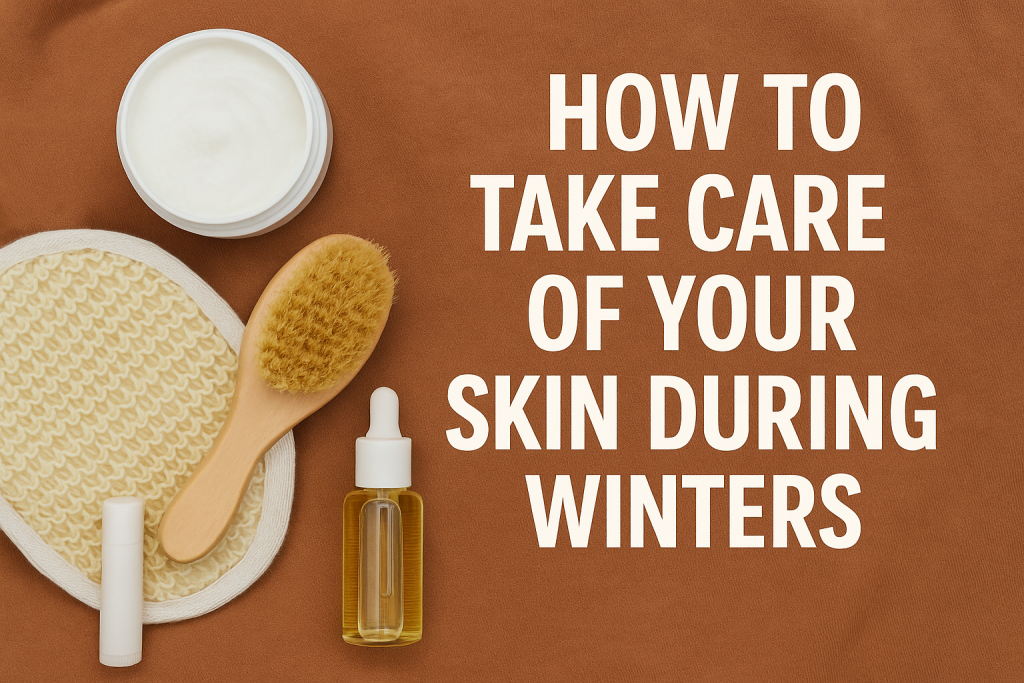
Dry brushing improves circulation and removes dead skin cells, but requires adjustment in winter.
Safe Winter Brushing:
Use a softer brush than you might in summer. Winter skin is more sensitive and prone to irritation.
Brush gently before showering, always moving toward your heart. Don’t brush over irritated or broken skin.
Reduce frequency to 2-3 times weekly instead of daily if skin shows any signs of irritation.
Always moisturize thoroughly after brushing to replace protective oils.
Special Concerns and Solutions
Dealing with Windburn
Windburn occurs when cold winds strip away your skin’s protective oil layer, causing redness, pain, and inflammation similar to sunburn.
Prevention Strategies:
Apply a thick, occlusive moisturizer or barrier cream before going outside in windy conditions.
Cover exposed skin with scarves or face masks when possible. Choose soft, natural fabrics that won’t irritate.
Layer products—use a hydrating serum under your moisturizer and sunscreen for maximum protection.
Treatment Approach:
If windburn occurs, treat it like a mild burn. Use cool compresses to reduce inflammation.
Apply aloe vera gel or gentle, fragrance-free moisturizers. Avoid any active ingredients until skin heals.
Stay hydrated and take anti-inflammatory supplements like omega-3s to support healing from within.
Managing Eczema Flares
Eczema often worsens dramatically in winter due to low humidity and skin barrier disruption.
Eczema Winter Management:
Identify and avoid triggers—common ones include wool clothing, fragranced products, and harsh soaps.
Use prescription treatments as directed by your healthcare provider. Many people need stronger medications in winter.
Keep fingernails short to prevent damage from scratching. Use cold compresses when itching intensifies.
Apply moisturizer multiple times daily, not just after bathing. Keep it with you at all times.
Consider wet wrap therapy for severe cases: apply moisturizer, cover with damp cloth, then dry layer overnight.
Preventing Chapped Lips
Lips have no oil glands, making them especially vulnerable to winter dryness and cracking.
Comprehensive Lip Care:
Apply lip balm throughout the day, especially before going outdoors. Choose products with beeswax, shea butter, or petroleum jelly.
Use a lip balm with SPF during the day—UV exposure damages lips even in winter.
Never lick your lips. Saliva evaporates quickly, leaving lips drier than before, and contains enzymes that break down the delicate lip skin.
Gently exfoliate lips weekly with a soft toothbrush or sugar scrub to remove dead skin, then moisturize immediately.
Stay hydrated—dehydration shows first in your lips.
Addressing Dry, Itchy Scalp
Your scalp is skin too and suffers from winter dryness, leading to itching, flaking, and irritation.
Scalp Care Solutions:
Reduce hair washing frequency. Every-other-day or every-third-day washing prevents excessive drying.
Use lukewarm water for shampooing. Hot water strips natural oils from your scalp just as it does from your face.
Choose gentle, sulfate-free shampoos that won’t irritate. Look for moisturizing ingredients like coconut oil or glycerin.
Apply scalp treatments with tea tree oil or aloe vera weekly to soothe irritation and provide extra moisture.
Massage your scalp regularly to increase circulation and distribute natural oils.
When to See a Professional
Signs You Need Expert Help
While most winter skin issues resolve with proper care, some situations require professional evaluation.
Concerning Symptoms:
Persistent Severe Dryness: If intensive moisturizing doesn’t improve extremely dry, cracked skin after two weeks, underlying conditions may exist.
Bleeding or Oozing: Cracks that bleed or produce fluid indicate severe barrier damage requiring medical attention.
Widespread Rash: Sudden rashes covering large areas might indicate allergic reactions or dermatological conditions beyond typical dryness.
Intense Itching: Unbearable itching that disrupts sleep or daily activities needs professional assessment.
Color Changes: Dark patches, unusual whiteness, or significant redness that doesn’t fade may indicate circulation issues or skin conditions.
Painful Lesions: Any painful, growing, or suspicious spots should be evaluated promptly.
Professional Treatment Options
Dermatologists offer various treatments for severe winter skin problems that don’t respond to over-the-counter approaches.
Medical Interventions:
Prescription Moisturizers: Medical-grade formulations with higher concentrations of active ingredients.
Topical Steroids: For inflammatory conditions like eczema or severe irritation, used under medical supervision.
Prescription Barrier Repair Creams: Formulations specifically designed to restore compromised skin barriers.
Phototherapy: Light therapy treatments can help certain skin conditions that worsen in winter.
Allergy Testing: Identifies specific triggers causing reactions or excessive sensitivity.
Quick Winter Skin Care Tips
Emergency Fixes
Sometimes you need quick solutions for sudden skin emergencies. These rapid interventions provide immediate relief.
Instant Hydration Boost:
Keep sheet masks in your skincare arsenal for emergency hydration. Use before important events for instant plumping and glow.
Petroleum Jelly Multi-Use:
Apply to dry patches, chapped lips, and cracked cuticles for immediate relief. It creates an impenetrable moisture barrier.
Cool Compress Relief:
For irritated, inflamed skin, use a cool, damp cloth for five minutes to reduce redness and calm sensitivity.
Overnight Transformation:
Apply a thick layer of your richest moisturizer or a dedicated sleeping mask before bed when skin needs intensive rescue.
Travel Skin Care
Traveling during winter exposes your skin to multiple stress factors: airplane cabin air, different climates, and routine disruptions.
Travel Essentials:
Pack travel-size versions of your core products: gentle cleanser, rich moisturizer, hydrating serum, and SPF.
Bring sheet masks for the flight—airplane cabins have extremely low humidity that severely dehydrates skin.
Carry a facial mist to refresh skin throughout travel days without disturbing makeup.
Use hand cream after every hand washing in public restrooms, which use extra-drying harsh soaps.
Winter Skin Care Myths Debunked
Common Misconceptions
Many widely believed skincare “facts” actually harm winter skin health. Understanding truth from fiction improves your results.
Myth: Oily Skin Doesn’t Need Moisturizer in Winter
Truth: All skin types need moisturization. Oily skin can be dehydrated (lacking water) even while producing excess sebum (oil). Use lightweight, water-based moisturizers.
Myth: Hot Water Opens Pores
Truth: Pores don’t have muscles to open and close. Hot water strips protective oils, severely drying your skin. Always use lukewarm water.
Myth: You Don’t Need Sunscreen on Cloudy Days
Truth: Up to 80% of UV rays penetrate clouds. Snow reflects additional UV rays upward. Daily sunscreen is essential year-round.
Myth: Drinking Water Alone Fixes Dry Skin
Truth: While hydration helps, topical moisturizers are necessary to prevent water loss and protect the skin barrier. You need both internal and external hydration.
Myth: Natural Products Are Always Better
Truth: Natural doesn’t equal safe or effective. Many natural ingredients can irritate sensitive winter skin. Focus on proven ingredients, whether natural or synthetic.
Myth: More Product Means Better Results
Truth: Applying excessive amounts doesn’t improve effectiveness and may cause congestion or irritation. Follow recommended amounts for optimal results.
Conclusion
Winter skin care requires more than simply switching products—it demands a comprehensive understanding of how cold weather affects your skin and adapting your entire routine accordingly.
The key principles remain consistent: gentle cleansing, intensive hydration, protective layering, and lifestyle modifications that support skin health from within. By implementing the strategies outlined in this guide, you can maintain comfortable, healthy, glowing skin throughout even the harshest winter months.
Remember that consistency matters more than perfection. Small daily actions compound over time to create significant improvements in your skin’s health and appearance.
Start with the basics—upgrade your moisturizer, use lukewarm water, apply products to damp skin, and protect yourself from harsh elements. As you build these habits, gradually incorporate additional strategies that address your specific concerns.
Your skin is your body’s largest organ and deserves thoughtful care. Invest in quality products, listen to what your skin tells you, and don’t hesitate to seek professional help when needed.
Ready to transform your winter skin? Start today with one change, and build from there. Your healthiest, most comfortable winter skin awaits.
FAQs on Winter Skin Care
How long does it take to see improvement in winter dry skin?
With consistent proper care, you should notice improvement within three to seven days. Minor dryness responds quickly to enhanced moisturization, while severely compromised skin may take two to three weeks to fully recover. The key is maintaining your routine consistently rather than sporadic intensive treatments. If you don’t see any improvement after two weeks of dedicated care, consider consulting a dermatologist as you may have an underlying condition requiring specific treatment.
Can I use the same products for my face and body in winter?
While some ingredients work for both areas, facial skin is more delicate and requires specialized formulations. Face products contain higher-quality ingredients, appropriate textures for facial skin, and no pore-clogging components. Body products often contain fragrances and thicker textures unsuitable for facial use. However, you can typically use face products on your body if needed. The reverse isn’t recommended due to potential irritation and breakouts. Invest in quality facial products and use separate, more economical options for body care.
Should I change my entire skincare routine when winter starts?
You don’t need to overhaul everything, but strategic adjustments are necessary. Keep products that work well—like your cleanser if it’s gentle and hydrating. Upgrade your moisturizer to a richer formula, add hydrating serums or essences, and consider incorporating facial oils. Reduce frequency of exfoliating products that might irritate compromised winter skin. Think of it as enhancing your foundation rather than complete replacement. Make changes gradually to identify which modifications benefit your skin most.
Is it normal for skin conditions like rosacea to worsen in winter?
Yes, many inflammatory skin conditions including rosacea, eczema, and psoriasis frequently flare during winter months. Cold temperatures, wind exposure, and indoor heating trigger inflammation and compromise the skin barrier. The extreme environmental changes and reduced moisture availability stress already-sensitive skin. Manage flares by avoiding triggers, using gentle products, maintaining consistent medication use as prescribed, protecting skin from cold winds, and keeping indoor humidity levels optimal. If flares become severe or unmanageable with your current routine, consult your dermatologist for adjusted treatment.
Can winter skin care products cause breakouts?
Rich winter moisturizers can cause congestion in some people, especially those prone to acne. The solution isn’t avoiding moisturizer but choosing the right formulation. Look for non-comedogenic products labeled as suitable for your skin type. Oil-free, gel-cream textures provide hydration without heaviness. Use lighter moisturizers on breakout-prone areas while applying richer formulas to dry zones. If breakouts persist, consult a dermatologist who can recommend treatments that address both acne and winter dryness simultaneously—it’s possible to treat both concerns effectively.