
Have you ever spent precious morning minutes frantically searching for your car keys? Or experienced that sinking feeling when you can’t find your wallet just before an important meeting?
You’re not alone. Studies show the average person spends about 2.5 days per year looking for misplaced items. That’s roughly 60 hours of frustration, stress, and wasted time.
Bluetooth trackers offer a practical solution to this universal problem. These small, affordable devices have transformed how people keep track of their belongings, providing peace of mind and saving countless hours.
In this comprehensive guide, you’ll discover exactly what Bluetooth trackers are, how they function, their real-world benefits, and how to choose the right one for your needs. Whether you’re constantly misplacing items or simply want to protect your valuables, this article will help you understand why millions of people now rely on these smart tracking devices.
What Are Bluetooth Trackers?
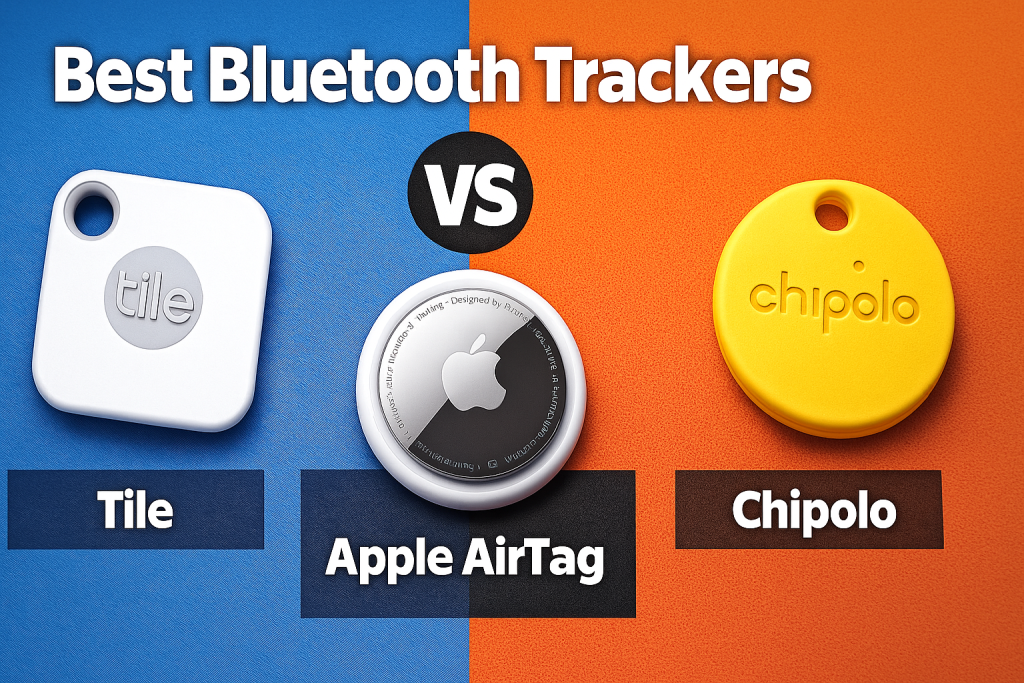
Bluetooth trackers are small, coin-sized electronic devices that help you locate misplaced items using wireless technology and smartphone apps. Also known as item finders, smart tags, or tracking tiles, these devices attach to your belongings and connect to your phone via Bluetooth.
The Basic Components
Every Bluetooth tracker includes several key elements:
- Bluetooth chip for wireless communication with your smartphone
- Speaker or buzzer that emits sound when activated
- Battery (replaceable or rechargeable)
- Attachment mechanism (keyring hole, adhesive backing, or clip)
- Location sensor that communicates position data
The technology behind these devices combines low-energy Bluetooth connectivity with GPS-like location features, creating an affordable and effective way to track everyday items.
Popular Types of Bluetooth Trackers
| Tracker Type | Best For | Key Feature |
|---|---|---|
| Card-style | Wallets, bags | Ultra-thin design |
| Key fob style | Keys, luggage | Durable with keyring |
| Adhesive tags | Remote controls, gadgets | Stick-on convenience |
| Specialized trackers | Pets, bikes | Extended range, weatherproof |
How Do Bluetooth Trackers Work?
Understanding the technology behind Bluetooth trackers helps you use them more effectively and choose the right device for your needs.
The Connection Process
When you first set up a Bluetooth tracker, you pair it with your smartphone through a dedicated app. This creates a secure connection between your device and the tracker, similar to connecting wireless headphones.
The tracker continuously broadcasts a low-energy Bluetooth signal that your phone can detect within a certain range, typically 200 to 400 feet in open spaces.
Finding Items Within Bluetooth Range
When your item is nearby but out of sight, the app shows you the approximate distance and direction. You can then:
- Make the tracker play a loud sound to help you locate it audibly
- View the last known location on a map within the app
- Use signal strength indicators to guide you closer
This works perfectly for finding items hidden under couch cushions, buried in bags, or left in another room of your house.
Community Find Networks: The Game-Changer
The most powerful feature of modern Bluetooth trackers is the crowd-sourced finding network. Here’s how it works:
When your tracked item is beyond your phone’s Bluetooth range, the network of other users running the same app becomes your search party. If someone with the app passes near your lost item, their phone automatically detects the tracker and updates its location in your app—all anonymously and privately.
Example: You leave your backpack at a coffee shop. Even if you’re miles away, when another user of the tracking app walks past your backpack, you’ll receive an updated location ping showing exactly where it is.
Privacy and Security Measures
Reputable Bluetooth tracker companies implement strong security features:
- End-to-end encryption for location data
- Anonymous reporting through community networks
- Anti-stalking features that alert you to unknown trackers
- Secure authentication for device pairing
Why Do People Use Bluetooth Trackers?
The popularity of Bluetooth trackers stems from their ability to solve real, everyday problems. Let’s explore the compelling reasons why people invest in these devices.
Never Lose Your Keys Again
Keys are the most commonly tracked items, and for good reason. Being locked out of your home or car causes stress, wastes time, and can be expensive to resolve.
With a Bluetooth tracker attached to your keychain, you can:
- Ring your keys from your phone when they’re nearby
- Check the last place you had them on a map
- Find them even when you’re not home, thanks to community networks
Protect Valuable Items
Beyond everyday convenience, Bluetooth trackers provide security for items with financial or sentimental value:
- Luggage tracking during travel helps ensure your bags aren’t lost by airlines
- Wallet protection alerts you when you’ve left it behind
- Camera gear and expensive electronics gain an extra layer of security
- Musical instruments become easier to recover if stolen or misplaced
Peace of Mind for Pet Owners
Many pet owners attach Bluetooth trackers to their dog or cat collars as a backup to traditional ID tags. While not a replacement for GPS pet trackers for long-range tracking, they work excellently for:
- Finding pets hiding in the house or yard
- Quick location when a pet escapes through an open door
- Community assistance if a pet wanders into a neighbor’s yard
Keeping Track of Children’s Belongings
Parents use Bluetooth trackers to help kids keep track of:
- School backpacks and lunchboxes
- Sports equipment and musical instruments
- Jackets and coats frequently left behind
- Favorite toys during family outings
This reduces the cost of constantly replacing lost items and teaches children responsibility.
Business and Professional Applications
Professionals and businesses benefit from tracking:
- Company laptops and tablets
- Important documents in briefcases
- Equipment cases and tool bags
- Vehicle keys in fleet management
- Inventory in warehouses and retail
Medical and Accessibility Support
For individuals with memory challenges or cognitive conditions, Bluetooth trackers provide valuable assistance:
- Locating medical devices like hearing aids
- Finding glasses and walking aids
- Reducing anxiety about lost items
- Supporting independent living
Top Benefits of Using Bluetooth Trackers
Beyond the basic function of finding lost items, Bluetooth trackers offer several advantages that improve daily life.
Time Savings
The average person searches for lost items 9 times daily, wasting approximately 10 minutes each time. That’s over an hour every day spent looking for misplaced belongings.
Bluetooth trackers reduce this time to seconds, giving you back valuable hours each week for more important activities.
Reduced Stress and Anxiety
The psychological burden of frequently losing items creates ongoing stress. Knowing you can quickly locate your belongings provides genuine peace of mind, especially for:
- People with busy schedules and tight deadlines
- Individuals managing ADHD or memory concerns
- Parents juggling multiple responsibilities
- Travelers worried about lost luggage
Cost Effective Solution
Compared to the expense of replacing lost items, Bluetooth trackers offer excellent value:
- Most trackers cost between $20 and $35
- Battery life ranges from several months to years
- One tracker can protect items worth hundreds of dollars
- No monthly subscription fees for basic features (though premium features may require payment)
Easy to Use Technology
You don’t need to be tech-savvy to benefit from Bluetooth trackers. The setup process is straightforward:
- Download the free app on your smartphone
- Turn on the tracker and follow simple pairing instructions
- Attach the tracker to your item
- You’re ready to track
Most people complete setup in under five minutes.
Environmental Benefits
By preventing the loss of items, Bluetooth trackers contribute to sustainability:
- Fewer replacement purchases reduce manufacturing waste
- Extending the life of existing possessions conserves resources
- Reducing unnecessary consumption aligns with eco-friendly values
Choosing the Right Bluetooth Tracker
With numerous options available, selecting the best Bluetooth tracker requires considering several important factors.
Range and Connectivity
Bluetooth range varies significantly between models:
- Standard range: 200-300 feet in open space
- Extended range: Up to 400 feet with newer technology
- Real-world performance: Walls, furniture, and interference reduce effective range by 30-50%
Consider where you’ll use the tracker most. If you primarily need it for a large home or outdoor spaces, prioritize longer range options.
Community Network Size
The effectiveness of out-of-range finding depends entirely on how many people use the same tracking network:
- Larger networks (millions of users) provide better coverage, especially in urban areas
- Smaller networks work well in communities where many people use the same brand
- Popular brands typically offer stronger community finding capabilities
Battery Life and Type
Bluetooth trackers use either replaceable or rechargeable batteries:
Replaceable batteries:
- Last 6-12 months typically
- Easy to swap when depleted
- Use common coin cell batteries
- No need to remove tracker from item
Rechargeable batteries:
- Require periodic charging (every few months)
- More environmentally friendly
- Must be removed from item to charge
- May have shorter overall lifespan
Volume and Sound Quality
The tracker’s speaker quality matters when finding items nearby:
- Look for trackers with 80+ decibels of volume
- Clear, distinct sounds are easier to hear through barriers
- Some offer customizable ring tones
Durability and Water Resistance
Consider your tracking needs:
- IP ratings indicate water and dust resistance
- IP67 handles brief water submersion
- Rugged designs better for outdoor gear and children’s items
- Slim designs work better for wallets but may be more fragile
Price and Value Considerations
Bluetooth tracker prices range from $20 to $35 per device, with multi-packs offering better value:
- Single trackers: $25-35
- Four-packs: $70-100 (savings of 20-30%)
- Family plans: Shared tracking across multiple accounts
- Premium features: May require monthly subscriptions ($3-10)
Popular Bluetooth Tracker Brands and Options
While we won’t endorse specific products, understanding the marketplace helps you make informed decisions.
Market Leaders
Several brands dominate the Bluetooth tracker market, each with distinct advantages:
Established brands offer the largest community networks with millions of active users worldwide, making them excellent for urban environments and travel.
Emerging competitors provide innovative features like precision finding with directional guidance, though their community networks may be smaller.
Budget options from newer companies deliver basic tracking at lower prices but may lack advanced features and extensive user networks.
Key Differentiating Features
When comparing options, look for:
- Precision finding: Uses additional sensors for exact location guidance
- Two-way finding: Press the tracker to make your phone ring
- Replaceable vs. built-in batteries: Impact long-term costs and convenience
- Smart home integration: Works with voice assistants and home automation
- Multi-device tracking: Manage numerous trackers in one app
- Separation alerts: Notifications when you leave items behind
Setting Up and Using Your Bluetooth Tracker
Getting the most from your tracker requires proper setup and smart usage habits.
Initial Setup Steps
Follow these steps for successful tracker deployment:
- Download the official app from your device’s app store
- Create an account with secure login credentials
- Enable Bluetooth and location services on your phone
- Power on the tracker (usually automatic when battery is installed)
- Follow in-app pairing instructions to connect the device
- Name your tracker descriptively (e.g., “House Keys” or “Work Bag”)
- Test the connection by making it ring
Optimal Placement Tips
Strategic tracker placement maximizes effectiveness:
- Keys: Attach to the keyring alongside your existing keys
- Wallets: Slide card-style trackers into a card slot
- Bags: Place in an interior pocket or attach to a zipper
- Electronics: Use adhesive trackers on flat surfaces
- Luggage: Secure inside an internal pocket (not outside where it could be removed)
Maximizing Battery Life
Extend your tracker’s battery with these practices:
- Avoid repeatedly ringing the tracker unnecessarily, as sound drains battery faster
- Update the app regularly for battery optimization improvements
- Remove the battery if storing the tracker for extended periods
- Replace batteries proactively rather than waiting for depletion
App Management and Settings
Customize your tracking experience:
- Enable notifications for low battery warnings
- Set up separation alerts for items you want to keep with you
- Share tracker access with family members when appropriate
- Review location history to identify patterns in where you lose items
- Adjust ring volume based on your environment
Common Limitations and Realistic Expectations
Understanding what Bluetooth trackers can and cannot do prevents disappointment and helps you use them effectively.
Range Limitations
Bluetooth technology has inherent distance constraints:
- Direct tracking only works within 200-400 feet
- Physical obstacles significantly reduce range
- Community finding depends on other users being nearby
- Rural areas have fewer network users than cities
Realistic expectation: Bluetooth trackers excel at finding items in your home, office, or nearby area, but shouldn’t be considered real-time GPS tracking devices.
Not a Theft Prevention Device
While trackers help locate items, they have security limitations:
- Thieves can potentially detect and remove trackers
- Location updates may not be instantaneous
- Privacy features prevent continuous real-time tracking
- Law enforcement may be needed to recover stolen items
Best practice: Use trackers as recovery aids, not theft prevention systems.
Battery Maintenance Requirements
All Bluetooth trackers require periodic attention:
- Batteries eventually need replacement or recharging
- Dead batteries render trackers useless
- Replacement costs accumulate over time
- Some models cannot have batteries changed
Technology Compatibility
Most trackers work with modern smartphones, but verify:
- iOS and Android version requirements
- Bluetooth version compatibility
- Whether both platforms receive equal features
- Regional availability of community networks
Privacy and Security Considerations
As with any connected device, understanding privacy implications is essential.
Data Collection and Usage
Reputable tracker companies typically collect:
- Location data for finding functionality
- Device usage patterns for improvement
- Account information for service provision
- Aggregated anonymous data for network operations
Always review privacy policies before purchasing and using trackers.
Preventing Unwanted Tracking
Modern trackers include anti-stalking features:
- Alerts if an unknown tracker is moving with you
- Ability to make unknown trackers play sounds
- Reporting mechanisms for suspicious devices
- Rotating identifiers to prevent persistent tracking
Best Practices for Secure Usage
Protect yourself and your data:
- Use strong, unique passwords for tracker accounts
- Enable two-factor authentication when available
- Only share tracker access with trusted individuals
- Regularly update the tracking app for security patches
- Disable trackers you’re no longer using
Bluetooth Trackers vs. GPS Trackers: Understanding the Difference
Many people confuse Bluetooth trackers with GPS trackers, but they serve different purposes.
Technology Comparison
| Feature | Bluetooth Trackers | GPS Trackers |
|---|---|---|
| Range | 200-400 feet direct | Unlimited (global) |
| Real-time tracking | No (relies on network) | Yes |
| Battery life | 6-12 months | Days to weeks |
| Size | Coin-sized | Larger (battery required) |
| Cost | $20-35 one-time | $50-200 + monthly fees |
| Best for | Everyday items | Vehicles, valuable assets |
When to Choose Bluetooth
Select Bluetooth trackers for:
- Keys, wallets, and bags
- Items you lose around your home or office
- Belongings in urban areas with large user networks
- Budget-conscious tracking solutions
- Items where compact size matters
When GPS Makes More Sense
Consider GPS trackers for:
- Vehicles and trailers
- High-value equipment
- Long-distance tracking needs
- Real-time location monitoring
- Areas without community network coverage
Future of Bluetooth Tracking Technology
Bluetooth tracking continues to evolve with impressive technological advances.
Emerging Features
Upcoming innovations include:
- Ultra-wideband technology for centimeter-accurate indoor positioning
- Extended range through improved Bluetooth standards
- Augmented reality finding with visual guidance through your camera
- Solar charging for perpetual battery life
- Multi-protocol support for compatibility across ecosystems
Growing Networks
As adoption increases, community finding becomes more powerful:
- Millions of new users join tracking networks annually
- Expanded international coverage improves travel tracking
- Third-party device integration broadens compatibility
- Cross-platform cooperation may increase finding success
Sustainability Improvements
Environmental consciousness drives design changes:
- Recycled materials in tracker construction
- Replaceable battery programs
- Longer-lasting batteries reducing waste
- Trade-in programs for end-of-life devices
Conclusion: Is a Bluetooth Tracker Right for You?
Bluetooth trackers have transformed from novelty gadgets into practical tools that genuinely improve daily life. They save time, reduce stress, and help protect the items we value most.
If you regularly misplace belongings, travel frequently, or simply want peace of mind about your possessions, a Bluetooth tracker offers an affordable and effective solution. The technology is mature, reliable, and easy to use, with major brands providing robust community networks that make finding lost items possible even when they’re far from home.
The small investment in a Bluetooth tracker typically pays for itself the first time it helps you avoid replacing a lost item or saves you from the stress of searching for misplaced keys when you’re already late.
Ready to stop losing your belongings? Consider which items you lose most frequently, research trackers that match your needs, and take the first step toward a more organized, less stressful life.
Your future self—the one who never has to tear apart the house looking for car keys again—will thank you.
FAQs About Bluetooth trackers
Do Bluetooth trackers work without a smartphone?
No, Bluetooth trackers require a smartphone with the compatible app installed to function. The tracker itself has no display or independent operation capability. You need a phone to set up the tracker, view its location, make it ring, and receive alerts. However, once set up, the tracker can help you find your phone using its button (on models with two-way finding), even if the phone is on silent.
Can someone else track my belongings if they find my Bluetooth tracker?
Reputable Bluetooth trackers are designed with privacy in mind, preventing unauthorized tracking. Only the account that registered the tracker can view its location. If someone finds your lost item with a tracker attached, they cannot access your personal information or track your movements. However, they may be able to hear it if you make it ring, which actually helps in recovering lost items.
How long do Bluetooth tracker batteries typically last?
Battery life varies by model and usage, but most Bluetooth trackers with replaceable coin cell batteries last between 6 and 12 months with typical use. Rechargeable models usually require charging every 3-6 months. Factors affecting battery life include how often you make the tracker ring, environmental temperature, firmware efficiency, and connection frequency. Most apps provide battery level indicators and send alerts when replacement or recharging is needed.
Will a Bluetooth tracker work in another country when I travel?
Yes, Bluetooth trackers work internationally because they use standard Bluetooth technology available worldwide. However, the effectiveness of community finding features depends on how many users of your tracker’s network are in that country. Popular tracker brands with millions of global users provide better international coverage, especially in major cities and tourist destinations. The tracker will always work for direct Bluetooth finding within range, regardless of location.
Can I attach multiple Bluetooth trackers to one account?
Absolutely. Most Bluetooth tracker apps allow you to register and manage multiple trackers under a single account, typically without limits. This lets you track various items like keys, wallets, bags, and laptops all from one app. You can name each tracker differently for easy identification, and you can even share access to specific trackers with family members or trusted contacts, which is helpful for items used by multiple people.