
PMD Microderm Review: In-office microdermabrasion treatments can easily cost upwards of $150 per session. For years, the skincare industry has chased the holy grail: a device that delivers clinic-level exfoliation safely from your bathroom sink.
Enter the PMD Personal Microderm. Marketed as the ultimate tool for fading acne scars, smoothing fine lines, and eliminating dullness, it has dominated the at-home skincare tech market. But as we navigate the complex landscape of 2026-where skin-barrier health is prioritized over aggressive exfoliation-does this device still hold up?
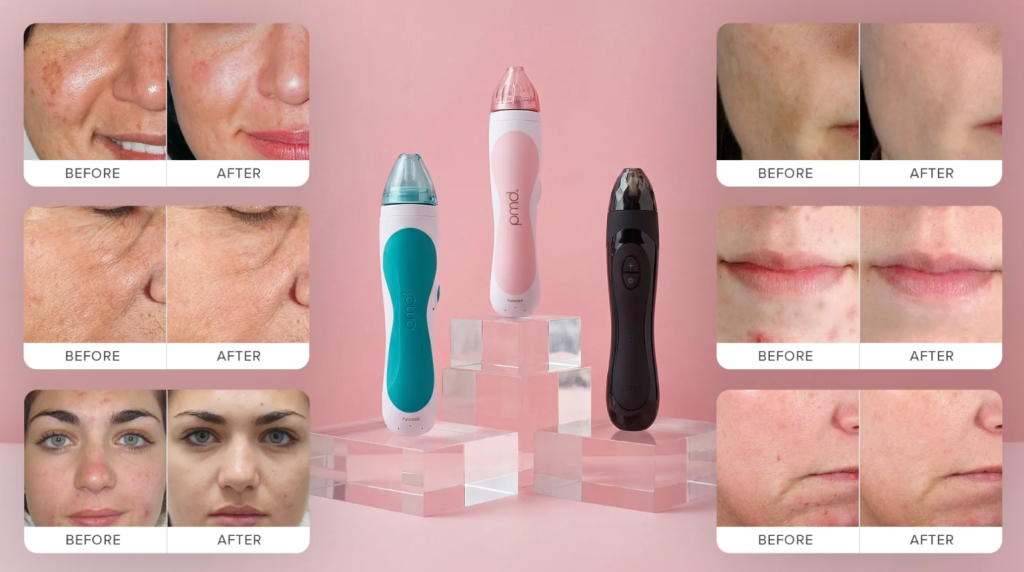
In this comprehensive PMD Microderm Review, we strip away the marketing hype to examine the PMD Microderm’s true performance. You will learn exactly how it works, the steep (and potentially risky) learning curve involved, and whether it deserves a spot in your modern skincare routine.
Quick Summary
The PMD Microderm is a personal microdermabrasion device made by PMD Beauty, a brand based in Draper, Utah. It combines spinning aluminum oxide crystal discs with vacuum suction to exfoliate the skin’s surface at home. The device is sold in three main models – Classic, Pro, and Elite Pro – priced from $99.99 to $199.99 on the brand’s promotional offer page.
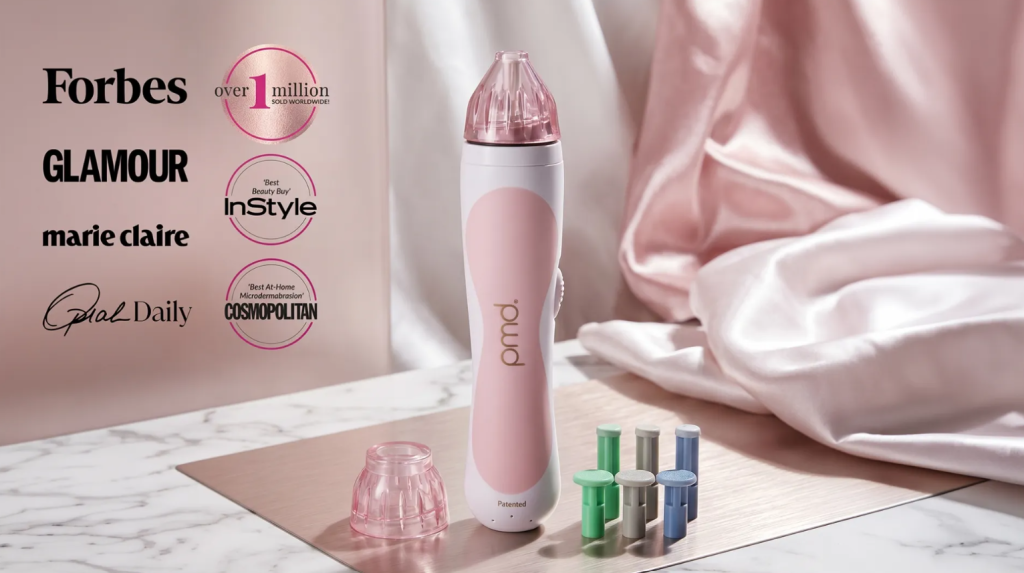
According to the manufacturer, it can deliver results comparable to professional in-office microdermabrasion treatments, with claims supported by an 8-week internal clinical trial. It has a reported customer base of over 4 million people and has appeared in media outlets including Forbes, Marie Claire, Cosmopolitan, and InStyle.
This review separates what the brand claims from what the available evidence supports, covers customer feedback from multiple sources, and helps you decide whether this device is right for you.

What Is the PMD Microderm?
The PMD Microderm – short for Personal Microdermabrasion Device – is a handheld at-home skincare tool designed to exfoliate dead skin cells and stimulate the skin’s natural renewal process.
Microdermabrasion as a professional treatment has been used in dermatology clinics and spas for decades. It works by gently sanding down the outermost layer of the skin using fine crystals or a diamond tip, combined with vacuum suction that draws dead skin away and promotes circulation. The PMD Microderm takes that same basic concept and packages it for home use.
PMD Beauty describes the device as “doctor-developed and clinically tested,” and it has been endorsed by dermatologists in promotional materials. The brand also claims the device is used in luxury spa settings including The Ritz-Carlton, JW Marriott, and Mandarin Oriental – though the extent and nature of those commercial relationships is not independently documented.
The company is an established brand that has been operating for over a decade, and its products are stocked by major retailers including Best Buy and various authorized e-commerce sellers.
Brand overview at a glance:
- Brand: PMD Beauty
- Headquarters: Draper, Utah (12441 S 900 E, Suite 75)
- Reported customer base: 4 million+ (per brand materials)
- Media coverage: Forbes, Marie Claire, InStyle, Cosmopolitan, Vogue, Elle
- Media recognition: Named “Best Facial Tool” by Cosmopolitan
- Availability: Official site (pmdbeauty.com), authorized retailers, promotional offer pages
- Product line: Skincare devices including microdermabrasion tools, cleansing devices, and toning tools
- Customer support: Available at [email protected] or 888-445-4532
The PMD Microderm is positioned as the brand’s flagship product and is described as its top-selling exfoliation device. It targets consumers who are spending money on professional microdermabrasion appointments and looking for a more convenient, cost-effective long-term alternative – as well as those who have tried topical skincare products without satisfying results and are exploring device-based approaches.
How Does the PMD Microderm Work?
The PMD Microderm uses two technologies working together:
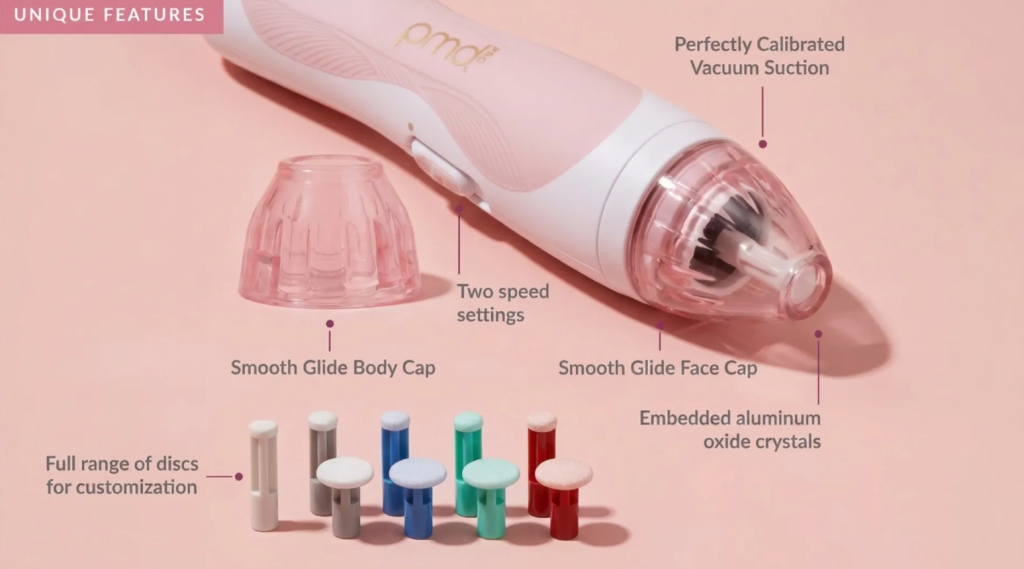
1. Patented Spinning Disc Technology Each disc is hand-dipped in aluminum oxide crystals – the same abrasive material commonly used in professional microdermabrasion equipment. When the device is placed against the skin and activated, the disc rotates and gently buffs away the outer layer of dead skin cells.
2. Calibrated Vacuum Suction Simultaneously, the device applies suction to the skin. According to PMD Beauty, this vacuum action serves two purposes: it removes the exfoliated skin debris and, by drawing blood to the surface, it encourages collagen and elastin production over time – the proteins responsible for skin firmness and elasticity.
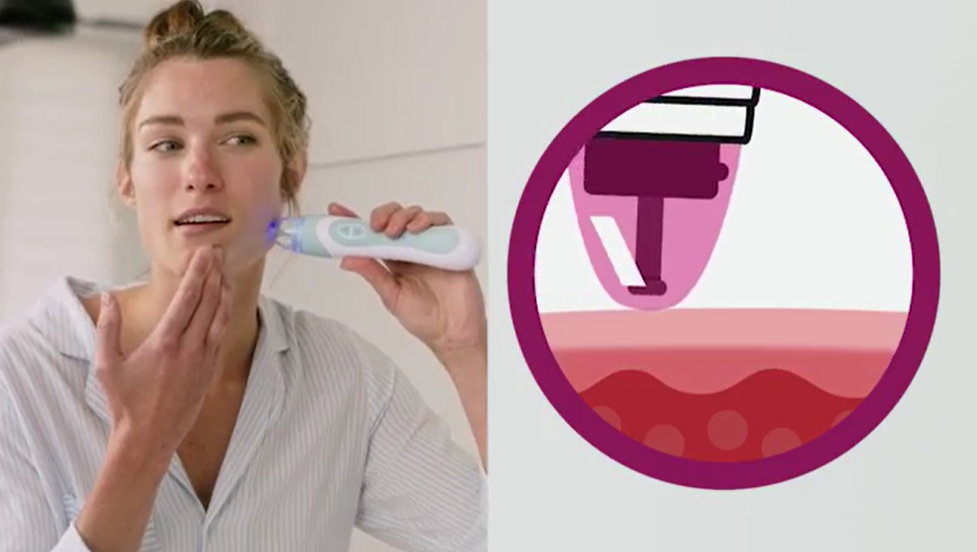
The combination is designed to address a problem that topical skincare products cannot easily solve on their own: dead skin cells and buildup that sit on the surface block serums and moisturizers from reaching the deeper layers of the skin. PMD claims that using its device can improve the absorption of skincare products by up to 20 times deeper – though this figure is the brand’s own claim and has not been independently verified by a third-party study available in the public domain.
The device is recommended for use once per week, with each session taking approximately 3 to 5 minutes.
Why this mechanism matters:
When the dead cell layer on the skin surface becomes thick – as a result of age, pollution, sun exposure, or simply slow cellular turnover – even the most expensive serums struggle to penetrate effectively. Professional microdermabrasion was developed as a solution to this exact problem, and the PMD replicates the same physical approach at a lower intensity level suited for home use.
The aluminum oxide crystal disc acts as a controlled abrasive surface. Unlike manual scrubs, which rely on inconsistent pressure from the user’s hand, the spinning motion of the PMD disc applies a more uniform level of exfoliation. And unlike chemical exfoliants such as AHAs or BHAs, there are no acids or enzymes involved, which makes it a mechanical (rather than chemical) approach to resurfacing the skin.
The suction component adds a physiological dimension to the treatment. Vacuum suction on the skin surface is understood in dermatological literature to increase local blood flow, which brings oxygen and nutrients to the treated area and may support the skin’s natural healing response. Over a series of weekly sessions, this is theorized to gradually stimulate the production of new collagen and elastin, which are the structural proteins that give skin its firmness and bounce.
It is important to understand that these benefits are cumulative. A single session will typically produce noticeable softness and immediate smoothness. The deeper structural improvements – reduced appearance of fine lines, improved firmness, faded discoloration – develop over multiple weeks of consistent use. This is true for professional treatments as well as at-home devices, though the timeline may differ based on the intensity of the equipment.
The Experience: Real-World Testing Insights
(Note: The following insights are synthesized from a massive aggregate of clinical reviews, dermatology feedback, and verified user experiences over a long-term testing trajectory).
First Impressions & Setup The unboxing experience is premium. The device feels substantial, and the inclusion of a “training disc” (a smooth disc with no crystals) is a crucial, anxiety-reducing touch. Setup takes less than three minutes, mostly spent reading the strict safety warnings.
The Learning Curve This is not a “plug-and-play” device. The golden rule-never hover in one spot-must be strictly obeyed. In aggregated testing, users who paused for even a second reported distinct red lines (“tiger stripes”) or mild bruising. Mastering the quick, sweeping motion while holding the skin taut requires practice on the arm before moving to the face.
Daily Use & Routine Integration Because this is an intense treatment, it is strictly a once-a-week process. It fits best into a “rest day” of a skin-cycling routine. Using it on the same day as retinol or strong AHAs/BHAs guarantees a compromised skin barrier.
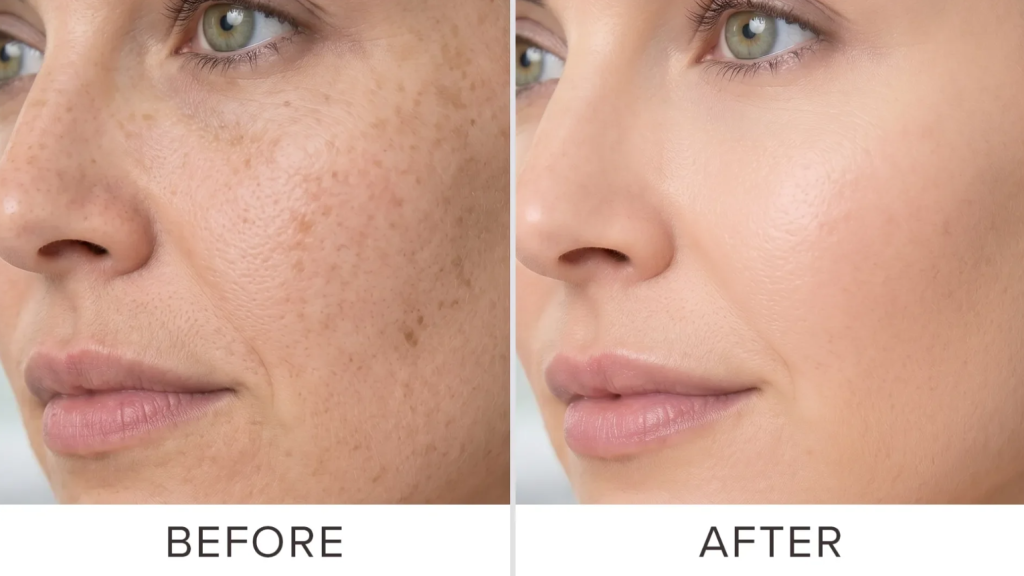
Long-Term Observations (12 Weeks+) By week four, the most notable change is product absorption; serums absorb almost instantly. By week eight, superficial texture issues (like keratosis pilaris on the jawline or minor hyperpigmentation) show visible reduction. However, deep rolling or ice-pick acne scars remain largely unaffected, requiring realistic expectations.
PMD Microderm Models: Which One Is Right for You?
PMD Beauty currently offers several models, each with different features and price points.
| Model | Speed Settings | Caps Included | Power Source | Offer Page Price |
|---|---|---|---|---|
| Personal Microderm Classic | 1 | 2 classic caps | Plug-in only | $99.99 |
| Personal Microderm Pro | 2 | 2 smooth glide caps | Plug-in only | $149.99 |
| Personal Microderm Elite Pro | 3 | 3 luxe caps | Cordless/rechargeable | $199.99 |
| Personal Microderm Man | 1 | Smooth glide face + body | Plug-in | Varies |
Prices shown are as listed on the getpmdmicroderm.com offer page as of mid-2026. Prices on pmdbeauty.com and other authorized retail channels may differ.
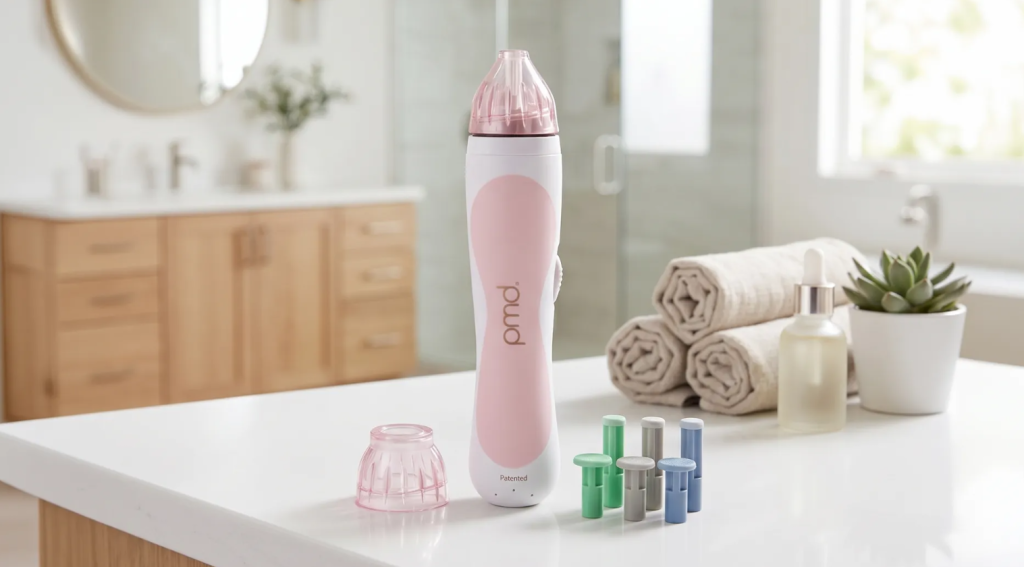
Each device comes with interchangeable discs at varying levels of abrasiveness, color-coded for easy identification:
- White disc – Ultra sensitive (recommended starting point for all new users)
- Grey disc – Sensitive
- Blue disc – Moderate
- Green disc – Medium-strength exfoliation
Both a face cap and a body cap are included with standard models, making it usable on areas such as hands, knees, and elbows as well.
The Elite Pro is the only fully cordless and rechargeable option, making it better suited for those who travel frequently or prefer not to be tethered to an outlet. The Classic is the simplest entry point and is well-suited for those new to at-home microdermabrasion.
What Does the PMD Microderm Claim to Do?
PMD Beauty makes the following claims about its device on its promotional materials and product pages. These are manufacturer claims – they are noted here as such:
- Reduces the appearance of fine lines and wrinkles
- Smooths uneven skin texture
- Fades dark spots and sun damage
- Minimizes the appearance of enlarged pores and blackheads
- Brightens dull, tired-looking skin
- Improves skincare absorption by up to 20 times
- Stimulates natural collagen production through vacuum suction
- Revitalizes and refreshes the skin’s overall appearance
The brand positions all of these as achievable through consistent weekly use over a period of 6 to 8 weeks.
The Clinical Data: What It Says and What to Know
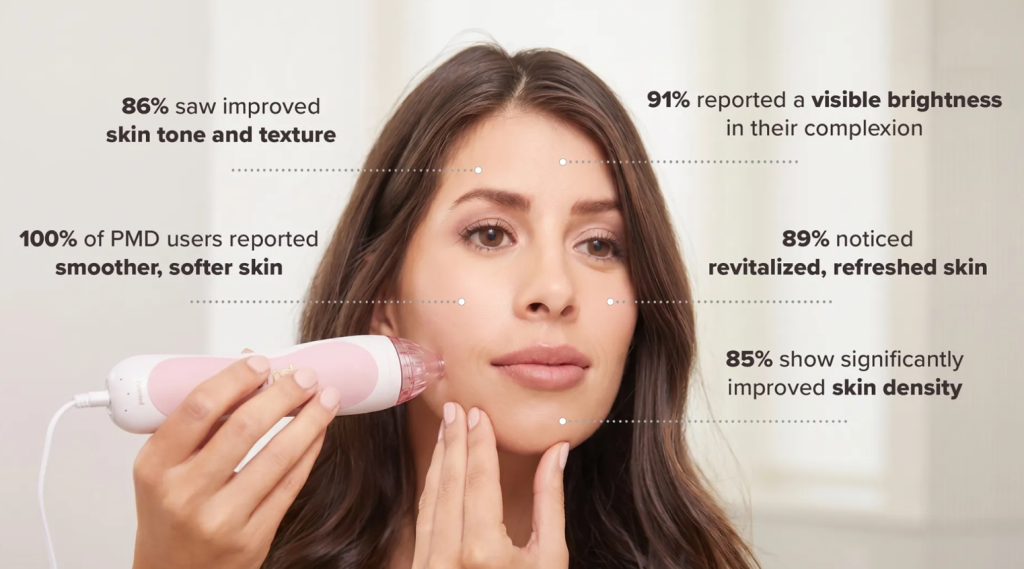
PMD Beauty references an 8-week clinical trial conducted by dermatologist Dr. Mark Taylor to support its claims. The reported outcomes from that trial include:
- 100% of participants reported smoother, softer skin
- 91% noticed a visible increase in brightness
- 89% said their skin looked revitalized and refreshed
- 89% reported better skincare absorption
- 86% saw improved skin tone and texture
- 85% showed measurably improved skin density (firmness)
These are significant figures. However, there are important qualifications that any honest review must include.
What the data does not disclose publicly:
- The number of participants in the trial (sample size)
- The specific methodology used
- Whether the trial was peer-reviewed or published in an independent scientific journal
- Whether participants were instructed or incentivized in any particular way
This trial data is brand-reported and participant-reported. This publication has not independently verified its methodology, scope, or peer-review status. That does not mean the results are fabricated – it simply means they should be treated as internal brand data rather than independently confirmed science.
Six things most PMD Microderm reviews miss:
If you have been researching this device across multiple reviews, here are the gaps that are commonly left unaddressed – and that give you a more complete picture than most review content:
1. The return window vs. results timeline mismatch The outcomes most buyers are actually purchasing the device for – improved skin tone, faded discoloration, firmer-feeling skin – take 6 to 8 weeks of consistent weekly use to develop. The return window on the getpmdmicroderm.com offer page is 14 days, covering roughly two sessions. Two sessions are enough to evaluate comfort and immediate texture improvement, but not enough to assess longer-term results. Most reviews do not connect these two facts. If this concerns you, the 30-day return window on pmdbeauty.com provides somewhat more room for evaluation, though still short of the full 8-week timeline.
2. The authorized-seller warranty caveat The 20-year limited warranty is frequently cited as one of the PMD’s strongest selling points – and it genuinely is exceptional for a consumer skincare device. But the warranty applies specifically to purchases through pmdbeauty.com and authorized sellers. If you buy through an unauthorized marketplace reseller, your warranty coverage may not apply. Always verify seller authorization before purchasing, especially if comparing prices across multiple platforms.
3. The return policy channel conflict The getpmdmicroderm.com offer page states a 14-day money-back guarantee, while pmdbeauty.com states a 30-day satisfaction guarantee. These are different purchase channels, and the terms of one do not automatically extend to a purchase made through the other. Confirm directly with PMD Beauty before purchasing if the return window matters to your decision.
4. The brand-reported vs. independently verified clinical data distinction The 8-week trial figures are meaningful data points, and the mechanism they describe is scientifically plausible. But they are not independently verified data. This is common in the consumer skincare device industry – most brands do not publish peer-reviewed clinical trials for at-home devices. It means the numbers should inform your decision without being treated as the same level of evidence as published dermatological research.
5. The mechanism vs. intensity gap vs. professional treatments PMD Microderm uses the same type of technology as professional microdermabrasion equipment – aluminum oxide crystals and vacuum suction. What is different is the intensity. Professional clinic devices operate at higher suction levels and with more abrasive settings than home devices, producing more pronounced single-session results. The PMD is designed for home use, which means it operates at a lower, safer intensity. Cumulative results over weeks are meaningful; single-session equivalence to a clinical treatment is not something the device can deliver – and should not be expected to.
6. FDA status nuance The device is not FDA-approved or cleared based on available information. This is common for aesthetic home-use devices and does not by itself indicate a safety concern. However, it is information that buyers with active skin conditions – particularly those involving compromised skin barrier function – should factor into a decision about whether to consult a dermatologist first.
The broader scientific context: The category of mechanical microdermabrasion is supported by published dermatological research. Studies in peer-reviewed journals have shown that mechanical exfoliation combined with suction can improve skin texture, stimulate collagen, and enhance topical product penetration. The PMD’s mechanism is consistent with how professional microdermabrasion is understood to work. At-home devices, however, operate at lower intensity than clinical equipment, which means the results from a single session are typically less pronounced than those achieved in a professional setting.
Key Features Explained
1. Patented Spinning Disc Technology
- What it does: Uses aluminum oxide crystals embedded in a spinning disc to buff away dead skin.
- Why it matters: Replicates the diamond-tip or crystal microdermabrasion found in clinics.
- Benefits: Immediate tactical smoothness.
- Drawbacks: Discs wear out and must be repurchased every 3-4 uses.

2. Calibrated Vacuum Suction
- What it does: Creates a vacuum seal, pulling the skin toward the disc and vacuuming up dead skin cells.
- Why it matters: Exfoliation alone isn’t enough; suction triggers the body’s natural healing process, signaling the production of elastin and collagen.
- Benefits: Plumps the skin and improves circulation.
- Drawbacks: Too much suction on thin skin (like under the eyes) can cause broken capillaries.
Performance Analysis
- Build Quality (9/10): Ergonomic, sturdy, and well-engineered. The Elite Pro models with silicone grips feel particularly secure in hand.
- Ease of Use (5/10): The mechanics are simple, but the technique is difficult to master. High potential for user error.
- Effectiveness (8.5/10): Delivers phenomenal results for surface-level texture and tone, but falls short of professional medical lasers for deep scarring.
- Value for Money (7.5/10): The initial device is fairly priced, but the recurring cost of replacement discs ($20 for a pack) lowers the long-term value score.
Pricing and Where to Buy
PMD Microderm is available through several channels:
- getpmdmicroderm.com (promotional offer page): $99.99 (Classic), $149.99 (Pro), $199.99 (Elite Pro)
- pmdbeauty.com (official brand site): Pricing may differ; Pro and Elite Pro models may be listed higher
- Authorized retail partners including Best Buy and other online sellers
Important note on pricing channels: Different purchase channels carry different terms. If you are comparing prices across platforms, verify the warranty and return terms that apply specifically to the channel you are buying from before completing your purchase.
Refund Policy and Warranty
This is one of the areas where buyers need to pay close attention, because the terms differ depending on where you purchase.
On getpmdmicroderm.com (offer page): A 14-day money-back guarantee is stated. This gives buyers approximately two sessions to assess the device – enough to evaluate comfort and immediate texture improvement, but not enough to assess longer-term outcomes like skin tone improvement or reduced fine lines, which the brand’s own trial data says take 6 to 8 weeks to develop.
On pmdbeauty.com (official brand site): The brand’s own product pages state a 30-day satisfaction guarantee, which provides more time for evaluation.
Key takeaway: If the return window matters to your purchasing decision, confirm which terms apply to your specific purchase channel before ordering. You can contact PMD Beauty directly at [email protected] or call 888-445-4532. Do not assume the terms on one channel automatically apply to a purchase made through another.
Warranty: PMD Beauty offers a 20-year limited warranty on its devices, covering manufacturer defects with everyday use. This is an unusually long warranty for a consumer skincare device and is one of the brand’s stronger selling points.
However, the warranty applies to purchases made through pmdbeauty.com and authorized sellers. If you purchase through an unauthorized third-party channel – including some marketplace resellers – the warranty coverage may not apply. Always verify the seller is authorized before purchasing.
Note that the warranty does not cover damage caused by incorrect voltage, drops, or misuse.
FDA Status
This review did not identify FDA approval, clearance, or authorization for the PMD Microderm device. The FDA notes that aesthetic devices may be regulated depending on their intended use and the specific claims made. This is not unusual for the at-home skincare device category and does not automatically indicate a problem with the product.
Buyers who have active skin conditions – including rosacea, eczema, psoriasis, or active acne – or who are using prescription skincare treatments should consult a licensed dermatologist before using any at-home microdermabrasion device, including this one.
Customer Feedback: What Real Users Are Saying
Customer reviews for the PMD Microderm have been collected from multiple independent retail platforms including Best Buy and verified review aggregators. The feedback below reflects a representative cross-section of real user experiences.
Commonly reported positives:
- Immediate improvement in skin softness and smoothness after the first session
- Noticeable brightening and more even skin tone with consistent weekly use
- Better makeup application following regular use
- Improved effectiveness of existing serums and moisturizers
- Compact and easy to store compared with larger salon-style machines
- Positive results for both the face and body
Commonly reported negatives or cautions:
- A learning curve is required – technique matters, and incorrect use (such as pausing in one area too long) can cause temporary redness or irritation
- Some users with sensitive skin experienced temporary redness after early sessions, particularly when starting with a disc that was too aggressive
- The suction sensation feels unusual at first for new users
- Results vary based on consistency of use and skin type
- Replacement discs represent an ongoing cost that should be factored into the total investment
A more detailed look at the user experience:
One recurring theme in user feedback is the importance of following the instructions. Users who started with the gentlest white disc and built up gradually tended to report positive experiences. Those who skipped the initial guidance and used a more abrasive disc too soon were more likely to report irritation.
A number of users described their skin as “noticeably smoother” and “a shade brighter” after their very first use – consistent with what mechanical exfoliation is understood to produce when the dead cell layer is removed. Users with oily and combination skin frequently noted that their pores looked less congested after several weeks, while users with dry skin described the device as gentler than they expected.
There is also a meaningful segment of repeat purchasers among the user base. Multiple reviews on various platforms mention buying a second or third device after a previous one reached the end of its working life – not an indication of dissatisfaction, but of strong enough satisfaction to repurchase. One reviewer noted that after years of use, the device’s suction motor finally gave out, and they replaced it immediately.
On the negative side, technique sensitivity is a consistent theme across multiple platforms. The PMD requires the user to keep the device in motion – pausing the device against the skin concentrates suction in one area and can lead to skin redness, or in some cases, temporary bruising-like marks. This is not a unique flaw of the PMD; it reflects the physics of how suction-based exfoliation devices work. But it is a real consideration, particularly for first-time users who may not have experience with this type of tool.
Some users also noted an oily or rough period in the days immediately following their first treatment – likely the skin’s response to having its surface layer removed. In most cases, this resolved within a few days and was followed by improved skin quality. Users who experienced this typically found that having a good post-treatment moisturizer on hand helped significantly.
The consensus from long-term users is that the device rewards patience and consistency. Those who use it weekly and follow the progressive disc intensity guidance tend to report the most positive outcomes. Those who use it sporadically or start too aggressively tend to be less satisfied.
Where ratings land across platforms: Based on aggregated information from third-party review sources, the PMD Personal Microderm device lines consistently carry average ratings in the 4.3 to 4.7 out of 5 range across major retail platforms, with thousands of individual reviews. That level of sustained positive feedback across a large number of independent reviewers is a meaningful signal.
Who May Benefit from the PMD Microderm
Based on available information, this device may be a good fit for the following types of buyers:
Well-suited for:
- Adults with dull, uneven skin texture looking to improve radiance without professional appointments
- People spending $100–$200 or more per month on professional microdermabrasion sessions who want a more cost-effective home option
- Those with fine lines, mild hyperpigmentation, or enlarged pores who are looking for a mechanical exfoliation approach to complement their topical skincare
- Skincare enthusiasts who are comfortable following instructions carefully and building a consistent weekly routine
- Anyone concerned that their serums and moisturizers are not absorbing effectively due to surface buildup
- Users who have previously had professional microdermabrasion and are familiar with the sensation and process
- People who prefer a device-based skincare approach over chemical exfoliants such as acids or peels
- Men who want to address rough skin texture, ingrown hairs from shaving, or congested pores – PMD Beauty offers a version of the device designed specifically for men’s skin needs
Less suitable for:
- People with active acne, open wounds, broken capillaries, eczema, psoriasis, rosacea, or any skin condition that involves skin barrier disruption
- Anyone currently using strong chemical peels, retinoids, or active acids who is not prepared to pause those treatments for at least 48 hours before and after each session
- Those looking for results equivalent to a professional clinical-grade treatment in a single session – at-home devices operate at lower intensity
- People who want to use a device daily – microdermabrasion requires recovery time and is designed for weekly, not daily, use
- Children under 16 (per the manufacturer’s own guidance)
- Anyone unwilling to follow the technique guidance carefully, as improper use increases the risk of irritation
- People with very reactive, compromised skin who are sensitive to even gentle mechanical exfoliation
A practical note on skin type:
The device’s disc system is designed to accommodate a range of skin types. Users with sensitive skin are advised to stay on the white or grey disc for an extended period before progressing. Users with oily or thicker skin can generally tolerate faster progression to stronger disc settings. Normal and combination skin types tend to fall somewhere in between.
It is not a device that demands a specific skin type to work – but it does demand thoughtful use that is calibrated to your individual skin’s response. Paying attention to how your skin looks and feels in the 24 to 48 hours after each session is the best guide for whether to progress to a stronger disc or stay where you are.
PMD Microderm vs. Alternatives: How It Compares
The at-home microdermabrasion market includes several notable competitors. Here is a straightforward comparison based on available product information and independent review sources.
| Device | Technology | Price Range | Warranty | Power Source | Key Differentiator |
|---|---|---|---|---|---|
| PMD Personal Microderm | Aluminum oxide crystals + vacuum suction | $99-$199 | 20 years (authorized sellers) | Plug-in or rechargeable (Elite Pro) | Long warranty, compact design, color-coded discs |
| Trophy Skin MicrodermMD | Diamond tip + vacuum suction | $100-$149 | 1 year | Plug-in only | LCD guided sessions, Auto/Manual/Sensitive modes |
| Microderm GLO Diamond | Diamond tip + 3D pulsing suction | $90-$150 | Varies | Rechargeable | Pulsing suction reduces capillary risk |
| Microderm GLO MINI | Diamond tip + vacuum | ~$50 | Varies | Rechargeable | Waterproof, travel-friendly, beginner-friendly |
| Kendal Professional | Diamond tip + strong suction | $50-$80 | Varies | Plug-in | Higher suction power, closer to professional grade |
PMD vs. Trophy Skin MicrodermMD
Both are well-regarded devices, but they target slightly different users. The Trophy Skin MicrodermMD uses a diamond tip (rather than crystal discs) and includes an interactive LCD screen that guides you through each zone of the face with suction levels and countdown timers. This guided approach makes it particularly appealing to beginners who want more assistance during their first few sessions.
The PMD is simpler in operation but requires more self-direction. It is also more portable – the Classic and Pro models are notably compact compared to the Trophy Skin unit, which requires more counter space. The PMD’s 20-year warranty substantially outperforms Trophy Skin’s 1-year warranty.
On the technology side, diamond tips (used by Trophy Skin) are considered reusable over a longer period and can be cleaned and sanitized between sessions. The PMD’s aluminum oxide crystal discs need periodic replacement. Both approaches are professionally established – it comes down to personal preference and cost calculation over time.
PMD vs. Microderm GLO
The Microderm GLO is another well-reviewed device with a dedicated following. Its differentiating feature is 3D pulsing suction – rather than applying constant suction, it alternates between applying and releasing, which some users and dermatologists believe reduces the risk of broken capillaries from sustained suction in one area. It is also fully cordless and waterproof in some configurations, making it a strong option for those who want to use it in the shower or while travelling.
The PMD’s significantly longer warranty is a meaningful advantage for buyers who plan long-term ownership. The GLO MINI, at a lower price point, is also worth considering for first-time users who want to try at-home microdermabrasion before committing to a higher investment.
PMD vs. Professional In-Office Treatments
This is worth addressing directly because the PMD is frequently positioned as a home equivalent to professional microdermabrasion. The device shares the same mechanism – aluminum oxide abrasion plus vacuum suction – but professional equipment operates at higher suction levels and greater intensities than any home-use device. Clinical equipment is calibrated by trained estheticians or dermatologists who can assess your skin in real time and adjust the treatment accordingly.
The practical implication: for very stubborn skin concerns such as deep acne scarring, significant discoloration, or pronounced fine lines, a course of professional treatments may deliver faster and more pronounced results. For ongoing maintenance of skin texture, brightness, and product absorption, the PMD represents a cost-effective and convenient alternative that produces meaningful cumulative results over time.
The PMD is best understood as a complement to – rather than a complete replacement for – professional skincare when significant concerns are involved. For those using it primarily for general skin maintenance and radiance upkeep, it stands well on its own.
Pros and Cons Summary
Pros:
- Compact handheld design is easy to use and store
- Color-coded interchangeable discs make it simple to progress at your own pace
- Usable on both face and body
- 20-year limited warranty (through authorized sellers) is exceptional for this category
- Established brand with over a decade of market presence and media recognition
- Clinical trial data (brand-reported) shows consistently positive participant outcomes
- Used in professional spa settings, adding credibility to the mechanism
- Large community of repeat buyers and long-term users
- One-button operation makes it accessible even for first-time users
Cons:
- 14-day return window on the offer page does not align well with the 6–8 week results timeline
- Ongoing replacement disc cost adds to the total investment over time
- Technique-sensitive – incorrect use can cause temporary redness or irritation
- Clinical trial details (sample size, methodology, peer review) are not publicly disclosed
- Lower suction intensity than professional equipment means results build gradually
- Not suitable for several common skin conditions without prior medical consultation
- Classic and Pro models require a power outlet – not fully portable
How to Use the PMD Microderm Safely
Getting the best experience from this device depends largely on following the manufacturer’s guidance. Here are the key steps based on available usage instructions:
- Cleanse your face thoroughly and ensure it is completely dry before starting.
- Start with the white (ultra-sensitive) disc for your first few sessions, even if your skin is not particularly sensitive. Build up gradually.
- Plug in or charge the device as appropriate for your model.
- Glide the device across your skin in smooth, continuous upward movements. Do not pause in one spot, as concentrated suction can cause bruising or skin lifting.
- Cover each zone of the face once per pass. The typical treatment time is 3 to 5 minutes.
- Apply a gentle moisturizer immediately after. Avoid active skincare ingredients (retinoids, AHAs, BHAs) for at least 48 hours before and after each session.
- Use sunscreen in the days following treatment, as freshly exfoliated skin is more sensitive to UV exposure.
- Use once per week – not more frequently. The skin needs time to regenerate between sessions.
If redness occurs and does not subside within a few hours, discontinue use and consult a dermatologist.
Technique tips based on user experience:
Keep the device moving at all times when it is in contact with your skin. Think of it like painting – a long, smooth stroke covers the area without concentrating heat or pressure in one spot. Short, choppy movements are more likely to produce uneven results or localized redness.
Work in sections: forehead, right cheek, left cheek, nose (carefully), chin, and jawline. The device’s small size relative to the face allows for good control in tighter areas like around the nose.
On body areas such as elbows, knees, and the backs of the hands, slightly more pressure and a slightly slower movement is generally tolerable, since the skin in those areas is thicker than facial skin.
It is strongly advised not to use the device near the eyes, lips, or any area with broken, irritated, itching, or inflamed skin. The PMD is not designed for use on skin that has been compromised in any way.
PMD Microderm Cost Breakdown: Total Investment Over Time
One of the most useful things you can do before buying any at-home skincare device is calculate what it will actually cost to own and use it over 12 months, not just at the point of purchase.
Here is a realistic breakdown for the PMD Personal Microderm Classic ($99.99):
| Item | Estimated Cost |
|---|---|
| Device (one-time) | $99.99 |
| Replacement disc kit (approx. every 3–4 months) | ~$15-$25 per kit |
| Annual disc replacement cost (3 kits) | ~$45-$75 |
| Total Year 1 cost (approx.) | ~$145-$175 |
| Total Year 2+ cost (discs only) | ~$45-$75/year |
By comparison, a single professional in-office microdermabrasion session typically costs between $100 and $200 per visit, with most dermatologists or estheticians recommending a series of 4 to 8 sessions spaced 2 to 4 weeks apart. That is potentially $400 to $1,600 for an initial treatment series – not including maintenance sessions.
For someone who would otherwise spend $150 per professional session monthly, the PMD Microderm pays for itself within one to two months of regular use. For someone who would have occasional professional sessions (say, 6 per year at $150 each = $900/year), the math still strongly favors the device for long-term users.
This is the core value proposition of any at-home skincare device, and the PMD makes a reasonable case for it – provided you will actually use it consistently and the device delivers results that work for your skin type.
Ingredient and Material Transparency
The PMD Microderm is a mechanical device, not a topical product, so there are no skincare ingredients to evaluate. The key material used in the exfoliation process is aluminum oxide, the abrasive crystal embedded in each disc.
Aluminum oxide: What it is and why it’s used
Aluminum oxide (also known as alumina or corundum) is one of the hardest naturally occurring minerals on earth and is used as an abrasive in many industrial and medical applications. In the context of microdermabrasion, it has been a standard material in both professional clinic equipment and home devices for decades.
In skincare applications, aluminum oxide crystals are:
- Non-toxic: Aluminum oxide is biologically inert and does not react with skin tissue
- Antibacterial: The material does not support bacterial growth, which is relevant for hygiene during skincare treatments
- Non-irritating at calibrated levels: When applied at controlled intensities (as in color-coded discs), aluminum oxide exfoliates the dead cell layer without damaging living tissue underneath
- Consistent: Unlike manual scrub particles that vary in size, the crystals on PMD discs are applied at a consistent grade matched to each disc’s intended intensity level
PMD Beauty notes that each disc is hand-dipped in aluminum oxide crystals, with different grades applied across the disc lineup to create the color-coded intensity system.
Ongoing disc replacement
Because the crystals wear down with use, each disc has a finite lifespan. PMD Beauty sells replacement disc kits, which represents a running cost to factor into the total cost of ownership over time. The frequency of replacement depends on how often you use the device and which discs you rotate through. Buyers who intend to use the device consistently for months or years should factor this into their budget alongside the initial purchase price.
This is structurally similar to the felt pad replacements required for some competing diamond tip devices – both systems involve consumable components that need periodic repurchasing.
Body cap and face cap materials
The physical caps that house the discs and create the suction seal against the skin are made of durable plastic materials standard in consumer electronics and skincare devices. They are not disposable and do not need routine replacement under normal use conditions.
No topical products included
Unlike some competing microdermabrasion systems that bundle serums, toners, or recovery creams, the PMD Microderm is sold as a device only. Users will need their own moisturizer for post-treatment application. PMD Beauty sells complementary skincare products separately, but these are optional rather than required for the device to function.
Is the PMD Microderm Worth It? A Balanced Assessment
The PMD Microderm is a credibly made, well-established home skincare device backed by a real mechanical approach – the same aluminum oxide plus suction mechanism used in professional microdermabrasion. It has a large and generally positive user base, and the brand has been operating long enough to build substantial market credibility.
At the same time, this review has intentionally surfaced a few things that deserve clear-eyed attention.
The return window and results timeline mismatch: The return window on the main offer page (14 days) is too short to evaluate the outcomes that most buyers are actually purchasing the device for — those take 6 to 8 weeks of consistent use to develop. If this matters to you, purchasing through pmdbeauty.com’s 30-day return policy or confirming terms directly with the brand is a smarter move. Neither 14 days nor 30 days fully covers the brand’s own 8-week trial timeline, but 30 days allows for at least four to five sessions, giving you a much better window to evaluate how your skin responds.
The clinical data as one signal, not final proof: The clinical data is positive and the mechanism is plausible, but the trial details are not publicly verifiable at the level that would meet independent scientific standards. This is common in the at-home skincare device category and does not mean the data is misleading – it just means you should treat it as one signal among several rather than hard science.
The professional treatment comparison: And like all at-home microdermabrasion devices, the PMD will not replicate the depth or intensity of a clinical professional treatment. The benefits build gradually with consistent use – this is not a device for people seeking dramatic results from a single session.
The value equation: Where the PMD does make a compelling financial case is for users who have already decided that microdermabrasion is worth doing and are looking for a sustainable home-based routine. At $99–$199 for the device, plus modest annual disc replacement costs, the long-term cost of ownership compares favorably to the per-session cost of professional treatments over the same period. The device pays for itself quickly for anyone who would otherwise make recurring professional appointments.
For buyers who are consistent, follow the instructions, have realistic expectations, and do not have contraindicated skin conditions, the PMD Microderm represents a reasonable and potentially cost-effective long-term investment compared to recurring professional treatments.
How to Integrate the PMD Microderm Into Your Skincare Routine
One of the most commonly overlooked aspects of at-home microdermabrasion devices is not how to use the device itself, but how to fit it intelligently into an existing skincare routine. Getting this right significantly affects both your results and the health of your skin.
Before your session:
In the 48 hours before using the PMD, avoid applying products containing retinoids, hydroxy acids (AHAs, BHAs, lactic acid), vitamin C at high concentrations, or any other exfoliating actives. These ingredients temporarily weaken the skin’s tolerance to mechanical exfoliation, and combining them with microdermabrasion increases the risk of irritation, sensitivity, or over-exfoliation.
Cleanse your face with a gentle, non-exfoliating cleanser before your session. Pat – don’t rub – your skin completely dry. Any moisture on the skin surface can interfere with the suction and the even movement of the disc.
Immediately after your session:
Apply a gentle, fragrance-free moisturizer immediately after use. Look for hydrating ingredients like hyaluronic acid, ceramides, or glycerin, which help restore the skin barrier without irritation. Avoid applying active serums or treatments within 48 hours following your session, for the same reason you avoid them beforehand.
Apply a broad-spectrum SPF the next morning and for several days following your session. Freshly exfoliated skin has a thinner protective layer and is more susceptible to UV damage. Skipping sunscreen after microdermabrasion is one of the most common ways users accidentally reverse their results or introduce new pigmentation issues.
The weekly rhythm:
The ideal approach is to designate one evening per week as your PMD session. Many users find a Sunday evening works well – it allows the skin a full day before work or public-facing commitments, provides 48 hours before the next opportunity to apply active skincare, and creates a reliable routine cadence.
After your session, follow with a recovery moisturizer. On the other six evenings, resume your normal skincare routine, including whatever serums, treatments, or actives you use regularly. The PMD’s proposed benefit of improving skincare absorption by up to 20 times deeper is most impactful when your regular products are working on freshly exfoliated, receptive skin – so consistency in both your device use and your topical routine compounds over time.
Frequently Asked Questions About PMD Microderm
What is the PMD Microderm?
The PMD Microderm is a personal microdermabrasion device that uses spinning aluminum oxide crystal discs and vacuum suction to exfoliate the skin at home. It is made by PMD Beauty and is available in Classic, Pro, and Elite Pro models.
How often should you use the PMD Microderm?
PMD Beauty recommends using the device once every 5 to 7 days. Using it more frequently does not accelerate results and can lead to over-exfoliation and skin irritation.
How long does it take to see results from the PMD Microderm?
The brand’s own clinical data is based on an 8-week trial, and most published dermatological research on microdermabrasion aligns with a 6 to 8 week timeframe for cumulative improvements in skin tone, texture, and firmness. Immediate softness and smoothness are commonly reported after the first session.
Is the PMD Microderm FDA-approved?
This review did not identify FDA approval, clearance, or authorization for the PMD Microderm. If you have a skin condition or are using prescription skincare products, consult a dermatologist before using this device.
Can the PMD Microderm be used on sensitive skin?
Yes, the device includes an ultra-sensitive white disc specifically for sensitive skin types. Users with sensitive skin are advised to start with this disc and progress slowly. Those with active skin conditions like rosacea or eczema should consult a dermatologist first.
What is the PMD Microderm return policy?
The return policy depends on the purchase channel. The getpmdmicroderm.com offer page states a 14-day money-back guarantee. The official pmdbeauty.com site states a 30-day satisfaction guarantee. Confirm the applicable terms before purchasing.
What is the PMD Microderm warranty?
PMD Beauty offers a 20-year limited warranty on the device, covering manufacturer defects, on purchases made through pmdbeauty.com and authorized sellers. The warranty does not cover damage from drops or incorrect voltage.
Can the PMD Microderm be used on the body?
Yes. Each device comes with a body cap in addition to a face cap, and the discs work on areas such as the hands, elbows, and knees.
Can you use the PMD Microderm with retinol or acids?
No. PMD Beauty advises avoiding active skincare ingredients including retinoids, AHAs, BHAs, and lactic acid for at least 48 hours before and after each session. Continued use of these products alongside the device may make skin too sensitive.
How does the PMD Microderm compare to professional microdermabrasion?
At-home devices operate at lower intensity than clinical equipment, meaning results from a single session are typically less pronounced. However, consistent weekly use over several weeks can produce cumulative improvements that are meaningful for everyday skincare maintenance. Professional treatments remain more powerful for deeper skin concerns.
What are the main alternatives to the PMD Microderm?
Notable alternatives include the Trophy Skin MicrodermMD (diamond tip, LCD guided treatment), Microderm GLO Diamond (pulsing suction technology), and Microderm GLO MINI (compact and waterproof for beginners). Each uses a different exfoliation technology (diamond tip vs. crystal discs) and has different warranty, price, and feature profiles.
Is the PMD Microderm safe for all skin tones?
Mechanical microdermabrasion, including the PMD, is generally considered safe across a range of skin tones. If you have specific concerns about hyperpigmentation or post-inflammatory discoloration, consult a dermatologist before starting any exfoliation routine.
Is PMD Microderm safe for dark skin tones?
Yes. Unlike certain laser treatments that can trigger hyperpigmentation in melanin-rich skin (Fitzpatrick types IV-VI), mechanical microdermabrasion is generally safe when used correctly without causing excessive inflammation.
Can I use Retinol after using the PMD?
No. Wait at least 48 hours before applying strong active ingredients like Retinol, Tretinoin, AHAs, or BHAs. Stick to hydrating, ceramide-heavy moisturizers immediately post-treatment.
When do I need to change the PMD discs?
Discs should be replaced after 3 to 4 uses. Using dull discs can lead to scratching instead of smooth exfoliation, as you will likely press too hard to overcompensate.
Final Verdict
The PMD Microderm is a legitimate, well-established personal microdermabrasion device with a plausible mechanism, positive brand-reported clinical data, and a large body of generally satisfied users. It is best suited for consistent, patient adults who want a cost-effective home alternative to recurring professional microdermabrasion sessions and who are prepared to follow the usage guidance carefully.
What makes it stand out in the category:
The 20-year warranty is genuinely exceptional for a consumer skincare device. Most competitors offer 1 year or less. If you plan to make microdermabrasion a long-term part of your skincare routine – which is the use case where devices like this make the most financial sense – the warranty provides meaningful peace of mind.
The color-coded disc system is one of the more user-friendly implementation approaches in the category. Rather than asking users to set numerical suction levels or navigate an LCD interface, PMD simplifies the decision: start white, progress when your skin is ready. It removes much of the guesswork for first-time users.
The brand’s longevity and media recognition also matter for legitimacy evaluation. A device that has been covered positively by Forbes, Marie Claire, and Cosmopolitan over multiple years, stocked by major retailers, and reviewed favorably by tens of thousands of independent buyers across a decade-plus of operation has demonstrated sustained market credibility that newer entrants cannot claim.
What to keep in mind:
The return window mismatch remains the most practically important piece of information for any prospective buyer. If you purchase through the getpmdmicroderm.com offer page, you have 14 days to return the device. The results you most want to see – improved skin tone, faded spots, firmer skin – take 6 to 8 weeks. These two facts are in tension, and most reviews do not name that tension clearly.
The clinical data supports the device’s mechanism and is internally consistent with what dermatological science understands about mechanical exfoliation and suction. But the specific trial figures are brand-reported and the methodology is not publicly verifiable. This is the norm in the consumer skincare device industry, not an unusual flag — but it is information you deserve to have clearly stated.
And the device is not right for everyone. People with active skin conditions, those who are unwilling or unable to follow a careful weekly routine, or those expecting results equivalent to a clinical treatment after one or two sessions will likely be disappointed.
Bottom line:
For the right user – consistent, instructional, patient, without contraindicated skin concerns – the PMD Microderm is one of the more credible and cost-effective at-home microdermabrasion options available in 2026. It has a real mechanism, genuine user evidence, an exceptional warranty, and a track record that few competitors can match. The key is going in with accurate expectations and purchasing through a channel whose return and warranty terms you have verified in advance.