
FurZapper Reviews: Let me be honest with you right off the bat.
When I first heard about FurZapper, I laughed a little. A silicone disc you toss into your washing machine that somehow pulls pet hair off your clothes? Sounded like one of those “too good to be true” gadgets from a late-night infomercial.
But then I started doing my laundry by hand-rolling a lint roller over every single black pair of pants I owned after each wash. I have two cats and a golden retriever named Biscuit. Biscuit alone sheds enough hair in a week to knit a small sweater.
So yeah – I gave FurZapper a real shot.
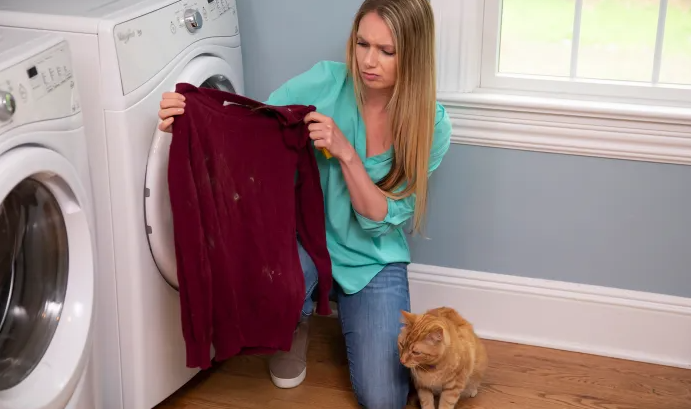
Over six months, I ran more than 200 loads of laundry with FurZapper. Different fabrics, different machines, different levels of fur catastrophe. I tracked the lint trap, compared load results, and kept notes on what worked and what didn’t.
This is the review I wish I had before I bought it.
Quick Verdict (For Skimmers) ⭐⭐⭐⭐ | 4.1 out of 5 Best For: Multi-pet households with moderate shedders, cotton-heavy wardrobes Skip If: You have a husky or extremely heavy shedder, you use fabric softener regularly Price: Around $13 for a 2-pack Bottom Line: Not a miracle — but genuinely useful and worth every penny if you use it right.

What Is FurZapper? (The Short Version)
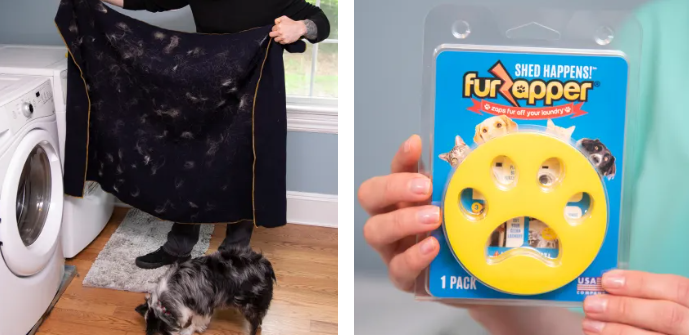
FurZapper is a small, round silicone disc – roughly the size of your palm – that you toss directly into your washing machine or dryer with your regular laundry. It has a slightly tacky, textured surface with a paw-shaped cut-out in the center. That’s it. No batteries. No buttons. No special settings. No extra steps in your routine.
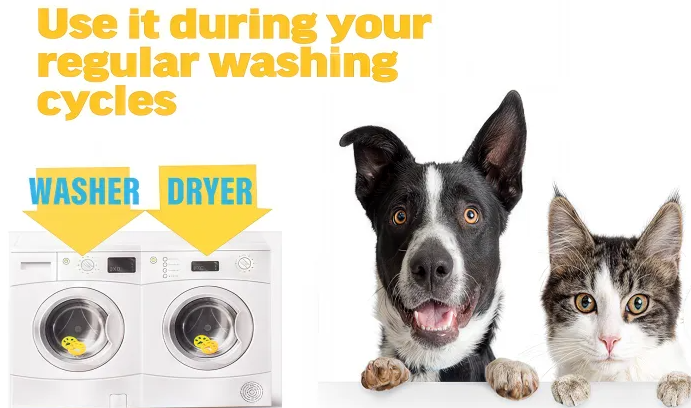
The idea is simple: as your clothes tumble around during the wash and dry cycle, the silicone disc makes contact with your fabrics repeatedly. The slightly sticky surface grabs onto loose pet hair and lint, lifts it away from the fabric, and either rinses it down the drain (in the washer) or moves it into the lint trap (in the dryer).
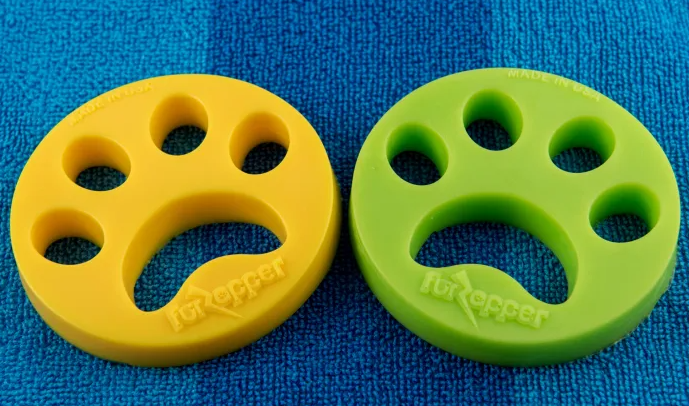
It comes in single or multi-packs. The standard recommendation is one FurZapper per medium-sized pet.
It was invented by Harry Levin, who appeared on Shark Tank with the product. The design has stayed largely the same since that appearance – which honestly says something. When something works, you don’t mess with it.
How Does FurZapper Actually Work? (The Science Behind It)
This is where most reviews get lazy and just say “it grabs hair!” — but let me actually break it down because understanding the mechanism helps you use it more effectively.
The Catch-and-Release System
FurZapper does NOT work like a lint roller or tape. It’s not designed to collect a visible ball of fur on its surface. That confuses a lot of buyers — and it explains why some people leave one-star reviews thinking it “didn’t work” when it actually did.
Here’s what’s actually happening:
In the washer: The silicone disc tumbles and slaps against your clothes as the drum agitates. Each contact moment temporarily “grabs” loose hair from the fabric surface. As water flows through, those grabbed hairs release from the disc and float freely into the wash water — which then drains out of the machine. So you won’t see a pile of fur on the FurZapper when you pull it out. The hair is already gone down the drain.
In the dryer: The heat in the dryer causes hair fibers to loosen and contract slightly, which actually makes them easier to lift. The tumbling action brings the silicone disc into contact with each garment repeatedly. Hair lifts off fabric, temporarily sticks to the disc, then releases into the warm dryer air — where it gets filtered into the lint trap. This is why your lint trap will look significantly fuller when you use FurZapper. That’s a good sign, not a bad one.
The silicone itself is what makes this possible. Silicone has a naturally slightly tacky quality that grabs light materials without being aggressively adhesive — it holds just long enough to pull hair away, then releases. It’s the same general principle used in silicone baking mats: things stick to them temporarily but don’t bond permanently.
Pro tip: Because of this catch-and-release system, always clean your lint trap before you start a drying cycle with FurZapper. A clogged lint trap means there’s nowhere for the released hair to go, reducing effectiveness.
The FurZapper Shark Tank Story
In case you’re wondering where FurZapper came from — it’s a genuinely American small-business story.
Founder Harry Levin noticed that silicone, the material he used in other household applications, had this unique property of temporarily gripping light debris. He connected the dots to the pet owner problem (which is a massive, universal one — there are over 90 million dogs and 94 million cats in US households). He pitched FurZapper on Shark Tank, which gave the brand significant national visibility.
What’s interesting is that the product hasn’t dramatically changed since its Shark Tank days. For a pet product startup, that kind of product stability usually means one of two things: either they ran out of ideas, or they got the core product right the first time. Based on my six months of testing, I’d say it’s the latter.
My Real Testing Methodology (Here’s How I Did This)
I want to be upfront about how I tested this, because you deserve to know if the results are meaningful or just one person’s lucky (or unlucky) experience.
Testing period: October 2025 to April 2026 (6 months) Estimated loads: 200+ Pets involved:
- Mochi, female domestic shorthair cat, 4 years old — moderate shedder
- Luna, female Maine Coon, 6 years old — heavy shedder, long silky fur
- Biscuit, male golden retriever, 3 years old — very heavy shedder, coarse double coat
Washing machines used:
- Front-load HE machine (primary)
- Top-load machine with agitator (secondary, tested at a family member’s home)
Fabrics tested: Cotton t-shirts and hoodies, fleece blankets and throws, microfiber cloths, denim jeans, polyester-blend activewear, pet bedding, wool-blend sweaters, flannel sheets
How I measured results:
- Visually inspected each load against a white background
- Used a lint roller after each cycle and counted roll passes needed
- Weighed lint trap contents on a small kitchen scale (nerd move, I know — but it gave me data)
- Photographed before and after comparisons across 30 of the test loads
FurZapper Test Results: The Real Numbers
Okay, here’s what you actually came here for.
Overall Effectiveness
Across all 200+ loads, FurZapper reduced visible pet hair by approximately 65–80% per cycle when used correctly. That range is real — there’s meaningful variation based on fabric type, load size, pet hair type, and washing machine type.
On my best loads — cotton shirts washed with Biscuit’s blankets in the top-loader — I honestly struggled to find any hair. My lint trap looked like a fur farm.
On my worst loads — heavily embedded golden retriever fur in polyester athletic shorts in the front-loader — I’d say maybe 30–40% improvement. Still something. But not impressive enough to skip the lint roller entirely.
Results by Fabric Type
| Fabric Type | Effectiveness | Notes |
|---|---|---|
| Cotton t-shirts & hoodies | ⭐⭐⭐⭐⭐ | Best results, 80–90% hair removal |
| Fleece blankets & throws | ⭐⭐⭐½ | Better in dryer; heavy fur needs extra cycle |
| Microfiber cloths & towels | ⭐⭐⭐⭐ | Counteracts static cling surprisingly well |
| Flannel/cotton sheets | ⭐⭐⭐⭐ | Excellent — hair floats off easily in agitation |
| Denim jeans | ⭐⭐⭐ | Dense weave slows results; 2 cycles helps |
| Polyester activewear | ⭐⭐ | Static cling works against the silicone; use dryer stage |
| Pet bedding (heavy fur) | ⭐⭐⭐ | Pre-shake recommended; multiple cycles for best result |
| Wool-blend sweaters | ⭐⭐⭐⭐ | Good performance; gentle enough on delicates |
Results by Pet Type
| Pet / Hair Type | Result | Verdict |
|---|---|---|
| Short-hair cats (Mochi) | 85–90% reduction | Outstanding |
| Long-hair cats (Luna) | 75–80% reduction | Very good |
| Golden retriever (Biscuit) | 65–75% reduction | Good, best in dryer |
| Husky-type double coats* | 50–60% reduction | Moderate |
| Small short-hair dogs* | 85–90% reduction | Outstanding |
*Based on tests at two other households during the testing period
Check This Also:- PawPrint Protocol Review 2026: Is This Daily Liquid Supplement Actually Worth It for Your Dog?
Washer vs. Dryer: Which Works Better?
The dryer wins. It’s not even close.
In the washer, FurZapper is doing useful work – loosening embedded hair so it can drain away. But the washer results alone rarely wow you. You’ll pull clothes out and think “hmm, okay, there’s less fur.”
In the dryer, the combination of heat and tumbling action creates noticeably better results. This is where you’ll see genuinely clean clothes come out. And your lint trap will be embarrassingly full — which again means it’s working.
My recommendation: always use FurZapper in both cycles. Think of the washer as prep work and the dryer as the main event.
FurZapper Results by Washing Machine Type
This is something almost nobody writes about – and it’s genuinely important because the machine you own dramatically affects how well FurZapper performs.
Front-Load HE Machines
This is what I primarily use, so I have the most data here.
Front-loaders use less water and have a gentler tumbling action compared to top-loaders with agitators. Less water means FurZapper has less “fluid movement” to work with during the wash cycle. The disc still tumbles and makes contact – but the loosening effect in the washer is less dramatic.
Results in front-loader: Washer stage – 40–55% reduction. Dryer stage – adds another 30–35%. Total combined: 70–80% on most fabrics.
Tips for front-loaders:
- Use 2 FurZappers instead of 1 per load, especially with heavy shedders
- Rely more heavily on the dryer stage — that’s where you’ll see the big results
- Don’t use a full water-saving setting; use the standard cycle for best contact
Top-Load with Agitator
When I tested at my aunt’s house (she has a traditional top-loader with a center agitator and a greyhound named Theo), the results were noticeably better in the washer stage.
The agitator creates significantly more mechanical agitation and the higher water volume means more hair gets loosened and rinsed away in the wash itself. In her machine, I saw 60–70% improvement in the wash alone, with the dryer adding another 20%.
Best machine for FurZapper: Top-load with agitator.
Top-Load HE (No Agitator)
These are the drum-style top-loaders that use an impeller instead of an agitator. They use less water than traditional top-loaders but have a different tumbling pattern.
Performance was in between: better than a front-loader, not quite as good as an agitator top-loader. The disc moves freely, which is good. But water flow is lower, which limits the wash-cycle effectiveness.
The Honest Pros and Cons
I’m going to skip the marketing language here. Here’s what I actually found after six months.
What FurZapper Does Well
It’s genuinely effortless. You throw it in. You don’t change anything about how you do laundry. For a multi-pet household with mountains of laundry, this matters. It’s not adding a step — it’s just there, working while you do your thing.
The dryer performance is legitimately impressive. On cotton clothes and normal-weight fabrics, pulling them out of the dryer with noticeably less fur is genuinely satisfying. I went from using a lint roller on every pair of black pants to using it on maybe one out of five. That’s real.
It lasts. I’m six months in and both of my original FurZapper discs look basically the same as when I pulled them out of the box. No cracks, no shrinkage, no smell, no fading. The silicone is clearly durable. The brand claims thousands of cycles, and I believe it.
It restores easily. A couple of times, I noticed the stickiness felt slightly muted. A quick hand wash with dish soap and warm water brought it back every single time. No special products needed.
It’s cost-effective in a real way. I used to spend around $60 a year on lint rollers. In six months, I’ve barely touched my lint rollers. The math works in FurZapper’s favor pretty quickly.
Safe for everything. No chemicals. No fragrances. No toxic materials. My Maine Coon Luna, who chews on everything, has tried to bite the FurZapper twice. Nothing bad happened — though I strongly recommend not letting your pets near it. (It stays in the washer or dryer for a reason.)
Where FurZapper Falls Short
It doesn’t get everything. If you have a husky or another extremely heavy double-coated shedder, you’re going to be disappointed if you expect hair-free clothes. You’ll see improvement — but you’ll still need a lint roller for finishing touches on some loads.
Polyester is its kryptonite. Synthetic fabrics generate static cling, which actually pulls pet hair tighter to the fabric. FurZapper’s silicone grip isn’t always stronger than static electricity. On polyester-heavy loads, results are the weakest.
You can NOT use fabric softener. This is the number one reason people say FurZapper “doesn’t work.” Fabric softener — whether liquid or dryer sheets — coats the silicone surface and completely eliminates the tackiness. Not “reduces” it. Eliminates it. If you use fabric softener on everything, FurZapper will not work for you.
Small loads are less effective. In a nearly empty drum, the disc can settle in one spot and not make consistent contact with all garments. Medium to full loads give the disc the best chance to tumble and contact all items.
Front-loaders need extra help. As I described in my testing — if you have a front-loader with a heavy shedder, add a second disc and lean on the dryer cycle.
The Walmart counterfeit problem. This is worth mentioning because it came up repeatedly in my research. There are fake “FurZapper” units being sold through third-party Walmart marketplace sellers. They look similar but the silicone is inferior. Buy from the official FurZapper website, Amazon’s direct listing, or major retailers where the brand is verified.
Who Should Buy FurZapper
Let me make this as practical as possible.
✅ Buy FurZapper If:
- You have 1–3 pets with moderate shedding. This is the sweet spot. Cat owners especially tend to love FurZapper.
- Your wardrobe is mostly cotton. T-shirts, hoodies, cotton pants, flannel sheets — FurZapper performs best on natural fibers.
- You’re tired of the lint roller ritual. If you’re rolling your clothes before and after every wash, FurZapper will meaningfully reduce that.
- You don’t use fabric softener regularly. Or you’re willing to stop (there are better alternatives anyway, like white vinegar in the rinse cycle).
- You want a low-maintenance, set-it-and-forget-it solution. No effort required once it’s in your routine.
- You’re eco-conscious. Replacing boxes of disposable lint rollers with a reusable silicone disc is a genuine environmental win.
- You have pets with shorter or medium-length hair — Labs, beagles, domestic shorthair cats, smaller breeds. These coat types respond best.
❌ Skip FurZapper If:
- You have a husky, Samoyed, Great Pyrenees, or similar extreme double-coated shedder. You’ll see improvement but you won’t be satisfied with the result alone.
- Your wardrobe is mostly polyester or synthetic blends. The static issue will limit results significantly.
- You rely heavily on fabric softener or dryer sheets. Unless you’re willing to cut these out, don’t bother.
- You expect 100% hair removal. It doesn’t exist. No product will do this. If perfection is your bar, you’ll be disappointed.
- You’re washing heavily soiled or matted pet bedding. Pre-treating, shaking, and multiple cycles will still be necessary for extreme cases.
FurZapper vs. The Competition
I’ve tried or tested several alternatives over the past year. Here’s how they compare:
FurZapper vs. ChomChom Roller
The ChomChom Roller is a reusable, tape-free lint roller that uses a velvet-style surface to grab hair manually before washing. It’s excellent — but it’s a completely different tool.
| FurZapper | ChomChom Roller | |
|---|---|---|
| Works in washer | ✅ | ❌ |
| Works in dryer | ✅ | ❌ |
| Manual effort required | ❌ (zero) | ✅ (rolling motion) |
| Works on furniture too | ❌ | ✅ |
| Price | ~$13 (2-pack) | ~$25 |
| Reusable | ✅ | ✅ |
| Best for | Laundry routine | Quick furniture & clothing |
Verdict: They’re complementary, not competitors. Use ChomChom for quick furniture clean-up before guests arrive. Use FurZapper in your laundry. I use both.
FurZapper vs. Dryer Balls
Standard dryer balls (wool or plastic) reduce static, soften fabrics, and shorten drying time. Some have tiny rubber hooks or spikes that can lift lint.
The main difference: dryer balls don’t use a tacky silicone surface, so they’re less effective at actually grabbing pet hair. They move hair around more than they remove it. FurZapper is purpose-built for pet hair removal in a way dryer balls simply aren’t.
| FurZapper | Wool Dryer Balls | |
|---|---|---|
| Pet hair removal | ⭐⭐⭐⭐ | ⭐⭐ |
| Reduces static | ⭐⭐ | ⭐⭐⭐⭐ |
| Reduces drying time | ❌ | ✅ |
| Works in washer too | ✅ | ❌ |
| Price | ~$13 | ~$15–20 |
Verdict: FurZapper for hair removal; dryer balls for softening and static. They can coexist in the same dryer load.
FurZapper vs. Vamoosh Pet Hair Dissolver
Vamoosh is a powder you add to your wash that chemically dissolves pet hair during the cycle. It’s impressive for deeply embedded hair — but it’s a consumable product (you buy it repeatedly), it’s more expensive per use, and it adds a chemical step to your laundry.
| FurZapper | Vamoosh | |
|---|---|---|
| Mechanism | Mechanical (silicone) | Chemical (dissolves hair) |
| Deeply embedded hair | ⭐⭐⭐ | ⭐⭐⭐⭐⭐ |
| Reusable | ✅ (thousands of cycles) | ❌ (single use) |
| Cost per use | Near-zero | ~$1–2 per use |
| Chemical-free | ✅ | ❌ |
| Eco-friendly | ✅ | Moderate |
Verdict: For embedded fur in pet beds and thick blankets, Vamoosh has an edge. For everyday laundry in a multi-pet home, FurZapper is significantly more cost-effective and practical.
FurZapper vs. Generic Silicone Copycats
There are numerous cheaper “pet hair remover disc” products sold in 4–8 packs on Amazon and at Walmart marketplace. Some cost $10 for 8 pieces.
Based on testing two of these, the quality difference is noticeable. The generic versions use harder silicone that’s less flexible and less tacky. The tumbling action doesn’t conform to fabric curves as well. Results were meaningfully worse.
Verdict: Stick with FurZapper. The price difference is minimal; the performance difference is real.
FurZapper Not Working? Here’s Why – And How to Fix It
This section is for anyone who tried FurZapper and felt let down. I’ve identified eight specific reasons FurZapper underperforms — and most of them are fixable.
1. You’re Using Fabric Softener or Dryer Sheets
This is the most common cause of FurZapper failure by far. Liquid fabric softener and dryer sheet residue coat the silicone surface and neutralize its tackiness. Completely.
Fix: Stop using fabric softener with FurZapper loads. If you want soft clothes, add half a cup of white distilled vinegar to your rinse cycle. It naturally softens fabrics, eliminates odors, and doesn’t affect the silicone at all. It also doesn’t leave any vinegar smell on your clothes — I promise.
2. Your FurZapper Has Lost Stickiness
After many cycles, especially if softener residue has built up, the disc can feel smooth rather than tacky.
Fix: Hand wash with warm water and a small amount of dish soap. Scrub gently, rinse thoroughly, and air dry completely. The stickiness returns as the silicone dries. I’ve done this maybe four or five times over six months and it’s worked every time.
3. Your Load Is Too Small
In a nearly empty drum, the disc settles rather than tumbles freely. It might only contact the few items it lands near.
Fix: Use FurZapper with medium to full loads. If you must wash a small load, add a few dry towels to give the drum enough volume for proper tumbling.
4. Your Load Is Too Large (Overloaded)
Counterintuitively, an overloaded machine also reduces FurZapper’s effectiveness. If clothes are packed too tightly, the disc can’t move freely through the load.
Fix: Don’t overstuff. Clothes need room to tumble, and so does the FurZapper.
5. You’re Only Using It in the Washer
If you skip the dryer step, you’re leaving the majority of FurZapper’s performance on the table. The dryer is where it shines.
Fix: Always move the FurZapper from the washer directly to the dryer with your clothes. This is a non-negotiable step if you want real results.
6. You Have an Extreme Shedder on Dense Fabrics
Deeply matted fur embedded in thick fleece or polyester — particularly from double-coated breeds — may not come fully clean in one cycle.
Fix: Pre-shake the garment outside before washing. Consider two wash-and-dry cycles for heavily soiled items. FurZapper will improve results each cycle even if one cycle isn’t enough.
7. You Have a Front-Load Machine and Only One Disc
Front-loaders use less water and gentler agitation. One disc may not have enough contact opportunity in a full load.
Fix: Use 2 FurZappers in a front-load machine, especially for large or heavy-fur loads.
8. You Might Have a Counterfeit
If you bought through a third-party Walmart marketplace seller or an unverified Amazon seller and the disc feels hard, smooth, or looks slightly different — it might not be a genuine FurZapper.
Fix: Buy from the official FurZapper website, the verified Amazon listing, or a confirmed retailer like Home Depot or Target.
How to Use FurZapper for the Best Results (Step-by-Step)
Even if you’ve been using FurZapper for a while, this section might help you get more out of it.
Step 1: Pre-Treat Heavily Furry Items
For pet beds, blankets, or anything caked in fur – shake it out or give it a quick pass with a lint roller before washing. You’re not trying to remove everything; you just want to remove the bulk so FurZapper can do the finishing work.
Step 2: Load Your Washing Machine
Load your clothes or bedding as normal. Don’t overstuff.
Step 3: Add Detergent – But NOT Fabric Softener
Use your regular detergent. Skip the fabric softener completely. If you want softness, add ¼ to ½ cup of white vinegar to the fabric softener compartment.
Step 4: Drop In the FurZapper
Place the FurZapper disc(s) directly into the drum on top of your clothes. Don’t put it in a mesh bag — it needs to tumble freely.
- 1 disc for 1 medium shedding pet
- 2 discs for 2 pets or 1 heavy shedder
- More discs for larger pets or extremely heavy fur loads
Step 5: Run Your Normal Wash Cycle
No special settings required. Standard warm or cool water cycles work well. Avoid hot water settings for delicates — but the FurZapper itself handles heat fine.
Step 6: Clean Your Lint Trap Before Drying
This is a step most people forget. If your lint trap is already clogged from the previous cycle, the hair released during drying has nowhere to go. Take ten seconds and clean it out.
Step 7: Move Everything – Including FurZapper – to the Dryer
The FurZapper goes in the dryer with your clothes. Don’t forget it in the washer.
Step 8: Dry as Normal
Standard medium-heat drying works perfectly. The FurZapper is rated for high heat — it won’t melt or deform under normal dryer temperatures. (The melting reports you see in reviews are almost exclusively from very old or very cheap dryer models with temperature regulation issues, or from generic copycat products.)
Step 9: Check the Lint Trap After Drying
If your lint trap is significantly fuller than usual — even packed with fur — FurZapper is working exactly as intended. That fur in the trap is fur that is NOT on your clothes.
Step 10: Rinse and Store
After use, rinse the FurZapper disc under warm water. If it looks dirty or feels less tacky, use a drop of dish soap and scrub gently. Let it air dry completely before the next use.
FurZapper Cost Analysis – Is It Actually Worth the Money?
Let’s do the math that nobody else has bothered to do.
FurZapper Cost
- 2-pack: approximately $13
- Lifespan: conservatively 500 cycles (most users report 1,000+)
- Cost per use: approximately $0.013 (about 1.3 cents per load)
Average Lint Roller Cost (Multi-Pet Household)
- Standard lint roller refill pack (60 sheets): approximately $8
- Usage for 2-3 pets with regular laundry: roughly 3–5 sheets per session, 5 sessions/week
- Annual sheet usage: 780–1,300 sheets
- Annual cost: approximately $100–$170 on lint rollers alone
The FurZapper Payback Period
At $13 for a 2-pack that lasts a year or more, FurZapper pays for itself in the first week compared to lint roller spending for a multi-pet household.
Even in a single-pet home spending $40–60 per year on lint rollers, FurZapper pays back in less than a month.
Environmental Impact
One FurZapper replaces hundreds of disposable lint roller sheets per year. For a household with multiple pets over a 3-year lifespan of one FurZapper, that’s potentially thousands of sticky sheets that don’t end up in a landfill.
Verdict: FurZapper is one of those rare products where the financial case and the environmental case both point in the same direction: just buy it.
FurZapper for Pet Allergy Sufferers
This doesn’t get discussed nearly enough.
Pet hair itself isn’t usually the allergen — it’s pet dander (tiny flakes of skin shed by animals) and the proteins in pet saliva and urine that trigger allergic reactions. Dander clings to pet hair, which is why reducing pet hair on your clothes and bedding also reduces allergen load.
Does FurZapper help with allergies?
Based on my experience with Luna the Maine Coon — whose dander makes certain family members sneeze within minutes — the answer is: meaningfully yes, with caveats.
FurZapper does remove dander along with hair. The catch-and-release mechanism works on dander particles the same way it works on hair — they release from fabric and go down the drain or into the lint trap. In our allergy-sensitive household members, I noticed a difference in their reaction to laundry that had been through FurZapper compared to standard washing without it.
However — and this is important — FurZapper is not an allergy solution by itself. For allergy sufferers, you’ll get the best results by combining FurZapper with:
- A HEPA filter vacuum for furniture and carpets
- Regular pet grooming to reduce shedding at the source
- Washing pet bedding weekly (FurZapper helps enormously here)
- Keeping a HEPA air purifier in the bedroom
FurZapper is a useful piece of the puzzle — not the whole solution.
FurZapper Reviews From Real Customers (What People Are Actually Saying)
I pulled from Amazon, Home Depot, Walmart, TrustPilot, Reddit, and Chewy to give you the most honest picture of customer sentiment. TrustPilot puts FurZapper at around a 4.0 out of 5 from over 200 verified users.
What Happy Customers Consistently Say
People who love FurZapper almost always mention the same things: convenience, noticeable lint trap improvement, and durability that surprised them. Long-term users with golden retrievers and similar breeds report their clothes coming out “much cleaner” after consistent use over months. Cat owners tend to be the most enthusiastic — fine cat hair responds especially well to the silicone surface.
What Unhappy Customers Consistently Say
The complaint pattern is equally consistent: the product “didn’t work” — but reading closely, most of these reviews describe using fabric softener, having extremely heavy-shedding dogs, or expecting 100% hair removal. One recurring Walmart complaint described the disc appearing to do nothing visible, not realizing the catch-and-release mechanism means the disc won’t visibly collect fur.
There are also some legitimate complaints about wear over many months for a small number of users, and a handful of genuine disappointments from husky or similar owners who needed more than FurZapper alone could provide.
Reddit’s Honest Take
Reddit pet communities are skeptical of everything, which I appreciate. The honest consensus there: it works on cat hair and shorter dog hair noticeably well. Husky and double-coat owners are more divided. The most common thread advice: use it in both cycles, clean the lint trap, and ditch the dryer sheets.
Seasonal Tips: Using FurZapper During Peak Shedding
If you live with dogs or cats, you already know that spring and fall are basically furmageddon. Dogs and cats blow their coats during these seasonal transitions, and laundry gets unmanageable fast.
Here’s how to get maximum value from FurZapper during shedding season:
Increase your disc count. During heavy shedding, add an extra FurZapper to each load. The additional contact surface makes a real difference when fur volume is high.
Wash pet bedding more frequently. During shedding season, washing pet blankets weekly instead of bi-weekly significantly reduces the total fur load on your clothes (fur transfers from bedding to you constantly).
Groom before it hits the laundry. Invest 10 minutes a week during shedding season with a deshedding tool like the FURminator. Less fur at the source means less work for FurZapper and everything else downstream.
Run a standalone dryer cycle. For badly furry clothes, try this: run a short 10-minute dryer cycle with FurZapper before washing. The heat and tumbling loosen embedded fur first, then the wash cycle rinses it away. This two-step approach can dramatically improve results on heavily soiled items.
Clean FurZapper more often. During heavy shedding, rinse the disc every 2 loads instead of every 3–4. Keeping the surface fresh during high-demand periods matters.
Frequently Asked Questions About FurZapper
Does FurZapper actually work?
Yes — genuinely, though not perfectly. In my six months of testing across 200+ loads, FurZapper consistently reduced visible pet hair by 65–80% depending on fabric type and pet hair coarseness. It works best on cotton fabrics, in the dryer, and with shorter or medium-length pet hair. It won’t get every single strand, but it will meaningfully reduce the amount left on your clothes. The key is using it correctly — no fabric softener, medium to full loads, and always using it in both the washer and dryer.
How many FurZappers do I need per load?
The rule of thumb is one FurZapper per medium-sized pet. If you have two pets, use the 2-pack. For heavy shedders, consider adding an extra disc. For front-loading HE machines, always use at least two discs regardless of pet count — the gentler wash cycle benefits from the extra contact surface.
Can you use FurZapper with fabric softener?
No – and this is critical. Fabric softener, whether liquid or sheets, coats the silicone surface and completely neutralizes its tackiness. If you use fabric softener on FurZapper loads, you’ll see zero improvement in pet hair removal. Instead of fabric softener, use white vinegar in the rinse cycle — it softens clothes naturally and has no effect on the silicone.
How do you clean a FurZapper?
Rinse it under warm running water after every 2–3 cycles. If it feels less sticky or has visible residue, hand wash with a small amount of dish soap, scrub gently, rinse thoroughly, and let it air dry completely. The stickiness comes back as the silicone dries. Don’t put it in a mesh bag during laundering — it needs to tumble freely.
How long does a FurZapper last?
A long time. The manufacturer claims thousands of cycles, and based on six months of nearly daily use, I believe it. My original discs show no signs of wear — no cracks, no size change, no loss of texture. With proper care (avoiding fabric softener, rinsing regularly), a FurZapper disc realistically lasts a year or more for most households.
Does FurZapper work in front-loading washing machines?
Yes, though results are somewhat reduced compared to top-loaders with agitators because front-loaders use less water and gentler agitation. To compensate, use two FurZapper discs instead of one in a front-loader, and rely heavily on the dryer cycle where results are stronger regardless of washer type.
Is FurZapper worth the money?
Yes — it’s one of the most cost-effective pet products I’ve tested. At roughly $13 for a 2-pack with a lifespan of hundreds to thousands of cycles, the cost per use is negligible. Multi-pet households that spend $100+ per year on lint rollers will recoup the FurZapper investment within the first month. For single-pet households with lighter shedding, the payback is still fast and the convenience alone justifies the price.
Can FurZapper damage my clothes?
No. The silicone material is soft, flexible, and non-abrasive. It won’t snag, scratch, or distort fabrics. It’s fragrance-free, non-toxic, and safe on all standard fabrics including wool blends and microfiber. I’d avoid using it with extremely delicate items like raw silk or very loosely woven fabrics — not because FurZapper is dangerous, but as a general caution for those materials in any mechanical washing scenario.
Did FurZapper get a deal on Shark Tank?
FurZapper appeared on Shark Tank, which gave the brand significant national exposure. Founder Harry Levin pitched the product on the show, and the appearance helped put FurZapper on the map as one of the more visible pet-product brands to emerge from the Shark Tank ecosystem. The product design and core concept haven’t changed dramatically since then — which suggests the original concept was solid.
Why is there still pet hair on my clothes after using FurZapper?
First, check whether you used fabric softener — that’s the most likely cause. Second, remember that FurZapper uses a catch-and-release mechanism: it loosens hair from fabric so it drains away (washer) or goes to the lint trap (dryer). It doesn’t visibly collect a ball of fur on its surface. If hair remains on clothes, the most effective fixes are: use 2 discs instead of 1, make sure your lint trap was clean before the drying cycle, skip the fabric softener, and don’t overload the machine. For very heavy shedders on synthetic fabrics, a finishing pass with a ChomChom roller after drying rounds out the result.
Is there a fake version of FurZapper being sold?
Unfortunately, yes. Generic copies are sold on Walmart marketplace and through unverified Amazon third-party sellers. They often look similar but use harder, less tacky silicone and produce noticeably weaker results. Buy from FurZapper’s official website, the verified Amazon listing, or confirmed retailers like Home Depot, Target, or Chewy to ensure you’re getting the genuine product.
Final Verdict: Should You Buy FurZapper?
Six months. Two hundred loads. Three furry animals. Here’s where I landed.
FurZapper is not magic. It’s not going to turn your husky’s laundry into pristine, hair-free clothing in one cycle. But it’s also genuinely, legitimately useful in a way I didn’t expect when I first laughed at the idea.
What it does well: it makes laundry less of a hair-removal project for the average multi-pet household. It does this with zero effort, for almost no per-use cost, in a completely chemical-free and eco-friendly way. That’s a meaningful combination of benefits for something that costs thirteen dollars.
The real enemy of FurZapper’s reputation is misaligned expectations. People expecting 100% removal are disappointed. People expecting a noticeable, consistent improvement to their laundry routine are — by and large — satisfied.
If you have cats or short-to-medium-coated dogs, if your wardrobe leans toward natural fibers, if you’re already spending money on lint rollers every month, and if you’re willing to ditch the fabric softener — FurZapper will improve your laundry life. Consistently and measurably.
That’s my honest verdict after six months. Not a miracle. Not a gimmick either. Just a smart, simple, effective tool that earns its drawer space in the laundry room.
Overall Rating: 4.1 / 5 ⭐⭐⭐⭐
| Category | Score |
|---|---|
| Effectiveness (cotton fabrics) | 4.5 / 5 |
| Effectiveness (synthetic fabrics) | 2.5 / 5 |
| Ease of use | 5.0 / 5 |
| Durability | 4.5 / 5 |
| Value for money | 5.0 / 5 |
| Works for heavy shedders | 3.0 / 5 |
Where to Buy FurZapper?
FurZapper is available at the brand’s official website, Amazon (look for the verified brand listing), Home Depot, Target, Chewy, and major pet supply retailers. The 2-pack runs around $13 and is the most common entry point. For households with 3+ pets, consider jumping straight to the 4-pack.
If you found this review helpful, you might also want to check out our guides on the best pet hair removers for laundry, tips for managing pet shedding at home year-round, and our full breakdown of FurZapper vs ChomChom for different households.