
Do you constantly battle that unwanted shine on your face? Does your makeup slide off by midday, leaving you reaching for blotting papers every few hours? You’re not alone. Millions of people struggle with oily skin, a condition that occurs when sebaceous glands produce excess sebum, leading to a greasy appearance, enlarged pores, and increased risk of acne breakouts.
While oily skin can feel frustrating, the good news is that you don’t need expensive treatments or harsh chemicals to manage it. Natural home remedies offer gentle, effective solutions that work with your skin’s natural balance rather than against it.
In this comprehensive guide, you’ll discover 15 proven natural remedies to reduce oily skin, understand what causes excess oil production, and learn practical daily routines to maintain a healthy, balanced complexion. These solutions are backed by traditional wisdom and supported by modern skincare understanding, giving you actionable steps you can start implementing today.
Understanding Oily Skin: What Causes Excess Sebum Production?
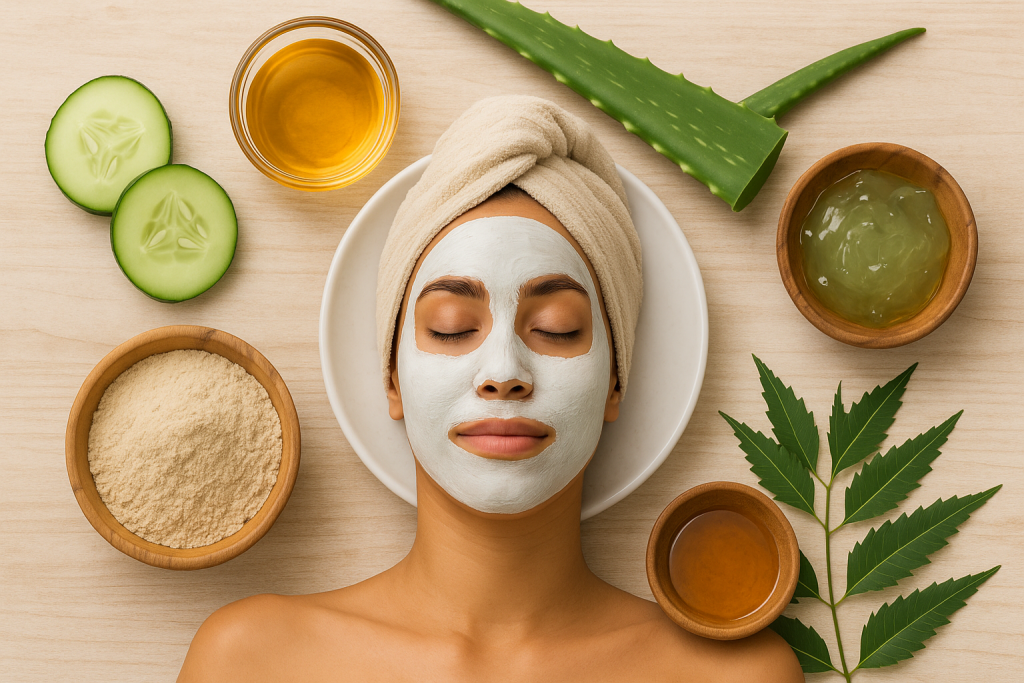
Before diving into remedies, it’s essential to understand why your skin produces excess oil. Sebum is a natural, waxy substance produced by sebaceous glands beneath your skin’s surface. While sebum serves important protective functions, overproduction creates the characteristic shine and texture associated with oily skin.
Common Causes of Oily Skin
Several factors contribute to excessive oil production:
- Genetics: Your skin type is largely hereditary, meaning oily skin often runs in families
- Hormonal fluctuations: Changes during puberty, menstruation, pregnancy, or stress increase sebum production
- Climate and humidity: Hot, humid weather stimulates oil glands to work overtime
- Overwashing: Stripping skin of natural oils triggers increased production as compensation
- Wrong skincare products: Heavy, oil-based products can clog pores and worsen oiliness
- Diet: High-glycemic foods and dairy may influence sebum production in some individuals
- Stress: Elevated cortisol levels can trigger hormonal changes that increase oiliness
Understanding these triggers helps you address the root causes while implementing natural remedies for lasting results.
Benefits of Using Natural Home Remedies for Oily Skin
Natural remedies offer several advantages over commercial products when managing oily skin:
Gentle on skin: Plant-based ingredients typically cause fewer irritations and reactions compared to synthetic chemicals.
Cost-effective: Most natural remedies use ingredients already in your kitchen, saving money on expensive skincare products.
No harsh chemicals: Avoid parabens, sulfates, artificial fragrances, and other potentially harmful additives.
Sustainable: Natural ingredients create less environmental impact than manufactured products.
Customizable: You can adjust recipes and ingredients based on your skin’s unique needs and sensitivities.
Holistic approach: Natural remedies often provide multiple benefits beyond oil control, including hydration, antioxidants, and gentle exfoliation.
15 Proven Natural Home Remedies to Reduce Oily Skin
1. Aloe Vera Gel: Nature’s Oil-Balancing Solution
Aloe vera stands out as one of the most effective natural remedies for oily skin. This succulent plant contains compounds that help regulate sebum production while providing lightweight hydration.
How it works: Aloe vera has astringent properties that help tighten pores and remove excess oil without drying out your skin. It also contains salicylic acid, which gently exfoliates dead skin cells.
How to use:
- Extract fresh gel from an aloe vera leaf
- Apply a thin layer directly to clean, dry skin
- Leave on for 15-20 minutes
- Rinse with lukewarm water
- Repeat daily for best results
Pro tip: Store extra aloe vera gel in ice cube trays for refreshing facial treatments on hot days.
2. Apple Cider Vinegar Toner: pH-Balancing Powerhouse
Apple cider vinegar helps restore your skin’s natural pH balance, which is crucial for controlling oil production. The acidic nature of ACV also acts as a mild astringent.
Benefits:
- Balances skin pH levels
- Contains alpha hydroxy acids for gentle exfoliation
- Has antibacterial properties that prevent acne
- Tightens pores naturally
How to use:
- Mix 1 part raw, unfiltered apple cider vinegar with 3 parts water
- Apply to clean skin using a cotton pad
- Let it dry naturally
- Follow with a lightweight moisturizer
- Use 2-3 times weekly
Important: Always dilute ACV before applying to skin, as undiluted vinegar can cause irritation or burns.
3. Clay Masks: Deep Cleansing for Oil Control
Clay masks, particularly those made with bentonite or kaolin clay, excel at absorbing excess sebum and drawing out impurities from pores.
Best clays for oily skin:
- Bentonite clay: Most absorbent, ideal for very oily skin
- Kaolin clay: Gentler option suitable for sensitive oily skin
- French green clay: Excellent for combination skin with oily zones
DIY clay mask recipe:
- 2 tablespoons bentonite or kaolin clay
- 1 tablespoon apple cider vinegar
- 1-2 teaspoons water (adjust for consistency)
- Mix into a smooth paste
- Apply to face, avoiding eye area
- Leave on until nearly dry (10-15 minutes)
- Rinse thoroughly with lukewarm water
Frequency: Use clay masks 1-2 times per week to avoid over-drying.
4. Honey: Natural Humectant and Antibacterial Agent
Raw honey provides hydration while controlling oil, making it perfect for oily skin that still needs moisture.
Why honey works:
- Natural humectant that attracts and retains moisture
- Antibacterial properties prevent acne-causing bacteria
- Gentle enough for daily use
- Contains antioxidants that protect skin
Simple honey treatment:
- Apply a thin layer of raw, organic honey to clean skin
- Massage gently in circular motions
- Leave on for 10-15 minutes
- Rinse with warm water
- Pat dry and follow with your regular routine
5. Green Tea: Antioxidant-Rich Oil Reducer
Green tea contains powerful antioxidants called catechins that help reduce sebum production and fight inflammation.
Application methods:
Method 1 – Toner: Brew strong green tea, let it cool, and apply with a cotton pad twice daily.
Method 2 – Steam: Add green tea bags to hot water and steam your face for 5-10 minutes to open pores.
Method 3 – Ice cubes: Freeze brewed green tea in ice cube trays and rub over skin for a refreshing, pore-tightening treatment.
6. Witch Hazel: Traditional Astringent
Witch hazel has been used for centuries as a natural astringent to control oil and tighten pores.
Benefits:
- Contains tannins that naturally tighten skin
- Reduces inflammation
- Alcohol-free versions provide gentle oil control
- Soothes irritated skin
How to use: Apply alcohol-free witch hazel to clean skin twice daily using a cotton pad. Follow with moisturizer.
7. Lemon Juice: Natural Astringent (Use with Caution)
Lemon juice contains citric acid, which acts as a natural astringent and exfoliant. However, it requires careful use due to its high acidity.
Application guidelines:
- Always dilute lemon juice with equal parts water
- Apply to skin for no more than 10 minutes
- Never apply before sun exposure (increases photosensitivity)
- Rinse thoroughly and apply sunscreen
- Test on a small area first
Alternative: If lemon proves too harsh, consider gentler citrus options like orange peel powder.
8. Oatmeal: Gentle Exfoliant and Oil Absorber
Colloidal oatmeal soothes skin while absorbing excess oil, making it excellent for sensitive oily skin.
DIY oatmeal mask:
- Grind 2 tablespoons oatmeal into fine powder
- Mix with plain yogurt to create a paste
- Apply to face and leave for 15 minutes
- Rinse with lukewarm water while gently massaging in circles
- Use 2-3 times weekly
9. Cucumber: Cooling and Refreshing
Cucumber naturally cools and tightens skin while providing lightweight hydration.
Quick cucumber treatments:
- Place chilled cucumber slices directly on skin for 15 minutes
- Blend cucumber and apply as a mask
- Mix cucumber juice with aloe vera for a hydrating toner
10. Tea Tree Oil: Antibacterial Oil Control
Tea tree oil possesses powerful antibacterial properties that combat acne while helping regulate sebum production.
Safe usage:
- Always dilute tea tree oil (2-3 drops in 1 tablespoon carrier oil)
- Apply to affected areas only
- Perform a patch test before full application
- Use once daily initially, then adjust based on results
Warning: Never apply undiluted tea tree oil directly to skin, as it can cause severe irritation.
11. Tomato: Natural Astringent Rich in Vitamins
Tomatoes contain natural acids and vitamins that help control oil while nourishing skin.
Application:
- Mash a ripe tomato and apply pulp to face
- Leave on for 15 minutes
- Rinse thoroughly
- Use 2-3 times weekly
12. Egg Whites: Pore-Tightening Treatment
Egg whites temporarily tighten pores and absorb excess oil, creating a smooth, matte appearance.
Egg white mask:
- Separate one egg white from yolk
- Whisk until frothy
- Apply thin layer to clean face
- Allow to dry completely (about 15 minutes)
- Rinse with cool water
13. Jojoba Oil: Oil-Balancing Paradox
While it seems counterintuitive to apply oil to oily skin, jojoba oil mimics skin’s natural sebum, signaling glands to produce less oil.
How to use:
- Apply 2-3 drops to damp skin after cleansing
- Massage gently until absorbed
- Use in evening as part of nighttime routine
14. Yogurt: Probiotic-Rich Treatment
Plain yogurt contains lactic acid that gently exfoliates and balances skin while providing beneficial probiotics.
Simple yogurt mask:
- Apply plain, unsweetened yogurt directly to face
- Leave for 10-15 minutes
- Rinse with lukewarm water
- Follow with toner and moisturizer
15. Rose Water: Gentle pH Balancer
Rose water soothes and balances skin while providing a pleasant, natural fragrance.
Usage: Spray or apply rose water throughout the day to refresh skin and control oil without disrupting makeup.
Creating Your Natural Oily Skin Care Routine
Consistency is key when managing oily skin naturally. Here’s a comprehensive daily routine incorporating home remedies:
Morning Routine
- Cleanse: Use lukewarm water and a gentle natural cleanser (honey or aloe vera)
- Tone: Apply diluted apple cider vinegar or witch hazel
- Treat: Apply a few drops of jojoba oil or green tea toner
- Protect: Always finish with sunscreen
Evening Routine
- Double cleanse: Remove makeup and impurities
- Tone: Apply your chosen natural toner
- Treat: Use tea tree oil on problem areas if needed
- Moisturize: Apply lightweight aloe vera gel or diluted jojoba oil
Weekly Treatments
- Clay mask: 1-2 times weekly for deep cleansing
- Exfoliation: Oatmeal scrub 2-3 times weekly
- Steam treatment: Once weekly with green tea
Some Suggested Beauty Product Reviews:
Glamory Review
Douxds FLEX Review
Cupids Hypnosis 2.0 Cologne Review
EraSilk Hair Remover Review
Voss+Agin Lab-Grown Diamond Stud Earrings Review
PMD Microderm Review
Lifestyle Changes to Support Oily Skin Management
Natural remedies work best when combined with healthy lifestyle habits:
Diet Modifications
While research on diet and oily skin continues, many people find these changes helpful:
- Reduce high-glycemic foods (white bread, sugary snacks, processed foods)
- Increase omega-3 fatty acids (fish, walnuts, flaxseeds)
- Stay hydrated with 8-10 glasses of water daily
- Limit dairy consumption if you notice skin changes
- Eat more zinc-rich foods (pumpkin seeds, chickpeas, cashews)
Stress Management
Since stress triggers hormonal changes that increase oil production:
- Practice regular meditation or deep breathing
- Exercise 3-4 times weekly
- Ensure adequate sleep (7-9 hours nightly)
- Engage in hobbies that promote relaxation
Environmental Considerations
- Use a humidifier in dry environments
- Avoid touching your face throughout the day
- Change pillowcases 2-3 times weekly
- Keep hair clean and away from face
- Clean makeup brushes weekly
Common Mistakes to Avoid When Treating Oily Skin
Many people inadvertently worsen their oily skin by making these common errors:
Over-washing: Cleansing more than twice daily strips natural oils, triggering increased production.
Skipping moisturizer: All skin types need hydration. Choose lightweight, oil-free options.
Using harsh products: Alcohol-based toners and strong scrubs can irritate skin and increase oiliness.
Not removing makeup: Sleeping in makeup clogs pores and exacerbates oil production.
Inconsistent routine: Results require patience and consistency over weeks, not days.
Ignoring sun protection: Sun damage can disrupt skin’s oil balance.
When to See a Dermatologist
While natural remedies effectively manage mild to moderate oily skin, certain situations warrant professional consultation:
- Oily skin accompanied by severe acne or cysts
- Sudden changes in skin oiliness without clear cause
- Skin conditions that don’t improve after 6-8 weeks of consistent home treatment
- Signs of infection or persistent inflammation
- Oily skin causing significant emotional distress
A dermatologist can rule out underlying conditions like hormonal imbalances, seborrheic dermatitis, or other medical issues requiring prescription treatment.
Measuring Your Progress: Tracking Oil Reduction
To determine which natural remedies work best for your skin, track your progress systematically:
Week 1-2: Establish baseline by noting how often you need blotting papers and when shine appears.
Week 3-4: Begin incorporating one or two remedies consistently. Document changes in oil production, pore appearance, and overall skin texture.
Week 5-8: Add additional treatments gradually. Continue tracking which combinations yield best results.
Photography: Take weekly photos in consistent lighting to visualize improvements over time.
Seasonal Adjustments for Oily Skin Care
Your skin’s oil production varies with seasons, requiring routine adjustments:
Summer Strategy
- Increase use of clay masks to twice weekly
- Apply lighter layers of products
- Use cucumber and aloe vera for cooling effects
- Carry blotting papers for midday touch-ups
Winter Approach
- Reduce clay mask frequency to once weekly
- Add more hydrating ingredients like honey
- Don’t skip moisturizer despite oiliness
- Use gentle exfoliation to prevent dry patches
Combining Natural Remedies: Synergistic Treatments
Certain natural ingredients work particularly well together:
| Combination | Benefits | How to Use |
|---|---|---|
| Aloe Vera + Tea Tree Oil | Oil control + antibacterial | Mix 2 drops tea tree oil with 1 tablespoon aloe vera gel |
| Honey + Cinnamon | Antibacterial + anti-inflammatory | Mix 1 tsp cinnamon with 2 tbsp honey for spot treatment |
| Clay + Apple Cider Vinegar | Deep cleansing + pH balancing | Use ACV as liquid in clay mask recipe |
| Green Tea + Honey | Antioxidants + hydration | Mix cooled green tea with honey as a toner |
| Yogurt + Oatmeal | Gentle exfoliation + soothing | Combine for a calming mask |
Cost Comparison: Natural Remedies vs. Commercial Products
Natural remedies provide significant cost savings compared to commercial skincare:
Commercial Oil-Control Routine (monthly cost):
- Cleanser: $15-30
- Toner: $20-40
- Treatment serum: $30-80
- Moisturizer: $20-50
- Masks: $15-35
- Total: $100-235 monthly
Natural Home Remedy Routine (monthly cost):
- Aloe vera plant: $5 (lasts months)
- Apple cider vinegar: $4 (lasts months)
- Clay: $10 (lasts 3-4 months)
- Raw honey: $8 (lasts months)
- Other ingredients: $10
- Total: $15-25 monthly
The potential savings exceed $1,000 annually while providing equally effective, gentler alternatives.
Success Stories: Real Results from Natural Remedies
While individual results vary, many people successfully manage oily skin using natural remedies:
Consistency is key: Most people notice significant improvements within 4-6 weeks of consistent use.
Patience matters: Natural remedies work gradually, respecting your skin’s natural processes rather than forcing rapid changes.
Customization creates success: Experimenting to find which remedies work best for your unique skin produces the most dramatic results.
Conclusion: Your Journey to Balanced, Healthy Skin
Managing oily skin naturally is entirely achievable with the right combination of home remedies, consistent routines, and healthy lifestyle choices. The 15 natural remedies outlined in this guide offer gentle, effective alternatives to harsh chemical treatments, working with your skin’s natural processes to restore balance.
Remember that every person’s skin is unique. What works wonderfully for one person may need adjustment for another. Start with one or two remedies, observe how your skin responds, and gradually build a personalized routine that addresses your specific concerns.
The journey to balanced skin requires patience and consistency, but the rewards extend beyond appearance. Natural remedies promote overall skin health, reduce environmental impact, and save money while giving you greater control over what you apply to your body’s largest organ.
Start today with a simple remedy like aloe vera or apple cider vinegar toner. Track your progress, adjust as needed, and celebrate the small improvements along the way. Your skin has an incredible ability to find balance when given the right support through natural, gentle care.
Take Action Now: Choose one natural remedy from this guide to try this week. Commit to using it consistently for 30 days and observe the changes in your skin. Share your journey and discoveries with others who struggle with oily skin—your experience might inspire someone else to embrace natural skincare solutions.
Frequently Asked Questions (FAQs)
How long does it take to see results from natural remedies for oily skin?
Most people begin noticing subtle improvements within 2-3 weeks of consistent use, with more significant changes becoming apparent after 6-8 weeks. Natural remedies work gradually because they support your skin’s natural processes rather than forcing rapid changes. The timeline varies based on your skin’s condition, the remedies you choose, and how consistently you apply them. For best results, stick with your chosen routine for at least two months before deciding whether adjustments are needed. Keep a journal or take photos to track progress, as day-to-day changes can be subtle but cumulative improvements over weeks are often dramatic.
Can I use multiple natural remedies together, or should I stick to one at a time?
You can safely combine multiple natural remedies, but introduce them gradually rather than all at once. Start with one or two treatments for 1-2 weeks to see how your skin responds. Once your skin tolerates them well, add additional remedies one at a time, spacing new additions about a week apart. This approach helps you identify which specific ingredients work best for your skin and reduces the risk of irritation from introducing too many new elements simultaneously. Some combinations work synergistically, like aloe vera with tea tree oil or clay masks with apple cider vinegar, providing enhanced benefits when used together.
Will natural remedies work for severe oily skin or only mild cases?
Natural remedies can effectively manage moderate oily skin and provide relief for many people with more severe cases. However, if you have extremely oily skin accompanied by severe acne, cystic breakouts, or underlying medical conditions, natural remedies work best as complementary treatments alongside professional dermatological care. The key is setting realistic expectations—natural ingredients may not completely eliminate excessive oiliness caused by hormonal imbalances or genetic factors, but they can significantly improve skin texture, reduce shine, and help maintain clearer skin when used consistently as part of a comprehensive approach that includes lifestyle modifications and proper skincare habits.
Are natural remedies safe for sensitive skin that is also oily?
Yes, many natural remedies are excellent choices for sensitive oily skin, though ingredient selection matters significantly. Gentler options like aloe vera, cucumber, plain yogurt, and kaolin clay work well for sensitive skin while still controlling oil. Avoid potentially irritating ingredients like lemon juice, strong essential oils, or frequent clay masks until you test your skin’s tolerance. Always perform patch tests before applying new ingredients to your entire face—apply a small amount to your inner wrist or behind your ear and wait 24 hours to check for reactions. Choose soothing, anti-inflammatory ingredients and avoid over-exfoliating, which can compromise your skin’s barrier and increase both sensitivity and oiliness.
Do natural remedies for oily skin work the same way for all age groups?
Natural remedies benefit all age groups, though application frequency and specific ingredient choices may need adjustment based on age-related skin changes. Teenagers experiencing hormonal oily skin often respond well to regular clay masks and tea tree oil treatments. Adults in their twenties and thirties might focus on balancing remedies like aloe vera and witch hazel. Mature skin (40+) that becomes oilier due to hormonal shifts typically benefits from gentler approaches emphasizing hydration alongside oil control, such as honey treatments and jojoba oil. Regardless of age, the fundamental principles remain the same: gentle cleansing, proper hydration, and consistent use of appropriate natural ingredients tailored to your skin’s current needs rather than harsh, stripping treatments.