
Have you ever spritzed on your favorite perfume in the morning, only to find it completely gone by lunchtime? You’re not alone. This frustrating experience costs perfume lovers hundreds of dollars each year as they reapply throughout the day or buy new bottles far too quickly.
The good news is that making your perfume last longer isn’t about buying more expensive fragrances. It’s about understanding how perfume interacts with your skin and applying proven techniques that maximize its longevity. Whether you’re wearing a designer scent or a budget-friendly option, these methods work universally.
In this comprehensive guide, you’ll discover 15 expert-tested techniques to extend your perfume’s wear time from a few hours to all day long. From proper application methods to skin preparation secrets, we’ll cover everything you need to know to get the most value from every precious drop.
Understanding Why Perfume Fades Quickly
Before diving into solutions, it’s essential to understand what causes perfume to disappear from your skin so rapidly.
The Science Behind Perfume Longevity
Perfume consists of fragrance oils suspended in alcohol. When you apply it to your skin, the alcohol evaporates quickly, leaving behind the fragrance oils. These oils then evaporate at different rates depending on their molecular weight and your skin’s characteristics.
Several factors influence how long perfume stays noticeable on your skin:
- Skin type: Dry skin absorbs and breaks down fragrance faster than oily or well-moisturized skin
- Body temperature: Higher body heat accelerates evaporation
- pH levels: Your skin’s natural pH affects how fragrance molecules interact with your body chemistry
- Environmental conditions: Humidity, temperature, and air circulation impact scent longevity
- Fragrance concentration: Eau de parfum lasts longer than eau de toilette or cologne
Common Mistakes That Reduce Perfume Longevity
Many people unknowingly sabotage their perfume‘s staying power through these common errors:
- Rubbing wrists together after application, which crushes fragrance molecules
- Applying perfume to completely dry, unmoisturized skin
- Storing bottles in bathrooms where heat and humidity degrade the formula
- Spraying only on clothing, which doesn’t allow the fragrance to warm and develop
- Using too little product, creating an insufficient scent base
15 Proven Ways to Make Your Perfume Last Longer
1. Moisturize Your Skin Before Application
Hydrated skin holds fragrance significantly longer than dry skin. Think of your skin like a sponge—moisturized skin acts as a better base for perfume to cling to.
How to do it:
- Apply an unscented or matching-scent body lotion immediately after showering
- Focus on pulse points where you’ll apply perfume
- Wait 2-3 minutes for the moisturizer to absorb before spraying perfume
- Consider using petroleum jelly on pulse points for extra staying power
2. Apply Perfume Right After Showering
Your pores are most open after a warm shower, allowing them to absorb fragrance oils more effectively. The slight dampness also helps lock in the scent.
Best practices:
- Pat skin dry but leave it slightly damp
- Apply perfume within 5 minutes of stepping out of the shower
- Avoid extremely hot showers, which can dry out skin
3. Target Your Pulse Points Strategically
Pulse points are areas where blood vessels are closest to the skin’s surface, generating warmth that helps diffuse fragrance throughout the day.
Key pulse points for perfume application:
- Behind the ears
- Base of the throat
- Inside of wrists
- Inside of elbows
- Behind the knees
- Ankles and feet
Pro tip: The warmer the spot, the better the scent projection. Focus on 3-4 pulse points rather than all of them to avoid overwhelming yourself.
4. Spray Perfume on Your Hair and Hairbrush
Hair is naturally porous and holds fragrance exceptionally well. Unlike skin, hair doesn’t have the same oils that break down perfume quickly.
Application methods:
- Spray perfume lightly on your hairbrush, then brush through hair
- Spritz perfume into the air and walk through the mist
- Apply a small amount to the ends of your hair, avoiding roots
Important note: Alcohol in perfume can dry hair, so use sparingly or choose hair-specific fragrance products.
5. Layer Your Fragrance Products
Fragrance layering creates depth and significantly extends wear time. Using multiple products with the same scent creates a strong foundation that lasts throughout the day.
Effective layering system:
| Step | Product Type | Purpose |
|---|---|---|
| 1 | Matching body wash | Creates initial scent base |
| 2 | Scented body lotion | Provides moisturized foundation |
| 3 | Perfume or eau de parfum | Main fragrance application |
| 4 | Scented body oil (optional) | Adds longevity and richness |
6. Don’t Rub Your Wrists Together
This common habit is one of the worst things you can do after applying perfume. Rubbing generates heat and friction that breaks down the fragrance molecules, causing top notes to fade almost immediately.
Correct application method:
- Spray or dab perfume on wrists
- Let it dry naturally without rubbing
- If you must touch your wrists together, press gently without friction
7. Spritz Your Clothing and Accessories
Fabric holds fragrance longer than skin because it doesn’t have natural oils that break down the scent. However, use caution with delicate materials.
Safe application tips:
- Test on an inconspicuous area first to check for staining
- Hold the bottle 6-8 inches away from fabric
- Spray the inside of collars, cuffs, and hems
- Apply to scarves, hats, and bags for ambient scent
- Avoid silk, suede, and light-colored fabrics that may stain
8. Store Your Perfume Properly
Improper storage degrades perfume quality, reducing its potency and longevity. Heat, light, and humidity are perfume’s worst enemies.
Optimal storage conditions:
- Keep bottles in a cool, dark place like a dresser drawer or closet
- Avoid bathrooms where temperature and humidity fluctuate
- Store in original boxes for extra protection from light
- Keep bottles tightly sealed to prevent evaporation
- Ideal temperature range: 55-60°F (13-15°C)
9. Apply Petroleum Jelly as a Base
Petroleum jelly creates an occlusive barrier that prevents perfume from being absorbed too quickly into your skin. This old perfumer’s trick extends fragrance wear significantly.
Application technique:
- Dab a small amount of unscented petroleum jelly on pulse points
- Let it settle for a minute
- Apply perfume on top of the petroleum jelly
- The oily base will hold the fragrance for hours longer
10. Choose Parfum or Eau de Parfum Concentrations
The concentration of fragrance oils directly impacts longevity. Higher concentrations contain more fragrance oils and less alcohol, resulting in longer-lasting scents.
Fragrance concentration guide:
| Type | Oil Concentration | Typical Longevity |
|---|---|---|
| Parfum/Extrait | 20-30% | 8-12 hours |
| Eau de Parfum (EDP) | 15-20% | 6-8 hours |
| Eau de Toilette (EDT) | 5-15% | 3-5 hours |
| Eau de Cologne (EDC) | 2-4% | 2-3 hours |
Investing in eau de parfum or parfum concentrations means you’ll use less product and reapply less frequently.
11. Apply Perfume to Your Belly Button
This unconventional tip works surprisingly well. Your navel maintains consistent body temperature and is protected from environmental factors that cause fragrance to fade.
Why this works:
- The belly button area stays warm throughout the day
- It’s covered by clothing, which helps trap and preserve scent
- The warmth helps the fragrance diffuse gradually
- It creates a subtle scent cloud around your torso
Simply dab a small amount in your belly button after moisturizing the area.
12. Reapply Strategically with Perfume Travel Atomizers
Sometimes longevity isn’t just about initial application—it’s about smart reapplication. Carrying a travel-size atomizer lets you refresh your scent without carrying a full bottle.
Reapplication strategy:
- Decant perfume into a 5ml travel atomizer
- Reapply to 1-2 pulse points after 4-6 hours
- Focus on wrists or behind ears for quick refreshment
- One small spritz is usually sufficient
13. Use Unscented Products to Avoid Conflicts
Competing scents from soaps, lotions, and deodorants can clash with your perfume and cause it to fade faster or smell different than intended.
Create a neutral canvas:
- Choose fragrance-free or lightly scented body products
- Use unscented deodorant, especially if applying perfume to underarms or chest
- Avoid heavily scented laundry detergents that compete with perfume
- Let other products fully absorb before applying perfume
Some Suggested Beauty Product Reviews:
Glamory Review
Douxds FLEX Review
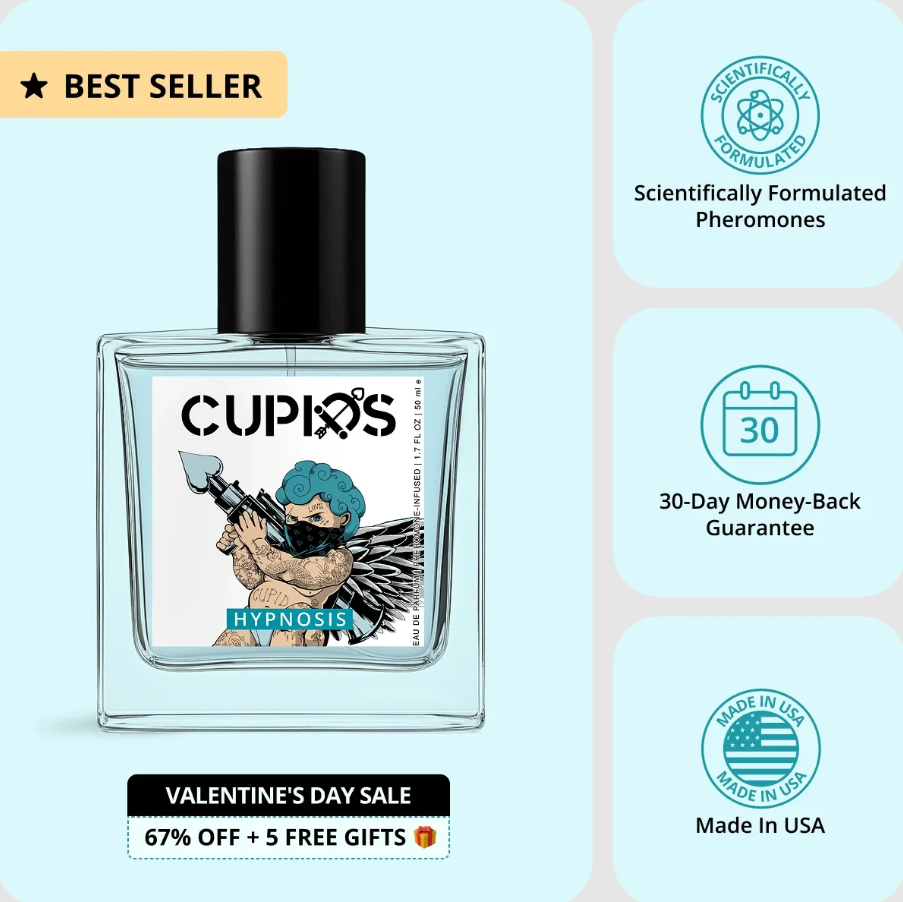
Cupids Hypnosis 2.0 Cologne Review
EraSilk Hair Remover Review
Voss+Agin Lab-Grown Diamond Stud Earrings Review
PMD Microderm Review
14. Apply Perfume Before Getting Dressed
Allowing perfume to dry on your skin before covering it with clothing helps the fragrance develop properly and prevents transfer stains.
Timing guidelines:
- Spray perfume 10-15 minutes before getting dressed
- Let alcohol evaporate completely
- This allows top notes to settle and middle notes to emerge
- Reduces risk of staining fabrics
15. Match Your Perfume to Your Skin’s pH
Everyone’s skin chemistry is slightly different. Some people naturally make fragrances last longer, while others find scents fade quickly regardless of technique.
Working with your skin chemistry:
- If your skin is more acidic (lower pH), fragrances may fade faster
- Test perfumes on your skin before purchasing to see how they last
- Consider fragrance families that work better with your chemistry
- Woody, oriental, and spicy notes typically last longer than citrus and floral
Best Perfume Types for Long-Lasting Wear
Not all perfumes are created equal when it comes to longevity. Understanding fragrance families and note structures helps you choose scents that naturally last longer.
Fragrance Families with Best Longevity
Certain fragrance categories have inherently better staying power due to their molecular composition and ingredient characteristics.
Long-lasting fragrance families:
Oriental/Amber Fragrances
- Contain heavy, rich ingredients like vanilla, amber, and resins
- Warm and sensual scent profile
- Typically last 8-12 hours
- Examples: Yves Saint Laurent Opium, Tom Ford Black Orchid
Woody Fragrances
- Feature sandalwood, cedar, vetiver, and patchouli
- Earthy and grounding scent character
- Last 6-10 hours on average
- Examples: Chanel Bleu de Chanel, Dior Sauvage
Gourmand Fragrances
- Include sweet notes like caramel, chocolate, and coffee
- Comforting and indulgent scent profile
- Strong longevity of 7-10 hours
- Examples: Viktor & Rolf Flowerbomb, Prada Candy
Fragrances with shorter longevity:
- Citrus-based scents (2-4 hours)
- Light floral fragrances (3-5 hours)
- Fresh aquatic scents (3-4 hours)
Understanding Base, Middle, and Top Notes
Perfumes are structured in three layers that evaporate at different rates. Understanding this helps you maximize longevity.
The fragrance pyramid:
Top Notes (5-15 minutes)
- First impression, evaporates quickest
- Citrus, light florals, herbs
- Designed to attract initial attention
Middle/Heart Notes (3-5 hours)
- The main character of the fragrance
- Florals, fruits, spices
- Develops after top notes fade
Base Notes (5-10+ hours)
- The lasting foundation
- Woods, musks, amber, vanilla
- Provides longevity and depth
Look for perfumes with strong base notes for maximum staying power.
Common Myths About Making Perfume Last Longer
Let’s debunk some widespread misconceptions that could actually be hurting your perfume’s longevity.
Myth 1: Spraying More Perfume Makes It Last Longer
Reality: Over-application doesn’t extend wear time—it just makes the scent overwhelming initially. Your nose adjusts to scents within 15-20 minutes (olfactory fatigue), making you think the fragrance has faded when it hasn’t.
Better approach: Apply appropriate amounts to strategic locations rather than drowning yourself in perfume.
Myth 2: Expensive Perfumes Always Last Longer
Reality: Price doesn’t guarantee longevity. Some affordable perfumes with high concentrations and good base notes outlast luxury fragrances. Focus on concentration levels and ingredients rather than brand prestige.
Myth 3: Keeping Perfume in the Bathroom is Fine
Reality: Bathrooms are the worst place for perfume storage due to temperature fluctuations, humidity from showers, and exposure to light. These conditions accelerate degradation.
Myth 4: You Should Spray Perfume on Dry Skin
Reality: Moisturized skin holds fragrance significantly longer. The oils in moisturizer provide a base for perfume molecules to cling to, extending wear time by hours.
Myth 5: Rubbing Wrists Together Helps Distribute Perfume
Reality: This common habit actually breaks down fragrance molecules through heat and friction, causing the scent to fade faster. Always let perfume dry naturally.
Seasonal Tips for Perfume Longevity
Different seasons require adjusted approaches to make perfume last throughout the day.
Summer and Hot Weather
Heat accelerates perfume evaporation, but you can adapt your strategy:
- Apply perfume to cooler areas like ankles, behind knees, and inner elbows
- Use lighter concentrations and reapply more frequently
- Store perfume in the refrigerator for a cooling effect (avoid freezer)
- Choose fresh, citrus, or aquatic fragrances that feel appropriate for heat
- Apply extra moisturizer before perfume, as heat dries skin faster
Winter and Cold Weather
Cold weather can mute fragrances, but it also helps them last longer:
- Apply perfume under clothing where body heat is trapped
- Choose richer, heavier fragrances that project better in cold air
- Warm skin slightly with hands before application
- Layer with matching scented lotions for extra staying power
- Apply to scarves and coat collars for ambient scent
Budget-Friendly Ways to Extend Perfume Life
Making perfume last longer doesn’t require expensive products or complicated routines.
Cost-Effective Solutions
Use Baby Oil or Coconut Oil
- Apply unscented oil to pulse points before perfume
- Costs a fraction of specialized products
- Creates the same occlusive barrier as petroleum jelly
DIY Perfume Atomizers
- Purchase empty atomizers online for $2-5 each
- Decant your perfume for travel and touchups
- Prevents carrying expensive full-size bottles
Unscented Lotion Base
- Mix 1-2 drops of perfume with unscented lotion
- Apply to body for extended, subtle fragrance
- Makes expensive perfumes stretch further
Strategic Application Times
- Apply before bed to let fragrance absorb overnight
- Wake up with subtle scent already established
- Requires less perfume in the morning
Frequently Asked Questions (FAQs)
How can I make cheap perfume last as long as expensive perfume?
While concentration matters more than price, you can extend budget perfume longevity by applying it to well-moisturized skin, using petroleum jelly as a base layer, and layering with matching or unscented body products. Spray perfume on clothing and hair in addition to skin, as fabric holds scent longer. Also, choose affordable eau de parfum formulations rather than eau de toilette for better staying power.
Why does perfume last longer on some people than others?
Individual skin chemistry plays a significant role in perfume longevity. People with oily or well-moisturized skin typically retain fragrance longer than those with dry skin. Your skin’s pH level, diet, hormones, and even medications can affect how perfume interacts with your body chemistry. Additionally, body temperature and how much you perspire influence scent evaporation rates.
Can I spray perfume directly on my clothes without damaging them?
You can spray perfume on most clothing, but always test on an inconspicuous area first. Avoid applying to delicate fabrics like silk, suede, leather, or light-colored materials that may stain. Hold the bottle 6-8 inches away and spray lightly on sturdy fabrics like cotton, denim, or wool. The inside of collars, cuffs, and hems are safer spots that won’t show potential discoloration.
Does storing perfume in the refrigerator make it last longer?
Storing perfume in a cool, stable environment helps preserve its quality, and a refrigerator can work well for this purpose. However, avoid the freezer, which can damage the formula. The consistent cool temperature slows down the breakdown of fragrance molecules. If using a refrigerator, keep bottles in their original boxes to protect from light and prevent temperature shock when removing them for use.
How long should perfume last on skin before needing reapplication?
The longevity depends on fragrance concentration and your skin type. Parfum should last 8-12 hours, eau de parfum 6-8 hours, eau de toilette 3-5 hours, and cologne 2-3 hours. On well-moisturized skin with proper application techniques, you can extend these times by 30-50%. If you notice your perfume fading within 2-3 hours consistently, focus on skin preparation, proper storage, and choosing higher concentration formulations.
Conclusion
Making your perfume last longer doesn’t require expensive products or complicated routines—just smart techniques that work with your body’s natural chemistry. By moisturizing your skin, applying perfume to pulse points strategically, storing bottles properly, and choosing the right fragrance concentrations, you can extend your perfume’s wear time from a few hours to all day long.
The key is understanding that perfume longevity comes from preparation as much as application. Hydrated skin, proper storage, and thoughtful layering create the foundation for long-lasting fragrance. Combined with strategic application to pulse points and fabric, these methods ensure you get maximum value from every drop.
Start by implementing 3-4 techniques from this guide, then gradually incorporate others as they fit your routine. Track which methods work best with your specific skin chemistry and favorite fragrances. With these expert-tested strategies, you’ll never again feel frustrated by disappearing perfume or waste money on constant reapplication.
Ready to make your favorite scent last all day? Start with moisturizing before your next application and notice the dramatic difference. Your perfume—and your wallet—will thank you.