
Have you ever brought home a beautiful houseplant, only to watch it slowly wither despite your best efforts? You’re not alone. Maintaining healthy indoor plants throughout the year challenges even experienced plant enthusiasts, but the solution is simpler than you might think.
Indoor plants struggle when their basic needs aren’t met consistently. Temperature fluctuations, inconsistent watering schedules, inadequate lighting, and seasonal changes can all impact plant health. The good news? With the right knowledge and simple routines, you can create an environment where your indoor plants thrive in every season.
This comprehensive guide shares proven strategies to keep your houseplants vibrant and healthy all year long. Whether you’re a beginner starting your first plant collection or an experienced gardener looking to refine your care routine, you’ll discover practical tips that make indoor plant care manageable and rewarding.
Understanding Your Indoor Plants’ Basic Needs
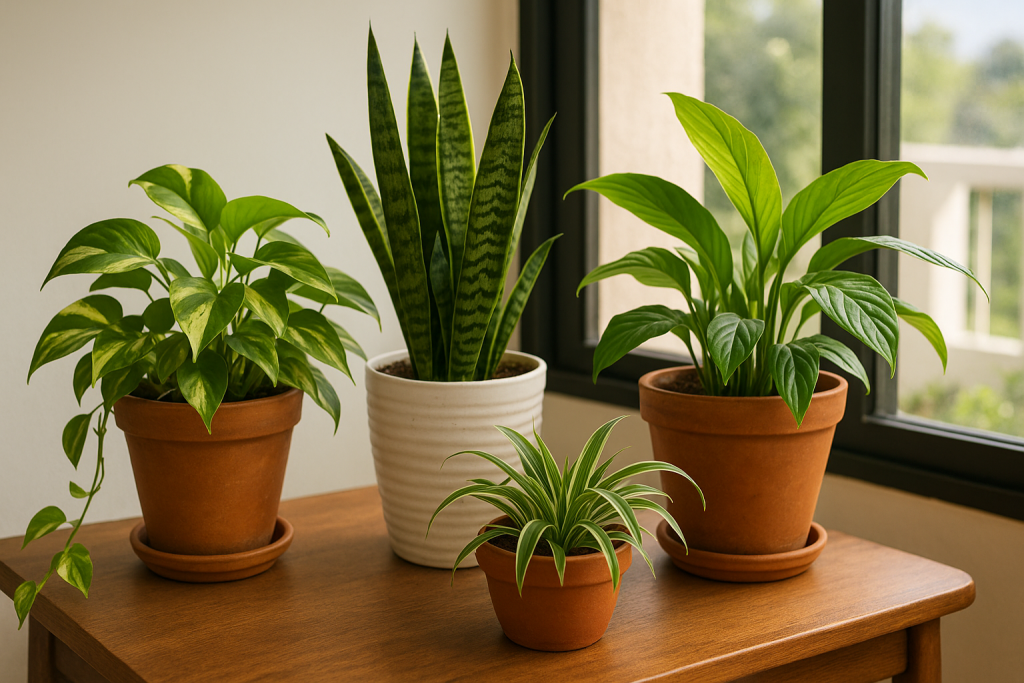
Every healthy indoor plant depends on five fundamental requirements: proper lighting, appropriate watering, suitable temperature, adequate humidity, and quality soil. Understanding these essentials creates the foundation for year-round plant health.
Light Requirements for Different Plant Types
Light powers photosynthesis, the process plants use to create energy. Different species have evolved to thrive in varying light conditions, making it essential to match plants with appropriate locations in your home.
Low-Light Plants (100-500 foot-candles)
- Pothos (Devil’s Ivy)
- Snake Plant (Sansevieria)
- ZZ Plant
- Peace Lily
- Cast Iron Plant
Medium-Light Plants (500-1000 foot-candles)
- Philodendrons
- Spider Plants
- Boston Ferns
- Rubber Plants
- Chinese Evergreen
High-Light Plants (1000+ foot-candles)
- Fiddle Leaf Fig
- Succulents and Cacti
- Crotons
- Jade Plants
- Bird of Paradise
Position low-light plants away from windows or in north-facing rooms. Medium-light plants thrive near east or west-facing windows with filtered sunlight. High-light plants need direct exposure to south-facing windows or supplemental grow lights during winter months.
Water Needs and Proper Hydration Techniques
Overwatering kills more indoor plants than any other factor. Different species require varying moisture levels based on their natural habitats and growth patterns.
General Watering Guidelines:
Check soil moisture before watering by inserting your finger two inches deep. If the soil feels dry at this depth, most plants need water. If it feels moist, wait another day or two.
Water thoroughly until excess drains from the bottom holes, ensuring the entire root system receives moisture. Empty drainage trays after 30 minutes to prevent root rot.
Watering Frequency by Plant Type:
| Plant Category | Watering Schedule | Soil Moisture Level |
|---|---|---|
| Succulents & Cacti | Every 2-3 weeks | Let dry completely |
| Tropical Plants | Every 5-7 days | Keep slightly moist |
| Ferns | Every 3-4 days | Consistently moist |
| Snake Plants & ZZ Plants | Every 2-3 weeks | Let dry between waterings |
| Pothos & Philodendrons | Every 7-10 days | Slightly dry between waterings |
Temperature and Humidity Control
Most houseplants prefer temperatures between 65-75°F (18-24°C) during the day and slightly cooler at night. Sudden temperature drops or hot drafts from heating vents stress plants and compromise their immune systems.
Humidity levels matter significantly for tropical species. Most homes maintain 30-40% humidity, but many houseplants prefer 50-60%. Increase humidity through these methods:
- Group plants together to create a microclimate
- Place pots on pebble trays filled with water
- Use a humidifier in rooms with multiple plants
- Mist leaves regularly (morning is best)
- Keep plants away from heating vents and air conditioners
Choosing the Right Soil and Potting Mix
Quality soil provides structural support, delivers nutrients, retains appropriate moisture, and allows proper drainage. Standard potting soil works for many houseplants, but specialized mixes serve specific needs better.
Soil Mix Recommendations:
All-Purpose Potting Mix: Contains peat moss, perlite, and vermiculite. Works well for most tropical houseplants like pothos, philodendrons, and spider plants.
Cactus and Succulent Mix: Contains more sand and perlite for excellent drainage. Essential for desert plants that need quick-drying soil.
Orchid Bark Mix: Made from bark chunks, charcoal, and perlite. Provides the aeration and drainage orchids require.
African Violet Mix: Lighter texture with added perlite for plants preferring consistent moisture without waterlogging.
Always use pots with drainage holes. If you love a decorative pot without holes, use it as a cachepot by placing your plant (in a drainage pot) inside it.
Some of Trending House Accessories
Gourmax Pro Review
KeySmart Key Organizer Review
Heal Naturally Grounding Sheets Review
NUUD Showerhead Review
Avio Apex Travel Backpack Review
Campanelli Pro Series Stain Remover Review
Seasonal Indoor Plant Care Strategies
Indoor environments change with the seasons, affecting temperature, humidity, and natural light availability. Adjusting your care routine quarterly keeps plants healthy through these transitions.
Spring Plant Care (March-May)
Spring brings longer days and stronger sunlight, triggering active growth in most houseplants. This season offers the perfect time for repotting, propagation, and fertilization.
Spring Maintenance Checklist:
Increase watering frequency gradually as plants enter their growing season. Check soil moisture more often since plants consume water faster during active growth.
Begin fertilizing every 2-4 weeks with diluted liquid fertilizer. Use half the recommended strength to avoid nutrient burn.
Inspect plants for signs of being root-bound. If roots circle the pot’s bottom or emerge from drainage holes, repot into containers one size larger.
Clean leaves with a damp cloth to remove dust buildup that blocks light absorption. This simple task significantly improves photosynthesis efficiency.
Prune dead or yellowing leaves and leggy growth to encourage bushier development. Spring pruning directs energy into new, healthy growth.
Summer Plant Care (June-August)
Summer’s intense heat and strong sunlight can stress indoor plants, especially those near windows. Monitor plants closely and adjust their environment as needed.
Summer Care Tips:
Move plants slightly away from windows if leaves show brown, crispy edges indicating sunburn. Sheer curtains filter harsh afternoon rays effectively.
Increase watering frequency as higher temperatures cause faster soil drying. Some plants may need water twice as often during peak summer.
Maintain humidity levels with regular misting or humidifiers. Air conditioning removes moisture from indoor air, stressing tropical plants.
Continue regular fertilization throughout the growing season. Summer growth depletes soil nutrients quickly.
Watch for pest infestations that thrive in warm conditions. Check leaf undersides weekly for spider mites, aphids, or mealybugs.
Fall Plant Care (September-November)
Autumn signals plants to slow their growth and prepare for winter dormancy. Gradually reduce care intensity to match their decreased needs.
Fall Transition Tasks:
Reduce watering frequency as growth slows. Let soil dry more thoroughly between waterings to prevent root rot during cooler months.
Decrease fertilization to once monthly, then stop by late November. Most plants don’t need nutrients during dormancy.
Bring outdoor plants inside before nighttime temperatures drop below 50°F (10°C). Quarantine them for two weeks to check for pests before placing near other houseplants.
Relocate plants closer to windows as sunlight decreases in intensity and duration. Southern exposures become especially valuable in fall and winter.
Inspect plants for pest problems before heating systems activate. Dry indoor air during heating season stresses plants and attracts certain pests.
Trending House Accessories
Zippi Sweeper Pro Review
RYSE SmartShade Review
Jiffys Review
Pacuzzi Kitchen Tool Review
FurZapper Reviews
Aroma Amplifier Review
Winter Plant Care (December-February)
Winter presents the biggest challenge for indoor plant health. Short days, dry air from heating systems, and plant dormancy require careful attention.
Winter Survival Guide:
Reduce watering significantly during winter months. Many plants need water only every 2-3 weeks when dormant. Overwatering during dormancy commonly causes root rot.
Stop fertilizing completely from December through February. Dormant plants can’t process nutrients and fertilizer may damage roots.
Increase humidity aggressively to counteract dry heating systems. Run humidifiers, group plants together, and use pebble trays filled with water.
Supplement natural light with grow lights if plants show stretching or pale leaves. Quality LED grow lights effectively compensate for short winter days.
Keep plants away from cold windows, exterior doors, and heating vents. Temperature extremes shock plants and weaken their resistance to problems.
Rotate plants weekly so all sides receive equal light exposure. This practice prevents lopsided growth and maintains attractive plant shapes.
Essential Plant Care Techniques
Mastering fundamental techniques ensures consistent plant health. These practices form the backbone of successful indoor gardening throughout the year.
Proper Watering Methods
Bottom watering and top watering each offer distinct advantages. Bottom watering involves placing pots in water-filled trays, allowing soil to absorb moisture through drainage holes. This method prevents overwatering and encourages deep root growth.
Top watering, the traditional method, means pouring water directly onto soil. Water slowly until excess drains from bottom holes, ensuring complete saturation of the root zone.
Signs of Overwatering:
- Yellowing leaves, especially lower ones
- Mushy, brown roots
- Persistent fungus gnats
- Soil that stays wet for days
- Wilting despite wet soil
Signs of Underwatering:
- Crispy, brown leaf edges
- Drooping or curling leaves
- Slow growth
- Soil pulling away from pot edges
- Rapid wilting that recovers after watering
Fertilizing Indoor Plants Correctly
Plants need macronutrients (nitrogen, phosphorus, potassium) and micronutrients (iron, magnesium, calcium) for healthy growth. Indoor potting soil depletes these nutrients over time, making regular fertilization necessary.
Fertilizer Types:
Liquid Fertilizers: Mixed with water and applied during regular watering. Most convenient option for houseplants. Use every 2-4 weeks during growing season.
Granular Fertilizers: Sprinkled on soil surface and watered in. Release nutrients slowly over several weeks. Apply every 6-8 weeks during active growth.
Slow-Release Spikes: Inserted into soil where they gradually dissolve. Convenient but may create nutrient hotspots. Replace every 2-3 months.
Always dilute liquid fertilizers to half the recommended strength. Concentrated formulas can burn roots and damage plants. Apply fertilizer only to moist soil, never dry soil, to prevent root burn.
Pruning and Grooming Techniques
Regular pruning maintains attractive plant shapes, removes damaged tissue, and promotes bushier growth. Different plants require specific pruning approaches.
Basic Pruning Guidelines:
Use clean, sharp scissors or pruning shears sanitized with rubbing alcohol. This prevents spreading diseases between plants.
Remove dead, yellow, or damaged leaves at their base. These leaves drain plant energy without contributing to photosynthesis.
Cut leggy stems just above a node (the point where leaves attach) to encourage branching. New growth emerges from nodes below cuts.
Pinch growing tips on vining plants to promote fuller, bushier growth. This technique works excellently for pothos, philodendrons, and trailing plants.
Clean leaves monthly with a damp cloth to remove dust and allow better light absorption. For fuzzy-leaved plants like African violets, use a soft brush instead of water.
Repotting and Root Care
Plants need larger containers as they mature. Most houseplants require repotting every 1-3 years depending on growth rate.
When to Repot:
- Roots emerge from drainage holes
- Water drains immediately through pot without being absorbed
- Plant tips over easily due to being top-heavy
- Growth significantly slows despite proper care
- Soil dries out within a day of watering
Repotting Process:
Choose a new pot only 1-2 inches larger in diameter than the current container. Excessively large pots retain too much moisture and promote root rot.
Gently remove the plant from its current pot by tipping it sideways and sliding it out. Loosen circling roots with your fingers.
Add fresh potting mix to the new container’s bottom. Place the plant so its soil line sits about an inch below the pot rim.
Fill around roots with fresh soil, pressing gently to eliminate air pockets. Water thoroughly after repotting.
Wait 2-4 weeks before fertilizing newly repotted plants. Fresh soil contains sufficient nutrients for this period.
Common Indoor Plant Problems and Solutions
Even with excellent care, problems occasionally arise. Quick identification and proper response minimize damage and restore plant health.
Identifying and Treating Pest Infestations
Indoor plant pests multiply quickly in warm, dry conditions. Regular inspections catch infestations before they cause serious damage.
Common Pests:
Spider Mites: Tiny red or brown specks on leaf undersides. Leave fine webbing between leaves and stems. Thrive in dry conditions.
Treatment: Spray plants thoroughly with water to dislodge mites. Apply insecticidal soap or neem oil weekly until eliminated. Increase humidity to prevent return.
Mealybugs: White, cottony masses on stems and leaf joints. Suck plant sap and excrete sticky honeydew.
Treatment: Dab individual bugs with rubbing alcohol on cotton swabs. Spray entire plant with neem oil solution. Repeat weekly for three weeks.
Fungus Gnats: Small black flies hovering around soil. Larvae feed on roots in overly wet soil.
Treatment: Allow soil to dry thoroughly between waterings. Cover soil with sand or diatomaceous earth. Use yellow sticky traps to catch adults.
Scale Insects: Brown or tan bumps on stems and leaves. Hard shell protects insects as they feed on plant sap.
Treatment: Scrape off visible scale with fingernail or soft brush. Apply horticultural oil or neem oil to suffocate remaining insects. Repeat every 5-7 days for three weeks.
Addressing Nutrient Deficiencies
Plants display specific symptoms when lacking essential nutrients. Recognizing deficiency patterns helps correct problems quickly.
Nitrogen Deficiency: Older leaves turn yellow while new growth stays green. Overall growth slows significantly.
Solution: Apply balanced liquid fertilizer with adequate nitrogen. Consider switching to fertilizer with higher first number (N-P-K ratio).
Iron Deficiency: New leaves turn yellow while veins stay green (interveinal chlorosis). Common in plants preferring acidic soil.
Solution: Apply chelated iron supplement. For acid-loving plants like gardenias, lower soil pH with sulfur amendments.
Magnesium Deficiency: Yellow areas between leaf veins on older leaves. Leaf edges may turn brown.
Solution: Dissolve one tablespoon Epsom salt per gallon of water. Apply this solution monthly during growing season.
Managing Root Rot and Fungal Issues
Root rot develops when roots sit in waterlogged soil, creating oxygen-deprived conditions where harmful fungi thrive. This serious problem requires immediate intervention.
Root Rot Symptoms:
- Sudden wilting despite wet soil
- Black, mushy roots instead of firm white ones
- Foul odor from soil
- Lower leaves turning yellow rapidly
- Stems becoming soft and brown at base
Treatment Steps:
Remove the plant from its pot immediately. Examine roots closely and cut away all black, mushy tissue with sterile scissors.
Rinse remaining healthy roots under running water. Discard the old soil completely since it contains fungal spores.
Repot in fresh, well-draining soil in a clean pot. Water sparingly until plant shows signs of recovery.
Improve drainage by adding perlite or orchid bark to potting mix. Ensure pots have adequate drainage holes.
Dealing with Environmental Stress
Environmental factors like temperature extremes, drafts, and sudden changes stress plants and make them vulnerable to problems.
Brown Leaf Tips: Usually indicate low humidity, over-fertilization, or fluoride sensitivity. Increase humidity, reduce fertilizer concentration, or switch to distilled water.
Leaf Drop: Sudden environmental changes, drafts, or underwatering cause leaves to fall. Maintain consistent conditions and avoid moving plants frequently.
Leggy Growth: Insufficient light causes stems to stretch toward light sources. Move plants closer to windows or add grow lights.
Yellowing Leaves: Multiple causes including overwatering, underwatering, or natural aging. Assess watering habits and adjust accordingly.
Advanced Tips for Thriving Indoor Plants
Once you master basic care, these advanced techniques take your indoor garden to the next level.
Creating the Ideal Microclimate
Different rooms in your home offer varying conditions. Strategic plant placement optimizes growth without major modifications.
Bathroom: High humidity from showers benefits tropical plants like ferns, orchids, and calatheas. Ensure adequate light from windows or grow lights.
Kitchen: Consistent warmth and humidity work well for herbs and moisture-loving plants. Keep plants away from stove heat and oven vents.
Bedroom: Low to medium light plants like pothos and snake plants purify air while tolerating typical bedroom conditions.
Living Room: Often the brightest space with south-facing windows. Perfect for high-light plants like fiddle leaf figs and succulents.
Group plants with similar needs together to create beneficial microclimates. Clustered plants increase humidity through collective transpiration and create attractive displays.
Using Grow Lights Effectively
Supplemental lighting extends the growing season and supports plants in low-light spaces. Modern LED grow lights provide full spectrum light efficiently.
Grow Light Guidelines:
Position lights 12-24 inches above plant canopy depending on light intensity. Closer placement works for low-intensity lights, while powerful LEDs need more distance.
Run lights 12-16 hours daily for most houseplants. Timers automate this schedule and ensure consistency.
Choose full spectrum (white) LEDs for best results. These provide all wavelengths plants need for photosynthesis and growth.
Adjust distance and duration based on plant response. Stretching toward light indicates insufficient intensity. Brown, crispy leaves suggest too much light.
Propagation Techniques
Creating new plants from existing ones costs nothing and produces perfect gifts. Most houseplants propagate easily through simple methods.
Stem Cuttings: Works for pothos, philodendrons, tradescantia, and many others. Cut 4-6 inch sections below a node. Remove lower leaves and place in water or directly in soil. Roots develop in 2-4 weeks.
Leaf Cuttings: Effective for succulents and some begonias. Remove healthy leaves and lay on soil surface. New plants grow from leaf base in several weeks.
Division: Separates clumping plants like snake plants and spider plants. Remove plant from pot, gently pull apart root clumps, and pot each section individually.
Offsets: Many plants produce baby plants (pups) that develop their own roots. Separate these when they reach one-third the parent’s size.
Acclimating Plants to New Environments
Moving plants to different locations or bringing new plants home requires gradual adjustment to prevent shock.
Quarantine new plants for 2-3 weeks away from your collection. Monitor for pests or diseases before introducing them to other plants.
When moving plants to brighter or darker locations, make changes gradually over 1-2 weeks. Sudden light changes stress plants and damage leaves.
Plants purchased from greenhouses need hardening off to home conditions. Start them in lower light than their optimal level, then gradually increase exposure over two weeks.
Best Indoor Plants for Year-Round Success
Some houseplants tolerate typical indoor conditions better than others, making them ideal choices for beginners or anyone wanting low-maintenance greenery.
Low-Maintenance Plant Recommendations
Snake Plant (Sansevieria): Tolerates low light and infrequent watering. Nearly indestructible and perfect for beginners. Water every 2-3 weeks.
Pothos (Epipremnum aureum): Thrives in various light conditions and forgives occasional watering lapses. Grows quickly and propagates easily.
ZZ Plant (Zamioculcas zamiifolia): Glossy leaves stay attractive with minimal care. Drought-tolerant and pest-resistant. Ideal for offices or low-light spaces.
Spider Plant (Chlorophytum comosum): Adapts to most conditions and produces abundant plantlets. Excellent air purifier and very forgiving.
Cast Iron Plant (Aspidistra elatior): Named for its tough nature. Survives neglect, low light, and temperature fluctuations better than almost any plant.
Air-Purifying Plants
Research by NASA and other organizations identified houseplants that effectively remove indoor air pollutants. These species improve air quality while beautifying spaces.
Peace Lily (Spathiphyllum): Removes benzene, formaldehyde, and trichloroethylene. Dramatic white flowers appear with proper care. Prefers medium light and consistent moisture.
Boston Fern (Nephrolepis exaltata): Excellent at removing formaldehyde and increasing humidity. Requires consistently moist soil and high humidity.
Rubber Plant (Ficus elastica): Efficient at removing formaldehyde. Large, glossy leaves make bold statements. Needs bright, indirect light.
Bamboo Palm (Chamaedorea seifrizii): Removes benzene, formaldehyde, and trichloroethylene while adding tropical ambiance. Tolerates lower light than most palms.
Plants for Specific Conditions
Dry Air Environments: Snake plants, cacti, succulents, and cast iron plants tolerate low humidity without problems.
Low Light Spaces: Pothos, philodendrons, ZZ plants, and Chinese evergreens survive and grow in minimal light.
High Humidity: Ferns, calatheas, orchids, and prayer plants thrive in bathrooms or near humidifiers.
Bright Light: Fiddle leaf figs, cacti, succulents, crotons, and bird of paradise need direct sun exposure.
Troubleshooting Year-Round Plant Health
Systematic problem-solving prevents minor issues from becoming major failures. This diagnostic approach identifies causes quickly.
Diagnostic Checklist
When plants show problems, evaluate these factors systematically:
Light: Is the plant receiving appropriate intensity and duration? Check if location matches species requirements.
Water: Test soil moisture before assuming water problems. Both overwatering and underwatering cause similar symptoms initially.
Temperature: Verify plants aren’t near cold drafts, heating vents, or air conditioning outlets.
Humidity: Consider whether dry air might cause problems, especially for tropical species during winter.
Nutrients: Plants in the same soil for over six months may need fertilization during growing season.
Pests: Inspect leaf undersides, stems, and soil surface for signs of insects or disease.
Seasonal Adjustment Reminders
Create a quarterly maintenance schedule to adjust care routines as seasons change:
Spring (March): Increase watering gradually, begin fertilizing, repot root-bound plants, clean leaves thoroughly.
Summer (June): Monitor for pests weekly, increase watering frequency, maintain humidity levels, protect from harsh afternoon sun.
Fall (September): Reduce watering slowly, decrease fertilization, bring outdoor plants inside, prepare for winter dormancy.
Winter (December): Water minimally, stop fertilizing completely, increase humidity aggressively, supplement with grow lights if needed.
When to Seek Help
Sometimes plants face problems beyond standard troubleshooting. Consider consulting experts when:
- Problems persist despite trying multiple solutions
- You can’t identify mysterious symptoms
- Rare or expensive plants show concerning signs
- Multiple plants develop issues simultaneously
- You suspect disease rather than cultural problems
Local nurseries, university extension services, and online plant communities offer valuable expertise and support.
Conclusion
Keeping indoor plants healthy all year round becomes manageable once you understand their fundamental needs and seasonal adjustments. Success comes from providing appropriate light, water, temperature, and humidity while monitoring plants regularly for early problem detection.
Remember these key principles: match plants to available conditions rather than forcing plants into unsuitable environments, adjust care routines as seasons change, water based on actual soil moisture rather than fixed schedules, and address problems promptly before they escalate.
Indoor plants reward consistent care with lush growth, cleaner air, and natural beauty throughout the year. Start with a few low-maintenance species, master basic techniques, then expand your collection as confidence grows.
Ready to transform your space with thriving indoor plants? Begin today by assessing your current plants’ needs and implementing one new care practice at a time. Your green thumb awaits—it just needs the right knowledge to flourish.
Frequently Asked Questions (FAQs)
How often should I actually water my indoor plants in winter versus summer?
Water indoor plants 30-50% less frequently in winter compared to summer months. During summer, most tropical houseplants need water every 5-7 days, while the same plants may only require watering every 10-14 days in winter when growth slows. Always check soil moisture by feeling it 2 inches deep rather than following rigid schedules, since factors like room temperature, humidity, and pot size affect water consumption. Desert plants like cacti and succulents may go 2-3 weeks between waterings in summer and up to a month in winter.
Can I use tap water for all my houseplants or should I filter it first?
Most houseplants tolerate tap water fine, but certain species sensitive to fluoride and chlorine (like dracaenas, spider plants, and prayer plants) show brown leaf tips when exposed to these chemicals. If your plants display this symptom, switch to filtered water, distilled water, or let tap water sit overnight in an open container so chlorine evaporates. Plants preferring acidic conditions like gardenias and azaleas may struggle with hard tap water and benefit from rainwater or filtered water. The temperature matters too—always use room temperature water rather than cold water straight from the tap.
What’s the difference between plant food and fertilizer, and do I really need both?
Plant food and fertilizer are the same thing—just different marketing terms for products containing essential nutrients. You don’t need separate products. Choose one quality fertilizer appropriate for your plant types and use it during the active growing season (typically spring through early fall). Balanced formulas with equal N-P-K ratios (like 10-10-10 or 20-20-20) work well for most houseplants, while specialized formulas benefit specific groups like cacti (low nitrogen) or flowering plants (higher phosphorus). Skip fertilizer completely during winter when most plants are dormant.
Is it better to have too many plants grouped together or spread them out individually around the house?
Grouping plants together offers significant benefits including increased humidity through collective transpiration, easier care routines, and attractive visual displays. However, ensure adequate air circulation between plants to prevent fungal problems and pest spread. Leave 2-4 inches between pots so air moves freely around each plant. You can spread some plants individually to different rooms based on their light requirements while keeping humidity-loving tropical species grouped together. The best approach combines both strategies—create attractive clusters in appropriate locations while featuring showpiece specimens individually.
My plant looks healthy but hasn’t grown in months—should I be concerned?
Plants naturally enter dormancy periods, especially during winter, when growth slows dramatically or stops completely. This is normal and healthy—don’t try to force growth by increasing fertilizer or water. If your plant shows no growth during the active growing season (spring through summer) despite good care, check these factors: root binding (needs repotting), insufficient light (even “healthy” looking plants may need brighter conditions for growth), nutrient depletion (soil older than one year needs fertilization), or the plant may simply be mature and growing at its natural slow pace. Some species like ZZ plants and snake plants grow very slowly even under ideal conditions.