
Have you ever walked into a room that felt cluttered yet cold, filled with furniture and decorations but lacking soul? You’re not alone. Many people struggle with creating a space that feels both comfortable and visually appealing without overwhelming their senses or their budget.
The good news is that creating a cozy home doesn’t require filling every corner with decorative items or spending thousands on interior design. In fact, the opposite is true. A minimalist approach to home decor can create a warmer, more inviting atmosphere than any amount of excessive ornamentation.
In this comprehensive guide, you’ll discover how to transform your living space into a cozy sanctuary using minimal decor principles. Whether you’re living in a small apartment, decorating your first home, or simply craving a more peaceful environment, these practical strategies will help you achieve the warm, welcoming space you’ve always wanted.
Understanding Cozy Minimalism: What It Really Means
The Philosophy Behind Minimal Cozy Decor
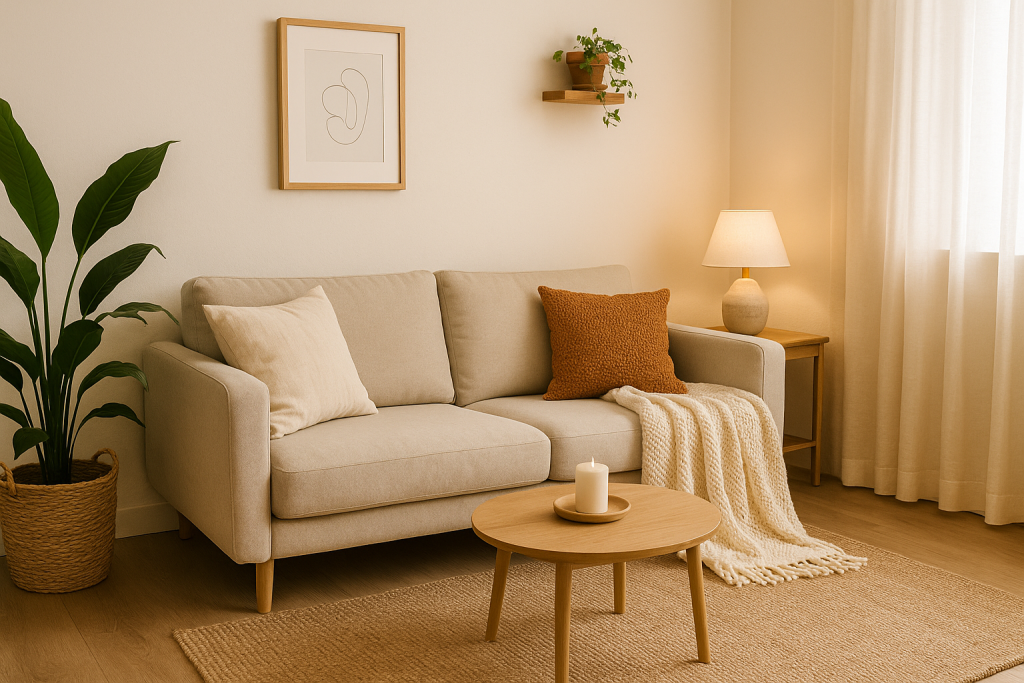
Cozy minimalism combines two seemingly opposite concepts: the warmth and comfort of traditional cozy spaces with the clean lines and intentionality of minimalist design. This approach focuses on quality over quantity, choosing each piece deliberately to serve both a functional purpose and create emotional warmth.
Unlike stark minimalism that can feel cold or impersonal, cozy minimalism embraces:
- Soft textures that invite touch and comfort
- Warm color palettes that create welcoming atmospheres
- Natural materials that connect us to the outdoors
- Thoughtful lighting that sets the mood
- Personal touches that reflect your unique story
Why Minimal Decor Creates Maximum Coziness
Research in environmental psychology shows that cluttered spaces can increase stress and anxiety. A minimal approach to home decor offers several benefits:
- Mental clarity: Fewer visual distractions help your mind relax
- Easier maintenance: Less clutter means simpler cleaning routines
- Better functionality: Each item has purpose and breathing room
- Enhanced appreciation: Quality pieces stand out when not competing for attention
- Cost effectiveness: Investing in fewer, better items saves money long-term
Essential Elements of a Cozy Minimal Home
Texture: The Foundation of Warmth
Texture is your most powerful tool for creating coziness without adding clutter. Different materials engage our senses and make spaces feel lived-in and comfortable.
Key textural elements to incorporate:
- Soft fabrics: Cotton, linen, wool, and chenille for throws and cushions
- Natural fibers: Jute rugs, rattan baskets, wooden accents
- Layered textiles: Combine smooth and nubby textures for depth
- Tactile surfaces: Matte finishes, brushed metals, unglazed ceramics
Practical example: Instead of five decorative pillows in various patterns, choose two high-quality pillows in complementary textures—perhaps one smooth linen and one chunky knit. This creates visual interest without visual noise.
Lighting: Setting the Mood with Intention
Proper lighting transforms any space from functional to inviting. In minimal decor, lighting does double duty as both utility and ambiance.
Lighting strategies for cozy minimalism:
- Layer your light sources: Combine overhead, task, and ambient lighting
- Choose warm color temperatures: Aim for 2700-3000K bulbs
- Use dimmers: Control intensity for different times and moods
- Incorporate candles: Real or LED, they add instant warmth
- Maximize natural light: Keep windows unobstructed during daytime
Budget-friendly tip: String lights aren’t just for holidays. Drape warm white LED strings in a glass jar or along a bookshelf for affordable ambient lighting.
Color Palette: Warmth Through Hue
Your color choices significantly impact how cozy a space feels. Minimal decor works best with a cohesive, limited color palette.
Cozy minimal color schemes:
| Color Family | Base Colors | Accent Options | Mood Created |
|---|---|---|---|
| Warm Neutrals | Cream, beige, taupe | Terracotta, rust, gold | Earthy, grounding |
| Cool Neutrals | Gray, white, charcoal | Sage green, dusty blue | Calm, serene |
| Natural Tones | Wood browns, sand | Olive, burnt orange | Organic, welcoming |
| Monochromatic | Single color family | Varying shades | Sophisticated, cohesive |
Pro tip: Start with a neutral base and add warmth through one or two accent colors in textiles and small decor items.
Some of Trending House Accessories
Gourmax Pro Review
KeySmart Key Organizer Review
Heal Naturally Grounding Sheets Review
NUUD Showerhead Review
Avio Apex Travel Backpack Review
Campanelli Pro Series Stain Remover Review
Room-by-Room Guide to Cozy Minimal Design
Living Room: Your Comfort Hub
The living room sets the tone for your entire home. Here’s how to make it both minimal and cozy:
Furniture essentials:
- One quality sofa with comfortable cushions
- A functional coffee table with storage
- One statement chair or ottoman
- Adequate seating without overcrowding
Cozy additions:
- Soft throw blanket folded or draped naturally
- Two to four textured pillows
- Area rug to define the space and add warmth
- One large plant for life and air quality
What to skip:
- Matching furniture sets (mix materials instead)
- Excessive side tables
- Decorative items without purpose
- Heavy window treatments that block light
Bedroom: Your Personal Sanctuary
Your bedroom should be the coziest room in your home—a true retreat from the outside world.
Minimal bedroom must-haves:
- Quality bedding: Invest in soft, breathable sheets and a comfortable duvet
- Layered textures: Add a throw at the foot of the bed
- Bedside essentials: One nightstand per person with a lamp and minimal decor
- Window coverage: Blackout curtains or shades for better sleep
- Clear surfaces: Keep dressers and shelves mostly empty
Creating bedroom coziness:
- Place a plush rug beside the bed for soft morning landings
- Use warm, dimmable lighting for evening wind-down
- Add one or two framed photos or art pieces you love
- Keep electronics out of sight or in another room
- Choose furniture with clean lines in warm wood tones
Trending House Accessories
Zippi Sweeper Pro Review
RYSE SmartShade Review
Jiffys Review
Pacuzzi Kitchen Tool Review
FurZapper Reviews
Aroma Amplifier Review
Kitchen and Dining: Functional Warmth
Even utilitarian spaces can embrace cozy minimalism through thoughtful choices.
Kitchen coziness strategies:
- Display a few beautiful items: wooden cutting boards, ceramic bowls, plants
- Use open shelving selectively to showcase favorite pieces
- Incorporate natural materials like wood countertop accessories
- Keep counters clear except for daily-use items
- Add a small vase with fresh herbs or flowers
Dining area touches:
- Simple table runner or placemats in natural fibers
- Unmatched vintage chairs for character without clutter
- Pendant light at appropriate height for ambiance
- Centerpiece of seasonal fruit, candles, or greenery
- Wall-mounted shelving for minimal storage display
The Art of Choosing Minimal Decor Items
Quality Over Quantity: A Practical Approach
When working with minimal decor, every item must earn its place. Use this decision-making framework:
The Three-Question Test:
- Do I love it? Does it bring you joy or serve a clear purpose?
- Does it fit my space? Is it proportional and harmonious with other elements?
- Is it quality? Will it last and maintain its appeal over time?
If you can’t answer yes to all three questions, reconsider the purchase.
Multi-Functional Decor: Smart Choices
The best minimal decor serves multiple purposes without sacrificing style.
Examples of multi-functional items:
- Storage ottomans: Seating, storage, and coffee table alternative
- Decorative baskets: Organization meets visual interest
- Mirror with shelf: Reflects light while providing display space
- Ladder shelf: Vertical storage with architectural appeal
- Poufs: Extra seating, footrest, or side table
Investing in Statement Pieces
With minimal decor, you can afford to invest in fewer, higher-quality items that make a real impact.
Where to splurge for maximum effect:
- A beautiful area rug that anchors your space
- One piece of meaningful art that speaks to you
- Quality throw pillows and blankets in natural materials
- A unique lighting fixture that serves as functional art
- Comfortable, well-designed main furniture pieces
Natural Elements: Bringing the Outdoors In
The Role of Plants in Cozy Minimalism
Plants add life, color, and air-purifying benefits without cluttering your space. They’re essential to the cozy minimal aesthetic.
Best low-maintenance plants for beginners:
- Snake plants: Tolerate low light and infrequent watering
- Pothos: Fast-growing, forgiving, beautiful trailing vines
- ZZ plants: Nearly indestructible with glossy leaves
- Peace lilies: Elegant white blooms with air-purifying properties
- Rubber plants: Bold, architectural presence with minimal care
Styling tips:
- Use planters in cohesive materials (all terracotta, all white ceramic)
- Vary plant heights for visual interest
- Group odd numbers of plants together
- Choose one large statement plant over several small ones
- Keep plants healthy—dying plants aren’t cozy
Wood, Stone, and Natural Materials
Natural materials instantly warm up minimal spaces and create connection to nature.
Ways to incorporate natural elements:
- Wooden furniture with visible grain patterns
- Stone or concrete decorative objects
- Woven baskets for stylish storage
- Ceramic vases and bowls in earthy glazes
- Natural fiber rugs like jute, sisal, or wool
Textile Strategy: Layering for Warmth
The Power of Throws and Blankets
Nothing says “cozy” like soft textiles inviting you to curl up and relax.
Blanket placement strategies:
- Drape one throw over sofa arm or back
- Fold a blanket at the foot of your bed
- Store extras in a visible basket for easy access
- Choose neutral colors that complement your palette
- Mix textures: chunky knit with smooth linen
Pillow Arrangements That Work
Pillows add comfort and visual appeal without overwhelming your furniture.
The minimal pillow formula:
- Large sofa: 3-5 pillows in complementary sizes
- Loveseat: 2-3 pillows
- Bed (queen/king): 4-6 pillows including sleeping pillows
- Accent chair: 1-2 pillows maximum
Texture combinations that create interest:
- Smooth linen + chunky knit
- Velvet + natural cotton
- Faux fur + woven texture
- Leather + soft fleece
Area Rugs: Defining Space with Softness
Rugs ground your furniture, add warmth underfoot, and define different zones in open spaces.
Rug selection guide:
- Size matters: Rugs should be large enough for furniture front legs to sit on them
- Material choices: Natural fibers for texture, wool for softness and durability
- Pattern approach: Solid or subtle patterns work best in minimal spaces
- Placement strategy: Center under seating areas or anchor dining tables
Personal Touches Without Clutter
Displaying Memories Meaningfully
Personal items make a house a home, but too many create visual chaos.
Curated display strategies:
- Gallery wall: Frame 3-5 favorite photos in matching frames
- Floating shelf: Rotate seasonal or meaningful objects
- Single statement piece: One large canvas or framed print
- Shadow box: Collect small mementos in one contained space
- Photo ledge: Lean frames for easy updating without wall damage
Books as Decor
Books add personality, color, and intellectual warmth to minimal spaces.
Styling books without mess:
- Stack horizontally in groups of three to five
- Arrange by color for visual calm
- Display only books you’ve read or intend to read
- Use bookends for vertical arrangements
- Leave breathing room between book groups
The Edit: When to Remove Items
Regular editing keeps your space from drifting back into clutter.
Quarterly decluttering checklist:
- Remove items you haven’t used or noticed in three months
- Donate duplicate items or things that no longer serve you
- Reassess seasonal decor and keep only favorites
- Take inventory of plants and remove struggling ones
- Refresh textiles that look worn or dated
Budget-Friendly Cozy Minimal Decor Ideas
DIY Projects for Warmth
Creating cozy elements yourself saves money and adds personal meaning.
Simple DIY ideas:
- Hand-poured candles: Use natural wax and essential oils
- Macrame wall hanging: Learn basic knots for textural art
- Painted terracotta pots: Customize planters to match your palette
- No-sew pillow covers: Use fabric glue for custom cushions
- Framed botanical prints: Download free art, print, and frame
Thrifting and Secondhand Shopping
Quality vintage pieces often cost less than new items while adding unique character.
What to look for secondhand:
- Solid wood furniture to refinish or use as-is
- Vintage textiles like wool blankets and linen tablecloths
- Ceramic and pottery pieces with character
- Picture frames to paint and repurpose
- Woven baskets in good condition
Where to shop:
- Estate sales for quality furniture
- Thrift stores for unique decor items
- Facebook Marketplace for local deals
- Consignment shops for curated selections
- Antique malls for special finds
Free Ways to Add Coziness
Not everything requires spending money.
No-cost cozy upgrades:
- Rearrange furniture for better conversation and flow
- Open curtains to maximize natural light
- Gather branches or greenery from your yard
- Reorganize existing items in new ways
- Deep clean and declutter for instant freshness
- Move items between rooms for a new perspective
Common Mistakes to Avoid
Too Stark: When Minimal Becomes Cold
Signs your space needs more warmth:
- Everything feels hard or shiny
- Colors are all cool tones without warm accents
- No soft textiles or comfortable seating
- Lighting is harsh or purely functional
- The space echoes or feels empty
Quick fixes:
- Add one soft throw or area rug
- Swap one cool light bulb for warm white
- Introduce wood tones through small accessories
- Place a textured pillow on seating
Over-Styling: Defeating the Minimal Purpose
Warning signs you’ve added too much:
- Surfaces feel crowded again
- You’re constantly moving things to use furniture
- Cleaning takes as long as it did before
- The space feels busy rather than restful
- You have decor you never really notice
Reset strategy:
- Remove half of your decorative items
- Live with the space for a week
- Only add back items you genuinely missed
- Donate or store the rest
Ignoring Personal Style for Trends
Your home should reflect you, not just current trends.
Finding your authentic style:
- Save images of spaces that truly resonate with you
- Identify common threads in your saved inspiration
- Honor your lifestyle needs over aesthetic perfection
- Mix trends with timeless pieces you love
- Trust your instincts over design rules
Maintaining Your Cozy Minimal Home
Daily Habits for Lasting Results
Small consistent actions prevent clutter from creeping back.
5-minute daily routine:
- Return items to their designated homes
- Fluff pillows and fold throws
- Wipe kitchen counters and clear surfaces
- Put away any items that don’t belong
- Do a quick visual scan for out-of-place items
Seasonal Refreshes
Update your space subtly with the seasons without adding permanent clutter.
Seasonal swap strategy:
Spring/Summer:
- Lighter textiles in cotton and linen
- Fresh flowers or greenery
- Brighter, airier color accents
- Sheer or minimal window treatments
Fall/Winter:
- Heavier throws in wool or fleece
- Deeper, richer color accents
- More candles for warmth and light
- Layered rugs for extra coziness
The One-In, One-Out Rule
Maintain your minimal aesthetic by replacing rather than adding.
How it works:
- When you bring home a new throw pillow, remove an old one
- New plant means evaluating your existing collection
- Fresh decor item replaces something you’re tired of
- New furniture requires removing or relocating something else
Creating Cozy Zones in Open Spaces
Defining Areas Without Walls
Open floor plans need intentional design to create intimate, cozy spaces.
Zone-creating tools:
- Area rugs: Visually define different functional areas
- Furniture arrangement: Create conversation groupings
- Lighting: Use different fixtures for each zone
- Room dividers: Bookshelves, screens, or plants as subtle separators
- Color blocking: Use accent colors to distinguish spaces
Nooks and Reading Corners
Small dedicated cozy spots add charm and function.
Creating a reading nook with minimal items:
- One comfortable chair or floor cushion
- Good reading light (floor or table lamp)
- Small side table for books and beverages
- Soft throw blanket
- Optional: small bookshelf or basket for current reads
Conclusion: Your Journey to Cozy Minimalism
Creating a cozy home with minimal decor isn’t about deprivation—it’s about intention. By carefully selecting items that serve both functional and emotional purposes, you create a space that nurtures rather than overwhelms you.
Remember these key principles as you transform your space:
- Quality always beats quantity in creating lasting comfort
- Texture and lighting do more heavy lifting than decorative objects
- Natural materials instantly warm any space
- Personal touches matter, but curation is essential
- Maintenance becomes easier when you own less
Start small. Choose one room or even one corner to apply these principles. Notice how the space makes you feel. Adjust based on your personal needs and lifestyle. The perfect cozy minimal home looks different for everyone—the goal is finding what works for you.
Your home should be your sanctuary, a place where you can truly relax and recharge. With these strategies, you’re well-equipped to create exactly that kind of space, one thoughtful choice at a time.
Ready to transform your space? Begin today by removing three items that don’t serve you and adding one element that brings you joy. That’s all it takes to start your journey toward a cozier, more intentional home.
FAQs About Creating a Cozy Home Setup Using Minimal Decor
How can I make my minimalist home feel warmer without adding more stuff?
Focus on texture, lighting, and natural materials rather than quantity of items. Add soft textiles like throw blankets and pillows, incorporate warm-toned lighting with dimmers, and introduce wood elements through furniture or small accessories. Plants also add life and warmth without creating clutter. The key is choosing items that engage multiple senses—soft things to touch, pleasant scents from candles, and warm colors to see.
What’s the ideal number of decorative items for a minimal living room?
There’s no magic number, but a good starting point is 5-10 thoughtfully chosen items including plants, textiles, and decor objects. This might include two throw pillows, one blanket, one or two plants, an area rug, and a few decorative objects like candles or a vase. Focus on quality and meaning rather than hitting a specific count. If your space feels cluttered or you’re constantly adjusting items, you likely have too many.
Can I achieve cozy minimalism on a tight budget?
Absolutely. Cozy minimalism is often more budget-friendly than traditional decorating because you’re buying fewer items. Prioritize free or low-cost changes first: declutter, rearrange furniture, maximize natural light, and gather natural elements from outdoors. Shop secondhand for quality pieces, invest slowly in versatile items like throw blankets, and use what you already own in new ways. Many cozy elements like proper lighting and textile layering cost less than collecting numerous decorative objects.
How do I balance minimalism with kids or pets in the home?
Cozy minimalism actually works beautifully with family life when you focus on durable, functional items. Choose washable fabrics, stain-resistant rugs, and sturdy furniture. Create designated storage for toys and pet items—woven baskets work perfectly for this. Keep one cozy space as an adult retreat if possible, but embrace that lived-in homes with families will naturally be less pristine than showroom minimalism. The goal is reducing excess, not eliminating all signs of daily life.
What should I do with sentimental items that don’t fit my minimal aesthetic?
You don’t have to display everything to keep it. Store truly sentimental items in labeled boxes and rotate displays seasonally. Create a dedicated memory box or shelf where special items live together rather than scattered throughout your home. Photograph items you want to remember but don’t need physically. For items you do display, limit yourself to your absolute favorites and frame or present them beautifully. Remember that meaning matters more than quantity—keeping fewer items often makes them more special.