
Have you noticed dust accumulating faster than usual? Do allergies flare up even when you’re indoors? You’re not alone. Indoor air can be up to five times more polluted than outdoor air, according to environmental studies. With most people spending over 90% of their time indoors, choosing the right air purifier isn’t just about comfort—it’s about protecting your health and your family’s wellbeing.
But here’s the challenge: the air purifier market is flooded with hundreds of models, each claiming to be the best. HEPA filters, CADR ratings, ionizers, smart features—the technical jargon can be overwhelming. Making the wrong choice means wasting money on a device that either underperforms or consumes unnecessary energy.
This comprehensive guide will walk you through everything you need to know to choose the perfect air purifier for your specific needs. Whether you’re battling allergies, pet dander, smoke, or simply want fresher air, you’ll learn exactly what to look for, what to avoid, and how to get the best value for your investment.
Understanding Indoor Air Quality and Why It Matters
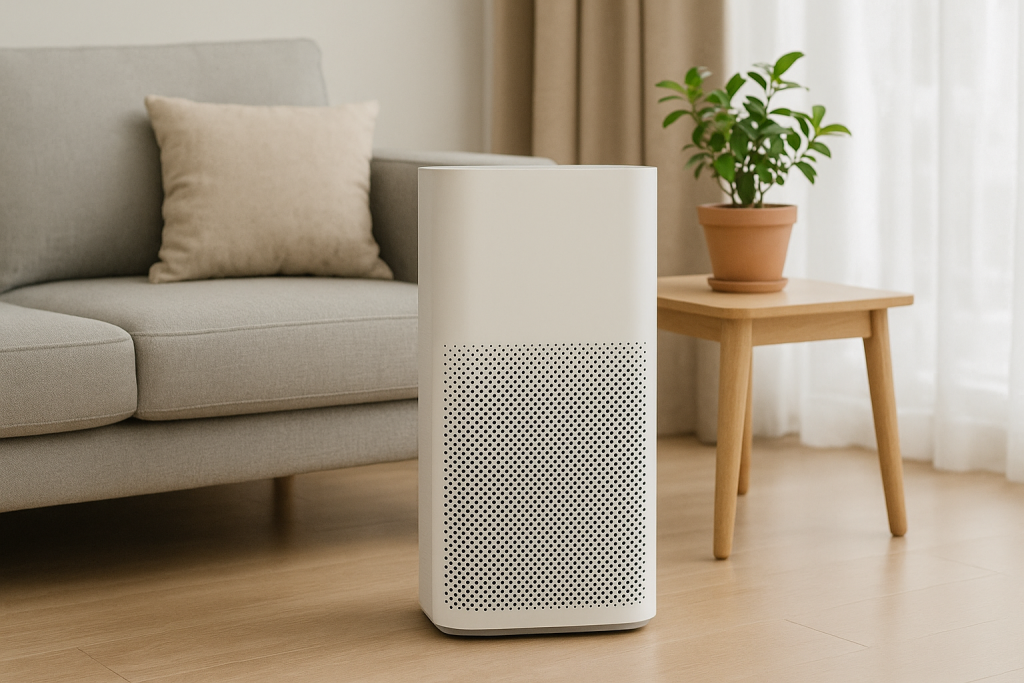
Indoor air quality affects your daily life more than you might realize. Poor air quality can trigger allergies, worsen asthma symptoms, cause headaches, and even impact your sleep quality. Common indoor air pollutants include dust mites, pollen, pet dander, mold spores, volatile organic compounds (VOCs) from furniture and cleaning products, and smoke particles.
An effective air purifier removes these harmful particles, creating a cleaner and healthier living environment. The key is finding one that matches your specific air quality challenges and room requirements.
What Is an Air Purifier and How Does It Work?
An air purifier is a device designed to remove contaminants from the air in a room or entire home. These appliances work by drawing in air through one or more filters, trapping harmful particles, and then releasing clean air back into the space.
Basic Components of an Air Purifier
- Pre-filter: Captures large particles like hair and dust
- Main filter: Usually HEPA or activated carbon, removes smaller particles
- Fan system: Circulates air through the filtration system
- Control panel: Allows you to adjust settings and monitor performance
- Air quality sensors: (in advanced models) detect pollution levels automatically
The effectiveness of an air purifier depends on several factors: the type of filters used, the size of the room, how often the air is cycled through the system, and proper maintenance.
Key Factors to Consider When Choosing an Air Purifier
Room Size and Coverage Area
The most critical factor in selecting an air purifier is matching the device to your room size. Every air purifier has a recommended coverage area, typically measured in square feet. Using an undersized purifier means it won’t effectively clean your air, while an oversized unit wastes energy and money.
How to Calculate Your Room Size:
Measure the length and width of your room in feet, then multiply them together. For example, a 15-foot by 20-foot room equals 300 square feet. Always choose a purifier rated for slightly more than your actual room size to ensure optimal performance.
Coverage Recommendations:
- Small rooms (up to 200 sq ft): Bedrooms, home offices
- Medium rooms (200-400 sq ft): Living rooms, master bedrooms
- Large rooms (400-600 sq ft): Open-concept spaces, large living areas
- Extra-large spaces (600+ sq ft): Consider multiple units or whole-home systems
Understanding CADR Ratings
Clean Air Delivery Rate (CADR) measures how quickly an air purifier can clean air in a specific room size. This rating, tested by the Association of Home Appliance Manufacturers (AHAM), provides three separate scores for smoke, dust, and pollen.
Higher CADR numbers indicate faster and more efficient air cleaning. For a 300-square-foot room, look for a CADR rating of at least 200. The general rule is that the CADR should be at least two-thirds of the room’s square footage.
CADR Quick Reference:
| Room Size | Minimum CADR | Recommended CADR |
|---|---|---|
| 100-200 sq ft | 65-130 | 100-150 |
| 200-300 sq ft | 130-200 | 180-250 |
| 300-400 sq ft | 200-260 | 240-300 |
| 400-500 sq ft | 260-330 | 300-400 |
Air Changes Per Hour (ACH)
ACH tells you how many times per hour the purifier can filter the entire volume of air in a room. Most experts recommend at least 4-5 air changes per hour for optimal air quality, especially for allergy sufferers.
If you or a family member has severe allergies or asthma, aim for an ACH of 5 or higher. For general air quality improvement, an ACH of 2-4 is usually sufficient.
Filter Types and Their Functions
Different filter types target different pollutants. Understanding these differences helps you choose a purifier that addresses your specific air quality concerns.
HEPA Filters (High-Efficiency Particulate Air)
True HEPA filters are the gold standard for air purification. They capture 99.97% of particles as small as 0.3 microns, including pollen, dust mites, mold spores, and pet dander. When shopping, look for “True HEPA” or “Medical-Grade HEPA”—avoid marketing terms like “HEPA-type” or “HEPA-like,” which don’t meet the same standards.
Best for: Allergies, asthma, pet owners, general air quality
Activated Carbon Filters
These filters excel at removing odors, gases, and volatile organic compounds (VOCs). The porous structure of activated carbon traps chemical pollutants that HEPA filters can’t catch. They’re essential for eliminating cooking smells, smoke, and chemical fumes from household products.
Best for: Smoke removal, odor control, VOC reduction, cooking areas
Pre-Filters
Pre-filters catch large particles before they reach the main filter, extending the life of more expensive HEPA or carbon filters. Many pre-filters are washable and reusable, reducing long-term maintenance costs.
Best for: Cost savings, extending filter life, capturing large particles
UV-C Light Filters
UV-C light technology kills bacteria, viruses, and mold spores. While not a standalone solution, it’s a valuable addition when combined with HEPA filtration, particularly during cold and flu season.
Best for: Germicidal purposes, additional disinfection, healthcare settings
Ionizers and Ozone Generators
Ionizers release charged particles that attach to airborne pollutants, making them heavy enough to fall from the air. However, some ionizers produce ozone as a byproduct, which can irritate lungs. If you choose an ionizer, ensure it’s certified ozone-free by CARB (California Air Resources Board).
Important: Avoid ozone generators marketed as air purifiers—ozone can be harmful to respiratory health.
Some of Trending House Accessories
Gourmax Pro Review
KeySmart Key Organizer Review
Heal Naturally Grounding Sheets Review
NUUD Showerhead Review
Avio Apex Travel Backpack Review
Campanelli Pro Series Stain Remover Review
Special Considerations for Different Needs
Best Air Purifiers for Allergies and Asthma
Allergy sufferers need powerful HEPA filtration with a high ACH rating. Look for models with sealed systems that prevent air from bypassing the filter. Features like allergen-specific modes and real-time air quality indicators help you maintain optimal conditions.
Key features to prioritize:
- True HEPA filter (H13 grade or higher)
- ACH of 5 or more
- Quiet operation for bedroom use
- Allergen-specific cleaning modes
- Sealed filtration system
Best Air Purifiers for Pet Owners
Pet dander, hair, and odors require a combination of HEPA and activated carbon filtration. Pre-filters are especially important to catch pet hair before it clogs the main filter. Look for models with pet-specific modes and easy-to-clean exteriors.
Key features to prioritize:
- HEPA filter for dander
- Activated carbon for pet odors
- Washable pre-filter
- High CADR for hair and dander
- Durable, pet-proof construction
Best Air Purifiers for Smoke Removal
Whether dealing with cigarette smoke, wildfire smoke, or cooking fumes, you need robust activated carbon filtration combined with HEPA filters. Smoke particles are particularly small, so look for high-efficiency filters and strong airflow.
Key features to prioritize:
- Extra-large activated carbon filter
- True HEPA filtration
- High CADR for smoke
- Multiple fan speeds
- Auto mode for smoke detection
Best Air Purifiers for Large Rooms and Open Spaces
Large areas require powerful motors and high CADR ratings. Consider whether one large unit or multiple smaller units better suits your space. Some premium models offer 360-degree air intake for maximum coverage.
Key features to prioritize:
- CADR rating of 300+
- Coverage area of 500+ sq ft
- Powerful fan with multiple speeds
- 360-degree air intake design
- Smart connectivity for monitoring
Trending House Accessories
Zippi Sweeper Pro Review
RYSE SmartShade Review
Jiffys Review
Pacuzzi Kitchen Tool Review
FurZapper Reviews
Aroma Amplifier Review
Best Air Purifiers for Nurseries and Children’s Rooms
Safety and quiet operation are paramount for children’s spaces. Look for units with child locks, night light features, and ultra-quiet sleep modes. Avoid ionizers and ensure the unit is certified safe for continuous use.
Key features to prioritize:
- Ultra-quiet operation (under 30 dB on lowest setting)
- Child lock controls
- Night light feature
- Energy efficient
- No ozone emissions
Energy Efficiency and Operating Costs
An air purifier runs continuously or for many hours daily, making energy efficiency a significant consideration. Look for ENERGY STAR certified models that use less electricity while maintaining performance.
Understanding Energy Consumption
Most air purifiers consume between 30-100 watts on average settings. Running a 50-watt purifier 24/7 costs approximately $5-7 per month based on average electricity rates. Premium models with smart sensors adjust power usage based on air quality, reducing costs.
Energy-Saving Tips:
- Use auto mode to adjust fan speed based on air quality
- Choose ENERGY STAR certified models
- Run at lower speeds during clean air periods
- Turn off when opening windows for extended periods
- Consider timer functions for scheduled operation
Filter Replacement Costs
Factor in the ongoing cost of filter replacements when budgeting for an air purifier. HEPA filters typically need replacement every 6-12 months, while carbon filters last 3-6 months. Some models have washable pre-filters that reduce costs.
Annual Filter Cost Estimates:
- Budget models: $30-60 per year
- Mid-range models: $60-120 per year
- Premium models: $100-200 per year
Check filter availability and pricing before purchasing. Some manufacturers charge premium prices for proprietary filters, while others offer affordable, readily available replacements.
Noise Levels and Sleep-Friendly Features
Noise level is crucial, especially for bedroom use. Air purifier noise is measured in decibels (dB). For reference, a whisper is about 30 dB, normal conversation is 60 dB, and anything above 70 dB can be disruptive.
Noise Level Guide:
- Ultra-quiet (20-30 dB): Ideal for sleeping, barely audible
- Quiet (30-45 dB): Suitable for bedrooms, white noise level
- Moderate (45-55 dB): Acceptable for living areas, noticeable
- Loud (55+ dB): Best for daytime use only, can be distracting
Look for models with dedicated sleep modes that reduce fan speed and dim display lights. Some premium units offer noise levels as low as 20 dB on the lowest setting.
Smart Features and Connectivity
Modern air purifiers offer smart features that enhance convenience and effectiveness. While not essential, these features can improve your experience and help maintain optimal air quality.
Useful Smart Features
Air Quality Sensors: Automatically detect pollution levels and adjust fan speed accordingly. Color-coded indicators provide at-a-glance air quality status.
Wi-Fi Connectivity: Control your purifier remotely through smartphone apps. Monitor air quality, adjust settings, and receive filter replacement reminders from anywhere.
Voice Control: Integration with Alexa, Google Assistant, or Siri allows hands-free operation.
Auto Mode: Adjusts fan speed based on real-time air quality readings, balancing performance and energy efficiency.
Timer Functions: Schedule operation times to align with your daily routine and save energy.
Filter Life Indicators: Alert you when it’s time to replace filters, ensuring continuous effectiveness.
Air Quality History: Track air quality trends over time to understand patterns and effectiveness.
Top Air Purifier Brands to Consider
While specific product recommendations change frequently, certain brands consistently deliver quality, reliability, and customer satisfaction. Established brands typically offer better warranty support, replacement part availability, and proven track records.
Reputable Air Purifier Brands:
- Known for medical-grade filtration and Swedish engineering quality
- Offers a range from compact to whole-home systems
- Tends to be premium-priced but highly effective
- Balances performance and affordability
- Wide product range for different room sizes
- Strong customer support and filter availability
- Innovative design and smart features
- Popular for quiet operation
- Good mid-range value
- Budget-friendly options with solid performance
- Good for entry-level needs
- Wide availability
- Premium smart features
- Sleek, modern design
- Higher price point
Research current models, read recent customer reviews, and compare specifications before making your final decision. Technology improves constantly, so newer models may offer better features at competitive prices.
Red Flags: What to Avoid
Misleading Marketing Claims
Be skeptical of air purifiers making extraordinary claims like “removes 100% of all pollutants” or “eliminates viruses completely.” While air purifiers are effective, no device is perfect. Look for specific, tested claims with certification backing.
Ozone-Generating Devices
Avoid air purifiers that intentionally produce ozone, often marketed as “activated oxygen” or “energized air.” Ozone can irritate lungs and worsen respiratory conditions. Always check for CARB certification, which ensures ozone emissions are safe.
“HEPA-Type” or “HEPA-Like” Filters
These marketing terms indicate the filter doesn’t meet true HEPA standards. Insist on “True HEPA” or “Medical-Grade HEPA” for proven 99.97% filtration efficiency.
Undersized Units
Don’t be tempted by a great deal on a purifier that’s too small for your room. An undersized unit will run constantly at maximum speed, consuming more energy while failing to adequately clean your air.
Unknown Brands Without Certification
Stick with established brands or thoroughly research newer companies. Check for certifications from AHAM, CARB, ENERGY STAR, and other recognized testing organizations.
Maintenance and Care Tips
Proper maintenance ensures your air purifier continues performing effectively and extends its lifespan.
Regular Maintenance Checklist
Weekly:
- Wipe down exterior surfaces with a damp cloth
- Check for unusual noises or performance issues
Monthly:
- Vacuum or wash pre-filters (if washable)
- Inspect main filter for visible dirt accumulation
- Clean air quality sensors with a dry cloth
Every 3-6 Months:
- Replace activated carbon filters
- Clean or replace pre-filters if not washable
- Check and clean fan blades if accessible
Every 6-12 Months:
- Replace HEPA filters (follow manufacturer recommendations)
- Inspect and clean internal components
- Test all functions and sensors
General Tips:
- Keep the unit away from walls (at least 12 inches clearance)
- Place on a stable, level surface
- Avoid blocking air intake or output vents
- Run continuously for best results
- Use manufacturer-approved replacement filters
Where to Place Your Air Purifier for Maximum Effectiveness
Placement significantly impacts your air purifier’s performance. Strategic positioning ensures optimal air circulation and maximum pollutant removal.
Best Placement Practices
Central Location: Place the purifier in a central location with clear airflow paths. Avoid corners or behind furniture where air circulation is restricted.
Elevation: Raising the unit off the floor (on a table or stand) can improve effectiveness, especially for units with bottom air intakes.
Near Pollution Sources: Position the purifier near the source of pollutants when possible—near litter boxes, in smoking areas, or close to windows during high pollen seasons.
Away from Obstructions: Maintain at least 12-18 inches of clearance on all sides. Don’t place behind curtains, furniture, or in tight spaces.
Consider Airflow Patterns: Place the purifier where natural airflow from doors, windows, or HVAC vents can help distribute clean air throughout the room.
Bedroom Placement: Position away from the bed (at least 6 feet) to avoid direct airflow while sleeping, but ensure it’s close enough to effectively clean the breathing zone.
Multiple Rooms: If you want to purify multiple rooms, either use multiple units or choose a portable model you can move. Don’t expect one purifier to effectively clean air through doorways.
Budget Considerations: Finding the Best Value
Air purifiers are available at every price point, from under $100 to over $1,000. More expensive doesn’t always mean better for your specific needs.
Price Ranges and What to Expect
Budget Range ($50-$150):
- Suitable for small rooms (up to 200 sq ft)
- Basic filtration with HEPA filters
- Manual controls, limited features
- Higher filter replacement costs relative to purchase price
- Good for trying air purification or single small rooms
Mid-Range ($150-$400):
- Covers medium to large rooms (200-500 sq ft)
- True HEPA and activated carbon filters
- Some smart features and auto modes
- Better build quality and quieter operation
- Best value for most households
Premium Range ($400-$800):
- Large room coverage (500+ sq ft)
- Advanced filtration systems
- Comprehensive smart features and app control
- Ultra-quiet operation
- Superior build quality and design
- Lower long-term operating costs
Luxury Range ($800+):
- Whole-home systems or top-tier performance
- Medical-grade filtration
- Designer aesthetics
- Comprehensive air quality monitoring
- Longest filter life
- Premium warranties and support
Calculating Total Cost of Ownership
Consider both initial purchase price and ongoing costs over 5 years:
Formula: Total Cost = Purchase Price + (Annual Filter Cost × 5) + (Annual Energy Cost × 5)
Example Comparison:
Budget Model:
- Purchase: $100
- Filters: $50/year × 5 = $250
- Energy: $40/year × 5 = $200
- 5-Year Total: $550
Mid-Range Model:
- Purchase: $300
- Filters: $80/year × 5 = $400
- Energy: $35/year × 5 = $175
- 5-Year Total: $875
Premium Model:
- Purchase: $600
- Filters: $120/year × 5 = $600
- Energy: $30/year × 5 = $150
- 5-Year Total: $1,350
Premium models often justify their higher price with better energy efficiency, longer-lasting filters, superior performance, and enhanced durability.
How to Test If Your Air Purifier Is Working
After purchasing and setting up your air purifier, you’ll want to confirm it’s actually improving your air quality.
Simple Effectiveness Tests
Visual Inspection: After a few weeks, check the pre-filter. A dirty filter covered in dust and particles indicates the purifier is capturing pollutants.
Odor Test: Notice if cooking smells, pet odors, or musty scents dissipate faster than before.
Dust Accumulation: Monitor how quickly dust accumulates on surfaces. Effective air purification should reduce surface dust.
Allergy Symptoms: Track whether allergy symptoms improve over 2-4 weeks of continuous use.
Air Quality Monitor: Use an independent air quality monitor to measure particulate matter (PM2.5) levels before and after running the purifier.
Filter Inspection: When replacing filters, examine how much debris the filter captured. Heavy accumulation indicates effective operation.
Expected Timeline for Results
Don’t expect instant results. Air quality improvement is gradual:
- 24-48 hours: Reduction in odors and large particles
- 1-2 weeks: Noticeable decrease in dust accumulation
- 2-4 weeks: Improvement in allergy symptoms
- 1-2 months: Optimal air quality achieved with consistent use
Common Air Purifier Myths Debunked
Myth 1: Air Purifiers Eliminate the Need for Cleaning
Reality: Air purifiers complement regular cleaning but don’t replace it. They remove airborne particles but not settled dust on surfaces. Continue regular vacuuming and dusting.
Myth 2: Bigger Is Always Better
Reality: Oversized purifiers waste energy and money. Match the purifier to your room size for optimal efficiency and cost-effectiveness.
Myth 3: You Only Need to Replace Filters Once a Year
Reality: Filter replacement frequency depends on usage and air quality. Some filters need replacement every 3-6 months. Follow manufacturer guidelines and visual inspections.
Myth 4: Closing All Windows Maximizes Effectiveness
Reality: While running a purifier with windows open is less efficient, occasional fresh air exchange is healthy. Balance purification with fresh air ventilation.
Myth 5: Air Purifiers Cure Respiratory Conditions
Reality: Air purifiers help manage symptoms by reducing triggers, but they’re not medical treatments. Always follow your doctor’s advice for respiratory conditions.
Myth 6: All HEPA Filters Are the Same
Reality: True HEPA filters meet specific standards, but quality varies. Filter construction, seal quality, and housing design all affect real-world performance.
Environmental Impact and Sustainability
Consider the environmental footprint of your air purifier purchase and operation.
Eco-Friendly Considerations
Energy Efficiency: Choose ENERGY STAR certified models to reduce electricity consumption and carbon footprint.
Filter Disposal: HEPA and carbon filters typically aren’t recyclable due to captured contaminants. Some manufacturers offer take-back programs. Check local waste guidelines.
Longevity: Invest in durable, well-built units that last 10+ years rather than cheap models requiring frequent replacement.
Washable Components: Select models with washable pre-filters to reduce waste.
Packaging: Support brands using recyclable, minimal packaging.
Manufacturing Practices: Research brands committed to sustainable manufacturing and ethical labor practices.
When to Run Your Air Purifier
For maximum effectiveness, run your air purifier continuously, especially in frequently occupied rooms. Air purifiers are designed for 24/7 operation and most consume minimal electricity.
Recommended Operating Times
Bedrooms: Run continuously, especially during sleep for optimal air quality during the 7-9 hours you spend breathing bedroom air.
Living Areas: Continuous operation is ideal, but at minimum run during occupied hours and for 2-3 hours after cooking or high-activity periods.
High Pollution Events: Increase to maximum speed during wildfire smoke, high pollen days, or when indoor air quality is compromised.
After Cleaning: Run on high for 30-60 minutes after vacuuming or dusting to capture particles stirred into the air.
Seasonal Adjustments: Increase usage during allergy seasons, flu season, or when windows remain closed for extended periods.
Air Purifiers vs. Other Air Quality Solutions
Air Purifiers vs. HVAC Filters
HVAC filters clean air passing through your heating and cooling system, but only when the system runs. They’re less effective than dedicated air purifiers for several reasons: air passes through less frequently, filters are typically lower grade (MERV 8-13 vs. HEPA), and they don’t clean air in real-time.
Best Approach: Use both—high-quality HVAC filters for whole-home baseline filtration and room air purifiers for targeted, continuous cleaning.
Air Purifiers vs. Humidifiers/Dehumidifiers
These devices serve different purposes. Humidifiers add moisture, dehumidifiers remove it, while air purifiers remove particles. Some combination units exist, but dedicated devices typically perform better at their specific functions.
Choose based on your primary concern: dry air requires a humidifier, excess moisture needs a dehumidifier, and poor air quality calls for an air purifier.
Air Purifiers vs. Plants
While houseplants improve aesthetics and provide marginal air quality benefits, they cannot match the effectiveness of air purifiers. You’d need dozens of plants to achieve what one air purifier accomplishes.
Best Approach: Enjoy plants for their beauty and psychological benefits, but rely on air purifiers for meaningful air quality improvement.
Making the Final Decision
Choosing the right air purifier comes down to matching features to your specific needs and budget.
Your Decision Checklist
Before purchasing, answer these questions:
- What’s my room size? Measure in square feet and choose appropriate coverage.
- What’s my primary concern? Allergies, pets, smoke, general air quality, or odors?
- What’s my budget? Include purchase price and 5-year operating costs.
- Where will I place it? Bedroom, living room, or multiple locations?
- What features matter most? Quiet operation, smart features, portability, or aesthetics?
- How much maintenance am I willing to do? Consider filter replacement frequency and costs.
- What’s my sensitivity to noise? Critical for bedroom placement.
- Do I need smart features? Consider if app control and automation add value for your lifestyle.
Prioritizing Features Based on Needs
For Allergy Sufferers:
- True HEPA filter (highest priority)
- High ACH rating (5+)
- Sealed system
- Quiet operation for bedroom use
For Pet Owners:
- HEPA + activated carbon combination
- Washable pre-filter
- Pet mode or high CADR for dander
- Easy-clean exterior
For Smoke Removal:
- Extra-large activated carbon filter
- High CADR for smoke particles
- HEPA filtration
- Auto mode with smoke detection
For Large Spaces:
- High CADR (300+)
- Large coverage area
- 360-degree intake
- Powerful motor with variable speeds
Conclusion
Choosing the right air purifier doesn’t have to be overwhelming. By focusing on key factors—room size, filter type, CADR rating, and your specific air quality concerns—you can confidently select a device that truly improves your indoor environment.
Remember these essential takeaways:
Match the purifier to your room size for optimal performance. Prioritize True HEPA filters for particle removal and activated carbon for odors and gases. Consider total ownership costs, not just purchase price. Look for trusted brands with certifications and positive reviews. Run your purifier continuously for best results and maintain it regularly.
Clean air is an investment in your health and quality of life. With the knowledge you’ve gained from this guide, you’re ready to make an informed decision that will provide years of fresher, healthier air for you and your family.
Take action today: measure your room, identify your primary concerns, set your budget, and start breathing easier tomorrow.
Ready to improve your indoor air quality? Use this guide to compare models, read current reviews, and choose the air purifier that’s perfect for your home.
Frequently Asked Questions
How long do air purifiers last before needing replacement?
A quality air purifier typically lasts 8-10 years with proper maintenance, though some premium models can function for 15 years or more. The lifespan depends on build quality, usage intensity, and maintenance practices. While the unit itself lasts for years, remember that filters need regular replacement every 3-12 months depending on the type. The motor and electronic components are the most durable parts, but continuous operation at high speeds may shorten the device’s lifespan. Signs your purifier needs replacement include motor failure, persistent unusual noises, inability to effectively clean air despite new filters, or when repair costs approach the price of a new unit.
Can I use an air purifier with windows open?
Yes, you can run an air purifier with windows open, but it reduces efficiency because you’re continuously introducing outdoor air with new pollutants. This isn’t necessarily wasteful—sometimes fresh air ventilation is beneficial for indoor air quality, especially to reduce carbon dioxide levels or air out stuffiness. The best approach is to open windows periodically for fresh air exchange, then close them and run the purifier to clean the indoor air. During high outdoor pollution events like wildfire smoke or high pollen days, keep windows closed and rely entirely on purification. For everyday use, balance ventilation with purification based on outdoor air quality conditions.
Do air purifiers help with mold problems?
Air purifiers with HEPA filters can capture airborne mold spores, preventing them from settling and reproducing in your home. However, they don’t solve existing mold growth problems or address the root cause—excess moisture. If you have visible mold growth, you must remove it and fix the moisture source causing it. An air purifier is a supplementary tool that helps prevent mold spores from spreading during cleanup and can catch spores before they establish new colonies. For comprehensive mold management, combine air purification with proper ventilation, humidity control (keeping levels below 50%), fixing leaks, and addressing any water damage promptly.
Are expensive air purifiers worth the investment?
Expensive air purifiers often justify their cost through superior filtration efficiency, quieter operation, longer-lasting components, better energy efficiency, and advanced features like smart sensors and app control. However, “worth it” depends on your specific needs and budget. A mid-range purifier ($200-400) often provides excellent value for most households, offering strong performance without premium pricing. Spend more if you need whole-home coverage, have severe allergies requiring medical-grade filtration, value ultra-quiet operation for bedrooms, want comprehensive smart features and air quality monitoring, or prefer premium aesthetics and build quality. Budget models can work well for small rooms or trying air purification, but consider total ownership costs including filters and energy consumption.
How soon will I notice improved air quality after using an air purifier?
You’ll notice some improvements within 24-48 hours, particularly reduction in noticeable odors and large particles. However, meaningful health benefits typically emerge over 2-4 weeks of continuous use. The timeline varies based on initial air quality, purifier efficiency, room size, and your sensitivity to pollutants. Odor reduction happens quickest—often within hours for cooking smells or pet odors. Visible dust accumulation decreases noticeably within the first week. Allergy and asthma symptom relief generally requires 2-4 weeks as airborne allergen levels stabilize at lower concentrations. Optimal air quality is achieved after 1-2 months of consistent operation. For best results, run the purifier continuously rather than intermittently, and ensure proper placement and maintenance.