

Picture this: you’re driving home from work when suddenly another vehicle runs a red light and clips your car. Without witnesses, it becomes a frustrating he-said-she-said situation with insurance companies. This is where a reliable dash cam becomes your silent witness and ultimate protection.
Dashboard cameras have evolved from luxury accessories to essential safety devices for modern drivers. Whether you’re concerned about accident documentation, insurance fraud prevention, parking lot incidents, or simply want peace of mind on the road, choosing the right dash cam can make all the difference.
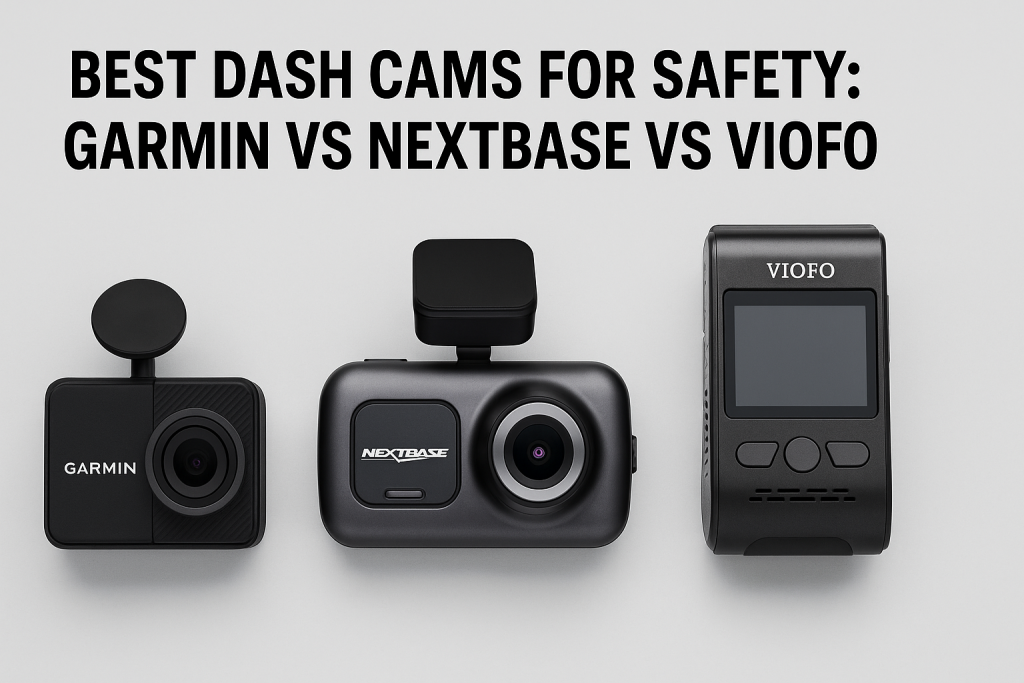
With hundreds of models flooding the market, three brands consistently rise to the top: Garmin, Nextbase, and Viofo. Each manufacturer brings unique strengths to the table, but which one deserves a spot on your windshield?
In this comprehensive guide, we’ll dive deep into the best dash cams from these leading brands, comparing features, video quality, reliability, and real-world performance. By the end, you’ll know exactly which dash cam fits your needs, budget, and driving habits.
What Makes a Great Dash Cam for Safety?
Before comparing specific brands and models, let’s establish what separates exceptional dash cams from mediocre ones. Understanding these key features will help you make an informed decision.
Essential Dash Cam Features for Maximum Protection
Video Quality and Resolution
Modern dash cams should offer at minimum 1080p Full HD recording, though 1440p and 4K options provide superior clarity for capturing license plates and road details. Higher resolution means better evidence quality when you need it most.
Wide-Angle Lens Coverage
Look for cameras with 140-degree or wider field of view. This ensures you capture multiple lanes of traffic and peripheral activity that might be crucial during accident investigations.
Night Vision and Low-Light Performance
Many accidents and incidents occur after dark. Superior sensor technology and HDR (High Dynamic Range) capabilities ensure clear footage regardless of lighting conditions.
Parking Mode Protection
Advanced parking surveillance activates when your vehicle is stationary, detecting motion or impacts. This feature protects against hit-and-run incidents in parking lots and vandalism overnight.
GPS Integration
Built-in GPS tracking records your location, speed, and route information. This data proves invaluable during insurance claims and provides context for recorded incidents.
Reliability and Build Quality
Your dash cam faces extreme temperatures, constant vibration, and continuous operation. Look for models with proven reliability, quality capacitors (not batteries that fail in heat), and solid warranties.
Storage and Loop Recording
Most dash cams use microSD cards with loop recording that automatically overwrites old footage. Emergency event detection locks important clips to prevent deletion during critical moments.
Garmin Dash Cams: Premium Quality Meets Advanced Technology
Garmin has built a stellar reputation in GPS navigation and now brings that technological expertise to dashboard cameras. Known for user-friendly interfaces and reliable performance, Garmin dash cams appeal to drivers seeking premium features with straightforward operation.
Top Garmin Dash Cam Models for 2025
Garmin Dash Cam 67W
This compact powerhouse delivers exceptional 1440p video quality in an ultra-discreet design. The 180-degree field of view captures more road area than most competitors.
Key specifications include:
- 1440p QHD recording at 30fps
- 180-degree ultra-wide viewing angle
- Voice control functionality
- Clarity HDR for balanced exposure
- Built-in WiFi and Bluetooth connectivity
Garmin Dash Cam Mini 2
Perfect for drivers wanting minimal windshield obstruction, the Mini 2 is smaller than a car key yet packs impressive capabilities.
Notable features:
- 1080p Full HD recording
- 140-degree field of view
- Automatic incident detection
- Cloud connectivity via Garmin Drive app
- Discreet, nearly invisible installation
Garmin Dash Cam Tandem
The Tandem offers dual-lens recording, capturing both road and cabin simultaneously. This makes it ideal for rideshare drivers, parents of teen drivers, or anyone wanting comprehensive coverage.
Standout features:
- 1440p front and 720p interior recording
- 180-degree front view, 140-degree cabin view
- Night vision for both cameras
- Voice command operation
- Incident-triggered recording
Garmin Dash Cam Strengths
Garmin excels in several critical areas that set their cameras apart from competitors.
User-Friendly Design
Garmin’s interface feels intuitive from the first use. Voice commands like “OK Garmin, save video” make operation hands-free and safe while driving. The companion smartphone app provides easy footage review and settings adjustment.
Superior Build Quality
These cameras withstand temperature extremes better than many alternatives. Garmin uses high-quality components designed for automotive environments, resulting in exceptional longevity.
Advanced Driver Assistance
Beyond recording, many Garmin models include forward collision and lane departure warnings. While not a substitute for your vehicle’s safety systems, these alerts add an extra layer of awareness.
Seamless Integration
The Vault subscription service (optional) provides automatic cloud backup for important footage. When incident detection triggers, your video uploads automatically over WiFi or LTE.
Potential Drawbacks of Garmin Dash Cams
Premium Pricing
Garmin models typically cost more than comparable competitors. You’re paying for brand reputation, refined software, and additional features that some budget-conscious buyers may not need.
Subscription Costs
While basic functionality works without subscriptions, cloud features require ongoing payments. The Garmin Vault service adds monthly expenses to your initial investment.
Limited Parking Mode
Some Garmin models offer less robust parking surveillance compared to dedicated parking mode specialists. This may disappoint drivers seeking comprehensive 24/7 protection.
Nextbase Dash Cams: Innovation and Smart Features
British manufacturer Nextbase has become synonymous with innovation in the dash cam market. Their cameras frequently introduce cutting-edge features that eventually become industry standards, making them a favorite among tech-savvy drivers.
Leading Nextbase Dash Cam Models
Nextbase 622GW
The flagship 622GW represents the pinnacle of Nextbase engineering, offering 4K resolution and artificial intelligence capabilities.
Core specifications:
- 4K Ultra HD recording at 30fps
- 140-degree viewing angle
- Image stabilization technology
- Alexa voice assistant integration
- Emergency SOS response feature
Nextbase 522GW
This mid-range option balances advanced features with more accessible pricing, delivering excellent value for safety-conscious drivers.
Key features include:
- 1440p Quad HD recording
- 140-degree field of view
- Intelligent parking mode
- Polarizing filter included
- WiFi and Bluetooth connectivity
Nextbase 322GW
An entry-level model that doesn’t compromise on essential safety features, perfect for first-time dash cam buyers.
Notable specifications:
- 1080p Full HD recording
- 140-degree viewing angle
- Emergency SOS functionality
- Click and Go Pro magnetic mount
- Alexa compatibility
What Makes Nextbase Stand Out
Emergency Response Integration
Nextbase pioneered the Emergency SOS feature, which can alert emergency services and designated contacts automatically when severe incidents occur. This potentially life-saving feature sets Nextbase apart from competitors.
What3words Location Technology
The integration of what3words provides precise accident location sharing using a simple three-word address. This proves invaluable in areas without clear street addresses or when you’re unable to describe your location clearly.
Exceptional Customer Support
Nextbase consistently receives praise for responsive customer service and comprehensive warranty coverage. Their UK-based support team provides knowledgeable assistance when issues arise.
Regular Firmware Updates
Nextbase actively improves their cameras through software updates, adding features and enhancements long after purchase. This commitment keeps older models relevant and functional.
Modular Accessories
The ecosystem of Nextbase accessories allows customization to your specific needs. Rear camera modules, polarizing filters, and hardwire kits integrate seamlessly with their camera systems.
Nextbase Limitations to Consider
Higher Price Point
Premium features command premium prices. Nextbase cameras often cost more than basic alternatives, though many buyers find the innovation worth the investment.
Occasional Software Quirks
Some users report minor software glitches or connectivity issues with smartphone apps. While firmware updates typically address these problems, they can frustrate users expecting flawless operation.
Heat Sensitivity
Certain Nextbase models have shown sensitivity to extreme heat environments. If you live in very hot climates, ensuring proper installation away from direct sunlight becomes critical.
Viofo Dash Cams: Performance and Value Combined
Viofo has earned a devoted following among dash cam enthusiasts by delivering exceptional video quality and features at competitive prices. This Chinese manufacturer focuses on what matters most: reliable recording when you need it.
Best Viofo Dash Cam Options
Viofo A129 Pro Duo
A dual-channel powerhouse offering 4K front and 1080p rear recording, the A129 Pro Duo provides comprehensive vehicle coverage.
Technical highlights:
- 4K front camera, 1080p rear camera
- Sony STARVIS sensor for superior night vision
- 5GHz WiFi for fast file transfers
- Buffered parking mode
- Wide temperature operating range
Viofo A119 V3
The single-channel A119 V3 delivers outstanding value with impressive specifications that rival much pricier alternatives.
Key specifications:
- 2K Quad HD recording
- Sony STARVIS sensor
- 130-degree viewing angle
- Parking mode capable (with hardwire kit)
- Capacitor-based for heat resistance
Viofo A229 Duo
Viofo’s latest generation brings significant improvements in image processing and convenience features.
Notable features:
- 2K front and rear recording
- Enhanced Sony sensors
- Built-in GPS
- Voice control functionality
- Improved parking mode
Why Viofo Deserves Your Attention
Exceptional Night Performance
Viofo’s use of Sony STARVIS sensors delivers some of the market’s best low-light recording. License plates remain readable even in challenging nighttime conditions where other cameras struggle.
Outstanding Value Proposition
You get premium features without premium pricing. Viofo typically costs 30-40% less than comparable Garmin or Nextbase models while maintaining excellent quality.
Enthusiast Community Support
A passionate community of Viofo users shares installation tips, settings optimization, and troubleshooting advice online. This collective knowledge helps newcomers maximize their camera’s potential.
Durability in Extreme Conditions
Viofo’s use of capacitors instead of batteries ensures reliable operation in temperatures ranging from -10°F to 160°F (-23°C to 71°C). This makes them ideal for extreme climate environments.
Frequent Model Updates
Viofo regularly releases improved versions incorporating user feedback and technological advances. This keeps their lineup competitive and current.
Viofo Considerations
Less Polished User Interface
While functional, Viofo cameras don’t match the refined user experience of Garmin or Nextbase. Menus feel more utilitarian and smartphone app connectivity can be less intuitive.
Limited Advanced Features
You won’t find emergency SOS systems or Alexa integration. Viofo focuses on core dash cam functionality rather than expanding into smart assistant territory.
Less Comprehensive Customer Support
As a smaller international company, Viofo’s customer service response times may be longer than established Western brands. However, warranty coverage remains solid.
Feature-by-Feature Comparison: Garmin vs Nextbase vs Viofo
Understanding how these three brands compare across critical features helps narrow your decision.
Video Quality Comparison Table
| Brand | Top Resolution | Night Performance | HDR/WDR | Frame Rate |
|---|---|---|---|---|
| Garmin | 1440p QHD | Excellent | Clarity HDR | 30/60fps |
| Nextbase | 4K Ultra HD | Very Good | WDR + Image Stabilization | 30fps |
| Viofo | 4K Ultra HD | Outstanding | HDR | 30fps |
Smart Features Comparison
Connectivity and Control
Garmin offers seamless WiFi/Bluetooth pairing with excellent app stability. Voice commands work reliably across their product range.
Nextbase includes Alexa integration and emergency response capabilities that go beyond traditional dash cam functionality. Their apps provide comprehensive footage management.
Viofo focuses on basic WiFi connectivity for file transfer and settings adjustment. The experience is straightforward but less feature-rich than competitors.
GPS and Location Services
All three brands incorporate GPS tracking in their mid-range and premium models. Garmin leverages their navigation expertise for superior accuracy. Nextbase adds what3words for precise location sharing. Viofo provides solid GPS functionality without additional frills.
Parking Mode Capabilities
Nextbase offers the most sophisticated parking surveillance with intelligent scene detection and low-power consumption.
Garmin provides adequate parking protection but may require additional accessories for optimal functionality.
Viofo delivers reliable buffered parking mode that captures incidents effectively when properly hardwired.
Pricing and Value Analysis
Budget-Friendly Options ($100-$150)
Viofo dominates this segment with models like the A119 V3 offering features typically found in more expensive cameras. Entry-level Nextbase and Garmin options provide fewer capabilities at similar prices.
Mid-Range Performance ($150-$250)
All three brands compete strongly here. Garmin’s Dash Cam 67W, Nextbase 522GW, and Viofo A129 Pro Duo each offer compelling reasons for consideration depending on your priorities.
Premium Territory ($250+)
Nextbase’s 622GW leads with 4K resolution and advanced smart features. Garmin’s Tandem offers unique dual-lens recording. Viofo generally doesn’t compete at this price point, keeping their focus on value.
Installation and Setup: What to Expect
Proper installation maximizes your dash cam’s effectiveness and ensures reliable operation.
Basic Installation Steps
Most dash cams follow a similar installation process that takes 15-30 minutes:
Mount your camera high on the windshield behind the rearview mirror where it won’t obstruct your view. The passenger side slightly off-center provides optimal positioning.
Route the power cable along the windshield edge, tucking it behind trim panels to keep it hidden. This creates a clean, professional appearance.
Connect to power using either the included cigarette lighter adapter or a hardwire kit for cleaner installation and parking mode functionality.
Insert a quality microSD card (Class 10 or UHS-1 rated) with adequate capacity. Most users find 64GB to 128GB provides sufficient storage for continuous loop recording.
Hardwiring for Advanced Features
Professional hardwiring unlocks parking mode capabilities and eliminates dangling cables from your cigarette lighter.
A hardwire kit connects your dash cam directly to your vehicle’s fuse box, providing constant power for parking surveillance while incorporating voltage protection to prevent battery drain.
Unless you’re comfortable working with automotive electrical systems, consider professional installation. Many electronics retailers and car audio shops offer dash cam installation services for reasonable fees.
Optimal Settings Configuration
After physical installation, configure your dash cam settings for best results:
Set video quality to the highest resolution your camera offers. Storage is inexpensive, but missed details in crucial footage are irreplaceable.
Enable GPS tracking if your model includes this feature. The speed and location data proves invaluable during insurance claims.
Adjust sensitivity settings for incident detection. Too sensitive causes constant false triggers, while insufficient sensitivity might miss actual events.
Configure parking mode according to your needs. Motion detection works well for high-traffic areas, while time-lapse conserves storage during extended parking.
Real-World Performance: How These Cameras Handle Daily Driving
Theory and specifications only tell part of the story. Real-world performance reveals how these dash cams function during actual driving conditions.
Daytime Recording Quality
All three brands deliver excellent daytime footage with clear details, readable text, and accurate color reproduction. The differences become apparent in challenging conditions like direct sunlight, shadows, or reflective surfaces.
Garmin’s Clarity HDR handles high-contrast scenes admirably, balancing bright skies with shadowed areas. Nextbase’s image stabilization reduces vibration-induced blur on rough roads. Viofo’s Sony sensors capture impressive detail even when zooming into footage during playback.
Nighttime and Low-Light Situations
This is where dash cam quality truly separates contenders from pretenders.
Viofo consistently receives top marks for night recording, with STARVIS sensors capturing license plates and road signs that remain unreadable on competing cameras. Street lighting and headlights don’t create excessive glare or blooming.
Garmin performs well in urban environments with ambient lighting but may struggle in complete darkness on rural roads. Their HDR processing helps but doesn’t quite match dedicated night vision sensors.
Nextbase delivers solid nighttime performance with noticeable improvement in their newer models. The 622GW handles night recording confidently, though not quite matching Viofo’s specialized capabilities.
Weather and Environmental Challenges
Rain, snow, fog, and extreme temperatures test dash cam resilience.
All three brands handle wet weather reasonably well, though windshield water droplets affect any camera. Some users report Nextbase’s polarizing filter helps reduce glare from wet roads.
Temperature extremes favor Viofo’s capacitor-based design, which maintains reliability in both desert heat and Arctic cold. Garmin and Nextbase cameras occasionally experience heat-related shutdowns in extreme summer conditions if mounted in direct sunlight.
Parking Mode Effectiveness
Comprehensive parking protection requires proper setup and realistic expectations.
Nextbase excels with intelligent motion detection that distinguishes between actual threats and innocuous activity like passing pedestrians. Their low-power mode preserves battery life during extended parking.
Garmin’s parking mode works adequately but may drain vehicle batteries faster than competitors during multi-day parking situations.
Viofo requires a hardwire kit for parking mode but delivers reliable impact detection and buffered recording that captures seconds before and after triggering events.
Making Your Decision: Which Brand Fits Your Needs?
Choosing between Garmin, Nextbase, and Viofo depends on your priorities, budget, and specific requirements.
Choose Garmin If You Value…
User Experience and Integration
Garmin creates the most polished, user-friendly dash cam experience. If you want intuitive operation with minimal learning curve, Garmin delivers.
Brand Trust and Support
Established reputation and comprehensive customer service provide peace of mind. Garmin’s warranty support and service network exceed smaller competitors.
Compact, Discreet Design
Models like the Dash Cam Mini 2 virtually disappear on your windshield while providing full protection.
Voice Control Convenience
Hands-free operation while driving keeps you focused on the road rather than fumbling with camera controls.
Select Nextbase If You Want…
Cutting-Edge Innovation
Emergency SOS, what3words integration, and Alexa compatibility represent the future of dash cam technology available today.
4K Video Quality
When maximum detail matters, the 622GW’s 4K recording provides unmatched clarity for evidence documentation.
Comprehensive Smart Features
The ecosystem of intelligent features creates a connected safety system beyond simple video recording.
UK Design and Support
European build quality and responsive customer service from a company passionate about road safety.
Pick Viofo If You Prioritize…
Best Bang for Your Buck
Superior specifications at competitive prices make Viofo the value champion. You sacrifice some convenience features but gain excellent core functionality.
Superior Night Vision
If you frequently drive at night or in low-light conditions, Viofo’s STARVIS sensors provide unmatched performance.
Extreme Weather Reliability
Capacitor-based design withstands temperature extremes that challenge battery-powered alternatives.
Simple, Effective Operation
Straightforward functionality without unnecessary complexity appeals to users wanting reliable recording without learning elaborate feature sets.
Budget-Based Recommendations
Under $150: Viofo A119 V3 offers the best overall value with excellent video quality and reliable performance.
$150-$250: Consider your priorities:
- Garmin Dash Cam 67W for user experience
- Nextbase 522GW for smart features
- Viofo A129 Pro Duo for dual-channel coverage
$250+: Nextbase 622GW leads with 4K recording and advanced capabilities, while Garmin Tandem provides unique interior monitoring.
Installation Tips and Best Practices
Maximizing your dash cam investment requires proper setup and maintenance.
Choosing the Right Memory Card
Not all microSD cards perform equally in dash cam applications. High-endurance cards designed for continuous recording withstand the constant write cycles that standard cards cannot.
Samsung PRO Endurance, SanDisk High Endurance, and Transcend High Endurance cards receive consistent recommendations. Avoid no-name brands that may fail without warning, resulting in lost footage when you need it most.
Format your card regularly (monthly) to maintain optimal performance and prevent file corruption. Most dash cams include formatting functions in their settings menu.
Cable Management for Clean Installation
Professional-looking installation enhances your vehicle’s appearance while ensuring reliable operation.
Use plastic trim removal tools to gently tuck cables behind headliner, pillar, and dashboard panels. Avoid metal tools that scratch or damage interior components.
Leave slight slack in cables near the camera to prevent connection stress from windshield flex and vibration.
Secure cables with small zip ties at regular intervals to prevent rattling noises during driving.
Optimal Camera Positioning
Camera placement affects both recording quality and legal compliance.
Position your dash cam behind the rearview mirror where possible. This minimizes visual obstruction while providing optimal forward coverage.
Ensure your camera doesn’t block any driver assistance sensors (forward collision, lane keep, adaptive cruise control) typically located near the rearview mirror.
Angle the camera slightly downward to capture more road surface and less sky. This improves video balance and captures important ground-level details.
Check your local regulations regarding windshield-mounted devices. Most jurisdictions allow dash cams but may have specific placement requirements.
Regular Maintenance Tasks
Dash cams require minimal maintenance but benefit from occasional attention.
Clean the camera lens monthly with a microfiber cloth to remove dust, fingerprints, and road film that degrades video quality.
Review your camera’s time and date settings periodically, especially after battery disconnections. Accurate timestamps prove crucial for legal and insurance purposes.
Test your camera’s recording functionality weekly by reviewing recent footage. Verify that files are saving properly and video quality meets expectations.
Update firmware when manufacturers release new versions. These updates often improve stability, add features, and enhance performance.
Frequently Asked Questions About Dash Cams
Do dash cams reduce insurance premiums?
Some insurance companies offer discounts ranging from 10-15% for vehicles equipped with dash cams, though this varies by insurer and region. Even without direct premium reductions, dash cam footage often accelerates claims processing and helps prove fault in disputed accidents, potentially preventing rate increases after incidents. Contact your insurance provider to ask about available dash cam discounts and documentation requirements.
Can dash cams drain my car battery when parked?
Dash cams using parking mode do draw power when your vehicle is off, but properly installed hardwire kits include voltage cutoff features that shut down the camera before battery depletion affects starting. Most modern vehicles with healthy batteries easily support 24-48 hours of dash cam parking mode. If you frequently leave your vehicle parked for extended periods, consider disabling parking mode or using a dedicated battery pack to power your camera separately from your vehicle’s main battery.
Are dash cams legal everywhere?
Dash cams are legal in most countries and US states for personal vehicle use, though specific regulations vary. Some jurisdictions restrict windshield placement or require informing passengers about interior recording. A few countries have privacy laws that limit where and how you can record. Research your local laws before installation, and be especially mindful when traveling internationally with your dash-cam-equipped vehicle. Most dash cam manufacturers provide basic legal guidance for major markets.
How long does dash cam footage stay saved?
Storage capacity and recording quality determine footage duration. A 64GB memory card typically stores 6-8 hours of high-quality footage before loop recording overwrites the oldest files. Emergency event detection automatically locks important clips to prevent deletion, preserving accident footage indefinitely until you manually remove it. Most dash cams also have manual save buttons to protect specific clips. For long-term storage, regularly transfer important footage to your computer or cloud storage.
What’s better for evidence: single or dual-channel dash cams?
Dual-channel dash cams recording both front and rear provide more comprehensive protection against rear-end collisions, backing incidents, and situations where fault determination requires seeing activity behind your vehicle. However, single-channel front cameras often deliver higher video quality at similar price points and consume less storage. For most drivers, a high-quality single-channel camera proves sufficient, while rideshare drivers, those frequently navigating parking lots, or drivers concerned about rear-end collisions benefit from dual-channel coverage.
Conclusion: Protecting Your Journey with the Right Dash Cam
Selecting the ideal dash cam between Garmin, Nextbase, and Viofo ultimately depends on balancing your priorities, budget, and expectations. Each brand brings distinctive strengths to vehicle safety and documentation.
Garmin delivers refined user experiences with intuitive controls and seamless smartphone integration. Their cameras suit drivers valuing convenience, brand reliability, and polished operation willing to pay premium prices.
Nextbase pushes technological boundaries with innovative features like emergency response integration and 4K recording. These cameras appeal to technology enthusiasts and safety-conscious drivers wanting cutting-edge protection.
Viofo provides exceptional value with outstanding video quality, particularly in challenging lighting conditions. Budget-conscious buyers and night-driving enthusiasts find Viofo cameras deliver professional-grade performance without premium pricing.
Regardless of which brand you choose, installing a quality dash cam represents one of the smartest investments in your vehicle’s safety ecosystem. The peace of mind knowing every drive is documented, the protection against insurance fraud, and the evidence available if incidents occur far outweigh the modest initial cost.
Take time to assess your specific needs, review the comparison points covered in this guide, and select the dash cam that best aligns with your requirements. Your future self may thank you when that unexpected moment arrives and your camera captures exactly what happened.
Ready to enhance your driving safety? Research current pricing on the models mentioned here, read recent user reviews, and make your informed purchase decision. The road ahead deserves your attention, and the right dash cam ensures nothing important goes unrecorded.
Frequently Asked Questions About Best Dash Cams for Safety
What resolution dash cam should I buy for clear license plate recording?
For reliably capturing license plates in most conditions, look for cameras with at least 1440p (2K) resolution combined with a quality sensor. While 1080p can work adequately in ideal lighting, higher resolutions provide better detail when zooming into footage during playback. The sensor quality matters as much as resolution—cameras like Viofo models using Sony STARVIS sensors often capture clearer plates than higher-resolution cameras with inferior sensors. Wide dynamic range (WDR) or HDR capabilities also significantly impact plate readability in high-contrast situations like bright sunlight or headlight glare.
Should I buy my dash cam from Amazon or directly from the manufacturer?
Both options have advantages depending on your priorities. Amazon typically offers faster shipping, easier returns, and competitive pricing, plus you can read extensive user reviews before purchasing. However, buying directly from manufacturers like Garmin, Nextbase, or Viofo sometimes provides longer warranties, guaranteed authentic products, and access to exclusive bundles or promotions. If purchasing through Amazon or third-party retailers, verify you’re buying from authorized dealers to ensure warranty coverage remains valid. Check manufacturer websites for authorized retailer lists before making large purchases.
How often do dash cam memory cards need replacing?
High-endurance memory cards designed for dash cam use typically last 12-18 months of continuous recording before performance degrades or failure risks increase. Regular formatting (monthly) extends card lifespan by preventing fragmentation. Signs your card needs replacement include missing footage, recording errors, or camera freezing during operation. Since memory cards are relatively inexpensive compared to missing crucial footage, consider replacing cards annually as preventive maintenance. Keep a spare formatted card in your vehicle for emergency replacement if your primary card fails unexpectedly.
Can dash cams work in vehicles without cigarette lighter sockets?
Yes, several powering alternatives exist for vehicles lacking traditional power outlets. Hardwiring dash cams directly to your vehicle’s fuse box provides the cleanest installation and enables parking mode functionality. Battery pack options let the camera operate independently of vehicle power, though these require regular recharging. Some newer vehicles with USB ports can power dash cams if the port provides sufficient amperage (typically 2A minimum). OBD-II port adapters also work for vehicles equipped with onboard diagnostic ports. Check your dash cam’s power requirements and consult installation professionals if you’re uncomfortable working with vehicle electrical systems.
Do more expensive dash cams really perform better than budget models?
Price generally correlates with features, build quality, and user experience rather than basic recording functionality. Mid-range cameras ($150-$250) from reputable brands typically offer excellent video quality, reliability, and essential features for most users. Premium models add conveniences like cloud connectivity, advanced driver assistance, better smartphone apps, and enhanced customer support rather than dramatically superior core recording. Budget cameras under $100 often compromise on low-light performance, build quality, and longevity. The sweet spot for most buyers falls in the $120-$200 range where you receive solid construction, good video quality, and necessary features without paying for unnecessary premium additions.