
Have you noticed stubborn dark patches on your face that refuse to fade? You’re not alone. Dark spots and pigmentation affect millions of people worldwide, impacting confidence and skin appearance.
Whether caused by sun exposure, acne scars, hormonal changes, or aging, hyperpigmentation can feel frustrating to deal with. The good news? Nature offers powerful solutions that can help fade these spots safely and effectively.
In this comprehensive guide, you’ll discover 12 scientifically-backed natural remedies, understand what causes dark spots, learn prevention strategies, and get a complete skincare routine designed to restore your skin’s natural glow. Let’s transform your skin naturally.
What Are Dark Spots and Hyperpigmentation?
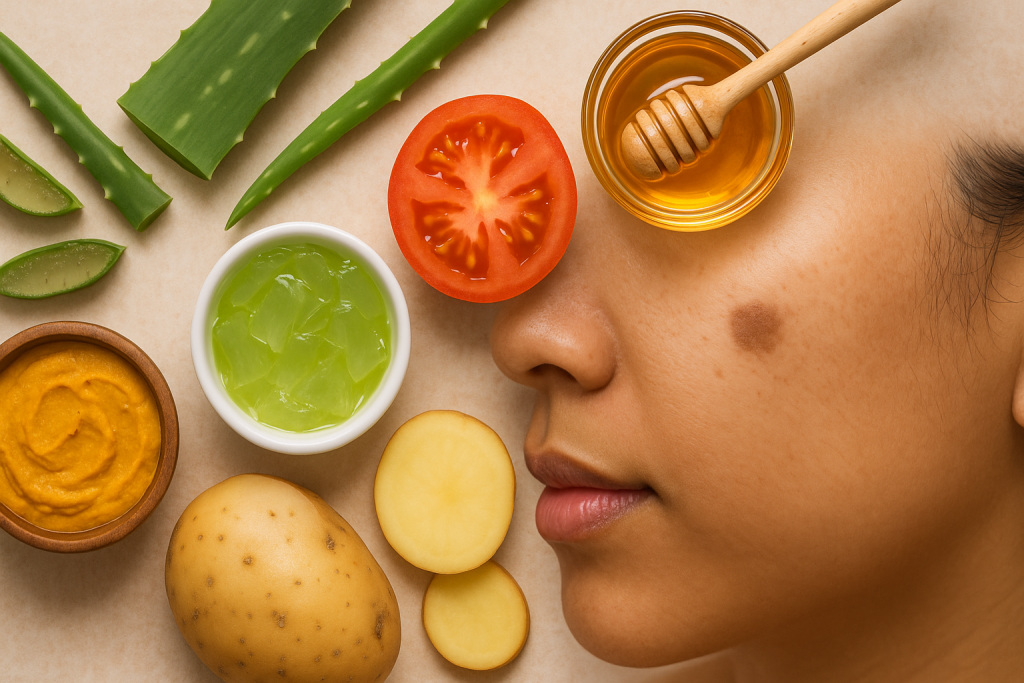
Dark spots, medically known as hyperpigmentation, are areas of skin that become darker than the surrounding tissue. This occurs when melanin (the pigment responsible for skin color) is produced in excess in certain areas.
Types of Hyperpigmentation
Understanding your specific type helps choose the right treatment:
- Post-Inflammatory Hyperpigmentation (PIH): Dark marks left behind after acne, wounds, or skin inflammation
- Melasma: Brown or gray-brown patches typically on the face, often triggered by hormones
- Solar Lentigines (Age Spots): Flat brown spots caused by cumulative sun exposure over time
- Freckles: Small concentrated spots of melanin, often genetic and triggered by sun
Common Causes of Dark Spots
Sun Exposure: UV rays stimulate melanin production as a protective mechanism, leading to sunspots and uneven tone.
Acne and Skin Injuries: When skin heals from breakouts or wounds, excess melanin can accumulate in those areas.
Hormonal Changes: Pregnancy, birth control pills, and hormone fluctuations can trigger melasma.
Aging: As skin matures, melanin distribution becomes less uniform, creating age spots.
Medication Side Effects: Certain medications can increase photosensitivity and pigmentation.
Why Choose Natural Remedies for Dark Spots?
Natural ingredients offer several advantages for treating hyperpigmentation:
Gentler on Skin: Plant-based remedies typically cause less irritation than harsh chemical treatments, making them suitable for sensitive skin types.
Fewer Side Effects: Natural options reduce the risk of adverse reactions while still delivering results.
Cost-Effective Solutions: Most natural ingredients are affordable and accessible, with many already in your kitchen.
Holistic Skin Benefits: Natural remedies often provide additional nutrients, antioxidants, and hydration beyond just lightening.
Sustainable and Safe: When used correctly, natural treatments pose minimal long-term risks to skin health.
12 Proven Natural Remedies to Remove Dark Spots
1. Vitamin C (Lemon Juice – Use with Caution)
Vitamin C is a powerful antioxidant that inhibits melanin production and brightens skin tone.
How It Works: Ascorbic acid interferes with tyrosinase, the enzyme responsible for melanin synthesis.
Application Method:
- Mix fresh lemon juice with equal parts water or honey
- Apply to dark spots using a cotton pad
- Leave for 10-15 minutes maximum
- Rinse thoroughly with lukewarm water
- Always apply sunscreen afterward
Important Warning: Pure lemon juice can be highly acidic and photosensitizing. Never use before sun exposure. Dilute properly and test on a small area first.
Better Alternative: Consider using commercially available vitamin C serums with stable forms like sodium ascorbyl phosphate for safer, more consistent results.
2. Aloe Vera Gel
Aloe vera contains aloesin, a compound that inhibits melanin formation and helps fade existing pigmentation.
Benefits:
- Anti-inflammatory properties reduce post-acne marks
- Hydrates skin while treating discoloration
- Promotes skin healing and cell regeneration
- Gentle enough for daily use
How to Use:
- Extract fresh gel from an aloe vera leaf
- Apply directly to affected areas
- Massage gently for 2-3 minutes
- Leave overnight or for at least 30 minutes
- Use twice daily for best results
3. Turmeric and Milk/Honey Paste
Turmeric contains curcumin, an active compound with powerful skin-brightening and anti-inflammatory properties.
Recipe:
- 1 teaspoon turmeric powder
- 2 teaspoons raw honey or milk
- Mix to form a smooth paste
Application:
- Apply to clean skin, focusing on dark spots
- Leave for 15-20 minutes
- Rinse with lukewarm water
- Use 3-4 times weekly
Pro Tip: Turmeric can temporarily stain skin yellow. Add a pinch of gram flour (besan) to help prevent staining.
4. Apple Cider Vinegar
Apple cider vinegar contains acetic acid and alpha hydroxy acids that gently exfoliate skin and fade pigmentation.
How to Prepare:
- Mix 1 part raw, unfiltered apple cider vinegar with 2 parts water
- For sensitive skin, use 1 part vinegar to 3 parts water
Application Method:
- Dab onto dark spots with a cotton ball
- Leave for 2-3 minutes initially
- Rinse thoroughly
- Gradually increase to 5 minutes as skin adapts
- Use once daily
Caution: Never use undiluted ACV, as it can burn skin. Always perform a patch test first.
5. Green Tea Extract
Green tea is rich in polyphenols and EGCG (epigallocatechin gallate), which have melanin-inhibiting properties.
Preparation:
- Brew a strong cup of green tea
- Allow to cool completely
- Use as a toner or compress
Usage Options:
- Soak cotton pads and apply to dark spots twice daily
- Freeze into ice cubes for a refreshing treatment
- Mix cooled tea with aloe vera gel for enhanced benefits
Additional Benefits: Powerful antioxidants protect against environmental damage and premature aging.
6. Papaya Enzyme Treatment
Papaya contains papain, a natural enzyme that exfoliates dead skin cells and promotes cell turnover for brighter skin.
How to Use:
- Mash ripe papaya into a smooth paste
- Apply generously to affected areas
- Leave for 15-20 minutes
- Rinse with cool water
- Use 2-3 times per week
Why It Works: Papain breaks down inactive proteins and removes pigmented dead skin cells, revealing fresher skin underneath.
7. Tomato Pulp
Tomatoes are rich in lycopene, a carotenoid that protects against UV damage and helps fade pigmentation.
Application Method:
- Blend fresh tomato into pulp
- Mix with 1 teaspoon honey (optional)
- Apply to dark spots
- Leave for 20 minutes
- Rinse with lukewarm water
- Use daily
Bonus: Tomatoes also contain vitamin C, doubling the brightening effect.
8. Potato Juice
Potatoes contain natural bleaching agents including catecholase enzyme, which helps lighten skin safely.
How to Extract and Use:
- Grate one raw potato
- Squeeze to extract juice
- Apply juice directly to dark spots
- Leave for 15-20 minutes
- Rinse thoroughly
- Repeat twice daily
Why It’s Effective: Potato juice is gentle, non-irritating, and suitable for all skin types, including sensitive skin.
9. Licorice Root Extract
Licorice contains glabridin and liquiritin, compounds that inhibit melanin production and disperse existing pigment.
How to Use:
- Purchase licorice root powder or extract
- Mix powder with rose water to create a paste
- Or add a few drops of extract to your moisturizer
- Apply to dark spots daily
- Leave for 20 minutes before rinsing
Scientific Support: Studies show licorice root can be as effective as hydroquinone for certain types of hyperpigmentation, without the side effects.
10. Yogurt and Honey Mask
Yogurt contains lactic acid, an alpha hydroxy acid that gently exfoliates and brightens skin.
Recipe:
- 2 tablespoons plain yogurt (full-fat)
- 1 tablespoon raw honey
- Mix well
Application:
- Apply evenly to face or dark spot areas
- Leave for 15-20 minutes
- Rinse with lukewarm water
- Use 2-3 times weekly
Benefits: This combination exfoliates, hydrates, and brightens simultaneously.
11. Red Onion Extract
Red onions contain skin-lightening compounds and antioxidants that help fade scars and pigmentation.
Preparation:
- Blend red onion and strain to extract juice
- Mix with equal parts apple cider vinegar
- Store in refrigerator
Usage:
- Apply to dark spots using a cotton swab
- Leave for 10 minutes
- Rinse thoroughly
- Use once daily
Note: The smell dissipates after rinsing. Results typically appear after 4-6 weeks of consistent use.
12. Rosehip Seed Oil
Rosehip oil is rich in vitamins A and C, essential fatty acids, and antioxidants that promote skin regeneration.
How to Use:
- Apply 2-3 drops of pure rosehip oil to dark spots
- Massage gently in circular motions
- Leave overnight
- Use daily for best results
Why It Works: The trans-retinoic acid in rosehip oil encourages skin cell turnover, gradually fading pigmentation while improving overall skin texture.
Natural Ingredients Comparison Table
| Ingredient | Active Compound | Best For | Application Frequency | Expected Results |
|---|---|---|---|---|
| Vitamin C | Ascorbic Acid | Sun damage, overall brightening | Once daily | 4-8 weeks |
| Aloe Vera | Aloesin | Post-acne marks, sensitive skin | Twice daily | 6-12 weeks |
| Turmeric | Curcumin | Inflammation, uneven tone | 3-4 times weekly | 4-6 weeks |
| Apple Cider Vinegar | Acetic Acid | Mild pigmentation, exfoliation | Once daily | 4-8 weeks |
| Green Tea | EGCG | Antioxidant protection, melasma | Twice daily | 8-12 weeks |
| Licorice Root | Glabridin | Melasma, hormonal pigmentation | Daily | 4-8 weeks |
| Rosehip Oil | Trans-Retinoic Acid | Scars, age spots, texture | Daily (night) | 8-12 weeks |
Creating Your Natural Dark Spot Treatment Routine
Consistency is key when treating hyperpigmentation naturally. Here’s a complete morning and evening routine:
Morning Routine
Step 1 – Cleanse: Use a gentle, pH-balanced cleanser to remove overnight oils and prepare skin for treatment.
Step 2 – Tone: Apply green tea toner or diluted apple cider vinegar to balance skin pH and provide antioxidants.
Step 3 – Treat: Apply your chosen natural treatment (vitamin C serum, aloe vera gel, or licorice extract) to dark spots.
Step 4 – Moisturize: Use a lightweight, non-comedogenic moisturizer to lock in hydration.
Step 5 – Protect: Apply broad-spectrum SPF 30+ sunscreen (non-negotiable for fading dark spots).
Evening Routine
Step 1 – Double Cleanse: Remove makeup, sunscreen, and daily buildup thoroughly.
Step 2 – Exfoliate: Use gentle natural exfoliants (yogurt mask or papaya enzyme) 2-3 times weekly.
Step 3 – Treat: Apply overnight treatments like aloe vera gel, rosehip oil, or turmeric paste.
Step 4 – Night Moisturizer: Use a richer cream with hydrating ingredients to support skin repair.
Step 5 – Spot Treatment: Dab concentrated treatments on stubborn dark spots before bed.
Weekly Treatments
- Sunday: Deep exfoliating mask (papaya or tomato)
- Wednesday: Brightening mask (turmeric and honey)
- Friday: Hydrating treatment (yogurt and honey)
Essential Prevention Strategies
Preventing new dark spots is as important as treating existing ones.
Sun Protection (Most Important)
Daily Sunscreen Use: Apply broad-spectrum SPF 30 or higher every morning, regardless of weather. Reapply every 2 hours when outdoors.
Physical Protection: Wear wide-brimmed hats, UV-protective clothing, and seek shade during peak sun hours (10 AM – 4 PM).
Avoid Tanning: Both sun tanning and tanning beds increase melanin production and worsen pigmentation.
Proper Acne Management
Don’t Pick or Squeeze: Manipulating blemishes increases inflammation and post-inflammatory hyperpigmentation risk.
Treat Breakouts Promptly: Address acne early to minimize scarring and dark marks.
Use Anti-Inflammatory Ingredients: Natural options like aloe vera and green tea reduce inflammation.
Lifestyle Factors
Hydration: Drink 8-10 glasses of water daily to support skin cell turnover and healing.
Antioxidant-Rich Diet: Consume berries, leafy greens, citrus fruits, and nuts to fight free radical damage from within.
Quality Sleep: Aim for 7-9 hours nightly to support skin repair and regeneration.
Stress Management: Chronic stress can trigger hormonal changes that worsen melasma and pigmentation.
Avoid Smoking: Tobacco impairs circulation and slows skin healing, making dark spots persist longer.
Some Suggested Product Reviews:
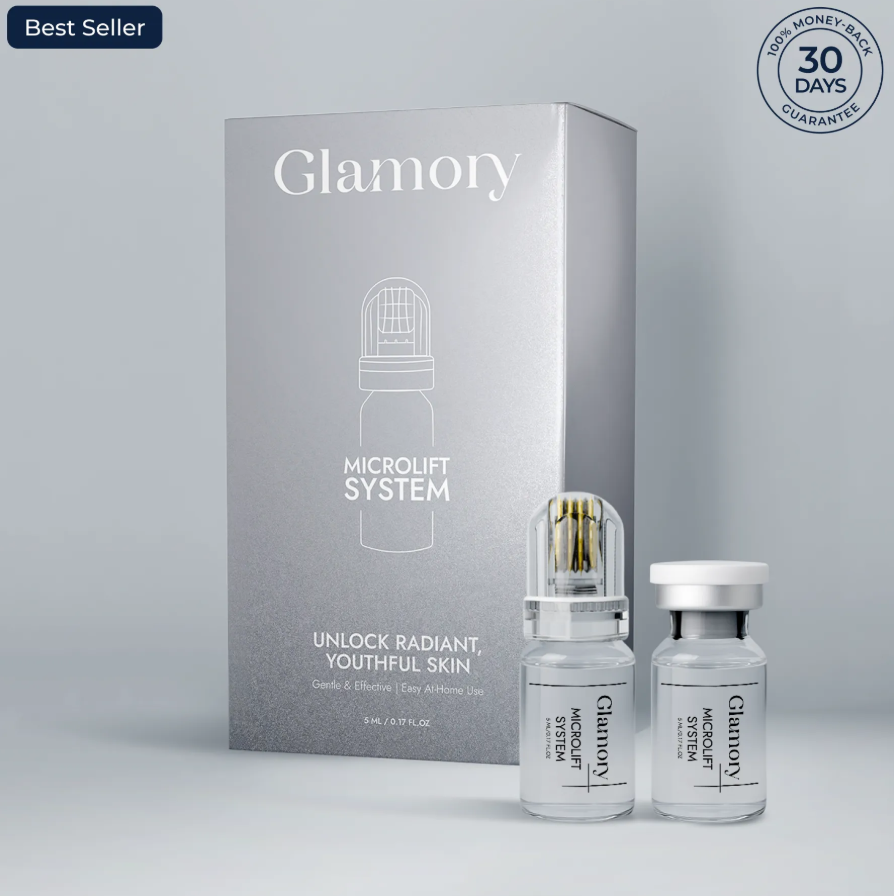
Glamory Review
Douxds FLEX Review
Cupids Hypnosis 2.0 Cologne Review
EraSilk Hair Remover Review
Voss+Agin Lab-Grown Diamond Stud Earrings Review
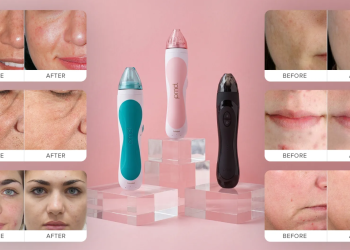
PMD Microderm Review
What to Avoid When Treating Dark Spots Naturally
Ingredients That Can Worsen Pigmentation
Undiluted Essential Oils: Many essential oils are photosensitizing and can cause burns or increased pigmentation when exposed to sun.
Harsh Scrubs: Physical exfoliants with large particles can create micro-tears and inflammation, triggering more pigmentation.
Strong Acids Without Dilution: Pure lemon juice, undiluted ACV, and other strong acids can damage skin barrier and cause irritation.
Fragranced Products: Artificial fragrances can trigger inflammation in sensitive skin, leading to post-inflammatory hyperpigmentation.
Common Mistakes to Avoid
Over-Exfoliating: Using too many active ingredients or exfoliating too frequently strips skin and causes irritation.
Expecting Instant Results: Natural remedies work gradually. Consistency over 8-12 weeks is necessary for visible improvement.
Skipping Sunscreen: This is the number one mistake. Without sun protection, treatments are ineffective and spots will darken.
Using Too Many Products: Start with one or two remedies and give them time to work before adding more.
Not Patch Testing: Always test new ingredients on a small area first to check for allergic reactions or sensitivity.
When to Seek Professional Help
While natural remedies work well for mild to moderate pigmentation, certain situations require dermatological care:
Warning Signs
- Dark spots that change in size, shape, or color rapidly
- Spots with irregular borders or unusual colors
- Pigmentation accompanied by itching, bleeding, or pain
- No improvement after 12 weeks of consistent natural treatment
- Severe or extensive hyperpigmentation
Professional Treatment Options
Dermatologists can offer stronger interventions when natural methods aren’t sufficient:
Chemical Peels: Professional-strength acids that remove pigmented skin layers safely under medical supervision.
Laser Therapy: Targeted light energy breaks up melanin deposits for more dramatic results.
Prescription Topicals: Hydroquinone, tretinoin, and prescription-strength acids for stubborn cases.
Microneedling: Creates controlled micro-injuries that stimulate collagen and fade pigmentation.
Note: These treatments can complement natural approaches. Consult a board-certified dermatologist for personalized advice.
Supporting Your Skin from Within
External treatments work best when supported by internal nutrition and lifestyle habits.
Foods That Fight Hyperpigmentation
Vitamin C-Rich Foods:
- Oranges, strawberries, bell peppers
- Promotes collagen production and inhibits melanin
Vitamin E Sources:
- Almonds, sunflower seeds, avocados
- Protects against oxidative stress
Beta-Carotene Foods:
- Carrots, sweet potatoes, spinach
- Converts to vitamin A, supporting skin cell turnover
Omega-3 Fatty Acids:
- Salmon, walnuts, flaxseeds
- Reduces inflammation and supports skin barrier
Polyphenol-Rich Foods:
- Green tea, dark chocolate, berries
- Powerful antioxidants that protect against UV damage
Supplements to Consider
Vitamin C: 500-1000mg daily supports collagen synthesis and brightening
Vitamin E: 400 IU daily for antioxidant protection
Glutathione: May help with skin brightening from within (consult healthcare provider)
Note: Always discuss supplements with your healthcare provider before starting, especially if you have medical conditions or take medications.
Realistic Timeline and Expectations
Understanding the natural skin cell turnover process helps set realistic goals.
Typical Results Timeline
Weeks 1-2: Improved skin texture and hydration; minimal visible lightening
Weeks 3-4: Slight reduction in pigment intensity; overall skin looks brighter
Weeks 5-8: Noticeable fading of lighter dark spots; improved skin tone evenness
Weeks 9-12: Significant improvement in moderate pigmentation; stubborn spots continue lightening
Months 4-6: Maximum results for natural remedies; deepest pigmentation shows gradual fading
Factors Affecting Results
Pigmentation Depth: Surface-level spots fade faster than deep dermal pigmentation
Skin Type: Darker skin tones may see slower results but respond well to gentle natural treatments
Consistency: Daily application is crucial; missing treatments delays results
Sun Protection: Inadequate SPF use can completely negate treatment efforts
Age of Spots: Fresh pigmentation responds faster than spots present for years
Conclusion
Removing dark spots and pigmentation naturally is absolutely achievable with patience, consistency, and the right approach. The 12 remedies shared in this guide offer safe, effective alternatives to harsh chemicals, each backed by both traditional wisdom and modern research.
Remember these key takeaways:
- Natural treatments require 8-12 weeks of consistent use for visible results
- Sun protection is non-negotiable and the most important prevention strategy
- Start with one or two remedies and give them time to work before adding more
- Support external treatments with proper nutrition, hydration, and lifestyle habits
- Seek professional help if spots change appearance or don’t improve after 12 weeks
Your skin has incredible healing capacity. By providing the right natural ingredients and protection, you’re empowering your skin to restore its natural, even tone. Stay consistent, be patient with the process, and celebrate the gradual improvements along the way.
Ready to start your journey to clearer, more radiant skin? Choose one or two remedies from this guide today and commit to a consistent routine. Your future self will thank you.
FAQs About How to Remove Dark Spots
How long does it take to completely remove dark spots using natural remedies?
Most people see noticeable improvement in 8-12 weeks with consistent daily use of natural treatments. However, complete fading depends on several factors including the depth of pigmentation, size of spots, and how diligently you protect your skin from sun exposure. Surface-level spots may fade in 6-8 weeks, while deeper pigmentation can take 4-6 months or longer. The key is patience and consistency—natural remedies work gradually but safely. Continue protecting your skin with sunscreen even after spots fade to prevent recurrence.
Can I use multiple natural remedies together for faster results?
While combining complementary ingredients can be beneficial, using too many active treatments simultaneously can irritate skin and potentially worsen pigmentation. Start with one primary treatment for 2-3 weeks, then slowly introduce a second if desired. Safe combinations include aloe vera with vitamin C in the morning and rosehip oil at night, or alternating between gentle treatments throughout the week. Avoid mixing strong acids or multiple exfoliants. Always monitor your skin’s response and reduce frequency if you notice redness, dryness, or increased sensitivity.
Are natural remedies safe for all skin types and tones?
Most natural remedies discussed in this guide are gentle enough for all skin types when used correctly. However, individuals with darker skin tones should be particularly cautious with exfoliating treatments and citrus-based remedies, as improper use can trigger post-inflammatory hyperpigmentation. Sensitive skin types should always dilute potent ingredients like apple cider vinegar and perform patch tests before full application. Pregnant women should consult healthcare providers before using certain ingredients. When in doubt, start with the gentlest options like aloe vera and gradually progress to stronger treatments based on your skin’s tolerance.
Why do my dark spots seem darker after starting natural treatment?
This temporary darkening occasionally occurs due to a few reasons. First, some natural ingredients increase skin cell turnover, bringing deeper pigmentation to the surface before it eventually sheds off. Second, inadequate sun protection allows UV rays to darken existing pigmentation during treatment, undermining your progress. Third, over-exfoliation or skin irritation from using ingredients too frequently can trigger inflammatory hyperpigmentation. If spots darken, ensure you’re applying SPF 30+ daily, reduce treatment frequency, check that you’re properly diluting acidic ingredients, and give your skin barrier time to recover. If darkening persists beyond two weeks, discontinue use and consult a dermatologist.
Can diet alone help reduce dark spots without topical treatments?
While a nutrient-rich diet supports overall skin health and can help prevent new pigmentation, diet alone typically won’t fade existing dark spots significantly. Think of nutrition as essential foundation work—antioxidants, vitamins, and healthy fats protect against oxidative damage and support skin’s healing capacity, but they work best when combined with targeted topical treatments. Foods high in vitamin C, E, and omega-3 fatty acids strengthen your skin’s defense mechanisms and may slightly brighten overall complexion over time. For visible improvement in existing dark spots, combine a healthy diet with topical natural remedies and consistent sun protection for the most effective results.