
Have you ever purchased an expensive skincare product that everyone raved about, only to find it made your skin worse? You’re not alone. The skincare industry is worth over $145 billion globally, yet millions of people struggle to find products that actually work for them.
The problem isn’t the products themselves. It’s that most people don’t understand their skin type and how to build a routine specifically designed for their unique needs. Using the wrong products can lead to breakouts, irritation, premature aging, and wasted money.
In this comprehensive guide, you’ll discover exactly how to identify your skin type, understand what your skin needs, and build a customized skincare routine that delivers real results. Whether you have oily, dry, combination, sensitive, or normal skin, you’ll find expert-backed advice and actionable steps to transform your skin care approach.
Understanding Skin Types: The Foundation of Great Skincare
Before building your skincare routine, you need to accurately identify your skin type. Your skin type determines which ingredients will work best, which products to avoid, and how your skin will respond to different treatments.
The Five Main Skin Types
1. Normal Skin Normal skin is balanced, with minimal concerns. It’s not too oily or too dry, has small pores, and rarely experiences breakouts or sensitivity.
2. Oily Skin Oily skin produces excess sebum, resulting in a shiny appearance, enlarged pores, and a tendency toward acne and blackheads.
3. Dry Skin Dry skin lacks moisture and natural oils, leading to flakiness, tightness, rough texture, and increased sensitivity to environmental factors.
4. Combination Skin Combination skin displays characteristics of multiple skin types, typically oily in the T-zone (forehead, nose, chin) and dry or normal on the cheeks.
5. Sensitive Skin Sensitive skin reacts easily to products and environmental factors, experiencing redness, itching, burning, or irritation from various triggers.
How to Determine Your Skin Type at Home
Follow this simple test to identify your skin type accurately:
The Bare-Faced Method:
- Wash your face with a gentle cleanser
- Pat dry and wait 30 minutes without applying any products
- Observe your skin in natural light
- Note the following characteristics:
- Shine: Where does your skin look shiny?
- Texture: Does it feel tight, smooth, or rough?
- Pores: Are they visible, enlarged, or barely noticeable?
- Sensitivity: Does your skin feel irritated or uncomfortable?
The Blotting Sheet Test:
Press blotting paper against different areas of your face after the 30-minute wait. Examine the sheets:
- Oily skin: Oil appears on all sheets
- Dry skin: Little to no oil on any sheet
- Combination skin: Oil only in the T-zone
- Normal skin: Minimal oil, balanced across face
The Essential Components of Every Skincare Routine
Regardless of your skin type, every effective skincare routine includes four fundamental steps. Understanding these core elements helps you customize your approach while maintaining healthy skin.
The Core Four Steps
1. Cleansing Removes dirt, oil, makeup, and environmental pollutants that accumulate on your skin throughout the day.
2. Toning Balances your skin’s pH levels, removes any remaining impurities, and prepares your skin to absorb subsequent products.
3. Moisturizing Hydrates and protects the skin barrier, preventing moisture loss and maintaining skin health.
4. Sun Protection Shields skin from harmful UV rays that cause premature aging, dark spots, and increase skin cancer risk.
Morning vs. Evening Routines: Key Differences
| Routine Aspect | Morning | Evening |
|---|---|---|
| Primary Goal | Protection from environmental damage | Repair and regeneration |
| Key Step | Sunscreen application | Deep cleansing and treatment |
| Product Focus | Antioxidants, lightweight formulas | Active ingredients, richer textures |
| Typical Duration | 5-10 minutes | 10-15 minutes |
Building Your Skincare Routine for Oily Skin
Oily skin requires a delicate balance. You need to control excess sebum production without stripping your skin, which can actually trigger more oil production.
Characteristics and Common Concerns
People with oily skin typically experience:
- Persistent shine, especially in the T-zone
- Enlarged, visible pores
- Frequent breakouts and blackheads
- Makeup that slides off or becomes patchy
- Skin that feels greasy by midday
Step-by-Step Oily Skin Routine
Morning Routine:
- Cleanser: Use a gentle foaming or gel cleanser with salicylic acid or glycolic acid
- Toner: Apply an alcohol-free toner containing niacinamide or witch hazel
- Serum: Use a lightweight serum with vitamin C or niacinamide
- Moisturizer: Apply an oil-free, gel-based moisturizer with hyaluronic acid
- Sunscreen: Use a non-comedogenic, matte-finish SPF 30 or higher
Evening Routine:
- Double Cleanse: Start with micellar water or oil cleanser, follow with foaming cleanser
- Exfoliate: Use chemical exfoliants (BHA/AHA) 2-3 times weekly
- Toner: Apply balancing toner
- Treatment: Use retinol or niacinamide serum
- Moisturizer: Apply lightweight night cream
Best Ingredients for Oily Skin
- Salicylic Acid: Penetrates pores to clear excess oil and prevent breakouts
- Niacinamide: Regulates sebum production and minimizes pore appearance
- Hyaluronic Acid: Provides oil-free hydration
- Clay Masks: Absorb excess oil and draw out impurities
- Retinoids: Prevent clogged pores and improve skin texture
What to Avoid
- Heavy, thick creams that can clog pores
- Products with mineral oil or petrolatum
- Harsh, alcohol-based toners that strip skin
- Over-washing or over-exfoliating
- Skipping moisturizer (this triggers more oil production)
Creating the Perfect Routine for Dry Skin
Dry skin needs intense hydration and barrier repair to maintain comfort and prevent premature aging.
Characteristics and Common Concerns
Dry skin typically shows:
- Flaky or rough texture
- Tightness, especially after cleansing
- Fine lines and wrinkles appearing more prominent
- Dull complexion lacking radiance
- Occasional redness or irritation
- Small, barely visible pores
Step-by-Step Dry Skin Routine
Morning Routine:
- Cleanser: Use a creamy, hydrating cleanser or micellar water
- Essence: Apply a hydrating essence with hyaluronic acid
- Serum: Use a nourishing serum with vitamin E or ceramides
- Moisturizer: Apply a rich, emollient cream
- Sunscreen: Use a moisturizing sunscreen with SPF 30+
Evening Routine:
- Cleanse: Use a gentle, oil-based or cream cleanser
- Exfoliate: Use gentle lactic acid 1-2 times weekly
- Essence: Apply hydrating essence
- Treatment: Use peptide or ceramide serum
- Moisturizer: Apply rich night cream
- Face Oil: Seal in moisture with facial oil
Power Ingredients for Dry Skin
- Hyaluronic Acid: Attracts and retains moisture in skin layers
- Ceramides: Repair and strengthen the skin barrier
- Glycerin: Powerful humectant that draws water to skin
- Squalane: Lightweight oil that mimics skin’s natural sebum
- Shea Butter: Rich emollient providing deep nourishment
Products to Skip
- Foaming cleansers with sulfates
- Alcohol-based toners or astringents
- Physical scrubs that can damage dry skin
- Mattifying or oil-control products
- Products with fragrance that can irritate
Balancing Combination Skin: A Customized Approach
Combination skin is the most common skin type, requiring a strategic approach to address different needs in different facial zones.
Understanding Your Combination Skin
Combination skin features:
- Oily T-zone (forehead, nose, chin)
- Normal to dry cheeks
- Enlarged pores in oily areas
- Occasional breakouts in the T-zone
- Possible dryness around the cheeks and jawline
Multi-Zone Skincare Strategy
Morning Routine:
- Cleanser: Use a balanced gel cleanser suitable for all areas
- Toner: Apply balancing toner to entire face
- Serum: Use niacinamide for oil control in T-zone
- Moisturizer: Apply lightweight lotion to T-zone, richer cream to dry areas
- Sunscreen: Use broad-spectrum SPF 30+ across entire face
Evening Routine:
- Cleanse: Use gentle foaming or gel cleanser
- Exfoliate: Apply BHA to oily zones, AHA to dry zones (2-3 times weekly)
- Toner: Use balancing toner
- Treatment: Target specific concerns by zone
- Moisturizer: Zone-appropriate application
Zone-Specific Treatment Tips
For Your T-Zone:
- Use clay masks once weekly
- Apply mattifying primers before makeup
- Blot excess oil throughout the day
- Focus pore-refining treatments here
For Your Cheeks:
- Apply extra hydration with essence or serum
- Use richer moisturizers in these areas
- Add facial oil if needed
- Protect from environmental dryness
Ideal Ingredients for Combination Skin
- Niacinamide: Balances oil production while hydrating
- Hyaluronic Acid: Hydrates without adding oil
- Salicylic Acid: Targets T-zone congestion
- Centella Asiatica: Calms and balances entire face
- Green Tea Extract: Provides antioxidant protection
Gentle Care for Sensitive Skin
Sensitive skin requires extra care and attention to avoid triggering reactions while still maintaining healthy skin function.
Identifying Sensitive Skin
Your skin may be sensitive if you experience:
- Frequent redness or flushing
- Burning or stinging from products
- Itching or tightness
- Reactions to weather changes
- Visible broken capillaries
- Reactive response to new products
Minimalist Approach for Sensitive Skin
Morning Routine:
- Cleanser: Use fragrance-free, gentle cream cleanser
- Toner: Apply soothing toner with centella or aloe
- Serum: Use calming serum with azelaic acid or niacinamide
- Moisturizer: Apply fragrance-free, hypoallergenic cream
- Sunscreen: Use mineral sunscreen with zinc oxide
Evening Routine:
- Cleanse: Use same gentle cream cleanser
- Toner: Apply soothing toner
- Treatment: Use targeted treatment (introduce slowly)
- Moisturizer: Apply barrier-repair cream
- Occlusive: Seal with Vaseline on extra-dry patches if needed
Calming Ingredients for Reactive Skin
- Centella Asiatica: Reduces inflammation and promotes healing
- Colloidal Oatmeal: Soothes irritation and strengthens barrier
- Allantoin: Calms and protects sensitive skin
- Ceramides: Repairs compromised skin barrier
- Zinc Oxide: Provides physical sun protection without irritation
Critical Avoidance List
- Fragrances (synthetic and natural)
- Essential oils and plant extracts
- Alcohol denat and SD alcohol
- Harsh physical exfoliants
- High concentrations of active ingredients
- Sulfates in cleansers
- Products with long ingredient lists
Patch Testing Protocol
Before using any new product on sensitive skin:
- Apply small amount to inner forearm
- Wait 24-48 hours
- Check for redness, itching, or irritation
- If clear, test on small facial area
- Wait another 24 hours before full application
Caring for Normal Skin: Maintenance and Prevention
Normal skin is the easiest to maintain, but it still requires consistent care to preserve its balanced state and prevent future concerns.
What Makes Skin “Normal”
Normal skin characteristics include:
- Balanced moisture levels
- Small pores
- Even skin tone
- Smooth texture
- Rare breakouts or sensitivity
- Healthy glow
Simple Yet Effective Routine
Morning Routine:
- Cleanser: Use gentle, pH-balanced cleanser
- Toner: Apply hydrating or antioxidant toner
- Serum: Use vitamin C for brightening
- Moisturizer: Apply balanced, lightweight moisturizer
- Sunscreen: Use SPF 30+ daily
Evening Routine:
- Cleanse: Remove makeup and daily buildup
- Exfoliate: Use gentle exfoliant 2-3 times weekly
- Toner: Apply balancing toner
- Treatment: Use retinol or peptides for anti-aging
- Moisturizer: Apply nourishing night cream
Prevention-Focused Ingredients
- Vitamin C: Protects against environmental damage
- Retinol: Prevents signs of aging
- Peptides: Supports collagen production
- Antioxidants: Neutralizes free radicals
- Hyaluronic Acid: Maintains optimal hydration
Advanced Additions: When and How to Level Up
Once you’ve established a basic routine, you can incorporate additional treatments to address specific concerns.
Weekly Treatments
Face Masks:
- Clay masks for deep cleansing (oily/combination skin)
- Hydrating masks for moisture boost (dry/sensitive skin)
- Sheet masks for targeted treatments (all skin types)
- Use 1-2 times weekly based on skin needs
Exfoliation Guidelines:
| Skin Type | Frequency | Best Type |
|---|---|---|
| Oily | 2-3 times weekly | Chemical (BHA) |
| Dry | 1-2 times weekly | Chemical (AHA) |
| Combination | 2 times weekly | Both (zone-specific) |
| Sensitive | Once weekly | Gentle enzyme or PHA |
| Normal | 2 times weekly | Chemical or physical |
Serums and Treatments
Vitamin C Serums:
- Apply in morning for antioxidant protection
- Choose L-ascorbic acid for potency
- Wait for absorption before moisturizer
Retinol Products:
- Start with low concentration (0.25-0.5%)
- Use only at night
- Introduce gradually (once weekly, then increase)
- Always follow with sunscreen during day
Niacinamide:
- Can be used morning and night
- Addresses multiple concerns (oil, pores, texture)
- Safe for all skin types
- Works well with most other ingredients
Professional Treatments
Consider professional treatments for enhanced results:
- Chemical Peels: Deep exfoliation for texture and tone
- Microneedling: Stimulates collagen production
- Laser Treatments: Targets pigmentation and aging
- Facials: Professional extraction and hydration
- LED Therapy: Reduces inflammation and promotes healing
Common Mistakes to Avoid in Your Skincare Routine
Even with the best intentions, many people make errors that undermine their skincare efforts.
Over-Exfoliation
Using too many exfoliating products or exfoliating too frequently damages the skin barrier, leading to:
- Increased sensitivity and redness
- Excessive dryness or paradoxical oiliness
- Compromised protection against environmental damage
Solution: Limit exfoliation to 2-3 times weekly maximum, and use only one exfoliating product at a time.
Skipping Sunscreen
UV damage is the leading cause of premature aging, pigmentation, and skin cancer risk. Many people skip sunscreen because:
- They think it’s only necessary on sunny days
- They’re concerned about white cast or greasiness
- They forget to reapply
Solution: Use sunscreen daily, rain or shine, indoors and outdoors. Choose formulas designed for your skin type and reapply every two hours when exposed to sun.
Using Too Many Products at Once
Introducing multiple new products simultaneously makes it impossible to identify which products work or cause reactions.
Solution: Add one new product at a time, waiting 1-2 weeks before introducing another. This allows you to monitor results and reactions accurately.
Inconsistent Application
Skincare requires consistency to see results. Using products sporadically or constantly switching products prevents your skin from adapting and showing improvement.
Solution: Commit to a routine for at least 6-8 weeks before evaluating effectiveness. Take photos to track progress objectively.
Ignoring Your Neck and Hands
Many people focus exclusively on their face while neglecting the neck and hands, which show aging signs prominently.
Solution: Extend your skincare routine to your neck and décolletage. Apply hand cream with SPF throughout the day.
Some Suggested Beauty Product Reviews:
Glamory Review
Douxds FLEX Review
Cupids Hypnosis 2.0 Cologne Review
EraSilk Hair Remover Review
Voss+Agin Lab-Grown Diamond Stud Earrings Review
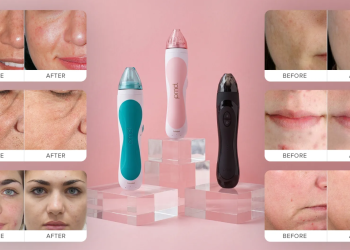
PMD Microderm Review
Adjusting Your Routine: Seasonal and Life Changes
Your skin’s needs change with seasons, age, hormones, and lifestyle factors. Flexibility is essential for maintaining healthy skin.
Seasonal Adjustments
Winter Skincare:
- Switch to cream-based cleansers
- Add facial oils or heavier moisturizers
- Use humidifiers to combat indoor heating
- Increase hydrating layers
- Protect lips with balm
Summer Skincare:
- Switch to gel or lightweight moisturizers
- Increase sunscreen reapplication frequency
- Use oil-free formulas if prone to breakouts
- Add antioxidant serums for sun protection
- Stay hydrated internally
Age-Related Changes
In Your 20s:
- Focus on prevention and protection
- Establish consistent basic routine
- Use sunscreen religiously
- Address specific concerns (acne, hyperpigmentation)
In Your 30s:
- Introduce retinol for anti-aging
- Add targeted serums (vitamin C, peptides)
- Increase hydration focus
- Consider eye cream
In Your 40s and Beyond:
- Use stronger retinoids or prescription options
- Layer hydrating products
- Focus on barrier repair
- Consider professional treatments
- Add neck and hand care
Hormonal Considerations
During Menstruation:
- Skin may become oilier or more breakout-prone
- Increase clay mask usage
- Be gentler if sensitivity increases
During Pregnancy:
- Avoid retinoids and certain acids
- Focus on gentle, safe ingredients
- Address melasma with vitamin C and sunscreen
- Consult dermatologist for guidance
During Menopause:
- Combat dryness with richer formulas
- Use products with hyaluronic acid and ceramides
- Consider hormone-friendly treatments
- Focus on barrier repair
Building Your Skincare Budget Wisely
Effective skincare doesn’t require spending hundreds of dollars. Smart shopping and prioritization deliver results without breaking the bank.
Investment Priorities
Where to Spend More:
- Sunscreen: This is non-negotiable protection
- Active Ingredients: Quality matters for retinol, vitamin C
- Cleanser: A good cleanser sets the foundation
- Moisturizer: You use this daily, make it count
Where to Save:
- Toner: Many affordable options work excellently
- Sheet Masks: Budget-friendly options are abundant
- Makeup Remover: Simple micellar water is effective
- Tools: Basic options often work as well as expensive ones
Drugstore vs. High-End: What Matters
| Product Category | Drugstore Option | When to Splurge |
|---|---|---|
| Cleanser | Excellent options available | Rarely necessary |
| Sunscreen | Many effective formulas | For elegant, cosmetically pleasing texture |
| Retinol | Good starter options | For higher concentrations or stability |
| Vitamin C | Can be unstable | For stabilized, potent formulas |
| Moisturizer | Solid choices exist | For specific concerns or preferences |
Sample Budget-Friendly Routine
Under $100 Complete Routine:
- Gentle cleanser: $10-15
- Basic toner: $8-12
- Niacinamide serum: $12-15
- Moisturizer: $15-20
- Sunscreen: $12-18
- Weekly exfoliant: $10-15
- Treatment mask: $8-12
Total: $75-107 (lasts 2-3 months)
Reading Labels: Understanding Ingredient Lists
Knowing how to read product labels empowers you to make informed decisions about what you’re putting on your skin.
Ingredient List Basics
Key Rules:
- Ingredients are listed in descending order by concentration
- First 5-7 ingredients make up the majority of the product
- Ingredients below 1% can be listed in any order
- Active ingredients are sometimes listed separately
Red Flags to Watch For
Potentially Problematic Ingredients:
- Denatured Alcohol (Alcohol Denat): Can be drying and irritating
- Fragrance/Parfum: Common allergen and irritant
- Sulfates (SLS/SLES): Harsh surfactants that strip skin
- Parabens: Preservatives some prefer to avoid
- Mineral Oil/Petrolatum: Can clog pores in oily skin types
Beneficial Ingredients at a Glance
Hydrating Ingredients:
- Hyaluronic acid, glycerin, aloe vera, squalane, ceramides
Anti-Aging Ingredients:
- Retinol, peptides, vitamin C, niacinamide, CoQ10
Soothing Ingredients:
- Centella asiatica, allantoin, colloidal oatmeal, bisabolol
Exfoliating Ingredients:
- Salicylic acid (BHA), glycolic acid (AHA), lactic acid (AHA), mandelic acid (AHA)
Creating Your Personalized Skincare Schedule
Consistency is the secret to skincare success. A clear schedule helps you maintain your routine effortlessly.
Sample Weekly Skincare Calendar
Monday:
- AM: Full morning routine
- PM: Full evening routine + exfoliation
Tuesday:
- AM: Full morning routine
- PM: Full evening routine
Wednesday:
- AM: Full morning routine
- PM: Full evening routine + face mask
Thursday:
- AM: Full morning routine
- PM: Full evening routine + exfoliation
Friday:
- AM: Full morning routine
- PM: Full evening routine
Saturday:
- AM: Full morning routine
- PM: Full evening routine + treatment mask
Sunday:
- AM: Full morning routine
- PM: Full evening routine + extra pampering (face massage, longer mask time)
Tracking Your Progress
Effective Monitoring Methods:
- Take photos weekly in same lighting
- Keep a skincare journal noting products used
- Document any reactions or improvements
- Track weather and hormonal changes
- Note which products you finish (indicates regular use)
When to Expect Results
| Concern | Expected Timeline |
|---|---|
| Hydration improvement | 1-2 weeks |
| Reduced oiliness | 2-4 weeks |
| Acne improvement | 6-12 weeks |
| Texture refinement | 4-8 weeks |
| Reduced hyperpigmentation | 8-12 weeks |
| Fine line reduction | 12-24 weeks |
| Overall transformation | 3-6 months |
Troubleshooting Common Skincare Problems
Even with a solid routine, you may encounter issues. Here’s how to address them effectively.
Breakouts from New Products
Symptoms:
- Sudden increase in pimples or clogged pores
- Breakouts in unusual areas
- Coincides with new product introduction
Solutions:
- Stop using the new product immediately
- Return to your previous routine until skin clears
- Identify the potentially problematic ingredient
- Reintroduce products one at a time
- Consider if product is “purging” (with active ingredients) vs. breaking out
Persistent Dryness or Flaking
Possible Causes:
- Using products too harsh for your skin type
- Over-exfoliating
- Environmental factors (heating, air conditioning)
- Dehydration
- Compromised skin barrier
Solutions:
- Reduce or eliminate exfoliation temporarily
- Layer hydrating products (essence, serum, moisturizer)
- Add facial oil as final step
- Use overnight masks
- Drink adequate water daily
- Run a humidifier
Increased Sensitivity
Signs:
- Products that previously worked now cause stinging
- Redness or inflammation
- Tightness or discomfort
- Visible irritation
Action Plan:
- Strip routine back to basics (gentle cleanser, moisturizer, sunscreen)
- Eliminate all active ingredients temporarily
- Focus on barrier repair with ceramides
- Avoid hot water, harsh cleansing
- Wait until skin recovers before reintroducing products
- Add products back slowly
Expert Tips for Maximum Results
Professional dermatologists and estheticians share insider knowledge for optimizing your skincare routine.
Application Techniques That Matter
Proper Product Layering:
- Apply products from thinnest to thickest consistency
- Wait 30-60 seconds between each layer
- Use pressing motions rather than rubbing
- Apply upward and outward strokes
- Don’t forget your neck and décolletage
The Right Amount:
- Cleanser: Nickel-sized amount
- Toner: Few drops or cotton pad dampened
- Serum: 2-3 drops
- Moisturizer: Pea to dime-sized amount
- Sunscreen: ¼ teaspoon for face, more for neck
Facial Massage Benefits:
- Promotes lymphatic drainage
- Increases product absorption
- Reduces puffiness
- Provides stress relief
- Enhances circulation
Lifestyle Factors That Impact Your Skin
Diet Considerations:
- Stay hydrated (8+ glasses of water daily)
- Consume omega-3 fatty acids for inflammation reduction
- Eat antioxidant-rich foods (berries, leafy greens)
- Limit sugar and processed foods
- Consider probiotic-rich foods for gut-skin connection
Sleep and Stress:
- Aim for 7-9 hours nightly
- Use silk or satin pillowcases to reduce friction
- Practice stress management (meditation, exercise)
- Elevate head slightly to reduce morning puffiness
Exercise and Skin Health:
- Regular exercise improves circulation and glow
- Always remove makeup before workouts
- Cleanse immediately after exercise
- Stay hydrated during activity
When to See a Dermatologist
While a good at-home routine handles most skincare needs, certain situations require professional evaluation.
Warning Signs Requiring Professional Care
Seek dermatologist help for:
- Severe or cystic acne not responding to OTC treatments
- Sudden changes in moles or new growths
- Persistent redness or rosacea symptoms
- Severe eczema or dermatitis
- Hair loss or scalp concerns
- Suspected skin infections
- Extremely sensitive skin with multiple product reactions
- Prescription-strength treatments needed
What to Expect from Professional Care
During Your Appointment:
- Detailed skin analysis and history
- Discussion of concerns and goals
- Examination of problem areas
- Professional product recommendations
- Possible prescription treatments
- Treatment plan customized to your needs
Professional Treatment Options:
- Prescription retinoids (tretinoin, adapalene)
- Prescription acne medications
- Chemical peels
- Laser treatments
- Injectable treatments
- Medical-grade skincare recommendations
Conclusion
Building a skincare routine based on your specific skin type is the foundation of healthy, glowing skin. By understanding whether you have oily, dry, combination, sensitive, or normal skin, you can select products and create routines that work with your skin rather than against it.
Remember these key takeaways:
- Accurately identify your skin type before purchasing products
- Start with the four basic steps: cleanse, tone, moisturize, and protect
- Introduce new products gradually and monitor results
- Be patient—most skincare changes take 6-12 weeks to show results
- Adjust your routine based on seasonal changes and life stages
- Consistency matters more than expensive products
- Listen to your skin and modify your approach as needed
The perfect skincare routine is one you’ll actually follow. Start simple, build gradually, and focus on products that address your specific concerns. Your skin is unique, and your routine should be too.
Ready to transform your skin? Begin today by identifying your skin type and implementing just the basic four steps. As you become comfortable with your routine, gradually add targeted treatments for your specific concerns. Your future skin will thank you for the investment you make today.
Take Action Now: Snap a photo of your skin today to document your starting point. In three months, take another photo and compare the results. You’ll be amazed at what consistent, personalized skincare can achieve.
FAQs About Skincare Routine
Can I mix different skin type routines if my skin changes seasonally?
Yes, absolutely. Many people find their skin becomes drier in winter and oilier in summer. This is completely normal and requires routine adjustments. During colder months, switch to richer moisturizers and add hydrating serums or facial oils. In warmer months, transition to lighter gel formulas and increase oil-control products in your T-zone. Keep a few seasonal staples on hand so you can adjust as needed. The key is paying attention to how your skin feels and adapting accordingly. Just make transitions gradually rather than changing everything at once, and always maintain your sunscreen use year-round.
How long should I wait between applying different skincare products?
Waiting between product layers allows each item to penetrate properly and prevents pilling or reduced effectiveness. For most products, 30-60 seconds is sufficient. However, some active ingredients benefit from longer wait times. After applying vitamin C serum, wait about 1-2 minutes before the next step. After retinol, wait at least 2-3 minutes before applying moisturizer. Sunscreen should be applied last and given time to set before makeup application. If you’re short on time in the morning, you can reduce wait times slightly, but never skip steps entirely. Evening routines can accommodate longer wait times when you’re more relaxed.
Is it possible to permanently change my skin type with products?
Your inherent skin type is largely determined by genetics and cannot be permanently changed, but you can significantly improve how your skin functions and appears. For example, oily skin will always have a tendency to produce more sebum, but with consistent use of oil-regulating ingredients like niacinamide, you can minimize excess shine and enlarged pores. Similarly, dry skin will always need more hydration, but proper barrier repair with ceramides can help your skin retain moisture better. Hormonal changes, aging, and environmental factors can naturally shift your skin type over time, but this is different from product-induced permanent changes. Focus on managing your skin type effectively rather than trying to completely transform it.
What should I do if my skin looks worse after starting a new routine?
First, determine whether you’re experiencing “purging” or a genuine negative reaction. Purging occurs with active ingredients like retinol or chemical exfoliants and involves temporary breakouts as your skin cell turnover accelerates, bringing underlying congestion to the surface. This typically resolves within 4-6 weeks and breakouts appear in areas where you normally experience them. A true allergic reaction or incompatibility shows up as redness, burning, itching, or breakouts in new areas within days of starting the product. If you suspect a negative reaction, stop using all new products immediately and return to your previous routine. Once your skin stabilizes, reintroduce products one at a time to identify the culprit. If purging continues beyond 8 weeks or becomes severe, consult a dermatologist.