
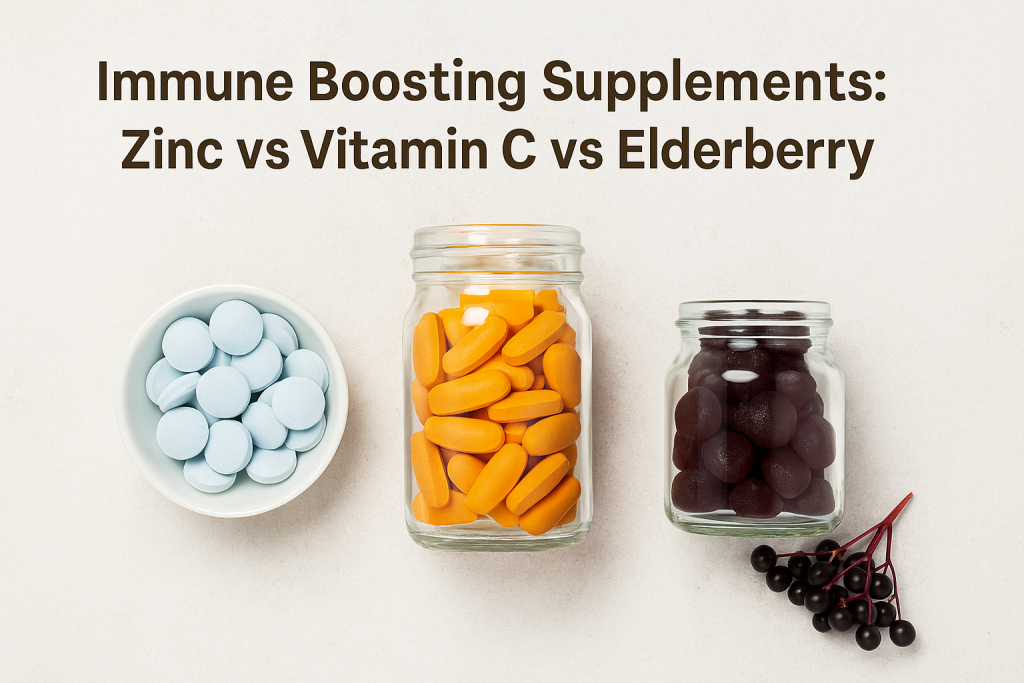
Your immune system works around the clock to protect you from harmful bacteria, viruses, and infections. But in today’s fast-paced world filled with stress, poor sleep, and environmental challenges, your natural defenses sometimes need extra support.
Walk into any health store or browse online, and you’ll find countless immune-boosting supplements promising to strengthen your body’s defenses. Among the most popular are zinc, vitamin C, and elderberry—three natural supplements that have been used for decades to support immune health.
But here’s the problem: With so much conflicting information online, how do you know which supplement actually works? Should you take zinc, vitamin C, elderberry, or all three together?
In this comprehensive guide, we’ll compare these three powerful immune supporters side by side. You’ll discover how each one works, their proven benefits, recommended dosages, potential side effects, and which supplement might be the best choice for your specific needs. By the end, you’ll have the knowledge to make an informed decision about supporting your immune system naturally.
Understanding Your Immune System and Nutritional Support
Before comparing specific supplements, it’s important to understand how your immune system functions and why certain nutrients play crucial roles in maintaining immune health.
How Your Immune System Works
Your immune system is a complex network of cells, tissues, and organs that work together to defend your body against harmful invaders. This defense system includes:
- White blood cells that identify and destroy pathogens
- Antibodies that recognize and neutralize threats
- The lymphatic system that transports immune cells throughout your body
- Specialized organs like your spleen and thymus that produce immune cells
Why Nutritional Support Matters
Your immune system requires specific vitamins, minerals, and nutrients to function optimally. Nutritional deficiencies can weaken immune responses, making you more susceptible to infections and illnesses.
Key factors that influence immune health include:
- Diet quality and nutritional intake
- Sleep patterns and stress levels
- Physical activity and exercise habits
- Age and overall health status
- Environmental exposures and lifestyle choices
When your diet lacks essential immune-supporting nutrients, supplementation can help fill these nutritional gaps and support healthy immune function.
Zinc: The Immune System’s Essential Mineral
Zinc is a trace mineral that plays a vital role in immune function, wound healing, and cellular metabolism. Your body doesn’t store zinc, so you need regular dietary intake or supplementation to maintain adequate levels.
How Zinc Supports Immune Health
Zinc influences immune function in several important ways:
Immune Cell Development: Zinc is essential for the development and function of immune cells, including T-cells and natural killer cells that fight infections.
Antioxidant Protection: This mineral acts as an antioxidant, protecting cells from oxidative stress and inflammation that can weaken immunity.
Viral Replication Interference: Research suggests zinc may interfere with viral replication, potentially reducing the severity and duration of certain infections.
Inflammatory Response Regulation: Zinc helps regulate inflammatory responses, preventing excessive inflammation that can damage tissues.
Scientific Evidence for Zinc and Immunity
Multiple studies have examined zinc’s role in immune support:
According to research published in peer-reviewed journals, zinc supplementation may reduce the duration of common cold symptoms when taken within 24 hours of symptom onset. Studies have shown reductions in cold duration ranging from one to three days with adequate zinc intake.
Zinc deficiency is associated with increased susceptibility to infections and impaired immune responses. People with low zinc levels often experience more frequent and severe infections.
Recommended Zinc Dosage
The appropriate zinc dosage varies based on age, gender, and health status:
- Adult men: 11 mg daily for maintenance
- Adult women: 8 mg daily for maintenance
- During illness: 15-30 mg daily (short-term use)
- Upper limit: 40 mg daily from all sources
Best Forms of Zinc Supplements
Not all zinc supplements are equally absorbable. The most effective forms include:
- Zinc picolinate (highly absorbable)
- Zinc citrate (well-tolerated)
- Zinc gluconate (commonly used in lozenges)
- Zinc acetate (effective for cold symptoms)
Potential Side Effects and Precautions
While zinc is generally safe when used appropriately, excessive intake can cause:
- Nausea and digestive upset
- Headaches and metallic taste
- Copper deficiency with long-term high doses
- Reduced absorption of other minerals
Important Note: Zinc nasal sprays have been associated with loss of smell and should be avoided. Always consult healthcare professionals before starting supplementation, especially if you have existing health conditions or take medications.
Vitamin C: The Classic Immune Booster
Vitamin C, also known as ascorbic acid, is perhaps the most famous immune-supporting nutrient. This water-soluble vitamin has been used for decades to support immune health and overall wellness.
How Vitamin C Supports Immune Function
Vitamin C contributes to immune defense through multiple mechanisms:
Antioxidant Activity: Vitamin C is a powerful antioxidant that protects immune cells from oxidative damage caused by free radicals.
White Blood Cell Enhancement: This vitamin supports the production and function of white blood cells, including lymphocytes and phagocytes, which help protect against infections.
Skin Barrier Support: Vitamin C strengthens the skin’s barrier function, helping prevent pathogens from entering the body.
Collagen Production: As a cofactor in collagen synthesis, vitamin C supports tissue repair and wound healing, which are important for recovery from illness.
What Research Says About Vitamin C
The scientific evidence for vitamin C and immune health shows mixed but interesting results:
Regular vitamin C supplementation doesn’t appear to prevent colds in the general population. However, it may reduce cold duration by approximately 8% in adults and 14% in children when taken consistently.
For people under physical stress (such as marathon runners or soldiers in subarctic conditions), vitamin C supplementation has shown more promising results, with some studies indicating up to 50% reduction in cold incidence.
Vitamin C may be particularly beneficial during recovery from illness, supporting faster healing and reduced symptom severity.
Recommended Vitamin C Dosage
Vitamin C recommendations vary based on individual needs:
- Adult men: 90 mg daily for maintenance
- Adult women: 75 mg daily for maintenance
- Smokers: Add 35 mg to the daily recommendation
- During illness: 500-2000 mg daily in divided doses
- Upper limit: 2000 mg daily
Types of Vitamin C Supplements
Vitamin C supplements come in various forms:
- Ascorbic acid (standard, economical)
- Sodium ascorbate (buffered, gentler on stomach)
- Calcium ascorbate (buffered with added calcium)
- Liposomal vitamin C (enhanced absorption)
- Time-release formulas (steady blood levels)
Potential Side Effects and Considerations
Vitamin C is generally very safe, but high doses may cause:
- Digestive discomfort and diarrhea
- Nausea and stomach cramps
- Increased risk of kidney stones in susceptible individuals
- Interference with certain medical tests
Because vitamin C is water-soluble, excess amounts are typically excreted through urine, making toxicity rare. However, taking more than your body can use doesn’t provide additional benefits.
Elderberry: Nature’s Traditional Remedy
Elderberry (Sambucus nigra) is a dark purple berry that has been used in traditional medicine for centuries. In recent years, scientific research has begun validating its immune-supporting properties.
How Elderberry Supports Immune Health
Elderberry contains several compounds that may benefit immune function:
Anthocyanins: These powerful antioxidants give elderberries their dark purple color and provide anti-inflammatory and immune-modulating effects.
Flavonoids: Plant compounds in elderberries may help reduce inflammation and support cellular health.
Vitamins and Minerals: Elderberries naturally contain vitamin C, vitamin A, potassium, and fiber.
Antiviral Properties: Research suggests elderberry compounds may interfere with viral entry into cells and reduce viral replication.
Scientific Research on Elderberry
Emerging research has explored elderberry’s potential benefits:
Several studies have examined elderberry extract for respiratory infections. Some research suggests elderberry supplementation may reduce the duration and severity of cold and flu symptoms by approximately two to four days when taken early in illness.
Laboratory studies indicate elderberry compounds may have activity against certain strains of influenza viruses, though more human research is needed to confirm clinical benefits.
Elderberry’s high antioxidant content may support overall immune health by reducing oxidative stress and inflammation.
Recommended Elderberry Dosage
Elderberry dosing varies by product form and concentration:
- Elderberry syrup: 1-2 tablespoons daily during illness
- Elderberry capsules: 300-600 mg standardized extract daily
- Elderberry gummies: Follow manufacturer instructions (typically 2-4 gummies daily)
- Prevention dosage: Lower maintenance doses taken regularly
Forms of Elderberry Supplements
Elderberry products come in various convenient forms:
- Liquid syrups (often combined with honey)
- Capsules and tablets (standardized extracts)
- Gummies (popular for children and adults)
- Lozenges (for throat comfort)
- Teas (dried elderberries)
Safety Considerations and Side Effects
Elderberry is generally well-tolerated, but important precautions include:
Never consume raw elderberries: Uncooked elderberries, bark, leaves, and roots contain compounds that can cause nausea, vomiting, and diarrhea. Always use properly prepared commercial products or cooked elderberries.
Possible side effects with proper use:
- Mild digestive upset in some individuals
- Allergic reactions (rare)
- Potential interactions with immunosuppressant medications
Special Populations: Pregnant women, nursing mothers, and people with autoimmune conditions should consult healthcare providers before using elderberry supplements.
Head-to-Head Comparison: Zinc vs Vitamin C vs Elderberry
Now that we’ve explored each supplement individually, let’s compare them directly to help you make an informed choice.
Quick Comparison Table
| Feature | Zinc | Vitamin C | Elderberry |
|---|---|---|---|
| Primary Benefit | Immune cell function | Antioxidant protection | Antiviral properties |
| Best Used For | Shortening cold duration | Overall immune support | Flu-like symptoms |
| Scientific Evidence | Strong | Moderate | Emerging |
| Absorption | Requires proper form | Excellent | Good |
| Side Effects | Digestive issues at high doses | Minimal at normal doses | Rare when properly prepared |
| Cost | Low to moderate | Low | Moderate |
| Ease of Use | Daily capsule/lozenge | Daily capsule/powder | Syrup/gummies |
Effectiveness for Different Immune Concerns
For Common Colds:
- Zinc: Most evidence for reducing duration when taken early
- Vitamin C: May slightly reduce duration with regular use
- Elderberry: May reduce symptom severity and duration
For Flu Symptoms:
- Elderberry: Strongest traditional use and emerging research
- Zinc: Some supportive evidence
- Vitamin C: Limited specific evidence for influenza
For General Immune Support:
- Vitamin C: Excellent daily maintenance option
- Zinc: Essential for baseline immune function
- Elderberry: Good seasonal support option
For Prevention:
- Vitamin C: Best for consistent daily use
- Zinc: Important for maintaining adequate levels
- Elderberry: May help during high-risk periods (flu season, travel)
Speed of Action
Zinc: Works best when taken within 24 hours of symptom onset. Effects may be noticed within 1-2 days.
Vitamin C: Requires consistent daily use for prevention benefits. During illness, high doses may provide support within a few days.
Elderberry: Often taken at first sign of symptoms. Users report noticing benefits within 24-48 hours.
Convenience and Palatability
Zinc: Available in easy-to-take capsules and tablets. Lozenges can have an unpleasant metallic taste but may be more effective for cold symptoms.
Vitamin C: Very easy to take in various forms. Generally flavorless in capsule form; chewables often taste pleasant.
Elderberry: Syrups often have a pleasant, slightly sweet taste. Gummies are popular with both children and adults. Slightly less convenient than simple capsules.
Cost Considerations
Zinc: Generally inexpensive, with a month’s supply typically costing between $5-15.
Vitamin C: Very affordable, often $5-20 per month depending on dosage and form.
Elderberry: Moderately priced, usually $10-25 per month for quality products.
Can You Take Zinc, Vitamin C, and Elderberry Together?
Many people wonder whether combining these supplements provides better results or creates potential risks.
Safety of Combination Use
Taking zinc, vitamin C, and elderberry together is generally considered safe for most healthy adults when used at appropriate dosages. These supplements work through different mechanisms and don’t typically interfere with each other.
Potential Benefits of Combining Supplements
Complementary Mechanisms: Each supplement supports immunity through different pathways, potentially providing more comprehensive immune support.
Synergistic Effects: Some research suggests vitamin C may enhance zinc absorption and effectiveness.
Multiple Symptom Relief: Different supplements may address various aspects of illness, from reducing viral replication to supporting immune cell function.
Practical Combination Strategies
Daily Maintenance Approach:
- Vitamin C: 500-1000 mg daily
- Zinc: 8-11 mg daily (from diet and supplements)
- Elderberry: Optional during high-risk seasons
First-Sign-of-Illness Approach:
- Increase vitamin C to 1000-2000 mg daily (divided doses)
- Add zinc lozenges: 15-25 mg every 2-3 hours while awake
- Take elderberry syrup: 1-2 tablespoons 2-3 times daily
Recovery Phase:
- Continue vitamin C at 500-1000 mg daily
- Reduce zinc to maintenance levels (8-11 mg)
- Continue elderberry for 1-2 weeks
Important Precautions
When combining supplements:
- Don’t exceed maximum recommended doses for any individual supplement
- Take zinc and other minerals at least 2 hours apart from antibiotics if prescribed
- Monitor for digestive upset, which may indicate excessive supplementation
- Consider taking supplements with food to minimize stomach irritation
- Consult healthcare providers if you take medications or have health conditions
Choosing the Right Supplement for Your Needs
With so much information, how do you decide which supplement is best for you? Consider these factors.
Based on Your Primary Goal
If you want daily immune maintenance: Start with vitamin C as your foundation supplement. It’s safe, affordable, and well-researched for consistent use. Add a multivitamin to ensure adequate zinc intake from all sources.
If you frequently get colds: Keep zinc lozenges on hand and start using them at the first sign of symptoms. Combine with vitamin C for additional support.
If you’re concerned about flu season: Consider elderberry as a seasonal supplement, starting in early fall and continuing through winter. Combine with vitamin C for daily baseline support.
If you have known zinc deficiency: Focus on zinc supplementation first, as correcting deficiencies should be the priority. Work with a healthcare provider to determine appropriate dosing.
Based on Your Lifestyle
Busy professionals with high stress: Vitamin C is ideal because stress depletes this vitamin quickly, and it’s easy to incorporate into daily routines.
Frequent travelers: Carry elderberry gummies or packets for convenience during flights and hotel stays. Add vitamin C powder that dissolves in water.
Parents with school-age children: Elderberry syrup or gummies are often more appealing to children. Ensure kids get adequate zinc through diet and age-appropriate supplements if needed.
Athletes and active individuals: Vitamin C is particularly important for those under physical stress. Zinc supports recovery and immune function after intense exercise.
Based on Your Budget
Most economical: Vitamin C provides excellent value for daily immune support at minimal cost.
Moderate budget: Add zinc to your vitamin C regimen for comprehensive coverage of essential immune nutrients.
Comprehensive approach: Include all three supplements, using elderberry seasonally and the others year-round.
Quality Matters: How to Choose Supplements
Regardless of which supplement you choose, quality is crucial:
Look for third-party testing: Choose products certified by USP, NSF, or ConsumerLab to ensure purity and potency.
Check for standardization: Elderberry products should list standardized anthocyanin content; vitamin C should state the form used.
Avoid unnecessary additives: Select supplements with minimal fillers, artificial colors, or unnecessary ingredients.
Consider bioavailability: Choose forms known for good absorption, such as zinc picolinate or liposomal vitamin C.
Read reviews and research brands: Reputable companies provide transparency about sourcing, manufacturing, and testing.
Natural Food Sources vs Supplements
While supplements can be helpful, getting nutrients from whole foods provides additional benefits like fiber, phytonutrients, and better absorption.
Top Food Sources of Zinc
Incorporate these zinc-rich foods into your diet:
- Oysters (richest source)
- Beef and lamb
- Pumpkin seeds and hemp seeds
- Chickpeas and lentils
- Cashews and almonds
- Whole grains like quinoa
- Dark chocolate (70% or higher cacao)
Practical tip: Even with a healthy diet, some people may need supplements to reach optimal zinc levels, especially vegetarians and older adults.
Top Food Sources of Vitamin C
Boost your vitamin C intake with these foods:
- Bell peppers (especially red)
- Citrus fruits (oranges, grapefruit, lemons)
- Strawberries and kiwi
- Broccoli and Brussels sprouts
- Tomatoes and tomato juice
- Cantaloupe and papaya
- Leafy greens like kale
Practical tip: Vitamin C is sensitive to heat, so eat raw or lightly cooked vegetables to maximize vitamin content.
Elderberry in Your Diet
While fresh elderberries aren’t commonly available:
- Use elderberry syrup in teas or smoothies
- Make homemade elderberry jam (properly cooked)
- Add dried elderberries to oatmeal or baked goods
- Try elderberry tea blends
Important reminder: Never eat raw elderberries. Always cook them thoroughly or use commercial products.
When Supplements Make Sense
Consider supplementation if you:
- Have difficulty meeting nutritional needs through diet alone
- Have increased requirements due to stress, illness, or intense physical activity
- Follow restricted diets (vegetarian, vegan, or elimination diets)
- Have absorption issues or certain health conditions
- Want targeted support during high-risk periods
Common Mistakes to Avoid with Immune Supplements
Even with good intentions, people often make mistakes when using immune-supporting supplements.
Taking Too Much
The mistake: Thinking “more is better” and taking excessive doses.
Why it’s problematic: High doses can cause side effects without providing additional benefits. For example, excessive zinc can interfere with copper absorption and cause digestive issues.
The solution: Stick to recommended dosages unless directed otherwise by a healthcare provider. Your body can only use so much of any nutrient at once.
Starting Too Late
The mistake: Waiting until you’re very sick to start supplementation.
Why it’s problematic: Supplements work best when taken early in illness or as preventive maintenance. Once you’re significantly ill, the window for maximum effectiveness may have passed.
The solution: Keep supplements on hand and start at the first sign of symptoms. Better yet, maintain baseline support during high-risk seasons.
Inconsistent Use for Prevention
The mistake: Taking supplements sporadically or only when remembering.
Why it’s problematic: Vitamin C and zinc need consistent levels for optimal immune support. Sporadic use doesn’t maintain the nutrient levels your immune system needs.
The solution: Set daily reminders or attach supplement-taking to an existing habit like breakfast or brushing teeth.
Ignoring Drug Interactions
The mistake: Starting supplements without considering potential interactions with medications.
Why it’s problematic: Zinc can interfere with antibiotic absorption. High-dose vitamin C may affect blood thinners. Elderberry might interact with immunosuppressants.
The solution: Always inform healthcare providers about supplements you take, and research potential interactions before starting new supplements or medications.
Buying Low-Quality Products
The mistake: Choosing supplements based only on price or convenience.
Why it’s problematic: Low-quality supplements may contain contaminants, incorrect dosages, or poorly absorbed forms of nutrients.
The solution: Invest in third-party tested products from reputable brands, even if they cost slightly more.
Neglecting Overall Health Habits
The mistake: Relying solely on supplements while ignoring sleep, nutrition, stress, and exercise.
Why it’s problematic: Supplements support healthy immune function but can’t compensate for poor lifestyle habits.
The solution: Use supplements as part of a comprehensive approach that includes adequate sleep (7-9 hours), balanced nutrition, regular exercise, stress management, and good hygiene.
Additional Natural Ways to Support Immune Health
While supplements can be valuable, they work best when combined with healthy lifestyle practices.
Prioritize Quality Sleep
Sleep is essential for immune function. During sleep, your body produces cytokines and other immune molecules that fight infection and inflammation.
Aim for: 7-9 hours of quality sleep nightly
Tips to improve sleep:
- Maintain consistent sleep and wake times
- Create a dark, cool sleeping environment
- Limit screen time before bed
- Avoid caffeine after 2 PM
Manage Stress Effectively
Chronic stress suppresses immune function and increases inflammation. Finding healthy ways to manage stress supports better immune health.
Effective stress-reduction techniques:
- Meditation and deep breathing exercises
- Regular physical activity
- Time in nature
- Hobbies and creative activities
- Social connections and support
Eat a Nutrient-Dense Diet
Your diet provides the foundation for immune health. Focus on whole, minimally processed foods rich in vitamins, minerals, and phytonutrients.
Immune-supporting dietary patterns:
- Plenty of colorful vegetables and fruits
- Lean proteins (fish, poultry, legumes)
- Healthy fats (olive oil, avocados, nuts)
- Fermented foods for gut health (yogurt, kefir, sauerkraut)
- Adequate hydration (8-10 glasses of water daily)
Stay Physically Active
Regular, moderate exercise enhances immune function by promoting good circulation, reducing inflammation, and supporting overall health.
Recommendations:
- 150 minutes of moderate activity weekly
- Include both cardio and strength training
- Avoid overtraining, which can suppress immunity
- Rest adequately between workouts
Practice Good Hygiene
Basic hygiene practices remain among the most effective ways to prevent infections.
Key practices:
- Wash hands frequently with soap and water
- Avoid touching your face unnecessarily
- Clean and disinfect commonly touched surfaces
- Practice respiratory etiquette (covering coughs and sneezes)
Conclusion: Making the Right Choice for Your Immune Health
Supporting your immune system doesn’t have to be complicated or confusing. Zinc, vitamin C, and elderberry each offer unique benefits that can help maintain healthy immune function and may reduce the duration and severity of common illnesses.
Zinc shines when taken at the first sign of cold symptoms, potentially shortening illness duration through its direct effects on immune cells and viral replication. It’s essential for overall immune function and particularly important if you’re at risk for deficiency.
Vitamin C provides excellent value as a daily maintenance supplement, supporting your immune system through powerful antioxidant effects and white blood cell function. While it may not prevent colds in most people, consistent use can support overall health and may slightly reduce cold duration.
Elderberry offers a natural option with traditional use and emerging scientific support, particularly for flu-like symptoms. Its pleasant taste and multiple convenient forms make it popular for both adults and children.
The best choice for you depends on your individual needs, health goals, and lifestyle. Many people benefit from a combination approach: daily vitamin C for baseline support, adequate zinc through diet or supplements, and elderberry during high-risk seasons or at the first sign of illness.
Remember that supplements work best as part of a comprehensive healthy lifestyle. Prioritize quality sleep, manage stress effectively, eat a nutrient-dense diet, stay physically active, and practice good hygiene. These foundational habits, combined with strategic supplement use, provide your immune system with the support it needs to keep you healthy.
Ready to strengthen your immune health? Start by assessing your current diet and lifestyle, identify areas for improvement, and consider which supplements might fill any nutritional gaps. Choose quality products from reputable brands, use them consistently as recommended, and pay attention to how your body responds.
Your immune system works tirelessly to protect you every single day. Give it the nutritional support it deserves, and you’ll be better equipped to face whatever health challenges come your way.
Frequently Asked Questions About Immune Supplements
What’s the best time of day to take zinc, vitamin C, and elderberry?
The timing of your supplements can affect absorption and tolerability. Vitamin C is water-soluble and can be taken any time, though dividing doses throughout the day may improve absorption and reduce the risk of digestive upset. Take vitamin C with meals if you have a sensitive stomach.
Zinc is best absorbed on an empty stomach but can cause nausea in some people. If you experience stomach discomfort, take zinc with food. Avoid taking zinc with high-calcium foods, coffee, or tea, as these can interfere with absorption.
Elderberry syrup or supplements can be taken any time of day. Many people prefer taking elderberry in the morning and evening, especially during illness. There’s no evidence that timing significantly affects elderberry’s effectiveness, so choose what fits your routine best.
How long does it take to see results from immune supplements?
The timeline for noticing benefits varies by supplement and your goals. For acute illness support, zinc may reduce cold symptoms within 24-48 hours when taken at symptom onset. Effects are most noticeable if you start zinc lozenges within the first 24 hours of feeling sick.
Vitamin C effects during illness are more subtle and may take 2-3 days to notice reduced symptom duration. For preventive benefits, vitamin C requires consistent daily use over weeks to months to build optimal tissue levels.
Elderberry users often report feeling better within 24-48 hours when taken at the first sign of flu-like symptoms. Some studies suggest noticeable symptom reduction by day two or three of use.
For general immune support and prevention, all three supplements work best with consistent use over several weeks to months. You likely won’t notice specific “results” but may experience fewer or less severe illnesses over time.
Are gummy versions of these supplements as effective as capsules?
Gummy supplements can be effective, but there are important considerations. Quality gummies containing appropriate amounts of active ingredients can work as well as capsules or tablets. However, gummies often contain added sugars, which some people prefer to avoid.
Check the supplement facts panel carefully. Some gummies contain lower doses of active ingredients than capsules, requiring you to take more gummies to reach therapeutic levels. This can increase sugar intake and cost.
Gummies have shorter shelf lives than capsules and can degrade faster when exposed to heat or moisture. Store them properly in a cool, dry place.
For children or adults who have difficulty swallowing pills, gummies offer an excellent alternative that encourages compliance. The best supplement is the one you’ll actually take consistently.
Can I take these supplements if I’m pregnant or breastfeeding?
Pregnancy and breastfeeding create unique nutritional needs and safety considerations. Vitamin C is generally considered safe during pregnancy and breastfeeding at normal supplemental doses. Pregnant women need slightly more vitamin C than non-pregnant women, and prenatal vitamins typically include adequate amounts.
Zinc is essential during pregnancy for fetal development. However, pregnant women should not exceed recommended doses without medical supervision. Most prenatal vitamins contain appropriate zinc amounts.
Elderberry requires more caution during pregnancy and breastfeeding. While traditionally used, there’s limited scientific research on elderberry safety during these periods. Some healthcare providers recommend avoiding elderberry during pregnancy due to insufficient safety data.
Always consult your obstetrician or healthcare provider before starting any new supplements during pregnancy or while breastfeeding. They can assess your individual needs and recommend safe options that complement your prenatal vitamins.
Do these supplements work for children, and what are safe dosages?
Children can benefit from immune-supporting supplements, but dosages must be adjusted for age and weight. Vitamin C is safe for children at age-appropriate doses. Children ages 1-3 need about 15 mg daily, ages 4-8 need 25 mg daily, and ages 9-13 need 45 mg daily. During illness, healthcare providers may recommend higher doses.
Zinc is important for children’s growth and immune function. Daily zinc needs range from 3 mg for toddlers to 8-11 mg for teenagers. Many children’s multivitamins contain adequate zinc for general health.
Elderberry is popular for children because syrup and gummy formulations taste good. Children’s elderberry products are available with age-appropriate dosing on the label. Generally, children over age 2 can safely take elderberry under adult supervision and following product guidelines.
Important safety notes for children: Never give zinc lozenges to children under 4 due to choking risk. Always use children’s formulations rather than dividing adult doses. Store supplements safely out of children’s reach, as gummies can look like candy. Consult your pediatrician before starting any supplements, especially for children under age 2 or those with health conditions.