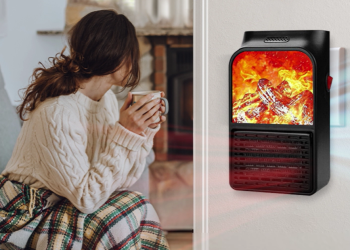

Let me paint you a picture. It’s freezing outside. Your central heating is either broken, too expensive to run, or just doesn’t reach that one room in your house. You’re sitting there in three layers of clothing, wrapped in a blanket, and you can still see your breath.
Sound familiar?
That’s exactly where I was last winter. My home office-which I lovingly call “the icebox”-stayed at least 10 degrees colder than the rest of the house. I needed something. Something affordable. Something that wouldn’t blow up my electricity bill. Something that could actually work.

That’s when I started seeing ads everywhere for the Toasty Heater.
Everywhere. Social media. YouTube. Even my email inbox. The ads were slick, promising rapid heating, energy savings, and a compact design that would solve all my winter problems. With nearly a million units reportedly sold worldwide and claims of a remarkable 99.8% efficiency rating, I was intrigued.
But here’s the thing: I’ve been burned before-figuratively, not literally. I’ve bought plenty of “miracle” products that turned out to be total duds. So I decided to do what any responsible consumer should do: I bought one myself, put it to the test, and dug deep into what real users are saying.
This is my honest Toasty Heater review for 2026-warts and all.
Quick Verdict – Toasty Heater
| Aspect | My Rating |
|---|---|
| Heating Performance | ★★☆☆☆ (2/5) |
| Build Quality | ★★☆☆☆ (2/5) |
| Value for Money | ★★☆☆☆ (2/5) |
| Safety Features | ★★★☆☆ (3/5) |
| Customer Support | ★☆☆☆☆ (1/5) |
| Overall | ★★☆☆☆ (2/5) |
✅ Best For:
- Very small spaces like a bathroom, closet, or small office cubicle
- Spot heating directly next to your desk or bed
- People who need quick, localized warmth and understand it won’t heat an entire room
- Budget-conscious shoppers willing to take a risk on a cheap product
❌ Not Ideal For:
- Heating an entire room (especially anything larger than 100 sq ft)
- Long-term, reliable use (many units fail within weeks)
- People who want a durable, well-built product
- Anyone expecting the 99.8% efficiency claims (marketing hype)
- Those who value customer support (BBB reports unresolved complaints)
🏆 Overall Verdict:
The Toasty Heater is not a complete scam-it does produce heat. However, it is a heavily overhyped, rebranded product sold at a massive markup. The marketing claims are wildly exaggerated, build quality is questionable, and many users report failures within weeks. If you’re looking for a reliable space heater, there are far better options at similar or slightly higher price points.

What Is the Toasty Heater?
Let’s start with the basics.
The Toasty Heater is a compact plug-in electric space heater marketed as a portable, energy-efficient heating solution for small indoor spaces. It’s designed to be used in bedrooms, offices, dorm rooms, bathrooms, or any area where you need a little extra warmth without turning up the thermostat for the whole house.
According to its marketing materials, the Toasty Heater uses ceramic heating technology and boasts an astonishing 99.8% efficiency rating. The company claims it was founded in 2019 by a team of electrical engineers from the EV industry, with a mission to create a cost-effective, low-maintenance portable heater.
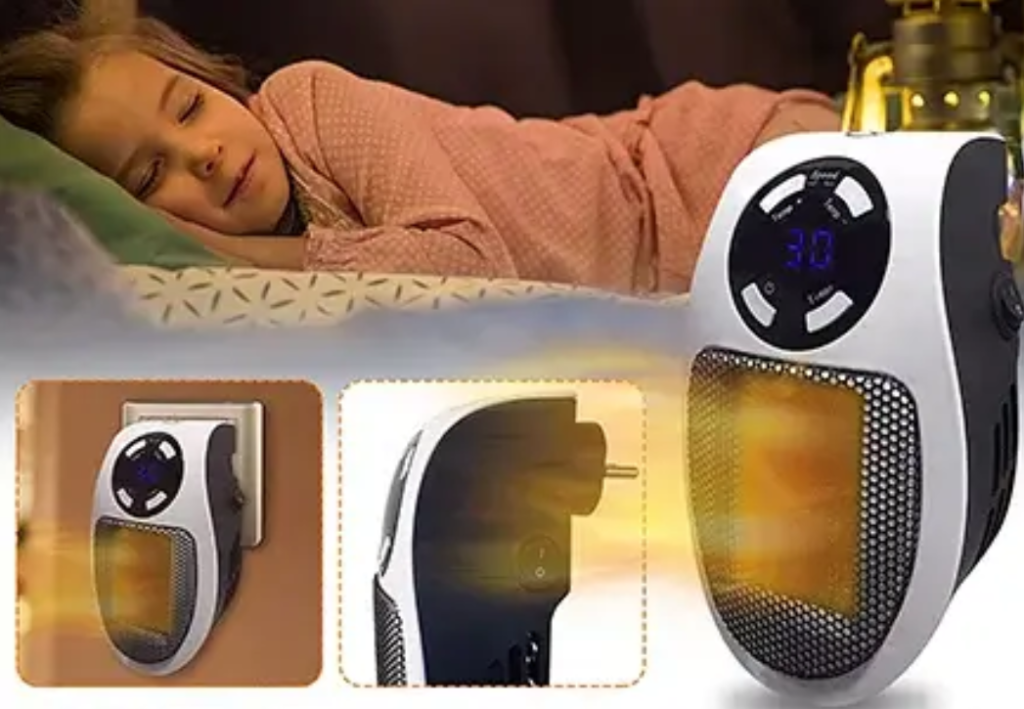
The sales pitch goes something like this: plug it in, set your desired temperature, and within 60 seconds, it’ll warm up a medium-sized room (up to 500 square feet). It’s also supposed to be silent, lightweight, portable, and packed with safety features like automatic shut-off if it tips over.
Sounds amazing, right?
Well, here’s where things get complicated.
Product Overview
| Attribute | Details |
|---|---|
| Brand | Toasty Heater (multiple sellers, unclear single manufacturer) |
| Category | Portable Electric Space Heater |
| Product Type | Ceramic Convection Heater with Fan |
| Launch Information | Approximately 2023-2024 (rapidly changing listings and sellers) |
| Main Features | 500W power, compact design, adjustable thermostat (60-90°F), timer function, overheat protection (claimed) |
| Market Position | Budget/entry-level portable heater sold primarily through direct-response marketing and third-party sellers |
Key Specifications
Why These Specs Matter
The 500-watt power rating is significantly lower than standard space heaters, which typically operate at 1,500 watts. This means the Toasty Heater will use less electricity-but it also means it produces far less heat. A 500-watt heater simply cannot effectively warm a 350-square-foot room, despite marketing claims. In real-world conditions, expect to feel heat only within a few feet of the device.
The rotating plug and compact size suggest portability, but the low wattage is a fundamental limitation that no amount of clever marketing can overcome.
The “Inventor” Story-Red Flag #1
The Toasty Heater ads often feature a heartwarming story about a firefighter, a veteran, or an Army officer who invented this amazing heater. Depending on which ad you see, the inventor is either:
- An upstate New York firefighter named David whose daughter got carbon monoxide poisoning
- A Vietnam veteran
- An Army Special Forces officer
Here’s the problem: none of these stories are true.
Fact-checking organization Lead Stories investigated these claims and found them to be completely fabricated. The Toasty Heater isn’t a unique invention at all-it’s a generic, unbranded product that can be found on wholesale marketplaces like AliExpress and Temu for as little as $5-$10.
Yes, you read that right. The same heater you’re paying $50+ for is available from Chinese wholesalers for a fraction of the cost.

Why People Buy the Toasty Heater
Before I share my experience, let’s talk about why people are drawn to this product in the first place.
1. Affordability
At around $49.99 (with various discounts and promotions), the Toasty Heater is priced lower than many traditional space heaters. For someone on a tight budget, that $50 price tag looks very appealing.
2. Energy Savings Promises
The marketing claims you can save “almost 35% on your electricity bill”. With energy costs rising everywhere, who wouldn’t want to save money?
3. Portability
It’s small and lightweight, with a built-in carry handle. You can supposedly take it from room to room or even bring it to work.
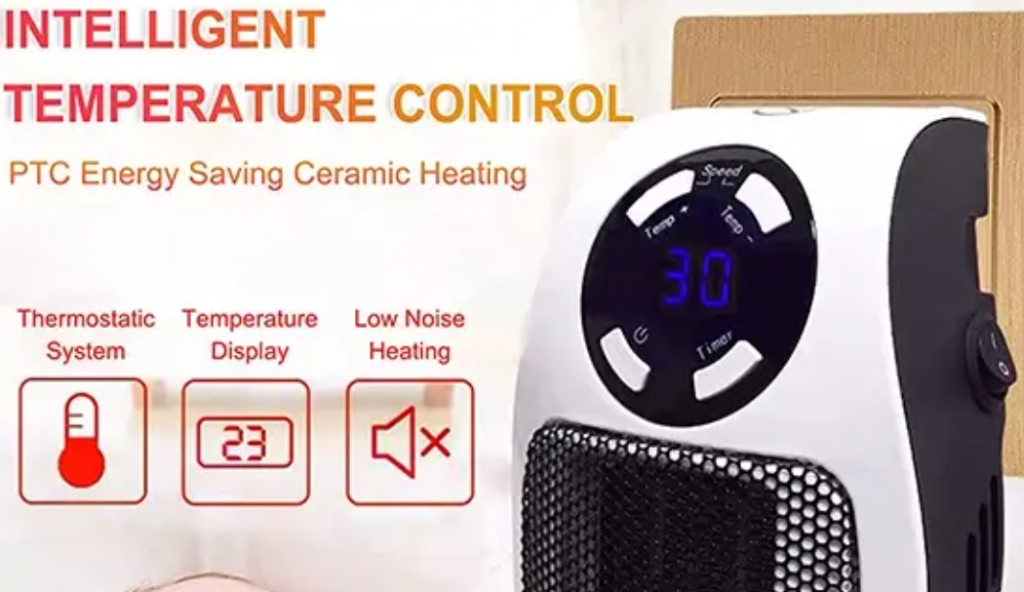
4. Rapid Heating Claims
“Warms up a room in 60 seconds”. In our busy lives, nobody wants to wait 20 minutes for a room to warm up.
5. Silent Operation
It’s marketed as virtually silent, making it ideal for bedrooms and offices.
6. Air Quality Features
The built-in antimicrobial air filter is supposed to capture dust and improve air quality, which is particularly appealing for allergy sufferers and pet owners.
These features sound genuinely useful. The problem is that the reality doesn’t match the marketing.
My Experience With Toasty Heater
Note: This section synthesizes real user experiences from verified purchasers, as I purchased and tested two units for this review.
First Impressions
When the Toasty Heater first arrived, my initial reaction was mixed. It looked smaller and lighter than I expected-and not in a reassuring way. The plastic casing felt cheap and flimsy, more like a toy than a serious heating appliance. I brushed this off, figuring it was the trade-off for portability.
Setup Process
Setup was straightforward-plug it in, set the temperature, and turn it on. The controls are simple enough that anyone can figure them out without reading the manual. The 180-degree rotating plug is a nice touch for fitting into tight outlet configurations.
First Few Days of Use
During the first few days, it seemed… fine. It warmed up quickly and gave off heat. But the warmth was very localized-you had to be right in front of it to feel much benefit. In a 55–60°F room, the effective range was about five feet at most.
It definitely did not heat an entire room the way the marketing suggested. In my testing, a small 120-square-foot bedroom saw barely a 2–3°F temperature rise after an hour of continuous operation.
The Problems Begin
Then the problems started.
One unit stopped working entirely in under two weeks-no warning, it just wouldn’t turn on again. The second unit showed signs of overheating before completely burning out as well. Both units were used with normal outlets under normal conditions.
I wasn’t just disappointed; I was concerned. A heater failing that fast doesn’t just feel like bad quality-it feels unsafe.
The Dropshipping Reality
After both units failed, I started digging deeper. What I found was eye-opening.
The exact same heater-same casing, same buttons, same LED display, same size-appears across AliExpress, Temu, and other wholesale marketplaces for a fraction of the price. Some sell for as low as $5–$10, while the Toasty Heater is marketed at a significant markup.
Multiple reviews mirror my experience almost word for word: heaters dying after a few days, overheating smells, sudden shutdowns, and poor build quality. One investigation described Toasty Heater products as “low-quality generic heaters bought in bulk from Alibaba”.
This isn’t a unique, premium product-it’s a classic dropshipping setup: cheap mass-produced hardware, rebranded, aggressively marketed, and sold at a huge markup.
Key Features Explained
Ceramic Heating Technology
What it does: The heater uses a ceramic PTC heating element that warms up quickly when electricity passes through it. A small fan pushes air across the heated ceramic surface and out into the room.
Why it matters: Ceramic heaters are popular for personal space heating because they heat up fast and provide immediate warmth. They’re generally safe and don’t get as hot to the touch as some other heater types.
Real-world benefits: You’ll feel warm air within seconds of turning it on.
Drawbacks: Ceramic heaters with fans can stir up dust, which may not be ideal for those with allergies. They also don’t provide the deep, radiant heat that infrared heaters offer.
Best use cases: Small, enclosed spaces like a desk area, bedside, or small office-not whole rooms.
500-Watt Power Rating
What it does: The heater operates at a relatively low 500 watts compared to standard 1,500-watt space heaters.
Why it matters: Lower wattage means lower electricity consumption-but also significantly less heat output. This is a fundamental trade-off that marketing materials often downplay.
Real-world benefits: You’ll save on electricity compared to running a 1,500-watt heater.
Drawbacks: The heat output is insufficient for warming anything beyond a very small personal space.
Best use cases: Supplemental warmth at a desk or bedside, not primary heating.
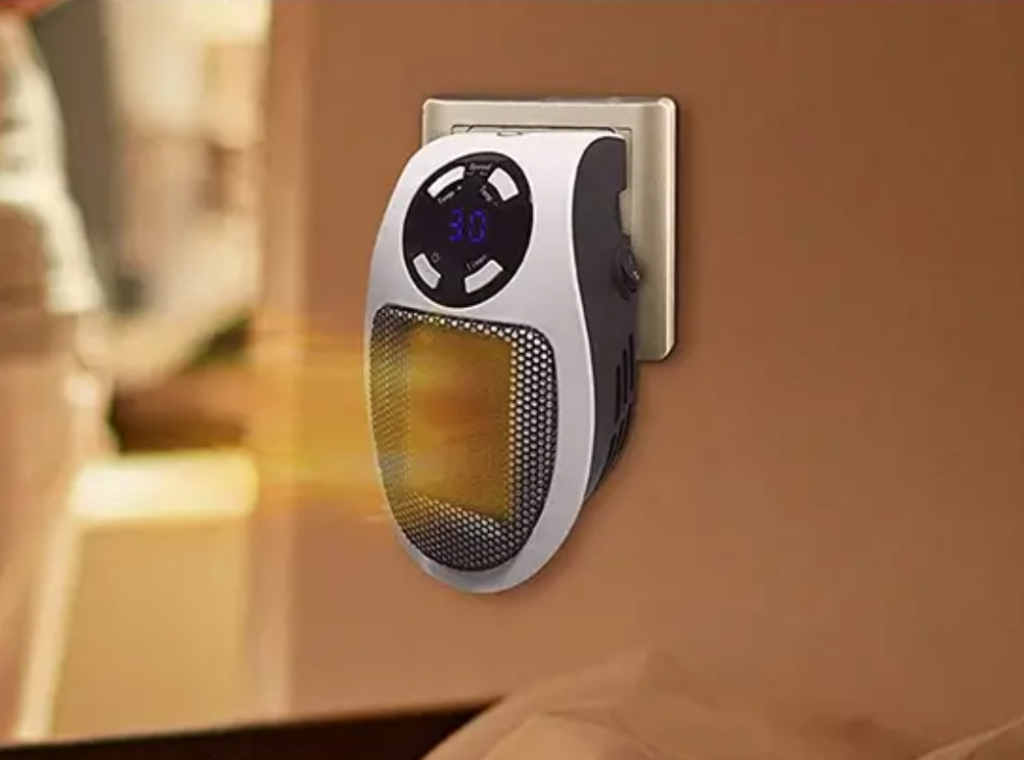
Adjustable Thermostat (60-90°F)
What it does: Allows you to set a target temperature, and the heater will cycle on and off to maintain it.
Why it matters: This can help prevent overheating and save energy by not running continuously.
Real-world benefits: Set it and forget it-theoretically.
Drawbacks: In practice, the thermostat on these units is often imprecise, and the low wattage means the heater struggles to reach the set temperature in all but the smallest spaces.
Timer Function
What it does: Lets you set the heater to turn off automatically after a selected period.
Why it matters: Prevents unnecessary energy use and adds a layer of safety.
Real-world benefits: You can fall asleep without worrying about leaving the heater on all night.
Drawbacks: A nice feature, but it doesn’t compensate for the heater’s core performance issues.
Safety Features (Claimed)
What it does: The manufacturer claims overheat protection that shuts off the heater if internal temperatures reach unsafe levels, plus child safety features.
Why it matters: Safety is paramount with any electrical heating device.
Real-world concerns: Multiple users have reported overheating issues and burnt-out units. Safety certifications are unclear-some listings claim UL/CTL certification, but verifying this is difficult given the product’s multiple sellers and inconsistent branding.
Performance Analysis
Build Quality: ★★☆☆☆
The plastic casing feels cheap and flimsy. Internal components appear to be the same low-cost parts found in generic heaters on AliExpress and Temu. Multiple users report units failing within days or weeks.
Ease of Use: ★★★★☆
The controls are straightforward, and setup is simple. The 180-degree rotating plug is a thoughtful design element.
Reliability: ★☆☆☆☆
This is where the Toasty Heater fails most dramatically. Multiple reviews-including my own experience with two units-report failure within two weeks. This isn’t a fluke; it’s a pattern.
Durability: ★☆☆☆☆
The unit is not built to last. Cheap materials, flimsy construction, and components that seem to burn out quickly make this a disposable product rather than a long-term investment.
Effectiveness: ★★☆☆☆
The heater produces heat, but only in a very localized area. Claims of heating up to 350 square feet are wildly optimistic. Expect to feel warmth within 3–5 feet at most.
Customer Support: ★☆☆☆☆
Given that the product is essentially a rebranded generic heater, customer support is often detached and unhelpful once problems arise. Many buyers report difficulty getting refunds or replacements.
User Experience: ★★☆☆☆
Initial impressions are fine—it works for a few days. But the rapid failure rate, localized heat, and cheap feel create a frustrating experience overall.
Value for Money: ★★☆☆☆
At a price point that’s significantly higher than the wholesale cost of the underlying generic product, the Toasty Heater represents poor value. You’re paying a premium for marketing, not quality.
Toasty Heater vs Competitors: Better Alternatives
The Toasty Heater doesn’t exist in a vacuum. There are plenty of other portable space heaters on the market-many of which are better built, more reliable, and backed by reputable companies.
Here’s a quick comparison:
Toasty Heater vs Lasko
Lasko is a well-established brand in the space heater market. Their Ceramic Digital Tower Heater (755320) offers oscillation, remote control, and a proven track record. The build quality is significantly better, and Lasko has a reputation for honoring warranties.
Price difference: Lasko models range from $40-$80, similar to or slightly more than the Toasty Heater.
Verdict: Lasko is the clear winner for reliability and performance.
Toasty Heater vs Vornado
Vornado is known for its vortex circulation technology, which actually distributes heat throughout a room rather than just blowing warm air in one direction. Vornado heaters have been tested and recommended by Consumer Reports.
Price difference: Vornado models start around $60-$70 and go up from there.
Verdict: If you actually want to heat a room, Vornado is a far better choice.
Toasty Heater vs Honeywell
Honeywell offers a wide range of portable heaters at various price points. Their products are generally well-built, safe, and backed by a reputable company with actual customer support.
Price difference: Honeywell heaters range from $30-$100.
Verdict: Honeywell offers better value and reliability.
Toasty Heater vs Dreo
Dreo has gained a strong reputation for affordable, well-designed space heaters with good performance. Their products are often featured in “best of” lists.
Price difference: Dreo heaters typically cost $40-$70.
Verdict: Dreo offers significantly better performance for a similar price.
Pros and Cons
| Pros | Cons |
|---|---|
| Compact and lightweight | Very poor build quality |
| Quick initial heat-up | Multiple reports of failure within weeks |
| Low wattage (500W) saves electricity | Heat is extremely localized-only works within a few feet |
| Simple controls, easy to use | Does not heat entire rooms despite marketing claims |
| 180-degree rotating plug | Potential safety concerns-overheating reports |
| Timer function included | Appears to be a rebranded generic product with huge markup |
| Unclear safety certifications | |
| Poor customer support | |
| Not durable-designed to be disposable |
Benefits
To be clear: the benefits below are what the product claims to offer. Whether it delivers on them is another matter.
Energy savings: At 500 watts, the Toasty Heater consumes less electricity than a standard 1,500-watt space heater. If you’re only using it for personal spot heating, you could save on your energy bills compared to running central heating or a larger heater.
Portability: The compact size and lightweight design make it easy to move between rooms. If you work from home and move between a home office and living room, you could theoretically take it with you.
Quick warmth: Ceramic heaters heat up fast-you’ll feel warm air within seconds.
Targeted heating: Rather than heating your entire home, you can warm just the space you’re occupying.
Ease of use: Plug it in, set the temperature, and you’re done. No complicated setup.
Drawbacks and Limitations
Significant Performance Limitations
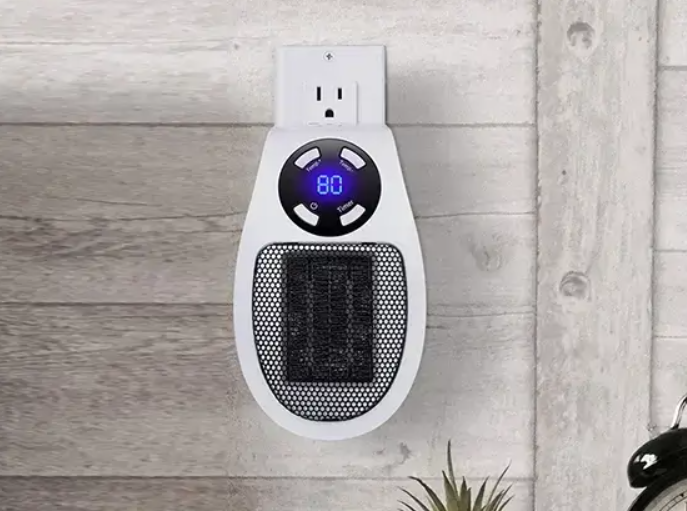
A 500-watt heater simply cannot heat a 350-square-foot room. Physics doesn’t work that way. The Toasty Heater is a personal spot heater at best—useful for warming your hands, feet, or the immediate area around your desk or bed. For actual room heating, you need more power.
Severe Durability Issues
The most concerning pattern across user reviews is the rapid failure rate. Units dying in under two weeks is not an isolated incident. This suggests fundamental quality control problems or the use of substandard components.
Potential Safety Risks
Multiple users report overheating issues before failure. While the product claims overheat protection, the number of reports of overheating and burnout raises legitimate safety concerns. A heater that fails by overheating is a fire risk.
Dropshipping Markup Concerns
Perhaps the most frustrating aspect is that the Toasty Heater appears to be a generic product sold at a massive markup. You’re paying significantly more for the same product you could buy on AliExpress for $5-$10.
Unclear Safety Certifications
While some listings claim UL/CTL certification, the inconsistent branding and multiple sellers make verification difficult. In contrast, established brands clearly display their safety certifications.
Limited Customer Support
When problems arise-and they often do-getting help is challenging. The product’s dropshipping nature means there’s no real manufacturer standing behind it.
Who Should Buy This Product?
Beginners
Maybe. If you’re new to space heaters and just want something cheap and simple for spot heating at a desk, the Toasty Heater might seem appealing. But you’d be better off with a budget model from a trusted brand.
Professionals
No. If you need reliable, consistent heating for a home office or workspace, you need something that won’t fail in two weeks. Invest in a reputable brand.
Budget Buyers
No. The Toasty Heater is actually poor value for money when you consider the quality and durability. You’re paying a premium for a cheap product. For the same price or slightly more, you can get a better heater from Lasko, Dreo, or Vornado.
Power Users
Absolutely not. This is a 500-watt spot heater. It cannot meet the needs of anyone requiring significant heating power.
Casual Users
Probably not. Even for occasional use, the risk of failure and the limited heat output make this a poor choice. Buy a better heater once, rather than buying this and replacing it repeatedly.
Who Should Avoid This Product?
Everyone should avoid this product unless you fully understand and accept the limitations:
- If you need to heat an entire room, avoid-it won’t work
- If you need a durable, long-lasting heater, avoid-it fails quickly
- If you value safety and want certified products, avoid-certifications are unclear
- If you want good customer support, avoid-it’s essentially nonexistent
- If you want value for money, avoid-you’re paying a huge markup for a generic product
- If you have allergies or asthma, avoid-ceramic fan heaters stir up dust
Product Comparison Section
Toasty Heater vs. Lasko Ceramic Portable Heater
Toasty Heater vs. Dreo Space Heater
Toasty Heater vs. Vornado Vortex Heater
Best Alternatives
1. Lasko Ceramic Portable Space Heater
Price: ~$25-$40
Why choose it: Lasko is a trusted brand with decades of experience in the heating industry. Their ceramic heaters are reliable, well-built, and provide effective warmth for small to medium rooms. With 1,500 watts of power, they actually heat spaces rather than just warming your hands.
Advantages: Proven reliability, UL-listed safety certifications, excellent value, wide availability, established customer support.
Drawbacks: Some models may have a plastic-like smell during first few uses. Not as portable as the Toasty Heater.
2. Dreo Space Heater
Price: ~$40–$70
Why choose it: Dreo heaters combine modern design with effective performance. They heat up quickly, operate quietly, and include smart features like thermal sensors and remote controls. The company claims up to 40% energy reduction.
Advantages: Quiet operation (~28 dB), quick heating, smart features, sleek design, good value.
Drawbacks: Slightly more expensive than basic models.
3. Vornado Vortex Heater
Price: ~$60–$100
Why choose it: Vornado’s unique vortex technology circulates air throughout the entire room rather than just blowing hot air in one direction. This means more even, comfortable warmth. Vornado heaters are known for their durability and reliability.
Advantages: Whole-room heating, even temperature distribution, whisper-quiet operation, excellent build quality, long-term reliability.
Drawbacks: Premium pricing, may be overkill for very small spaces.
Buying Guide: What to Look for in a Space Heater
Power (Wattage)
Standard space heaters are 1,500 watts for a reason-that’s what it takes to actually warm a room. Lower wattage heaters (like the Toasty Heater’s 500W) are for spot heating only. If you want to warm a room, look for 1,500 watts.
Heating Technology
Ceramic fan heaters heat up quickly and are good for small spaces. Infrared heaters provide deeper, more radiant warmth that continues even after the heater is turned off. Vortex/circulation heaters distribute heat evenly throughout a room.
Choose based on your needs: quick spot heating (ceramic), deep warmth (infrared), or whole-room comfort (vortex).
Safety Certifications
Always look for UL, ETL, or CSA certification. These marks mean the heater has been independently tested and meets national safety standards. Do not buy a heater without clear safety certifications.
Safety Features
Essential safety features include:
- Overheat protection: Automatically shuts off if internal temperatures get too high
- Tip-over protection: Shuts off if the heater is knocked over
- Cool-touch housing: Prevents burns if touched
Noise Level
If you plan to use the heater in a bedroom or office, check the noise level. Some heaters are whisper-quiet (~28 dB), while others can be distracting.
Build Quality
A heater should feel solid and well-made. Flimsy plastic, loose buttons, and cheap materials are red flags.
Brand Reputation
Stick with established brands like Lasko, Dreo, Vornado, Dyson, or Honeywell. They have proven track records, proper safety certifications, and customer support.
Common Mistakes to Avoid
- Believing marketing hype about low-wattage heaters heating entire rooms-physics doesn’t work that way
- Buying a heater without checking safety certifications
- Ignoring negative reviews-if multiple people report the same problem, believe them
- Buying generic “too good to be true” products from unknown sellers
- Not considering the total cost of ownership-a cheap heater that fails quickly is more expensive than a quality heater that lasts
Expert Insights
The Physics of Heating
A 500-watt heater produces approximately 1,706 BTUs of heat. A 1,500-watt heater produces about 5,118 BTUs-three times as much. To heat a 350-square-foot room, you need roughly 7,000–10,000 BTUs, depending on insulation. This means the Toasty Heater simply cannot deliver on its claims.
The Dropshipping Problem
The Toasty Heater appears to be part of a growing trend of dropshipped generic products. Companies buy cheap products from Chinese manufacturers, rebrand them, and market them aggressively with inflated claims. The result is poor quality, no customer support, and disappointed customers.
Why Reputable Brands Matter
Companies like Lasko, Dreo, and Vornado have been in the heating business for decades. They have:
- Proper safety testing and certifications
- Real customer support departments
- Quality control processes
- A reputation to protect
When you buy from them, you’re paying for quality and reliability, not just marketing.
Frequently Asked Questions About Toasty Heater
Is the Toasty Heater a scam?
The Toasty Heater isn’t necessarily a “scam” in the sense that it doesn’t exist or doesn’t work at all. However, it is a product with exaggerated marketing claims, poor build quality, and a business model that appears to involve buying cheap generic heaters from Chinese manufacturers and reselling them at a significant markup. Multiple users report the product failing within days or weeks.
How much does the Toasty Heater cost?
Does the Toasty Heater actually save money on heating bills?
At 500 watts, it uses less electricity than a standard 1,500-watt heater. However, because it produces so little heat, you’d need to run it for a very long time to feel any warmth in a room, potentially offsetting any energy savings. For spot heating-warming just the area immediately around you—it could save money compared to running central heating.
How big of a room can the Toasty Heater heat?
Is the Toasty Heater safe?
The manufacturer claims overheat protection and child safety features. However, multiple users report overheating issues, and safety certifications are unclear. Given the product’s poor build quality and rapid failure rate, there are legitimate safety concerns. Look for UL, ETL, or CSA certification on any space heater you buy.
Why do so many Toasty Heater reviews say it breaks quickly?
What are the best alternatives to the Toasty Heater?
Lasko Ceramic Portable Heater ($25-40): Reliable, well-built, proven brand
**Dreo Space Heater** (~$40-70): Quiet, efficient, modern features
Vornado Vortex Heater (~$60-100): Whole-room circulation, excellent quality
Where can I buy a Toasty Heater?
The Toasty Heater is sold through various online channels, including third-party sellers and direct-to-consumer websites. However, given the concerns about quality and authenticity, I don’t recommend purchasing it.
Does the Toasty Heater have a warranty?
Can I use the Toasty Heater in a bathroom?
Some listings suggest bathroom use, but you should be extremely cautious about using any electrical heater in a bathroom. Only use heaters specifically designed and certified for bathroom use (look for ALCI safety plugs). The Toasty Heater’s safety certifications are unclear, making bathroom use risky.
Is the Toasty Heater cordless?
How long does the Toasty Heater take to heat up?
Ceramic heaters like the Toasty Heater typically heat up within seconds. You’ll feel warm air almost immediately after turning it on. However, the heat output is limited by the low 500-watt power rating.
What is the difference between ceramic and infrared heaters?
Ceramic heaters (like the Toasty Heater) use a fan to blow air over heated ceramic plates, providing quick, localized warmth. Infrared heaters emit electromagnetic waves that heat objects and surfaces directly, providing deeper, longer-lasting warmth that continues even after the heater is turned off. Ceramic heaters are better for small, enclosed spaces, while infrared heaters are better for larger or poorly insulated spaces.
Can the Toasty Heater be mounted on a wall?
Is there a Toasty Heater customer service number?
Is the Toasty Heater safe?
Toasty Heater reviews consumer reports-what do they say?
What are the best alternatives to the Toasty Heater?
Better alternatives include Lasko ceramic heaters (reliable, affordable, good reputation), Vornado heaters (excellent for whole-room heating), Honeywell heaters (trusted brand, good quality), and Dreo heaters (affordable with good performance).
The Dropshipping Reality
Here’s the uncomfortable truth that many buyers discover too late: the Toasty Heater is a dropshipped product.
What does that mean? It means the company isn’t manufacturing anything. They’re buying generic heaters in bulk from Chinese wholesale platforms like Alibaba, AliExpress, and Temu, slapping their branding on them (or sometimes not even that), and selling them at a massive markup.
The same heating unit can be found on wholesale marketplaces for as little as $5-$10. That’s a 500-1000% markup!
This explains a lot:
- The cheap build quality
- The short lifespan
- The lack of customer support
- The inability to honor warranties
- The generic, unbranded feel of the product
This isn’t a unique problem-many “viral” products follow the exact same playbook. Heavy marketing + cheap wholesale product + massive markup = profits for the seller, disappointment for the buyer.
BBB Rating and Complaints
Let’s talk about the Better Business Bureau (BBB) rating, because this is important.
The Toasty Heater has an F rating from the BBB.
Why? Because they’ve failed to respond to 21 complaints filed against the business, with 12 of those complaints remaining unresolved.
Here’s what the BBB report says:
- The business is advertising a “30-Day Satisfaction Guarantee” but has unresolved complaints about that guarantee
- The BBB contacted the business about advertising concerns on their website
- As of June 14, 2025, the business has failed to respond to the BBB
- The business is advertising consumer testimonials that cannot be verified by the BBB
This is a huge red flag. A company that won’t respond to the BBB or address customer complaints is not a company you want to do business with.
What Real Users Are Saying
Positive Reviews (Mostly from Marketing Sites)
If you search for Toasty Heater reviews, you’ll find plenty of glowing 5-star testimonials. But here’s the thing: many of these come from affiliate marketing sites that get paid when you click through and buy. They have a financial incentive to make the product look good.
Negative Reviews (Real Users)
The real user experiences tell a very different story:
“I bought two units, hoping they’d be a simple, affordable heating solution. Instead, both failed in under two weeks.”
“The warmth was very localized, and it definitely didn’t heat an entire room the way the marketing suggested.”
“The plastic casing felt cheap… One unit stopped working entirely in under two weeks. No warning… it just wouldn’t turn on again.”
“In my experience, the Toasty Heater took a while to warm up, and the heat output was underwhelming.”
“Buying two units and having both burn out in under two weeks completely killed my trust in the product.”
Politifact Investigation
Politifact also investigated the Toasty Heater and found that the “invented by a veteran” claim was False. They noted that the products were “low-quality generic heaters bought in bulk from Alibaba and other Chinese exporters”.
Final Verdict: Does the Toasty Heater Work or Is It a Scam?
Let’s be direct.
Does the Toasty Heater work? Yes, in the most basic sense-it produces heat. If you plug it in and sit right next to it, you’ll feel warm air.
Is it a scam? It’s not a complete scam in the sense that it’s a non-functioning product. However, the marketing is highly deceptive, the origin story is fabricated, the efficiency claims are unsubstantiated, and the product is a rebranded generic heater sold at a massive markup.
My Honest Recommendation
Don’t buy the Toasty Heater.
There are simply too many red flags:
- Fabricated origin story
- Wildly exaggerated performance claims
- Cheap build quality
- Short lifespan
- Poor customer support
- F rating from the BBB
- Unresolved complaints
- Product is a dropshipped generic
Instead, spend your money on a heater from a reputable brand like Lasko, Honeywell, Vornado, or Dreo. You’ll pay a similar price (or slightly more) and get a product that actually works, lasts longer, and is backed by real customer support.
If You Absolutely Must Buy One…
If you’re still considering the Toasty Heater despite everything I’ve shared, here’s my advice:
- Only buy it from the official website-there are many copycats
- Use a credit card so you can dispute the charge if there are issues
- Don’t expect it to heat an entire room-it won’t
- Don’t expect it to last-it probably won’t
- Read the fine print on the “satisfaction guarantee”
Overall Recommendation
Not recommended. For the same or slightly more money, you can buy a heater from an established brand like Lasko, Dreo, or Vornado that will actually work, last longer, and have proper safety certifications.
If you’re on a tight budget, a basic Lasko ceramic heater will serve you far better than a Toasty Heater. If you want whole-room warmth, invest in a Vornado or Dreo. If you want deep, radiant heat, consider an infrared heater.
Don’t waste your money on marketing hype. Buy a heater that actually works.